
Asakusa und Ost-Tokyo: Kultur, Charme und überraschend günstige Mieten

Warum Ost-Tokio gerade seinen Moment hat
Wenn Sie nach einem Wohnratgeber für Asakusa suchen oder die Viertel im Osten Tokios zum ersten Mal erkunden, haben Sie einen der bestgehüteten Geheimnisse der Stadt entdeckt. Während Expats und Neuzuzügler traditionell zu den Cafés von Shibuya, Shinjuku oder Shimokitazawa streben, vollzieht sich östlich des Sumida River eine stille, aber deutliche Verschiebung.
Ost-Tokio – zu dem Gegenden wie Asakusa, Kuramae, Kiyosumi-Shirakawa, Kinshicho und Ryogoku gehören – ist zu einem echten Ziel für Menschen geworden, die das authentische Tokio-Leben ohne die Premium-Preise suchen. Junge japanische Kreative, Boutique-Inhaber und versierte Internationals ziehen alle hierher.
Das Gebiet hat den Geist von Shitamachi bewahrt – den alten Charme der Edo-Zeit Tokios. Die Straßen sind eng und lebendig, Nachbarn grüßen sich tatsächlich, und das Lebenstempo wirkt erfrischend menschlich im Vergleich zur Westseite der Stadt.

Mietvergleich: Ost-Tokio vs. West-Tokio
Sprechen wir über die Zahlen – denn hier macht Ost-Tokio sein stärkstes Argument. Mieten in Gegenden wie Shibuya, Roppongi und Minato können für einen einzelnen Expat mit typischem Budget erschreckend hoch sein.
Hier ist ein ungefährer monatlicher Mietvergleich für eine Standard-1K oder 1R Wohnung (ca. 20–25 Quadratmeter):
- Shibuya / Roppongi: ¥110.000–¥150.000+
- Shinjuku: ¥90.000–¥130.000
- Shimokitazawa / Nakameguro: ¥85.000–¥120.000
- Asakusa / Taito-Bezirk: ¥65.000–¥90.000
- Kinshicho / Sumida-Bezirk: ¥55.000–¥80.000
- Kiyosumi-Shirakawa / Koto-Bezirk: ¥60.000–¥85.000
Die Ersparnisse sind erheblich – wir sprechen von ¥30.000 bis ¥50.000 pro Monat im Vergleich zu ähnlich großen Wohnungen in West-Tokio. Das ist Geld, das in Ihre Tasche zurück fließt für Reisen, Essen und das tatsächliche Genießen Tokios.
Für diejenigen, die Sharehouse- oder möblierte Apartmentoptionen erwägen, bietet Ost-Tokio noch mehr Wert. Ein Privatraum in einem gut verwalteten Sharehouse in Asakusa oder dem nahegelegenen Kuramae kann schon ¥50.000–¥65.000 pro Monat kosten, oft mit Nebenkosten inklusive – was es zu einem der erschwinglichsten Einstiegspunkte ins Tokio-Leben macht.
Pro-Tipp: Der Taito-Bezirk (zu dem auch Asakusa gehört) zählt durchgehend zu den günstigsten zentralen Bezirken Tokios. Wenn Sie Nachbarschaften vergleichen, schauen Sie sich auch die Sumida- und Koto-Bezirke an – sie grenzen an Asakusa und bieten ähnliche Preise mit ausgezeichnetem Zugang zu öffentlichen Verkehrsmitteln.
Die Gastronomieszene: Authentisch, lokal und bemerkenswert bezahlbar
Die Gastronomieszene in Ost-Tokio ist eines seiner stärksten Argumente für ein Leben hier. Dies ist keine Nachbarschaft, die auf trendigem ¥1.800 Avocado-Toast aufgebaut ist – es ist ein Ort, wo die echte Tokioter Essenskultur seit Generationen überlebt hat.
Asakusa beherbergt einige der ältesten und beliebtesten Gastronomiebetriebe der Stadt. Asakusa Imahan serviert seit 1895 Sukiyaki. Daikokuya, direkt von der Nakamise-dori, ist für seine Tempura-Reisschüsseln bekannt, die auch an Wochentagen lange Schlangen anziehen. Und Sometaro an der Hoppy Street ist ein beliebter Okonomiyaki-Ort, wo Sie Ihr Gericht selbst am Tisch zubereiten.

Jenseits der berühmten Orte ist es das alltägliche Essen, das wirklich Menschen gewinnt:
- Hoppy Street (Hoppy-dori): Ein lebhafter Streifen von Izakayas, wo Bier und Spieße unter ¥1.000 kosten
- Kappabashi Kitchen Town: Nicht nur Kochgeschäfte – die umliegenden Straßen haben fantastische Ramen, Mittags-Set-Deals und Bäckereien
- Kinshichos Gastronomiebezirk: Unglaubliches koreanisches BBQ, Yakitori-Gassen und Izakayas, besucht von lokalen Angestellten
- Tsukishima: Eine kurze Fahrt entfernt und berühmt für Monjayaki (Tokioter Pancakes mit herzhaften Belägen)
- Morgenmarkt in der Nähe von Senso-ji: Frisches Gemüse, Konserven und Snacks zu Preisen, die mit Tokios Inflation nicht mitgehalten haben
Ein komplettes Mittagessen in einem Nachbarschafts-Teishoku-Restaurant (Set-Mahlzeit) kostet normalerweise ¥800–¥1.200. Abendessen in einer lokalen Izakaya übersteigt selten ¥3.000 pro Person mit Getränken. Dies ist ein echter Budget-Vorteil im Vergleich zu Essen in Ebisu oder Daikanyama.
„Ost-Tokio spielt nicht Authentizität – es ist einfach authentisch. Das Essen, die Menschen, die Straßen. Es ist das Tokio, das Tokio vergessen hat teuer zu machen."
Touristenmassen vs. Wohnrealität
Eine der häufigsten Sorgen, die wir von Menschen hören, die einen Asakusa-Wohnratgeber suchen: „Ist Asakusa nicht die ganze Zeit voll mit Touristen?"
Die ehrliche Antwort – ja und nein. Der Senso-ji-Tempel und die Nakamise-dori sind an Wochenenden absolut überlaufen, besonders während der Golden Week oder Kirschblütenzeit. Aber der Touristenfußabdruck ist überraschend begrenzt.
Gehen Sie drei Blöcke nördlich von Nakamise-dori und Sie sind in einer ruhigen Wohngegend, wo Kinder Fahrrad fahren und Großmütter die Gehwege vor ihren Häusern kehren. Straßen wie Hanakawado und Gegenden um Asakusa 2-chome und 3-chome sind ruhig, lokal und echte Wohngebiete.
Die Touristen sind meist bis 18 Uhr weg. Am Abend verwandelt sich Asakusa in eine Nachbarschaft, wo Einheimische essen, trinken und ihren Leben nachgehen. Es ist einer der wenigen zentralen Tokio-Bereiche, wo diese Art von Dualität tatsächlich zugunsten eines Bewohners funktioniert.
Gut zu wissen: Wenn Touristenlärm ein Problem ist, schauen Sie sich nach Wohnungen auf der Nord- oder Westseite des Asakusa-Bahnhofs um, oder erkunden Sie das nahegelegene Kuramae (nur eine Station südlich) – es hat einen deutlich kreativen, ruhigeren Charakter mit unabhängigen Cafés und Designstudios und fast null Touristenfußverkehr.
Geheime Tipps nur für Einheimische
Sobald Sie ein paar Wochen in Ost-Tokio gelebt haben, entdecken Sie Schichten, die in keinem Reiseführer stehen. Hier sind einige echte lokale Favoriten, die es wert sind, bekannt zu sein:
Kuramae: Tokios Brooklyn-Moment
Kuramae hat sich zu einer von Tokios aufregendsten Mikro-Nachbarschaften entwickelt. Ehemalige Großhandelslager wurden in Spezialitätenkafés (Nakamura Tea Life Store, Nozy Coffee), Handwerksstudios und unabhängige Boutiken umgewandelt. Es hat die Ästhetik von Daikanyama zu einem Bruchteil der Miete.
Yanaka Ginza: Eine Einkaufsstraße gefrorener Zeit
Eine kurze Fahrt oder ein Fahrrad von Asakusa entfernt, ist Yanaka Ginza eine überdachte Shotengai (Einkaufsarkade), die sich anfühlt, als hätte sie sich seit den 1970ern nicht verändert. Tofugeschäfte, Katzencafés, Sembei-Verkäufer (Reiskracker) und freundliche Einheimische. Perfekt für einen langsamen Sonntagachmittag.
Kiyosumi Garden
Einer von Tokios schönsten traditionellen Gärten und fast immer ruhiger als der Shinjuku Gyoen oder Hamarikyu. Kostenlos an ausgewiesenen Tagen und umgeben von der zunehmend angesagten Kiyosumi-Shirakawa Kaffee-Gegend.
Ryogokus Sumo-Kultur
Heimat der Kokugikan Arena und mehrerer Sumo-Ställe, lässt Sie Ryogoku die Sumo-Kultur auf einer Nähe-Ebene erleben, die surreal wirkt. Einige Ställe erlauben Besuchern, das Morgentraining zu beobachten – eine wirklich unvergessliche Erfahrung, die keine Eintrittskarte oder Buchungsgebühr erfordert.

Mobilität: Verkehrsanbindungen in Ost-Tokio
Verkehr ist ein Bereich, wo Ost-Tokio manchmal unfairerweise kritisiert wird – und es lohnt sich, die Dinge richtigzustellen. Das Gebiet ist sehr gut vernetzt, nur durch andere Linien als West-Tokio.
Wichtige Linien, die man kennen sollte
- Tokyo Metro Ginza-Linie: Verbindet Asakusa direkt mit Ueno, Nihonbashi, Ginza, Shibuya – eine der verkehrsreichsten Pendlerlinien der Stadt
- Tobu Skytree-Linie: Verläuft von Asakusa nordöstlich in Richtung Saitama, nützlich für diejenigen, die nach Norden pendeln
- Tokyo Metro Hanzomon-Linie: Von Oshiage/Kinshicho, Shibuya in etwa 25 Minuten erreichend
- JR Sobu-Linie: Kinshicho bis Shinjuku in ungefähr 20 Minuten
- Toei Asakusa-Linie: Verbindung zum Keikyu-Netz, direkte Anbindung an Shinagawa, Haneda-Flughafen und Yokohama ohne Umstieg
Fahrrad-Kultur
Ost-Tokio ist bemerkenswert flach – es gibt praktisch keine Hügel zwischen Asakusa, Ryogoku und Kiyosumi-Shirakawa. Dies macht es zu einem der besten Teile Tokios zum Radfahren als tägliches Verkehrsmittel oder Wochend-Erkundung. Viele Bewohner verlassen sich auf ein Fahrrad als ihr Hauptverkehrsmittel für Fahrten unter 30 Minuten.
Tokyo Skytree als Orientierungspunkt
In der Nähe von Skytree zu leben ist mehr als nur eine Fotogelegenheit. Der Oshiage Station Komplex darunter ist ein großer Umsteigeknoten, wo vier verschiedene Linien zusammenlaufen, was es leichter macht, fast überall in der Stadt zu gelangen, ohne über die großen Hubs der Westseite zu gehen.
Pro-Tipp: Ein monatliches Pendlerkarte (Teiki) von Asakusa zu zentralen Geschäftsvierteln wie Marunouchi oder Ginza kostet normalerweise ¥8.000–¥12.000/Monat – deutlich günstiger als das Pendeln aus vielen Wohngebieten in West-Tokio.
Ist Ost-Tokio das Richtige für Sie?
Ost-Tokio passt nicht zu jedem. Wenn Sie in Gehweite von Shibuyas Nachtleben sein müssen oder Sie arbeiten in einem Unternehmen in West-Shinjuku, rechnet sich die Pendelstrecke. Und wenn Sie jemand sind, der die kuratierte, internationale Atmosphäre von Vierteln wie Hiroo oder Azabu liebt, könnte Ost-Tokios lokalerem, japanischsprachig dominierendem Umfeld etwas Anpassung erfordern.
Aber wenn Sie der Typ sind, der tatsächlich in Tokio leben möchte, anstatt nur in einer Expat-Blase zu existieren – um in der lokalen Shotengai einzukaufen, Frühstück im Nachbarschafts-Kissaten zu essen und den Rhythmus einer Stadt zu spüren, die das seit Jahrhunderten tut – ist Ost-Tokio schwer zu schlagen.
Die Kombination aus günstiger Miete, großartigem Essen, echter Kultur, solider Verkehrsbindung und einem Gemeinschaftsgeist, den West-Tokio größtenteils preislich verdrängt hat, macht diesen Teil der Stadt zu einem der intelligentesten Orte, um Wurzeln zu schlagen.
Bei Modern Living Tokyo haben wir möblierte Apartments und Sharehouse-Optionen in und um Nachbarschaften in Ost-Tokio – bezugsfertig, kein Garantor erforderlich, mit englischsprachiger Unterstützung durchgehend. Wenn Sie neugierig sind, Ihr Tokio-Leben auf der Ostseite zu beginnen, nehmen Sie Kontakt mit unserem Team auf und wir helfen Ihnen, die richtige Lösung zu finden.

Modern Living Tokyo
Verwandte Artikel
 Neighborhood
Die besten Share Houses in Edogawa, Tokio: Günstiges Wohnen im Osten Tokios
Erfahren Sie, warum Edogawa eines der preiswertesten Viertel Tokios für Expats ist – mit Share-House-Mieten ab ¥35.000 pro Monat und guter Anbindung.
 Modern Living TokyoWeiterlesen →
 Neighborhood
Apartments in Chofu und Westtokyio: Ruhiges Wohnen an der Keio-Linie
Chofu und die Keio-Linie im Westen Tokyos bieten entspanntes Wohnen, günstige Mieten und eine nur 22-minütige Fahrt nach Shinjuku – hier finden Sie alle wichtigen Informationen.
Modern Living TokyoWeiterlesen → Neighborhood
Wohnen in Daikanyama: Premium-Leben in Tokio ohne Roppongi-Preise
Daikanyama bietet erstklassiges Tokioter Wohnen – Boutique-Cafés, niedrige Häuserzeilen und Shibuya in nur 2 Minuten – ohne die Preise von Roppongi. Hier finden Sie alles, was Sie wissen müssen...
Modern Living TokyoWeiterlesen →Empfohlene Immobilien
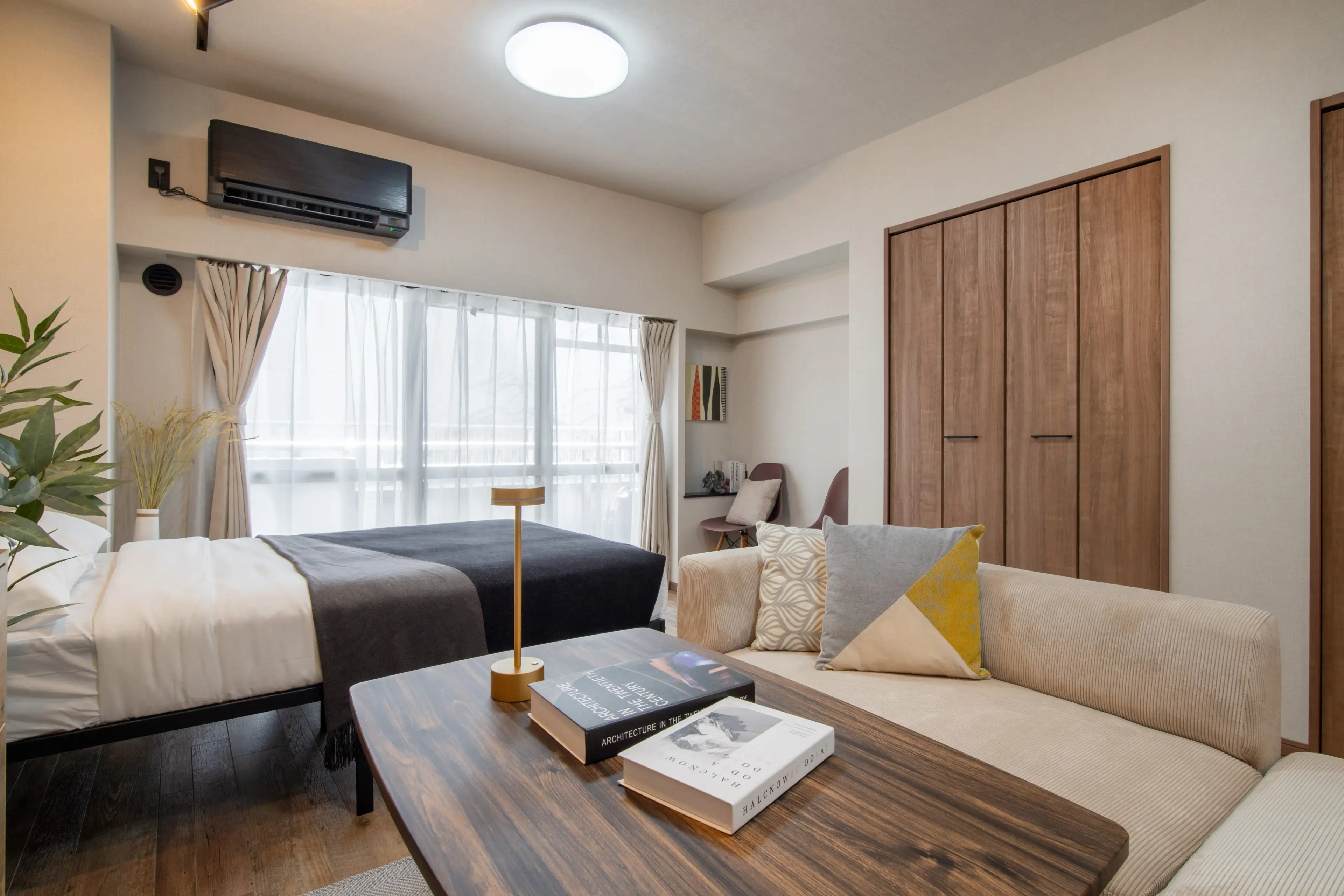 Belegt
Fully Furnished Apartment 20 Min to Takadanobaba
Iidabashi High Town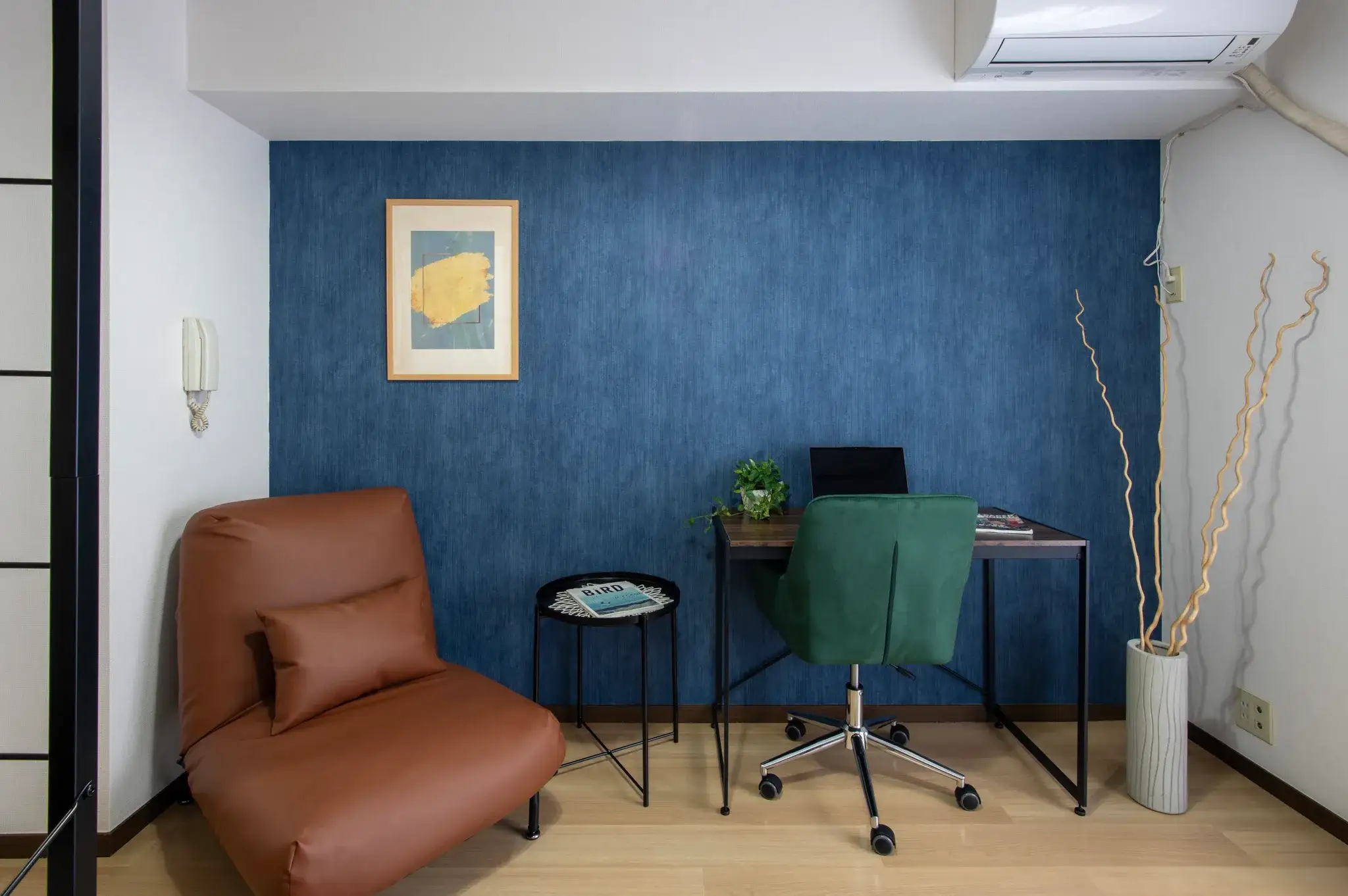 Möglicherweise ab Dec 3, 2026
Möblierte Wohnung in Meguro
ML Meguro — 208
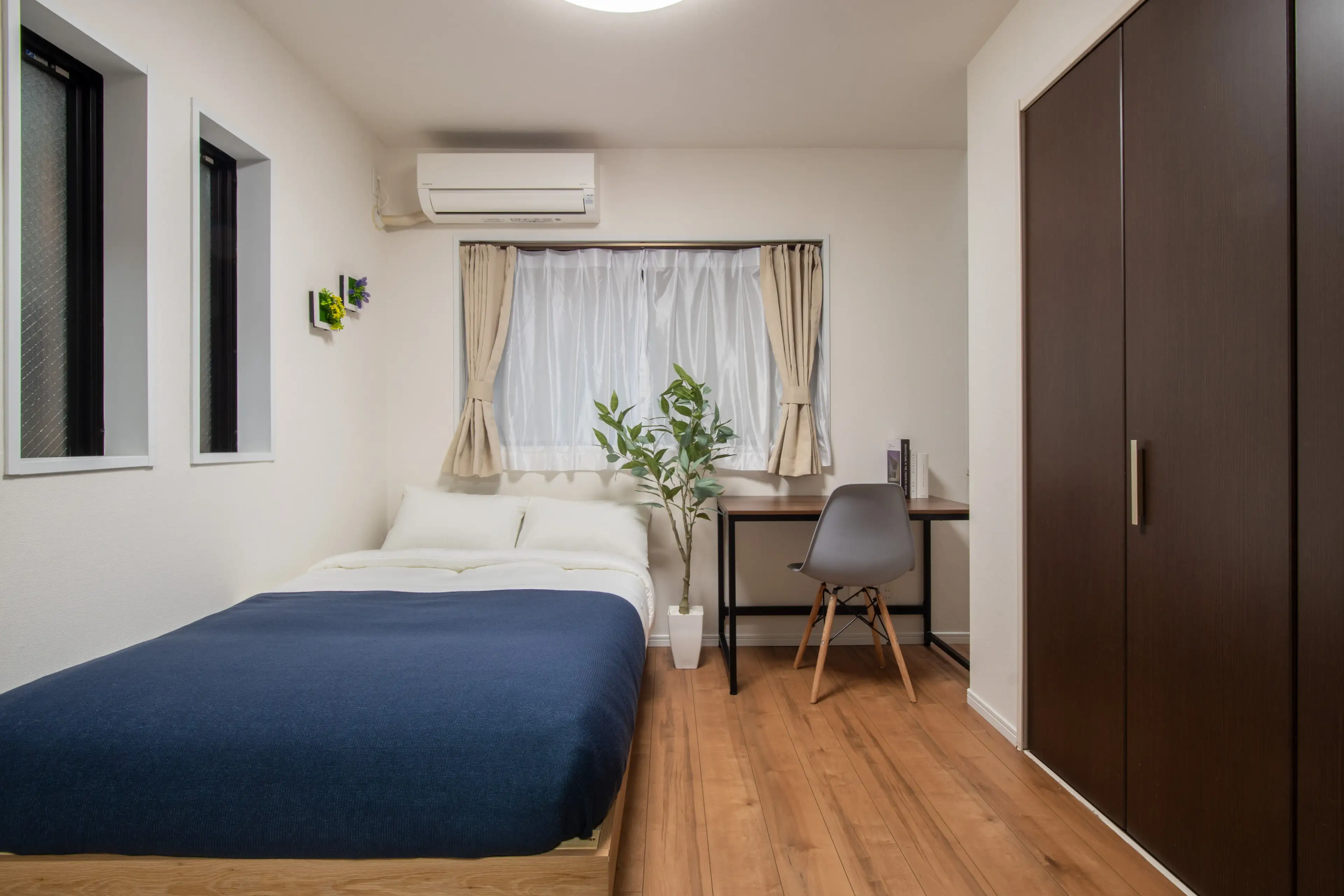 Sofort verfügbar
Möblierte Wohnung in Shinagawa
Beverly Homes Nishikoyama — 103