
Japanisch lernen in Tokyo: Die besten Schulen, Apps und kostenlosen Ressourcen

Brauchen Sie wirklich Japanisch, um in Tokio zu leben?
Wenn Sie planen, Japanisch in Tokio zu lernen, sind Sie bereits vielen Neuankömmlingen voraus, die mit der Erwartung ankommen, dass Englisch ausreicht. Die ehrliche Wahrheit? Sie können in Tokio ohne Japanisch überleben — aber Sie werden nur überleben, nicht wirklich hier leben.
Große Bahnhöfe, Convenience Stores und Touristengegenden sind zunehmend zweisprachig. Die Kamerafunktion von Google Translate ist zu einem echten Lebensretter für Speisekarten und Beschilderung geworden. Viele internationale Unternehmen führen Geschäfte auf Englisch, und Stadtviertel mit hohem Expat-Anteil wie Minami-Azabu und Nakameguro haben englischfreundliche Infrastruktur.
Aber hier wird es ernst: Eine Wohnung zu finden, eine lokale Klinik zu besuchen, einen Streit mit dem Vermieter beizulegen, Freunde außerhalb der Expat-Blase zu treffen oder einfach selbstbewusst in einem Ramen-Restaurant zu bestellen — all das wird mit selbst grundlegendem Japanisch dramatisch einfacher. Die Stadt öffnet sich auf völlig andere Weise, wenn Sie nicht mehr bei jeder Interaktion von Übersetzungs-Apps abhängig sind.
„Sie können in Tokio ohne Japanisch überleben — aber Sie werden nur überleben, nicht wirklich hier leben."
Die gute Nachricht: Tokio ist wohl die beste Stadt der Welt, um Japanisch zu lernen. Sie sind von dem Moment an, in dem Sie vor die Tür treten, in die Sprache eingetaucht. Jede Zugfahrt, jeder Einkauf im Supermarkt, jede Kaffeebestellung ist eine Gelegenheit zu üben. Diese Immersion kombiniert mit den richtigen Ressourcen kann Ihre Fortschritte dramatisch beschleunigen.
Japanische Sprachschulen in Tokio: Typen, Kosten & was Sie erwarten können
Formales Studium ist der schnellste Weg, um eine solide Grundlage aufzubauen, und Tokio hat keinen Mangel an Möglichkeiten. Der Schlüssel liegt darin, den Schultyp auf Ihre Ziele, Ihren Zeitplan und Ihr Budget abzustimmen.

Akkreditierte Sprachschulen (Vollzeit)
Diese sind beim japanischen Justizministerium registriert und bieten Studentenvisa an. Programme dauern normalerweise 1–2 Jahre und folgen einem strukturierten Lehrplan vom Anfänger bis zum fortgeschrittenen Niveau. Sie sind ideal, wenn Sie speziell zum Sprachenlernen nach Japan ziehen oder einen Visa-Weg suchen.
- Naganuma School (Shibuya) — eine der ältesten und respektiertesten Schulen Tokyos, kleine Klassengrößen, starker Gesprächsfokus
- KAI Japanese Language School (Shinjuku) — beliebt bei Inhabern von Working-Holiday-Visa, flexible Planung
- ISI Language School (mehrere Standorte in Tokio) — große Schule mit starker Unterstützung für internationale Studierende
- Akamonkai Japanese Language School (Nishi-Nippori) — hochwertig angesehen für akademisches Japanisch, gut für diejenigen, die auf die Universität abzielen
Das Schulgeld liegt in der Regel zwischen ¥650.000 und ¥900.000 pro Jahr, einschließlich Registrierungs- und Lehrbuchgebühren. Einige Schulen bieten kürzere intensive Kurse ab etwa ¥150.000 für drei Monate an.
Teilzeit- und Abendschulen
Für berufstätige Fachkräfte oder diejenigen mit Working-Holiday-Visa sind Teilzeitoptionen praktischer. Kurse finden normalerweise 2–4 Abende pro Woche für je 1,5–2 Stunden statt.
- Tokyo Japanese Language Education Center — regierungsverbunden, erschwingliche Gebühren von etwa ¥40.000 pro Semester
- Shinjuku Japanese Language Institute — starkes Abendprogramm, zentrale Lage
- Intercultural Institute of Japan (Ichigaya) — angesehen für ausgewogene Grammatik und Konversation
Erwarten Sie ¥30.000–¥80.000 pro Quartal für Teilzeitprogramme. Das ist eine sehr vernünftige Investition im Vergleich zu Sprachschulen in anderen Ländern.
Private Tutoren
Plattformen wie italki und Preply verbinden Sie mit zertifizierten Japanischlehrern für Einzelunterricht per Videoanruf. Die Gebühren liegen zwischen ¥1.500–¥5.000 pro Stunde, je nach Qualifikation des Lehrers. Für viele Lernende liefert die Kombination eines Tutors mit Selbstlern-Apps schnellere Ergebnisse als ein Klassenzimmerunterricht allein.
Profi-Tipp: Viele Sharehouse-Bewohner stellen fest, dass das Zusammenleben mit japanischen Mitbewohnern ihnen mehr tägliche Übung gibt als ein formaler Kurs. Wenn die Beschleunigung Ihres gesprochenen Japanisch eine Priorität ist, erwägen Sie ein Sharehouse mit einer gemischten Gemeinschaft internationaler und japanischer Bewohner — die ungezwungenen täglichen Gespräche sind unglaublich wertvoll.
Beste Apps zum Japanischlernen für das Selbststudium
Apps werden echte Konversation nicht ersetzen, aber die besten sind wirklich hervorragende Werkzeuge zum Aufbau von Wortschatz, zur Beherrschung der Schriftsysteme und zur Verstärkung der Grammatik. Hier sind die, die wirklich Ihre Zeit wert sind.
Für Anfänger
- Duolingo — Kostenlos und gamifiziert. Großartig für Hiragana und Katakana, grundlegender Wortschatz und zum Aufbau einer täglichen Gewohnheit. Nicht ausreichend für sich allein, aber ein solides Aufwärm-Tool.
- Pimsleur — Audio-basiert, ideal für Pendler. Konzentriert sich von Tag eins auf Sprechen und Hören. Das Abonnement kostet etwa ¥2.000/Monat, aber der Audio-First-Ansatz ist wirklich wirksam für die Aussprache.
- Japanese by Renzo — Oft übersehen, aber hervorragend für Kana- und Kanji-Übungen, besonders auf iOS.
Für Fortgeschrittene Lernende
- Anki — Kostenlose Lernkarten-App mit Spaced Repetition. Laden Sie vorgefertigte Decks wie „Core 2000" oder „Core 6000" herunter, um systematisch Wortschatz aufzubauen. Steile Lernkurve, aber unglaublich leistungsstark.
- WaniKani — Web-basiert (auch als App) Spaced Repetition System speziell für Kanji. Bringt Sie durch 2.000 Kanji und 6.000 Vokabeln. Das Abonnement kostet etwa ¥900/Monat. Geliebt von ernsthaften Lernenden.
- Bunpro — Grammatik-fokussierte SRS-App, die den vollständigen JLPT-Grammatiklehrplan abdeckt. Etwa ¥800/Monat und passt wunderbar zu WaniKani.
Zum Üben von Hören und Lesen
- NHK Web Easy — Kostenlose Website (auch als App zugänglich) mit vereinfachten japanischen Nachrichtenartikeln mit Furigana. Echtes Japanisch, lesbares Japanisch.
- Satori Reader — Kuratierte Leseinhalte auf mehreren Niveaus mit Grammatikerklärungen. Etwa ¥1.300/Monat.
- YouTube-Kanäle — „Comprehensible Japanese", „Nihongo no Mori" und „JapanesePod101" sind alle kostenlos und wirklich hilfreich.
Kostenlose Ressourcen und Sprachaustausch in Tokio

Tokio bietet eine bemerkenswerte Anzahl von kostenlosen und kostengünstigen Möglichkeiten, um Japanisch zu üben. Nutzen Sie sie — sie sind oft wertvoller als teure Kurse.
Sprachaustausch-Treffen
Meetup.com listet Dutzende von wöchentlichen Sprachaustausch-Ereignissen in Tokio auf. Suchen Sie nach „Tokyo language exchange" und Sie werden Veranstaltungen in Shinjuku, Shibuya und Ginza fast jeden Abend der Woche finden. Diese verbinden japanische Sprecher, die Englisch üben möchten, mit Englischsprechern, die Japanisch lernen — ein wirklich fairer Austausch.
Tandem und HelloTalk sind Apps, die Sie mit Sprachaustauschpartnern verbinden. Sie können Partner in Tokio für persönliche Kaffee-Treffen finden oder einfach von Ihrer Wohnung aus über Text- und Sprachnachrichten üben.
Kostenlose Gemeinschaftsklassen
Viele Tokioter Bezirksämter (区役所, kuyakusho) bieten subventionierte oder völlig kostenlose Japanischkurse für ausländische Bewohner an. Diese werden oft von freiwilligen Unterrichtenden geleitet und sind informell, gespräch-fokussiert und sehr einladend.
- Shinjuku City's Nihongo Kyōshitsu — kostenlose Samstags-Kurse für Bewohner
- Minato City International Association (MIFA) — subventionierte Kurse und Kulturprogramme
- Shibuya City Japanese language support — anfängerfreundliche von Freiwilligen geleitete Kurse
Schauen Sie auf der Website Ihres Bezirksamts nach oder fragen Sie an der Rezeption — die meisten Bezirke haben irgendeine Form von Sprachunterstützung für internationale Bewohner.
Bibliotheken und kostenlose Online-Ressourcen
Tokyos öffentliche Bibliotheken (besonders die Tokyo Metropolitan Central Library in Hiroo) haben umfangreiche Japanischlern-Abteilungen. Die Mitgliedschaft ist kostenlos für Tokioter Bewohner. Online bietet die Website JLPT Sensei kostenlose Übungstests und Grammatikleitfäden für alle JLPT-Niveaus an.
JLPT: Ist das Japanese Language Proficiency Test es wert?
Das Japanese Language Proficiency Test (JLPT) ist der weltweit anerkannte Maßstab für Japanischkenntnisse. Es findet zweimal pro Jahr in Tokio statt — normalerweise im Juli und Dezember — und kostet etwa ¥5.500–¥6.000 zum Ablegen.
Der Test hat fünf Niveaus: N5 (absoluter Anfänger) bis N1 (nahe muttersprachlich). Für die meisten täglichen Zwecke in Tokio ist N4 oder N3 ein sinnvoller Meilenstein — Sie können grundlegende Gespräche führen, einfache Texte lesen und die meisten Situationen unabhängig navigieren.
Ist es es wert? Ja, in den meisten Fällen. Hier ist der Grund:
- Es gibt Ihnen ein konkretes Ziel zum Hinarbeiten — unglaublich motivierend
- N2 oder N1 wird oft für berufliche Positionen bei japanischen Unternehmen verlangt
- Es ist international anerkannt — wertvoll auf einem Lebenslauf überall auf der Welt
- Der Vorbereitungsprozess selbst ist hochgradig strukturiert und wirksam
Registrieren Sie sich unter jlpt.jp — Anmeldungen öffnen sich normalerweise um April für die Juli-Prüfung und September für die Dezember-Prüfung. Warten Sie nicht; Plätze füllen sich schnell.
Gut zu wissen: JLPT ist nur Lesen und Hören — keine Sprech- oder Schreibkomponenten. Wenn Konversation Ihr Hauptziel ist, ergänzen Sie Ihre JLPT-Vorbereitung mit regelmäßiger Sprechübung durch Sprachaustausch oder Tutoringkurse.
Tägliche Gewohnheiten, die Ihr Japanischlern in Tokio beschleunigen

Der echte Vorteil, in Tokio zu leben und Japanisch zu lernen, ist, dass die Stadt selbst Ihr Klassenzimmer ist. Hier ist, wie Sie das Beste daraus machen.
Nutzen Sie Ihren Arbeitsweg
Der durchschnittliche Tokioter Arbeitsweg beträgt 48 Minuten in jede Richtung. Das sind fast zwei Stunden täglicher Lernzeit, wenn Sie sie absichtsvoll nutzen. Wechseln Sie zwischen Anki-Lernkarten-Wiederholungen, Podcast-Hören (Nihongo con Teppei ist hervorragend für fortgeschrittene Lernende) und dem Lesen von NHK Web Easy Artikeln.
Schalten Sie Ihr Telefon auf Japanisch um
Das klingt schmerzhaft, und das ist es — für etwa eine Woche. Danach werden Sie passiv Hunderte von häufigen Wörtern und Phrasen absorbiert haben, nur weil Sie Ihre täglichen Apps navigieren. Beginnen Sie mit nur der Spracheinstellung des Systems.
Bestellen Sie auf Japanisch, immer
Auch wenn das Personal Englisch spricht, bestellen Sie auf Japanisch. Machen Sie es zu einer unverzichtbaren Regel. Das Unbehagen verschwindet schnell, und das Vertrauen, das Sie aufbauen, addiert sich im Laufe der Zeit. Beginnen Sie mit einfachen Phrasen: kore o kudasai (dieses hier, bitte) geht sehr weit.
Beschriften Sie Ihre Umgebung
Kleben Sie Klebezetteln auf Gegenstände in Ihrer Wohnung — den Kühlschrank, die Tür, den Wasserkocher. Es ist eine klassische Anfänger-Technik, die tatsächlich funktioniert. Wenn Sie in einem Sharehouse mit japanischen Bewohnern leben, hinterlassen Sie ein Whiteboard im Gemeinschaftsbereich für Vokabel-Austausch — es ist ein Gesprächsstarter und ein Lerntool in einem.
Schauen Sie japanisches Fernsehen ohne englische Untertitel
Sobald Sie etwa N4-Niveau erreichen, schauen Sie sich Variety-Shows, Dramen oder Anime nur mit japanischen Untertiteln an. Netflix Japan, Hulu Japan und die kostenlose TVer-App haben umfangreiche japanische Inhalte. Es ist anfangs unbequem — dieses Unbehagen ist das Lernen, das stattfindet.
Setzen Sie wöchentliche Vokabel-Ziele, nicht tägliche Perfektion
Streben Sie danach, pro Woche 50–70 neue Wörter hinzuzufügen, anstatt sich über das Erreichen eines täglichen Ziels Sorgen zu machen. An manchen Tagen lernen Sie eine Stunde; an anderen, fünf Minuten in der U-Bahn. Konsistenz über Wochen und Monate ist viel wichtiger als Intensität an einem einzelnen Tag.
Beginnen Sie, wo Sie sind
Japanisch in Tokio zu lernen, ist eines der lohnendsten Dinge, die Sie als Expat hier tun können. Die Sprache öffnet Türen zu Freundschaften, Karrieremöglichkeiten und einem Maß an kulturellem Verständnis, das kein Reiseführer geben kann. Sie müssen nicht fließend sein, um von den Vorteilen zu profitieren — selbst Japanisch auf N5-Niveau verdient aufrichtige Wertschätzung von Einheimischen und öffnet Türen, die reines Englisch fest verschlossen hält.
Beginnen Sie mit einer App, besuchen Sie ein Sprachaustausch-Ereignis und sagen Sie sumimasen statt „excuse me", wenn Sie nächstes Mal jemanden brauchen. Kleine Schritte, konsistent unternommen, addieren sich schneller als Sie erwarten würden.
Bei Modern Living Tokyo sind unsere möblierten Wohnungen und Sharehouses Zuhause für eine lebendige Mischung aus internationalen und japanischen Bewohnern — genau die Art von Umgebung, in der tägliche Japanisch-Übung natürlich stattfindet, außerhalb jedes Klassenzimmers. Wenn Sie ernsthaft daran arbeiten, Ihr Japanisch auszubauen und Ihr Leben in Tokio zu gestalten, mit der richtigen Gemeinschaft um Sie herum macht den ganzen Unterschied aus.

Modern Living Tokyo
Verwandte Artikel
 Lifestyle
Studentische Wohngemeinschaften in Tokio: Die besten Optionen für internationale Studierende (2026)
Alles, was internationale Studierende über die Suche nach einer Wohngemeinschaft in Tokio wissen müssen – von realistischen Budgets über die beliebtesten Stadtteile bis hin zu erforderlichen Dokumenten und der Bewerbung aus dem Ausland.
 Modern Living TokyoWeiterlesen →
 Lifestyle
Die besten Tagesausflüge von Tokio: Berge, Strände und Thermalbäder
Von den Thermalquellen in Hakone bis zu den Tempeln von Kamakura – entdecken Sie die schönsten Tagesausflüge von Tokio mit praktischen Informationen zu Zugfahrten, Fahrtzeiten und Insider-Tipps.
Modern Living TokyoWeiterlesen → Lifestyle
Mit dem Fahrrad durch Tokio: Der praktische Leitfaden für Anfänger
Alles, was Sie über das Radfahren in Tokio wissen müssen – von der Anschaffung eines Fahrrads über Registrierungsvorschriften bis hin zu den besten Strecken und Parkplätzen für Ausländer, die in der Stadt leben.
Modern Living TokyoWeiterlesen →Empfohlene Immobilien
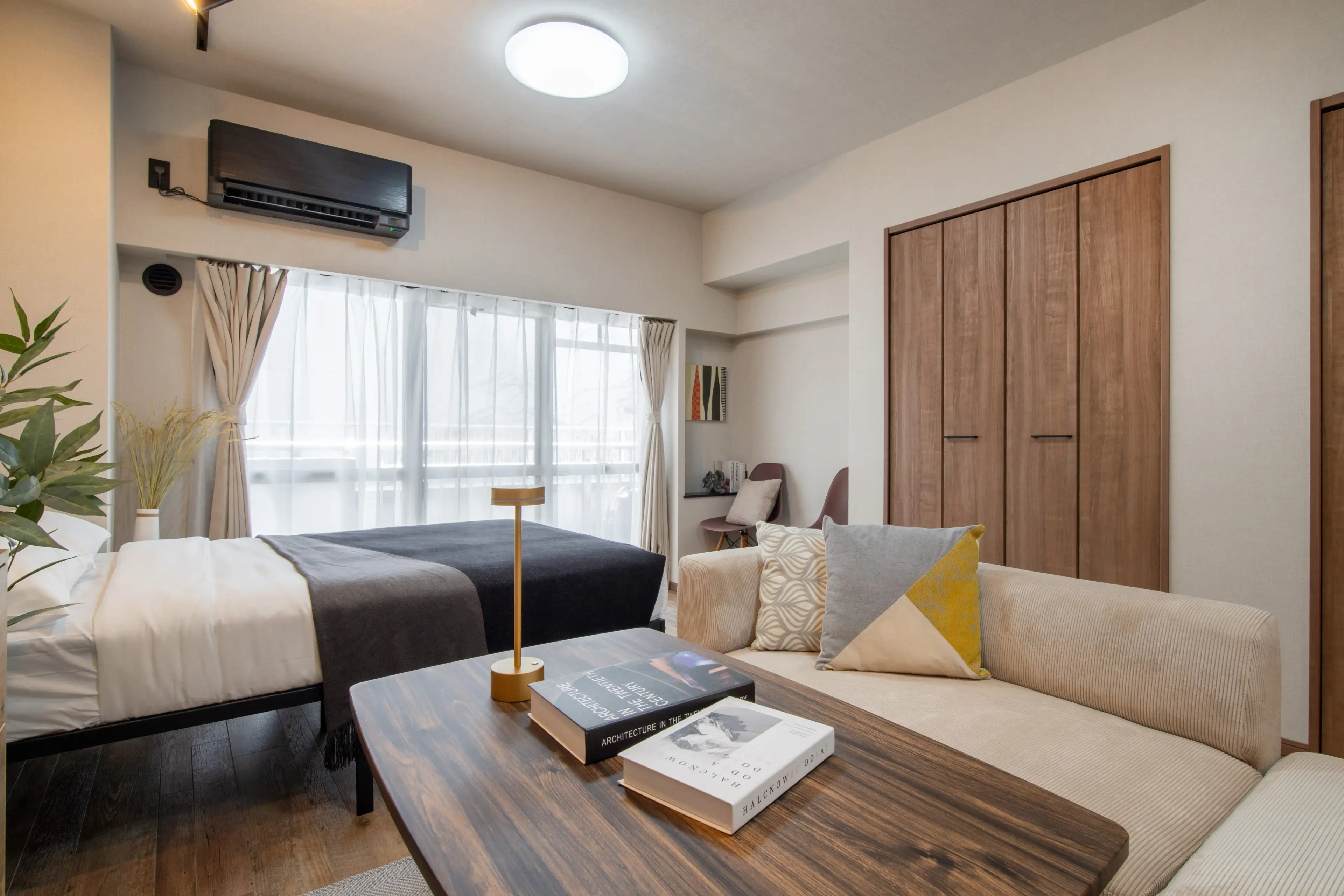 Belegt
Fully Furnished Apartment 20 Min to Takadanobaba
Iidabashi High Town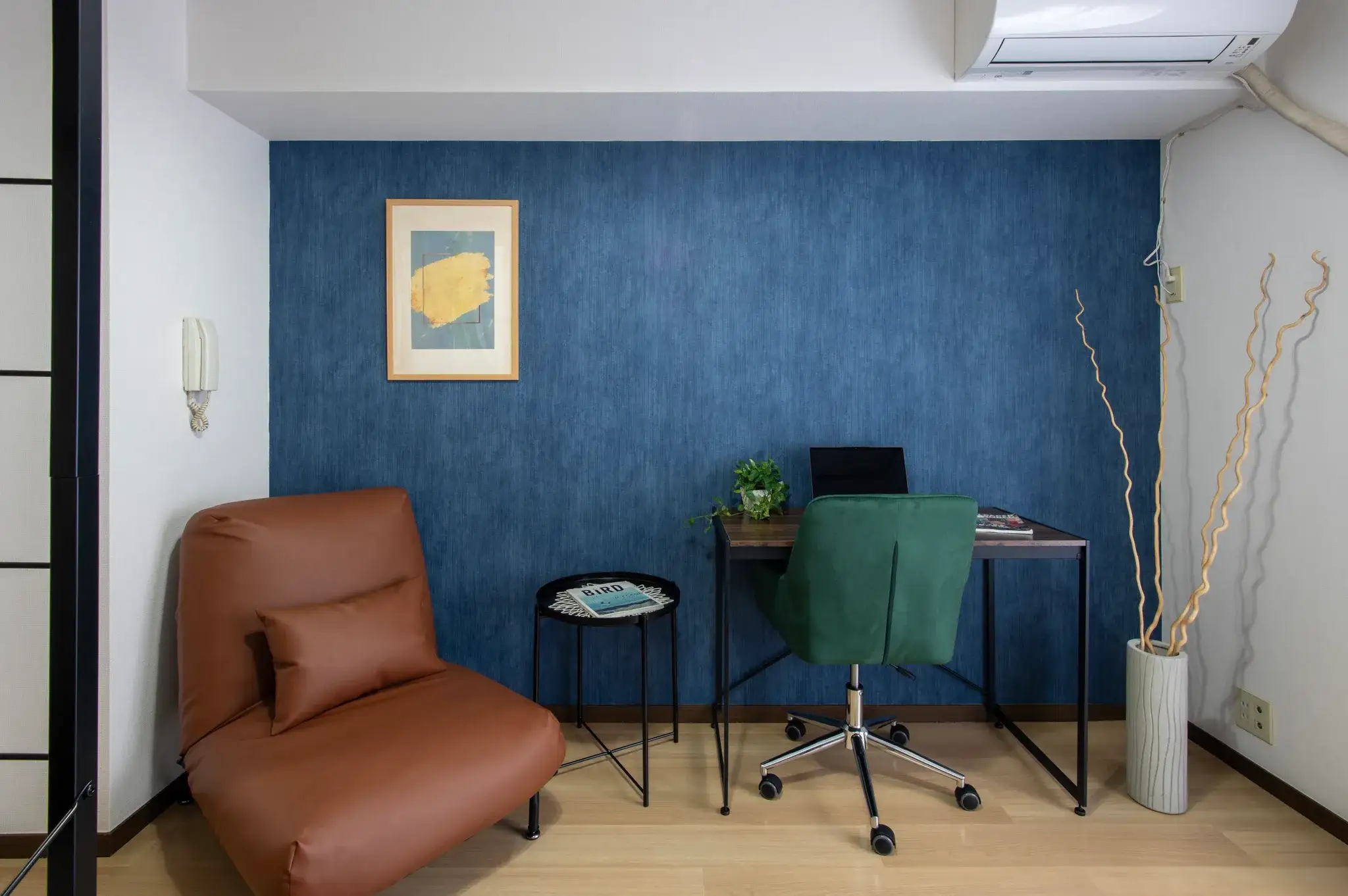 Möglicherweise ab Dec 3, 2026
Möblierte Wohnung in Meguro
ML Meguro — 208
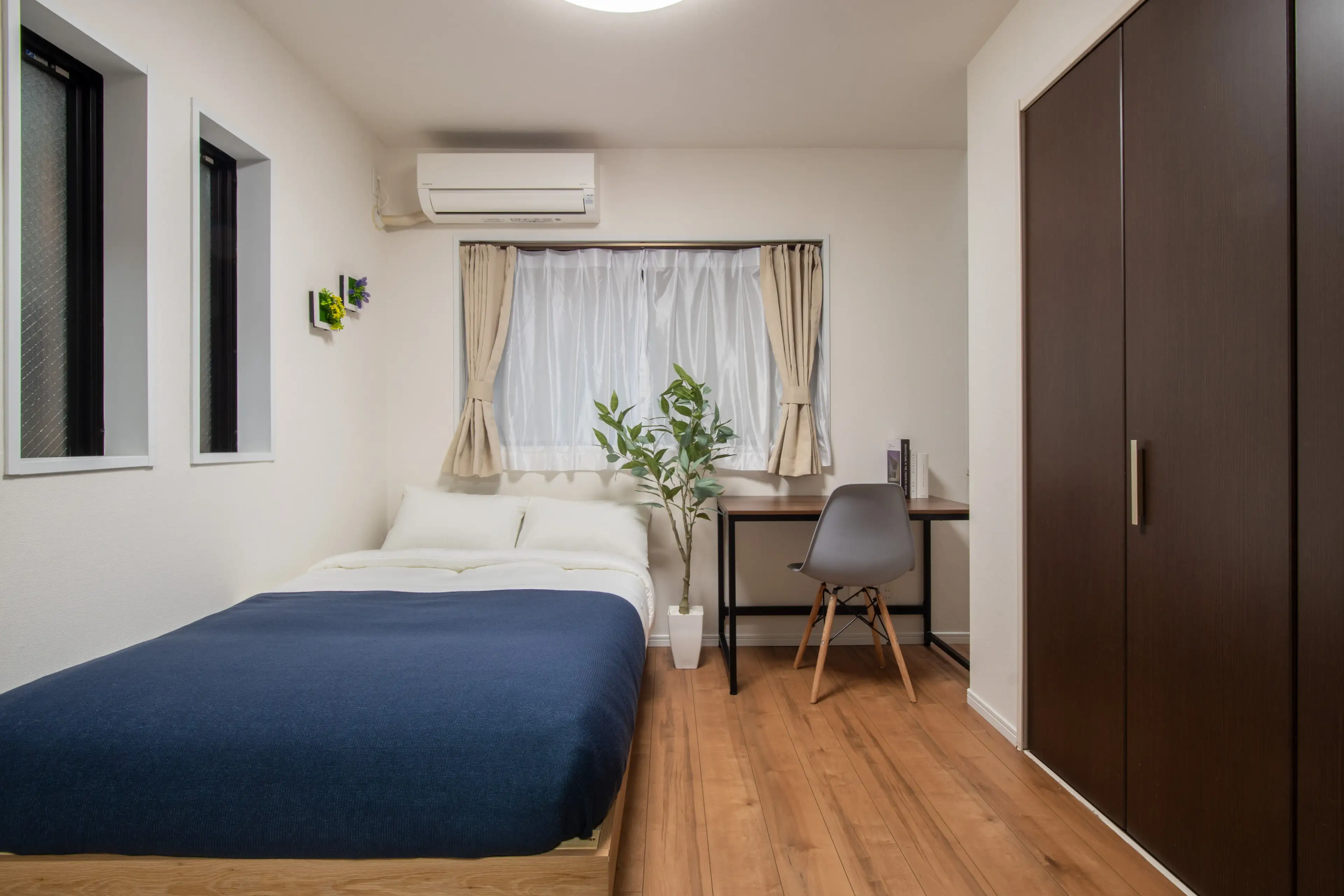 Sofort verfügbar¥20,000 OFF90 T
Möblierte Wohnung in Shinagawa
Beverly Homes Nishikoyama — 103