
Visa de Gestor Empresarial y Visa de Startups en Japón: Cómo Iniciar tu Empresa en Tokio

Business Manager Visa Japan vs. Startup Visa: Which Path Is Right for You?
Launching a company in Tokyo as a foreigner is more achievable than most people think — but choosing the right visa is the critical first step. The business manager visa Japan system offers two distinct routes: the established Business Manager visa and the newer Startup visa, each designed for different stages of your entrepreneurial journey.
Understanding the difference between these two paths can save you months of confusion, unnecessary legal fees, and potentially a rejected application. Let's break down exactly how each works, what you need to qualify, and how to navigate the process from scratch.
The Business Manager Visa
The Business Manager visa (経営・管理ビザ) is the standard long-term visa for foreign nationals who want to manage or operate a business in Japan. It is issued for one, three, or five years and is renewable, meaning you can build a permanent entrepreneurial life in Japan with this status.
To qualify, your business must already be established — or about to be established — before you apply. This is the key distinction. You cannot just have a plan on paper; you need a real, operational (or nearly operational) company.
The Startup Visa
The Startup visa (スタートアップビザ) was introduced in 2018 as a six-month preparatory visa. It gives aspiring entrepreneurs time to set up their business in Japan before they must meet the full Business Manager visa requirements.
Think of it as a runway: you land in Japan, spend up to six months getting your company registered, securing your office, and finalizing your business plan — then you convert to a full Business Manager visa. Not every city in Japan offers this program, so location matters enormously.
Capital, Office, and Business Plan Requirements
Whether you're applying for the Business Manager visa directly or using the Startup visa as a stepping stone, you'll need to meet three core requirements. These are non-negotiable, and immigration officers scrutinize each one carefully.
Capital Requirement
Your business must have a minimum of ¥5,000,000 (approximately USD $33,000) in paid-in capital. This is the threshold set by Japanese immigration law, and it applies to most structures, including Kabushiki Kaisha (KK) and Godo Kaisha (GK) — the two most common company types used by foreigners.
The ¥5,000,000 must be documented clearly and visible in your company's bank account. Borrowed money is generally not accepted as qualifying capital, so be prepared to show legitimate sources.
Office Requirement
You must have a dedicated, verifiable business address in Japan. A virtual office address that only provides a postal address does not qualify on its own — immigration requires proof of a physical space where business is actually conducted.
Many applicants use a contracted co-working space or a small serviced office that includes a lease agreement. The key is having a formal contract in your company's name. Some co-working spaces in Tokyo, such as those in Shibuya or Shinjuku, offer immigration-compliant office contracts specifically designed for Business Manager visa applications.
Business Plan Requirement
Your business plan must demonstrate that your company will either employ at least two full-time Japanese residents or have ¥5,000,000 in capital (satisfying both is ideal). The plan needs to show a realistic path to revenue, market research specific to Japan, and evidence that you have the expertise to execute it.
A well-prepared business plan runs 20–40 pages and includes financial projections for at least three years, a competitive landscape analysis, and your personal background showing relevant industry experience.
Pro Tip: Hire a licensed gyoseishoshi (administrative scrivener) to help prepare your application. A good one costs ¥150,000–¥300,000 but dramatically increases your approval chances. Ask for referrals from your local chamber of commerce or a startup support organization like Tokyo Metropolitan Government's "Tokyo One-Stop Business Establishment Center."
The Application Process: Step by Step
Here's a practical overview of the full process for a first-time applicant targeting the Business Manager visa route.
- Choose your company structure — Most foreigners choose a Godo Kaisha (GK) for its lower setup cost (approximately ¥60,000–¥100,000 in fees) or a Kabushiki Kaisha (KK) for greater credibility with Japanese partners and investors.
- Prepare your Articles of Incorporation — These must be notarized by a notary public in Japan. Many foreign-friendly law firms and administrative scriveners can assist with Japanese-language drafting.
- Deposit your capital — Open a Japanese bank account (or use a representative's account before incorporation) and deposit your capital. Keep bank statements as evidence.
- Register your company at the Legal Affairs Bureau — This takes approximately 1–2 weeks. You'll receive a certificate of incorporation (登記簿謄本), which is essential for your visa application.
- Secure your office — Sign a lease or service contract for a physical business address. Get a formal contract document with your company name on it.
- Compile your visa application package — This includes your business plan, incorporation documents, financial statements, passport, and fee payment.
- Submit to the Regional Immigration Bureau — In Tokyo, this is the Tokyo Regional Immigration Services Bureau in Minato Ward. Processing typically takes 1–3 months.
- Receive your Certificate of Eligibility (COE) — Once approved, you'll receive a COE, which you then use to obtain your visa at a Japanese embassy in your home country (if applying from abroad).
Tokyo's Startup Visa Program Explained
Tokyo is one of several municipalities in Japan that participates in the Startup visa program. The Tokyo Metropolitan Government, through its Tokyo One-Stop Business Establishment Center (located in Marunouchi, Chiyoda Ward), administers the program and works directly with the immigration bureau.
To be accepted into Tokyo's Startup visa program, you must first have your business plan evaluated and approved by the city. If accepted, Tokyo certifies your application, which allows the immigration bureau to issue you the six-month Startup visa.
What You Must Do During Those Six Months
- Register your company with the Legal Affairs Bureau
- Secure a qualifying physical office
- Meet the capital requirement
- Begin operations to a degree that satisfies immigration officers
- Apply for a full Business Manager visa before the six months expire
The program is highly competitive — Tokyo receives many applications, and plans that lack specificity or market viability are rejected. Industries that tend to perform well include technology, healthcare innovation, sustainability, and services targeting Japan's aging population.
The Startup visa doesn't give you extra time to think — it gives you time to execute. Arrive with your plan finalized and your capital ready to move.
Where to Base Yourself — and Your Business
Tokyo's startup ecosystem is concentrated in a handful of key neighborhoods. Where you live and where you work are separate decisions, but choosing wisely on both fronts makes your early months significantly smoother.
Best Neighborhoods for Startups
- Shibuya / Daikanyama — The heart of Tokyo's tech scene. Home to major accelerators, Google for Startups Campus Tokyo, and a dense network of venture capital firms.
- Shinjuku — Excellent transport links and a wide range of serviced offices and co-working spaces that cater to international entrepreneurs.
- Minato (Roppongi / Azabu) — Popular with international business communities and home to many embassy connections, foreign-friendly law firms, and high-end networking events.
- Bunkyo / Hongo — Close to the University of Tokyo and a growing cluster of deep-tech and biotech startups benefitting from academic partnerships.
Where to Live as a New Entrepreneur
When you first arrive in Japan on a Startup visa, securing long-term housing can be surprisingly difficult. Traditional landlords are hesitant to rent to foreigners, especially those without a stable employment history in Japan. This is one area where furnished apartments and sharehouses shine.
A furnished apartment in neighborhoods like Shinjuku, Shibuya, or Roppongi offers short-term, flexible leases with no key money or guarantor requirements — critical when you're in the middle of company registration and can't commit to a two-year traditional lease. Modern Living Tokyo's furnished apartments, for instance, are move-in ready and positioned in commuter-friendly central locations, letting you focus your energy on your business rather than furnishing a flat or navigating Japanese rental paperwork.
Good to Know: Traditional Japanese apartments typically require a guarantor (保証人), key money (礼金), and a deposit equivalent to 2–6 months' rent. For a new arrival setting up a company, a furnished apartment or sharehouse with a simple monthly contract is often the most practical solution until your business — and your financial profile in Japan — is established.
Common Pitfalls and How to Avoid Them
Even well-prepared applicants make avoidable mistakes. Here are the most common problems — and how to sidestep them.
1. Using a Virtual Office Address
Many applicants try to use a cheap virtual office address to cut costs. Immigration officers are familiar with well-known virtual office providers and routinely reject these. Always use a physical space with a real lease contract.
2. Vague Business Plans
A generic business plan is one of the top reasons for rejection. Your plan must be specific to the Japanese market, include real data on your target customers, and explain clearly why Japan — and why now. Citing Japanese government statistics and named competitors shows officers you've done serious research.
3. Applying Without Japanese Language Support
While immigration forms are available in English, your business plan and company documents must be submitted in Japanese. Using a professional translator — not just machine translation — is non-negotiable for a serious application.
4. Underestimating the Timeline
From starting your business plan to receiving your visa, expect a minimum of four to six months. If you're using the Startup visa route, budget the full six months wisely — once the clock starts, it doesn't pause.
5. Misunderstanding the Employment Requirement
The requirement to employ two full-time Japanese residents is a common source of confusion. This is one option to meet the visa criteria — the other is having ¥5,000,000 in capital. You don't need both, but having both strengthens your application significantly.
Ready to Start Your Tokyo Entrepreneurial Journey?
Launching a company in Tokyo is a genuinely exciting opportunity. Japan's market is large, brand-loyal, and underserved in many sectors — and the government has made real efforts to lower the barriers for foreign entrepreneurs through programs like the Startup visa.
The process demands careful preparation, but it is entirely navigable with the right support. Connect with a licensed administrative scrivener, engage with Tokyo's business support centers early, and choose a flexible living arrangement that gives you stability while your company finds its feet.
At Modern Living Tokyo, we work with many entrepreneurs and professionals arriving on Business Manager and Startup visas. Our furnished apartments and sharehouses offer the flexibility, central location, and hassle-free setup you need during one of the busiest periods of your professional life. Get in touch with our team to find the right space to launch your Tokyo chapter.

Modern Living Tokyo
Artículos Relacionados
 Moving Guide
Visa de Nómada Digital en Japón: Guía de Vida en Tokio 2026
Todo lo que necesitas saber sobre la visa de nómada digital de Japón en 2026: requisitos de elegibilidad, trámites bancarios, los mejores barrios de Tokio y cómo encontrar alojamiento...
 Modern Living TokyoLeer más →
 Moving Guide
Visa de Vacaciones y Trabajo en Japón: Guía Completa (2026)
Descubre todo lo que necesitas saber sobre la visa de vacaciones y trabajo en Japón en 2026: países elegibles, proceso de solicitud, oportunidades laborales, consejos de alojamiento y opciones de conversión de visa.
Modern Living TokyoLeer más → Guía de Mudanza
Cambios de Visa en Japón 2026: Lo Que Deben Saber los Residentes Extranjeros
Los nuevos cambios de visa en Japón para 2026 establecen requisitos más estrictos para visas de negocios, cumplimiento de residencia permanente y transiciones de estudiante a trabajador—aquí te explicamos todo lo que...
Modern Living TokyoLeer más →Propiedades destacadas
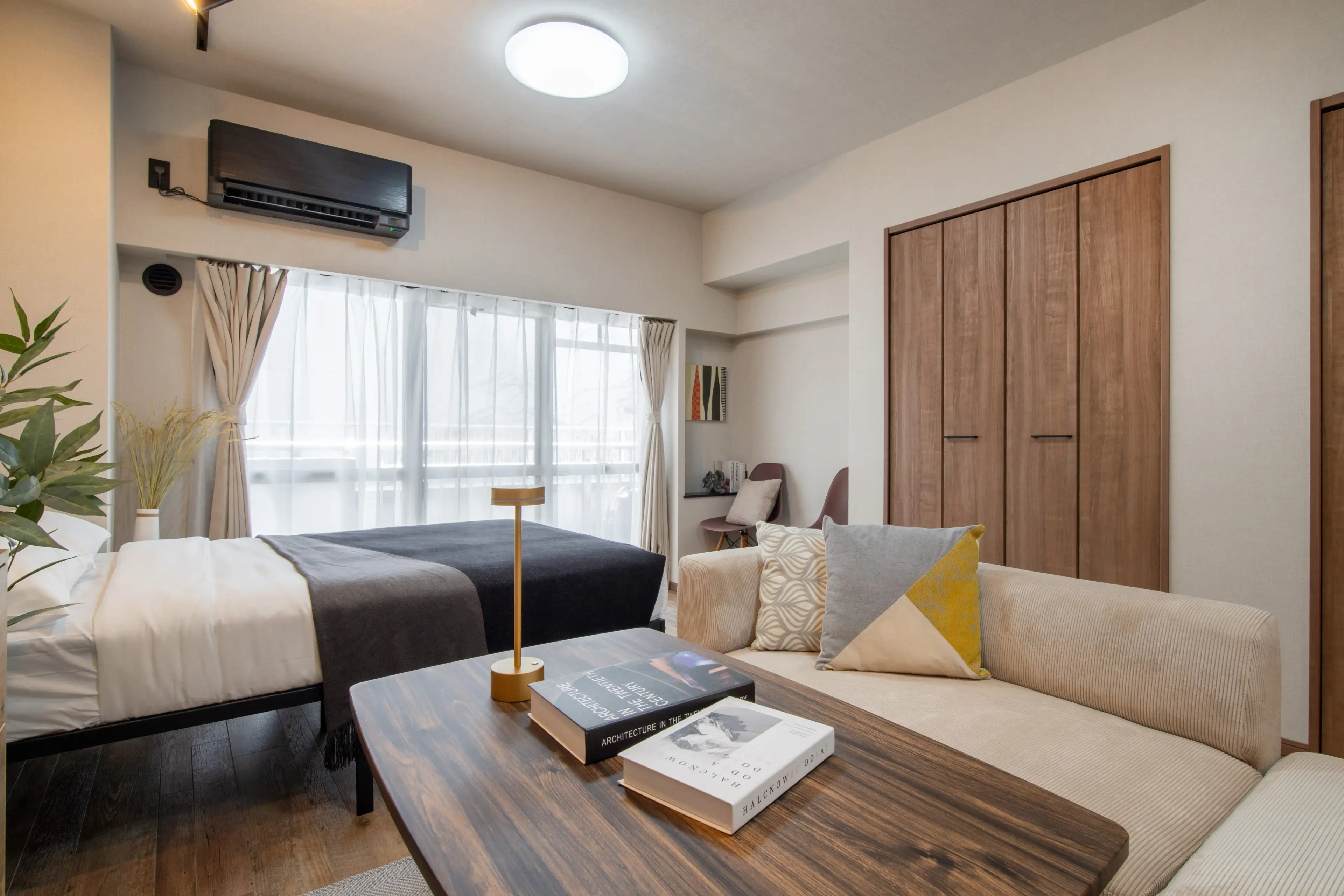 Ocupado
Fully Furnished Apartment 20 Min to Takadanobaba
Iidabashi High Town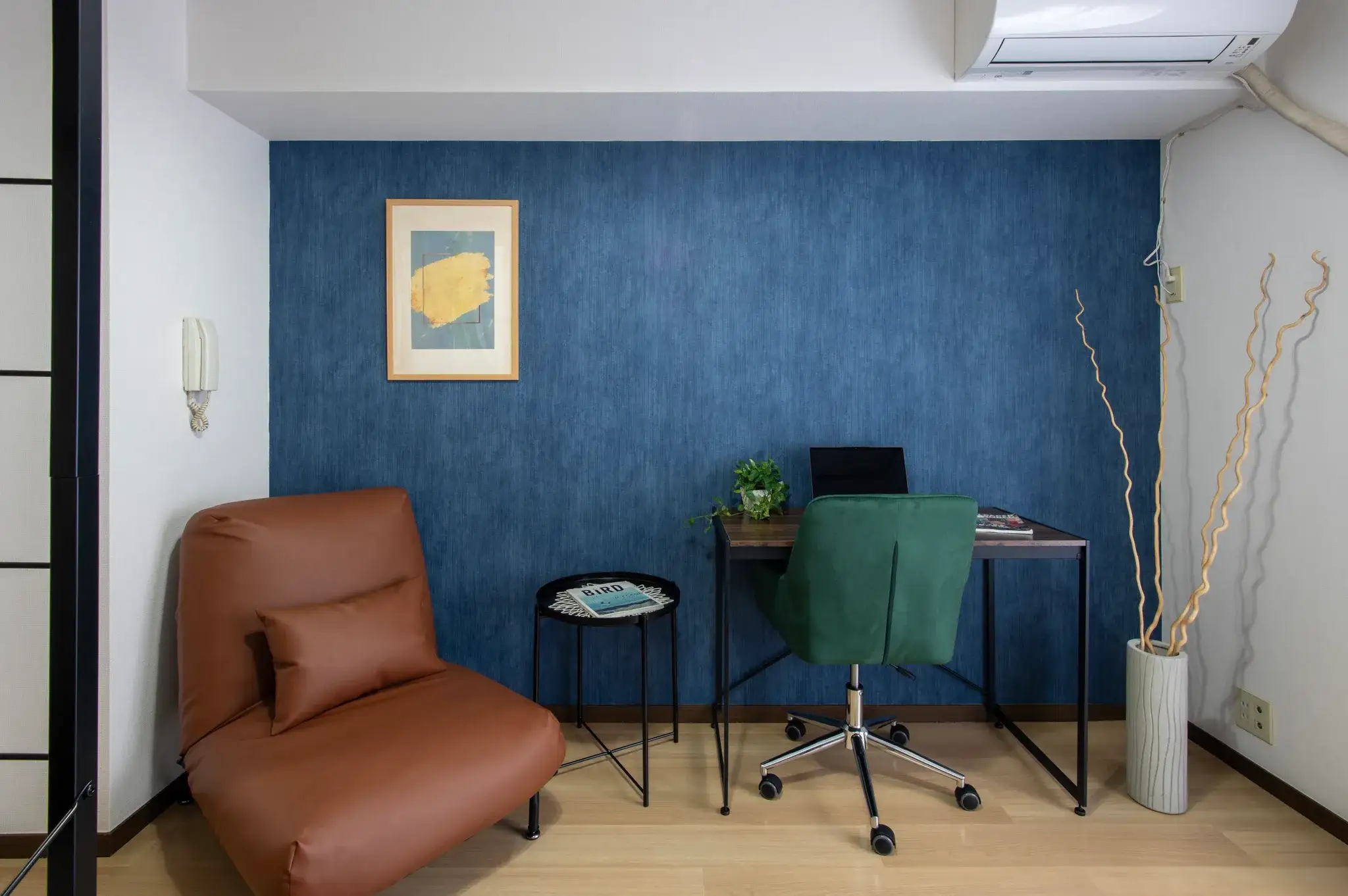 Disponible desde Dec 7, 2026
Apartamento amueblado en Meguro
ML Meguro — 208
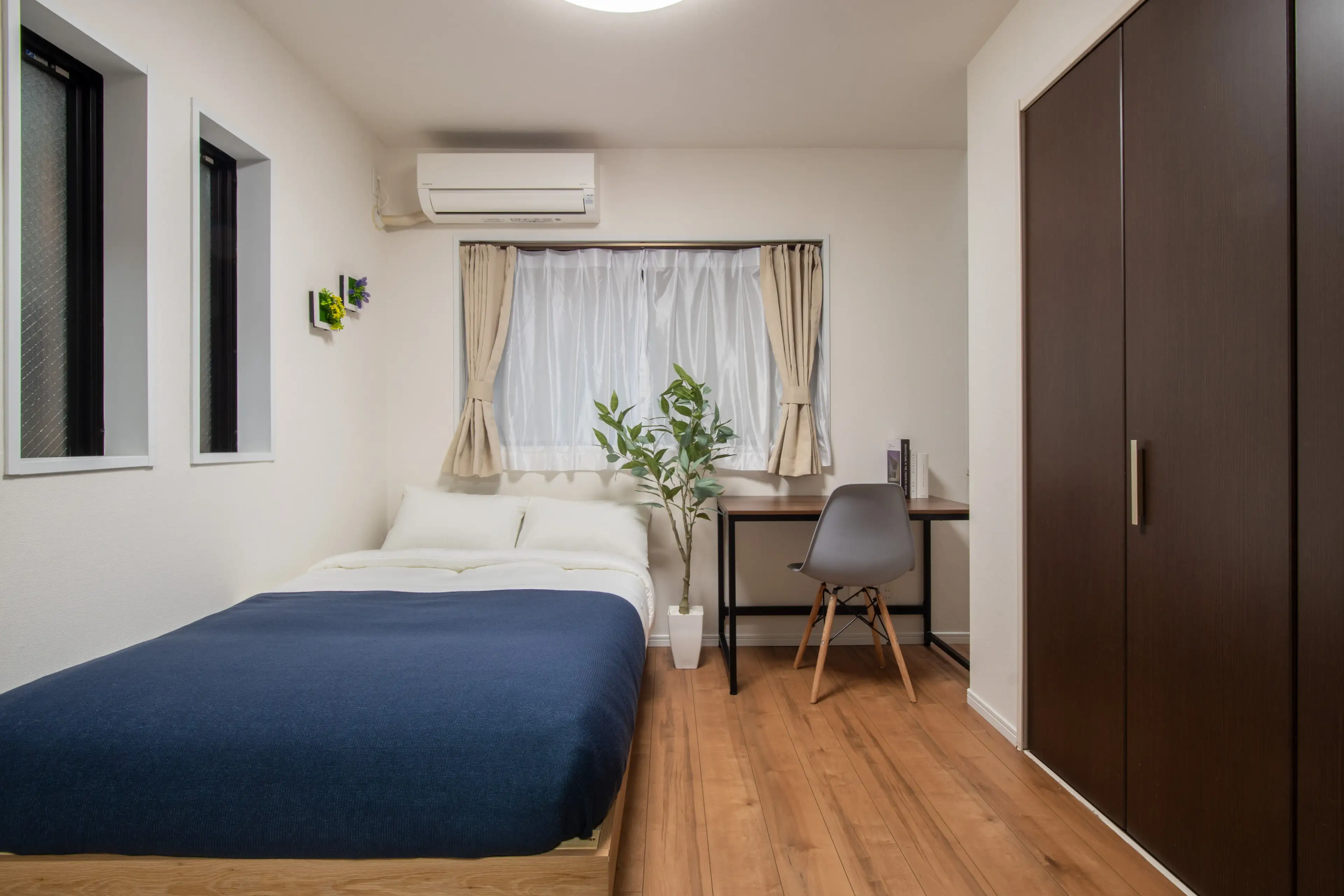 Posiblemente desde Feb 22, 2027
Departamento amueblado en Shinagawa
Beverly Homes Nishikoyama — 103