
Guía de Minato 2026: Vivir, Alquileres, Estaciones y Costos

¿Qué Hace Especial a la Zona de Minato?
Si estás investigando la guía definitiva de Minato Tokyo, probablemente ya hayas notado los números. La Zona de Minato — hogar de Roppongi, Azabu, Hiroo y el vecino de lujo de Shibuya, Aoyama — se posiciona constantemente como uno de los barrios más prestigiosos y mejor conectados internacionalmente de Tokio. Pero el prestigio tiene su precio, y la verdadera pregunta es si el estilo de vida lo justifica.
Minato (港区, que significa "zona portuaria") se encuentra en el corazón del centro de Tokio, bordeada por la Bahía de Tokio hacia el este. Es donde se agrupan las embajadas extranjeras, se instalan los ejecutivos internacionales, y algunos de los hitos más icónicos de la ciudad — la Torre de Tokio, Roppongi Hills, el Templo Zojoji — comparten el mismo código postal.
Para los extranjeros en particular, la Zona de Minato ofrece algo genuinamente raro en Tokio: una llegada suave. El inglés se habla ampliamente en muchas tiendas y servicios. Los supermercados internacionales como National Azabu y Kinokuniya en Hiroo ofrecen productos familiares. Y la pura densidad de otros expatriados significa que es mucho menos probable que te sientas aislado mientras te adaptas.

Precios de Alquiler en la Zona de Minato: La Realidad
Seamos honestos. La Zona de Minato es cara — incluso según los estándares de Tokio, que ya son más altos que en muchas ciudades internacionales. Aquí encontrarás un desglose realista de lo que puedes esperar pagar mensualmente por un apartamento amueblado:
- Estudio / 1K (20–30 m²): ¥150,000 – ¥220,000
- 1LDK (40–55 m²): ¥230,000 – ¥380,000
- 2LDK (60–80 m²): ¥350,000 – ¥600,000
- 3LDK o más grande (tamaño familiar): ¥500,000 – ¥1,000,000+
Estas cifras corresponden a apartamentos amueblados de gama media a alta. Las opciones sin amueblar pueden ser ligeramente más económicas, pero te enfrentarás al notorio proceso de alquiler japonés: el dinero de cortesía (礼金), las tarifas de agencia y los requisitos de avalista suman entre dos y cuatro meses de alquiler antes de que ni siquiera te mudes.
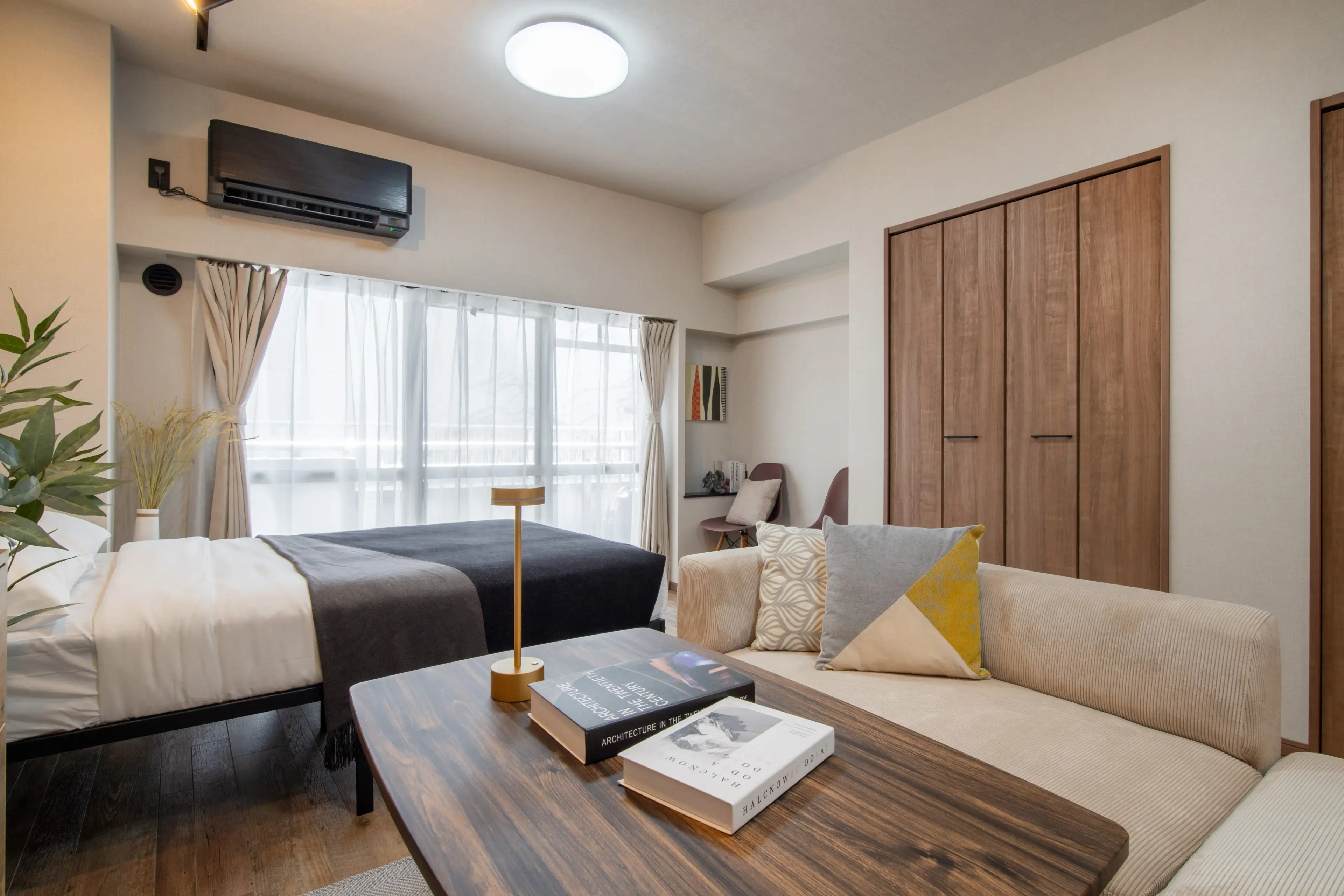
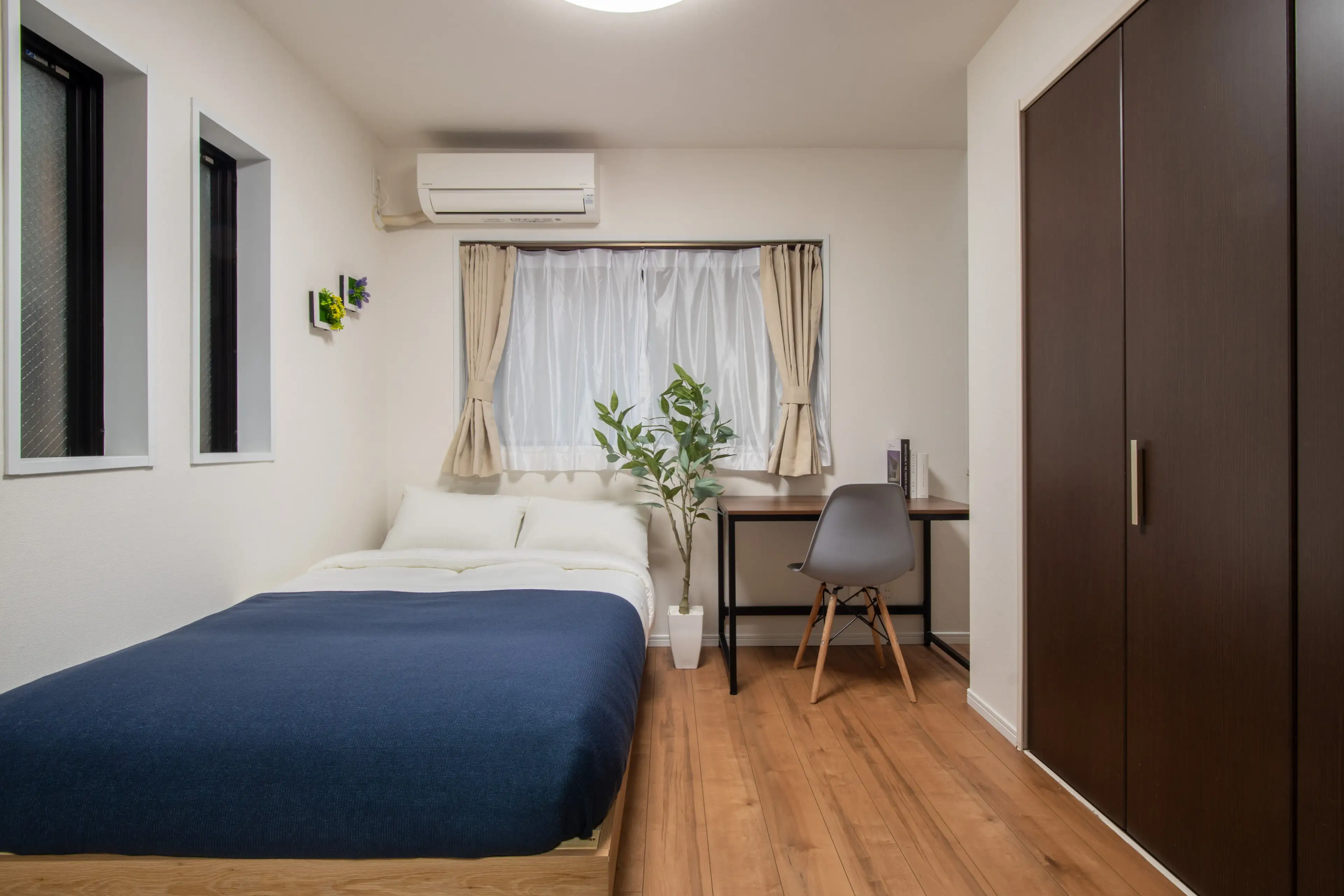
Una forma en que muchos recién llegados manejan los costos es comenzando en una casa compartida o en un apartamento amueblado completamente servido, que agrupa servicios, internet y a veces limpieza semanal en una única tarifa mensual — eliminando completamente la carga de la suma inicial.
Consejo Pro: Si la Zona de Minato es tu barrio objetivo pero el alquiler te parece alto, considera un apartamento amueblado en Shiba o Tamachi cercanos (sur de Minato). Seguirás teniendo acceso rápido a Roppongi y Azabu, pero los alquileres pueden ser 20–30% más bajos que en los bolsillos premium.
Roppongi, Azabu e Hiroo Comparados
La Zona de Minato no es un único barrio — es una colección de pueblos muy diferentes, cada uno con su propia personalidad. Entender las diferencias te ayuda a encontrar el lugar adecuado.
Roppongi: La Ciudad de 24 Horas Dentro de una Ciudad
Roppongi es polarizador. Durante el día, es un serio distrito de negocios y artes: Roppongi Hills y Tokyo Midtown son desarrollos de clase mundial que albergan oficinas, galerías (Museo de Arte Mori, 21_21 Design Sight) y comercio minorista de lujo. Por la noche, se transforma en una de las zonas de entretenimiento más energéticas — y a veces caóticas — de Tokio.
Para los extranjeros, Roppongi es accesible y estimulante, pero raramente se describe como "vida familiar tranquila". Se adapta a jóvenes profesionales, viajeros frecuentes y a quienes desean estar en medio de todo. Los alquileres aquí se encuentran en la parte superior del rango de Minato.
Azabu y Azabu-Juban: Dinero Antiguo Conoce Cool Nuevo
Azabu es probablemente la dirección más codiciada de todo Tokio. Amplias calles arboladas, embajadas tras altos muros, y un sentido tranquilo de elegancia clásica definen el área. Azabu-Juban, su corazón comercial, se siente casi como un pueblo europeo — un íntimo shotengai (calle comercial) con panaderías artesanales, bares de vinos e izakayas del barrio.
Es donde muchas familias de ejecutivos expatriados senior y familias diplomáticas se instalan. Es tranquilo, hermoso, seguro y extremadamente bien conectado (la Estación Azabu-Juban sirve las líneas Namboku y Oedo). También es donde encontrarás la mayor concentración de torres de apartamentos de lujo.
Hiroo: La Base Clásica de Expatriados
Hiroo ha sido la capital no oficial de expatriados de Tokio durante décadas. Las embajadas alemana, francesa y australiana se encuentran todas en las cercanías, supermercados internacionales bordean la calle principal, y el Parque Arisugawa ofrece un verdadero escape verde. Las familias con niños en edad escolar tienden a gravitar hacia aquí debido a la proximidad a varias escuelas internacionales.
Hiroo se siente más residencial y relajado que Roppongi, aunque sigue teniendo excelentes restaurantes y acceso a Shibuya (una parada en la línea Hibiya). Los alquileres son altos, pero ligeramente más estables que el mercado de torres ultrapremium de Roppongi.

Escuelas Internacionales y Embajadas: El Valor Oculto de la Zona de Minato
Una de las razones más convincentes por las que las familias eligen la Zona de Minato no son los restaurantes o la vida nocturna — es la infraestructura para la vida internacional. La zona alberga más embajadas que cualquier otra en Tokio, más de 80 en total, lo que naturalmente ha atraído un ecosistema de apoyo que hace que la vida de expatriado sea significativamente más fácil.
Varias de las escuelas internacionales más respetadas de Tokio están dentro del alcance fácil:
- Nishimachi International School (Moto-Azabu) — PK–9, pequeña y centrada en la comunidad
- Deutsche Schule Tokyo Yokohama (cerca de Hiroo) — para familias de habla alemana
- The British School in Tokyo (Shirogane) — plan de estudios británico completo, K–13
- Tokyo International School (Mita) — plan de estudios IB, en inglés
- Lycée Franco-Japonais de Tokyo (Fujimidai, accesible desde Minato) — sistema francés
Para las familias que se trasladan con paquetes corporativos, esta concentración de escuelas internacionales de primera categoría es frecuentemente el factor decisivo que justifica la prima de alquiler. Cuando tus hijos pueden caminar o tomar un taxi corto a la escuela, la ecuación de valor cambia considerablemente.
En la Zona de Minato, no estás pagando solo por un código postal — estás pagando por un ecosistema completo diseñado para hacer que la vida internacional en Tokio se sienta sin esfuerzo.
Gastronomía, Vida Nocturna y Cultura en la Zona de Minato
La Zona de Minato tiene más restaurantes con estrella Michelin por kilómetro cuadrado que casi cualquier otro lugar en Japón. Las opciones gastronómicas van desde kaiseki ultra refinado hasta ramen casual, y la cocina internacional está excepcionalmente bien representada — los restaurantes libaneses, persas, mexicanos, indios e italianos sostienen su propio terreno junto a la gastronomía francesa y japonesa de alta cocina.
Lugares Gastronómicos Destacados
- Área Arena de Roppongi Hills: Sushi Saito (las reservas son casi imposibles, pero vale la pena intentarlo), Gonpachi (el restaurante de "Kill Bill"), e innumerables izakayas elegantes
- Azabu-Juban: Mominoki House (favorito de comida saludable de larga trayectoria), Ten-Ichi (tempura legendaria), Aux Bacchanales (bistró francés)
- Hiroo: Tableaux (institución de brasserie europea), calle Hiroo Roppongi Dori para gastronomía internacional casual
Artes y Cultura
Culturalmente, la Zona de Minato destaca. El Museo de Arte Mori en Roppongi Hills es uno de los mejores espacios de arte contemporáneo de Asia. 21_21 Design Sight en Tokyo Midtown, diseñado por Tadao Ando, alberga regularmente exhibiciones de diseño de clase mundial. El Museo de Arte Suntory se enfoca en las artes japonesas tradicionales en un entorno bellamente curado.
El Templo Zojoji, de pie a la sombra de la Torre de Tokio, ofrece un contrapeso fundamental al lujo circundante — los servicios matutinos están abiertos a visitantes, y los terrenos del templo son espectaculares durante la temporada de flores de cerezo.
Vida Nocturna
Roppongi sigue siendo el distrito de vida nocturna más accesible internacionalmente de Tokio, con clubes, bares de jazz, salones en azoteas y venues de música en vivo todos a poca distancia a pie uno del otro. El área se ha limpiado considerablemente desde sus días más salvajes, y venues como Billboard Live Tokyo y SuperDeluxe atraen a amantes serios de la música. Si las noches largas no son tu estilo, la escena de bares de vino de Azabu-Juban ofrece una noche mucho más civilizada.

Bueno Saberlo: La Oficina del Registro de Familia de la Zona de Minato (区役所) y muchos servicios del gobierno local ofrecen soporte multilingüe — una ventaja genuina para los extranjeros navegando la burocracia japonesa por primera vez. La zona también tiene una de las coberturas de señalización en inglés más altas de Tokio en espacios públicos.
¿Vale la Pena Vivir en la Zona de Minato por la Prima?
La respuesta honesta: depende totalmente de tu situación.
La Zona de Minato tiene sentido si:
- Te estás mudando con una familia y necesitas acceso a escuelas internacionales
- Trabajas en Roppongi Hills, Tokyo Midtown, o una embajada cercana
- Tienes una asignación de vivienda corporativa que cubre la brecha de alquiler
- Solo estarás en Tokio durante 6–18 meses y deseas máxima comodidad y conveniencia desde el primer día
- Valoras estar integrado en una comunidad expatriada grande y activa
Podrías querer buscar en otro lugar si:
- Eres trabajador independiente o tienes un presupuesto más ajustado (Shinjuku, Nakameguro o Shimokitazawa ofrecen mucho mejor valor)
- Prefieres la vida auténtica del barrio sobre la conveniencia orientada a lo internacional
- Tu desplazamiento es a áreas como Shibuya o Shinjuku y estarías mejor ubicado entre esos centros
La verdad es que la prima de la Zona de Minato no se trata puramente de lujo por lujo. Se trata de tiempo, facilidad y acceso. Cuando estás navegando un país nuevo, un idioma nuevo y un trabajo nuevo simultáneamente, vivir en algún lugar que elimine fricción de la vida diaria tiene un valor real y mensurable.
Para quienes acaban de llegar a Tokio, un apartamento amueblado o vivienda compartida en la Zona de Minato puede ser un primer paso especialmente inteligente — obtienes todas las ventajas de ubicación sin comprometerte a un contrato a largo plazo mientras aún estás aprendiendo la ciudad. Modern Living Tokyo ofrece apartamentos amueblados y opciones de vivienda compartida en toda la Zona de Minato y sus barrios circundantes, facilitando que te instales rápidamente y experimentes el área antes de comprometerte con algo permanente.
Dondequiera que termines, la Zona de Minato vale la pena visitar, vale la pena entender, y para la persona correcta en el momento correcto — absolutamente vale la pena vivir en ella.
Modern Living Tokyo
Artículos Relacionados
 Neighborhood
Guía de vida en Kichijoji: ¿el barrio más habitable de Tokio?
Kichijoji encabeza año tras año los rankings de habitabilidad en Tokio, pero ¿es el lugar ideal para ti? Te explicamos los precios de alquiler, tiempos de desplazamiento, las mejores zonas y cómo es vivir aquí.
 Modern Living TokyoLeer más →
 Neighborhood
Adachi y Katsushika: La guía de las zonas más accesibles de Tokio
Los barrios de Adachi y Katsushika ofrecen los alquileres más económicos de Tokio, conexiones rápidas hacia el centro y la auténtica cultura shitamachi — el secreto mejor guardado del noreste de la capital que todo...
Modern Living TokyoLeer más → Neighborhood
Guía de vida en Shinagawa: el mejor hub para expatriados en Tokio
Shinagawa es el corazón de Tokio para quienes vienen del extranjero: acceso directo al Shinkansen, proximidad a Haneda, rentas competitivas y servicios internacionales de primera. Descubre todo lo que necesitas saber para vivir aquí en 2026...
Modern Living TokyoLeer más →Propiedades destacadas
 Ocupado
Fully Furnished Apartment 20 Min to Takadanobaba
Iidabashi High Town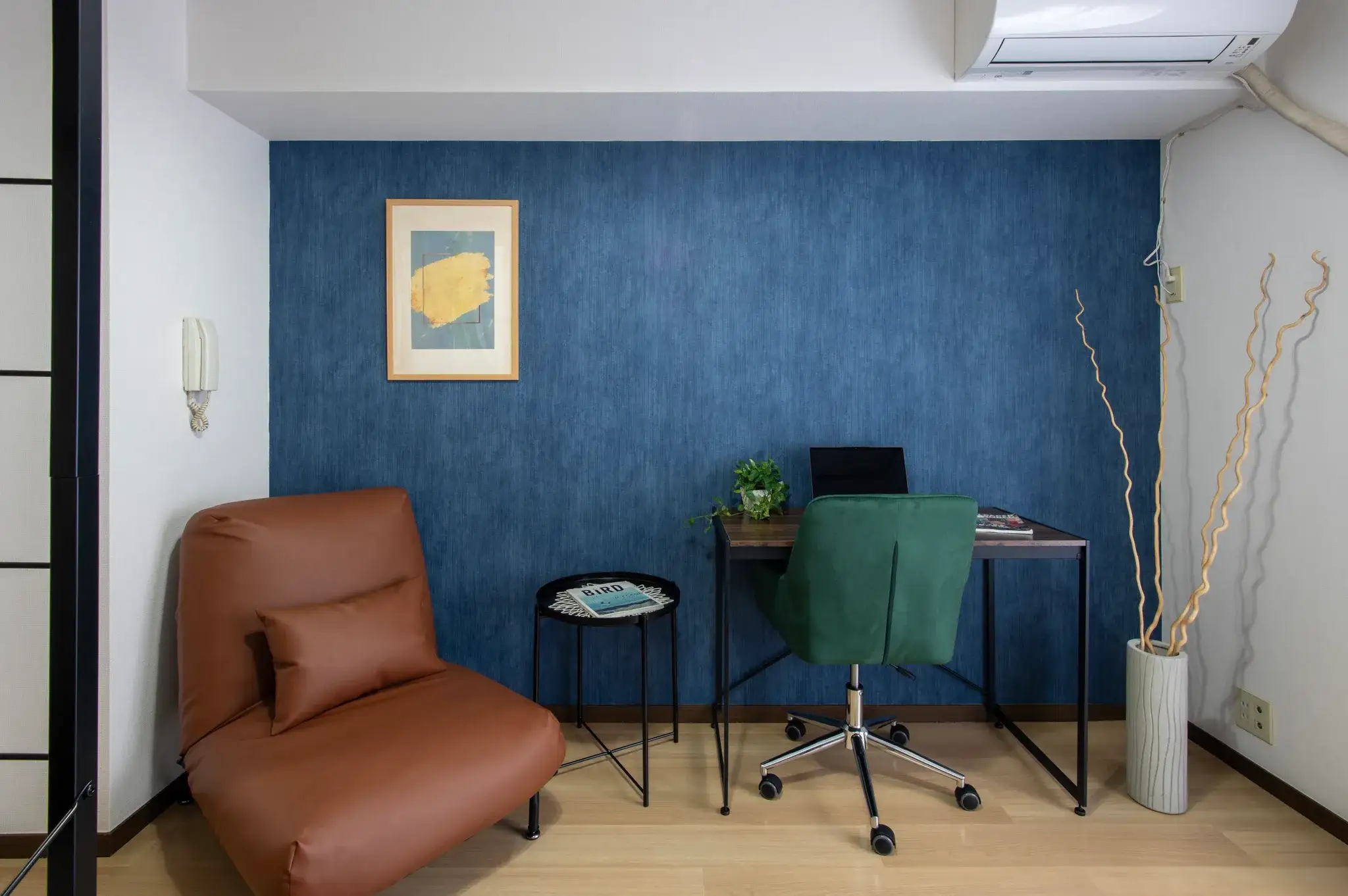 Posiblemente desde Dec 3, 2026
Apartamento amueblado en Meguro
ML Meguro — 208
 Disponible Ahora
Departamento amueblado en Shinagawa
Beverly Homes Nishikoyama — 103