
Festivales de Verano en Tokio 2026: Guía Completa para Extranjeros

Why Japanese Summer Festivals Are Unlike Anything Else
If you're planning to be in Tokyo this summer, Tokyo summer festivals 2026 should be at the very top of your calendar. From thundering fireworks over the Sumida River to lantern-lit Obon dances in neighborhood shrines, matsuri season transforms the entire city into something magical.
Japanese summer festivals aren't just entertainment — they're deeply woven into the cultural fabric of the city. Neighborhoods come alive. Streets fill with the smell of yakitori and grilled corn. You'll hear taiko drums from three blocks away and follow the sound straight into one of the best evenings of your life.
For foreigners living in or visiting Tokyo, matsuri season offers an unmatched window into authentic Japanese culture. This guide gives you everything you need: dates, locations, what to wear, what to eat, and how to make the most of every single festival.

The Big Five: Must-Attend Tokyo Matsuri in 2026
Tokyo's festival calendar runs from late July through mid-August, with a few events stretching into September. Here are the five you absolutely shouldn't miss.
1. Sumida River Fireworks Festival (隅田川花火大会)
Expected date: Last Saturday of July 2026 (historically July 25 — confirm closer to the date). This is Tokyo's oldest and most beloved fireworks festival, drawing nearly 1 million spectators annually. Two launchpads fire simultaneously over the Sumida River between Asakusa and Mukojima.
2. Fukagawa Hachiman Matsuri
Main festival: Mid-August 2026. Held every three years in its grand form (the next major cycle falls in 2026), this festival is famous for its portable shrines (mikoshi) being carried through streets while participants get drenched with water. It's chaotic, joyful, and completely unforgettable.
3. Koenji Awa Odori
Expected date: Late August 2026 (typically the last weekend). One of Japan's largest Awa Odori dance festivals outside of Tokushima. Around 10,000 dancers perform through the streets of Koenji over two evenings. Free to watch from the roadside.
4. Mitama Matsuri at Yasukuni Shrine
Expected dates: July 13–16, 2026. Over 30,000 paper lanterns illuminate Yasukuni Shrine during this Obon festival. It's one of the most photogenic events in all of Tokyo and completely free to attend.
5. Asakusa Samba Carnival
Expected date: Late August 2026. Yes, samba — in Tokyo. This surprising festival has been running for over 40 years and draws international dance troupes competing in elaborate costumes through Asakusa's main street. A real crowd favorite for foreigners and locals alike.
Good to Know: Japanese festival dates follow the lunar calendar or local traditions and can shift year to year. Always verify exact 2026 dates on the official Tokyo Tourism website (https://www.gotokyo.org) or the individual festival's official page, usually updated by April each year.
Fireworks Festivals (花火大会): Where to Watch the Sumida Fireworks 2026
The Sumida fireworks 2026 festival is the crown jewel of Tokyo's summer calendar. Getting a great viewing spot, however, requires serious planning.
Best Free Viewing Areas
- Sumida Park (Asakusa side): Arrive by 3:00 PM to claim a good spot. The park fills up fast.
- Mukojima area (east bank): Less crowded than the Asakusa side and still offers excellent sightlines.
- Komagata Bridge and surrounding streets: Good elevated views and easier to navigate than the riverbank.
Paid Reserved Seating
Reserved seats along the riverbank go on sale through lottery systems, typically opening in May 2026. Tickets range from ¥4,000 to ¥7,000 per person. Check the official Taito City website for the application process — it's worth it for a guaranteed front-row experience.
Other Major Tokyo Fireworks in 2026
- Adachi City Fireworks (足立の花火): July — one of the largest displays in Tokyo, best viewed from Senju Sakura Park.
- Edogawa Fireworks (江戸川花火大会): August — launched simultaneously on both the Tokyo and Chiba sides of the Edogawa River.
- Jingu Gaien Fireworks (神宮外苑花火大会): August — held near Meiji Jingu Gaien, with tiered paid seating available.
Pro Tip: Trains become dangerously crowded after fireworks festivals end. Plan to stay in the area for 60–90 minutes after the show finishes — grab dinner, stroll the stalls, and let the crowds thin before heading to the station. Many locals do exactly this.

Wearing Yukata: What to Rent, Buy & How to Tie It
Wearing a yukata (lightweight summer kimono) to a matsuri isn't just for Japanese people — foreigners are warmly welcomed to join in, and you'll blend in beautifully with the festival crowd.
Where to Rent a Yukata in Tokyo
- Asakusa Rental Shops: Dozens of shops around Nakamise-dori offer full yukata packages (yukata + obi belt + geta sandals) for around ¥3,000–¥5,000 for the day. Try Kimono Rental Wargo or Asakusa Kimono Rental Yukata.
- Department Store Rentals: Takashimaya and Isetan often offer rental services in summer with a wider range of styles.
Buying Your Own Yukata
If you plan to attend multiple festivals, buying makes sense. Uniqlo and GU sell simple yukata sets for ¥3,000–¥6,000. For higher-quality options, try the kimono floors at Matsuya Ginza or secondhand shops in Shimokitazawa and Koenji.
How to Tie an Obi (Simplified for Beginners)
- Wrap the yukata left side over right (right over left is only for funerals).
- Tie the thin inner belt (koshi-himo) at the waist to hold everything in place.
- Wrap the obi twice around your waist, tie the back bow (bunko musubi is the simplest style).
Still confused? YouTube has excellent English-language tutorials. Many rental shops will dress you completely — included in the price.
"Wearing a yukata to a Tokyo summer festival isn't cultural appropriation — it's cultural participation. Locals love seeing foreigners embrace the tradition."
Tokyo Obon Festival Guide: The Spiritual Heart of Summer
The Tokyo Obon festival season runs roughly July 13–16 in Tokyo (some areas celebrate in mid-August following the traditional lunar calendar). Obon is a Buddhist observance to honor the spirits of ancestors, and it gives rise to some of the most atmospheric festivals of the year.
Bon Odori dance circles happen at temples and shrines across the city — and anyone can join. Simply watch the simple, repetitive steps for a few minutes, then step into the circle. No one will mind.
Best Obon Events in Tokyo
- Yasukuni Shrine Mitama Matsuri: Tokyo's grandest Obon celebration (see above).
- Nishi-Ogikubo and Koenji: Small neighborhood Bon Odori at local shrines — intimate and authentic.
- Tsukiji Honganji Temple Bon Odori: Unusually international event, often featuring world music alongside traditional Japanese dances. Free entry.
Matsuri Food Guide: What to Order at Every Stall
Festival food (屋台 — yatai) is one of the greatest joys of matsuri season. Prices are higher than convenience stores but very reasonable — most items run ¥300–¥800.
The Essential Festival Foods
- Yakitori (焼き鳥): Grilled chicken skewers, usually salted or with tare sauce. The smell alone will drag you over.
- Takoyaki (たこ焼き): Osaka-style octopus balls, topped with mayo, bonito flakes, and sauce. Watch them being made — it's mesmerizing.
- Kakigori (かき氷): Shaved ice with colorful syrups. Essential in the summer heat. Look for matcha or condensed milk versions.
- Karaage (唐揚げ): Japanese fried chicken — crispy, juicy, and always popular.
- Yaki Tomorokoshi (焼きとうもろこし): Grilled corn on the cob brushed with soy sauce butter. Simple and incredible.
- Choco Banana (チョコバナナ): Chocolate-dipped bananas on a stick, often decorated with colorful sprinkles — a matsuri classic.
- Ramune (ラムネ): The iconic Japanese soda with a marble stopper. The ritual of opening it is half the fun.
Most vendors don't speak English, but pointing and holding up fingers works perfectly. Having small change ready (coins and ¥1,000 notes) speeds things up considerably.

Living Close to Festival Areas: Why Neighborhood Choice Matters in Summer
If you're spending an extended time in Tokyo this summer, where you live makes a huge difference to your festival experience. Dragging home on packed trains after midnight from Asakusa is very different from walking home in 10 minutes.
Best Neighborhoods for Festival Access in 2026
- Asakusa / Sumida (Taito-ku): Ground zero for the Sumida fireworks and multiple summer matsuri. Walkable to most major events.
- Koenji / Nakano: Perfect for the Awa Odori and local Obon dances — a creative, lively neighborhood with a strong community feel.
- Ueno / Yanaka: Close to Asakusa events and home to charming smaller shrine festivals throughout the summer.
- Fukagawa / Kiyosumi-Shirakawa: Ideal for the Fukagawa Hachiman Matsuri, with a quieter, more residential atmosphere the rest of the year.
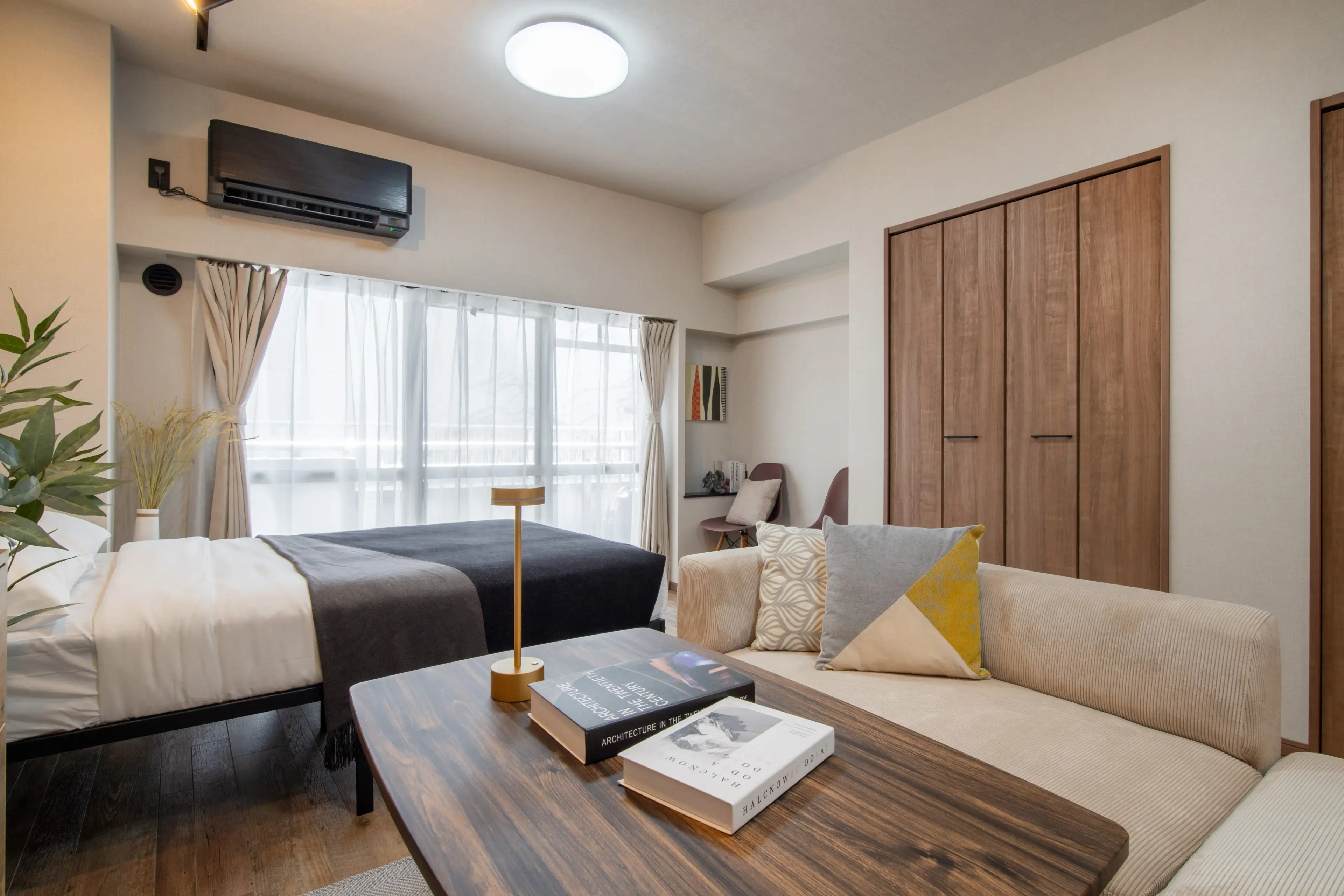
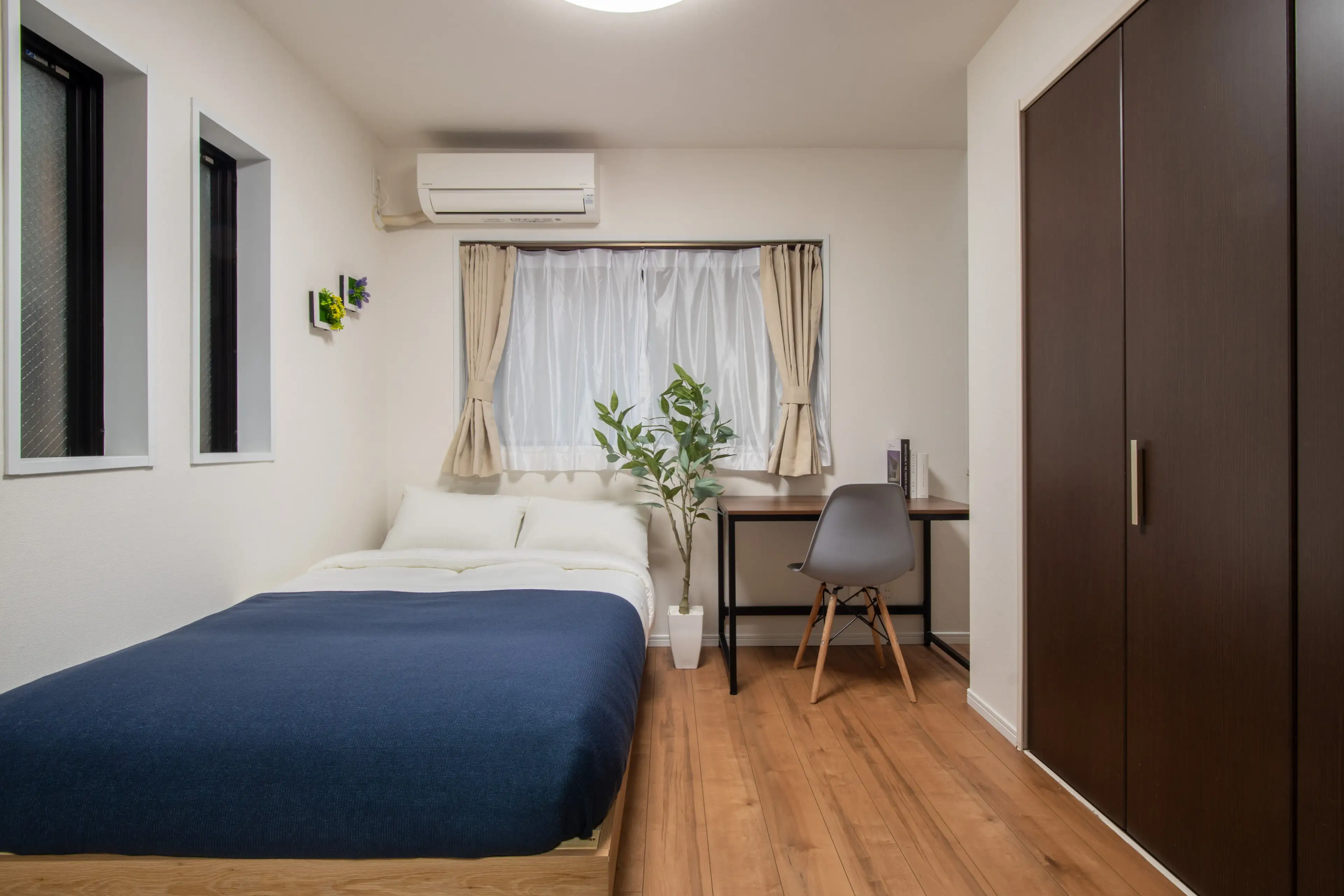
Many foreigners find that living in a sharehouse or furnished apartment in one of these neighborhoods gives them the best of both worlds — a comfortable, fully-equipped home base and immediate access to the festival action without the chaos of commuting.
At Modern Living Tokyo, several of our furnished apartments and sharehouses are located within walking distance of major festival routes in Asakusa, Koenji, and the Sumida River area. Being a 10-minute walk from the fireworks launch site — rather than a 90-minute train ride — genuinely changes the experience.
Make the Most of Tokyo Summer Festivals 2026
Tokyo's summer festival season is one of the most vibrant, sensory-rich experiences available anywhere in the world. Whether you're catching the Sumida fireworks from the riverbank, dancing in a Bon Odori circle at a local shrine, or working your way through every food stall at Koenji Awa Odori, these are the moments that stay with you long after summer ends.
Plan your dates early, secure your yukata, bring cash, and arrive everywhere earlier than you think you need to. The rest takes care of itself.
If you're looking for a home base in Tokyo this summer, Modern Living Tokyo offers furnished apartments and sharehouses in neighborhoods that put you right at the heart of festival season. Browse our available rooms and make Tokyo your summer home — not just a destination.

Modern Living Tokyo
Artículos Relacionados
 Culture
Aprende a cocinar comida japonesa en Tokio: clases y escuelas culinarias
Desde talleres de sushi de un día hasta escuelas culinarias profesionales, descubre las mejores clases de cocina japonesa en Tokio para extranjeros — con precios, ubicaciones y más información.
 Modern Living TokyoLeer más →
 Culture
Aprender artes tradicionales japonesas en Tokio: ceremonia del té, caligrafía y más
Descubre dónde estudiar ceremonia del té, caligrafía e ikebana en Tokio siendo extranjero — con escuelas que ofrecen clases en inglés, costos reales y consejos sobre etiqueta.
Modern Living TokyoLeer más → Culture
Obon en Tokio: Lo que todo residente extranjero debe saber
Todo lo que necesitas conocer sobre Obon en Tokio: qué cierra durante estas fechas, dónde encontrar los festivales de bon odori y cómo moverte por la ciudad durante la festividad más importante de Japón...
Modern Living TokyoLeer más →Propiedades destacadas
 Ocupado
Fully Furnished Apartment 20 Min to Takadanobaba
Iidabashi High Town Posiblemente desde Dec 3, 2026
Apartamento amueblado en Meguro
ML Meguro — 208
 Disponible Ahora¥20,000 OFF90d
Departamento amueblado en Shinagawa
Beverly Homes Nishikoyama — 103