
Los 5 barrios más económicos de Tokio para estudiantes internacionales

Qué significa "barato" realmente para un estudiante en Tokio
Encontrar zonas baratas de Tokio para estudiantes que realmente puedas permitirte requiere mucho más que una búsqueda rápida en Google. Se trata de comprender el sistema de distritos de Tokio, los costos de transporte y el valor real que obtienes por tu dinero. Para la mayoría de los estudiantes internacionales, "asequible" significa mantener el alquiler mensual por debajo de ¥60.000, idealmente entre ¥40.000 y ¥50.000 para una habitación privada.
Los 23 distritos especiales de Tokio varían enormemente en precio. Las áreas centrales como Shinjuku o Shibuya pueden costar ¥90.000 o más incluso para una habitación pequeña. Pero si te desplazas 20–30 minutos hacia afuera en tren, el panorama cambia completamente.
Esta guía desglosa las cinco zonas más económicas de Tokio para estudiantes internacionales, con cifras reales de alquiler, información sobre los desplazamientos y ventajas y desventajas honestas para cada una.
Información útil: Las cifras de alquiler en este artículo reflejan precios típicos de habitaciones privadas en casas compartidas (sharehouses) a partir de 2024–2025. Los precios varían según la antigüedad del edificio, la proximidad a la estación y los servicios incluidos. Siempre confirma los precios actuales directamente con el operador.

Las 5 zonas más baratas de Tokio para estudiantes: análisis por distrito
#1: Distrito de Edogawa — Casas compartidas por menos de ¥50.000
Edogawa, en el extremo oriental de Tokio, se posiciona consistentemente entre los distritos más baratos de la ciudad. Las habitaciones en casas compartidas aquí regularmente cuestan entre ¥35.000 y ¥48.000 por mes, frecuentemente con servicios incluidos —algo genuinamente raro en Tokio.
El distrito está bien conectado a través de la línea Sobu (JR) y la línea Toei Shinjuku, poniéndote en el centro de Shinjuku en aproximadamente 30–40 minutos. Para estudiantes de la Universidad Internacional de Tokio o aquellos que se desplazan a campus en la zona de Chiba, es una oportunidad aún mejor.
- Habitación promedio en casa compartida: ¥38.000–¥48.000/mes
- Estaciones clave: Nishi-Kasai, Kasai, Koiwa
- Ideal para: Estudiantes con presupuesto ajustado que no les importa un desplazamiento más largo
- Comodidades cercanas: Gran Costco en Shin-Misato (justo al otro lado de la frontera en Saitama), centros comerciales AEON, múltiples tiendas de 100 yenes
Edogawa también tiene una comunidad considerable del sur de Asia y China, lo que significa que encontrarás tiendas de comestibles internacionales asequibles y restaurantes —un verdadero alivio cuando tienes nostalgia de casa y presupuesto limitado.
#2: Distrito de Adachi — El más barato por metro cuadrado en Tokio
El distrito de Adachi tiene el título de distrito más asequible de Tokio por metro cuadrado promedio. Si quieres la máxima cantidad de espacio por tu dinero, este es el lugar. Una habitación privada en una casa compartida aquí puede costar tan poco como ¥30.000–¥40.000 por mes.
Tanto la línea Hibiya como la línea Tobu Skytree sirven a Adachi bien, conectándote con Ueno en aproximadamente 20 minutos y Ginza en menos de 30 minutos. Los estudiantes de la Universidad de Tokio de las Artes (en el cercano Ueno/Yanaka) frecuentemente terminan aquí.
- Habitación promedio en casa compartida: ¥33.000–¥45.000/mes
- Estaciones clave: Kitasenju, Ayase, Toneri
- Ideal para: Estudiantes que priorizan el espacio y el alquiler más bajo posible
- Destaca local: Kitasenju tiene una escena de comida y cafés sorprendentemente vibrante —ha sido llamado el barrio "secretamente genial" de Tokio
El vecindario alrededor de Kitasenju ha estado gentrificándose silenciosamente, con cafés de especialidad y izakayas junto a supermercados de descuento. Obtienes la vida genuina de Tokio sin el precio inflado.
#3: Distrito de Toshima / Ikebukuro — El centro para estudiantes universitarios internacionales
El distrito de Toshima es el hogar de Ikebukuro —uno de los mayores centros comerciales de Tokio— y destaca por su asequibilidad. La Universidad Reiwa, la Universidad Rikkyo y la Universidad Metropolitana de Tokio están todas cerca, y varias escuelas de idioma japonés importantes operan dentro y alrededor de Ikebukuro.
Ikebukuro está en la línea Yamanote (el bucle principal alrededor de Tokio), lo que significa que nunca estás lejos de ningún lugar. Las opciones de alojamiento de estudiantes internacionales baratos de Tokio aquí tienden a agruparse en los rincones residenciales más tranquilos justo al norte y este de la estación.
- Habitación promedio en casa compartida: ¥45.000–¥60.000/mes
- Estaciones clave: Ikebukuro, Sugamo, Otsuka
- Ideal para: Estudiantes que quieren comodidad urbana sin los precios de Shinjuku
- Ventaja comunitaria: Grandes comunidades de expatriados coreanos y chinos, centro de cultura de anime y manga, muchos servicios multilingües
Sí, Toshima es ligeramente más caro que Edogawa o Adachi —pero estás comprando conveniencia. Comestibles, vida nocturna, librerías, karaoke y clínicas están todos a poca distancia a pie de la mayoría de casas compartidas.

"En Ikebukuro, estás en la línea Yamanote —la columna vertebral de Tokio— lo que significa que cada campus, cada trabajo de medio tiempo, cada aventura está a solo un corto viaje en tren."
#4: Distrito de Suginami — Tokio occidental tranquilo con presupuesto
Suginami es uno de esos distritos que no recibe mucha atención, pero los estudiantes que terminan allí casi siempre se quedan más tiempo del que planeaban. Es verde, residencial y notoriamente más tranquilo que el centro de Tokio —ideal si necesitas realmente enfocarte en estudiar.
La línea Chuo-Sobu atraviesa justo el centro del distrito, conectándote a Shinjuku en aproximadamente 15–20 minutos dependiendo de tu estación. El alquiler se sitúa en un rango cómodo en el medio —no tan barato como Edogawa, pero mucho más asequible que Shibuya o Nakameguro.
- Habitación promedio en casa compartida: ¥45.000–¥58.000/mes
- Estaciones clave: Koenji, Asagaya, Ogikubo, Nishi-Ogikubo
- Ideal para: Estudiantes que quieren un estilo de vida más tranquilo con fácil acceso a Shinjuku
- Destaca local: Koenji es famoso por sus tiendas vintage, salas de música en vivo y una multitud creativa joven —excelente para estudiantes que quieren cultura sin las multitudes de Harajuku
Suginami también es conocido por tener algunos de los mejores supermercados locales y shotengai (calles comerciales) de Tokio. La vida cotidiana es genuinamente asequible aquí incluso más allá del alquiler —la comida, el transporte y el entretenimiento todos cuestan menos que en los distritos centrales.
Consejo profesional: Si estudias en la Universidad de Waseda o la Universidad Hosei, Suginami y el cercano distrito de Nakano te ponen en la línea Chuo directa hacia ambos campus. Ten en cuenta los pases mensuales de viajero (teikiken) —los estudiantes obtienen tarifas con descuento que pueden reducir significativamente los costos de transporte.
#5: Distrito de Itabashi — La opción subestimada por menos de ¥60.000
Itabashi no aparece en muchas listas de "barrios geniales de Tokio", y es precisamente por eso que los alquileres se mantienen bajos. Ubicado en el noroeste de la ciudad, limita con Saitama y comparte una red de trenes con algunos de los corredores de cercanías más asequibles de Tokio.
Tanto la línea Toei Mita como la línea Tobu Tojo sirven bien a Itabashi, conectando a Jinbocho (famoso por sus librerías y proximidad a universidades) y Otemachi en 25–35 minutos. La Universidad de Medicina y Odontología de Tokio y el campus de Itabashi de la Universidad Nihon están ubicados aquí directamente.
- Habitación promedio en casa compartida: ¥40.000–¥57.000/mes
- Estaciones clave: Itabashi, Takashimadaira, Shin-Itabashi
- Ideal para: Estudiantes de medicina y odontología, estudiantes conscientes del presupuesto que no necesitan estar en el centro
- Joya escondida: Takashimadaira tiene uno de los espacios verdes más subestimados de Tokio —el área del Parque Motohasunuma— excelente para estudiar al aire libre o descomprimirse después de exámenes
Itabashi es cada vez más popular con estudiantes de China y Corea, y encontrarás muchas tiendas de comestibles asiáticos y restaurantes con presupuesto (los menús de almuerzo por ¥600–¥800 son comunes). Las mejores conversaciones sobre distritos de estudiantes en Tokio raramente incluyen a Itabashi —lo que significa menos competencia por habitaciones asequibles.

Visa y documentación: notas rápidas para estudiantes internacionales
Antes de reservar una habitación, vale la pena conocer la documentación de vivienda que necesitarás como estudiante internacional con Visa de Estudiante (留学ビザ):
- Tarjeta de Residencia (在留カード): Requerida para firmar cualquier contrato de alquiler en Japón. La recibes a la llegada al aeropuerto.
- Certificado de Inscripción (在学証明書): Tu escuela o universidad lo emite. Muchos propietarios y operadores de casas compartidas lo solicitan para confirmar tu estado de estudiante.
- Avalista o Compañía de Garantía: Los propietarios tradicionales requieren un avalista japonés. La mayoría de casas compartidas y apartamentos amueblados evitan este requisito —una ventaja importante para extranjeros.
- Tarjeta My Number: No se requiere para vivienda, pero deberás registrarte en tu oficina de distrito local (区役所) dentro de 14 días de mudarte.
- Cuenta bancaria: La mayoría de los operadores requieren una cuenta bancaria japonesa para pagos mensuales de alquiler. Japan Post Bank (ゆうちょ銀行) es típicamente la más fácil para nuevos residentes abrir sin historial de residencia a largo plazo.
Muchos estudiantes descubren que las casas compartidas y apartamentos amueblados son el primer paso más práctico porque manejan el requisito de avalista, frecuentemente incluyen servicios y requieren mucho menos pago por adelantado que un apartamento tradicional (que puede exigir 3–6 meses de alquiler como honorarios iniciales).
¿Cuál es la zona adecuada para ti?
No hay una única respuesta "mejor" —depende de tu universidad, tu presupuesto y tu estilo de vida. Aquí hay una hoja de trucos rápida:
- Alquiler más bajo posible: Adachi o Edogawa
- Mejor comodidad urbana con presupuesto: Toshima / Ikebukuro
- Entorno de estudio tranquilo + fácil acceso a Shinjuku: Suginami
- Subestimado y espacioso: Itabashi
El alquiler de estudiante en Tokio no tiene que ser la pesadilla que dicen que es —especialmente si eliges sabiamente y consideras vida compartida. Las casas compartidas, en particular, eliminan las mayores barreras: sin avalista, sin dinero de llave, contratos flexibles y frecuentemente muebles incluidos desde el primer día.
En Modern Living Tokyo, operamos casas compartidas amuebladas y apartamentos en varios de estos distritos asequibles, diseñados específicamente con residentes internacionales en mente —soporte de habla inglesa, fechas de entrada flexibles y sin barreras de idioma en el proceso de contrato. Si estás comenzando tu vida de estudiante en Tokio y quieres un lugar que simplemente funcione desde el primer día, nos encantaría ayudarte a encontrar tu habitación.

Modern Living Tokyo
Artículos Relacionados
 Lifestyle
Casas compartidas para estudiantes en Tokio: Las mejores opciones para estudiantes internacionales (2026)
Todo lo que necesitan saber los estudiantes internacionales sobre cómo encontrar una casa compartida en Tokio — presupuestos, los mejores barrios, documentación de visa y cómo solicitar desde el extranjero.
 Modern Living TokyoLeer más →
 Lifestyle
Artes Marciales en Tokio: Guía Completa para Extranjeros en Dojos y Entrenamientos
Una guía práctica para entrenar artes marciales en Tokio siendo extranjero, con información sobre los mejores dojos, costos, etiqueta, opciones de visa y los mejores barrios para vivir.
Modern Living TokyoLeer más → Lifestyle
Mudarse a Tokio como músico: actuaciones, equipamiento y construcción de comunidad
La escena musical en vivo de Tokio es profunda, apasionada y acogedora para músicos extranjeros que llegan preparados. Te mostramos cómo encontrar actuaciones, equipamiento y comunidad en Japón...
Modern Living TokyoLeer más →Propiedades destacadas
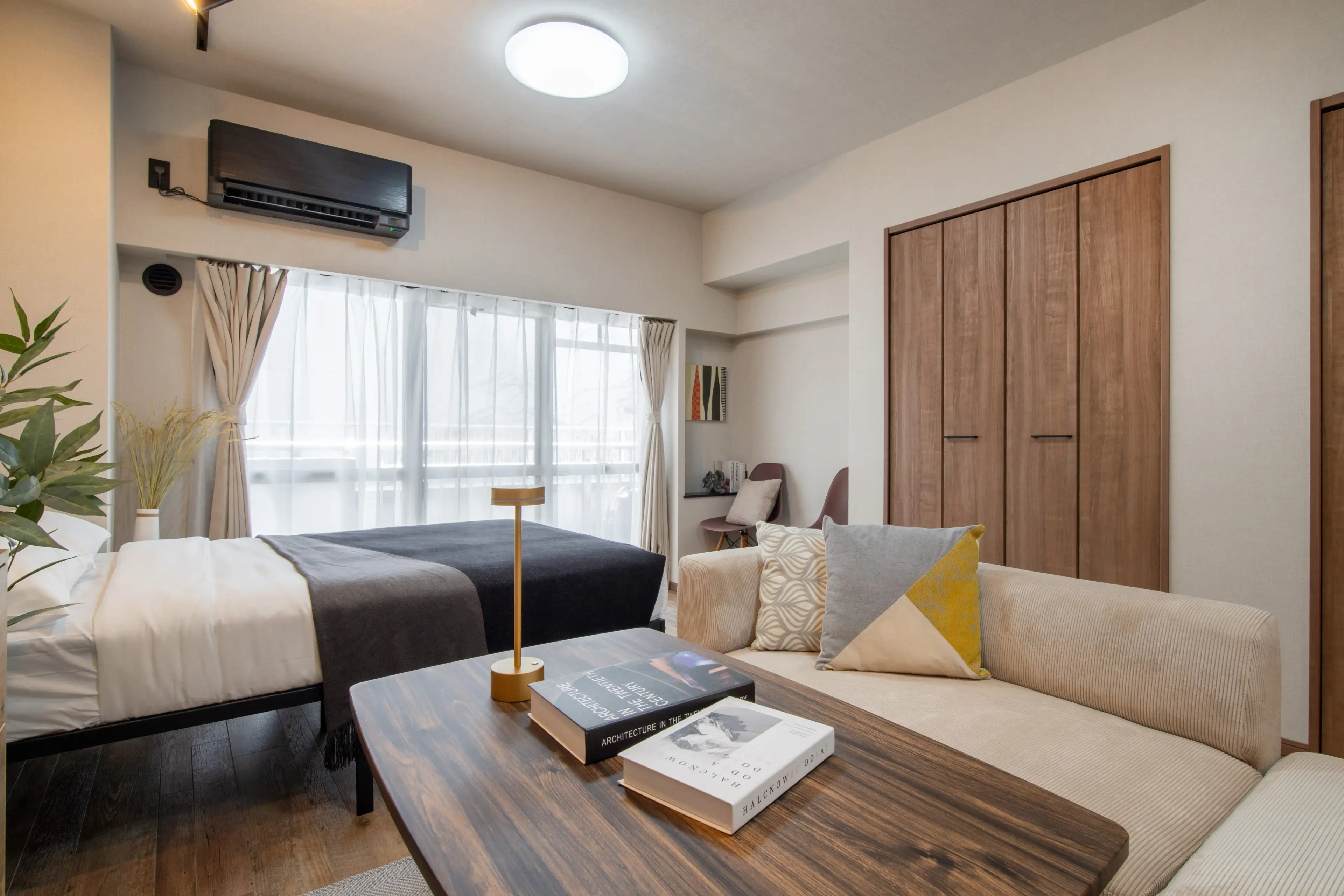 Ocupado
Fully Furnished Apartment 20 Min to Takadanobaba
Iidabashi High Town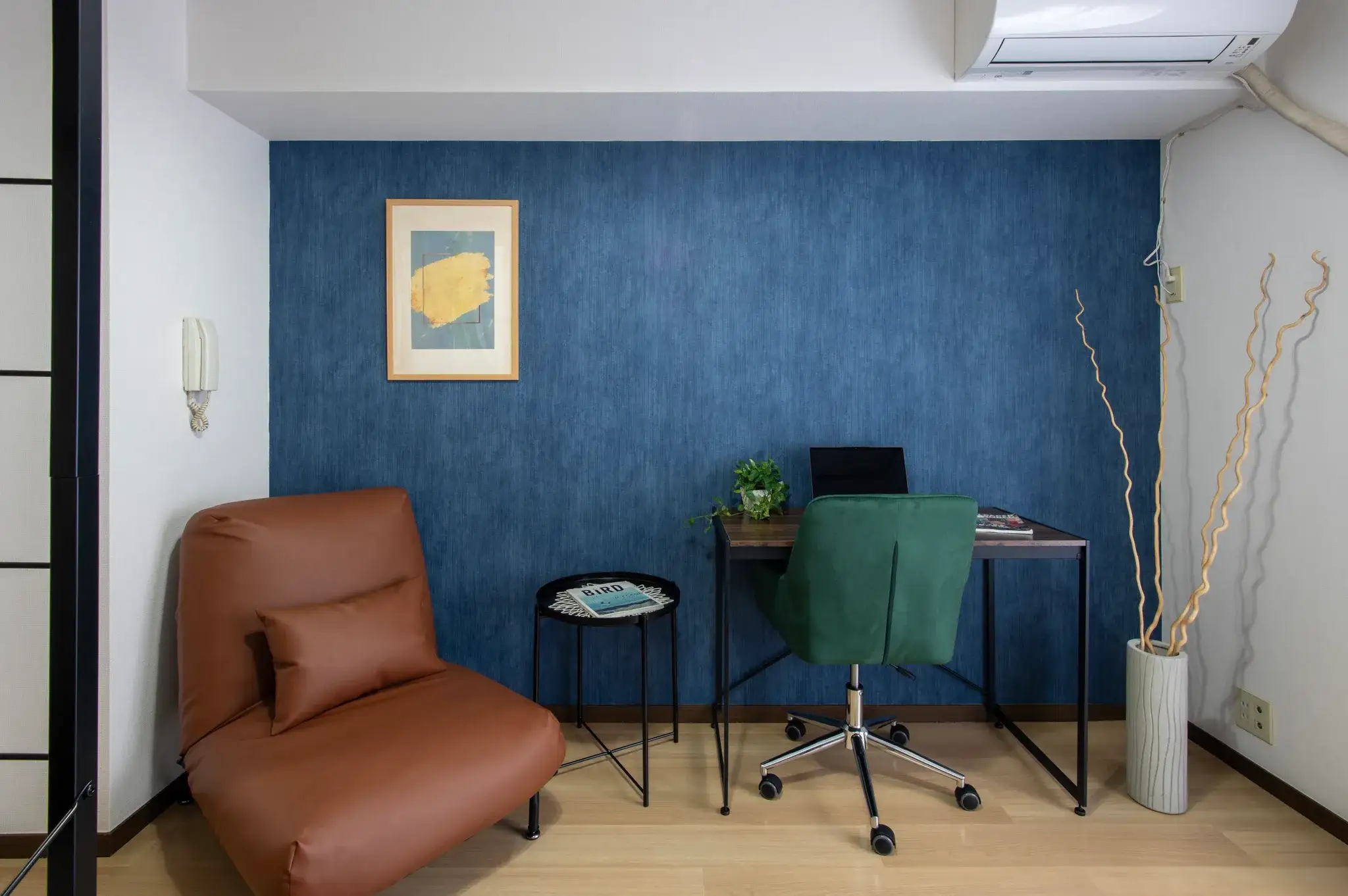 Posiblemente desde Dec 3, 2026
Apartamento amueblado en Meguro
ML Meguro — 208
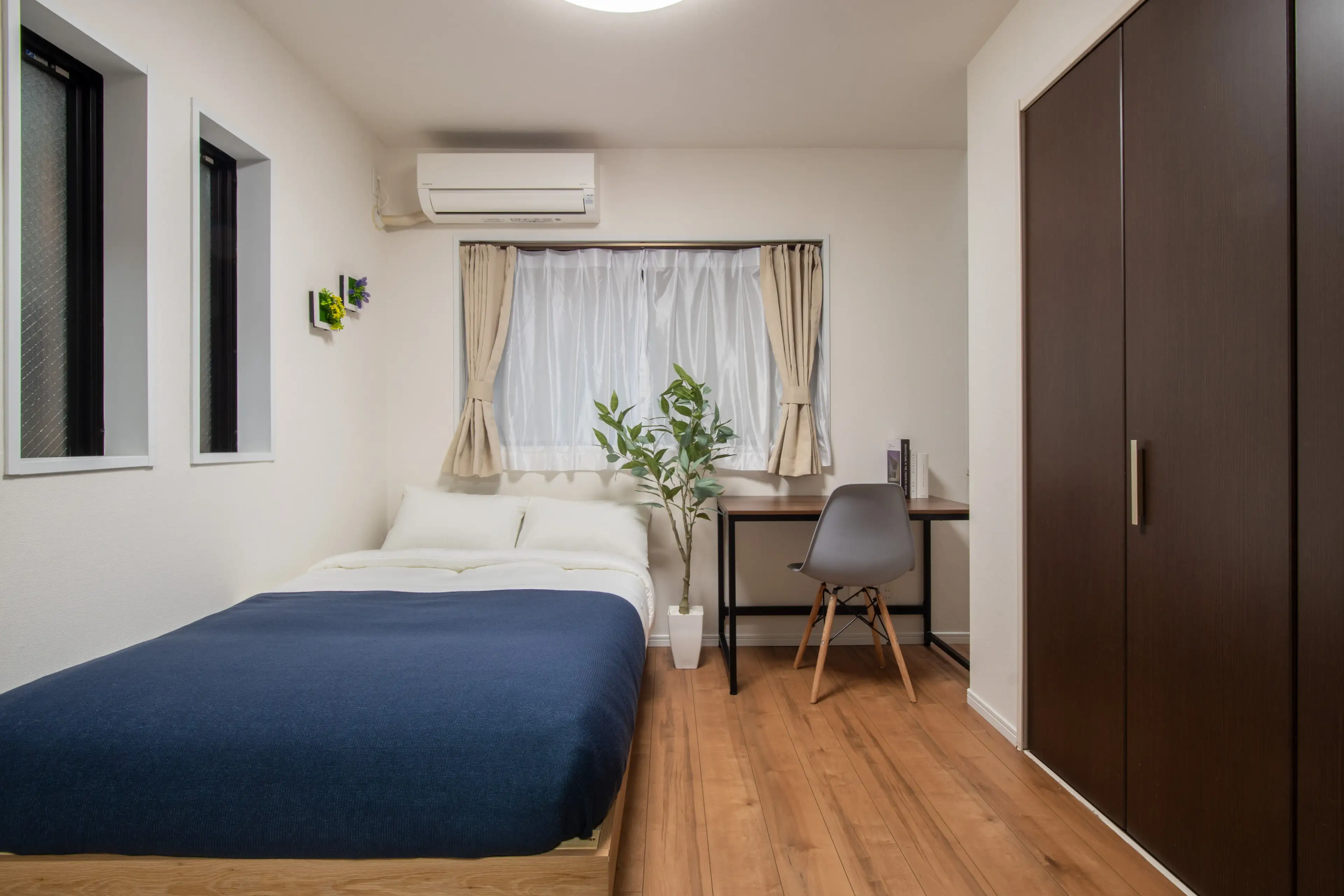 Disponible Ahora
Departamento amueblado en Shinagawa
Beverly Homes Nishikoyama — 103