
Segundo año en Japón: Lo que nadie te cuenta sobre impuestos, renovación de visa y gastos ocultos

La Sorpresa del Segundo Año: Por Qué Tu Primer Año Fue Solo el Tutorial
Sobreviviste tu primer año en Japón. Dominaste el sistema de trenes, encontraste tu konbini favorito e incluso hiciste algunos amigos. Pero vivir en Japón durante el segundo año trae un conjunto completamente nuevo de desafíos que sorprenden a la mayoría de los extranjeros. Mientras que tus primeros doce meses se sintieron como una luna de miel extendida con algunos obstáculos burocráticos ocasionales, el año dos es cuando los sistemas de Japón esperan que funciones como un residente establecido — con facturas de impuestos, renovaciones de visa y gastos que nunca viste venir.
La verdad es que tu primer año fue financieramente más fácil de lo que te das cuenta. Muchos de los gastos más grandes de Japón no llegan hasta que hayas estado aquí lo suficiente para ser considerado un residente propio. ¿Ese período de gracia? Se acabó. Bienvenido al costo real de la vida de expatriado en Japón.

El Choque del Impuesto de Residencia: Explicación de la Factura Mensual de ¥20,000-30,000
Aquí viene la bomba que cae sobre casi todos los extranjeros en su segundo año: el impuesto de residencia. Alrededor de junio de tu segundo año, recibirás una notificación de tu oficina de distrito exigiendo entre ¥200,000 y ¥400,000 en impuesto de residencia anual. Sí, leíste correctamente.
El impuesto de residencia en Japón se basa en los ingresos del año anterior, lo que significa que estás pagando impuestos sobre dinero que ganaste hace meses. Si llegaste a Japón en 2025, no pagarás impuesto de residencia ese año. Pero en junio de 2026, recibirás una factura que cubre todos tus ingresos de 2025.
Cómo Funciona Realmente el Impuesto de Residencia
El impuesto de residencia (住民税, jūminzei) es separado de tu impuesto sobre la renta. Mientras que el impuesto sobre la renta se deduce de tu nómina mensual, el impuesto de residencia normalmente llega como:
- Pagos trimestrales si eres trabajador autónomo (vencidos en junio, agosto, octubre y enero)
- Deducciones mensuales de tu salario si estás empleado (distribuidas durante 12 meses de junio a mayo)
- Pago de suma única si tu empleador no lo maneja automáticamente
La cantidad promedia aproximadamente el 10% de tus ingresos del año anterior. Entonces, si ganaste ¥4 millones en 2025, espera pagar aproximadamente ¥400,000 en impuesto de residencia en 2026. Eso es ¥33,000 por mes si se deduce de tu salario, o ¥100,000 por trimestre si estás pagando de forma independiente.
Atención: Muchos extranjeros hacen presupuestos basados en su salario neto del primer año, sin darse cuenta de que el año dos verá ¥20,000-30,000 menos por mes debido al impuesto de residencia. Ajusta tu presupuesto antes de junio de tu segundo año, no después.
Por Qué Esto Sorprende a Todos
El sistema de impuesto de residencia asume que tienes ahorros del año pasado para cubrir la factura de este año. Para extranjeros que gastaron la mayor parte de su salario del primer año en instalarse, esta suposición puede ser financieramente brutal. Suma el hecho de que la mayoría de los empleadores no explican esto claramente durante la contratación, y tienes miles de expatriados experimentando shock de precio cada junio.
Tu primer año en Japón es financieramente más fácil de lo que te das cuenta. El año dos es cuando los costos reales llegan — y llegan con fuerza.
Realidad de la Renovación de Visa: Nuevos Requisitos 2026 y Lista de Documentos
Tu renovación de visa Japón 2026 será tu primera vez navegando el proceso de renovación, y los requisitos se han endurecido en comparación con años anteriores. Inmigración ha estado crackdown en la documentación, y lo que podría haber pasado en 2024 no necesariamente funcionará ahora.
La Lista Completa de Documentos para 2026
Comienza a recopilar estos documentos al menos tres meses antes de que venza tu visa:
- Formulario de solicitud (descarga del sitio web de inmigración o recoge en tu oficina local)
- Pasaporte y tarjeta de residencia (originales y copias)
- Una foto de tamaño pasaporte (tomada dentro de los últimos tres meses)
- Certificado de Empleo (在職証明書) de tu empleador actual
- Certificado de pago de impuestos (納税証明書) que pruebe que pagaste el impuesto de residencia e impuesto sobre la renta
- Certificado de residencia (住民票) de tu oficina de distrito, emitido dentro de los últimos tres meses
- Contrato de empleo o carta actualizada confirmando tu empleo continuo
- Certificado de registro de empresa (登記事項証明書) — muchas oficinas de inmigración ahora lo requieren
- Documentos explicativos si cambiaste de trabajo, te casaste o tuviste cambios importantes en tu vida
Nuevos Requisitos para 2026
Inmigración ha agregado controles más estrictos en varios frentes:
- Prueba de pensión y seguro de salud: Deberás demostrar que estás inscrito y pagando (obtén un certificado de la oficina de pensiones y la municipalidad)
- Historial de pago de impuestos: Están verificando que realmente hayas pagado tu impuesto de residencia, no solo que hayas sido facturado
- Residencia continua: Si dejaste Japón por períodos extendidos, trae documentación explicando por qué
Consejo Profesional: El certificado de pago de impuestos puede tomar 2-3 semanas para obtener si pagaste por transferencia bancaria. Si pagaste en una tienda de conveniencia, podrías necesitar proporcionar esos recibos. Comienza este proceso temprano — es el documento que causa problemas a la mayoría de los solicitantes.
Tiempos de Procesamiento y Qué Esperar
El procesamiento estándar toma 2-4 semanas para renovaciones directas, pero puede extenderse a 2-3 meses si inmigración tiene preguntas. Solicita al menos dos meses antes de que venza tu visa. Si tu visa vence durante el procesamiento, recibirás un comprobante de permiso especial que te permite quedarte hasta que se tome una decisión.
Presupuesta ¥4,000 para la tarifa de solicitud de renovación (pagada solo si se aprueba). Algunas oficinas de inmigración aceptan solo sellos de ingresos comprados en ubicaciones específicas — verifica los requisitos de tu oficina local antes de ir.
Costos Ocultos que los Extranjeros Enfrentan en Su Segundo Año
Más allá del impuesto de residencia y la renovación de visa, vivir en Japón durante el segundo año introduce varios costos que no aparecen en presupuestos del primer año. Estos no son gastos únicos — son obligaciones recurrentes que impactan significativamente tu costo de vida como extranjero en Japón.

Pensión Nacional (Kokumin Nenkin)
Si no estás inscrito en el sistema de pensiones de tu empresa, estás obligado a contribuir a la pensión nacional. Esto cuesta ¥16,980 por mes a partir de 2026. Muchos extranjeros en su primer visado de vacaciones de trabajo se saltan esto, pero para el año dos, la oficina de pensiones te rastreará. Espera facturas retroactivas si no has estado pagando.
Aumento de Prima del Seguro de Salud Nacional
Tu seguro de salud del primer año probablemente fue calculado sobre ingresos mínimos (o estabas en el plan de tu empleador con deducciones bajas). En el año dos, las primas se ajustan basándose en tus ganancias reales. Espera que tu prima mensual salte de ¥3,000-5,000 a ¥8,000-15,000 dependiendo de tu salario.
Cuotas de Renovación de Apartamento
Si firmaste un contrato de arrendamiento estándar de dos años en el año uno, enfrentarás cuotas de renovación de contrato alrededor del mes 24. Esto típicamente cuesta un mes de alquiler más una cuota de renovación de 0.5-1 mes de alquiler. Para un apartamento de ¥80,000, eso es ¥120,000-160,000 debido todo a la vez.
Esta es una razón por la cual muchos expatriados consideran casas compartidas o apartamentos amueblados con términos más flexibles. Cuando ya estás tratando con facturas de impuesto de residencia y costos de renovación de visa, una cuota de renovación de arrendamiento masiva puede romper tu presupuesto.
Los Números Reales: Comparación de Costos del Segundo Año
Aquí está lo que el extranjero promedio ganando ¥4 millones anuales puede esperar:
- Impuesto de residencia: ¥33,000/mes (¥400,000 anualmente)
- Aumento de seguro de salud: +¥5,000/mes
- Pensión nacional: ¥16,980/mes (si aplica)
- Renovación de visa: ¥4,000 único
- Renovación de apartamento: ¥120,000-160,000 único (si aplica)
Eso es un extra de ¥40,000-55,000 por mes en obligaciones regulares, más potencialmente ¥160,000 en costos únicos. Tu salario neto mensual del primer año de ¥250,000 de repente se convierte en ¥195,000-210,000.
Impuestos de Expatriados en Japón: Otras Consideraciones
No olvides los impuestos en tu país de origen. Dependiendo de tu nacionalidad, podrías tener obligaciones de presentación incluso mientras vives en el extranjero. Los ciudadanos estadounidenses, por ejemplo, deben presentar anualmente sin importar dónde vivan. Aunque la mayoría de los expatriados no deberán dinero adicional gracias a exclusiones de ingresos extranjeros, la obligación de presentación permanece.
Por Qué la Flexibilidad en Vivienda Importa Cuando la Vida en Japón Se Vuelve Real
Cuando estás malabareando facturas de impuesto de residencia, renovaciones de visa y costos inesperados, la flexibilidad en vivienda se vuelve increíblemente valiosa. El sistema estándar de apartamentos japoneses — con sus costos iniciales masivos (5-6 meses de alquiler), contratos bloqueados de dos años y cuotas de renovación caras — fue diseñado para residentes estables a largo plazo, no para expatriados navegando sus primeros años.
La Trampa del Apartamento Tradicional
Muchos extranjeros firman arrendamientos de dos años en su primer año, sin darse cuenta de que las circunstancias cambian. Tal vez tu renovación de visa sea denegada. Quizás decides que Japón no es para ti después de dos años. O consigues una oportunidad de trabajo en otra ciudad. Romper un arrendamiento tradicional temprano significa perder tu depósito y a menudo pagar cuotas de penalización de 1-2 meses de alquiler.
Cuando ya estás estresado sobre dinero en el año dos, estar atrapado en una situación de vivienda cara agrega presión innecesaria. Aquí es donde los apartamentos amueblados y las casas compartidas ofrecen ventajas reales.
La Alternativa del Apartamento Amueblado
Los apartamentos amueblados con contratos mes a mes o de término más corto te dan espacio financiero para respirar. En lugar de comprometerte con cientos de miles de yen por adelantado y quedar atrapado durante dos años, puedes ajustar tu vivienda a medida que tu situación evoluciona. Si necesitas dejar Japón repentinamente, no estás perdiendo depósitos masivos. Si el dinero se tensa durante la temporada de impuestos, potencialmente puedes cambiar a algo más pequeño sin romper un contrato a largo plazo.
El costo mensual ligeramente más alto a menudo se equilibra cuando factorizas costos iniciales evitados, sin cuotas de renovación y la flexibilidad de moverte si tus circunstancias cambian. Muchos expatriados encuentran que vivir en un apartamento amueblado durante sus primeros 1-2 años tiene más sentido financiero que saltar directamente a un arrendamiento tradicional.
Bueno Saber: Las casas compartidas también eliminan la mayoría de los costos iniciales y ofrecen flexibilidad mes a mes. Para extranjeros que aún están descubriendo sus planes a largo plazo en Japón, esta flexibilidad vale la pena considerar — especialmente cuando el año dos trae tantas obligaciones financieras nuevas.
Tu Lista de Verificación de Supervivencia del Año Dos: Mantente Adelante de los Plazos
El éxito en tu segundo año se reduce a preparación. Aquí está tu lista de verificación mes por mes para evitar sorpresas desagradables:
Tres Meses Antes de la Expiración de Visa
- Descarga formularios de renovación de visa del sitio web de inmigración
- Solicita Certificado de Empleo de tu empleador
- Verifica tu estado de pago de impuestos en la oficina de distrito
- Verifica que tu pensión y seguro de salud estén al día
- Tómate una nueva foto de visa (dentro de tres meses de solicitud)
Dos Meses Antes de la Expiración de Visa
- Obtén certificado de pago de impuestos (納税証明書) de la oficina de distrito
- Obtén certificado de residencia (住民票) de la oficina de distrito
- Solicita certificado de registro de empresa de tu empleador
- Compila todos los documentos y haz copias
- Envía solicitud de renovación de visa
Mayo (Antes de que Lleguen las Facturas de Impuesto de Residencia)
- Revisa tu presupuesto y ajusta por ¥20,000-30,000 menos de salario neto mensual
- Reserva ahorros de emergencia si pagas impuesto de residencia trimestralmente
- Confirma con tu empleador cómo se deducirá el impuesto de residencia
Junio
- Recibe y revisa notificación de impuesto de residencia
- Realiza primer pago (si pagas trimestralmente)
- Verifica deducciones en talón de pago (si pagas mensualmente a través de empleador)
Seis Meses Antes de la Renovación de Arrendamiento
- Decide si renovarás tu apartamento o explorarás otras opciones
- Si no renuevas, investiga apartamentos amueblados o casas compartidas con términos flexibles
- Comienza a ahorrar para cuotas de renovación si te quedas (presupuesta 1.5-2 meses de alquiler)
Haciendo que el Año Dos Funcione para Ti
Vivir en Japón durante el segundo año no tiene que ser una pesadilla financiera, pero requiere expectativas realistas y planificación sólida. Los extranjeros que prosperan son aquellos que anticipan estos costos en lugar de apresurarse cuando llegan las facturas. Comienza a prepararte tres meses antes para la renovación de visa, presupuesta para el impuesto de residencia comenzando en mayo, y considera seriamente si tu situación de vivienda te da la flexibilidad que necesitas a medida que los costos aumentan.
En Modern Living Tokyo, trabajamos con muchos expatriados navegando exactamente estos desafíos. Nuestros apartamentos amueblados y casas compartidas ofrecen la flexibilidad que importa cuando estás tratando con realidades del año dos — sin costos iniciales masivos, sin bloqueo a largo plazo, y la capacidad de ajustar tu situación de vivienda a medida que tus circunstancias cambian. Porque cuando los sistemas de Japón esperan que funciones como un residente, tu vivienda debe trabajar contigo, no en tu contra.
El año dos es difícil. Pero con preparación y los sistemas de apoyo correctos, es absolutamente manejable. Bienvenido a la vida real en Japón.

Modern Living Tokyo
Artículos Relacionados
 Guía de Mudanza
Cambios de Visa en Japón 2026: Lo Que Deben Saber los Residentes Extranjeros
Los nuevos cambios de visa en Japón para 2026 establecen requisitos más estrictos para visas de negocios, cumplimiento de residencia permanente y transiciones de estudiante a trabajador—aquí te explicamos todo lo que...
 Modern Living TokyoLeer más →
 Moving Guide
Visa de Gestor Empresarial y Visa de Startups en Japón: Cómo Iniciar tu Empresa en Tokio
Guía práctica sobre la visa de Gestor Empresarial y la visa de Startups en Japón, cubriendo requisitos, costos y estrategias para lanzar exitosamente tu empresa en Tokio.
Modern Living TokyoLeer más → Moving Guide
Visa de Nómada Digital en Japón: Guía de Vida en Tokio 2026
Todo lo que necesitas saber sobre la visa de nómada digital de Japón en 2026: requisitos de elegibilidad, trámites bancarios, los mejores barrios de Tokio y cómo encontrar alojamiento...
Modern Living TokyoLeer más →Propiedades destacadas
 Ocupado
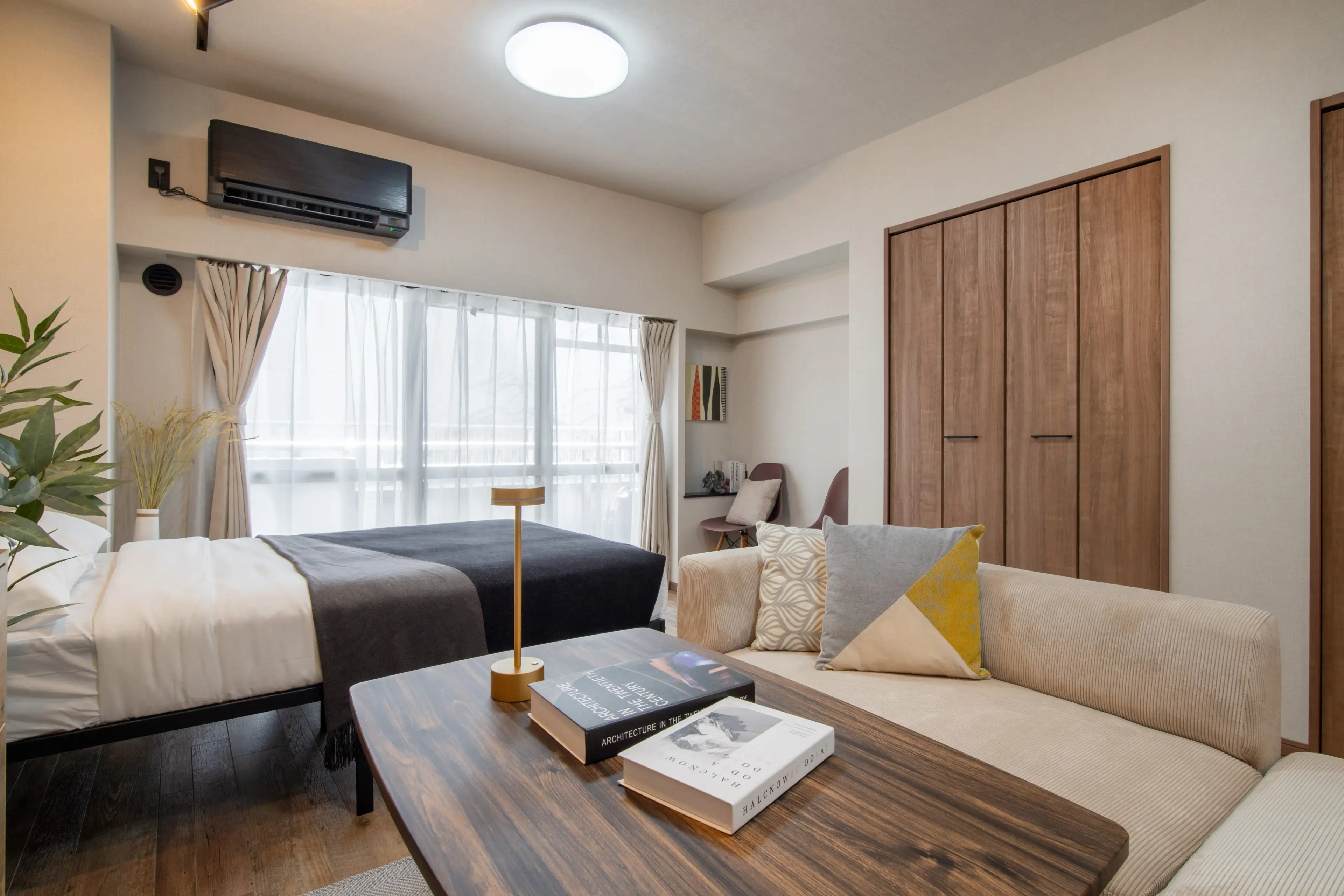
Fully Furnished Apartment 20 Min to Takadanobaba
Iidabashi High Town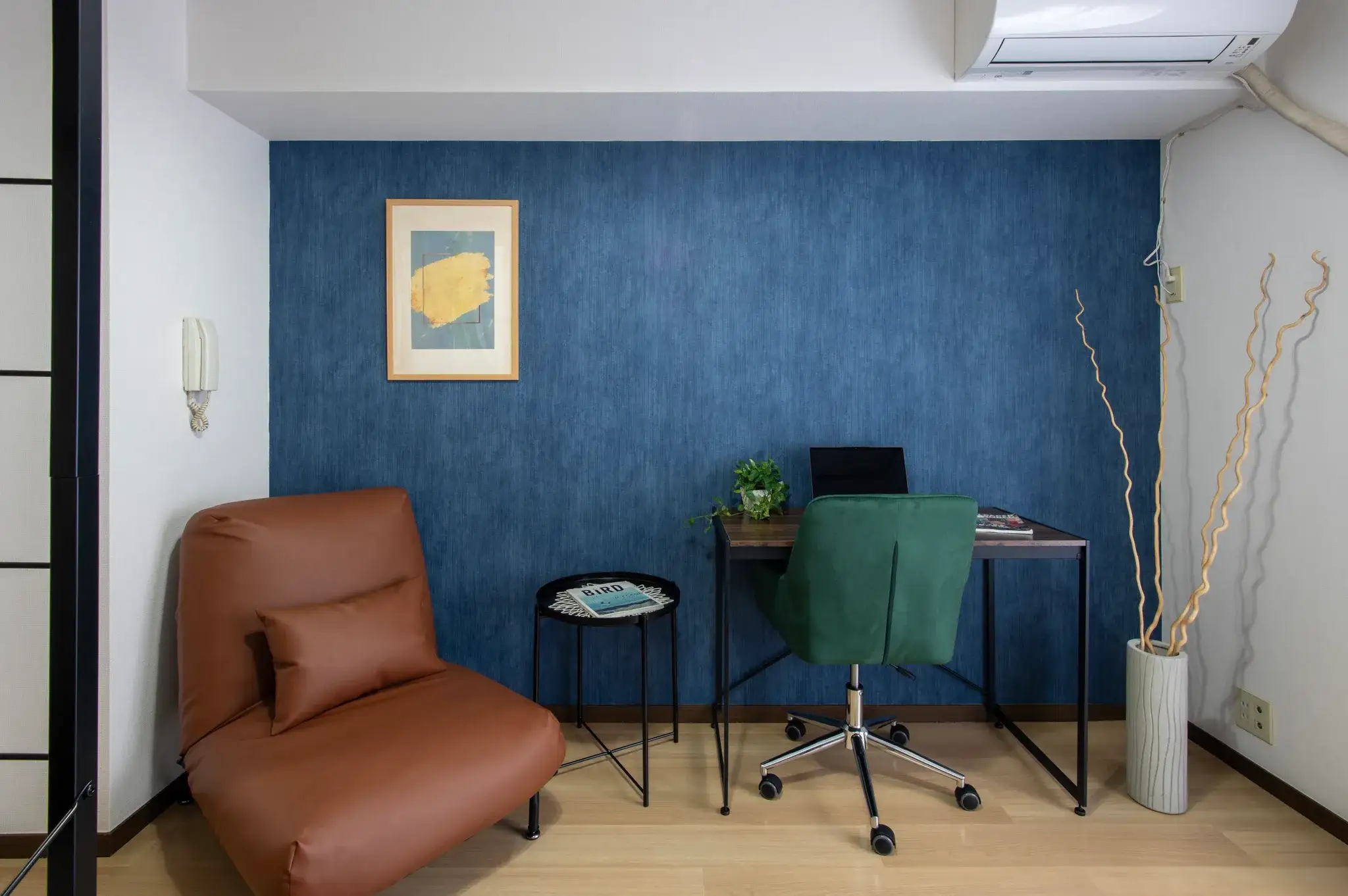 Posiblemente desde Dec 3, 2026
Apartamento amueblado en Meguro
ML Meguro — 208
 Disponible Ahora
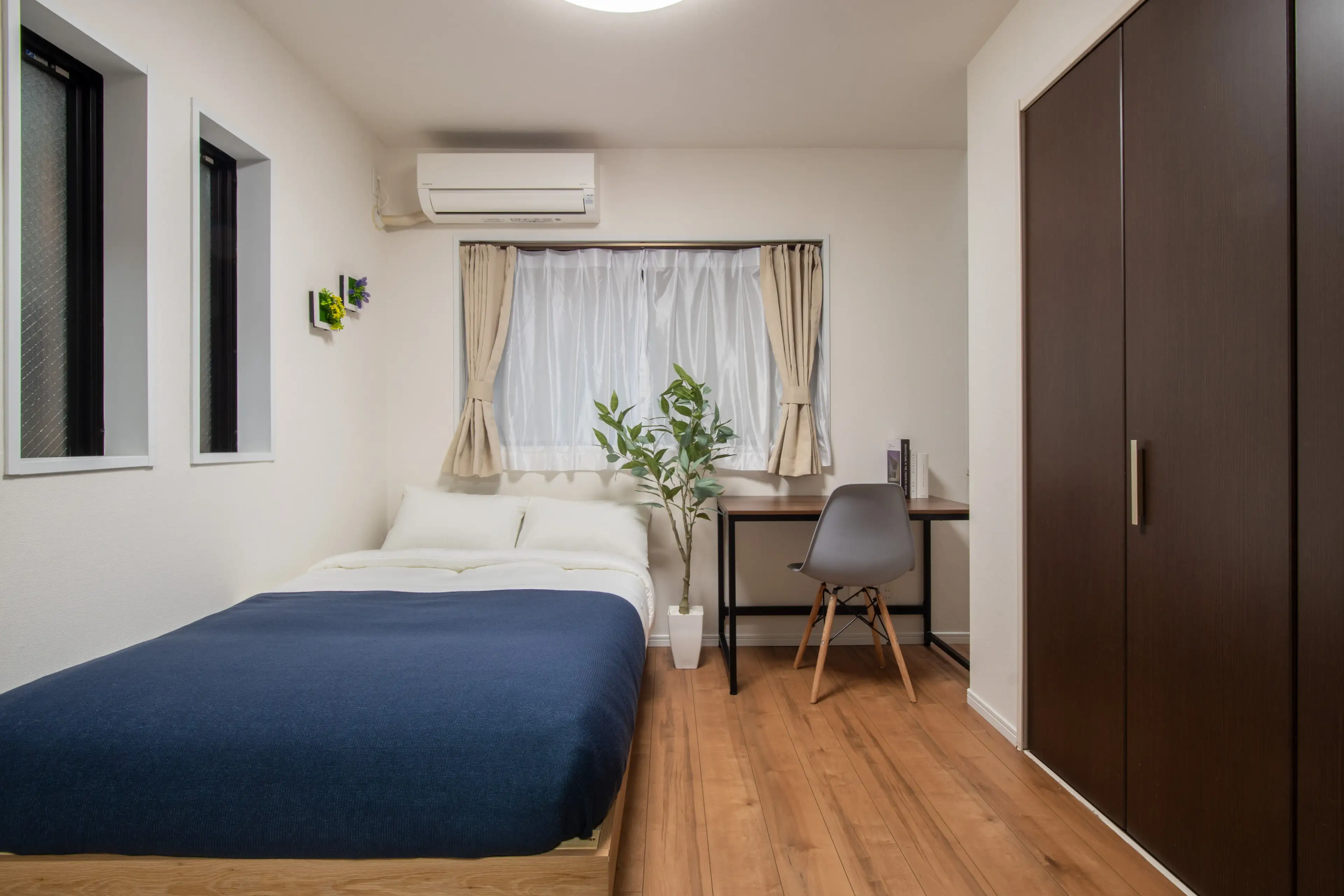
Departamento amueblado en Shinagawa
Beverly Homes Nishikoyama — 103