
신주쿠역 인근 최고의 셰어하우스: 최단 출퇴근으로 만나는 도쿄 생활

신주쿠 인근이 정말 의미하는 것: 15분 법칙
도쿄에서 외국인으로 생활할 때 신주쿠역 근처의 셰어하우스를 찾는 것은 가장 현명한 선택 중 하나입니다. 신주쿠역은 세계에서 가장 붐비는 기차역으로, 도시의 거의 모든 곳으로 연결되어 있어서 근처에 사는 것은 짧은 통근 시간, 유연한 이동 옵션, 그리고 하루 중 더 많은 여유 시간을 의미합니다.
하지만 "신주쿠 인근"은 사람마다 다르게 해석됩니다. 우리의 기준은 간단합니다: 기차로 15분 이내, 환승 1회 이하. 신주쿠 중심부의 높은 임대료를 내지 않으면서도 실질적인 편의성을 얻을 수 있는 이상적인 지점입니다.
15분 범위 내에서 시부야, 나카노, 스기나미, 신주쿠, 그리고 네리마·도시마 구의 일부에 위치한 동네들에 접근할 수 있습니다. 각 지역은 고유한 분위기, 가격대, 통근 패턴을 가지고 있으며, 이것이 바로 우리가 자세히 설명해드릴 내용입니다.

15분 범위 내 최고의 지역
신주쿠 인근의 모든 동네가 같은 것은 아닙니다. 이상적인 15분 통근 시간 내에서 셰어하우스 옵션을 꾸준히 제공하는 지역들을 소개합니다:
나카노 (나카노구)
중앙선으로 신주쿠에서 단 두 정거장 떨어진 나카노는 강한 지역 커뮤니티와 뛰어난 가성비를 자랑하는 주거 지역입니다. 신주쿠보다 조용하지만 이자카야, 카페, 슈퍼마켓이 가득합니다. 유명한 나카노 브로드웨이 쇼핑 복합시설은 주말을 더욱 재미있게 만듭니다.
요요기 (시부야/신주쿠 경계)
요요기는 신주쿠와 시부야 구의 경계에 위치하며, 공원이 중심 도쿄에서 드문 녹지 공간을 제공합니다. 소부선으로 신주쿠에서 한 정거장 거리이거나 짧은 도보 거리입니다. 이 지역의 임대료는 더 높지만, 본질적으로 모든 것의 중심에 있습니다.
노기자카 / 니시 신주쿠 (신주쿠구)
니시 신주쿠, 요츠야 같은 신주쿠구 내의 지역들은 기술적으로 구 내에 있으면서도 역의 바로 주변보다 약간 낮은 가격의 셰어하우스 옵션을 제공합니다. 도보이거나 한 번의 빠른 기차 이동으로 직장에 갈 수 있습니다.
고엔지 (스기나미구)
고엔지는 세계 여러 곳의 음악가, 예술가, 창작자들을 끌어당기는 보헤미안적이고 예술적인 에너지를 가지고 있습니다. 중앙선으로 신주쿠에서 네 정거장 떨어져 있으며, 기차로 약 8분 소요됩니다. 임대료는 매우 합리적이고, 북쪽과 남쪽 출입구를 따라 있는 쇼핑 거리는 탐험하는 즐거움이 있습니다.
이케부쿠로 남쪽 (토시마구)
이케부쿠로는 야마노테선으로 신주쿠에서 단 8분 거리로, 토시마구는 놀랍도록 실용적인 옵션입니다. 이케부쿠로 남쪽은 더 조용한 거리에 경쟁력 있는 가격의 셰어하우스들이 있으며, 이케부쿠로 자체는 자체 백화점과 다이닝 씬을 갖춘 주요 허브입니다.
신주쿠로부터의 거리별 가격대
신주쿠 인근 임대료의 솔직한 현실은 이것입니다: 통근 시간을 5분 단축할 때마다 월세는 대략 ¥10,000–¥20,000 더 올라갑니다. 거리가 가까울수록 더 많이 내야 하지만, 신주쿠 셰어하우스 검색으로 개인 아파트가 제공할 수 없는 진정한 저가 옵션을 찾을 수 있습니다.
예상할 수 있는 것들의 대략적인 분류는 다음과 같습니다:
- 신주쿠로부터 0–5분 (도보 거리 또는 1정거장): ¥70,000–¥100,000 이상/월. 셰어하우스 독실(private room)의 경우입니다. 이 가격대는 다른 지역의 원룸 아파트와 맞먹습니다.
- 신주쿠로부터 5–10분 (2–4정거장): ¥55,000–¥75,000/월. 대부분 사람들에게 이상적인 지점입니다 — 관리 가능한 가격에 실질적인 편의성이 있습니다.
- 신주쿠로부터 10–15분 (4–7정거장): ¥40,000–¥60,000/월. 이 지역의 방들은 더 넓은 경향이 있으며, 보통 더 좋은 커뮤니티 분위기를 경험할 수 있습니다.
대부분의 셰어하우스는 월세에 유틸리티(수도, 전기, 가스, 와이파이)를 포함하고 있으며, 이는 개인 아파트와의 비용 비교를 훨씬 더 유리하게 만듭니다. 계약금 없음, 보증인 불필요, 그리고 완전 furnished 방을 고려하면, 절감액은 상당합니다.
팁: 비용을 비교할 때는 유틸리티, 인터넷, 가구를 고려해 개인 아파트 월세에 ¥15,000–¥20,000을 더하세요. 특히 중심 도쿄에서는 셰어하우스가 거의 항상 전체 월 지출에서 유리합니다.
노선별 통근 패턴: 중앙선, 야마노테선, 마루노우치선

일일 통근 경험은 이동 시간뿐만 아니라 어느 노선을 이용하는지에 크게 달려 있습니다. 신주쿠를 지나는 각 주요 노선의 생활상은 다음과 같습니다:
중앙선 (동서)
중앙선은 동쪽으로는 중심 도쿄(오차노미즈, 아키하바라)로, 서쪽으로는 나카노, 고엔지, 오기쿠보 등을 지나갑니다. 빠르고 자주 운행되어 나카노, 고엔지 같은 동네들을 젊은 전문직 종사자들과 국제 주민들이 특히 선호합니다. 러시시간에는 express 서비스(중앙 rapid)가 혼잡할 수 있지만, 이동 시간은 짧고 신뢰할 수 있습니다.
야마노테선 (순환선)
도쿄의 유명한 순환선은 신주쿠에 정차하고 남쪽으로 시부야(2정거장), 하라주쿠(3정거장), 북쪽으로 이케부쿠로(3정거장)에 연결됩니다. 야마노테선 순환 어디든 사무실이 있다면, 이 노선이 지나가는 동네에서 거리가 조금 떨어져 있어도 엄청난 유연성을 얻게 됩니다. 이케부쿠로 지역 셰어하우스들은 이 연결로부터 큰 이점을 얻습니다.
마루노우치선 (지하철)
마루노우치선은 신주쿠역을 도쿄역, 긴자, 오테마치로 직결하며, 이는 도쿄 비즈니스의 심장입니다. 마루노우치나 카스미가세키에서 일한다면, 이 지하철 노선은 요츠야(2정거장) 또는 신주쿠 자체를 이상적인 기지로 만듭니다. 이 지하철 노선을 따라 있는 셰어하우스들은 기업 근무자들에게 인기가 있으며, 가격도 그에 따라 책정됩니다.
"올바른 기차 노선은 거리보다 더 중요합니다 — 빠른 express에서 8정거장은 느린 local에서 3정거장보다 매일 아침 낫습니다."
트레이드오프: 신주쿠에 더 가까운 것 vs. 더 넓은 방
이것은 중심 도쿄의 모든 세입자가 직면하는 핵심적인 긴장입니다. 신주쿠역으로의 짧은 도보를 우선순위에 두시겠습니까, 아니면 기차에서 몇 분 더 보내고 눈에 띄게 더 편한 생활 공간을 택하겠습니까?
우리의 의견: 대부분 사람들에게는 10–15분 범위가 가장 좋은 삶의 질을 제공합니다. 그 이유는:
- 10–15분 범위의 방들은 같은 가격에 종종 10–20% 더 넓습니다.
- 이 지역들 자체(고엔지, 나카노, 토시마의 일부)는 더 조용하고 주거 지향적이며, 음식과 커피 같은 일상 지출도 더 저렴한 경향이 있습니다.
- 조용한 지역의 셰어하우스들은 보통 더 큰 건물 규모로 인해 더 좋은 공용 공간 — 적절한 주방, 라운지, 야외 공간 — 을 가지고 있습니다.
- 5분과 15분 사이의 통근 차이는 실제로는 약 10분입니다. 그것은 한 번의 팟캐스트 에피소드일 뿐입니다.
즉, 신주쿠의 밤문화, 레스토랑, 주말 에너지에 최대한 접근하는 것을 우선순위에 둔다면, 도보 거리 내에 있는 것은 숫자만으로는 포착할 수 없는 실질적인 라이프스타일 가치를 가집니다.
알아두면 좋은 것: 도쿄의 많은 셰어하우스들은 자유 또는 보조금을 받은 자전거 사용을 제공합니다. 나카노나 요요기 같은 지역에서는 신주쿠역까지 자전거를 타는 것이 완전히 현실적입니다 — 그리고 통근 비용을 0으로 줄이면서 15분 범위 내에 머물 수 있습니다.
예산별 신주쿠 셰어하우스 추천

이것은 신주쿠 셰어하우스 외국인 친화적 시설에서 다양한 예산으로 무엇을 얻을 수 있는지에 대한 실용적인 분류입니다:
저예산: ¥50,000 미만/월
추천 지역: 고엔지 또는 노가타 (스기나미구)
이 가격대에서는 좋은 공용 시설을 갖춘 잘 관리된 셰어하우스의 작은 독실(약 7–9 m²)을 기대할 수 있습니다. 노가타는 세이부 신주쿠선으로 신주쿠에서 12분 거리로, 중앙선보다 덜 붐비고 놀랍도록 효율적입니다. 이 예산의 고엔지는 활기찬 동네의 아늑한 방을 제공합니다.
중간대: ¥50,000–¥70,000/월
추천 지역: 나카노, 이케부쿠로 남쪽, 요요기 우에하라
도쿄에서 셰어하우스 생활의 품질이 정말 빛나는 지점입니다. 적절한 책상과 옷장을 갖춘 10–14 m²의 독실, 좋은 기구를 가진 공용 주방, 국제 주민 커뮤니티를 찾을 수 있습니다. 특히 나카노에는 외국인과 expat을 대상으로 한 여러 잘 운영되는 셰어하우스들이 있으며, 영어를 하는 스태프를 갖추고 있습니다.
프리미엄: ¥70,000–¥90,000/월
추천 지역: 요요기, 니시 신주쿠, 신주쿠 3초메 도보 범위
이 수준에서는 새로 리모델링된 셰어하우스의 더 큰 독실을 찾을 수 있으며, 종종 designer 인테리어, 일부 경우 개인 욕실, 고속 fiber 인터넷을 갖추고 있습니다. 위치 프리미엄은 실질적이지만, 편의성도 마찬가지입니다 — 신주쿠역까지 10분 이내에 도보로 갈 수 있으며, 동네의 에너지는 매일 당신의 현관에 있습니다.
중심 도쿄 셰어하우스를 찾는 외국인들을 위해, 모든 서류를 처리하고, furnished 방을 제공하며, 영어 지원을 제공하는 신주쿠 근처 셰어하우스의 경우 중간대 범위가 보통 최고의 전반적인 경험을 제공합니다.
신주쿠 인근 이상적인 셰어하우스 찾기
핵심은 이것입니다: 신주쿠 인근 최고의 셰어하우스는 역과 가장 가까운 것이 아니라 당신의 라이프스타일, 예산, 통근 패턴에 맞는 것입니다. 요요기의 활기, 고엔지의 개성, 또는 나카노의 실용성을 원하든, 신주쿠에서 15분 이내에 당신의 도쿄 생활에 맞는 동네가 있습니다.
Modern Living Tokyo에서는 이 가이드에서 다룬 여러 동네에 furnished 셰어하우스와 아파트를 운영하고 있으며, 특히 국제 주민을 위해 설계된 옵션들도 있습니다. 우리의 방들은 완전히 furnished되어 있으며, 요금에 모든 것이 포함되어 있고, 입주부터 퇴주까지 영어 지원을 제공합니다.
찾을 준비가 되셨나요? 현재 이용 가능한 방들을 살펴보고 신주쿠로의 통근 시간으로 필터링하세요 — 당신의 도쿄 다음 집은 생각보다 가깝습니다.
Modern Living Tokyo
관련 게시글
 Neighborhood
신주쿠 셰어하우스: 최고의 선택지와 지역 가이드 (2026)
신주쿠에서 셰어하우스를 찾는 분들을 위한 완벽한 가이드입니다. 인기 있는 세부 지역부터 월세 범위, 교통 접근성, 그리고 이 상징적인 지역에 어울리는 주민층까지 모두 소개합니다.
 Modern Living Tokyo더 보기 →
 Neighborhood
에도가와의 최고 셰어하우스: 저렴한 동쪽 도쿄 생활
외국인 주민들 사이에서 인기 높은 에도가와 지역의 매력을 알아보세요 — 월 ¥35,000부터 시작하는 합리적인 셰어하우스 렌트와 편리한 교통 접근성을 갖추고 있습니다.
Modern Living Tokyo더 보기 → Neighborhood
분쿄구 최고의 셰어하우스: 조용하고 학문적인 분위기의 걷기 좋은 동네
학생과 연구자들이 선호하는 도쿄의 숨은 보석 같은 분쿄구를 소개합니다. 실제 월세, 인근 지역 비교, 셰어하우스 선택 팁까지 한눈에 확인하세요.
Modern Living Tokyo더 보기 →추천 숙소
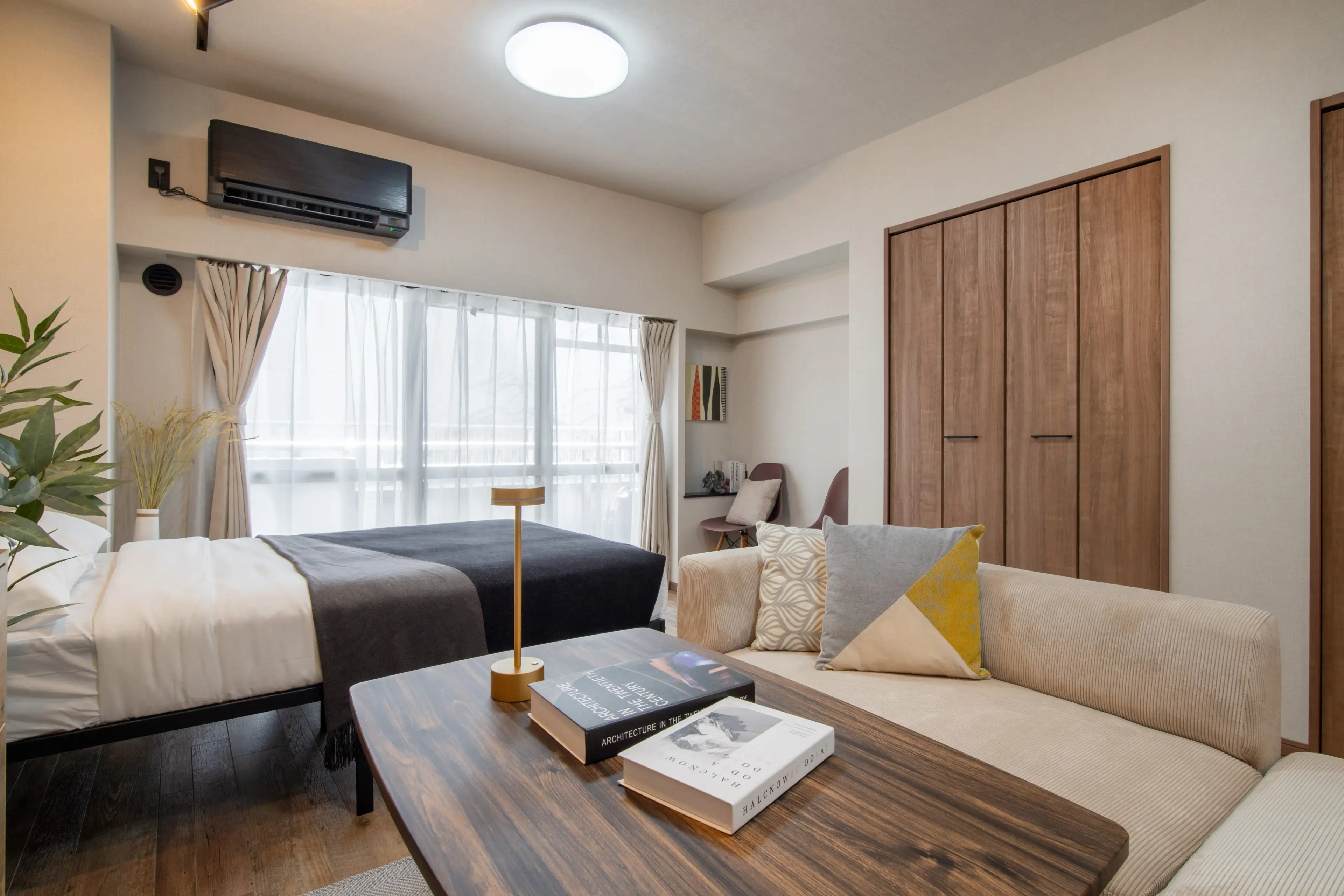 입주 중
입주 중Fully Furnished Apartment 20 Min to Takadanobaba
Iidabashi High Town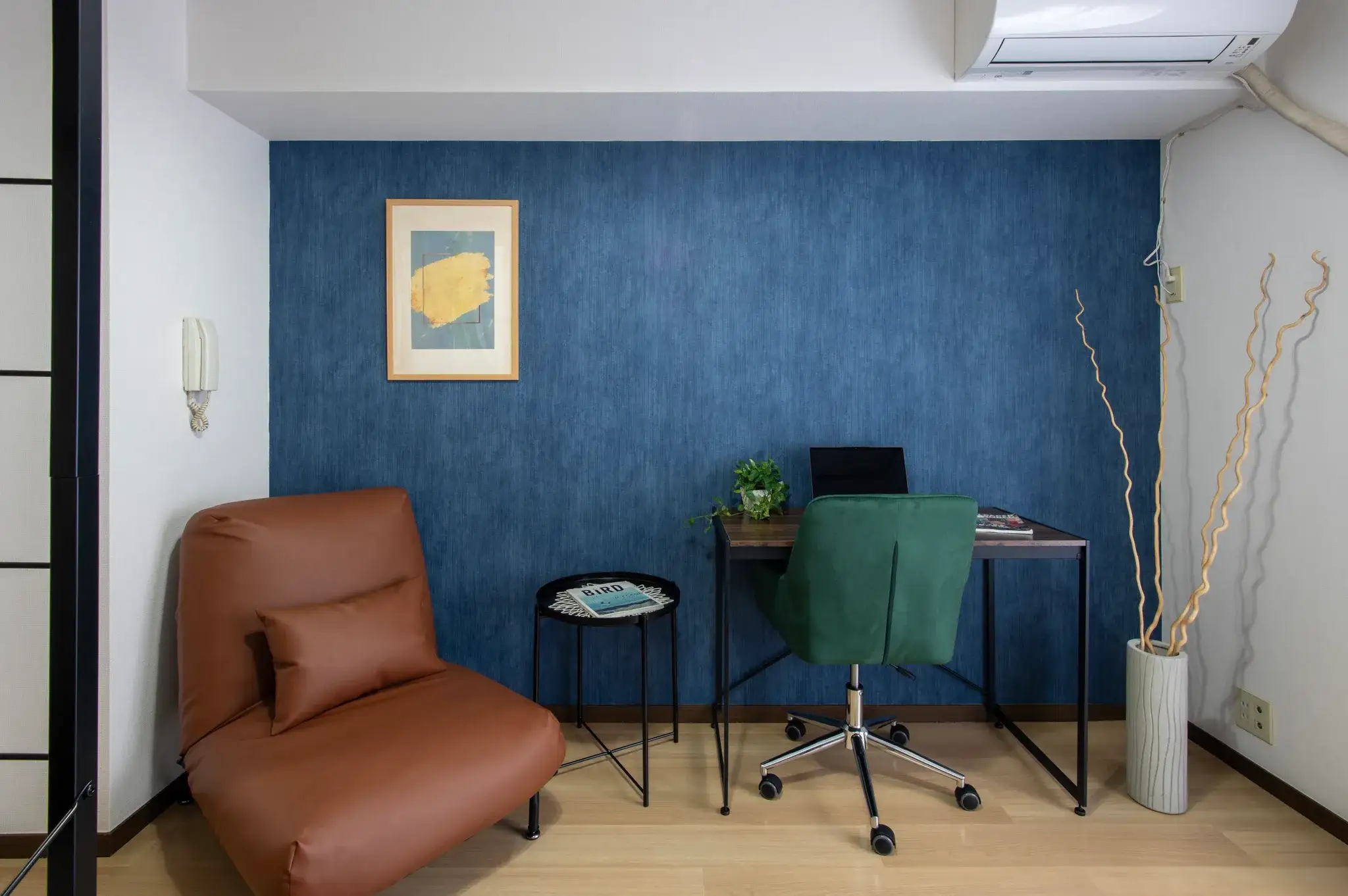 Dec 3, 2026부터 가능 (예정)
목로 지역 가구 완비 아파트
ML Meguro — 208호
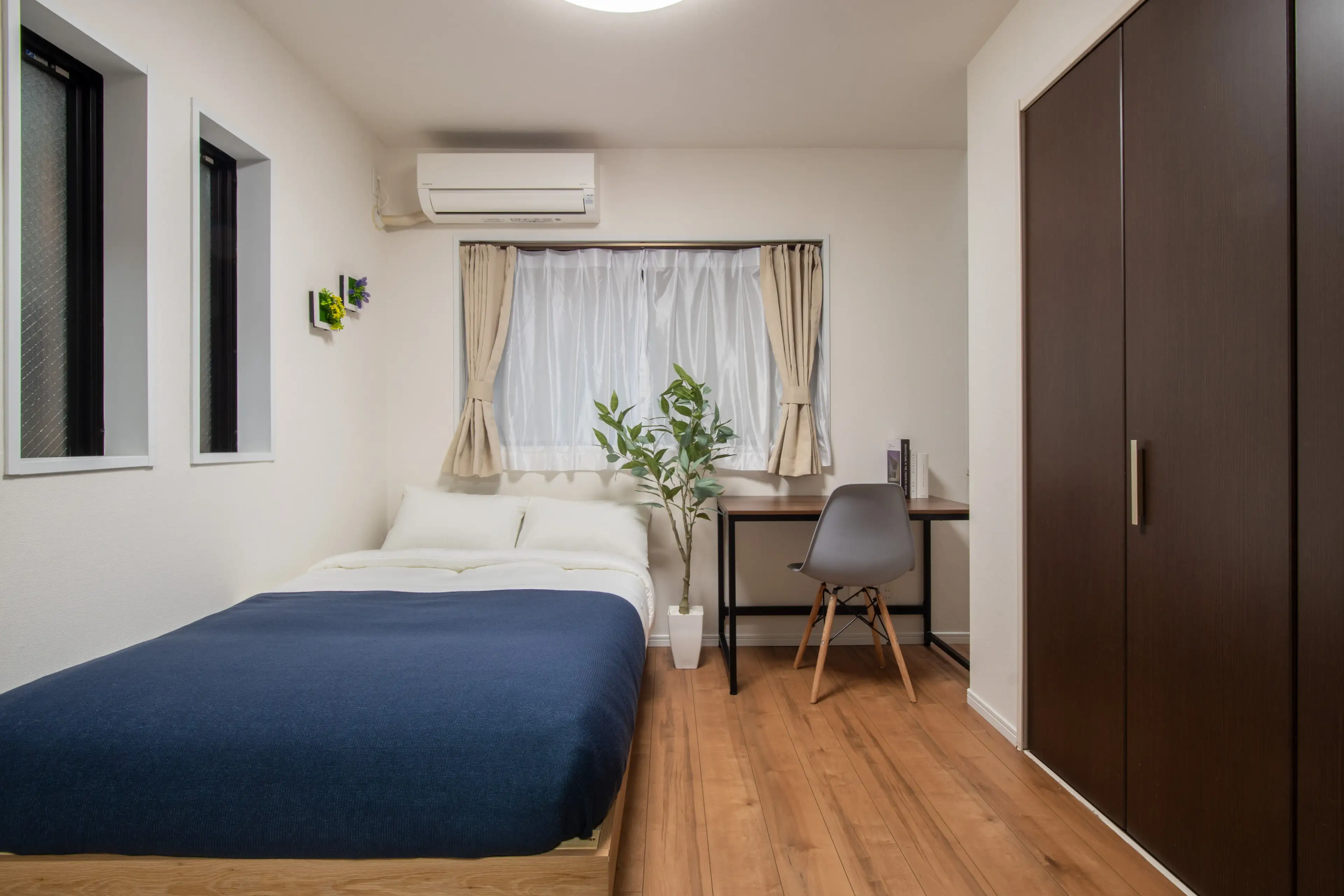 즉시 입주 가능
Shinagawa 지역 가구 완비 아파트
Beverly Homes Nishikoyama — 103호