
도쿄에서 프리랜서로 일하기: 비자, 세금 & 클라이언트 찾기 (2026)

Can Foreigners Freelance in Japan? Visa Rules for Freelancing in Japan as a Foreigner
The dream of freelancing in Japan as a foreigner is more achievable than most people think — but the visa situation requires careful planning before you quit your day job. Japan does not have a dedicated "freelance visa," so your legal right to work independently depends entirely on the visa status you already hold.
The most common path is the Business Manager Visa or, more practically, having a visa that permits unrestricted work activity. Here is a quick breakdown of where each status stands:
- Permanent Resident / Spouse of Japanese National: Full freedom to freelance with no restrictions. This is the easiest situation.
- Long-Term Resident Visa: Also permits freelance work without special approval.
- Engineer / Specialist in Humanities / International Services Visa: You can freelance in your designated field, but working outside that field is technically prohibited.
- Business Manager Visa: Designed for people running their own business in Japan. Requires a physical office address and meeting certain capital or staffing requirements.
- Working Holiday Visa: Permits freelance work, but is limited to one year and available only to citizens of specific countries.
- Tourist / Student Visa: Freelancing is not permitted. Do not accept client payments on these visas.
Heads Up: If you are on a work visa tied to an employer (such as the Engineer/Specialist visa), you must apply for a permission to engage in activity other than that permitted (資格外活動許可) at your local immigration office before taking on freelance clients outside your visa category. Violations can result in visa cancellation.
For 2026, the most practical route for most new arrivals looking to freelance full-time is to secure a Business Manager Visa, or to transition from a company-sponsored work visa to permanent residency before going independent.
Sole Proprietor (Kojin Jigyo) vs. Starting a Company: Which Is Right for You?
Once your visa permits freelance work, the next decision is how to structure your business. The two main options are registering as a sole proprietor (個人事業主 — kojin jigyo nushi) or incorporating a company (most commonly a godo kaisha or kabushiki kaisha).
Sole Proprietor (Kojin Jigyo)
This is by far the simpler and cheaper option for freelancers just starting out. There is no minimum capital requirement, the registration is free, and you can be up and running in a single afternoon at your local tax office.
- Free to register
- Minimal paperwork to maintain
- Tax filing is simpler (though still requires care)
- Personal liability — your personal assets are not legally separated from the business
Incorporating a Company (Godo Kaisha / Kabushiki Kaisha)
Incorporation makes sense once your annual revenue exceeds roughly ¥10 million, or if you need to raise investment, hire employees, or work with large Japanese corporations that require a registered legal entity.
- Registration costs approximately ¥60,000–¥250,000
- Limited liability protects your personal assets
- More credibility with larger clients
- More complex accounting and higher ongoing costs
For most foreigners starting out as freelancers in Tokyo, registering as a sole proprietor is the right first step. You can always incorporate later as your business grows.

Registering as a Kojin Jigyo Foreigner in Tokyo: Step-by-Step
Registering as a sole proprietor in Japan is genuinely straightforward. Here is exactly how to do it.
- Obtain Form: "Kojin Jigyo no Kaishi-tou Todoke-sho" (個人事業の開業・廃業等届出書). Download it from the National Tax Agency (NTA) website at nta.go.jp, or pick one up at your local tax office (zeimusho).
- Fill in your details. You will need your name, address, My Number (Individual Number), the nature of your business, and the date you started. Your business name (ya-go) is optional but useful for branding.
- Submit within 60 days of starting business. Take it to the tax office with jurisdiction over your home address. Bring your residence card (zairyu card) and My Number card as ID.
- Also submit a "Blue Return" application (青色申告承認申請書). This is highly recommended — it unlocks a ¥650,000 deduction on your income tax if you use double-entry bookkeeping (easily done with apps like freee or MFクラウド).
- Register for consumption tax (if applicable). If your annual revenue is expected to exceed ¥10 million, you will need to register for and collect consumption tax (消費税). Under 2026 rules, you may also need to register as an Invoice System (Invoicing System / Tekisei Seikyusho) registrant to work with clients who are consumption-tax registered businesses.
Pro Tip: Use freee (フリー) or Money Forward Cloud (MFクラウド確定申告) for your bookkeeping. Both have English-language support, handle the Blue Return format automatically, and cost around ¥1,000–¥2,000 per month. They will save you many hours come tax season.
Japan Freelance Tax Guide: What You Must File and When
Taxes are the part of self-employed life in Japan that surprises foreigners the most — mainly because there are more of them than you might expect. Here is what you are responsible for as a sole proprietor.
Income Tax (所得税)
Filed once a year via Kakutei Shinkoku (確定申告) — Japan's annual tax return. The filing window is February 16 to March 15 each year, covering the previous calendar year's income. Tax rates are progressive, ranging from 5% (on income under ¥1.95 million) to 45% (on income over ¥40 million), plus a 2.1% surtax.
Resident Tax (住民税)
This is a local tax paid to your ward or city office. It is calculated at roughly 10% of your previous year's income and billed to you in June each year. Many freelancers are caught off-guard by the resident tax bill the year after they first earn income, so budget for it in advance.
National Health Insurance (国民健康保険)
As a sole proprietor, you are not covered by company health insurance. You must enroll in National Health Insurance (Kokumin Kenko Hoken) at your ward office. Premiums are income-based and can range from approximately ¥20,000 to over ¥100,000 per year depending on earnings.
National Pension (国民年金)
Enrollment is mandatory. The flat monthly premium in 2025–2026 is approximately ¥16,980 per month. You can get a discount or deferral if income is low.

Finding Clients in Tokyo Without Fluent Japanese
This is the question every foreign freelancer in Tokyo asks. The good news is that the international client base in Tokyo is larger than almost any other city in Asia, and several industries actively seek English-speaking freelancers.
High-Demand Fields for Foreign Freelancers
- English copywriting and editing — for Japanese companies marketing abroad
- Web and app development — especially React, Flutter, and backend engineering
- Graphic design and UI/UX — for startups and international brands
- Translation and localization — English-Japanese remains in very high demand
- Business consulting — helping Japanese companies expand internationally
- Photography and videography — corporate events, e-commerce, real estate
Where to Find Clients
- Lancers (ランサーズ) and CrowdWorks (クラウドワークス): Japan's two largest freelance platforms. Both have English-friendly projects, though basic Japanese reading ability helps a lot.
- LinkedIn: Still the most powerful tool for B2B client acquisition in Tokyo's international business community.
- Meetup.com and Connpass: Tech meetups and startup events are held weekly in Shibuya, Shinjuku, and Akihabara. These are golden networking opportunities.
- TokyoDev and Japan Dev: Excellent for tech freelancers — job boards focused on English-friendly opportunities in Japan.
- Tokyo American Club, British Chamber of Commerce, EuroCham: Premium networking for business-oriented freelancers.
- Coworking spaces: WeWork, SENQ, Fabbit, and smaller spaces like Basis Point in Shinjuku put you in daily contact with potential clients and collaborators.
In Tokyo, your best clients often come not from job boards, but from the person sitting two desks away at a coworking space or standing next to you at a startup meetup in Shibuya.
Building a personal brand in English — through a professional website, a consistent LinkedIn presence, or a niche newsletter — goes a long way in a city where most local freelancers are not competing in that space.
Housing for Freelancers: Why Sharehouses and Furnished Apartments Work Best
Freelancing means variable income, especially in the early months. Traditional Japanese apartment leases — with their upfront costs of two to four months' rent in key money, deposits, and agent fees — are a significant financial risk when you are just building your client base.
This is where furnished apartments and sharehouses offer a real practical advantage for freelancers in Tokyo.
Lower Upfront Costs
Most share houses and furnished apartments require only a small deposit (sometimes zero), no key money, and no guarantor. You can move in for a fraction of the cost of a traditional lease — freeing up capital to invest in your business instead.
Flexible Contracts
Freelance income can fluctuate significantly. Short-term or monthly-rolling contracts give you the freedom to scale up, scale down, or relocate without penalties. Traditional Japanese leases typically lock you in for two years.
Built-In Community
For freelancers new to Tokyo, sharehouses offer something money cannot easily buy elsewhere: an instant social and professional network. Fellow residents at international sharehouses often include designers, developers, teachers, and entrepreneurs from around the world — potential collaborators, referral sources, or simply the moral support that solo working life sometimes demands.

What to Budget for Housing as a Freelancer in Tokyo
- Sharehouse room (Shinjuku / Shibuya area): ¥55,000–¥85,000/month, typically including utilities and Wi-Fi
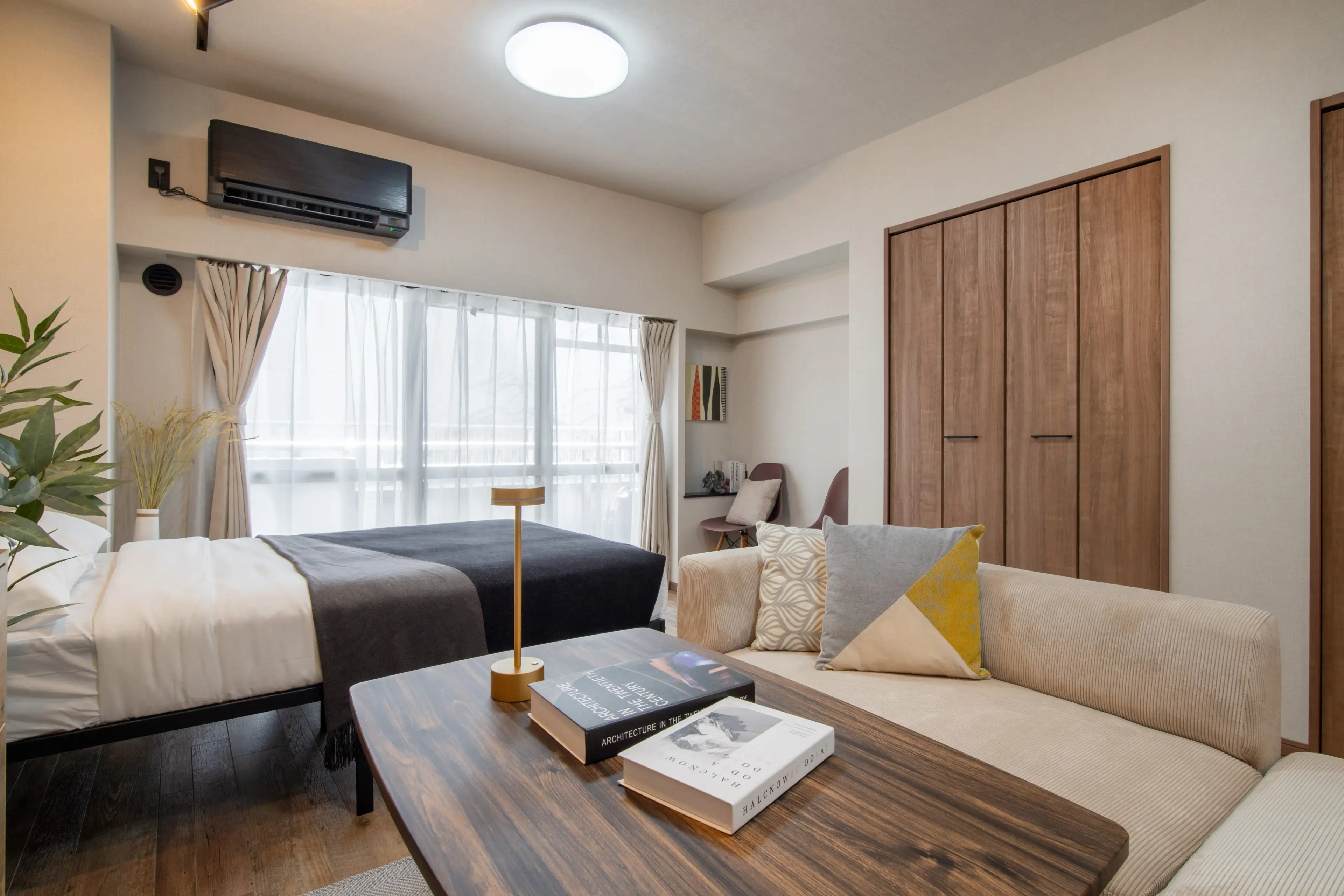
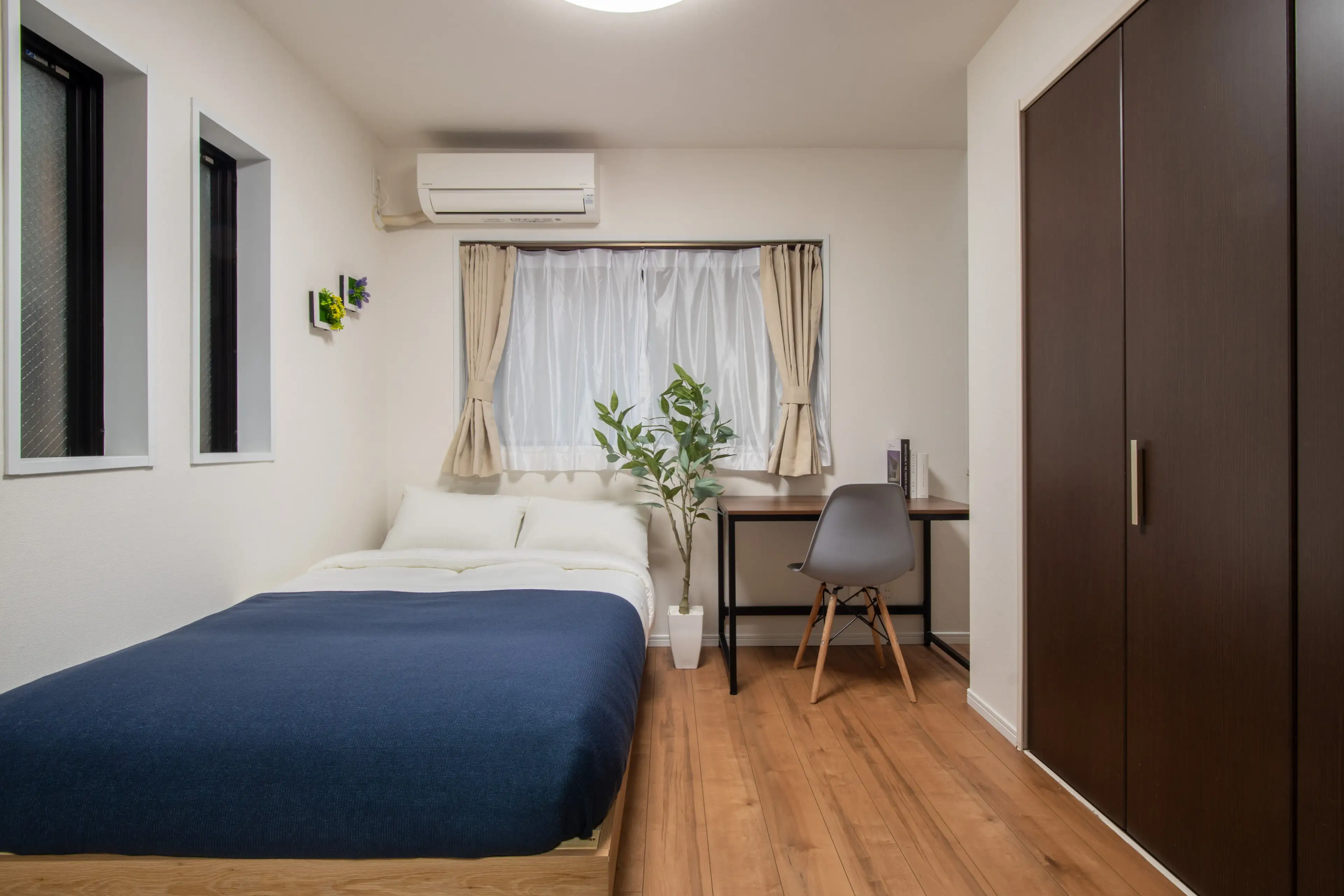
- Furnished studio apartment: ¥80,000–¥130,000/month, fully equipped and ready to move into
- Traditional unfurnished apartment: ¥70,000–¥120,000/month plus ¥300,000–¥500,000 upfront in fees
The math is clear for most new freelancers: flexible housing keeps your financial runway longer while you grow your client base.
Start Your Freelance Journey in Tokyo the Right Way
Freelancing in Japan as a foreigner in 2026 is absolutely viable — but it rewards those who do their homework. Get your visa situation confirmed first, register as a sole proprietor at your local tax office, file for Blue Return status, and set up proper accounting software from day one. Then focus your energy on building a visible, English-language professional presence and showing up where Tokyo's international business community gathers.
On the housing front, starting in a well-located furnished apartment or international sharehouse gives you the flexibility, community, and low overhead that early freelance life demands. At Modern Living Tokyo, we work with freelancers and independent professionals every day, offering furnished apartments and sharehouses across central Tokyo neighborhoods — with flexible contracts designed for exactly this kind of lifestyle. Browse our current availability and give your freelance career in Tokyo the right foundation.
Modern Living Tokyo
관련 게시글
 Tips & Tricks
2026년 도쿄 가구 완비 아파트 임차료 완벽 가이드
도쿄의 가구 완비 아파트 임차료를 완벽하게 이해하세요. 구별 월세, 계약금, 공과금, 그리고 최고의 거주지를 찾는 팁까지 2026년 최신 정보를 담았습니다.
 Modern Living Tokyo더 보기 →
 Tips & Tricks
도쿄 거주 외국인이 꼭 알아야 할 일본 앱 20선 (2026년)
Yahoo Transit과 PayPay부터 e-Tax, Mercari까지 — 도쿄에서의 생활을 편하게 해줄 필수 앱 20가지를 소개합니다. 2026년 최신 정보.
Modern Living Tokyo더 보기 → Tips & Tricks
2026년 도쿄 저렴한 구별 TOP 5 - 가구 완비 아파트 가격 비교
2026년 도쿄에서 가장 저렴한 5개 구의 가구 완비 아파트 임차료, 출퇴근 시간, 그리고 추가 비용을 절감하는 팁까지 한눈에 확인하세요.
Modern Living Tokyo더 보기 →추천 숙소
 입주 중
입주 중Fully Furnished Apartment 20 Min to Takadanobaba
Iidabashi High Town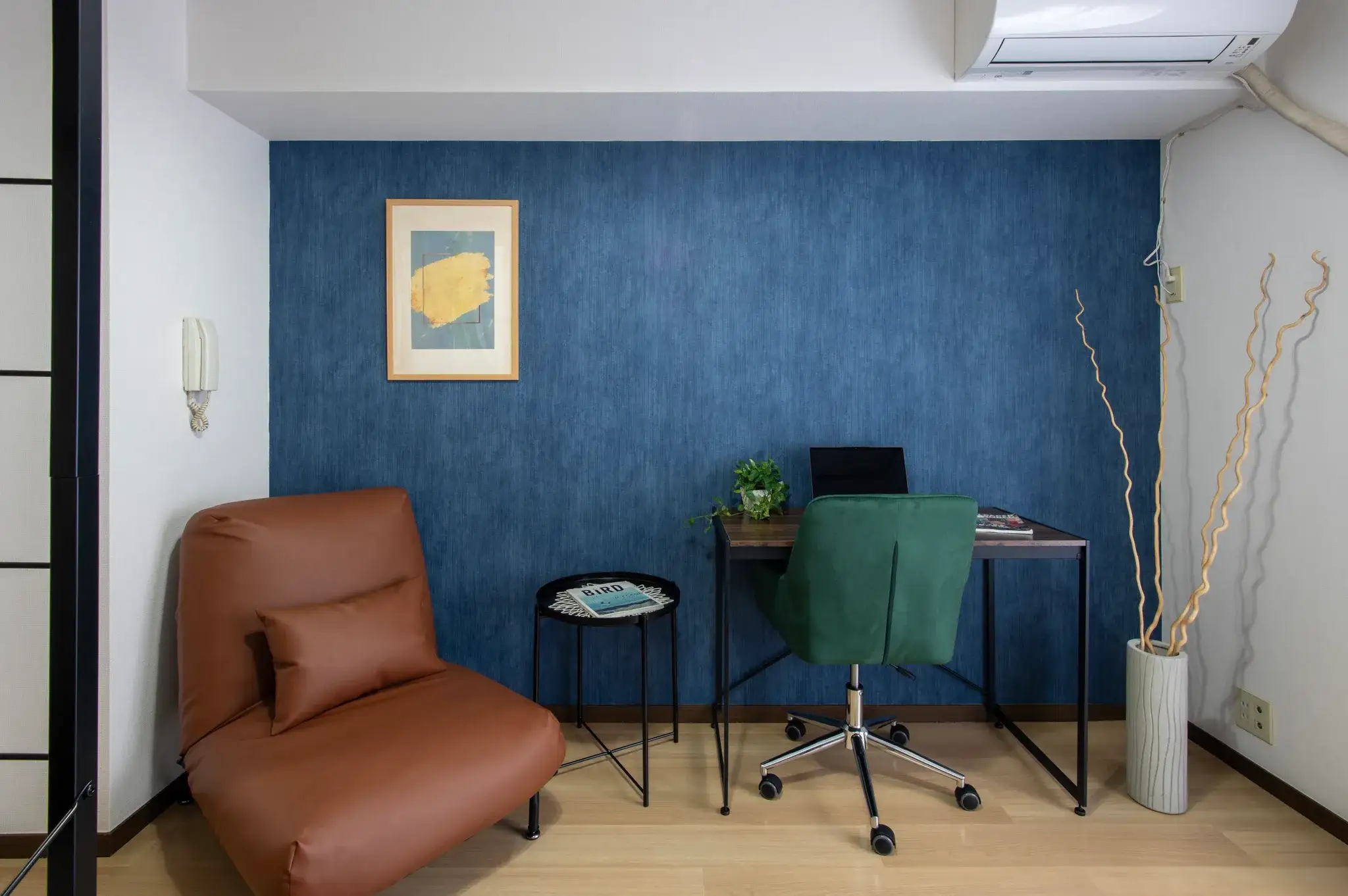 Dec 3, 2026부터 가능 (예정)
목로 지역 가구 완비 아파트
ML Meguro — 208호
 즉시 입주 가능¥20,000 OFF90일
Shinagawa 지역 가구 완비 아파트
Beverly Homes Nishikoyama — 103호