
도쿄에서 일본 요리 배우기: 클래스 & 요리학교

From Curious Eater to Confident Cook: Japanese Cooking Classes in Tokyo
Tokyo is one of the world's great food cities — and for many foreigners living here, the natural next step is learning to cook the food they love eating. Whether you're searching for japanese cooking classes tokyo style or dreaming of a full culinary career in washoku, the city has options for every level, schedule, and budget.
From a single afternoon making sushi in Shinjuku to a two-year professional program in Shibuya, the range is genuinely impressive. This guide breaks down exactly what's available, what it costs, and how to find the right fit for your goals.

From One-Day Classes to Full Culinary Schools
The spectrum of culinary education in Tokyo is wide. On one end, you have tourist-oriented one-day experiences that last two to three hours and end with a meal. On the other, you have professional culinary schools with structured curricula, knife skills assessments, and graduation certificates.
One-Day and Short Workshops
These are perfect if you're new to Japanese cooking or just want a fun experience. Most last two to four hours, include all ingredients, and finish with eating what you made. Classes are usually held in central neighbourhoods like Shinjuku, Asakusa, or Shibuya for easy access.
- Airbnb Experiences — Local home cooks host small-group classes in their own kitchens. Prices range from ¥3,000 to ¥8,000 per person. Very intimate and personal.
- Cooking Sun (Shinjuku) — A well-established school offering English-language classes in ramen, gyoza, and sushi. Sessions run about three hours and cost ¥7,000–¥10,000.
- Tsukiji Cooking (Tsukiji) — Located near the famous outer market. Classes include a market tour followed by hands-on cooking. Great for understanding where ingredients come from.
- Wa's Experience (Asakusa) — Popular with expats for its relaxed atmosphere and range of dishes, from tempura to wagashi (Japanese sweets).
Weekly and Monthly Programmes
Several schools offer recurring programmes for people who want to build real skills over time. These might run one evening per week for a month, covering a different dish each session. Prices typically range from ¥20,000 to ¥60,000 for a full course.
ABC Cooking Studio is one of the most accessible options. With locations across Tokyo — including Ikebukuro, Shibuya, and Yokohama — they offer Japanese cuisine courses in a clean, well-equipped environment. Some locations have English-speaking staff.
Sushi, Ramen & Washoku: Where to Learn Specific Dishes
Not all cooking classes are created equal. If you have a specific dish in mind, it's worth seeking out schools that specialise in it.
Learn Sushi Making in Tokyo
To learn sushi making tokyo-style means learning knife technique, rice seasoning, fish selection, and presentation — all in one go. It's surprisingly achievable in a single session for the basics.
- Tokyo Sushi Academy — Located in Kanda, this is one of the most respected short-course sushi schools for foreigners. They offer a two-week intensive "Sushi Seminar" (¥198,000) and a one-day option (¥19,800). All classes are available in English.
- Sushi Making Class by Tsukiji Cooking — A shorter, more affordable option at around ¥7,500, ideal for first-timers.
Ramen and Noodle Classes
Ramen is trickier than it looks — the broth alone can take hours. Classes focused on ramen typically teach a simplified home version rather than the full restaurant process, but you'll still come away with real technique.
Sun Kitchen in Nakameguro and several Shinjuku-based schools offer ramen workshops. Expect to spend about three hours and ¥6,000–¥9,000 per session.
Washoku Classes Tokyo: Traditional Japanese Cuisine
Washoku classes tokyo focus on the broader culinary tradition — seasonal ingredients, dashi stocks, simmered dishes, and the philosophy behind Japanese home cooking. This is for those who want to understand why Japanese food tastes the way it does, not just how to replicate a recipe.
Look into the Kikkoman Cooking School in Tokyo, which offers washoku-focused sessions, and Hattori Nutrition College, which runs public tasting workshops and short courses alongside its professional programmes.
Learning to cook washoku isn't just about recipes — it's about understanding the seasons, the silence of a well-made dashi, and the patience that Japanese cuisine demands.

English-Friendly Options for Foreign Residents
Language can feel like a barrier, but the Tokyo cooking school scene has adapted well to international students. Here's what to look for:
- Fully English-taught classes — Tokyo Sushi Academy, Cooking Sun, and Tsukiji Cooking all offer classes entirely in English.
- Bilingual materials — Many Japanese schools provide recipe cards and handouts in English even if the instructor teaches in Japanese. This is common at ABC Cooking Studio.
- Translation apps — For Japanese-only classes, Google Translate's camera mode works surprisingly well in a kitchen setting when reading labels and recipe cards.
Pro Tip: Email schools before booking to ask about English support. Even schools without official English classes often have staff who are happy to help — especially if you show genuine interest in learning Japanese culinary culture.
For those enrolled in full culinary schools with Japanese-language instruction, many expat students find that their Japanese improves rapidly simply because the vocabulary is so practical and repetitive. A culinary school tokyo foreigner experience is often one of the best language immersion environments around.
Costs & Time Commitment: What to Expect
Here's a realistic breakdown of what you'll spend, depending on how deep you want to go:
- Single experience class: ¥3,000–¥10,000 | 2–4 hours
- Short course (4–8 sessions): ¥20,000–¥60,000 | 1–2 months
- Two-week intensive (e.g. Tokyo Sushi Academy): ¥150,000–¥250,000 | Full-time for two weeks
- Professional culinary school (e.g. Hattori or Tsuji): ¥1,000,000–¥2,500,000 per year | 1–2 years
For most casual learners, a combination of one or two experience classes followed by a monthly course gives excellent value. You'll build real skills without the commitment of a full programme.
Good to Know: Some cooking schools offer discounts for residents versus tourists. Bring your residence card (在留カード) when enquiring — it can sometimes unlock a lower rate or monthly membership pricing.
Best Areas to Live Near Culinary Schools
If you're planning to attend classes regularly — or enrol in a full programme — location matters. Here are the neighbourhoods with the highest concentration of cooking schools and food culture:
Shinjuku
Home to multiple short-course schools and very easy to access from almost anywhere in Tokyo. If you're looking for variety, Shinjuku's cooking school density is hard to beat.
Nakameguro & Ebisu
A trendy, food-forward area with boutique cooking studios and a strong café culture. Good for those interested in Japanese home cooking and contemporary fusion styles.
Asakusa & Ueno
These traditional neighbourhoods are particularly good for washoku and cultural cooking experiences. Proximity to Tsukiji's outer market (a short ride away) is a real bonus for serious cooks.
Shibuya & Harajuku
Several larger chains like ABC Cooking Studio have flagship locations here. The area is also close to Hattori Nutrition College in Shinjuku, one of Japan's most prestigious culinary institutions.

Living in a furnished sharehouse in any of these areas puts you within easy commuting distance of both cooking schools and the great food markets that feed them. At Modern Living Tokyo, several of our sharehouse properties in Shibuya, Shinjuku, and Nakameguro are particularly popular with residents who are exploring the city's culinary scene — you'll often find housemates to cook with, which makes the learning process even more enjoyable.
Turning Training into a Career or Visa
For some people, learning Japanese cooking is more than a hobby — it's a career pathway. Japan's culinary industry is significant, and skilled foreign cooks are increasingly welcomed.
Professional Culinary Schools for Foreigners
The two most internationally recognised culinary institutions in Japan are Hattori Nutrition College (Shinjuku) and Tsuji Culinary Institute (primarily Osaka, but with a Tokyo campus). Both accept foreign students and offer programmes that qualify you for industry roles.
Completing a programme at an accredited culinary school can support a Student Visa application, allowing you to live and study in Japan legally for the duration of the course.
The Skilled Worker Visa (Specified Skills)
Japan introduced the Tokutei Ginou (Specified Skills) visa in 2019, which includes a category for food and beverage service. Passing the relevant Japanese-language and skills tests can qualify you to work professionally in Japan's restaurant industry.
- Culinary school certificates strengthen visa applications significantly
- Some cooking schools offer letter-of-completion documents that can support visa paperwork
- Japanese language ability (at least JLPT N4) is increasingly important for employment-based visas in this sector
It's a longer road, but Tokyo's food industry is one of the most exciting in the world — and for foreign cooks with genuine skill and commitment, the opportunities are real.
Start Your Culinary Journey in Tokyo
Whether you want to spend a single Saturday morning learning to roll sushi or you're planning a full career pivot into Japanese cuisine, Tokyo has the schools, the ingredients, and the culture to support you. The city rewards curiosity — and nowhere is that more true than in the kitchen.
If you're planning to study or live in Tokyo while exploring its food culture, having the right base makes a real difference. Modern Living Tokyo's furnished apartments and sharehouses are designed for exactly this kind of immersive Tokyo experience — fully equipped, centrally located, and filled with fellow food lovers who are figuring out the city right alongside you.
Browse our properties in Shinjuku, Shibuya, and Nakameguro — the heart of Tokyo's culinary world — and take the first step toward making Japanese cooking a genuine part of your life here.

Modern Living Tokyo
관련 게시글
 Culture
도쿄에서 전통 일본 예술 배우기: 다도, 서예 그 외 여러 가지
외국인을 위한 도쿄의 다도, 서예, 생화 수업 정보 — 영어 지원 학원, 실제 비용, 기본 예절까지 한눈에 알아보세요.
 Modern Living Tokyo더 보기 →
 Culture
2026년 도쿄 여름 축제 완벽 가이드: 외국인을 위한 필수 정보
도쿄에 거주하는 외국인과 주재원을 위한 2026년 여름 축제 완벽 가이드. 축제 일정, 불꽃놀이 감상 명소, 유카타 입는 법, 그리고 전통 축제 음식까지 모든 정보를 한눈에 확인하세요.
Modern Living Tokyo더 보기 → Culture
도쿄의 오본(盆): 외국인 주민이 알아야 할 모든 것
도쿄에서의 오본 기간 동안 폐점하는 시설, 본 오도리 축제 개최 장소, 그리고 일본의 가장 큰 명절 기간에 도시를 편리하게 이동하는 방법까지 외국인 거주자들을 위한 필수 정보를 소개합니다.
Modern Living Tokyo더 보기 →추천 숙소
 입주 중
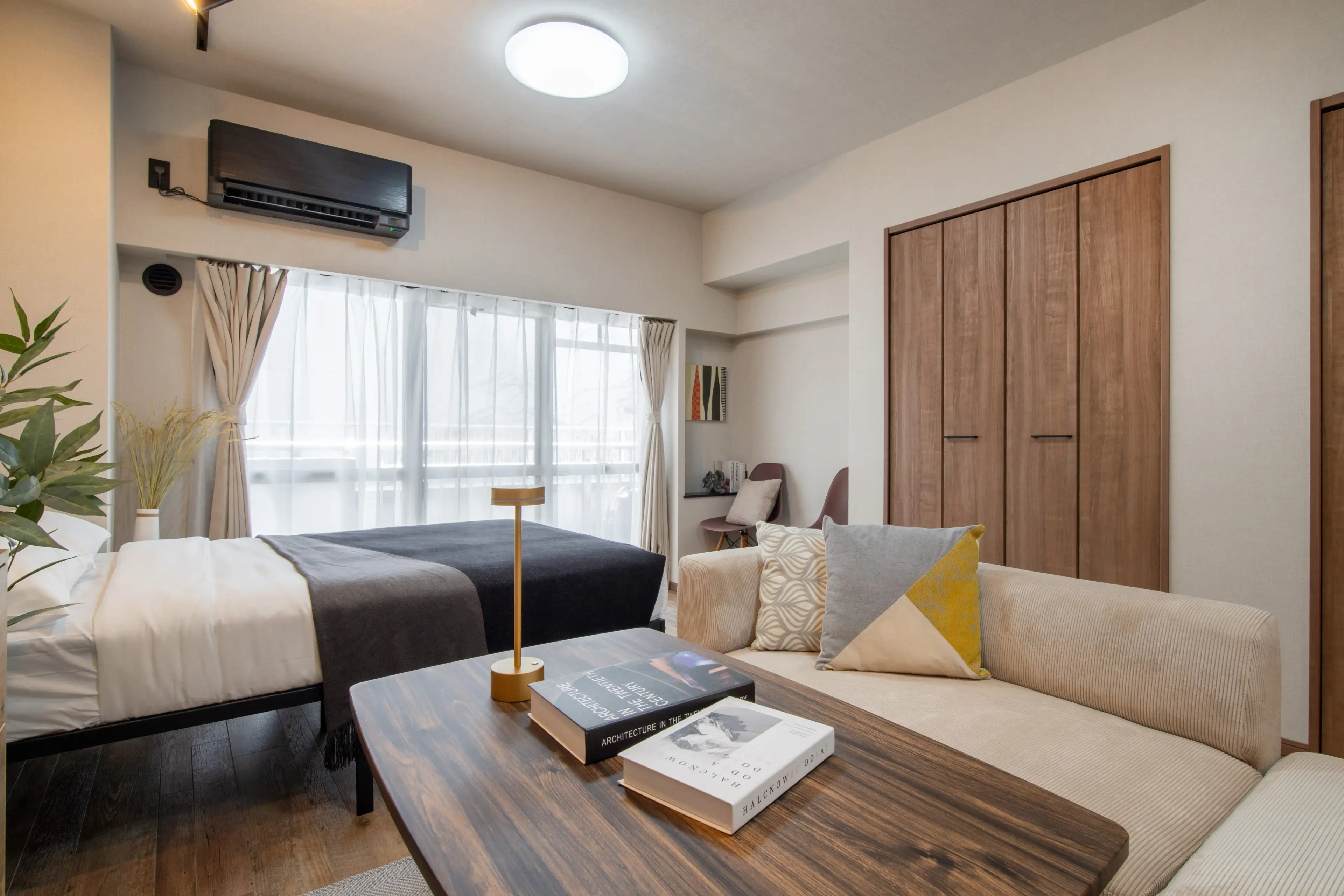
입주 중Fully Furnished Apartment 20 Min to Takadanobaba
Iidabashi High Town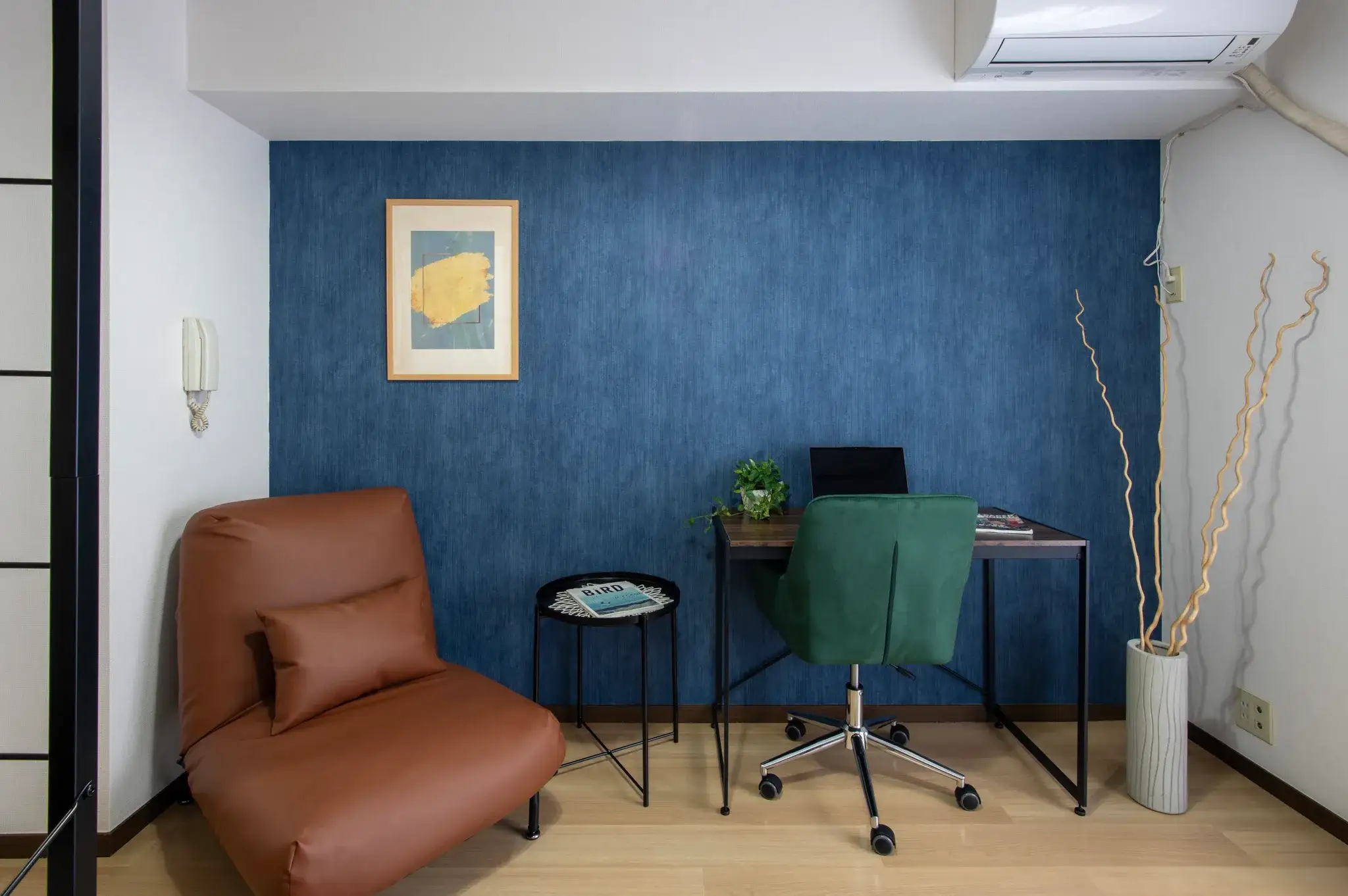 Dec 7, 2026부터 입주 가능
목로 지역 가구 완비 아파트
ML Meguro — 208호
 Feb 22, 2027부터 가능 (예정)
Shinagawa 지역 가구 완비 아파트
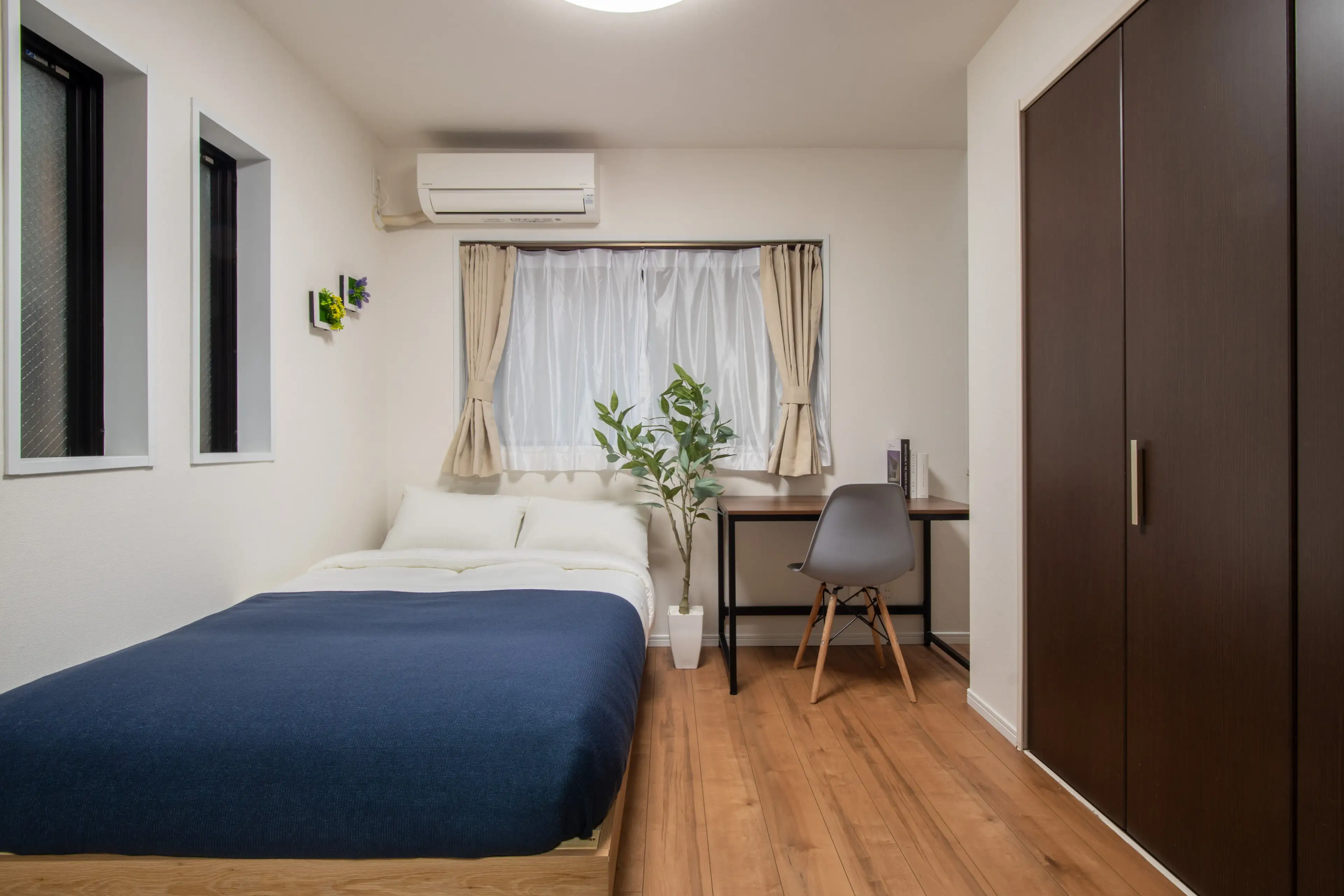
Beverly Homes Nishikoyama — 103호