
도쿄 지역 가이드: 외국인을 위한 Shibuya vs Shinjuku 비교

도쿄의 두 거장: 외국인을 위한 가이드
시부야 vs 신주쿠 논쟁은 도쿄에 도착한 외국인들이 첫 주 안에 마주하는 흔한 질문입니다. 두 지역 모두 상징적이고 끝없이 활기찬 곳이며 일상생활에 필요한 모든 것으로 가득 차 있지만, 분명히 다른 개성을 지니고 있습니다. 어느 곳을 당신의 집으로 선택하느냐에 따라 도쿄 생활 전체가 달라질 수 있습니다.
이 가이드는 외국인들에게 가장 중요한 요소들을 중심으로 두 지역을 비교합니다: 생활비, 교통 편의성, 라이프스타일, 그리고 실질적인 일상 서비스입니다. 업무 이전, 일본어 공부, 혹은 단순히 도쿄를 새로운 집으로 삼으려는 분이라면, 계약을 서명하기 전에 꼭 읽어보세요.

생활비 비교: 시부야 vs 신주쿠
두 지역 모두 도쿄의 프리미엄 가격대에 속해 있지만, 구체적인 위치에 따라 의미 있는 차이가 있습니다.
임대료 및 숙박
시부야에서 1인 스튜디오 아파트는 크기와 역까지의 거리에 따라 월 ¥110,000~¥180,000 정도입니다. 다이칸야마, 나카메구로 같은 트렌디한 지역은 더 비싼 편입니다. 시부야는 도쿄에서 가장 선호되는 주소 중 하나이며, 건물주들도 이를 잘 알고 있습니다.
신주쿠는 더 다양한 선택지를 제공합니다. 월 ¥90,000~¥160,000 정도의 스튜디오를 찾을 수 있으며, 특히 서쪽 지역(니시신주쿠)이나 히가시신주쿠 같은 셰어하우스 지역에서 더 저렴한 옵션을 찾을 수 있습니다. 전반적으로 신주쿠이 같은 가격대에서 더 나은 가치를 제공합니다.
일상 경비
식료품, 식사, 일상 경비는 두 지역에서 큰 차이가 없습니다. 두 곳 모두 저렴한 옵션을 찾을 수 있습니다. 세븐일레븐이나 패밀리마트 같은 편의점은 곳곳에 있고, 현지 레스토랑의 점심 세트는 보통 ¥800~¥1,200입니다. 신주쿠은 특히 가부키초 지역과 다카시마야 타임스 스퀘어의 음식 코너에서 저렴한 식사 옵션이 더 풍부합니다.
이 지역들의 가구가 비치된 아파트나 셰어하우스에서 생활한다면, 공유 주방 시설과 낮은 초기 비용으로 인해 전체 월 지출을 상당히 줄일 수 있습니다.
교통 및 접근성
두 역 모두 도쿄에서 가장 혼잡하면서도 가장 잘 연결된 곳입니다. 하지만 강점은 다릅니다.
신주쿠역
신주쿠역은 일일 350만 명 이상의 승객이 이용하는 세계에서 가장 바쁜 철도역으로 기네스 기록에 등재되어 있습니다. JR 야마노테선, 츄오선, 소부선, 여러 오다큐 및 게이오 사설 철도, 그리고 여러 지하철 노선이 지나갑니다. 직장이 도쿄 서부, 가나가와, 사이타마에 있다면 신주쿠은 통근 교통 허브로 최고입니다.
역 자체는 복잡하기로 유명합니다 — 50개 이상의 출입구가 있어 처음 오신 분들은 몇 주가 걸릴 수 있습니다. 하지만 일단 익히면 접근성은 타의 추종을 불허합니다.
시부야역
시부야역은 2023년에 걸쳐 대대적인 리모델링을 완료했으며, 그 결과는 이전보다 훨씬 사용하기 편하게 만들었습니다. JR 야마노테선, 도큐 도요코선 및 덴엔토시선, 긴자선 및 한조몬선 지하철, 게이오 이노카시라선이 지나갑니다.
시부야는 요코하마, 미나토미라이, 또는 도쿄 중심부(오모테산도, 히로오, 롯폰기)로 출퇴근할 때 특히 편합니다. 또한 도큐선을 따라 도쿄에서 가장 아름다운 주거 지역으로의 관문입니다.
팁: 도쿄에 도착한 첫날에 Suica 또는 Pasmo IC 카드를 구매하세요 — 모든 전철, 지하철, 버스에서 사용할 수 있고, 편의점과 자판기에서도 결제할 수 있습니다.
야간 문화, 식사, 생활 방식

시부야: 청년 문화와 창의적 에너지
시부야는 일본 청년 문화, 패션, 음악의 중심지입니다. 센터가이 주변은 트렌디한 카페, 국제 패션 브랜드, 라이브 음악 공연장으로 가득 차 있습니다. 또한 도쿄에서 최고의 칼테일 바와 루프탑 레스토랑이 있는 곳입니다.
다이칸야마와 나카메구로(시부야에서 도보로 이동 가능)는 더욱 세련된 생활 방식을 제공합니다 — 독립적인 커피숍, 부티크 갤러리, 운하 옆 식당, 그리고 창의적이고 국제적인 인구가 모여 있습니다. 많은 외국인 창조 산업 종사자와 스타트업 관계자들이 이 지역으로 몰려듭니다.
식사 옵션은 미슐랭 별 오마카세 레스토랑부터 ¥500 라면 가게까지 다양합니다. 시부야 히카리에와 스크램블 스퀘어 타워는 고급 소매점과 식당을 더합니다.
신주쿠: 규모, 다양성, 그리고 자유로움
신주쿠은 완전히 다른 스케일에서 운영됩니다. 아시아 최대 규모의 유흥 지구인 가부키초 — 완전히 잠들지 않는 곳으로, 수백 개의 이자카야, 노래방, 나이트클럽, 호스트 바 등이 있습니다. 시끄럽고 혼란스럽지만 완전히 매력적입니다.
더 차분한 분위기를 원한다면, 골든 가이는 미로 같은 작은 바들의 집합지입니다 — 많은 바가 10명 미만의 손님을 받습니다 — 여기서 현지인, 예술가, 전 세계에서 온 여행객들과 함께 술을 마실 수 있습니다. 도쿄에서 가장 독특한 사교 경험 중 하나입니다.
오모이데 요코초(추억의 골목)는 숯불 연기 속에서 야키토리 꼬치와 차가운 맥주를 즐기는 곳입니다 — 1950년대 도쿄로 돌아간 듯한 완벽한 ¥2,000 저녁 식사 경험입니다. 신주쿠은 또한 한 정거장 떨어진 신오쿠보 지역에 훌륭한 한식당들이 있습니다.
시부야는 가장 세련되고 미래지향적인 도쿄를 제공합니다. 신주쿠은 가장 생생하고 잊을 수 없는 도쿄를 제공합니다. 둘 다 훌륭하지만, 오직 하나만이 당신의 진정한 집이 될 것입니다.
두 지역의 외국인 친화적 서비스
일본에 처음 도착했을 때 외국인 친화적 서비스에 쉽게 접근하는 것은 매우 중요합니다. 두 지역 모두 이 부분에서 좋은 점수를 받지만, 각각의 강점이 있습니다.
의료
시부야에는 도쿄 메디컬 앤 서지컬 클리닉(모토아자부, 쉽게 접근 가능)과 히로오 주변의 여러 국제 클리닉이 있습니다. 신주쿠에는 신주쿠 클리닉과 다국어 지원이 가능한 여러 병원이 있습니다. 두 지역 모두 도쿄 도청의 보건 상담 서비스에 쉽게 접근할 수 있습니다.
은행 및 금융 서비스
두 지역 모두 일본 우정은행, 신세이 은행, SMBC 등 주요 은행 지점이 있습니다. 외국인의 경우, 세븐일레븐 내 세븐 은행 ATM이 외국 카드를 받습니다 — 두 지역 어디든 있습니다. 일본 은행 계좌 개설은 입국 후 출입국관리청에서 받는 재류 카드(거주 카드)를 받은 후 가장 쉽습니다.
언어 지원 및 외국인 커뮤니티
신주쿠 구청은 신주쿠역의 신주쿠 시티 인터내셔널 커뮤니케이션 플라자(i-Box)에 영어, 중국어, 한국어, 스페인어 등 다국어 상담을 무료로 제공합니다. 시부야 구청도 다국어 지원을 제공하며, 시부야 인터내셔널 라운지는 새로 온 주민들을 위한 유용한 자원입니다.
- 수입 물품 판매 슈퍼마켓: 내셔널 아자부(히로오), 기노쿠니야 인터내셔널(신주쿠), 세이조 이시이(두 지역 모두)
- 영어 서점: 기노쿠니야 신주쿠(넓은 영어 코너)
- 코워킹 스페이스: WeWork 시부야 스크램블 스퀘어, Regus 신주쿠
- 국제 SIM/휴대폰 가게: BIC 카메라 신주쿠, 요도바시 카메라 아키하바라(짧은 야마노테선 탑승)
알아두세요: 일본에서는 이사 후 14일 이내에 지역 구청에 주소를 등록해야 합니다. 구청(시부야구 또는 신주쿠구)에서는 고용주가 보장하지 않는 경우 국민 건강보험에도 등록해야 합니다 — 보통 연간 소득의 5~7% 정도입니다.
어느 도쿄 지역이 당신에게 맞을까요?

객관적으로 더 좋은 선택은 없습니다 — 당신의 생활 방식, 예산, 그리고 우선순위에 따라 다릅니다. 결정을 돕기 위한 빠른 요약입니다:
다음에 해당하면 시부야를 선택하세요:
- 창의 산업, 기술 스타트업, 또는 국제 패션에서 일할 때
- 세련되고 정성스러운 이웃 분위기에서 훌륭한 카페와 레스토랑을 즐기고 싶을 때
- 요코하마로 출퇴근하거나 도큐선을 자주 이용할 때
- 다이칸야마나 나카메구로 같은 더 조용한 지역으로 도보 이동이 가능하길 원할 때
- 더 젊고 국제적인 사교 문화를 선호할 때
다음에 해당하면 신주쿠을 선택하세요:
- 타치카와, 하치오지 방향이나 사이타마 방향으로 출퇴근하며 츄오/오다큐/게이오선이 필요할 때
- 다양성을 사랑하고 더 시끄럽고 강렬한 도시 환경을 괜찮아할 때
- 같은 구 내에서 더 저렴한 숙박 옵션을 원할 때
- 활발한 야간 문화와 골든 가이나 가부키초의 다채로운 에너지를 즐길 때
- 도쿄에서 가장 잘 연결된 교통 허브를 바로 곁에 두고 싶을 때
또한 직접 그 위에 살기보다는 이 두 지역 근처에서 사는 것이 종종 최고의 결과를 제공합니다. 요요기, 산겐자야, 시모키타자와, 또는 히가시신주쿠 같은 지역들은 조용한 주거 분위기를 제공하면서도 전철로 5~15분 거리에 모든 활동을 즐길 수 있게 해줍니다.
이제 이사할 준비가 되셨나요?
외국인으로서 도쿄의 임대 시장을 헤쳐 나가는 것은 어려울 수 있습니다 — 언어 장벽, 보증금, 보증인 요구사항 때문에 일반적인 방법은 답답합니다. 바로 이런 이유에서 Modern Living Tokyo는 시부야 및 신주쿠 지역과 그 근처에 가구가 비치된 아파트와 셰어하우스를 제공하며, 유연한 계약 조건과 영어 지원 팀을 갖추고 있습니다.
시부야의 창의적인 활기에 끌리든 신주쿠의 멈추지 않는 에너지에 끌리든, 우리는 당신의 생활 방식과 예산에 맞는 집을 찾도록 도와드릴 수 있습니다 — 일반적인 임대 번거로움 없이. 오늘 이용 가능한 방들을 둘러보세요그리고 당신의 도쿄 생활을 향한 첫 걸음을 내디디세요.
Modern Living Tokyo
관련 게시글
 Neighborhood
Shibuya vs Shinjuku: 외국인을 위한 도쿄 어느 지역이 더 나을까? (2026)
Shibuya와 Shinjuku의 특징을 비교해봅니다 — 분위기, 임차료, 교통, 야간 문화, 외국인 친화성까지. 당신의 도쿄 생활에 정말 맞는 동네는 어디일까요? 외국인 거주자의 솔직한 조언입니다.
 Modern Living Tokyo더 보기 →
 Neighborhood
Shimokitazawa 생활 가이드: 외국인을 위한 도쿄의 가장 핫한 동네
Shimokitazawa에서의 삶을 완벽하게 준비할 수 있도록 임차료, 교통, 라이프스타일, 그리고 이 창의적인 문화의 중심지가 정말 당신에게 맞는지까지 모든 것을 담았습니다.
Modern Living Tokyo더 보기 → Neighborhood
대칸야마 라이프가이드: 롯폰기 가격 없이 누리는 프리미엄 도쿄 생활
대칸야마는 부티크 카페, 저층 주택가, 그리고 2분 거리의 Shibuya를 자랑하는 프리미엄 도쿄 생활의 정수입니다. 롯폰기의 높은 가격대 없이도 최고의 주거 환경을 경험할 수 있죠. 대칸야마에서의 삶에 필요한 모든 정보를 알려드립니다...
Modern Living Tokyo더 보기 →추천 숙소
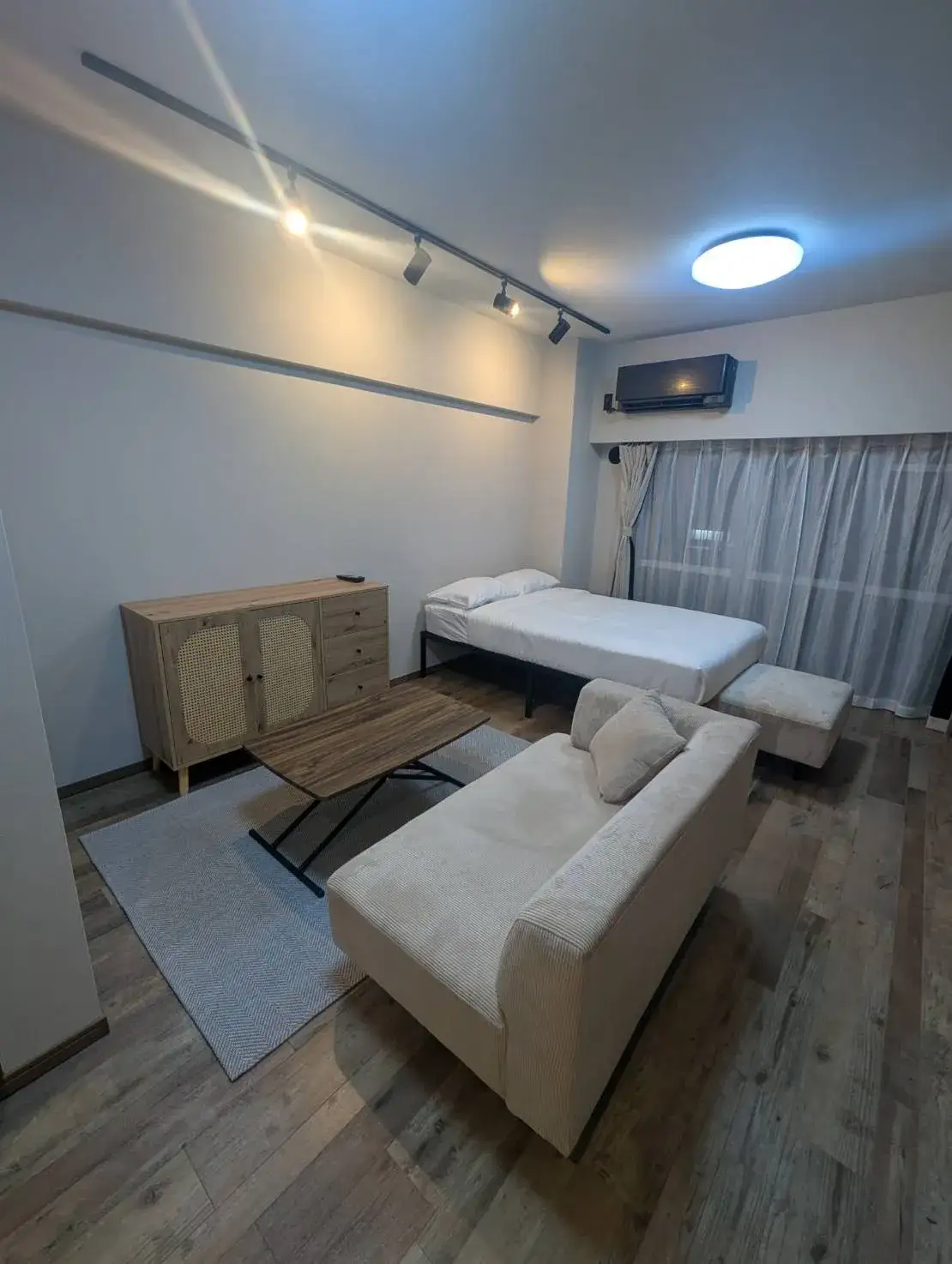 Sep 26, 2026부터 가능 (예정)
Fully Furnished Apartment 20 Min to Takadanobaba
Iidabashi High Town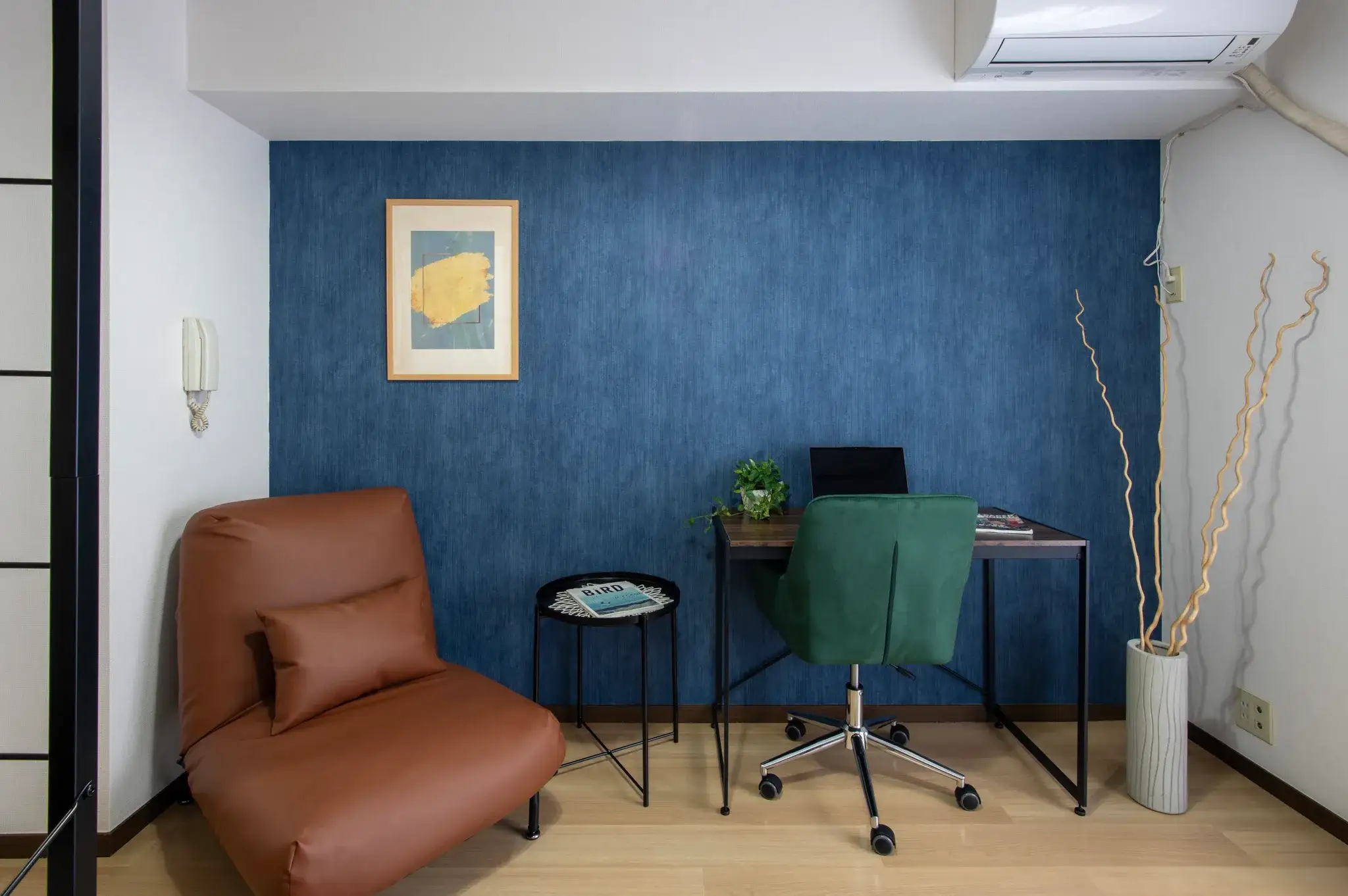 즉시 입주 가능
목로 지역 가구 완비 아파트
ML Meguro — 208호
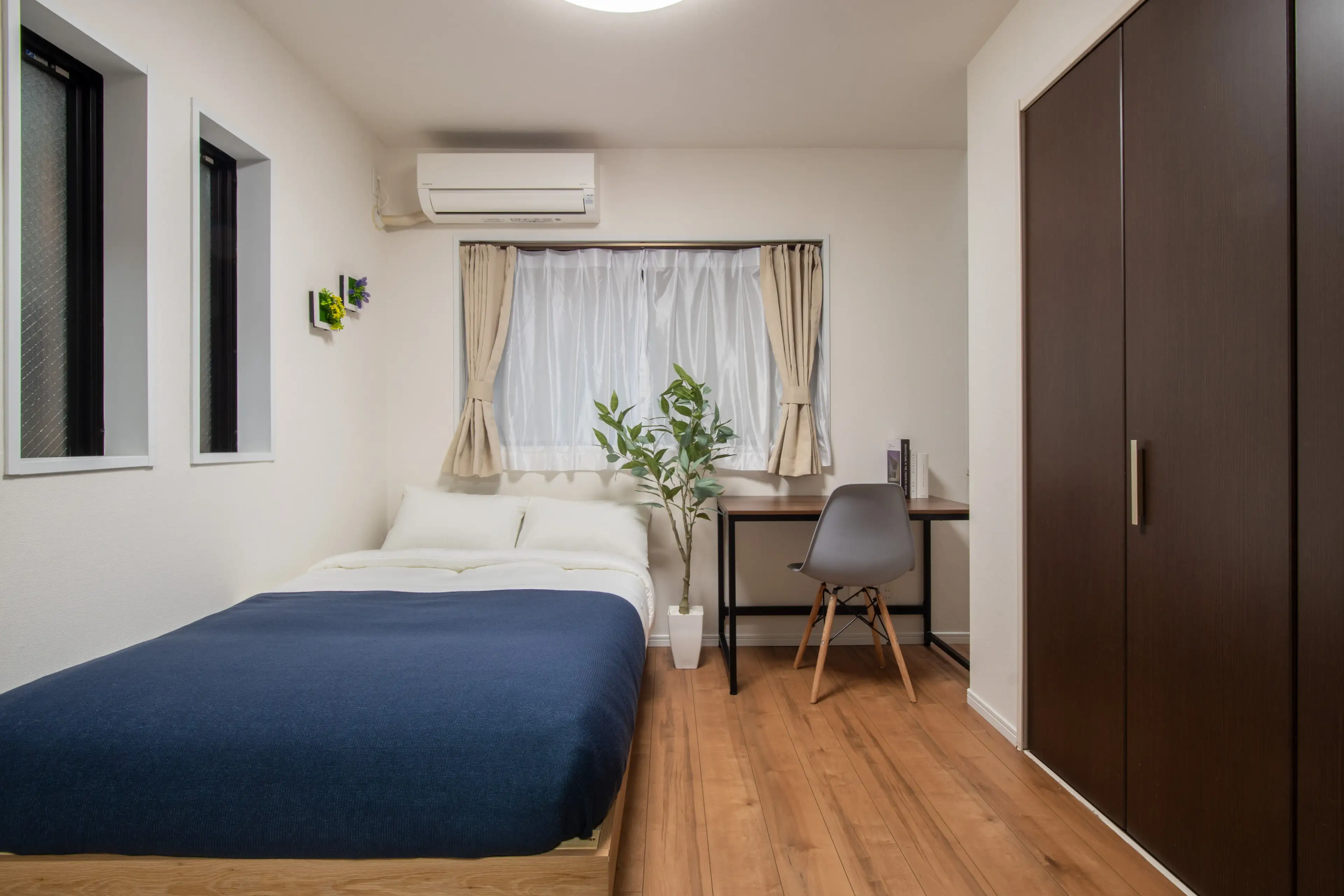 즉시 입주 가능¥20,000 OFF90일
Shinagawa 지역 가구 완비 아파트
Beverly Homes Nishikoyama — 103호