
礼儀正しい日本での過ごし方:外国人が知らずに破ってしまうルール

礼儀正しい日本:外国人が知っておくべき不文律
日本への引越しは本当に楽しみなものです。ただ、外国人向けの日本の礼儀作法を学ぶのは、実は第二言語の習得に加えてもう一つの言語を学ぶような感覚かもしれません。日本で最も大切なルールの多くは文字に書かれず、めったに説明されず、面と向かって指摘されることもほぼありません。このガイドでは、アパートに足を踏み入れた瞬間から地下鉄での座り方まで、実際に人々が犯す誤りについて解説します。

室内用靴と玄関のルール
玄関(玄関)はほぼすべての日本の家庭やアパートの玄関すぐ内側にある、わずかに低くなった小さなスペースです。ここで靴を脱ぎます。例外なく、いつも靴を脱ぎます。外靴のまま玄関から主室へ足を踏み入れることは、ゲストとしてできる最も不快なことの一つです。
単に靴を脱ぐだけではありません。靴を脱いだ後は、靴をドアに向くように向き直すべきです。小さなジェスチャーですが、そのスペースへの配慮を示しています。
- 通常、ゲスト用のスリッパが用意されています。家の中では畳の部屋以外の場所ではいつでもスリッパを履いてください。
- 畳の部屋は特別な扱いを受けます。畳の上に足を踏み入れる前にスリッパを脱いでください。
- トイレ用スリッパもあります。ほとんどの日本の家庭にはトイレ専用のスリッパがあります。入るときに履き替え、出るときにも履き替えます。出た後に履き替え忘れるのは、外国人あるあるです。
- シェアハウスでは、共有スペースの入り口に靴を脱ぐ明確なラインがあることが多くあります。それを尊重してください。ルームメイトは守らなかったことに気付きます。
プロのコツ:東京でアパート探しをするときは、靴をきちんと片付けるスペースが十分にある玄関を探してください。多くのファニッシュドアパートメントには、玄関に靴箱(下足箱)が組み込まれています。それを使いましょう。靴を廊下に散らかしておくのは、シェアハウスコミュニティでよくある不満の一つです。
騒音、ゴミ、アパート生活の礼儀
日本のアパート生活は非常に特定のリズムがあります。そしてそれを破ると、誰も言葉にしないまま数ヶ月間静かに不満がたまります。騒音が最大の問題です。東京の多くのビルの壁は薄く、文句を言わない文化があるため、隣人は黙って耐えながら、静かにあなたに不信感を抱いているかもしれません。
知っておくべき騒音ルール
- ほとんどの住宅ビルの静かな時間帯は午後10時から午前8時です。これを法律のように扱いましょう。
- 共有廊下や階段での大きな電話は避けてください。
- 家具を引きずったり、物を落としたりすることでさえ、昼間でも苦情につながることがあります。
- 音楽はドアの外の廊下で聞こえないほど低い音量に保つべきです。
ゴミ捨てのシステム
東京のゴミ捨てルールは厳格で譲歩の余地はありません。各区(区)には独自のスケジュールがあり、ゴミは近所によって異なるカテゴリーに分別されます。間違った日に、間違った袋で、分別されていないゴミを出すのは深刻な違反です。そして、それがあなただったことを近所の人は知っています。
- 一般的なカテゴリー:燃えるゴミ、燃えないゴミ、プラスチック、ガラス、缶、段ボール
- ゴミは指定の回収地点(街の至る所ではなく)に回収時間より前に出す必要があります。通常は午前8時までです。
- 袋はしばしば半透明である必要があり、収集者が内容を確認できるようになっています。
- 家具などの大きな物には、コンビニで購入した特別なシール(粗大ゴミ処理券)が必要です。
覚えておくべきこと:Modern Living Tokyoの物件のほとんどには、英語に翻訳されたゴミ捨てガイドが付いています。Modern Living Tokyoでは、新規入居者には入居日にローカルのゴミ捨てルールについてしっかり説明します。これを1週目で間違えると、本当に悪い印象が残ってしまうからです。
公共交通機関の利用ルール

東京の電車とメトロネットワークは効率の奇跡です。また、非常に高い社会的期待を持つ空間でもあります。ルールはいたるところに貼られていませんが、すべての人がそれに従っています。偏差はすぐに目立ちます。
電車の中で
- 電話をしないでください。メールは大丈夫です。電話で話すのはダメです。これは日本で最も普遍的に守られているルールの一つです。
- 声を低く保ってください。友人同士の会話は静かにしましょう。図書館の静寂ほどではありませんが、通りで使うよりもはっきりと低い声で。
- 優先席(優先席):これは高齢者、妊婦、障害者、小さなお子さんがいる人のためのものです。健康な人は電車が空いていても通常これらの席を避けます。
- バックパックは身体の前に、またはラッシュ時はオーバーヘッドラックに置いてください。大きなリュックを背中に背負うと、人にぶつかってスペースを取ります。
- 電車での食事は眉をひそめられます(新幹線は例外です。長距離列車では許可されています)。
- プラットフォームで列に並んでください。乗客が降りるのを待ってから乗車してください。
プラットフォームと改札での行動
- ほとんどのエリアで左側を歩きます(大阪は右側です。東京は左側です)。
- 改札の前にICカード或いはチケットを用意してください。改札機の前で慌てないでください。
- エスカレーター:左側に立つ、右側を歩く(ほとんどの東京のステーション)。
箸の使い方以上の食事の礼儀
誰もが日本に来る前に「箸をご飯に立てたままにしない」ということを学びます。しかし、観光ガイドには載っていない日本の食事のマナーはもっとたくさんあります。
日本では、食べ方はあなたが何を注文するのかと同じくらい、あなたについて言うことができます。テーブルでのすべてのジェスチャーが意味を持っています。
テーブルで人々がよく間違えること
- 自分で飲み物を注ぐのは、グループでの食事では失礼と考えられます。まず他人のために注ぎ、誰かに注いでもらいましょう。
- 食べる前に「いただきます」と言い、食べ終わったら「ごちそうさまでした」と言うのは、単なる伝統ではありません。誰かの家でこれをスキップするのは、ぶっきらぼうで軽蔑的に感じられます。
- 箸から箸へ食べ物を渡すのはタブーです。それは葬儀の儀式を反映しています。代わりに、食べ物をプレートまたはお皿に置いてください。
- 日本ではチップは存在しません。テーブルにお金を残さないでください。実際に混乱や不快感を引き起こす可能性があります。
- ラーメンとそばをすするのは完全に許容されています。期待されています。それについて自意識を持つ必要はありません。
- 割り勘(割り勘)は友人の間では一般的ですが、フォーマルな設定では、最も立場の高い人がしばしば支払います。日本の同伴者のやり方に従ってください。
居酒屋とカジュアルダイニングで
居酒屋(日本のガストロパブ)では、食事の前にまず飲み物を注文するのが標準的です。手を上げて「すみません!」(失礼します!)と呼びかけてサーバーの注意を引くのは普通で、期待されています。一部の西洋的な食事の文脈と異なり、失礼ではありません。
ビジネスと社会的な状況
日本のビジネス文化には独自の詳細な脚本があります。企業環境にいなくても、これらのノルムの多くは日常生活に染み込んでいます。
名刺(名刺、メイシ)
- 名刺を受け取るときは両手で受け取り、カードを見るために少し時間を取ってください。すぐにポケットに入れないでください。
- 人の前でその人の名刺に書き込まないでください。
- 会議中には、カードをあなたの前のテーブルに整然と置いてください。
お辞儀
握手は国際的なビジネス設定でより一般的になっていますが、お辞儀は依然としてデフォルトの挨拶です。日常的な状況では、わずかに15度のお辞儀が標準的です。過度に複雑に考えないでください。努力を示すことが、正確な角度よりも重要です。
間接的なコミュニケーション
日本の社会的なコミュニケーションは間接的である傾向があります。「それはちょっと難しいですね」(それはちょっと難しいですね)はほぼ常に「いいえ」を意味します。歯を通しての長い吸入も同じです。これらの信号を読むことを学ぶことは、誤解と不安な追跡から救うでしょう。
日本人があなたが間違っていることを言わないとき

これはおそらく日本のマナーガイドの最も重要なセクションであり、ほとんどの外国人を完全に驚かせるセクションです。
日本の社会文化は調和(和)を強く優先します。誰かに直接彼らがミスを犯したこと、自分たちを恥ずかしめたこと、またはルールを破ったことを言うこと自体が、破壊的と見なされます。だから、あなたを訂正する代わりに、ほとんどの日本人は単に状況を容認するでしょう。時には数ヶ月間、または数年間。
これが実際に何を意味するか
- あなたの隣人は騒音についてあなたのドアをノックすることはないかもしれません。彼らは建物の管理者に不平を言うか、単に耐えます。
- 同僚は、あなたのアイデアが却下されたとは言わないかもしれません。彼らはそれを無期限に「検討」し続けます。
- 友人は、あなたが持ってきた夕食の匂いが奇妙だとは言いません。彼らはあなたに心から感謝し、後でそれを静かに処分します。
これはパッシブアグレッシブではありません。それは、他の人に恥をかかせないことに関する根深い文化的価値です。実用的なテイクアウェイ:訂正を待たないでください。ルールを積極的に学び、あなたの周りの人が何をしているかを観察し、自分を軌道修正してください。不平の欠如は、あなたが大丈夫だという意味ではありません。
あなたがミスを犯したかどうかを知る方法
- 会話での突然の硬さまたは余分な礼儀正しさ
- 答える前の長い沈黙(特に鋭い吸入を伴う)
- 何かを「チェック」または「確認」する提案で、それは単純であるべきものでした
- 他の人があなたの近くで静かに正しい行動をコピーしている
日本人の住人とのシェアハウスに住むことは、実際にあなたの文化的な学習を劇的に加速させることができます。毎日正しい行動を観察します。人々がゴミのスケジュールをどのように処理するか、共有スペースをどのように移動するか、共有の責任についてどのようにコミュニケーションするか。その種の没入的でリアルワールドの観察は、ガイドブックから複製するのは難しいです。
最後に:尊重は大きな成果をもたらします
外国人として日本の文化的な誤りをナビゲートすることは完璧さを必要としません。それは認識と真摯な努力を必要とします。日本社会は、努力している外国人に対して、たとえ不完全であっても、著しく歓迎的です。
ここで説明されているルール(ドアでの靴、電車での静かさ、間接的な信号を読むこと)は恣意的ではありません。それらは他者への配慮を中心に構築された社会を反映しています。一度その原則を内在化すれば、特定のルールが自分自身で意味を持ち始めます。
あなたがちょうど東京に到着し、すぐに走り始めたいなら、管理された良いファニッシュドアパートメントやシェアハウスに住むことは非常に役立つことができます。Modern Living Tokyoでは、私たちのチームは英語サポート、ローカルルールガイド、すでにこれらの正確な課題をナビゲートした国際的な同僚のコミュニティを提供しています。あなたは一人でそれすべてを理解する必要はありません。そして、確かに6ヶ月間何かを間違ってやっていたことを知るのは好ましくありません。

Modern Living Tokyo
บทความที่เกี่ยวข้อง
 Culture
การแบ่งบิลในญี่ปุ่น: กฎเกณฑ์การแบ่งค่าใช้จ่ายที่คนต่างชาติมักเข้าใจผิด
วะริคัน หรือการแบ่งบิลแบบเท่าๆ กันในญี่ปุ่นไม่ได้เพียงแค่แบ่งค่าอาหารอย่างง่ายๆ เรียนรู้กฎเกณฑ์ที่ไม่เขียนลงมา ความสัมพันธ์เซนไปกับโคไฮ และแอปพลิเคชันที่คนญี่ปุ่นใช้จริง
 Modern Living Tokyoอ่านเพิ่มเติม →
 Culture
เทศกาลฤดูร้อนโตเกียว 2026: คู่มือฉบับสมบูรณ์สำหรับชาวต่างชาติ
คู่มือครอบคลุมสำหรับเทศกาลฤดูร้อนในโตเกียว 2026 พร้อมข้อมูลวันที่ จุดชมดอกไม้ไฟ เคล็ดลับการใส่ยูกาตะ และอาหารเทศกาลมัตสึริ่ สำหรับชาวต่างชาติและคนต่างประเทศที่อาศัยอยู่ในโตเกียว
Modern Living Tokyoอ่านเพิ่มเติม → Culture
ฉลองปีใหม่ในญี่ปุ่น: ประเพณี อาหาร และสถานที่ที่เปิดให้บริการ
สำรวจวิธีการเฉลิมฉลองปีใหม่ของญี่ปุ่นที่แท้จริง ตั้งแต่การไป参拜ที่ศาลเจ้า hatsumode การรับประทานอาหารเซชิ ไปจนถึงสถานที่ท่องเที่ยวต่างๆ ที่เปิดให้บริการในโตเกียว คู่มือสมบูรณ์การเฉลิมฉลอง Oshogatsu สำหรับ...
Modern Living Tokyoอ่านเพิ่มเติม →ที่พักแนะนำ
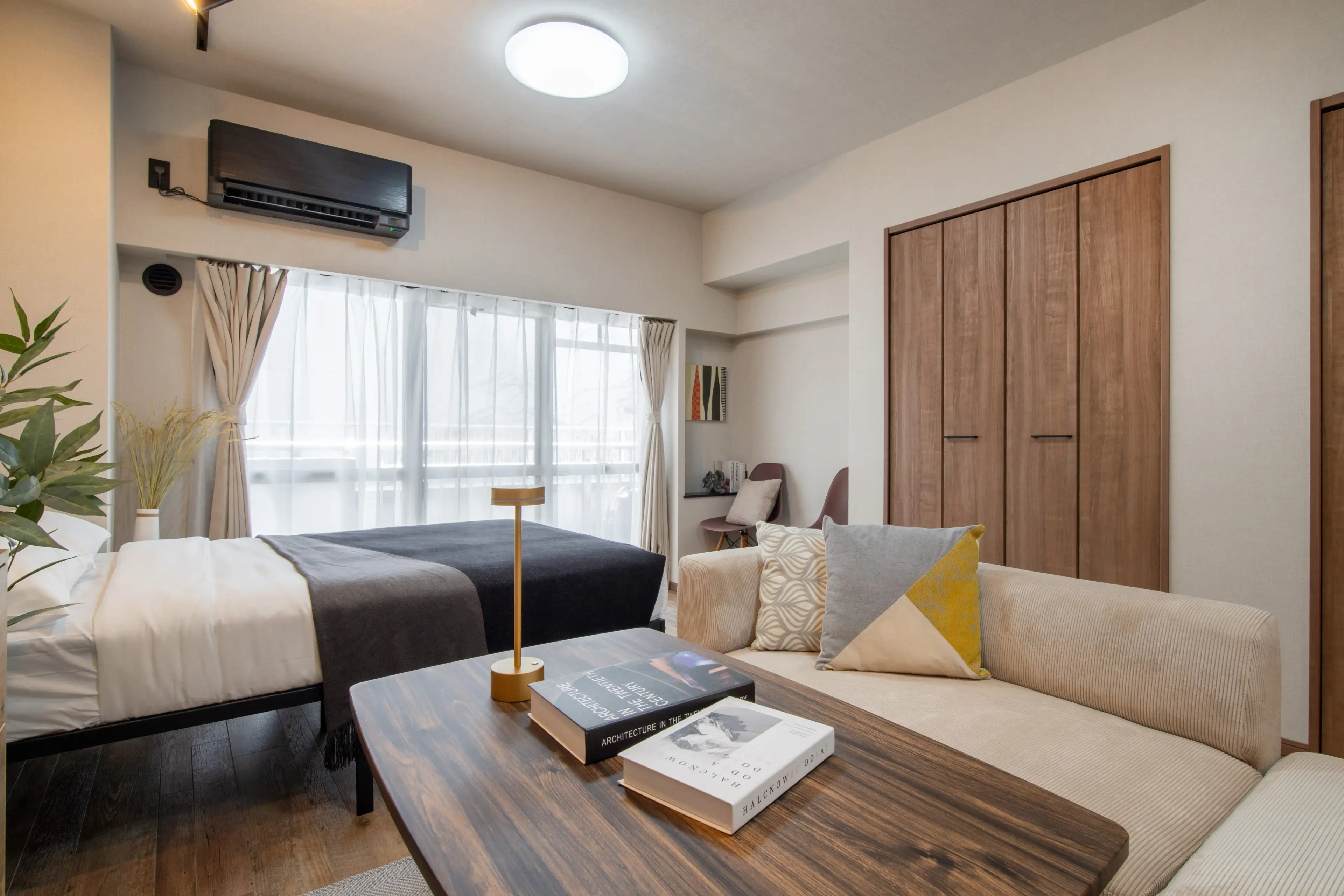 มีผู้เช่าอยู่
Fully Furnished Apartment 20 Min to Takadanobaba
Iidabashi High Town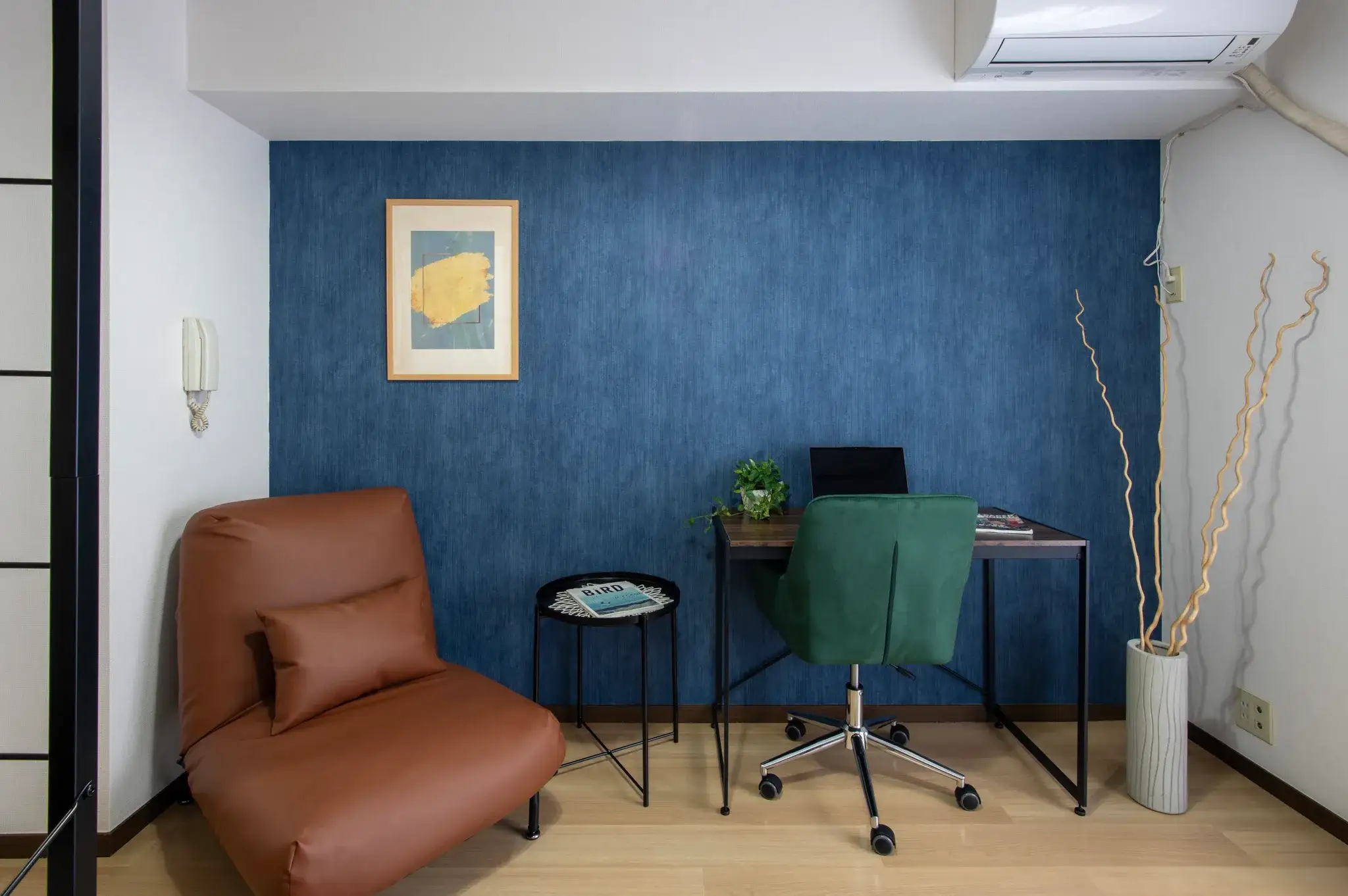 อาจพร้อมตั้งแต่ Dec 3, 2026
อพาร์ทเมนท์พร้อมเฟอร์นิเจอร์ในเมงุโระ
ML Meguro — ห้อง 208
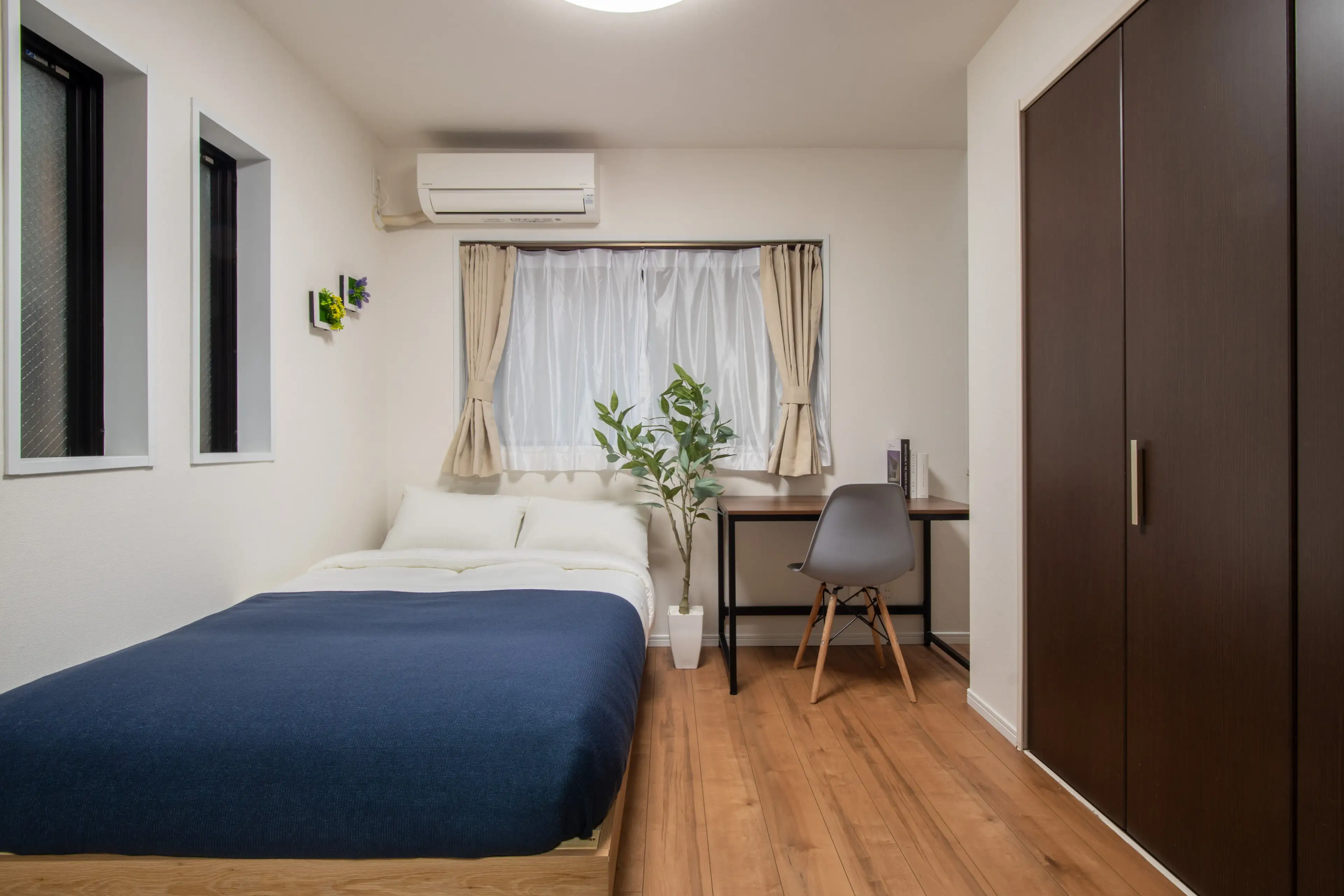 พร้อมเข้าอยู่ทันที¥20,000 OFF90 วัน
อพาร์ตเมนต์พร้อมเฟอร์นิเจอร์ในชินากาวะ
Beverly Homes Nishikoyama — ห้อง 103