
เรียนรู้ศิลปะดั้งเดิมของญี่ปุ่นในโตเกียว: ชาญี่ปุ่น การเขียนตัวอักษร และอื่นๆ

A Foreigner's Guide to Traditional Japanese Arts in Tokyo
Tokyo is one of the best cities in the world to explore traditional Japanese culture — and not just as a spectator. Whether you're searching for tea ceremony lessons in Tokyo, want to learn calligraphy in Japan, or are curious about ikebana flower arranging, the city offers hundreds of classes designed specifically for international residents and visitors. Many are taught in English, require no prior experience, and welcome complete beginners.
This guide covers the three main traditional arts, where to find classes, what they cost, and how to make these practices a meaningful part of your life in Tokyo.

The Three Main Arts: Sado, Shodo & Kado
Sado — The Way of Tea
Sado (茶道), often called the tea ceremony, is one of Japan's most iconic cultural practices. It's a highly choreographed ritual for preparing and drinking matcha green tea, rooted in the Zen Buddhist principles of harmony (wa), respect (kei), purity (sei), and tranquility (jaku).
A full tea ceremony can last several hours, but introductory classes typically run 60–90 minutes. You'll learn how to hold the bowl, whisk the tea, and appreciate the careful attention to every detail — from the seasonal flower in the alcove to the sound of water in the kettle.
Shodo — The Way of Calligraphy
Shodo (書道) uses a brush and ink to write Japanese characters with artistic intention. It's about far more than beautiful handwriting — each stroke is a physical expression of focus and inner calm. Many practitioners describe it as a form of moving meditation.
For foreigners, Shodo is surprisingly accessible. You don't need to read Japanese to appreciate the form and flow of the characters. Most beginner classes start with simple kanji that have strong visual meaning, like 山 (mountain) or 心 (heart).
Kado — The Way of Flowers
Kado (花道), also known as ikebana, is the Japanese art of flower arrangement. Unlike Western floral design, ikebana is minimalist and asymmetrical, emphasizing empty space as much as the flowers themselves. Each arrangement tells a story about seasons, nature, and impermanence.
The most well-known schools are Ikenobo (the oldest, founded in the 15th century), Ohara, and Sogetsu. Sogetsu in particular is famous for its modern, free-form approach and is very welcoming to international students.
Learning a traditional Japanese art isn't about achieving perfection — it's about showing up, slowing down, and finding meaning in each deliberate movement.
Where Foreigners Can Take Tea Ceremony Lessons in Tokyo & Other Classes
Tea Ceremony
- Urasenke Tokyo: One of the two main schools of tea ceremony (the other being Omotesenke). Their Tokyo branch in Shibuya offers regular lessons and some English-language programs.
- En tea ceremony experience (Asakusa): A popular introductory experience that runs 60 minutes, includes wearing a kimono, and is fully guided in English. Great for a first taste.
- Maikoya Tokyo (Shinjuku): Offers casual, tourist-friendly tea ceremony experiences alongside calligraphy — ideal if you want to try both in one afternoon.
- Tokyo Sado Association: For those wanting regular, serious study. Courses run monthly with a structured curriculum.
Calligraphy
- Shodo Studio Naoko (Harajuku): Small group and private lessons in English with an experienced instructor. Beginners are very welcome.
- Nihon Shuji (multiple locations): One of Japan's largest calligraphy education organizations. Some branches have English-speaking staff and beginner programs.
- Meetup groups: Search "Tokyo Shodo" on Meetup.com — there are regular informal sessions where locals and expats practice together, often free or very low cost.
Ikebana Classes in Tokyo
- Sogetsu Headquarters (Akasaka): The Sogetsu school has an international department and regularly holds English-language ikebana classes. Their building itself is worth visiting — designed by Isamu Noguchi.
- Ohara School (Minami-Aoyama): Offers structured courses with English textbooks and international student support.
- Ikenobo Tokyo branch (Shinjuku): The oldest school in Japan, with traditional teaching methods. Some English support available.

Pro Tip: If you're unsure which art to pursue, start with a one-time experience class (often called taiken — 体験) before committing to a full course. Most studios offer these for ¥2,000–¥5,000 and they're a low-pressure way to find what resonates with you.
Costs, Commitment & Etiquette
What to Expect to Pay
One-off experience classes range from ¥2,000 to ¥6,000. Monthly enrollment at a proper school typically costs ¥5,000–¥15,000 per month, depending on the school's prestige and lesson frequency. Materials (brushes, ink, tools) are often an additional cost at the start.
Some schools also require you to purchase a textbook or certificate registration fee when you formally enroll. At major schools like Sogetsu or Urasenke, these initial fees can be ¥10,000–¥30,000, so ask upfront before committing.
How Much Time Does It Take?
Most schools offer weekly or biweekly lessons that run 1–2 hours each. For casual learners, one session per month is perfectly fine. For those pursuing certification or serious mastery, expect to practice at home in between classes and attend multiple sessions per month.
Etiquette Basics
- Arrive on time — punctuality is deeply important in Japanese cultural settings.
- Remove your shoes at the entrance and wear clean socks (white socks are preferred at some tea schools).
- Don't photograph without asking — some schools have strict rules about this, especially during lessons.
- Bring a small gift on your first day — a box of sweets (wagashi) is always appreciated.
- Be patient with silence — these arts value quiet concentration. Avoid chatting during practice time.
Pursuing It Casually vs. Seriously
There's no wrong way to approach these arts as a foreigner in Tokyo. Some people take a single experience class while traveling — that's completely valid. Others find a genuine passion and spend years working toward formal certification.
If you're living in Tokyo long-term, even attending once a month gives you a meaningful cultural anchor. Regular students often talk about how their practice creates a reliable rhythm in an otherwise fast-paced city life.
For those wanting to go deeper: all three arts have formal certification systems. Sogetsu ikebana offers levels from basic to master instructor. Urasenke tea has a detailed progression system with certificates recognized internationally. Shodo has competitions and national associations where serious practitioners exhibit work.
Good to Know: Many traditional arts schools in Japan operate on a sempai-kohai (senior-junior) system. As a newer student, watch and listen more than you speak. Your senior classmates are often your best resource — and building those relationships is part of the experience.
Best Areas in Tokyo to Live Near Cultural Schools
If traditional arts are a priority for you, location matters. Certain neighborhoods put you within easy reach of multiple schools and cultural venues.
Aoyama & Akasaka
Home to the Sogetsu headquarters, several tea ceremony studios, and within walking distance of major cultural institutions. This area is sophisticated, well-connected, and popular with expats who want to live close to arts venues.
Asakusa & Ueno
Tokyo's most traditional neighborhoods. Lots of tea ceremony experiences, craft workshops, and shodo studios operate here. The area has a slower, more old-Tokyo atmosphere that complements a traditional arts lifestyle.
Shinjuku
A central hub with multiple art schools within easy reach. Great transport links mean you can attend schools across the city without long commutes.
Harajuku & Shibuya
Several English-friendly calligraphy and tea studios are based here, making it convenient for expats based in west-central Tokyo.
If you're living in a sharehouse in any of these neighborhoods, you'll find it easy to build a weekly practice into your routine — and you may even find housemates who want to join you.

Bringing the Practice Into Daily Life
One of the most beautiful things about these arts is how naturally they extend beyond the classroom. Once you start studying ikebana, you'll find yourself noticing seasonal flowers differently — in parks, on market stalls, in temple gardens. After a few calligraphy sessions, you'll look at the kanji on signs and menus with new appreciation.
Small habits help. Keep a simple brush and ink block at home and practice a single character when you need a mental reset. Learn to prepare a basic bowl of matcha for yourself in the mornings. Visit flower markets like Oyama Flower Market in Shibuya or Ota Wholesale Flower Market in Ota to source seasonal stems for your own arrangements.
Many practitioners say that what they learn in class — the deliberate pace, the respect for materials, the attention to detail — slowly changes how they approach everyday tasks. Cooking, cleaning, folding clothes: the same mindfulness applies.
Tokyo can feel overwhelming at times. These arts are, in many ways, an antidote — a weekly reminder to slow down and be present in this extraordinary city.
Start Your Journey
Whether you're here for six months or six years, learning a traditional Japanese art is one of the most rewarding things you can do during your time in Tokyo. It connects you to culture at a depth that no museum visit or tourist experience can match.
At Modern Living Tokyo, many of our furnished apartments and sharehouses are located in neighborhoods like Aoyama, Shinjuku, and Asakusa — putting you within easy reach of the studios and schools mentioned in this guide. If you'd like help finding a home base that fits your lifestyle and cultural interests, we're happy to help you find the right place to settle in and start exploring.

Modern Living Tokyo
บทความที่เกี่ยวข้อง
 Culture
เรียนรู้การทำอาหารญี่ปุ่นในโตเกียว: คลาสและโรงเรียน요리ศิลป์
ตั้งแต่เวิร์กช็อปซูชิแบบครึ่งวันไปจนถึงโรงเรียน요리ศิลป์ระดับมืออาชีพ ค้นพบคลาสทำอาหารญี่ปุ่นที่ดีที่สุดในโตเกียวสำหรับชาวต่างชาติ พร้อมข้อมูลค่าใช้จ่ายและสถานที่ตั้ง
 Modern Living Tokyoอ่านเพิ่มเติม →
 Culture
เทศกาลฤดูร้อนโตเกียว 2026: คู่มือฉบับสมบูรณ์สำหรับชาวต่างชาติ
คู่มือครอบคลุมสำหรับเทศกาลฤดูร้อนในโตเกียว 2026 พร้อมข้อมูลวันที่ จุดชมดอกไม้ไฟ เคล็ดลับการใส่ยูกาตะ และอาหารเทศกาลมัตสึริ่ สำหรับชาวต่างชาติและคนต่างประเทศที่อาศัยอยู่ในโตเกียว
Modern Living Tokyoอ่านเพิ่มเติม → Culture
โอบงในโตเกียว: สิ่งที่ผู้อพยพต่างชาติทุกคนควรรู้
คำแนะนำครบถ้วนสำหรับชาวต่างชาติที่อาศัยอยู่ในโตเกียว เกี่ยวกับสิ่งที่ปิดตัวลง สถานที่จัดงานบงโอโดริ และวิธีนำทางเมืองหลวงระหว่างช่วงวันหยุดที่สำคัญที่สุดของญี่ปุ่น...
Modern Living Tokyoอ่านเพิ่มเติม →ที่พักแนะนำ
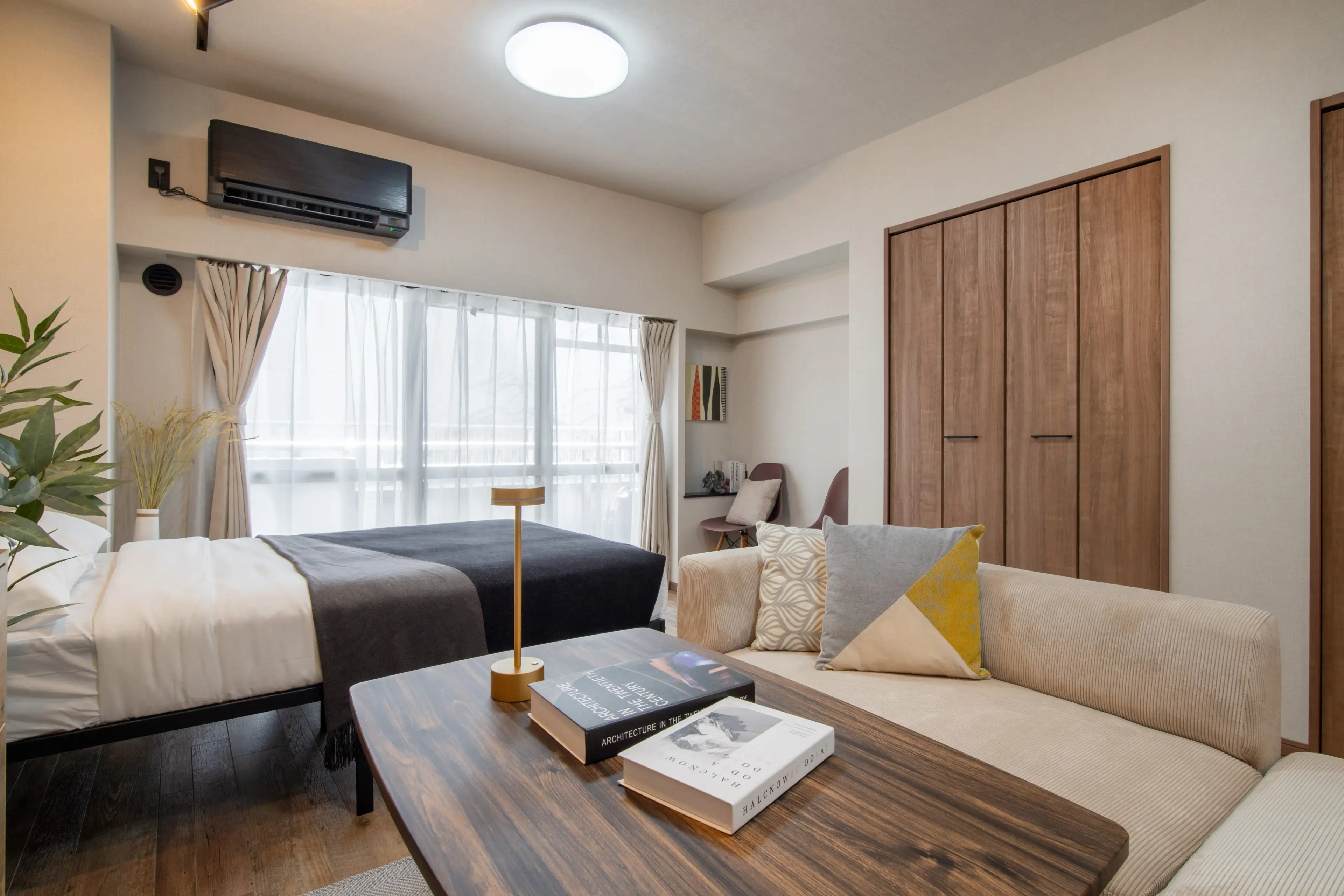 มีผู้เช่าอยู่
Fully Furnished Apartment 20 Min to Takadanobaba
Iidabashi High Town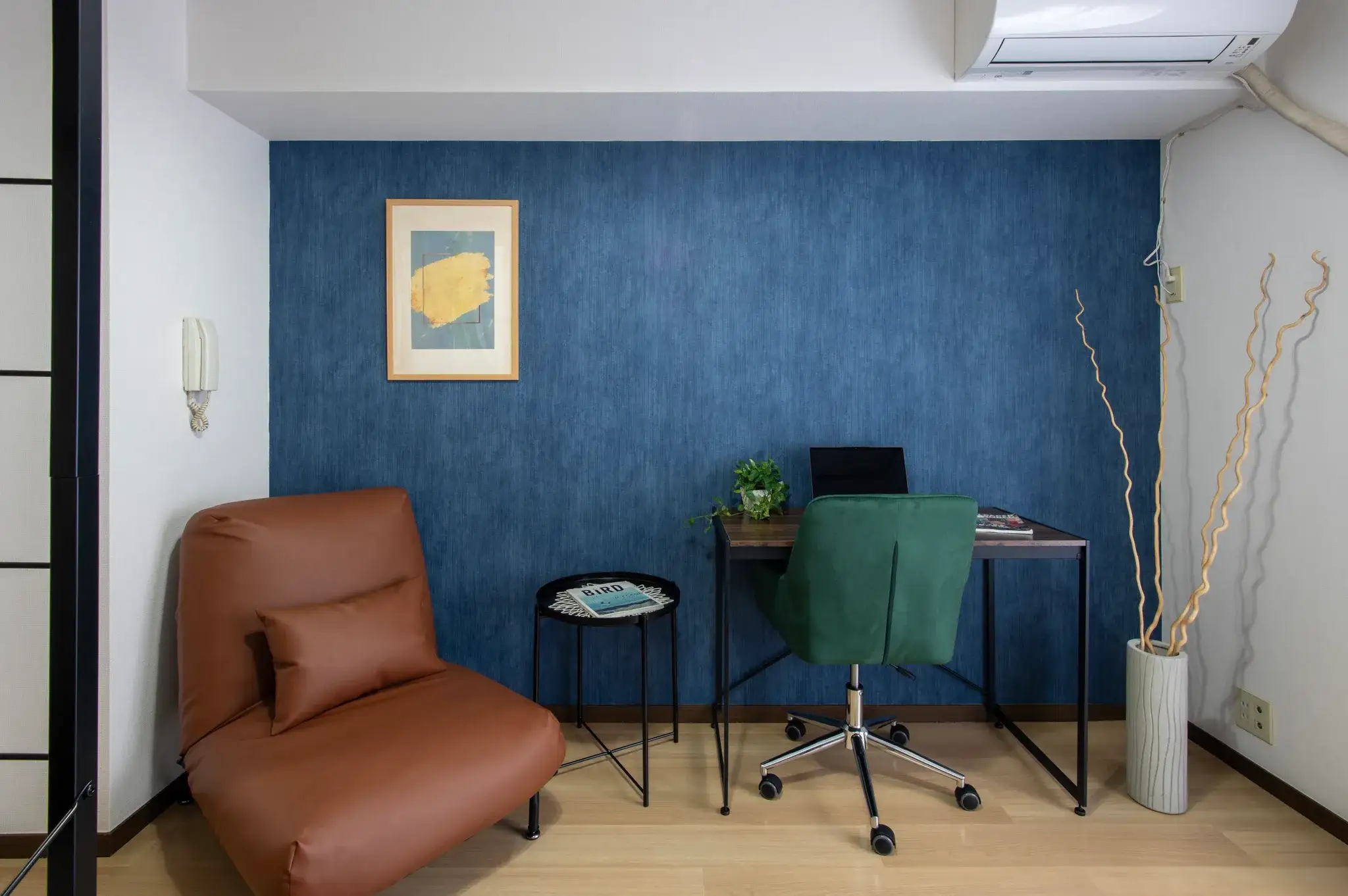 พร้อมเข้าอยู่ตั้งแต่ Dec 7, 2026
อพาร์ทเมนท์พร้อมเฟอร์นิเจอร์ในเมงุโระ
ML Meguro — ห้อง 208
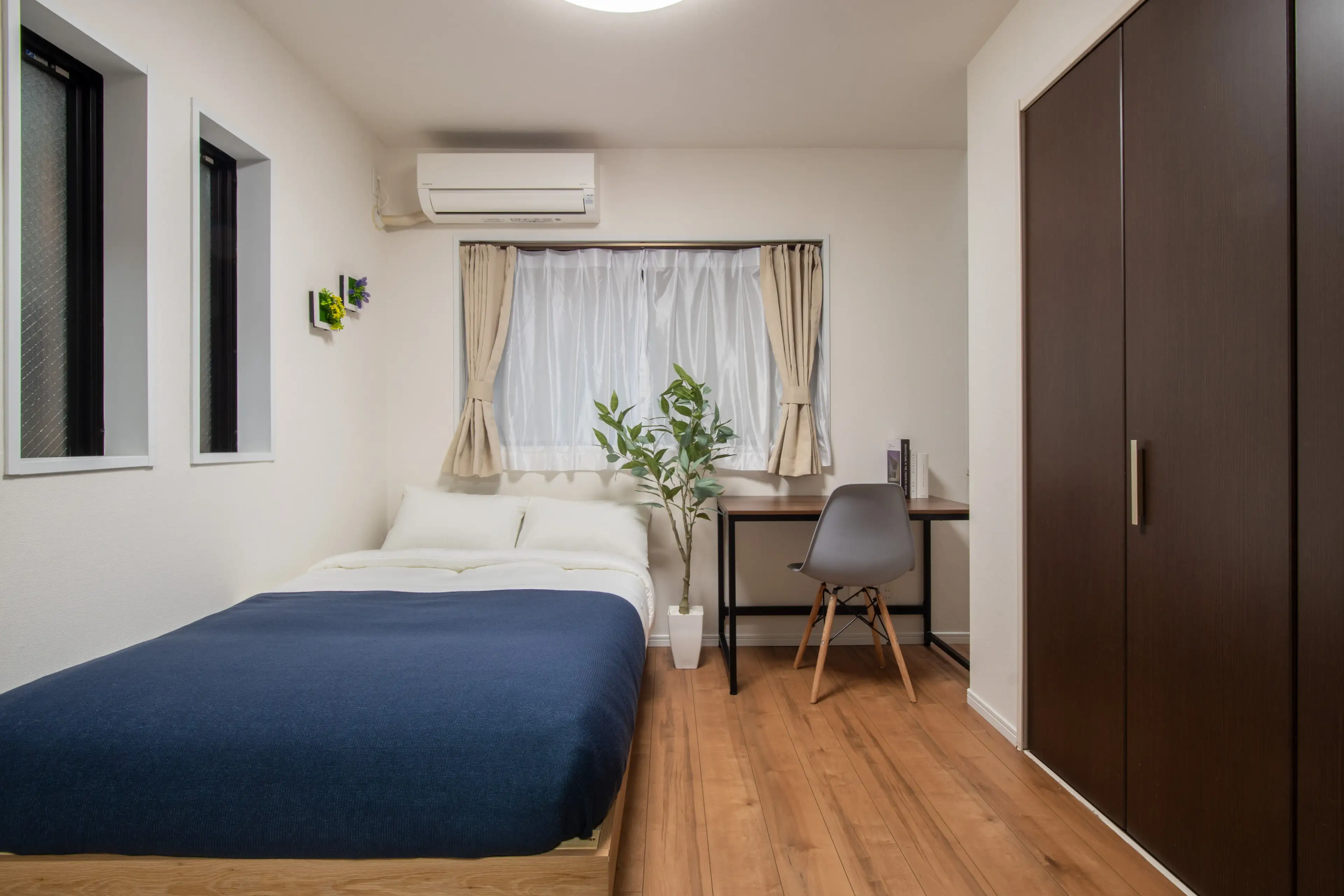 อาจพร้อมตั้งแต่ Feb 22, 2027
อพาร์ตเมนต์พร้อมเฟอร์นิเจอร์ในชินากาวะ
Beverly Homes Nishikoyama — ห้อง 103