
Shibuya กับ Shinjuku: ย่านไหนของโตเกียวที่เหมาะสำหรับคนต่างชาติมากกว่า (2026)

สองศูนย์กลางของโตเกียว: ภาพรวม
เมื่อพูดถึง Shibuya vs Shinjuku ผู้อพยพส่วนใหญ่ที่เพิ่งมาถึงโตเกียวมักต้องเผชิญกับข้อทำนายนี้ ทั้งสองเขตเป็นพื้นที่ที่มีชื่อเสียงระดับโลก ทั้งสองมีการเชื่อมต่อสัญญาณจราจรที่ยอดเยี่ยม และทั้งสองมีทุกสิ่งที่คุณต้องการสำหรับชีวิตประจำวัน อย่างไรก็ตาม พวกเขามีบุคลิกภาพที่แตกต่างกันมาก — และการเลือกที่ถูกต้องสามารถสร้างความแตกต่างอย่างมากต่อประสบการณ์การอาศัยของคุณในโตเกียว
คำแนะนำนี้ครอบคลุมทุกสิ่งที่คุณต้องรู้: ค่าใช้จ่าย การคมนาคม ไลฟ์สไตล์ และบริการที่เป็นมิตรต่อชาวต่างชาติ ไม่ว่าคุณจะเป็นผู้มาครั้งแรกหรือย้ายภายในโตเกียว โปรดอ่านต่อเพื่อค้นหาที่ที่เหมาะสมสำหรับคุณ
Shibuya คือจังหวะการเต้นของวัฒนธรรมสตรีเวลา แฟชั่น และพลังงานสร้างสรรค์ ลองนึกถึง Harajuku, Daikanyama และสี่แยก보행 자 ที่มีชื่อเสียงที่สุดในโลก ดูเหมือนว่ามีอายุน้อยและเป็นแนวโน้มมากขึ้น ดึงดูดนักออกแบบ นักดนตรี และนักเดินทางดิจิทัล
Shinjuku ในทางกลับกัน เป็นสถานีศูนย์กลางที่คึกคักที่สุดของโตเกียวและเป็นเมืองในตัวเมืองจริง ๆ มีสำนักงานรัฐบาล ตึกระฟ้าสูงตระหง่าน Kabukicho ซึ่งเป็นเขตบันเทิงที่เต็มไปด้วยไฟนีออน และสวนสาธารณะ Shinjuku Gyoen ที่เงียบสงบ — ทั้งหมดอยู่ในระยะเดินไปบ้านจากกันและกัน
การเปรียบเทียบค่าครองชีพ: Shibuya vs Shinjuku
ทั้งสองพื้นที่อยู่ในใจกลางโตเกียวอย่างแน่นอน ซึ่งหมายความว่าไม่มีที่ไหนถูก อย่างไรก็ตาม มีความแตกต่างที่แท้จริงที่มูลค่าการรู้ก่อนที่คุณจะมีการผูกพัน
ค่าเช่า
ในเขต Shibuya อพาร์ตเมนต์สำหรับคนเดียว (1K หรือ 1R) มักจะมีค่าระหว่าง ¥100,000 ถึง ¥160,000 ต่อเดือน พื้นที่เช่น Ebisu และ Daikanyama ดันตัวเลขให้สูงขึ้นอีก ห้องในบ้านร่วม อย่างไรก็ตาม สามารถลดต้นทุนลงได้อย่างมีนัยสำคัญ — มักอยู่ที่ ¥60,000–¥80,000 ต่อเดือนรวมสาธารณูปโภค
เขต Shinjuku มีแนวโน้มที่จะถูกกว่าเล็กน้อยโดยรวม อพาร์ตเมนต์ 1K ในพื้นที่เช่น Yoyogi หรือ Higashi-Shinjuku มีค่าเฉลี่ย ¥85,000–¥130,000 ต่อเดือน ด้านตะวันตก (ใกล้เขตตึกระฟ้า) มีราคาแพงกว่า ในขณะที่พื้นที่บางส่วนของด้านตะวันออกนำเสนอมูลค่าที่ดีกว่า
ค่าใช้จ่ายในแต่ละวัน
- สินค้าร้านขายของชำ: ทั้ง Shibuya และ Shinjuku มีซูเปอร์มาร์เก็ตในระยะเดิน Shibuya มี Quality Food Center (QFC) ใกล้ Hiroo และ Summit Store ใน Nakameguro Shinjuku มี Odakyu Halc basement, Isetan food hall และ Gyomu Super ใน Nakano ที่อยู่ใกล้เคียงสำหรับการช้อปปิ้งบัджेต
- รับประทานอาหารข้างนอก: ชุดอาหารกลางวันรอบสองสถานี เริ่มต้นที่ ¥900–¥1,200 Golden Gai ของ Shinjuku และ Memory Lane (Omoide Yokocho) นำเสนออาหารค่ำ izakaya ราคาถูกจากประมาณ ¥2,000–¥3,000 ต่อคน
- ฟิตเนส: ทั้งสองพื้นที่มี Konami Sports, Anytime Fitness และโรงยิมของเทศบาลสาธารณะ โรงยิมของเทศบาลสาธารณะมีค่าใช้จ่ายเพียง ¥250 ต่อการเยี่ยมชม
เคล็ดลับมืออาชีพ: หากงบประมาณเป็นสิ่งที่ได้รับความสำคัญ ให้มองหาบริเวณใกล้เคียงห่างจากศูนย์กลางหลักไป หนึ่งหรือสองหยุด — สถานที่เช่น Sangenjaya (เส้น Shibuya) หรือ Higashi-Nakano (เส้น Sobu) นำเสนอค่าเช่าที่ต่ำกว่าอย่างมีนัยสำคัญในขณะที่ทำให้คุณอยู่ในระยะ 10 นาทีจากการกระทำทั้งหมด
การคมนาคมและการเข้าถึง
สถานี Shibuya และ Shinjuku ทั้งคู่อยู่ในบรรดาสถานีที่คึกคักที่สุดในโลก — และจริง ๆ แล้วนี่เป็นข้อได้เปรียบที่มหาศาลสำหรับผู้โดยสารประจำวัน
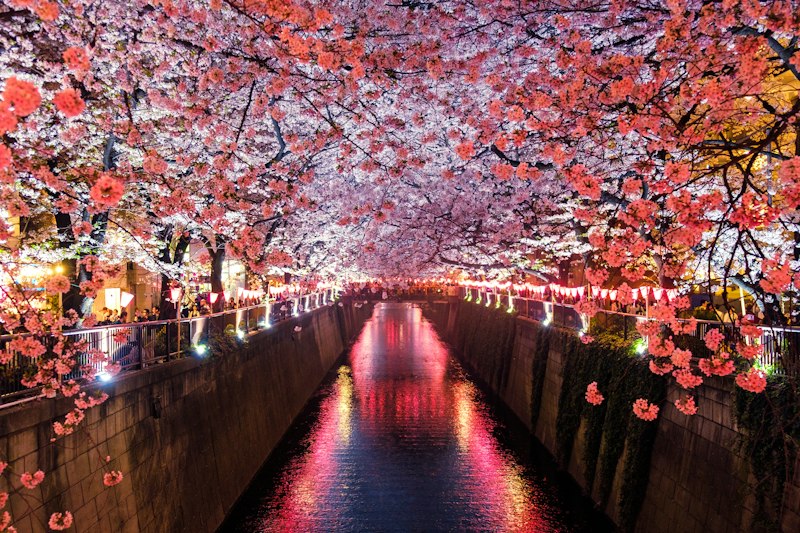
สถาน Shibuya
Shibuya เชื่อมต่อไปยัง เส้น JR Yamanote, เส้น Tokyu Toyoko, เส้น Tokyu Den-en-toshi, เส้น Tokyo Metro Ginza, เส้น Fukutoshin และเส้น Hanzomon ซึ่งช่วยให้คุณเข้าถึง Yokohama, Ikebukuro, Shiodome และทุกจุดบนลูป Yamanote ได้อย่างรวดเร็ว
สถานีเองได้รับการปรับปรุงครั้งใหญ่และปัจจุบันนี้ง่ายต่อการนำทางมากขึ้น แม้ว่าผู้เริ่มต้นอาจยังรู้สึกหวาดระแวง Google Maps ใช้งานได้อย่างเหลือเชื่อที่นี่
สถาน Shinjuku
Shinjuku เป็นสถานีรถไฟที่คึกคักที่สุดในโลกตามปริมาณผู้โดยสาร มันให้บริการ เส้น JR Yamanote, เส้น JR Chuo, เส้น JR Sobu, เส้น Odakyu, เส้น Keio, เส้น Tokyo Metro Marunouchi และเส้น Toei Shinjuku และอื่น ๆ
หากคุณเดินทางไปยังพื้นที่เช่น Tachikawa, Hachioji หรือที่ใดก็ตามตามตัวอักษร Chuo Line, Shinjuku จะไม่มีใครเทียบ ทางออกด้านตะวันตกยังเชื่อมต่อโดยตรงกับสถานีขนส่งทางหลวงสำหรับการเดินทางไปเที่ยวในวัน Hakone, Kawaguchiko และอื่น ๆ
ที่ไหนดีกว่าสำหรับการเดินไปรอบ ๆ?
พูดตามตรง ทั้งสองมีความเหมาะสม Shibuya ให้ข้อได้เปรียบเล็กน้อยสำหรับการเข้าถึง Yokohama และ Futako-Tamagawa ทางใต้และตะวันออกเฉียงใต้ Shinjuku ชนะสำหรับการเข้าถึงโตเกียวตะวันตก ภูเขา และสกีรีสอร์ท สำหรับการเข้าถึงใจกลางโตเกียว พวกเขาเกือบจะเหมือนกัน
ชีวิตกลางคืน อาหาร และไลฟ์สไตล์
นี่คือที่ที่สองพื้นที่นั้นแตกต่างกันมากที่สุด — และนี่คือที่ที่ไลฟ์สไตล์ส่วนบุคคลของคุณจะเป็นปัจจัยที่กำหนด
Shibuya: สร้างสรรค์ ทันสมัย มีการออกแบบ
เขต Shibuya เป็นบ้านของประสบการณ์อาหารและไลฟ์สไตล์ที่ได้รับการเฉลิมฉลองมากที่สุดบางส่วนในโตเกียว Nakameguro ตามช่องน้ำเต็มไปด้วยร้านกาแฟและร้านอาหารอิสระ Daikanyama รู้สึกเกือบเป็นปารีสด้วยร้านบูติกและ Tsutaya Books Omotesando ของ Harajuku คือคำตอบของโตเกียวต่อ Fifth Avenue
สำหรับชีวิตกลางคืน Shibuya มีสโมสรใหญ่เช่น Womb และ Contact บวกกับตัวเลือกปลาย ๆ บาร์เหล้าศูนย์เก่า ฝูงชนโดยทั่วไปจะอายุน้อยกว่า — นักเรียนมหาวิทยาลัย มืออาชีพสร้างสรรค์ และมีอิทธิพล
Shinjuku: เข้มข้น หลากหลาย มักจะเปิด
Shinjuku ทำงาน 24 ชั่วโมงต่อวัน 7 วันต่อสัปดาห์ และมันรู้สึกเหมือนจริง ๆ Kabukicho เป็นเขตบันเทิงที่มีชื่อเสียงที่สุดในญี่ปุ่น — เจ้าภาพของร้านอิซากะยะนับร้อย กล่องคาราโอเกะ สโมสรโฮสต์ และจุดรามเมน ที่เปิดปลายคืน มันดัง ชุ่มไปด้วยไฟนีออน และมีเอกลักษณ์อย่างแท้จริง
Golden Gai เป็นอัญมณีที่ซ่อนอยู่ของโตเกียว: กระบวนการประมาณ 200 บาร์ขนาดเล็ก บาร์แต่ละแห่งที่นั่งเพียง 5–8 คน ซ่อนอยู่ในซอกซอยแคบ ๆ นี่เป็นสิ่งโปรดปรานของผู้อพยพสำหรับการพบปะชาวท้องถิ่นและชาวต่างชาติอื่น ๆ ในบรรยากาศที่ใจบริสุทธิ์จริง ๆ
Shinjuku ยังมี Shinjuku Gyoen ซึ่งเป็นหนึ่งในสวนที่ดีที่สุดของโตเกียว — สมดุลที่สมบูรณ์แบบต่อความเข้มข้นของเมือง ในวันสุดสัปดาห์ ฤดูซากุระที่นี่นั้นสวยงามอย่างน่าทึ่ง
"Shibuya คือโตเกียวที่คุณเห็นในนิตยสารแฟชั่น Shinjuku คือโตเกียวที่ไม่เคยหลับ — ดิบ มีชั้น และมีความน่าสนใจไม่สิ้นสุด"
บริการมิตรต่อชาวต่างชาติ: บริเวณใกล้เคียงในโตเกียวสำหรับผู้อพยพ
สำหรับผู้อพยพที่จะตั้งถิ่นฐานในโตเกียว บริการที่ใช้ได้จริงมีความสำคัญเท่า ๆ กับไลฟ์สไตล์ เมื่อเปรียบเทียบ พื้นที่ใกล้เคียงในโตเกียวสำหรับผู้อพยพ ทั้ง Shibuya และ Shinjuku มีคะแนนสูง — แต่ในวิธีที่แตกต่างกัน
การสนับสนุนภาษาอังกฤษ
ทั้งสองหน่วยมีสำนักงานเทศบาลกับเจ้าหน้าที่ที่พูดภาษาอังกฤษเพื่อช่วยในการลงทะเบียนที่อยู่อาศัย บัตร My Number และการลงทะเบียนประกันสุขภาพ สำนักงาน Shinjuku ward มีการประเมินอย่างดีเป็นพิเศษสำหรับการสนับสนุนแบบพหุภาษา — มันตีพิมพ์คู่มือในภาษาอังกฤษ จีน เกาหลี และภาษาอื่น ๆ อีกหลายภาษา เรื่องนี้สำคัญมากเมื่อคุณกำลังนำทางกฎหมายญี่ปุ่นเป็นครั้งแรก
บริการแพทย์
- พื้นที่ Shibuya: Hiroo Hospital (เป็นที่รู้จักกันดีในการดูแลภาษาอังกฤษที่เป็นมิตรต่อผู้อพยพ) Tokyo Medical and Surgical Clinic ใน Shiba Park (ขี่แท็กซี่ระยะสั้น)
- พื้นที่ Shinjuku: Shinjuku Eastside Clinic, Tokyo Medical University Hospital บวกกับคลินิกทำฟันหลายแห่งที่มีการสนับสนุนระหว่างประเทศใกล้สถานี
ชุมชนระหว่างประเทศ
พื้นที่ Okubo ของ Shinjuku (เรียกว่า "Korea Town" ของโตเกียว) เป็นหนึ่งในบริเวณที่มีความหลากหลายทางวัฒนธรรมมากที่สุดในญี่ปุ่นทั้งหมด คุณจะพบร้านขายของชำเกาหลี จีน ไทย และสิ่งของสมุดโนตที่แตกต่างกันในอีกไม่กี่นาทีจากสถาน Shinjuku — ความเหนือใจสำหรับเมื่อคุณต้องการลิ้มรสของบ้าน
Shibuya มีชุมชนผู้อพยพที่แข็งแกร่งอยู่ตรงกลาง Hiroo (บ้านของโรงเรียนระหว่างประเทศหลายแห่งและสถานฑูต) และ Ebisu บริษัท ต่างประเทศขนาดใหญ่หลายแห่งมีสำนักงานในพื้นที่ Shibuya Scramble Square และ Cerulean Tower ดังนั้นฝูงชนผู้อพยพมืออาชีพมีแนวโน้มที่จะรวมตัวกันที่นี่
ธนาคารและการบริหารจัดการประจำวัน
ทั้งสองพื้นที่มีสาขา Shinsei Bank, Japan Post Bank และเครื่องสลากสาขา Seven Bank (ซึ่งยอมรับบัตรระหว่างประเทศส่วนใหญ่) สำหรับการเปิดบัญชีธนาคารญี่ปุ่นเป็นชาวต่างชาติ SMBC Trust Bank (Prestia) มีสาขาใกล้ Shibuya ที่มีความเหนือใจต่อผู้อพยพระหว่างประเทศโดยเฉพาะ
ดีที่จะรู้: การลงทะเบียนที่อยู่ของคุณที่สำนักงาน ward ท้องถิ่นของคุณ (Shibuya-ku หรือ Shinjuku-ku) เป็นหนึ่งในภาระผูกพันทางกฎหมายแรกของคุณหลังจากการมาถึง คุณต้องทำเช่นนี้ภายใน 14 วันของการเคลื่อนไหว สำนักงาน ward ทั้งสองสามารถเข้าถึงได้ง่ายโดยการขนส่งสาธารณะและให้คำแนะนำภาษาอังกฤษ
ที่ไหนที่เหมาะสำหรับคุณ?
ไม่มีคำตอบที่ถูกต้องเพียงข้อเดียว — มันขึ้นอยู่กับไลฟ์สไตล์ งบประมาณ และสิ่งที่ได้รับความสำคัญของคุณจริง ๆ นี่คือสรุปด่วนเพื่อช่วยคุณตัดสินใจ:
เลือก Shibuya หากคุณ…
- ทำงานในอุตสาหกรรมสร้างสรรค์ เทคโนโลยี หรือแฟชั่น
- ชอบร้านกาแฟที่ออกแบบได้ดี การช้อปปิ้งในร้านบูติก และความสวยงามที่ขัดเงา
- วางแผนที่จะเดินทางไปทางใต้ไป Yokohama หรือตามเส้น Toyoko
- ต้องการความรู้สึกที่เบา ๆ มากขึ้น ที่อยู่อาศัยใกล้กับศูนย์กลางใหญ่
- มีความสุขที่จ่ายพิเศษสำหรับไลฟ์สไตล์
เลือก Shinjuku หากคุณ…
- ต้องการการเชื่อมต่อการคมนาคมสูงสุด รวมถึงโตเกียวตะวันตกและภูเขา
- ชอบบริเวณใกล้เคียงที่หลากหลายและหลายวัฒนธรรมกับตัวเลือกอาหารระหว่างประเทศ
- สนใจวัฒนธรรมปลายคืน izakayas และฉากชีวิตกลางคืนที่คึกคัก
- กำลังมองหาค่าเช่าที่ถูกกว่าเล็กน้อยโดยไม่เสียสละการเข้าถึงศูนย์กลาง
- ต้องการการสนับสนุนสำนักงาน ward ที่แข็งแกร่งในหลายภาษา
สำหรับผู้อพยพจำนวนมาก วิธีที่ดีที่สุดคือ ให้เช่าอพาร์ตเมนต์พร้อมเฟอร์นิเจอร์หรือบ้านร่วมในเขตใดเขตหนึ่งก่อน ทำความคุ้นเคยกับเมือง จากนั้นตัดสินใจว่าจะตั้งถิ่นฐานในระยะยาว ทั้ง Shibuya และ Shinjuku มีตัวเลือกสำนักบ้านร่วมที่ให้คุณสัมผัสความรู้สึกของบริเวณใกล้เคียงโดยไม่ต้องมีการผูกพันอายุยาว
ความคิดเห็นสุดท้าย
ทั้ง Shibuya และ Shinjuku เป็นฐานที่ดีจริง ๆ สำหรับชีวิตผู้อพยพในโตเกียว Shibuya นำเสนอไลฟ์สไตล์ที่มีอำนาจ สร้างสรรค์ กับชุมชนมืออาชีพระหว่างประเทศที่แข็งแกร่ง Shinjuku ส่งให้ตรงไปถึงการเชื่อมต่อที่ไม่ตรงกัน พลังงานหลากวัฒนธรรม และความสูญเสียเล็กน้อยในงบประมาณ
ที่ Modern Living Tokyo เรามีอพาร์ตเมนต์พร้อมเฟอร์นิเจอร์และบ้านร่วมใกล้ทั้งสองศูนย์กลาง — ดังนั้นคุณสามารถลองเขตใดเขตหนึ่งด้วยเงื่อนไขที่ยืดหยุ่นและไม่ต้องกังวล หากคุณยังไม่แน่ใจ โปรดติดต่อทีมของเรา และเราจะช่วยจับคู่คุณกับสถานที่ที่เหมาะสมตามการทำงาน ไลฟ์สไตล์ และงบประมาณของคุณ
โตเกียวใหญ่ แต่บริเวณใกล้เคียงที่เหมาะสมทำให้มันรู้สึกเหมือนบ้าน — อย่างรวดเร็ว
Modern Living Tokyo
บทความที่เกี่ยวข้อง
 Neighborhood
คำแนะนำการอยู่อาศัยในShimokitazawa: ย่านที่เท่ที่สุดในโตเกียวสำหรับคนต่างชาติ
คู่มือครบถ้วนเกี่ยวกับการอยู่อาศัยในShimokitazawa โตเกียว ครอบคลุมเรื่องค่าเช่า การเดินทาง วิถีชีวิต และว่าย่านสร้างสรรค์อันมีเอกลักษณ์นี้เหมาะสมกับคุณหรือไม่
 Modern Living Tokyoอ่านเพิ่มเติม →
 Neighborhood
คู่มือการอยู่อาศัยในไดคันยามะ: ความหรูหราของโตเกียวโดยไม่ต้องจ่ายราคาโรปโปงกิ
ไดคันยามะเสนอการอยู่อาศัยในโตเกียวอย่างหรูหรา พร้อมคาเฟ่บูติก ถนนที่เงียบสงบ และเข้าถึง Shibuya ได้ในเพียง 2 นาที ทั้งนี้ไม่ต้องจ่ายราคาขนาด Roppongi มาดูรายละเอียดที่ครบถ้วน...
Modern Living Tokyoอ่านเพิ่มเติม → Neighborhood
คู่มือการอยู่อาศัยในKichijoji: ย่านที่น่าอยู่ที่สุดในโตเกียว?
Kichijoji ติดอันดับหนึ่งในการสำรวจคุณภาพชีวิตของโตเกียวทุกปีมา แต่ว่าย่านนี้เหมาะสำหรับคุณหรือไม่? เรามาดูราคาเช่า การเดินทาง พื้นที่ย่อยที่ดีที่สุด และวิถีชีวิตประจำวันในที่นี่กัน
Modern Living Tokyoอ่านเพิ่มเติม →ที่พักแนะนำ
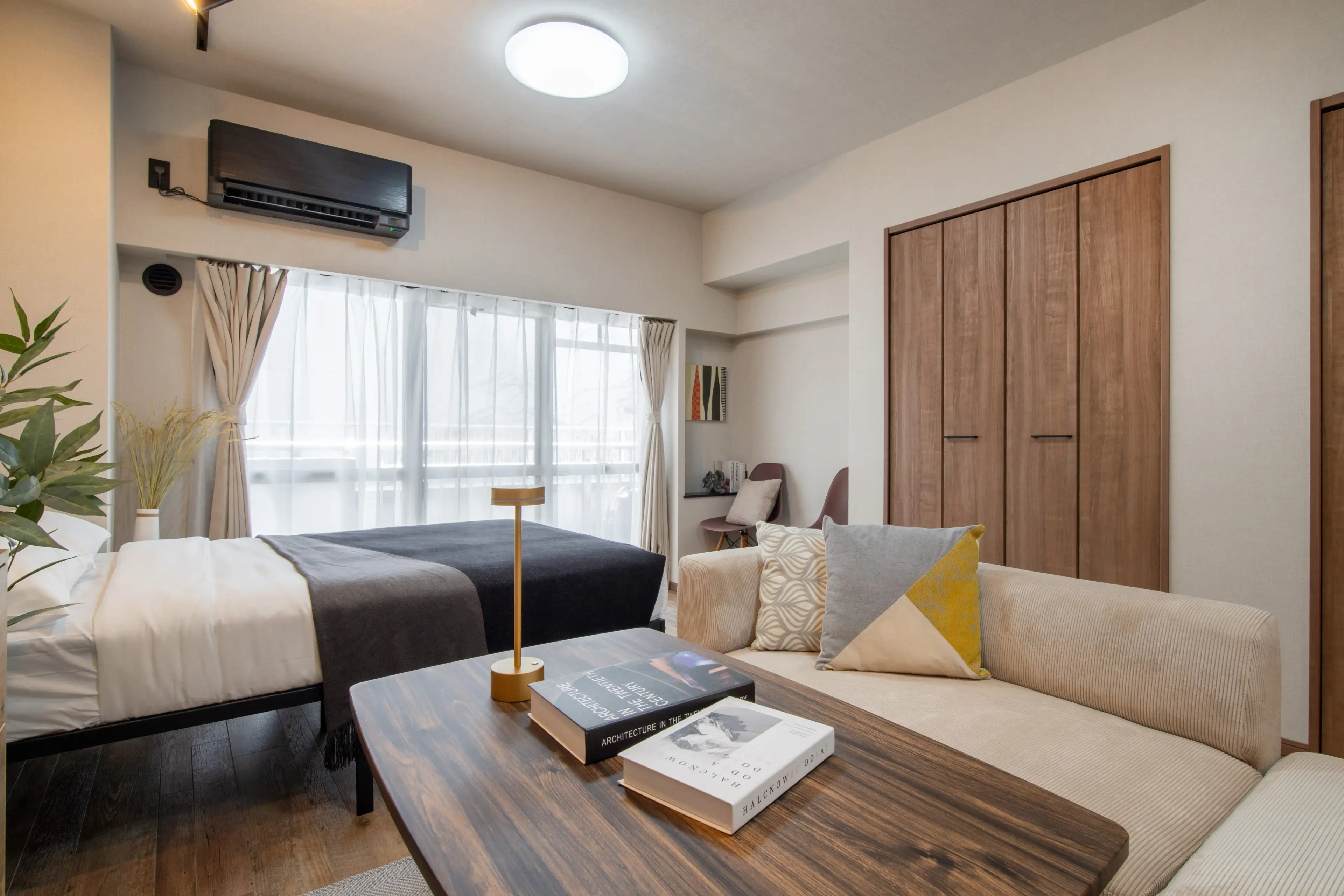 มีผู้เช่าอยู่
Fully Furnished Apartment 20 Min to Takadanobaba
Iidabashi High Town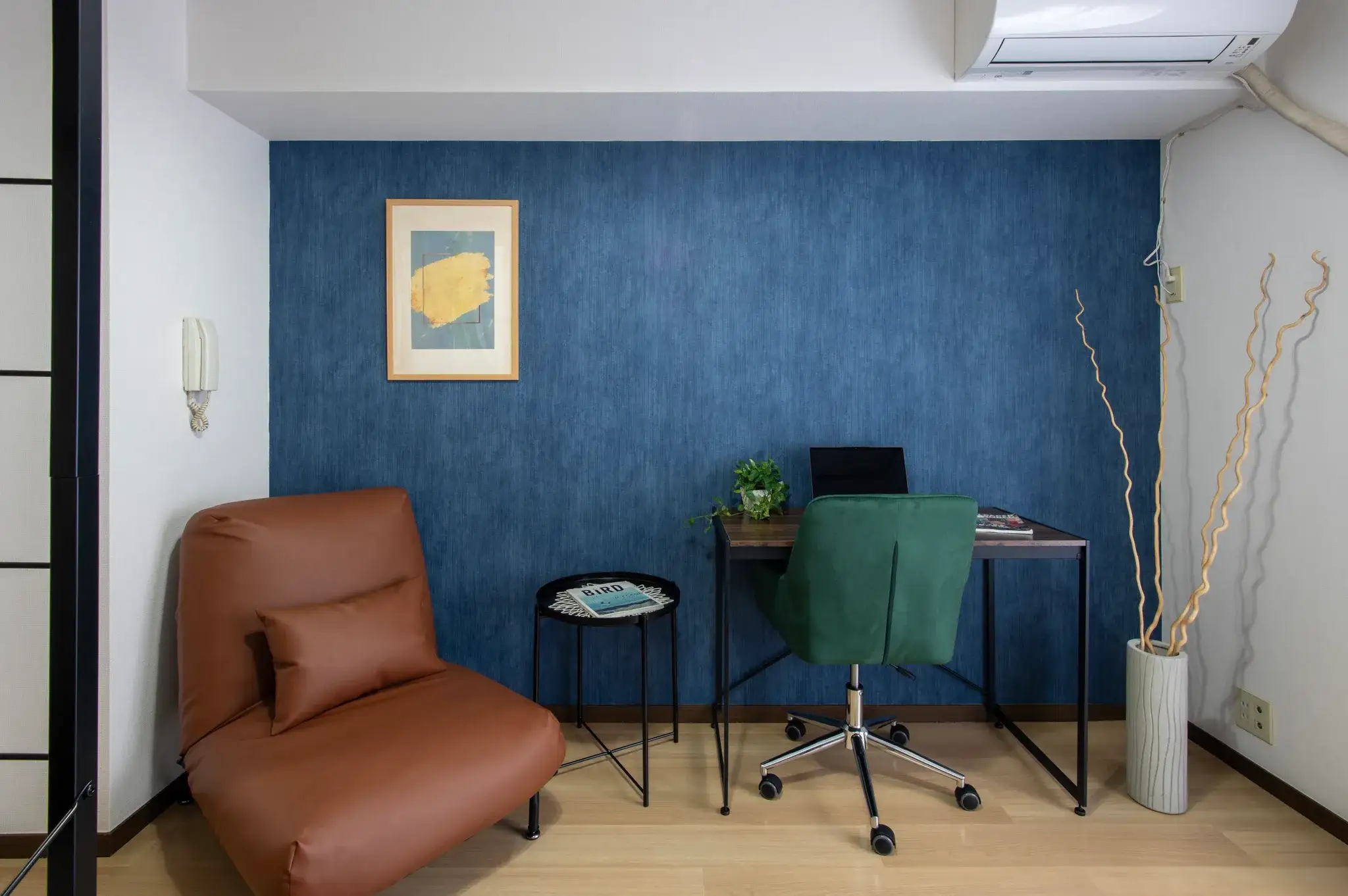 อาจพร้อมตั้งแต่ Dec 3, 2026
อพาร์ทเมนท์พร้อมเฟอร์นิเจอร์ในเมงุโระ
ML Meguro — ห้อง 208
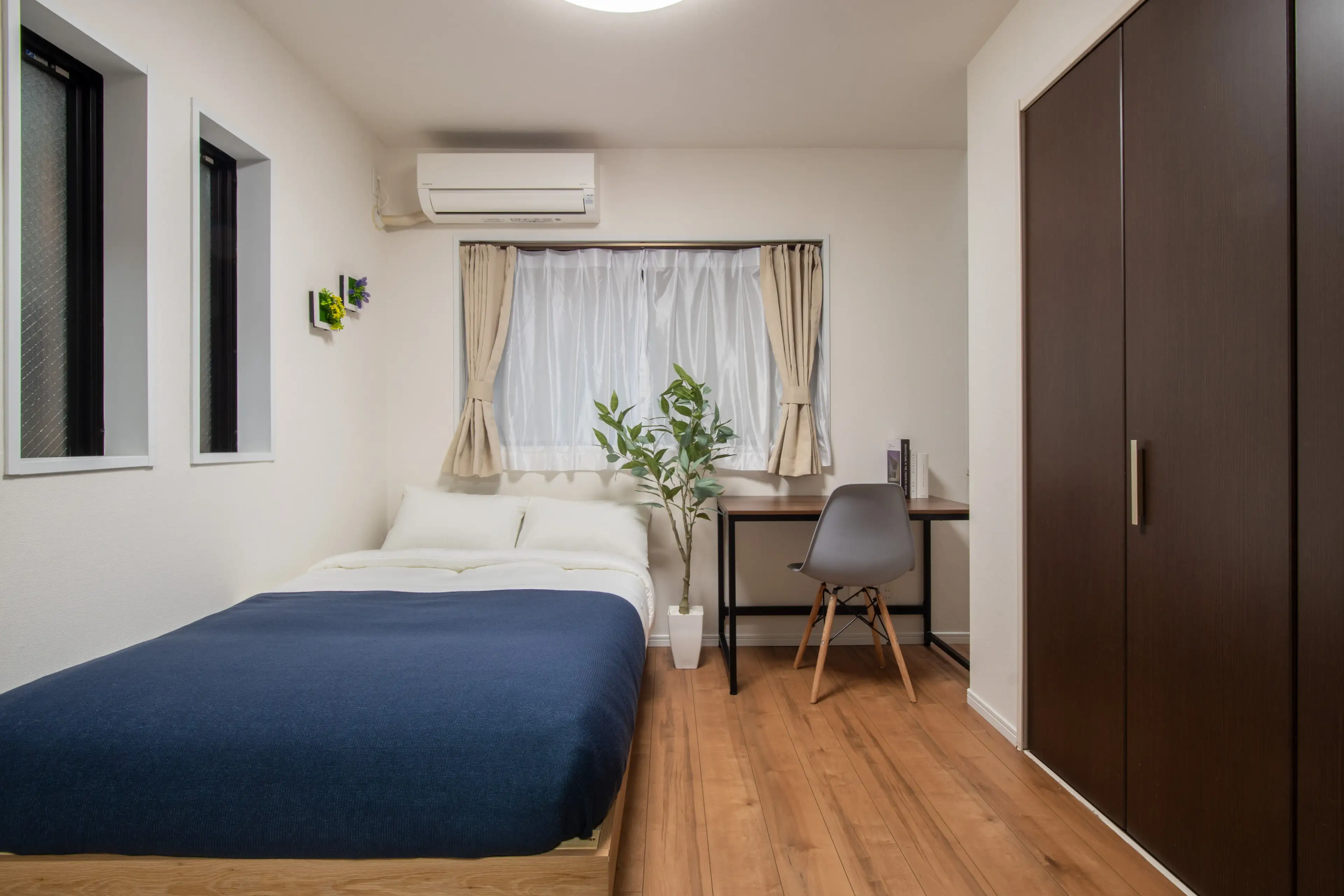 พร้อมเข้าอยู่ทันที
อพาร์ตเมนต์พร้อมเฟอร์นิเจอร์ในชินากาวะ
Beverly Homes Nishikoyama — ห้อง 103