
Co-Living en Tokio: Cómo se diferencia de una Casa Compartida (Guía 2026)

Co-Living en Tokio: Mucho Más que una Casa Compartida Moderna
Si has estado buscando opciones de coliving en Tokio, probablemente hayas notado que el término se usa de manera muy flexible — a veces intercambiable con "casa compartida", otras para describir algo completamente diferente. En 2026, esta distinción realmente importa, tanto para tu presupuesto como para tu experiencia día a día en la ciudad.
Esta guía te explica exactamente qué distingue el co-living, qué puedes esperar pagar, cuáles son los mejores barrios de Tokio para esto, y cómo evitar operadores que simplemente están rebautizando viejas casas compartidas con un sitio web reluciente.

Definiendo Co-Living — No es Solo una Casa Compartida
Una casa compartida tradicional (シェアハウス) en Tokio es esencialmente una propiedad de alquiler administrada donde múltiples inquilinos comparten áreas comunes como la cocina, el baño y la sala de estar. Obtienes una habitación privada, un contrato de arrendamiento y acceso a las instalaciones compartidas. Eso es todo — el aspecto de "comunidad" depende en gran medida de ti y de quién más viva allí.
El co-living agrega una capa adicional a ese modelo. Incorpora programación intencionada, comunidades de residentes seleccionadas cuidadosamente, y un enfoque de gestión estilo hospitalidad. Piénsalo como la diferencia entre alquilar una habitación en una casa y unirte a un club residencial de membresía.
En términos prácticos, un operador de co-living en Tokio típicamente ofrece:
- Habitaciones privadas o módulos estudio completamente amueblados
- Espacios comunes diseñados para la colaboración y socialización (no solo una sala de televisión compartida)
- Eventos comunitarios regulares — intercambios de idiomas, reuniones en azoteas, talleres de habilidades
- Soporte de conserjería en el lugar o a través de aplicación
- Términos de arrendamiento flexible (a menudo mes a mes, desde tan solo un mes)
- Todos los servicios, Wi-Fi, y a menudo servicios de limpieza incluidos en un solo precio
La filosofía es más cercana a un hotel boutique en el que realmente vives que a una propiedad de alquiler tradicional.
Cómo Difiere Realmente la Experiencia del Residente
La diferencia se ve más claramente en la primera semana. Al mudarte a una casa compartida estándar de Tokio, recibes una llave, un casillero para tu estante de cocina, y un documento con las reglas de la casa. Después de eso, la integración en la comunidad — si ocurre — es puramente orgánica.
Un espacio de co-living bien gestionado contará con un proceso de incorporación formal: una presentación con otros residentes, un tour de las amenidades, y un calendario de próximos eventos. Algunos operadores asignan un "gerente de comunidad" que facilita activamente las conexiones entre residentes.
El co-living no solo te vende una habitación — te vende una infraestructura social lista para usar en una ciudad donde hacer amistades desde cero puede tomar meses.
Esto importa enormemente en Tokio. La ciudad puede sentirse aislante, especialmente en los primeros meses. Tener oportunidades estructuradas para conocer gente — en tu propio edificio, sin necesidad de buscarlas — cambia dramáticamente la experiencia temprana del expatriado.
El diseño físico también difiere. Los espacios de co-living invierten en áreas comunes: escritorios de co-working, terrazas en azoteas, barras de café, salas de podcast. Una casa compartida típica podría tener una cocina funcional y un sofá. El objetivo del diseño de co-living es que desees salir de tu habitación privada.
Precios y Qué Suele Estar Incluido
Este es el aspecto donde a menudo hay que calibrar expectativas. El co-living en Tokio casi siempre es más caro que una casa compartida comparable, pero la fijación de precios todo incluido puede ser más transparente y ocasionalmente competitiva una vez que sumas lo que está incluido.
Aquí está lo que ese precio normalmente cubre:
- Alquiler de una habitación privada (típicamente 10–20㎡)
- Todos los servicios — electricidad, gas, agua
- Wi-Fi de alta velocidad (generalmente fibra 1Gbps)
- Limpieza semanal o quincenal de las áreas comunes
- Habitación completamente amueblada — cama, escritorio, almacenamiento, a veces ropa de cama
- Acceso a todas las amenidades comunes — espacio de co-working, gimnasio, azotea, etc.
- Programación comunitaria — eventos, talleres, actividades sociales
Compáralo con una casa compartida estándar de Tokio a ¥50,000–¥80,000 por mes: los servicios generalmente son extra (suma ¥5,000–¥15,000), es posible que necesites comprar muebles, y no hay gestión comunitaria. La brecha real de valor se reduce considerablemente cuando haces las cuentas.
Bueno Saberlo: La mayoría de los operadores de co-living en Tokio cobran una tarifa única de registro o administrativa (¥10,000–¥30,000) pero no requieren el tradicional reikin (dinero por la llave) o depósito de seguridad grande que demandan los alquileres japoneses convencionales. Esto hace que el costo de entrada inicial sea significativamente menor.
Las opciones de plazo flexible son otra consideración financiera. Si solo necesitas vivienda por dos o tres meses, el modelo mes a mes del co-living puede ser mucho más barato que rescindir un contrato de arrendamiento estándar de 12 meses prematuramente.

Mejores Distritos de Tokio para Espacios de Co-Living
Los operadores de co-living en Tokio tienden a agruparse en áreas con conexiones de transporte sólidas, demografía joven, y una mezcla de industrias creativas y tecnológicas. Aquí es donde se concentra la mayor parte de la oferta en 2026:
Shibuya y Minato (Centro/Sur)
Los más caros pero mejor conectados. Los operadores aquí se dirigen a nómadas digitales, empleados de startups y personas trasladadas por trabajo corporativo. Espera alquileres más altos (¥120,000–¥180,000+) pero acceso excelente a los principales centros empresariales y amenidades internacionales.
Shinjuku y Nakano (Centro/Oeste)
Un buen equilibrio entre asequibilidad y acceso. Shinjuku es uno de los mayores centros de transporte de Tokio, y Nakano atrae a una multitud creativa e internacional. Los precios aquí tienden a ser ¥80,000–¥130,000 todo incluido.
Meguro y Setagaya (Suroeste)
Popular entre residentes de larga estancia que desean un entorno más tranquilo y residencial sin sacrificar el acceso al centro de Tokio. Algunas de las propiedades de co-living mejor diseñadas se encuentran a lo largo de las líneas Tokyu Den-en-toshi y Oimachi aquí.
Koenji y Shimokitazawa (Oeste)
Bohemio, artístico y comparativamente asequible. Las opciones de co-living en estos barrios tienden a atraer a músicos, freelancers y creativos. Menos refinadas que las opciones centrales pero a menudo más características.
Sumida y Koto (Este)
La nueva frontera para el desarrollo de co-living, impulsada por costos de terreno más bajos y proximidad al corredor tecnológico en crecimiento alrededor de Ariake y Kachidoki. Algunos operadores fuertes han lanzado aquí con precios competitivos — vale la pena vigilar en 2026.
Para Quién Funciona Co-Living — y Para Quién No
El co-living es genuinamente excelente para un tipo específico de persona en una situación específica. No es para todos, y reconocerlo de antemano te ahorrará dinero y frustración.
El co-living funciona bien si:
- Eres nuevo en Tokio y deseas construir una red social rápidamente
- Eres un nómada digital o trabajador remoto que valora el espacio de co-working dentro de tu edificio
- Estás en una asignación a corto plazo (1–6 meses) y deseas evitar los sobrecostos de apartamentos amueblados
- Eres alguien que genuinamente disfruta la vida comunitaria y actividades sociales estructuradas
- Eres emprendedor o freelancer que se beneficia de la conexión con residentes similares
El co-living probablemente no es adecuado si:
- Eres altamente introvertido y prefieres interacción mínima con vecinos
- Te estás reubicando con una pareja o familia (la mayoría del co-living se dirige a residentes solitarios)
- Necesitas una dirección estable a largo plazo (2+ años) y deseas personalizar tu espacio
- Tienes un presupuesto ajustado y te importa principalmente el bajo costo mensual
- Trabajas horarios inusuales y los horarios comunitarios podrían ser disruptivos
Si deseas el sentimiento comunitario sin la prima, una casa compartida moderna bien administrada a menudo puede ser un punto intermedio — obtienes áreas comunes compartidas y una mezcla de residentes internacionales, sin la programación de eventos o el precio más alto.
Consejo Profesional: Antes de firmar algo, pide al operador un desglose demográfico del "censo de residentes" actual — rango de edad, nacionalidades, ocupaciones. Un buen operador de co-living lo compartirá abiertamente. Te dice más sobre la comunidad real que cualquier material de marketing.
Cómo Evaluar un Operador de Co-Living en Tokio
La etiqueta de co-living se usa cada vez más como una mejora de marketing para propiedades que, en realidad, son solo casas compartidas ligeramente renovadas. Aquí está cómo diferenciar antes de comprometerte.
1. Visita en persona antes de firmar
Esto suena obvio, pero muchos operadores se reservan completamente en línea. Insiste en una visita en persona o un tour de video en vivo. Deseas ver las áreas comunes en un momento cuando los residentes normalmente estarían alrededor — no un espacio vacío organizado.
2. Haz preguntas específicas sobre la programación comunitaria
Un operador genuino de co-living tendrá un calendario de eventos de residentes, un gerente o coordinador de comunidad, y actividades sociales documentadas. Pregunta: "¿Qué eventos sucedieron el mes pasado?" y "¿Quién los dirige?" Las respuestas vagas son una señal de alerta.
3. Lee el contrato en su totalidad — especialmente la cláusula de salida
Los términos flexibles son una promesa central del co-living. Si el contrato requiere 60+ días de aviso previo para irse o incluye penalizaciones pesadas por salida temprana, la "flexibilidad" es en gran medida marketing. Un aviso de un mes es un estándar razonable.
4. Verifica qué está realmente todo incluido
Obtén una lista desglosada y escrita de lo que cubre la cuota mensual. "Servicios incluidos" a veces excluye aire acondicionado e internet. "Limpieza incluida" a veces significa solo áreas comunes. Aclara todo antes de firmar.
5. Busca reseñas reales de residentes
Busca el nombre del operador en Google Reviews, Reddit (r/japan, r/movingtojapan), y grupos de Facebook de expatriados. La comunidad de residentes extranjeros de Tokio está bien conectada, y las reseñas honestas circulan rápidamente. Las reseñas recientes (dentro de 12 meses) son más relevantes.

Encontrar el Ajuste Correcto en Tokio
El modelo de co-living ha madurado significativamente en Tokio en los últimos años, y cuando se hace bien, genuinamente cumple sus promesas — comunidad, conveniencia, y un aterrizaje suave en una de las ciudades más complejas del mundo para navegar.
Pero es un producto premium, y el mercado aún tiene operadores que usan la terminología sin la sustancia. Entrar con preguntas claras, un presupuesto realista, y conocimiento honesto sobre qué tipo de ambiente de vivienda realmente te funciona, te servirá mucho mejor que cualquier cantidad de navegación en Instagram.
Si el co-living te parece más estructura (y más costo) de lo que necesitas, una casa compartida amueblada — con compañeros de casa internacionales, muebles incluidos, y contratos flexibles — puede darte mucho del mismo beneficio a un precio menor. En Modern Living Tokyo, nuestros apartamentos amueblados y casas compartidas están diseñados pensando en residentes internacionales: términos flexibles, sin dinero por la llave, apoyo en idioma inglés, y ubicaciones en los barrios más habitables de Tokio. Vale la pena explorar si ese punto intermedio se ajusta a tu situación antes de comprometerte con un paquete de co-living completo.

Modern Living Tokyo
Artículos Relacionados
 Lifestyle
Guía de vida en Tokio durante la temporada de lluvias: consejos para sobrevivir el tsuyu
Sobrevive la temporada de lluvias de Tokio con consejos prácticos sobre prevención de moho, tormentas repentinas, qué comprar y cómo disfrutar realmente del tsuyu. Una lectura imprescindible para...
 Modern Living TokyoLeer más →
 Lifestyle
Gimnasios en Tokio para extranjeros: Guía completa 2026
Una guía exhaustiva sobre gimnasios en Tokio para extranjeros, que abarca Anytime Fitness Japan, Gold's Gym, centros públicos municipales, CrossFit, políticas sobre tatuajes y cómo...
Modern Living TokyoLeer más → Lifestyle
Casas compartidas en Tokio según Reddit: Lo que realmente dicen los residentes
¿Qué opinan los residentes reales sobre las casas compartidas en Tokio? Analizamos las quejas más comunes, los operadores mejor valorados y cómo investigar adecuadamente antes de comprometerte...
Modern Living TokyoLeer más →Propiedades destacadas
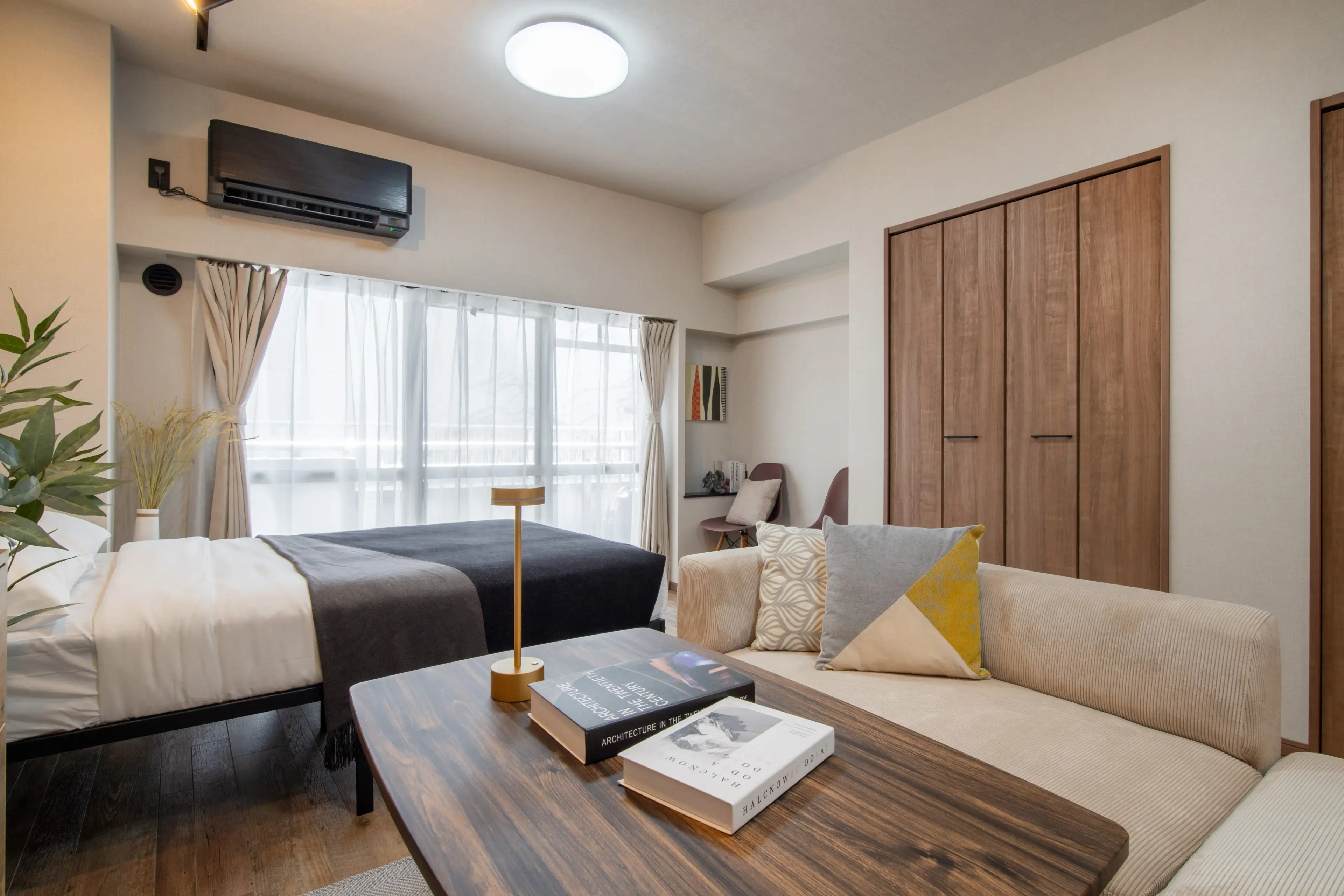 Ocupado
Fully Furnished Apartment 20 Min to Takadanobaba
Iidabashi High Town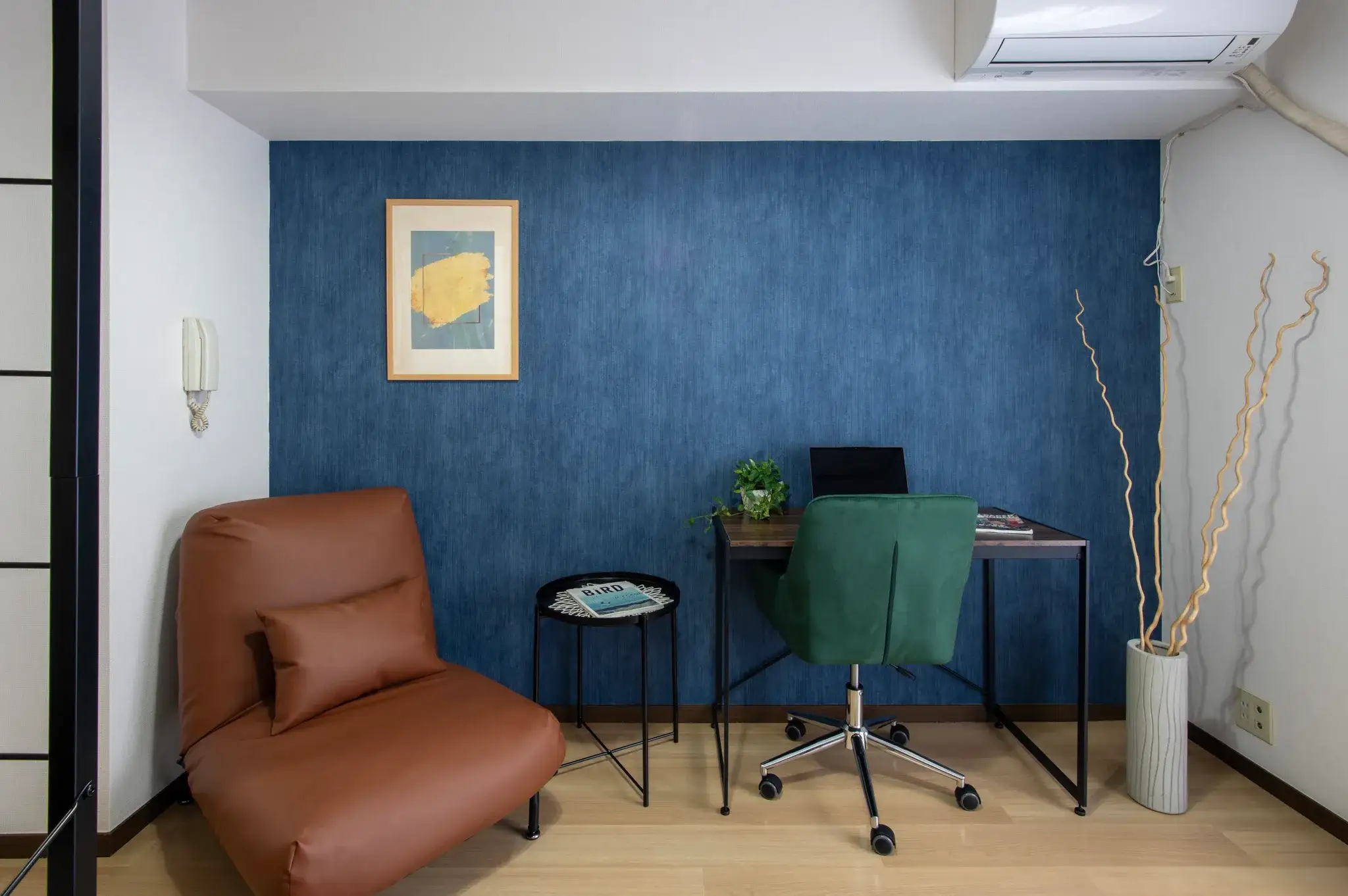 Posiblemente desde Dec 3, 2026
Apartamento amueblado en Meguro
ML Meguro — 208
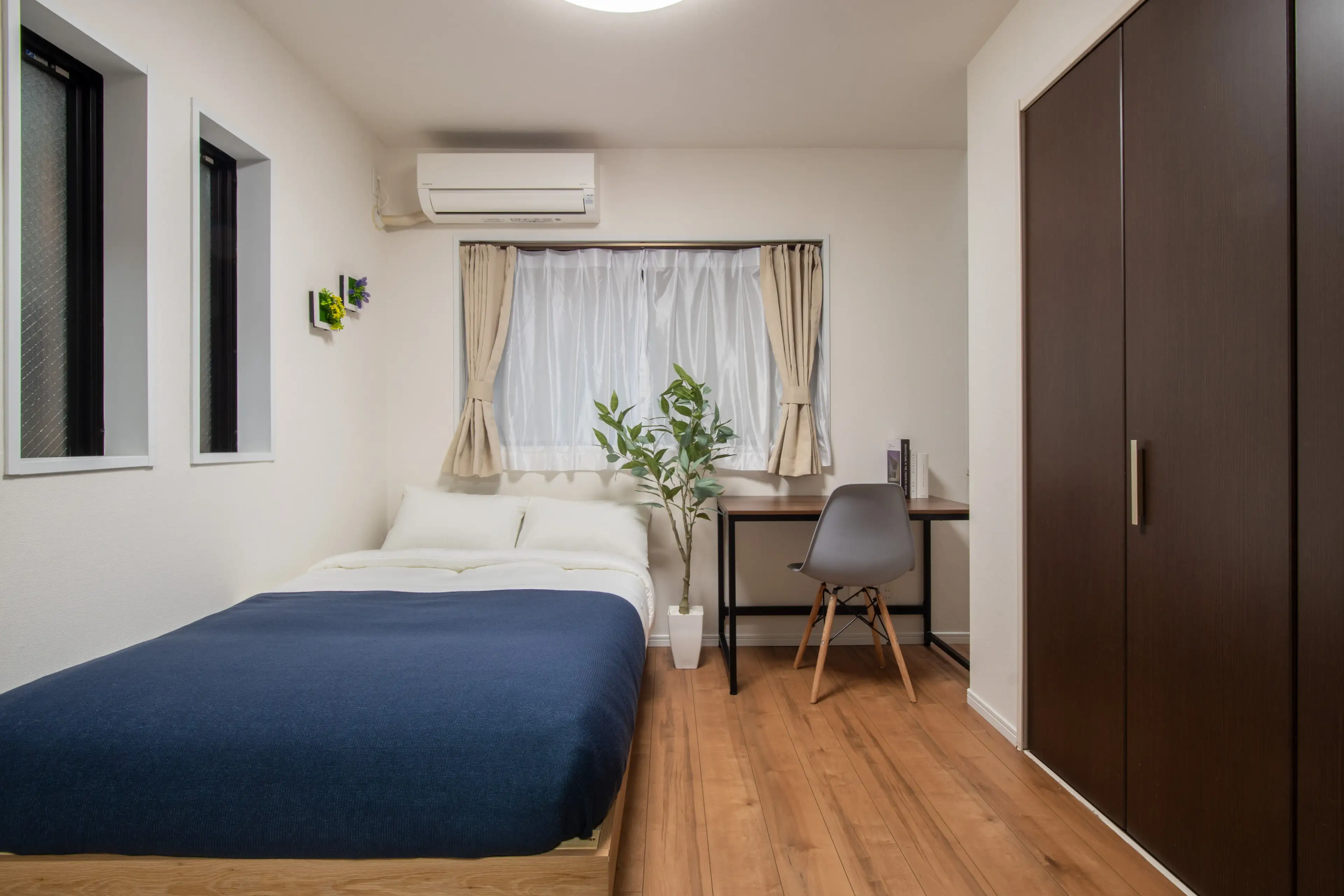 Disponible Ahora
Departamento amueblado en Shinagawa
Beverly Homes Nishikoyama — 103