
Alimentação Econômica em Tóquio: Como Comer Bem Gastando Menos de ¥1.000 por Dia

Morar em Tóquio não significa que você precisa gastar uma fortuna com comida. Com as estratégias certas e conhecimento local, comer bem economizando não é apenas possível—é surpreendentemente fácil. Este guia vai mostrar exatamente como encontrar comida barata em que os moradores de Tóquio confiam diariamente, com dicas práticas que podem ajudá-lo a comer refeições satisfatórias por menos de ¥1.000 por dia sem sacrificar qualidade ou variedade.
Seja você um estudante, jovem profissional ou simplesmente alguém que quer aproveitar melhor seu iene, o cenário gastronômico de Tóquio oferece inúmeras opções para quem come com orçamento limitado. A chave é saber onde procurar e quando fazer compras.
Refeições em Conveniências: Muito Melhor do Que Você Imagina
Os konbini (estabelecimentos 24 horas) de Tóquio não têm nada a ver com suas contrapartes ocidentais. Essas lojas oferecem refeições quentes, ingredientes frescos e comida de qualidade surpreendentemente boa a preços que não prejudicam seu bolso.
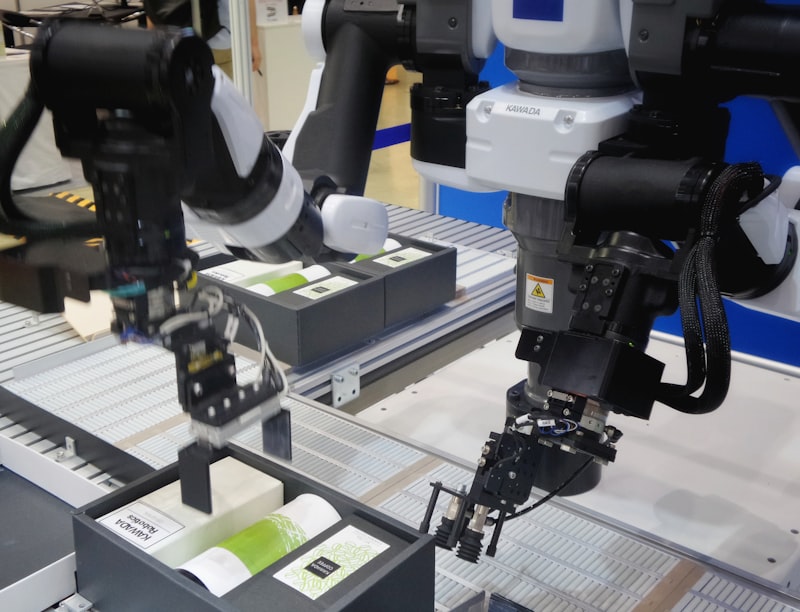
Family Mart, Lawson e 7-Eleven têm onigiri (bolinhos de arroz) começando em ¥100-150, bentos de ¥350-500 e itens quentes como karaage (frango frito) e nikuman (bolinho no vapor) por cerca de ¥200. Um almoço satisfatório facilmente sai por menos de ¥400.
Dica de Ouro: Visite a conveniência após as 20h para adesivos com 50% de desconto em bentos e sanduíches que estão perto do vencimento. A comida está perfeitamente fresca—as lojas simplesmente não conseguem vendê-la no dia seguinte devido a regulamentações rigorosas.
Itens populares em promoção na conveniência incluem:
- Conjuntos de onigiri (2-3 unidades): ¥250-400
- Copos de macarrão ou macarrão instantâneo: ¥150-250
- Pacotes de sanduíche: ¥200-350
- Itens quentes de delicatessen: ¥100-300 cada
- Saladas: ¥200-350
Não deixe de conferir a seleção de bebidas também. Chá, café e água de marca própria custam tão pouco quanto ¥80-100, em comparação com ¥150+ para versões de marca.
Estratégias de Supermercado: Timing É Tudo
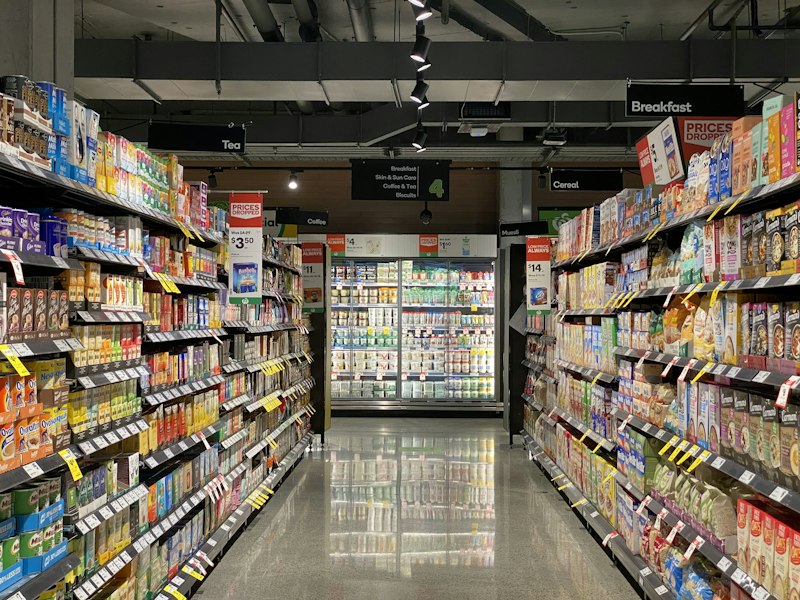
Os supermercados japoneses são minas de ouro para quem come com orçamento, mas o momento certo da sua visita faz toda a diferença. A maioria das lojas oferece desconto em comidas prontas e itens frescos duas vezes ao dia—uma vez por volta das 17h-18h e novamente após as 20h.
Grandes redes como Seiyu, Life e OK Store (conhecidas por preços consistentemente baixos) oferecem refeições prontas, sushi e acompanhamentos com desconto de 20-50% conforme se aproxima do horário de fechamento. Um bento de ¥600 pode cair para ¥300, e bandejas de sushi originalmente precificadas em ¥800 podem ser vendidas por ¥400.
Melhores Compras no Supermercado
Para cozinhar em casa, esses itens básicos oferecem valor excepcional:
- Arroz (saco de 5kg): ¥1.500-2.000 (dura semanas)
- Ovos (pacote de 10): ¥150-200
- Repolho (inteiro): ¥100-200
- Broto de feijão: ¥20-40
- Tofu: ¥30-80
- Natto: ¥80-100 para 3 pacotes
- Vegetais congelados: ¥100-200
- Macarrão instantâneo: ¥80-150 para 5 pacotes
Business Super e Gyomu Super são cadeias focadas em orçamento que oferecem porções do tamanho de restaurante a preços de atacado. Um quilo de peito de frango custa cerca de ¥500, e você pode encontrar grandes sacos de dumplings congelados por ¥300.
Restaurantes em Rede Onde Comer com Orçamento Prospera
Os restaurantes em rede de Tóquio oferecem refeições suculentas bem por baixo de ¥500. Estes não são armadilhas para turistas—é onde os moradores locais comem diariamente, oferecendo qualidade genuína a preços ínfimos.
Principais Cadeias de Restaurante com Orçamento
Yoshinoya, Matsuya e Sukiya (cadeias de Gyudon): Esses restaurantes de tigela de carne servem refeições de ¥350-500. Uma tigela de carne comum (gyudon) custa ¥400 e vem com sopa de missô. Adicione um ovo cru por ¥60 para proteína e riqueza extras.
Nakau: Semelhante aos anteriores, mas com mais variedade, incluindo oyakodon (tigela de frango e ovo) e opções de udon, todos por menos de ¥500.
Tenya: Tigelas de tempura começando em ¥500. A qualidade é surpreendentemente boa pelo preço.
Hanamaru Udon e Marugame Seimen: Cadeias de udon de auto-serviço onde uma tigela básica custa ¥250-400. Adicione coberturas de tempura por ¥100-200 cada.
Saizeriya: Restaurante de família italiana com massa, pizza e saladas de ¥300-600. O doria estilo milanês (gratin de arroz) por ¥300 é lendário entre quem come com orçamento.
Aprender a comer como um morador local em vez de turista pode reduzir seus custos de comida em 60-70% enquanto realmente melhora a qualidade das refeições.
Bom Saber: A maioria das cadeias de orçamento oferece água gratuita e repolho ou picles ilimitados na mesa. Não tenha vergonha de pedir mais—é esperado e ajuda a aproveitar sua refeição ainda mais.
Especiais de Almoço
Até restaurantes de nível médio oferecem conjuntos de almoço (ranchi setto) das 11h às 14h a preços com desconto. Uma refeição de jantar custando ¥1.200 pode sair por ¥700 no almoço, frequentemente incluindo arroz, sopa e um acompanhamento.
Cozinhar em Casa: A Estratégia Final de Orçamento
Ter acesso a uma cozinha muda tudo para quem come com orçamento. É aí que escolher a acomodação com sabedoria compensa—casas compartilhadas e apartamentos mobilados com facilidades de cozinha permitem que você prepare refeições por uma fração do custo de restaurante.
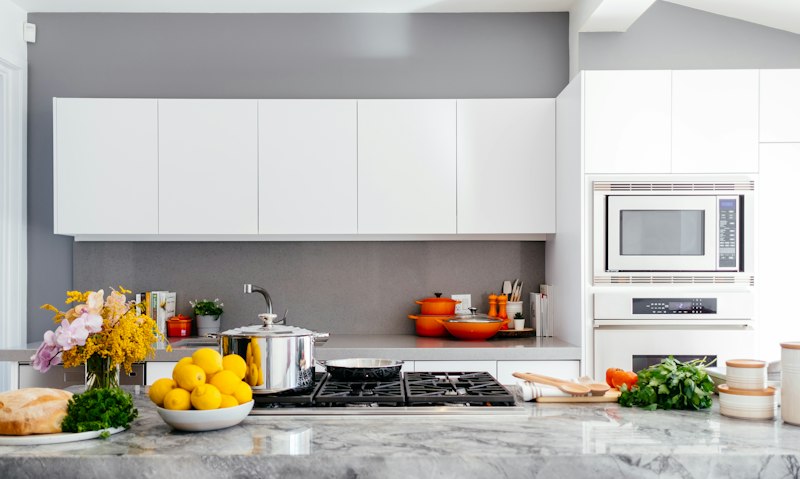
Uma refeição caseira básica no Japão custa ¥200-300 por porção quando você compra ingredientes com inteligência. Arroz forma a base—uma xícara de arroz cru (valendo ¥20-30) produz o suficiente para 2-3 refeições.
Refeições Econômicas Que Você Pode Fazer
Tamago kake gohan (TKG): Arroz coberto com ovo cru e molho de soja. Custo: ¥50 por porção. Adicione nori ou cebola verde para variedade.
Natto gohan: Arroz com grãos de soja fermentados. Custo: ¥60-80 por porção. Um gosto adquirido, mas incrivelmente nutritivo e saciante.
Refogado simples: Repolho, broto de feijão e ovos com molho de soja. Custo: ¥150-200. Adicione macarrão instantâneo por ¥100 a mais para fazer yakisoba.
Sopa de missô: Dashi instantâneo, pasta de missô, tofu e wakame. Custo: ¥80-100 por porção. Torna qualquer refeição mais completa.
Curry com arroz: Blocos de roux de curry japonês (¥200 para 8-12 porções), batatas, cenoura, cebola e carne opcional. Custo por porção: ¥150-200.
Arroz frito: Arroz do dia anterior, ovos, vegetais e camarão congelado barato ou presunto. Custo: ¥200-250 por porção generosa.
Itens Essenciais da Despensa
Mantenha esses básicos em estoque e você sempre conseguirá fazer uma refeição:
- Molho de soja e mirin: ¥200-300 cada, duram meses
- Pasta de missô: ¥300, essencial para sopas
- Dashi instantâneo: ¥200, adiciona profundidade a qualquer prato
- Óleo de gergelim: ¥300, um pouco dura muito
- Sal e pimenta: ¥100 cada
- Furikake (tempero para arroz): ¥200-300, torna o arroz simples interessante
Água Gratuita, Temperos Gratuitos e Outros Truques para Economizar
A cultura gastronômica de Tóquio inclui vários costumes que beneficiam quem come com orçamento uma vez que você conhece.
Brindes de Restaurante
A maioria dos restaurantes japoneses fornece água gratuita (ou chá) automaticamente. Nunca pague água engarrafada ao comer fora. Muitas lojas de ramen e gyudon oferecem gengibre em conserva gratuito, sementes de gergelim e alho para personalizar sua refeição.
Lojas de soba em pé perto das estações de trem frequentemente têm bits de tempura gratuitos (tenkasu) e cebola verde no balcão—adicione generosamente para tornar seu soba de ¥300 mais substancial.
Amostras e Comida Gratuita
Galerias de alimentos das lojas de departamento (depachika) oferecem amostras gratuitas, especialmente nos fins de semana. Embora você não deva contar com isso para refeições, é uma forma legítima de experimentar novos alimentos e ocasionalmente pegar um lanche.
Alguns supermercados oferecem demonstrações de culinária com amostras gratuitas. Life e Seiyu frequentemente fazem isso nos fins de semana.
Atenção: Não abuse da cultura de amostras—pegue uma, diga "arigatou gozaimasu" (obrigado) e siga em frente. É sobre experimentar produtos, não substituir refeições.
Aplicativos de Desconto e Cartões de Pontos
O aplicativo Kuji lista restaurantes com reservas disponíveis oferecendo descontos de 20-50%. Muitas cadeias têm sistemas de cartão de pontos—T-Point do Family Mart e cartão nanaco do 7-Eleven ganham recompensas a cada compra.
Plano de Refeições Diárias de ¥1.000 Como Exemplo
Eis como um dia típico com orçamento pode parecer, misturando conveniência, qualidade e variedade:
Café da Manhã (¥150):
- Onigiri da 7-Eleven: ¥120
- Café de marca própria: ¥80
Almoço (¥450):
- Gyudon na Sukiya: ¥400
- Água gratuita
Jantar (¥350):
- Bento de supermercado com desconto (originalmente ¥600): ¥300
- Salada pequena: ¥150
Total: ¥950
Dia alternativo cozinhando em casa:
Café da Manhã (¥80):
- Tamago kake gohan com nori
- Sopa de missô de pasta instantânea
Almoço (¥250):
- Curry com arroz sobrado feito no início da semana
Jantar (¥300):
- Refogado de vegetais com ovo sobre arroz
- Sopa de missô
Lanche (¥120):
- Sobremesa de konbini ou fruta
Total: ¥750
Fazendo Comer com Orçamento Funcionar a Longo Prazo
Comer bem consistentemente com orçamento exige desenvolver bons hábitos. Compre com uma lista para evitar compras por impulso. Cozinhe porções maiores e use as sobras de forma criativa—o curry de hoje vira udon de curry amanhã.
Aprenda a apreciar comidas de orçamento japonesas em seus próprios termos em vez de compará-las com refeições caras em restaurantes. Um gyudon bem feito ou um onigiri perfeitamente temperado podem ser genuinamente satisfatórios.
Ter a situação de moradia certa faz toda a diferença. Os apartamentos mobilados e casas compartilhadas da Modern Living Tokyo vêm equipados com cozinhas, utensílios de cozinha e às vezes até panelas de arroz compartilhadas—dando-lhe as ferramentas para implementar essas estratégias de orçamento desde o primeiro dia. Muitos locais ficam perto de grandes supermercados e conveniências convenientes, tornando fácil fazer compras inteligentes sem deslocamentos longos.
Comer com orçamento em Tóquio não é sobre privação—é sobre fazer escolhas informadas e abraçar a cultura local de alimentos. Com essas estratégias, você comerá bem, economizará dinheiro e talvez até aproveite a caçada por aquele bento com desconto perfeito ou aquela loja de udon escondida que se torna seu local habitual.
As habilidades que você desenvolve comendo de forma acessível em Tóquio—ler rótulos de ingredientes, cronometrar visitas ao supermercado, apreciar sabores simples—frequentemente permanecem com você muito depois de você deixar o Japão, tornando-o um comedor mais inteligente em qualquer lugar do mundo.

Modern Living Tokyo
Artigos Relacionados
 Lifestyle
Os 10 Melhores Apartamentos Mobiliados em Tóquio por Menos de ¥120.000/Mês (Seleção 2026)
Conheça nossos 10 apartamentos mobiliados mais procurados em Tóquio por menos de ¥120.000/mês — desde estúdios bem localizados em Shinjuku até espaçosos 1LDK na região leste.
 Modern Living TokyoLeia mais →
 Lifestyle
Praticando Artes Marciais em Tóquio: Guia Completo para Estrangeiros
Tudo o que você precisa saber para treinar artes marciais em Tóquio como estrangeiro — desde os melhores dojos até custos, etiqueta, questões de visto e os bairros ideais para morar.
Modern Living TokyoLeia mais → Lifestyle
Mudando para Tóquio como Músico: Shows, Equipamentos e Comunidade
A cena de música ao vivo em Tóquio é vibrante, apaixonada e acolhedora com músicos estrangeiros que chegam bem preparados. Descubra como encontrar shows, equipamentos e comunidade na maior metrópole do Japão...
Modern Living TokyoLeia mais →Imóveis em destaque
 Ocupado
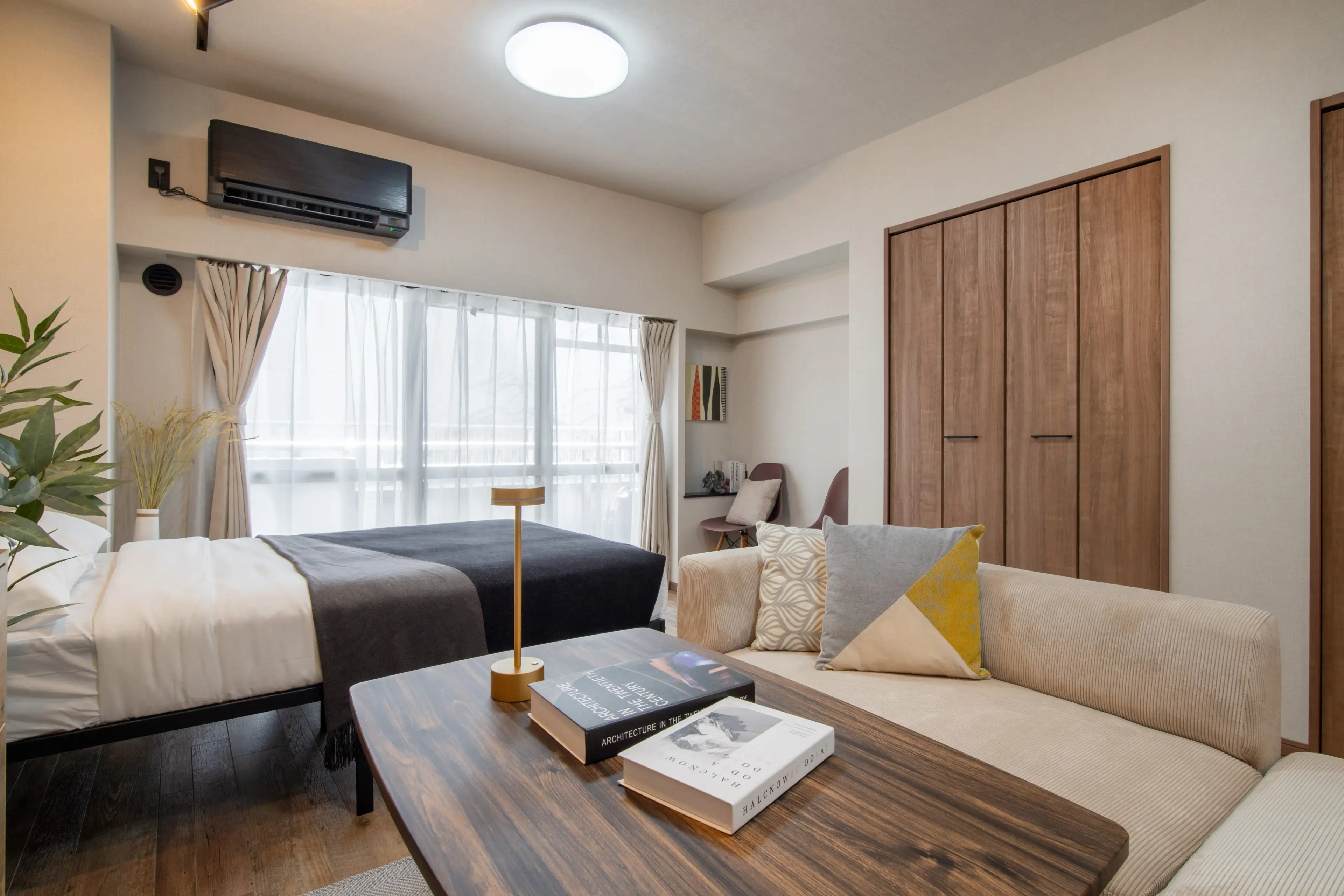
Fully Furnished Apartment 20 Min to Takadanobaba
Iidabashi High Town Possivelmente a partir de Dec 3, 2026
Apartamento mobiliado em Meguro
ML Meguro — 208
 Disponível Agora
Apartamento mobiliado em Shinagawa
Beverly Homes Nishikoyama — Apartamento 103