
Temporada das Cerejeiras em Tóquio: Melhores Locais e Dicas Exclusivas

Tóquio se transforma em um verdadeiro paraíso rosa a cada primavera, atraindo milhões de visitantes ansiosos para presenciar um dos espetáculos mais magníficos da natureza. Seja você estejando no seu primeiro hanami ou sendo um entusiasta experiente de sakura, este guia completo vai ajudá-lo a navegar pelos melhores pontos de observação de Tóquio, evitar multidões e viver a magia da estação das flores de cerejeira como um morador local.
Quando é a Estação de Flores de Cerejeira em Tóquio?
O timing é essencial quando se trata de pontos de hanami em Tóquio. As flores de cerejeira geralmente desabrocham em Tóquio de finais de março a início de abril, mas as datas exatas variam a cada ano de acordo com os padrões climáticos. O auge da floração costuma durar apenas 7 a 10 dias, tornando-a uma experiência fugaz mas inesquecível.
A Corporação Meteorológica Japonesa divulga previsões de flores de cerejeira a partir de janeiro. Consulte o site deles ou aplicativos como "Japan Cherry Blossom Forecast" para atualizações em tempo real. Em 2024, o auge da floração ocorreu por volta de 27 a 30 de março, mas as mudanças climáticas têm antecipado essas datas nos últimos anos.
Dica de Ouro: Baixe o aplicativo Tenki.jp para atualizações hyperlocais sobre flores de cerejeira por bairro. Está em japonês, mas os ícones da previsão de sakura são fáceis de entender — procure pelos símbolos de flores rosa indicando os estágios da floração, desde botão até floração total até queda das pétalas.
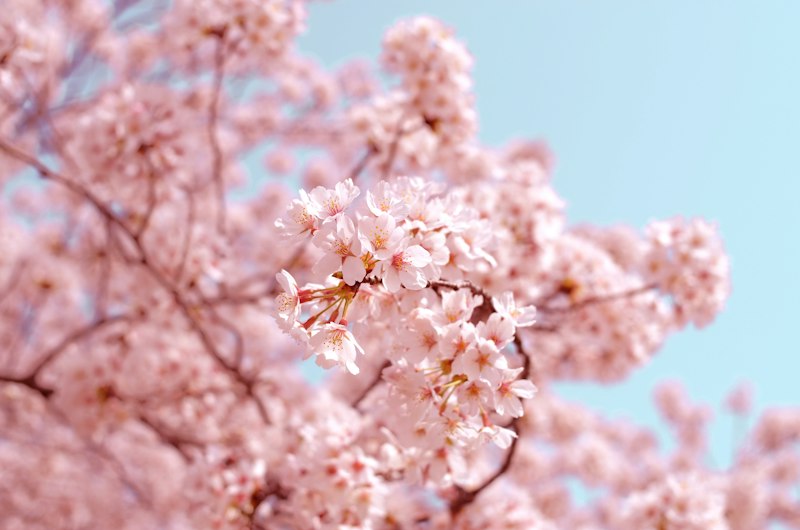
Os 10 Melhores Pontos de Observação de Flores de Cerejeira em Tóquio
Tóquio oferece dezenas de locais famosos de hanami, cada um com seu próprio caráter. Aqui estão dez pontos espetaculares que proporcionam a experiência clássica de sakura:
Parque Ueno (Distrito de Taito)
Com mais de 1.000 árvores de cerejeira alinhadas em sua passagem central, o Parque Ueno hospeda as celebrações de hanami mais famosas de Tóquio. Chegue no início da manhã (antes das 8h) para garantir um lugar sob as árvores. A atmosfera fica festiva à tarde, com barracas de comida, artistas de rua e multidões.
Acesso: Estação Ueno (JR, Metrô de Tóquio). Entrada: Gratuita.
Rio Sumida (Asakusa até Skytree)
O passeio à beira do rio entre Asakusa e Skytree de Tóquio possui quase 1.000 árvores de cerejeira. Este parque linear permite um passeio cênico em vez de observação estacionária. O contraste entre os templos tradicionais de Asakusa e o moderno Skytree cria oportunidades fotográficas impressionantes.
Acesso: Estação Asakusa (múltiplas linhas). Entrada: Gratuita.
Chidorigafuchi (Distrito de Chiyoda)
Este fosso que circunda o Palácio Imperial oferece aluguel de barcos durante a estação de sakura. Remar sob o dossel de flores de cerejeira proporciona uma perspectiva única. Espere filas para barcos (¥500 por 30 minutos), mas a iluminação noturna vale a pena.
Acesso: Estação Kudanshita (múltiplas linhas). Aluguel de barco: ¥500-800.
Shinjuku Gyoen National Garden
Este extenso jardim apresenta 1.100 árvores de cerejeira de múltiplas variedades, criando uma estação de observação mais longa. Os jardins cuidadosamente paisagísticos oferecem estilos de jardins tanto japoneses quanto ocidentais. Álcool é proibido, tornando-o ideal para famílias ou contemplação tranquila.
Acesso: Estação Shinjuku-gyoenmae (Metrô de Tóquio). Entrada: ¥500.
Parque Yoyogi (Distrito de Shibuya)
Popular com a comunidade internacional de Tóquio e jovens locais, o Parque Yoyogi permite piqueniques e cria uma atmosfera relaxada e social. Os amplos gramados significam que você geralmente consegue encontrar espaço mesmo durante a alta estação. Músicos e artistas de fim de semana adicionam à atmosfera festiva.
Acesso: Estação Harajuku (JR) ou Estação Meiji-jingumae (Metrô de Tóquio). Entrada: Gratuita.
A magia do hanami não é apenas sobre ver as flores — é sobre desacelerar para apreciar a beleza fugaz da estação com amigos, colegas e comunidade.
Rio Meguro (Nakameguro)
Este bairro descolado fica famoso no Instagram durante a estação de flores de cerejeira. Quatro quilômetros de árvores de cerejeira se arqueiam sobre o canal estreito, criando um efeito de túnel rosa. Os cafés e butiques da área permanecem abertos até tarde durante o auge da floração, e a iluminação noturna transforma a cena.
Acesso: Estação Nakameguro (Metrô de Tóquio, Linha Tokyu). Entrada: Gratuita.
Jardim Rikugien (Distrito de Bunkyo)
Este jardim tradicional do período Edo oferece uma experiência de hanami mais refinada. A árvore de cerejeira chorona perto da entrada se torna a atração principal cada primavera. Espetáculos com iluminação noturna ocorrem durante a alta estação (até às 21h, último acesso às 20h30).
Acesso: Estação Komagome (JR, Metrô de Tóquio). Entrada: ¥300.
Parque Inokashira (Kichijoji)
Localizado no residencial Kichijoji, este parque oferece aluguéis de barcos de cisne (¥700 por 30 minutos) sob árvores de cerejeira. As lojas e restaurantes do bairro facilitam passar um dia inteiro aqui. Menos turístico que as opções do centro de Tóquio.
Acesso: Estação Kichijoji (JR, Linha Keio). Entrada: Gratuita.
Parque Sumida
Em frente ao Skytree de Tóquio, este parque à beira do rio oferece 600 árvores de cerejeira com Tóquio moderno como pano de fundo. A localização à beira da água significa vistas de pôr do sol lindas. Conectado a Asakusa por passeio fluvial para um dia inteiro de exploração.
Acesso: Estação Asakusa ou Estação Tokyo Skytree. Entrada: Gratuita.
Parque Showa Kinen (Tachikawa)
Vale a pena a viagem de 45 minutos de trem do centro de Tóquio, este parque massivo apresenta 1.500 árvores de cerejeira em 31 variedades. A escala significa que você encontrará lugares tranquilos mesmo nos fins de semana. Aluguel de bicicletas (¥530 por 3 horas) permite cobrir mais terreno.
Acesso: Estação Nishi-Tachikawa (JR). Entrada: ¥450.
Joias Escondidas Menos Movimentadas para Entusiastas do Guia de Estação de Sakura no Japão
Se você prefere contemplação tranquila em vez de atmosfera festiva, estes pontos menos conhecidos oferecem flores de cerejeira lindas sem multidões:

Jardim Botânico Koishikawa
Esta instalação de pesquisa da Universidade de Tóquio se abre ao público e apresenta diversas variedades de cerejeira em um ambiente acadêmico. Manhãs de dias da semana são particularmente tranquilas. Os rótulos científicos adicionam valor educacional à sua experiência de hanami.
Acesso: Estação Hakusan (Metrô de Tóquio). Entrada: ¥500.
Parque Central Johoku (Distrito de Nerima)
Este parque do bairro residencial vê principalmente famílias locais. A área central do gramado oferece amplo espaço para piquenique, e a falta de turistas significa atmosfera autêntica de hanami local. Várias lojas de conveniência próximas para suprimentos.
Parque Shakujii (Distrito de Nerima)
Construído ao redor de três lagos, este parque oferece observação de flores de cerejeira à beira da água no noroeste de Tóquio. A localização residencial garante uma multidão local mesmo durante a alta estação. Ótimo para corridas matinais seguidas de café de hanami.
Bom Saber: Morar em uma sharehouse ou apartamento mobiliado em bairros como Nerima, Setagaya ou Koto o coloca perto de parques locais que residentes usam para hanami — menos movimentado que pontos famosos, mas igualmente lindo e mais autêntico.
Etiqueta de Hanami e O Que Trazer
Compreender a etiqueta de hanami ajuda você a se integrar e respeitar os costumes japoneses enquanto aprecia a estação de flores de cerejeira:
Itens Essenciais para Sua Festa de Hanami
- Lona azul (manta azul): Disponível em qualquer loja de 100 ienes, esta é a cobertura universal do chão de hanami no Japão
- Assento portátil: Cadeiras dobráveis pequenas ou almofadas para conforto durante longas sessões de observação
- Comida e bebidas: Bentos de loja de conveniência, lanches e bebidas (muitos parques permitem álcool, mas verifique as regras)
- Sacos de lixo: Leve tudo que trouxer — deixar lixo é seriamente desaprovado
- Camadas quentes: Noites de início de abril podem ser surpreendentemente frias, mesmo se os dias forem quentes
- Carregador portátil de telefone: Você tirará inúmeras fotos e vídeos
Regras de Etiqueta de Hanami
Respeite essas regras não ditas para ter uma experiência suave de hanami:
- Não danifique árvores: Nunca chacoalhe galhos, suba em árvores ou colha flores. Coletar pétalas caídas é aceitável
- Reserve pontos respeitosamente: É comum alguém ir cedo para reivindicar espaço com uma lona, mas não monopolize grandes áreas
- Mantenha o ruído razoável: Conversas e risadas são adequadas, mas não toque música alta ou grite excessivamente
- Limpe completamente: Leve todo o lixo com você. Muitos parques removem latas de lixo durante a estação de hanami devido ao transbordamento
- Respeite os limites de tempo: Alguns parques têm toques de recolher de hanami, tipicamente por volta das 20h-21h
Flores de Cerejeira Noturnas: Observação de Yozakura
Yozakura (observação de flores de cerejeira noturna) oferece uma atmosfera completamente diferente do hanami diurno. Sakura iluminadas criam uma cena etérea, quase onírica. Tóquio ilumina vários locais especificamente para observação noturna.
Melhores Pontos de Yozakura
Chidorigafuchi oferece iluminação até às 22h, criando reflexos românticos na água do fosso. As luzes noturnas do Rio Meguro transformam o canal em um corredor rosa brilhante. O Jardim Rikugien oferece horários especiais de observação noturna (até às 21h) com técnicas de iluminação japonesa tradicional.
O Festival de Sakura do Parque Ueno inclui iluminação noturna, embora as multidões permaneçam intensas. O Parque Sumida perto do Skytree oferece iluminação LED moderna que contrasta lindamente com árvores tradicionais.
Atenção: Pontos de yozakura ficam movimentados rapidamente após o anoitecer, especialmente nos fins de semana. Chegue antes do pôr do sol para garantir uma posição de observação, e traga uma lanterna para navegar caminhos mal iluminados ao sair.
Combinando Hanami com Exploração de Bairros
As melhores experiências de hanami combinam observação de flores de cerejeira com exploração dos diversos bairros de Tóquio. Aqui está como maximizar suas aventuras de estação de sakura:
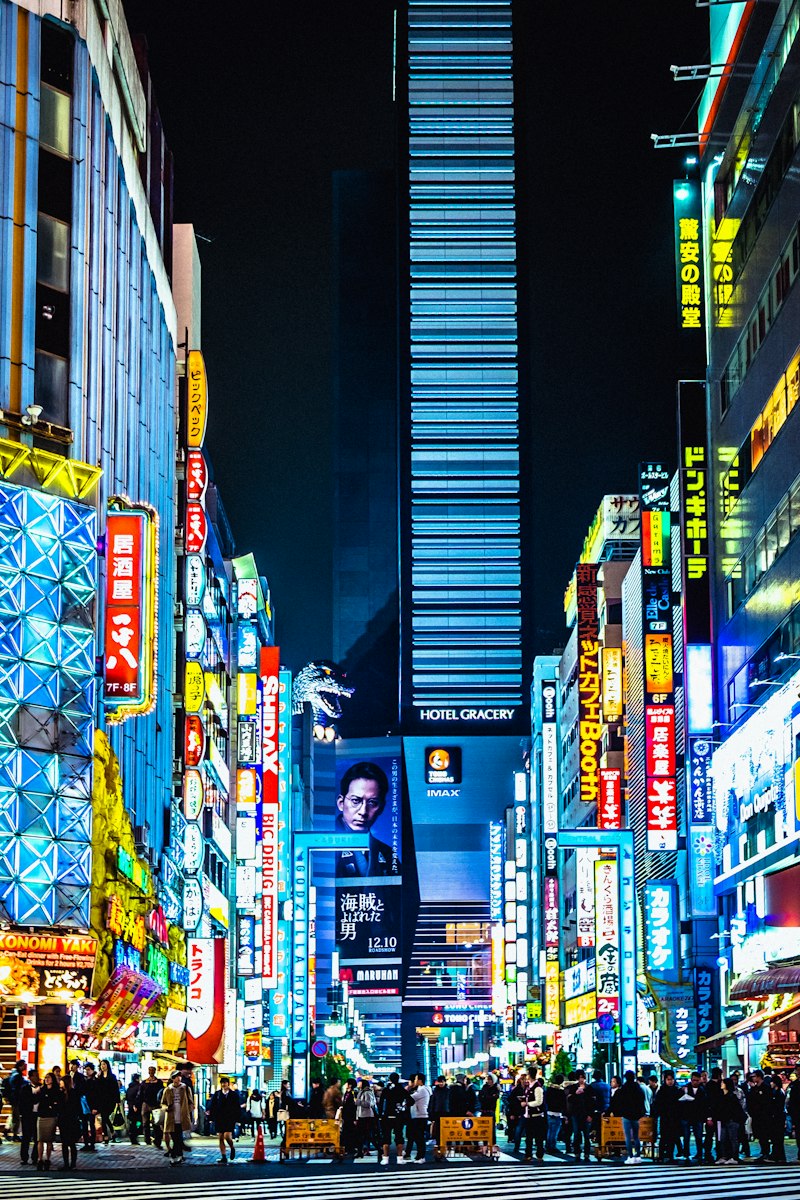
Nakameguro: Boutiques e Flores
Comece seu dia observando os túneis de cerejeira do Rio Meguro, depois explore as lojas curadas do bairro, torrefadores de café independentes e restaurantes internacionais. A área mantém seu vibe descolado e local apesar da fama do Instagram.
Kichijoji: Vida no Parque e Compras
Depois de hanami no Parque Inokashira, passeie pelas ruas estreitas de Harmonica Yokocho cheias de pequenos bares e eateries. A galeria comercial Sun Road oferece tudo, de roupas vintage a produtos frescos. Este bairro consistentemente se classifica como onde residentes de Tóquio mais querem morar.
Asakusa até Skytree: Tradicional Encontra Moderno
Caminhe pelo caminho de flores de cerejeira do Rio Sumida do Templo Sensoji até o Skytree de Tóquio. Pare em lojas tradicionais de artesanato, visite o Museu Sumida Hokusai (¥400), e termine com vistas do Skytree. Esta rota captura perfeitamente a mistura de Tóquio entre antigo e novo.
Ueno: Museus e Natureza
Além das famosas árvores de cerejeira do Parque Ueno, explore os museus de classe mundial do bairro (Museu Nacional de Tóquio, Museu Nacional de Natureza e Ciência). A rua comercial Ameyoko oferece comida de rua e compras com desconto. A atmosfera antiga de Tóquio próxima de Yanaka proporciona contraste com as multidões de Ueno.
Aproveitando ao Máximo a Estação de Flores de Cerejeira em Tóquio
A estação de flores de cerejeira oferece a oportunidade perfeita para experimentar a mistura única de beleza natural e energia urbana de Tóquio. Seja você escolhendo pontos famosos ou parques de bairro escondidos, a beleza fugaz da sakura nos lembra de pausar e apreciar o momento presente.
Para aqueles que passam tempo estendido em Tóquio durante a estação de flores de cerejeira, morar em uma sharehouse ou apartamento mobiliado em bairros residenciais lhe dá acesso a pontos de hanami locais sem as multidões de turistas. Você viverá a estação de sakura como os residentes de Tóquio fazem — visitas improvisadas ao parque após o trabalho, passeios de observação de floração de bairros e festas de hanami espontâneas de fim de semana com amigos antigos e novos.
As flores de cerejeira desabrocham por apenas uma semana breve e linda a cada ano. Faça seu hanami contar planejando com antecedência, respeitando costumes locais e tomando tempo para realmente apreciar esta tradição quintessencialmente japonesa. Vejo você sob as árvores de sakura esta primavera.

Modern Living Tokyo
Artigos Relacionados
 Culture
Aprenda a Cozinhar Comida Japonesa em Tóquio: Cursos e Escolas Culinárias
Desde workshops de um dia de sushi até escolas culinárias profissionais, descubra os melhores cursos de culinária japonesa em Tóquio para estrangeiros — com preços, localizações e muito mais.
 Modern Living TokyoLeia mais →
 Culture
Aprendendo as Artes Tradicionais Japonesas em Tóquio: Cerimônia do Chá, Caligrafia e Muito Mais
Descubra como aprender cerimônia do chá, caligrafia e ikebana em Tóquio sendo estrangeiro — com escolas que falam inglês, custos reais e dicas de etiqueta.
Modern Living TokyoLeia mais → Culture
Festivais de Verão em Tóquio 2026: Guia Completo para Estrangeiros
Seu guia completo dos festivais de verão em Tóquio 2026 — datas, melhores pontos para ver fogos de artifício, dicas de yukata e comidas típicas de matsuri para estrangeiros e expatriados que vivem em Tóquio.
Modern Living TokyoLeia mais →Imóveis em destaque
 Ocupado
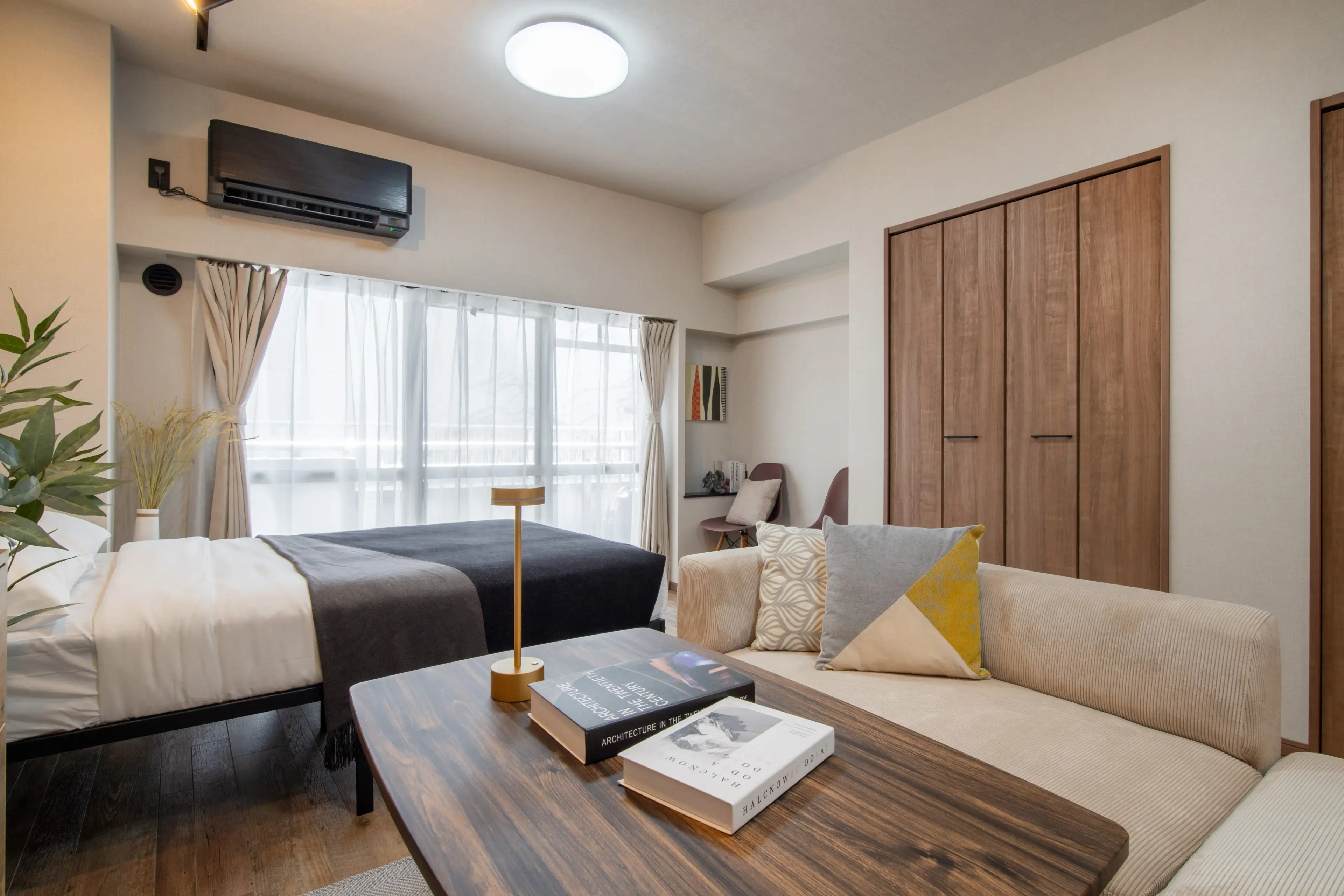
Fully Furnished Apartment 20 Min to Takadanobaba
Iidabashi High Town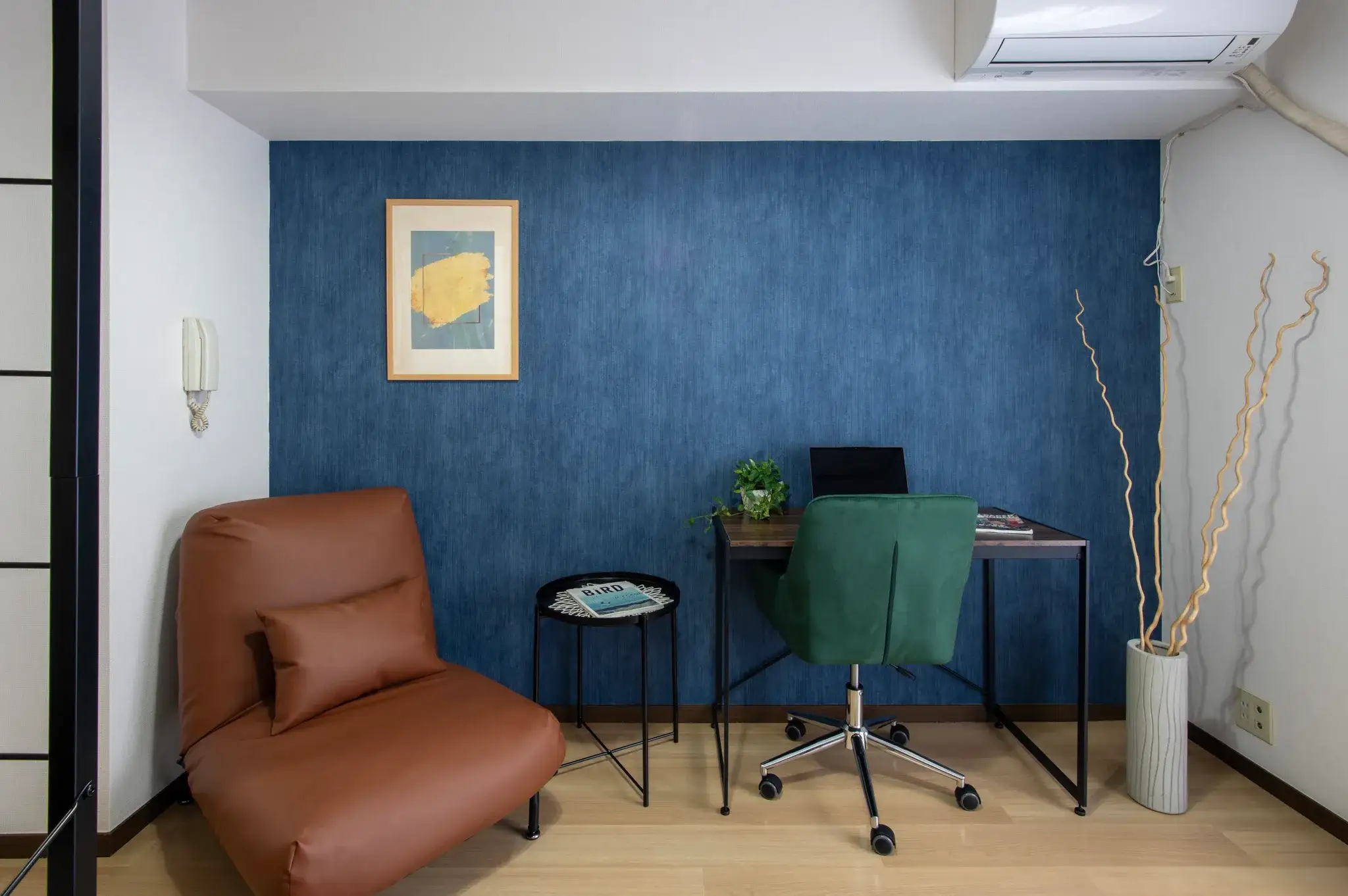 Possivelmente a partir de Dec 3, 2026
Apartamento mobiliado em Meguro
ML Meguro — 208
 Disponível Agora
Apartamento mobiliado em Shinagawa
Beverly Homes Nishikoyama — Apartamento 103