
Suginami e Nishi-Tokyo: Onde os Moradores Locais Vivem (E Você Também Deveria)

Por Que Morar em Suginami Tokyo Está em Seu Momento
Se você tem navegado por apartamentos em Tokyo e continua tendo choques com os preços de Shibuya e Shinjuku, é hora de olhar para o oeste. Morar em Suginami Tokyo oferece algo cada vez mais raro nesta cidade: espaço, vegetação, comunidade e autêntico caráter de bairro — tudo sem arrebentar o orçamento. O mesmo vale para a região mais ampla de Nishi-Tokyo (Oeste de Tokyo), que discretamente oferece um dos melhores equilíbrios de qualidade de vida em toda a metrópole.
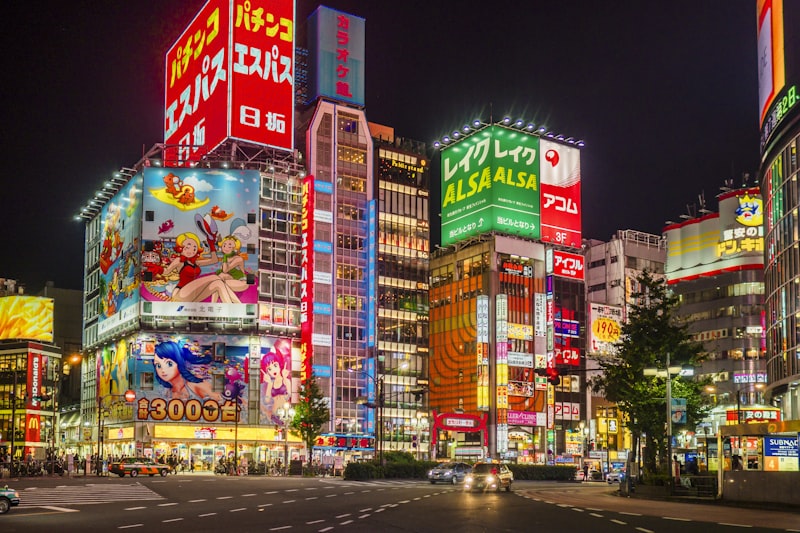
Este não é o Tokyo dos panfletos turísticos. Não há torres de neon ou lojas de departamentos infinitas. Em vez disso, você encontrará shotengai (ruas comerciais) arborizadas, cafeterias locais administradas pela mesma família há 30 anos, e parques onde as pessoas realmente usam os bancos. Se isso soa atraente, continue lendo.
O Apelo dos Bairros do Oeste de Tokyo
Oeste de Tokyo — referindo-se aproximadamente ao corredor da Linha Chuo e distritos vizinhos como Suginami, Nakano e a área da cidade de Nishi-Tokyo — há muito tempo é onde artistas, músicos, escritores e acadêmicos de Tokyo escolheram colocar raízes. Não é por acaso.
A Linha Chuo que passa por Suginami é carinhosamente apelidada de "Linha Cultural" (bunka-sen) no Japão. Os aluguéis acessíveis historicamente atraíram tipos criativos, e essa cultura pegou. Hoje esses bairros parecem vividos, em escala humana, e refrescantemente sem corporativismo.
Para estrangeiros chegando em Tokyo, os bairros do oeste de Tokyo também oferecem um ponto de entrada mais suave. O ritmo é mais lento, os vizinhos são mais propensos a dar um olá, e há muito menos da energia anônima de "todos estão passando por aqui" que você sente em áreas como Shinjuku ou Shibuya.
"Oeste de Tokyo não tenta impressionar você. Ele simplesmente se torna silenciosamente o lugar do qual você nunca quer partir."
Ogikubo, Asagaya e Nishi-Ogikubo: Três Bairros que Vale a Pena Conhecer
Ogikubo — O Bairro do Amante de Antiguidades
Ogikubo é talvez mais conhecido por sua cena de móveis antigos e vintage. As ruas ao redor da estação — particularmente o lado sul — são pontilhadas de pequenas lojas vendendo tudo, desde cerâmica japonesa do século XX até móveis vintage ocidentais. Se você está montando uma casa aqui, é um terreno ideal para explorar.
Além dos antigos, Ogikubo tem uma forte rua comercial local (o shopping arcade Ogikubo Pal) e excelente acesso a supermercados. A área é amiga da família, com boas escolas e muitos parques. Os aluguéis são razoáveis pelo que você ganha.
Asagaya — Jazz, Festivais e uma Sensação Real de Comunidade
Asagaya fica uma estação a leste de Ogikubo e tem uma personalidade distinta própria. É famosa pelo Festival Asagaya Tanabata, realizado todos os anos em agosto, que atrai centenas de milhares de visitantes para seu shopping arcade coberto — uma das celebrações de Tanabata mais elaboradamente decoradas na região de Kanto.
O bairro tem uma forte cultura de jazz (há vários clubes de jazz respeitados aqui) e uma cena de bares locais vibrante que não se parece nada com a vida noturna voltada para turistas de outras áreas. É animado, mas nunca avassalador.
Nishi-Ogikubo — O Bairro Mais Legal de Tokyo Que Você Nunca Ouviu Falar
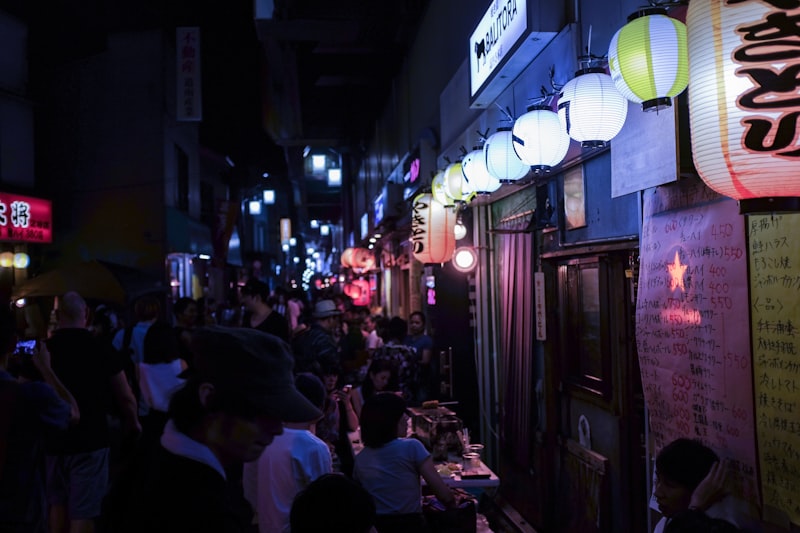
Se Ogikubo é o distrito de antiguidades, Nishi-Ogikubo é o distrito de vintage curado. Este pequeno bairro entre Ogikubo e Koenji explodiu em popularidade na última década, preenchendo-se com lojas de roupas vintage especializadas, torrefações de café independentes, lojas de discos de vinil e pequenos bares de vinho natural.
Tem uma atmosfera distintamente boêmia sem parecer fabricada. Muitos residentes aqui são criadores jovens, freelancers e residentes estrangeiros de longo prazo que não têm interesse em se mudar mais perto do centro de Tokyo. Assim que você visitar em uma tarde de domingo, entenderá por quê.
Preços de Aluguel e O Que Esperar em Áreas Tranquilas de Tokyo
Um dos maiores atrativos de Suginami e da área mais ampla do oeste de Tokyo é o aluguel. Estas são genuinamente algumas das áreas mais tranquilas de Tokyo em relação à sua qualidade de vida e acesso ao transporte.
Aqui está um detalhamento realista do que você pode esperar:
- Quarto único (1K/1DK), 20–30 sqm: ¥65.000–¥90.000/mês
- Um quarto (1LDK), 35–45 sqm: ¥95.000–¥130.000/mês
- Dois quartos (2LDK), 50–65 sqm: ¥130.000–¥180.000/mês
- Quarto em casa compartilhada (privado): ¥50.000–¥75.000/mês (todas as contas frequentemente incluídas)
Compare esses números com Shibuya ou Minato, onde um apartamento 1K similar facilmente custa ¥100.000–¥140.000, e a proposta de valor do oeste de Tokyo se torna muito clara.
Tenha em mente que a maioria dos apartamentos tradicionais no Japão exigem dinheiro de chave (reikin), um depósito e taxas de agência antecipadamente — o que pode facilmente totalizar 4–6 meses de aluguel antes de você sequer se mudar. Apartamentos mobiliados e casas compartilhadas pulam a maioria desses custos, o que os torna uma escolha inteligente para recém-chegados à área.
Dica Profissional: Se você é novo no Japão, considere começar em um apartamento mobiliado ou casa compartilhada em Suginami para ter uma sensação do bairro antes de se comprometer com um aluguel não mobiliado de longo prazo. Você evitará os custos antecipados e terá tempo para explorar adequadamente a área.
Vida Local: Parques, Mercados e Festivais
Uma das coisas que mais surpreende os recém-chegados sobre Suginami é quanto espaço verde existe. Esta não é uma selva de concreto. O distrito tem mais de 200 pequenos parques, e a Greenway Zenpukuji River — um caminho para caminhar e andar de bicicleta que segue um rio através de bairros residenciais — é genuinamente uma das caminhadas urbanas mais bonitas de todo Tokyo.
Parques que Vale a Pena Visitar
- Zenpukuji Park: Dois lagos, patos, cerejeiras na primavera e uma atmosfera relaxada durante todo o ano
- Wadabori Park: Um parque longo e estreito ao longo de uma via fluvial — perfeito para andar de bicicleta ou correr pela manhã
- Kinuta Park (próximo, Setagaya): Um dos melhores parques familiares de Tokyo, com campos abertos e um pequeno zoológico
Mercados e Compras
O oeste de Tokyo tem uma rede fantástica de supermercados locais e lojas de alimentos especializados. O Festival Koenji Awa-Odori (realizado no final de agosto) é um dos maiores festivais ao ar livre de Tokyo, atraindo mais de um milhão de visitantes em dois dias com apresentações tradicionais de dança Awa. O shotengai coberto de Asagaya sedia mercados pequenos regulares vendendo produtos locais, produtos artesanais e comida de rua.
Para compras do dia a dia, você é bem servido por cadeias nacionais como Seijo Ishii, Maruetsu e Life Supermarket, bem como frutarias independentes e lojas de tofu que sobreviveram precisamente porque a comunidade local as apoia.

O Trajeto: Quão Longe É Realmente o Oeste de Tokyo?
Esta é a pergunta que a maioria das pessoas faz. A resposta honesta: depende do seu local de trabalho, mas é quase sempre mais manejável do que as pessoas assumem.
A Linha JR Chuo é um dos serviços mais rápidos e frequentes de Tokyo. Aqui estão os tempos de trajeto realistas de Ogikubo e Asagaya durante a hora do rush:
- Shinjuku: 10–15 minutos (Chuo Line rápido)
- Estação Tokyo: 25–35 minutos
- Shibuya: 20–30 minutos (via Shinjuku ou direto em algumas rotas)
- Akihabara: 30–40 minutos
- Marunouchi/Otemachi: 30–40 minutos
Se você trabalha no centro da cidade, um trajeto de 30 minutos em troca de aluguel significativamente mais baixo, mais espaço de vida e um estilo de vida mais tranquilo é um trade que a maioria das pessoas fica feliz em fazer. De fato, muitos residentes de longo prazo de Tokyo consideram morar na Linha Chuo uma escolha positiva de estilo de vida, não um compromisso.
Bom Saber: A Linha Chuo tem dois serviços funcionando em paralelo — o rápido (快速) que pula estações menores, e o chuo-sobu local (中央・総武線各駅停車) que para em cada estação. Certifique-se de pegar o certo durante a hora do rush — o rápido economizará muito tempo.
Lugares Comunitários Ocultos em Suginami e Oeste de Tokyo
Além dos parques e ruas comerciais, são os lugares menores e menos óbvios que tornam o oeste de Tokyo como um lar. Aqui estão alguns que valem a pena explorar:
Café e Co-Working
- Bear Pond Espresso (Shimokitazawa, próximo): Lendário entre os amantes de café de Tokyo, com uma estética minimalista e espresso excepcional
- Faixa de café independente de Nishi-Ogikubo: Várias torrefações de pequeno lote abriram ao longo das ruas secundárias — a maioria sem websites, melhor descoberta caminhando
- Fuglen Tokyo (Yoyogi, facilmente acessível): Um café norueguês querido tanto por locais quanto por expatriados por seu café de especialidade e coquetéis noturnos
Comunidade e Cultura
- Suginami Animation Museum: Entrada gratuita, celebra o status de Suginami como centro da indústria de produção de anime do Japão — uma tarde genuinamente interessante
- Asagaya Arts Village (Lumina Asagaya): Um espaço comunitário de artes que oferece oficinas, exposições e eventos durante todo o ano
- Sento local (banhos públicos): O oeste de Tokyo ainda tem vários sento de bairro funcionando — uma maneira fantástica e muito acessível de conhecer locais e relaxar após o trabalho
Estes são o tipo de lugares que não aparecem nas listas "top 10 de Tokyo" mas se tornam os pilares de sua vida diária uma vez que você está aqui. São também os lugares onde você começará a reconhecer rostos, aprender nomes e realmente sentir que pertence a algum lugar.
Fazendo a Mudança: Oeste de Tokyo É Certo para Você?
Suginami e Nishi-Tokyo são ideais para pessoas que querem realmente viver em Tokyo em vez de apenas passar por ela. Se você valoriza ruas tranquilas em vez de vida noturna, caráter local em vez de lojas de conveniência em cada esquina, e comunidade genuína em vez de densidade urbana anônima — esta é sua parte da cidade.
É particularmente adequada para trabalhadoras remotas, pessoas que trabalham em indústrias criativas, estudantes de universidades próximas (Waseda e Keio são ambas acessíveis) e qualquer pessoa que queira experimentar o Japão como os residentes o experimentam em vez de como visitantes.
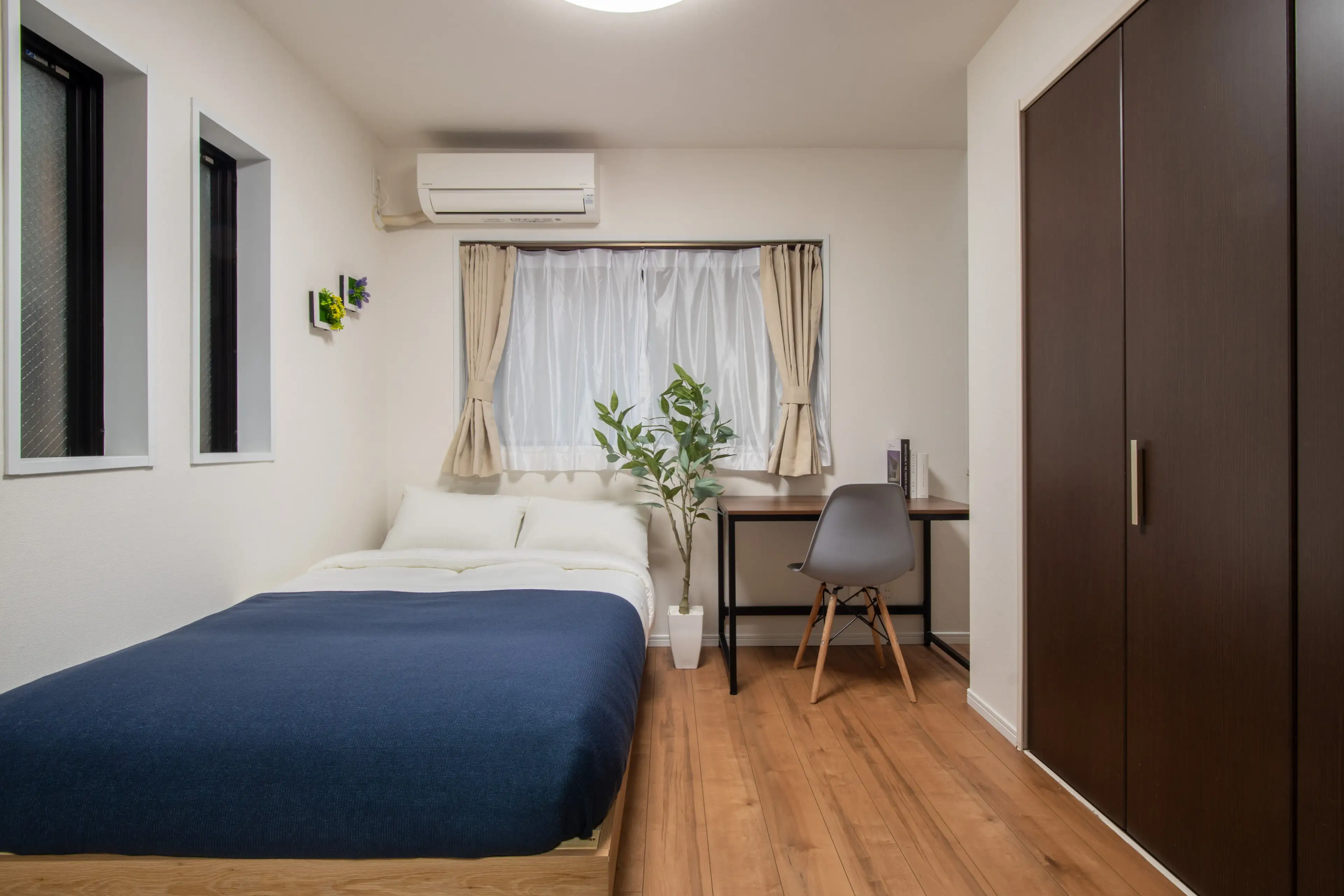
Na Modern Living Tokyo, temos apartamentos mobiliados e casas compartilhadas em e ao redor da área de Suginami que estão prontas para se mudar sem complicações. Sem dinheiro de chave, sem barreiras de idioma na papelada, e uma comunidade de residentes internacionais já em vigor. Se você está curioso sobre tornar o oeste de Tokyo sua base, entre em contato com nossa equipe — estamos felizes em ajudá-lo a encontrar o ajuste certo.

Modern Living Tokyo
Artigos Relacionados
 Neighborhood
As Melhores Repúblicas Perto da Estação Shinjuku: Onde Morar para o Trajeto Mais Curto
Descubra as melhores repúblicas a menos de 15 minutos da Estação Shinjuku — com preços reais, bairros top e dicas de deslocamento para estrangeiros vivendo em Tóquio.
 Modern Living TokyoLeia mais →
 Neighborhood
Apartamentos em Chofu e Oeste de Tóquio: Tranquilidade Perto da Linha Keio
Chofu e a região oeste de Tóquio na Linha Keio oferecem uma vida tranquila, aluguel acessível e apenas 22 minutos de deslocamento até Shinjuku — confira tudo que você precisa saber.
Modern Living TokyoLeia mais → Neighborhood
Guia de Vida em Daikanyama: O Luxo de Tóquio Sem os Preços de Roppongi
Daikanyama oferece o melhor da vida premium em Tóquio — cafeterias boutique, ruas baixas e Shibuya a apenas 2 minutos — sem aqueles preços salgados de Roppongi. Confira tudo que você precisa saber...
Modern Living TokyoLeia mais →Imóveis em destaque
 Ocupado
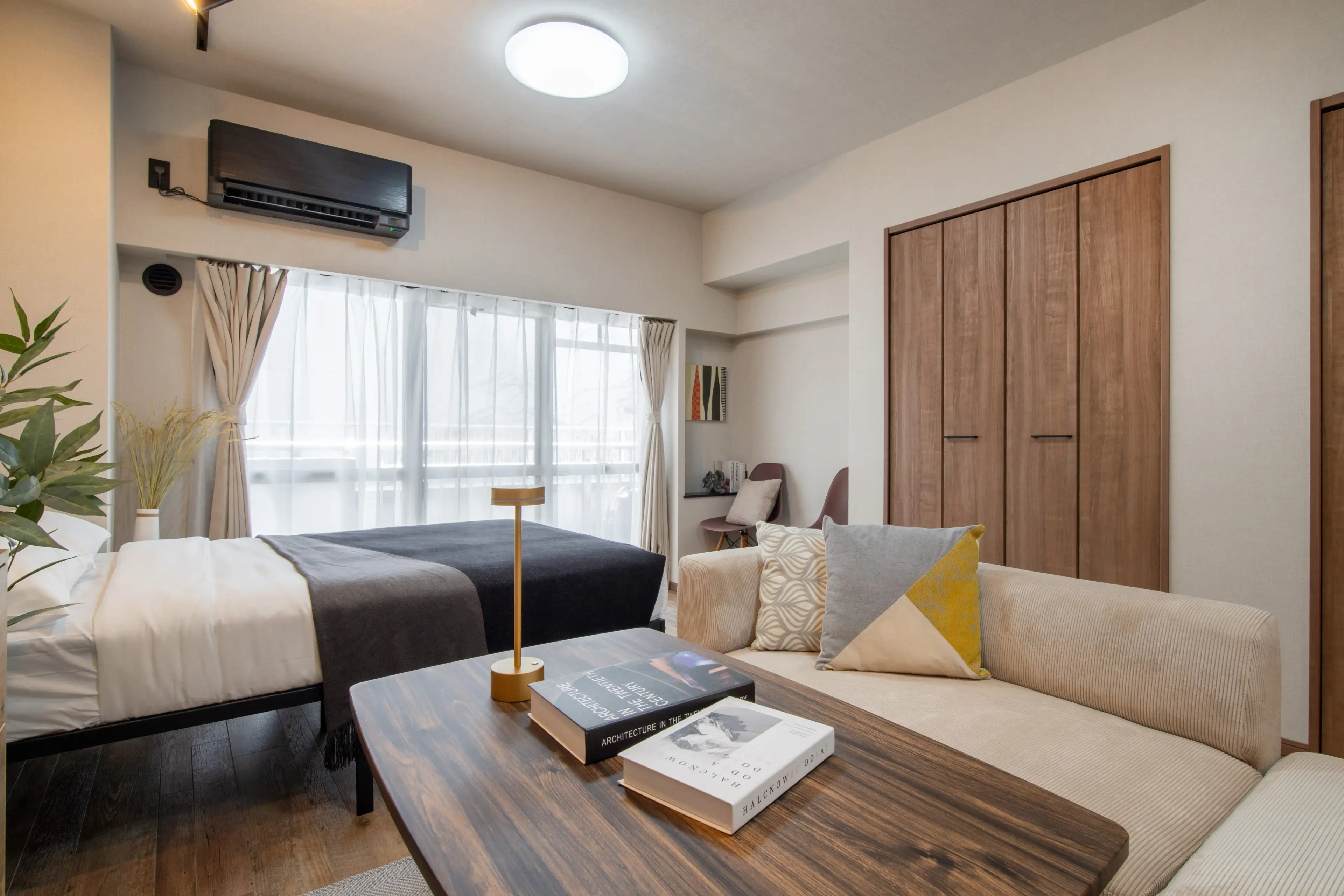
Fully Furnished Apartment 20 Min to Takadanobaba
Iidabashi High Town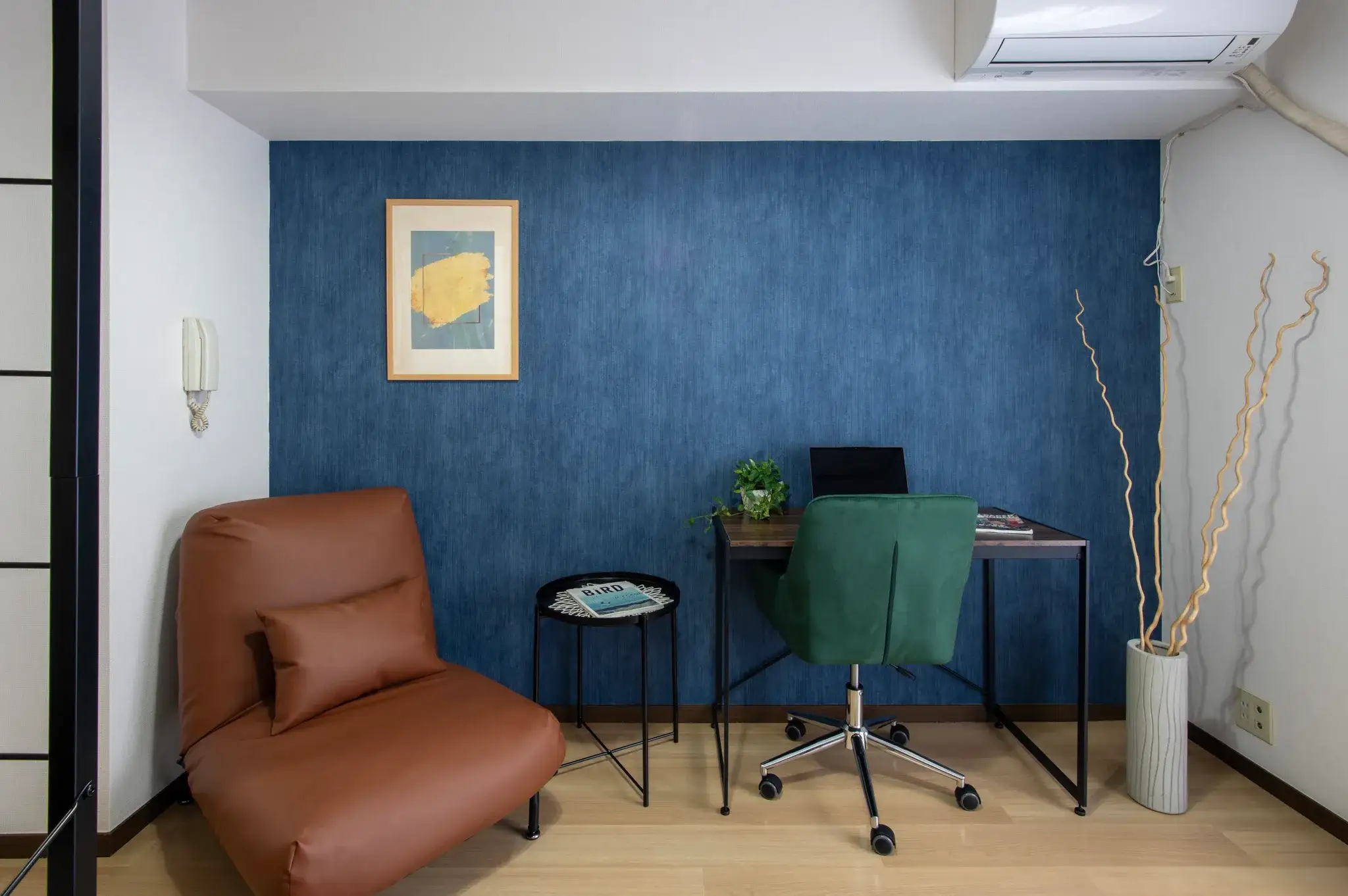 Possivelmente a partir de Dec 3, 2026
Apartamento mobiliado em Meguro
ML Meguro — 208
 Disponível Agora
Apartamento mobiliado em Shinagawa
Beverly Homes Nishikoyama — Apartamento 103