
Verão em Tóquio: Como Enfrentar o Calor e Aproveitar ao Máximo

Afinal, Quão Quente Fica Tóquio? (Bem Mais do Que Você Imagina)
Se está planejando passar o verão em Tóquio, sobreviver ao calor do verão em Tóquio deveria estar genuinamente no topo da sua lista de preparação. Os verões de Tóquio não são apenas quentes — são brutalmente, implacavelmente quentes e úmidos de um jeito que pega a maioria dos recém-chegados completamente desprevenida.
De finais de junho até meados de setembro, as temperaturas regulamente chegam a 35°C (95°F) ou mais. Mas o verdadeiro desafio não é o número no termômetro — é a umidade, que frequentemente fica entre 70% e 90%. Essa combinação cria um calor pesado e pegajoso que torna até um passeio curto absolutamente exaustivo.
A estação chuvosa (tsuyu) ocorre aproximadamente de início de junho até meados de julho, trazendo céus cinzentos e chuvas diárias. Assim que passa, o auge do verão chega rapidamente. Agosto é tipicamente o pico — dias quentes, noites quentes e muito pouco alívio após o anoitecer. As noites no centro de Tóquio raramente caem abaixo de 25°C, um fenômeno que meteorologistas chamam de "noite tropical".
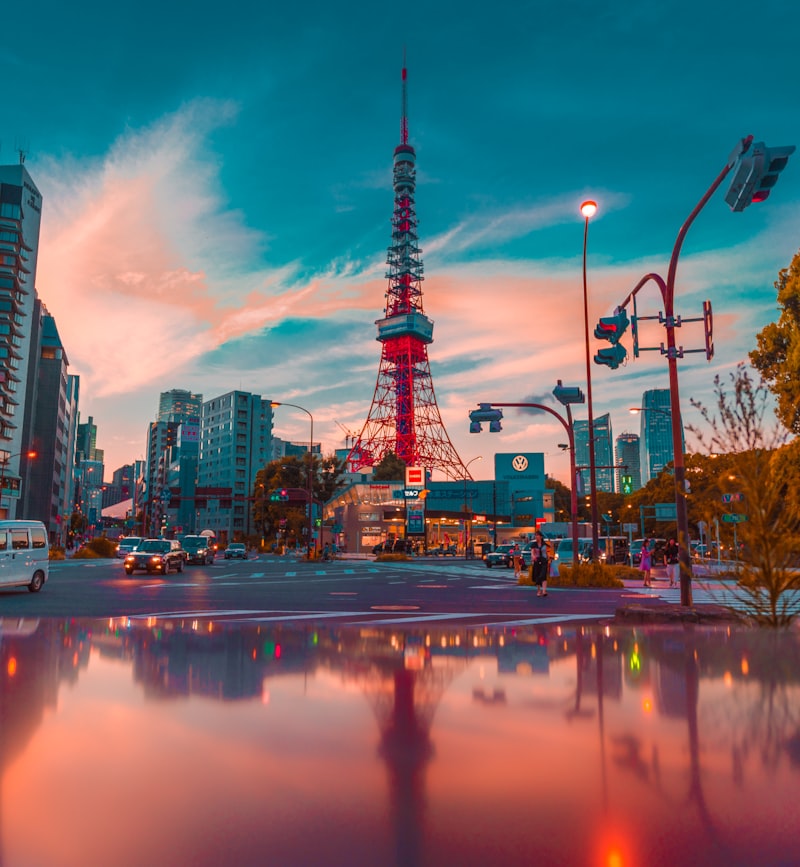
Sobrevivendo ao Calor do Verão em Tóquio: Dicas Práticas para se Manter Fresco
A boa notícia? Tóquio está excepcionalmente bem preparada para lidar com o calor — você só precisa saber como usar os sistemas da cidade a seu favor.
Vista-se com Inteligência
Tecidos leves e que absorvem umidade são seus melhores amigos. Procure por roupas com a etiqueta 接触冷感 (sesshoku reikan) — "tecido de toque frio" — disponíveis na Uniqlo, GU e na maioria das convenience stores. Roupas de linho soltas e malhas abertas também ajudam enormemente.
Carregue um guarda-chuva dobrável compacto (日傘, higasa) para proteção solar — é completamente normal em Tóquio e faz uma diferença genuína ao caminhar ao ar livre. Opções com proteção UV são amplamente vendidas na Loft, Tokyu Hands e em farmácias como a Matsumoto Kiyoshi.
Use as Convenience Stores como Estações de Resfriamento
Este pode ser o truque de verão em Tóquio mais importante. 7-Eleven, FamilyMart e Lawson estão em toda parte — raramente há mais de uma caminhada de 5 minutos entre elas — e elas têm um ar-condicionado maravilhoso. Entre, pegue uma bebida fria ou um sorvete, e refresque-se antes de continuar sua jornada.
Programe Suas Atividades ao Ar Livre com Sabedoria
- Evite ficar ao ar livre entre 11h e 15h — horários de pico de calor
- Caminhadas matinais antes das 9h são genuinamente agradáveis
- Noites após as 18h tornam-se mais toleráveis, especialmente perto da água
- Mantenha um spray refrescante ou toalha molhada na sua mochila o tempo todo
- Carregue uma garrafa de água reutilizável — a desidratação acontece mais rápido do que você espera
Abrace o Ar-Condicionado
A rede de trens de Tóquio, shoppings, lojas de departamentos e museus são todos bem ar-condicionados. Aprender a planejar seu dia em torno desses espaços não é preguiça — é sabedoria. Muitos moradores locais fazem exatamente o mesmo.
Se estiver morando em um apartamento mobiliado ou casa compartilhada, certifique-se de que sua unidade tem um ar-condicionador em funcionamento antes do verão chegar. Na Modern Living Tokyo, todos os nossos apartamentos e casas compartilhadas incluem ar-condicionado como padrão — inegociável para morar em Tóquio durante o verão.
Atenção: Insolação (熱中症, necchuushou) é um risco médico genuíno nos verões de Tóquio. Se sentir tontura, náusea ou parar de suar apesar do calor, dirija-se para um local fresco imediatamente e beba água. As convenience stores japonesas vendem bebidas de reidratação oral — Pocari Sweat e Aquarius são excelentes escolhas.
Festivais de Verão e Fogos de Artifício: O Calendário de Eventos que Você Precisa Conhecer
Aqui está o outro lado dos verões brutais de Tóquio: a cidade absolutamente ganha vida com alguns dos festivais e eventos mais espetaculares do mundo. Esta é genuinamente uma das melhores estações para estar no Japão.
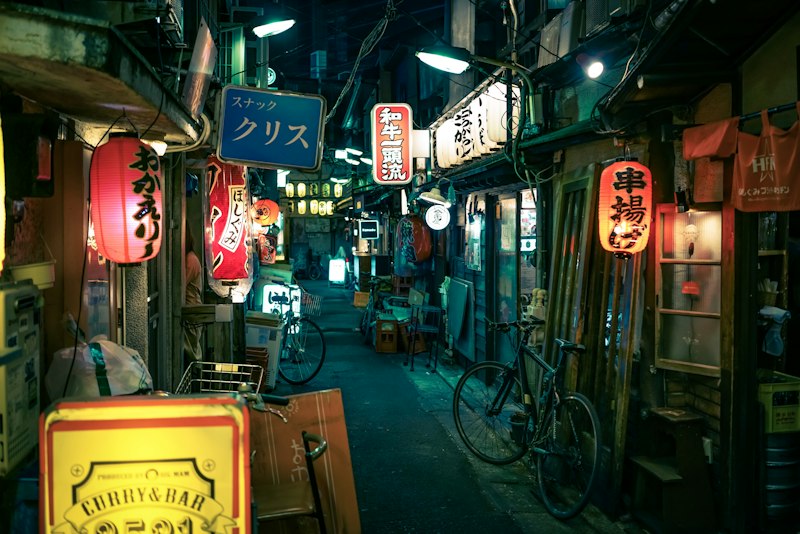
Principais Exibições de Fogos de Artifício (Hanabi)
Fogos de artifício (hanabi) são o centro da cultura de verão em Tóquio. Estas não são exibições de cidades pequenas — os principais festivais de hanabi de Tóquio lançam dezenas de milhares de foguetes sobre rios e parques, atraindo multidões enormes em yukata (quimono de verão).
- Festival de Fogos de Artifício do Rio Sumida — Finais de julho, ao redor de Asakusa. Um dos mais antigos e icônicos de Tóquio, com mais de 20 mil fogos de artifício
- Festival de Fogos de Artifício de Edogawa — Início de agosto, na fronteira entre Tóquio e Chiba. Enorme e relativamente menos lotado
- Festival de Fogos de Artifício de Jingu Gaien — Meados de agosto, perto de Aoyama. Ótimo acesso e uma atmosfera animada
- Fogos de Artifício do Parque Memorial Showa de Tachikawa — Meados de agosto, no oeste de Tóquio — excelente se você quer mais espaço
Matsuri (Festivais Locais) para Ficar Atento
- Awa Odori em Koenji — Finais de agosto — um dos festivais de dança mais famosos do Japão, bem em Tóquio
- Festival Fukagawa Hachiman — Meados de agosto (realizado a cada três anos) — um grande festival tradicional perto de Kiyosumi-Shirakawa
- Danças Bon Odori — realizadas em santuários e parques durante julho e agosto em todos os bairros
Os festivais de verão de Tóquio são prova de que o calor da cidade vem com uma contrapartida — e é espetacular. Nenhuma outra estação preenche as ruas com tanta cor, energia e espírito comunitário.
Dica de Profissional: Para festivais de fogos de artifício populares, reserve seu local de visualização no meio da tarde ou mais cedo. As convenience stores frequentemente vendem tapetes para locais de visualização reservados. Vestir um yukata é absolutamente encorajado — você pode alugar um perto das principais áreas de festival em Asakusa por cerca de ¥3.000–¥5.000 pelo dia.
Melhores Refúgios Internos Quando o Calor é Demais
Às vezes você só precisa se retirar para dentro. Tóquio tem uma variedade extraordinária de espaços com clima controlado que vão muito além de simples compras.
Museus e Galerias
- teamLab Planets (Toyosu) — arte digital imersiva em um ambiente fresco e escuro — reserve com antecedência
- Mori Art Museum (Roppongi Hills) — exposições de arte contemporânea de classe mundial com vistas incríveis da cidade
- Museu Nacional de Tóquio (Ueno) — explore a história e arte japonesas por horas em ar-condicionado blissful
- Estufa do Jardim Shinjuku Gyoen — plantas tropicais, jardins internos e caminhos frescos
Salões de Comida do Porão de Lojas de Departamentos (Depachika)
Os porões de lojas de departamentos japonesas são um fenômeno em si mesmo. Os salões de comida no Isetan (Shinjuku), Mitsukoshi (Ginza) e Takashimaya (Shibuya) são frescos, bonitos e cheios de delícias sazonais de verão. Perfeito para uma hora de passeio sem culpa.
Cafés de Mangá e Jogos
Cafés de mangá (manga kissa) são frescos, baratos e frequentemente abertos 24 horas. Por cerca de ¥500–¥800 por hora, você tem uma cabine privada, bebidas soft ilimitadas, mangá e Wi-Fi. São genuinamente populares com moradores locais para escapadas de calor à tarde.
Comidas e Bebidas de Verão que Você Absolutamente Precisa Experimentar
Uma das verdadeiras alegrias do verão no Japão é a cultura alimentar sazonal. Convenience stores, restaurantes e barracas de rua lançam uma variedade de itens exclusivos do verão que valem a pena procurar.
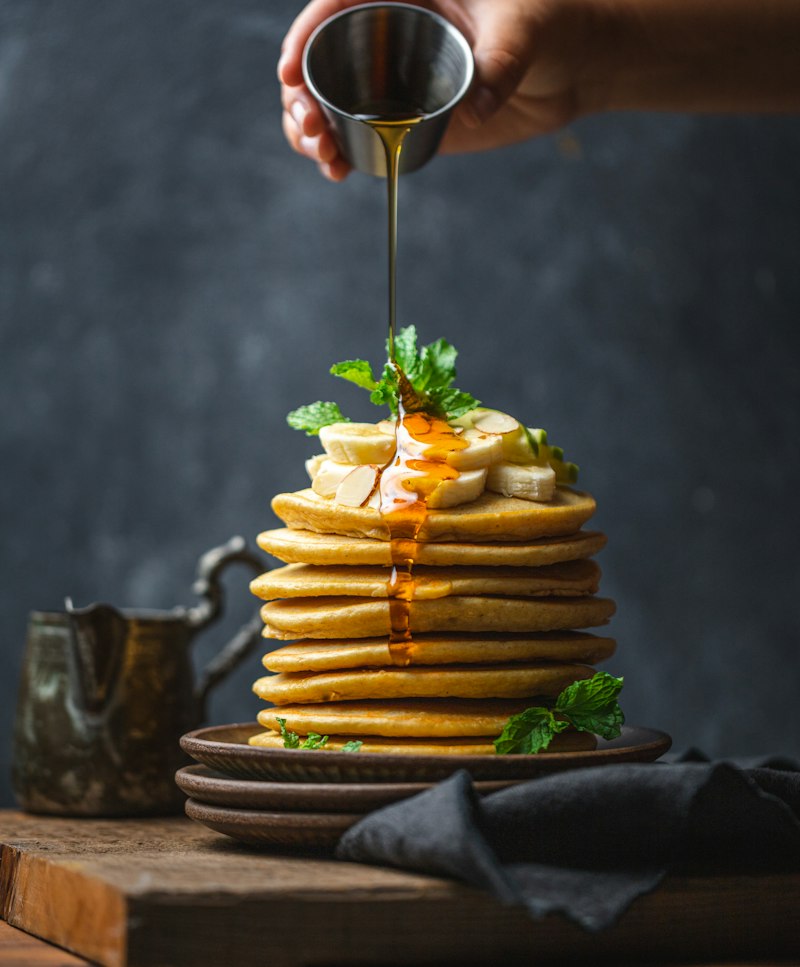
- Kakigori (かき氷) — gelo raspado japonês, aromatizado com xarope, leite condensado ou fruta fresca. Uma instituição de verão. Encontre versões sérias em cafés especializados em Harajuku e Koenji
- Hiyashi Chuka (冷やし中華) — macarrão ramen frio com coberturas incluindo pepino, presunto e ovo. Disponível apenas no verão — procure pelos sinais sazonais em lojas de ramen
- Somen (そうめん) — macarrão muito fino e frio, servido em água gelada com molho de imersão. Leve, refrescante e profundamente satisfatório
- Mugicha (麦茶) — chá de cevada torrada frio. Todo lar japonês tem uma garrafa na geladeira durante todo o verão. Experimente de qualquer convenience store — é livre de cafeína e maravilhosamente refrescante
- Edamame — grãos de soja salgados, perfeitos com cerveja gelada em qualquer izakaya
- Ramune — o icônico refrigerante em garrafa de mármore japonesa disponível em todas as barracas de festival e convenience stores
Opções de Praia e Passeios Diurnos de Tóquio
Quando o calor urbano de Tóquio se torna avassalador, a costa e as montanhas estão mais perto do que a maioria das pessoas percebe.
Opções de Praia
- Costa de Shonan (Kamakura / Enoshima / Chigasaki) — Aproximadamente 1 hora de Shinjuku de trem. O destino de praia mais popular da região de Tóquio, com uma cultura de surfe relaxada. Acesse através da Odakyu ou Shonan-Shinjuku Line por cerca de ¥900–¥1.200 de ida
- Península de Miura (Misaki / Jogashima) — 1,5 horas de Shinagawa. Litoral mais tranquilo e acidentado com excelente atum fresco no mercado de peixe local
- Península de Izu — 2 horas de Tóquio por Shinkansen ou trem expresso limitado. Água clara, fontes termais (onsen) e cenários vulcânicos dramáticos
Escapadas para as Montanhas
- Nikko (Tochigi) — Cerca de 2 horas de Asakusa pelo Tobu Express. Ar de montanha, cachoeiras e templos impressionantes — as temperaturas são notavelmente mais frias que o centro de Tóquio
- Okutama — Apenas 90 minutos de Shinjuku, bem dentro das montanhas de Tóquio. Trilhas de caminhada, rios e temperaturas 5–8°C mais frias que a cidade
- Hakone — 90 minutos de Shinjuku pelo Romance Car. Onsen, vistas do Monte Fuji (se o tempo permitir) e lagos de montanha
Aproveitando ao Máximo seu Verão em Tóquio
O verão em Tóquio é genuinamente uma das estações mais vívidas e memoráveis para experimentar o Japão. Sim, o calor é real — mas com a estratégia certa, o guarda-roupa certo e um cronograma diário flexível, você pode aproveitar os festivais, a comida, as praias e a energia de uma cidade plenamente viva.
A chave é parar de lutar contra o verão e começar a trabalhar com ele: mova-se lentamente, mantenha-se hidratado, abrace o ar-condicionado e economize sua energia para as noites mágicas quando a cidade se ilumina com lanternas, fogos de artifício e o som dos tambores de matsuri.
Se está passando o verão em Tóquio e quer uma base confortável e ar-condicionada para voltar após um dia de exploração, os apartamentos mobiliados e casas compartilhadas da Modern Living Tokyo são projetados exatamente para isso — prontos para se mudar, centralizados e frescos quando você precisa. Navegue nossas listagens disponíveis e encontre sua casa de verão perfeita na cidade.

Modern Living Tokyo
Artigos Relacionados
 Lifestyle
Praticando Artes Marciais em Tóquio: Guia Completo para Estrangeiros
Tudo o que você precisa saber para treinar artes marciais em Tóquio como estrangeiro — desde os melhores dojos até custos, etiqueta, questões de visto e os bairros ideais para morar.
 Modern Living TokyoLeia mais →
 Lifestyle
Mudando para Tóquio como Músico: Shows, Equipamentos e Comunidade
A cena de música ao vivo em Tóquio é vibrante, apaixonada e acolhedora com músicos estrangeiros que chegam bem preparados. Descubra como encontrar shows, equipamentos e comunidade na maior metrópole do Japão...
Modern Living TokyoLeia mais → Lifestyle
Jogos em Tóquio: Arcadas, Lojas Retrô & o Guia Completo para Estrangeiros
Tóquio é um paraíso para quem ama games — desde as arcadas de Akihabara até as lojas retrô em Nakano. Confira seu guia completo para aproveitar a cena gamer da cidade.
Modern Living TokyoLeia mais →Imóveis em destaque
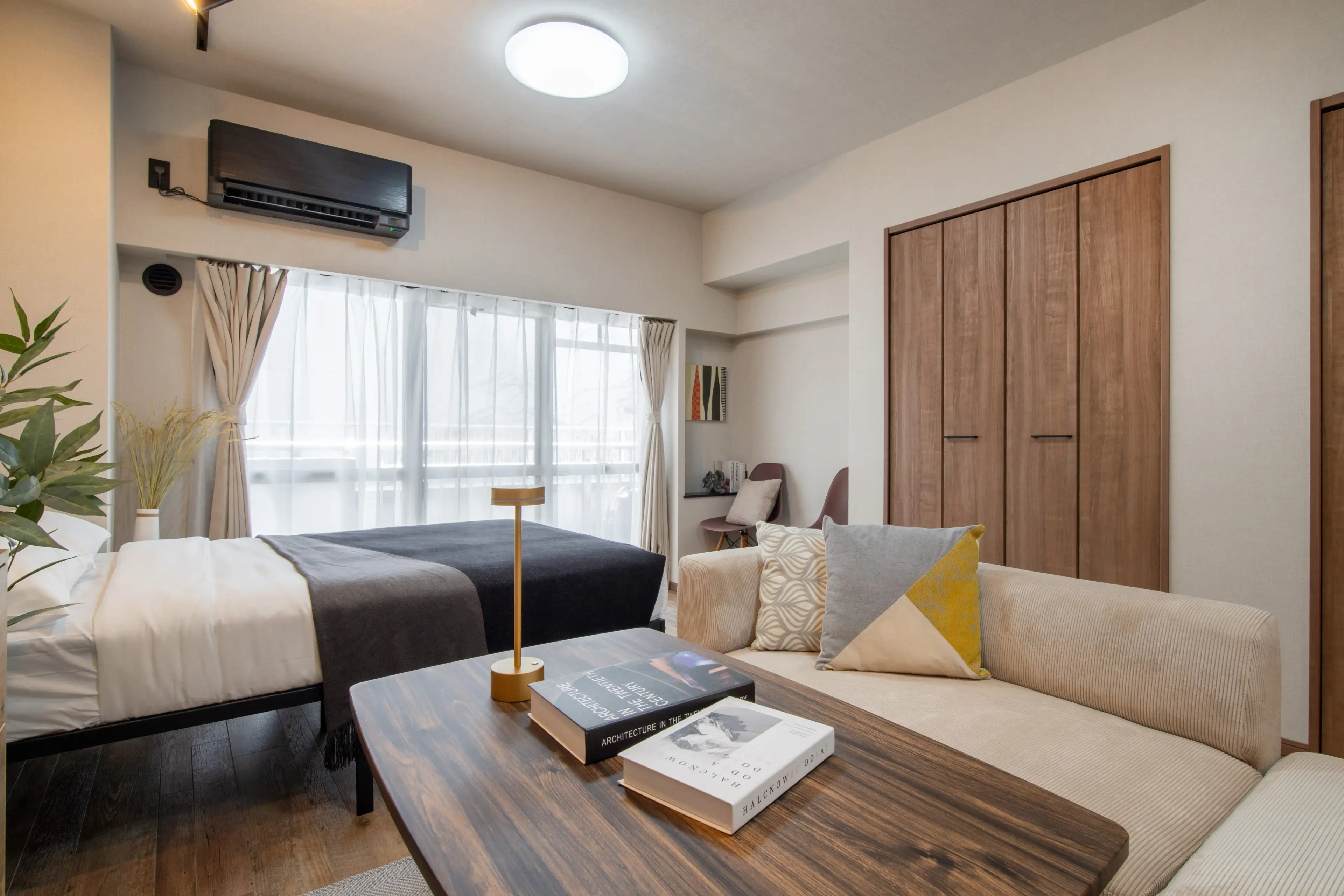 Ocupado
Fully Furnished Apartment 20 Min to Takadanobaba
Iidabashi High Town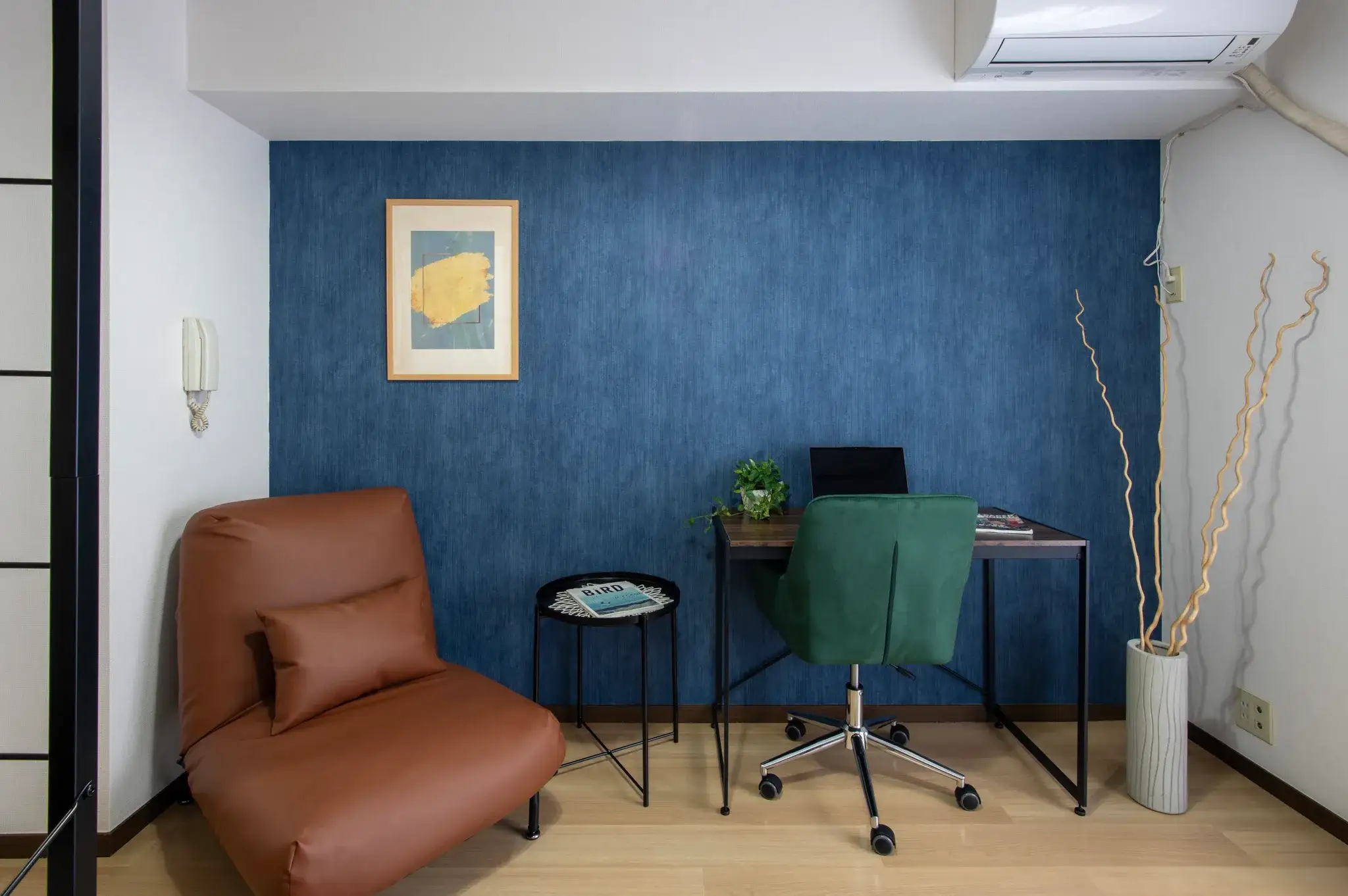 Possivelmente a partir de Dec 3, 2026
Apartamento mobiliado em Meguro
ML Meguro — 208
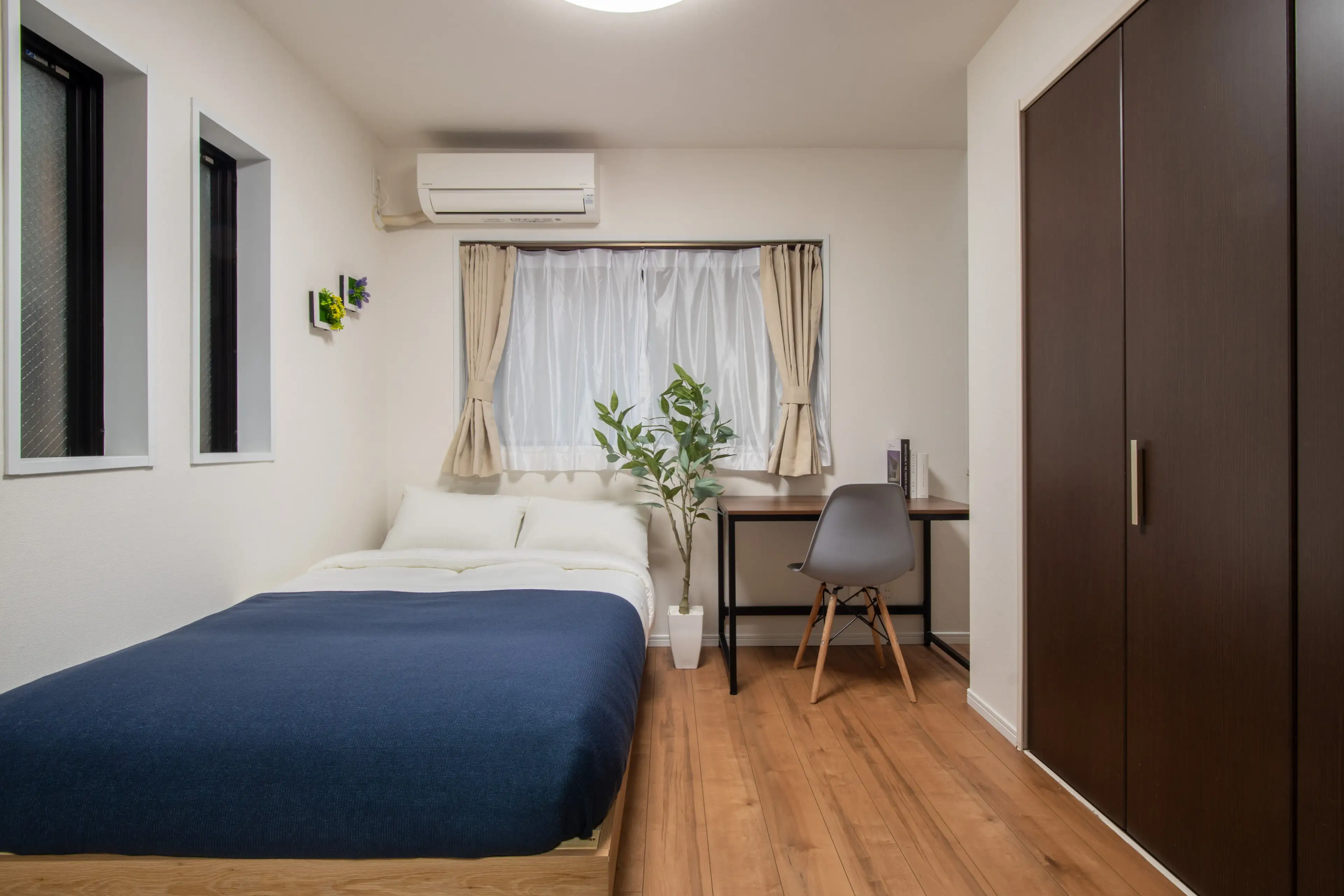 Disponível Agora
Apartamento mobiliado em Shinagawa
Beverly Homes Nishikoyama — Apartamento 103