
Os 5 Documentos Essenciais para Alugar um Apartamento no Japão

Por Que os Documentos Certos Fazem Toda a Diferença na Sua Candidatura de Aluguel no Japão
Navegar pelos documentos necessários para alugar um apartamento no Japão pode parecer assustador, especialmente se é a primeira vez que você lida com procedimentos de aluguel japoneses. Diferentemente de muitos países ocidentais, os proprietários aqui seguem um processo rigoroso e repleto de documentação — e um único papel faltando pode atrasar sua mudança por dias ou até semanas.
A boa notícia? Assim que você souber exatamente o que preparar, o processo se torna muito mais gerenciável. Este guia detalha os cinco documentos essenciais que todo estrangeiro precisa antes de assinar um contrato de aluguel em Tóquio ou em qualquer outro lugar do Japão.

Documento #1: Cartão de Residência (Zairyu Card) — Inegociável
Seu Cartão de Residência (在留カード, Zairyu Card) é o documento mais importante em toda lista de requisitos de aluguel no Japão para estrangeiros. Sem ele, praticamente nenhum proprietário ou agência imobiliária legítima processará sua candidatura.
O cartão é emitido no aeroporto quando você chega com um visto de médio a longo prazo (trabalho, estudante, cônjuge, etc.) ou na sua repartição municipal local após registrar seu endereço. Ele exibe seu nome, nacionalidade, status de visto e período permitido de permanência — detalhes que proprietários e empresas avalistas verificarão cuidadosamente.
O que os proprietários observam no seu Cartão de Residência
- Status de visto: Vistos de trabalho e vistos de cônjuge são geralmente preferidos; vistos de estudante às vezes recebem escrutínio adicional.
- Data de vencimento: Os proprietários querem ver um período de permanência razoável restante. Se seu cartão vencer em três meses, renove-o primeiro se possível.
- Campo de endereço: Deve ser preenchido após você se registrar na sua repartição municipal/prefeitura local (役所, yakusho).
Dica de Ouro: Faça pelo menos quatro cópias de ambos os lados do seu Cartão de Residência antes de começar a procurar apartamentos. Diferentes agências e empresas avalistas querem suas próprias cópias, e ir à loja de conveniência toda vez que precisa se torna dispendioso rapidamente.
Documento #2: Comprovante de Renda ou Carta de Patrocínio
Proprietários no Japão querem garantia de que você pode pagar o aluguel consistentemente. Para residentes empregados, isso significa apresentar um certificado de emprego (zaishoku shomeisho) e contracheques recentes (tipicamente os últimos três meses).
Se você chegou recentemente e ainda não recebeu seu primeiro salário, uma carta de patrocínio formal do seu empregador no papel timbrado da empresa — informando seu cargo, salário e data de início do emprego — é geralmente aceita como substituto. Algumas agências também aceitam uma carta de oferta combinada com seu contrato de trabalho.
Para estudantes e candidatos autônomos
- Estudantes: Uma carta da sua escola confirmando matrícula, além de comprovação de suporte financeiro (transferências bancárias dos pais, documentação de bolsa).
- Freelancers / autônomos: Documentos de declaração de impostos (kakutei shinkoku) do último um a dois anos são a comprovação padrão de renda.
- Trabalhadores remotos com renda do exterior: Extratos bancários mostrando depósitos regulares e uma carta do seu empregador no exterior funcionam em muitos casos, embora a aceitação varie por proprietário.
No mercado imobiliário japonês, confiança é tudo — e cada documento que você apresenta é essencialmente seu proprietário dizendo "sim, esta pessoa é confiável o suficiente para morar aqui."
Documento #3: Cópia do Visto e Comprovante de Período de Permanência
Mesmo que seu Cartão de Residência já mostre seu status de visto, muitos proprietários e empresas avalistas no Japão também solicitam uma cópia do carimbo de visto em seu passaporte. Esta verificação dupla é prática padrão em documentação imobiliária japonesa.
Você geralmente precisa fornecer uma fotocópia clara da página do passaporte mostrando seus dados pessoais junto com a página mostrando seu carimbo de visto atual. Se você renovou recentemente seu visto e tem um novo adesivo, inclua cópias dos carimbos antigos e novos para mostrar continuidade do status legal.

Por Que o Período de Permanência Importa Tanto
Contratos de aluguel padrão no Japão têm duração de dois anos. Se seu visto atual vencer em menos de um ano, alguns proprietários ficam cautelosos — eles se preocupam que você possa sair no meio do contrato. Para abordar essa preocupação proativamente, traga uma nota breve explicando seu processo de renovação de visto, ou peça ao seu departamento de RH para incluir expectativas de renovação em sua carta de emprego.
Bom Saber: Se sua renovação de visto já está em andamento (você tem um carimbo de "renovação solicitada" em seu passaporte), a maioria das agências aceitará isso. Mostre o adesivo ou traga o comprovante de recebimento da Agência de Serviços de Imigração.
Documento #4: Aprovação de Avalista ou Empresa Avalista
O sistema de aluguel japonês tradicionalmente exigia um avalista pessoal (hoshounin) — geralmente um cidadão japonês disposto a co-assinar e assumir responsabilidade financeira se você não pagasse o aluguel. Para a maioria dos estrangeiros, encontrar tal pessoa é praticamente impossível.
Hoje, a grande maioria das propriedades alugadas usa empresas avalistas (hoshougaisha) em vez disso. Essas são empresas licenciadas que, por uma taxa (tipicamente 50–100% do aluguel de um mês adiantado, além de uma taxa de renovação anual em torno de ¥10.000–¥20.000), concordam em cobrir aluguel não pago em seu nome.
O Processo de Candidatura da Empresa Avalista
- Sua agência imobiliária submete seus documentos à empresa avalista em seu nome.
- A empresa revisa sua renda, status de visto e histórico de aluguel (geralmente 1–3 dias úteis).
- Eles podem ligar para você diretamente para verificar suas informações — atenda números desconhecidos durante este período.
- Uma vez aprovado, você assina um contrato separado com a empresa avalista além do seu contrato de aluguel.
Empresas avalistas comuns que você encontrará incluem ORICO, Roombank, Cosmos Initia e Tokyo Guaranty. As taxas de aprovação para estrangeiros melhoraram significativamente nos últimos anos, especialmente para aqueles com emprego estável e um visto de longo prazo válido.
Documento #5: Extrato Bancário e Cartão My Number
Nem todo proprietário exige estes, mas você deve tê-los prontos — especialmente se estiver se candidatando sem comprovação de renda forte ou se estiver alugando através de um operador maior e mais burocrático.
Um extrato bancário japonês mostrando três a seis meses de transações estáveis reassegura aos proprietários que você tem reservas financeiras mesmo durante meses lentos. A maioria dos grandes bancos como Japan Post Bank (JP Bank), Shinsei Bank ou SMBC permite que você imprima um extrato formal nos caixas eletrônicos ou balcões de seus ramos.
O Cartão My Number (Cartão de Número Individual)
Seu Cartão My Number (Kojin Bangō Card) é o cartão de identificação de número nacional do Japão. Embora nem sempre seja necessário para aluguéis, algumas empresas maiores de gerenciamento de propriedades e operadores avalistas solicitam para verificação de identidade, particularmente desde 2023 como parte de esforços de digitalização administrativa mais amplos.
Se você ainda não tem seu cartão físico, pode usar sua carta de notificação My Number (o papel enviado para seu endereço registrado) como alternativa na maioria dos casos. Solicite o cartão completo na sua repartição municipal local — é gratuito e leva cerca de 1–2 meses para chegar.
Documentos adicionais que podem ser solicitados
- Certificado de registro de carimbo (inkan shomeisho): Raramente exigido hoje, mas ocasionalmente pedido por proprietários mais antigos.
- Formulário de contato de emergência: Geralmente alguém no Japão, embora algumas agências aceitem contatos no exterior para inquilinos estrangeiros.
- Documento de identidade com foto além do Cartão de Residência: Alguns operadores solicitam uma segunda forma de ID — seu passaporte funciona perfeitamente aqui.

Lista de Verificação de Preparação de Documentos: O Que Você Precisa para Alugar em Tóquio
Use esta lista antes de visitar qualquer agência imobiliária. Ter tudo pronto — mesmo para apartamentos para os quais você ainda não se candidatou — coloca você em uma posição forte para agir rapidamente quando encontrar o lugar certo.
- ✅ Cartão de Residência (original + 4 fotocópias, frente e verso)
- ✅ Passaporte (original + cópias da página de dados pessoais e carimbo de visto atual)
- ✅ Certificado de emprego ou matrícula (datado nos últimos 3 meses)
- ✅ Últimos 3 meses de contracheques (ou declaração de impostos para autônomos)
- ✅ Carta de patrocínio / oferta (se recentemente empregado)
- ✅ Detalhes de conta bancária japonesa (número da conta, informações da agência)
- ✅ Extrato bancário (3–6 meses, impresso ou baixado como PDF)
- ✅ Cartão My Number ou carta de notificação
- ✅ Informações de contato de emergência (nome, telefone, relacionamento)
- ✅ Carimbo pessoal (hanko) ou assinatura (confirme com seu agente qual é aceito)
Atenção: O mercado de aluguel de Tóquio se move rápido — apartamentos desejáveis em áreas como Shinjuku, Shibuya ou Setagaya podem ser alugados em 24–48 horas após o anúncio. Tenha seus documentos totalmente preparados antes de começar a buscar seriamente para que você possa enviar uma candidatura no mesmo dia em que encontrar o lugar certo.
Considerações Finais: Comece Preparado, Mude-se Mais Rápido
Entender os requisitos de aluguel no Japão para estrangeiros antes de começar sua busca elimina uma das maiores fontes de estresse de todo o processo de mudança. A documentação pode parecer extensa, mas uma vez que sua pasta de documentos esteja pronta, o próprio processo de candidatura é geralmente direto.
Se você ainda está reunindo esses documentos — talvez tenha chegado recentemente, esteja entre empregos ou esperando seu Cartão de Residência — apartamentos mobiliados e casarões compartilhados podem ser uma excelente solução de transição. Na Modern Living Tokyo, nossos apartamentos mobiliados e casarões compartilhados são projetados especificamente para residentes internacionais, com um processo de candidatura significativamente mais simples do que o mercado de aluguel tradicional japonês. Você pode se mudar rapidamente sem precisar de aprovação de empresa avalista ou meses de contracheques, dando a você tempo e estabilidade para construir seu perfil completo de documentos para um futuro aluguel de longo prazo.
Pronto para explorar suas opções em Tóquio? Navegue pelos nossos quartos e apartamentos disponíveis, ou entre em contato com nossa equipe — estamos felizes em guiá-lo em cada etapa de encontrar seu lar no Japão.

Modern Living Tokyo
Artigos Relacionados
 Moving Guide
Visto de Working Holiday no Japão: Tudo o que Você Precisa Saber (2026)
Guia completo sobre o visto de working holiday no Japão em 2026 — países elegíveis, como se candidatar, oportunidades de trabalho, dicas de moradia e opções de conversão de visto.
 Modern Living TokyoLeia mais →
 Moving Guide
Aluguel no Japão: Taxas Ocultas e Como Evitá-las
Desde a reikin até as taxas de garantidor, os custos de aluguel no Japão vão muito além da mensalidade. Descubra todas as taxas ocultas explicadas — e como evitá-las.
Modern Living TokyoLeia mais → Moving Guide
Mobiliando seu apartamento em Tóquio: o que você realmente precisa
Vai mobiliar um apartamento em Tóquio? Descubra exatamente o que comprar, onde fazer suas compras e o que pode deixar de lado — com preços reais e recomendações de lojas.
Modern Living TokyoLeia mais →Imóveis em destaque
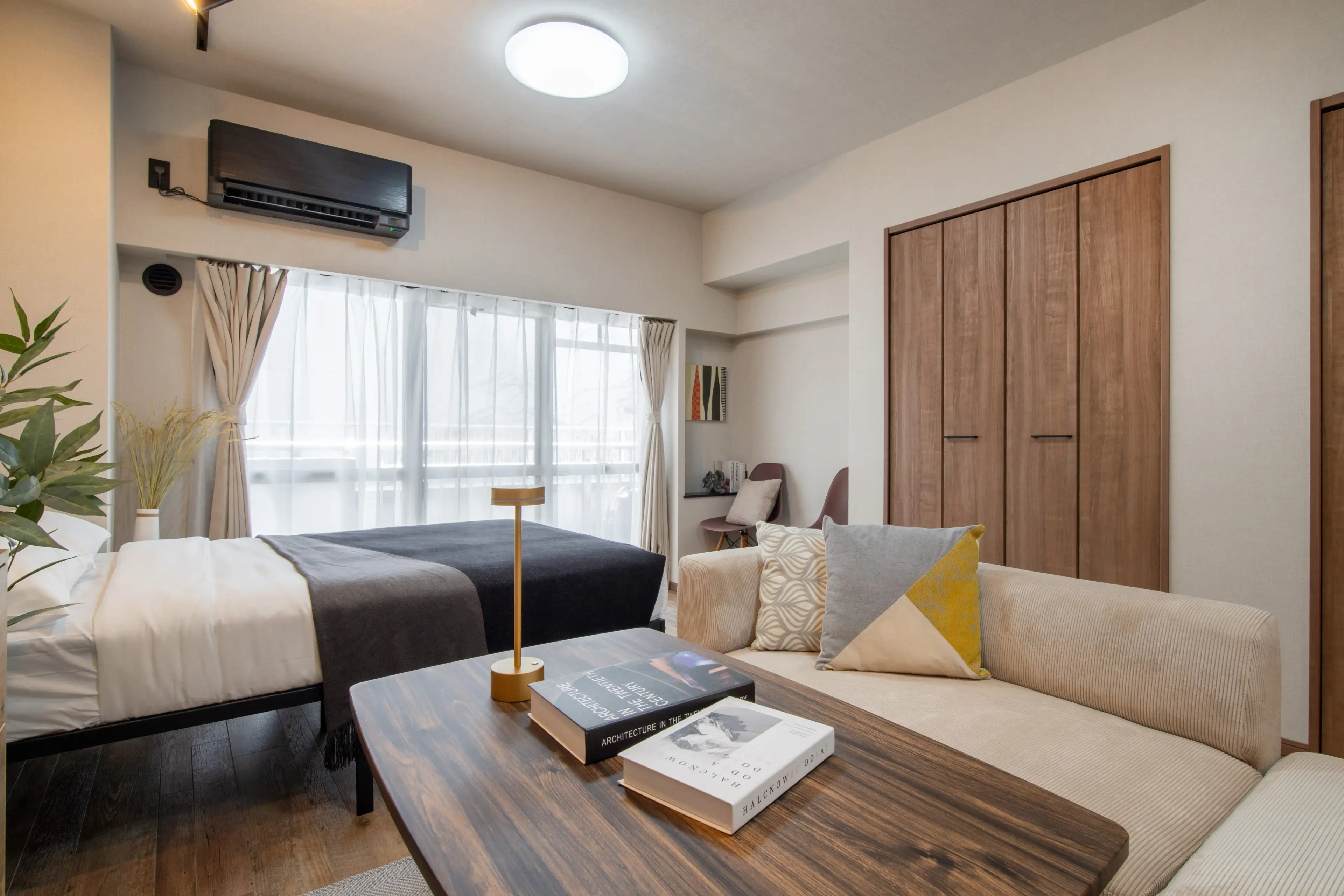 Ocupado
Fully Furnished Apartment 20 Min to Takadanobaba
Iidabashi High Town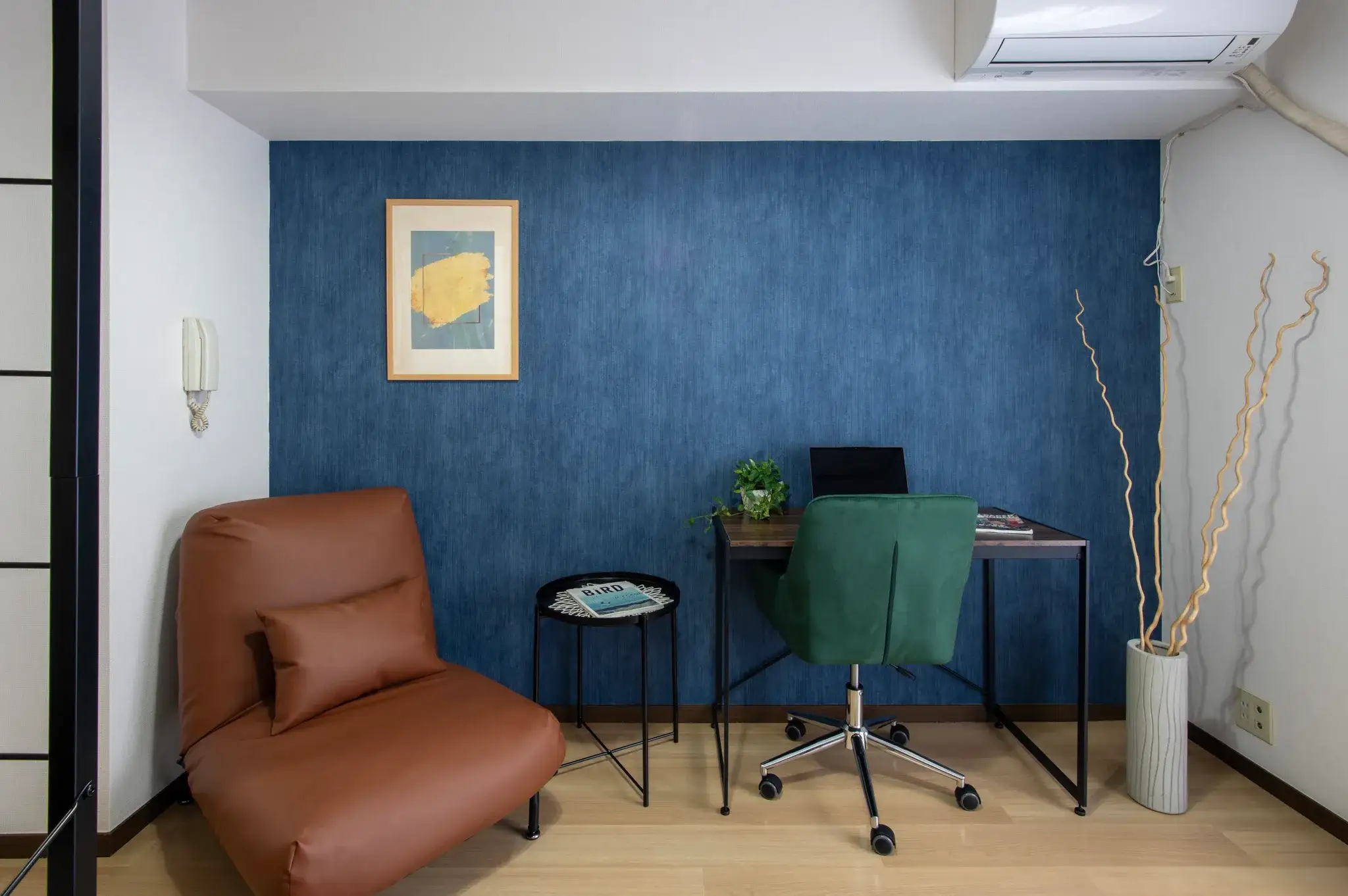 Possivelmente a partir de Dec 3, 2026
Apartamento mobiliado em Meguro
ML Meguro — 208
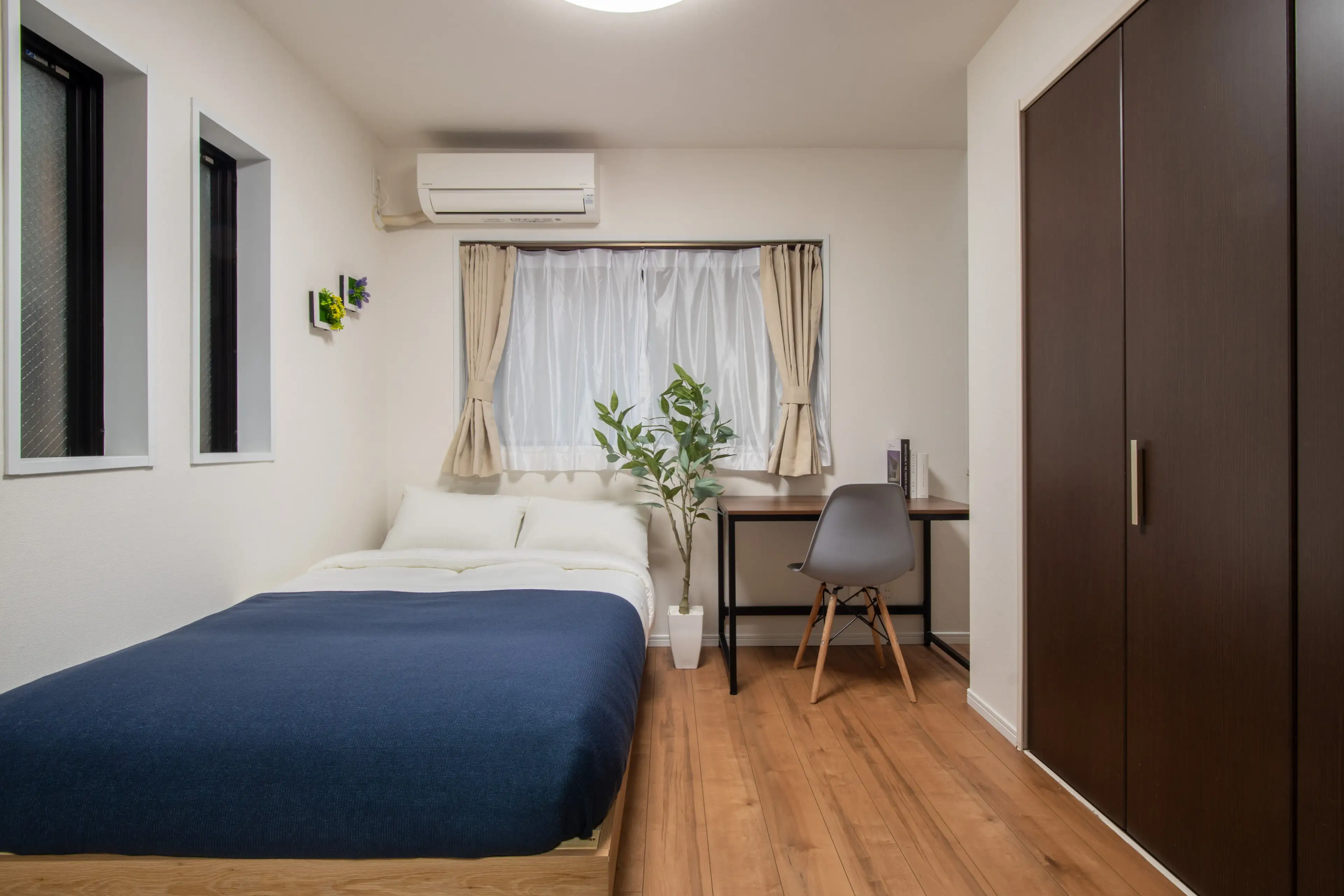 Disponível Agora
Apartamento mobiliado em Shinagawa
Beverly Homes Nishikoyama — Apartamento 103