
O que é uma Share House em Tóquio? Benefícios, Desvantagens e Custos Reais

O que é uma Share House em Tóquio? Um Guia Completo (シェアハウス とは)
Se você está pesquisando opções de moradia em Tóquio, quase certamente já se deparou com o termo シェアハウス とは — ou "share house". Para muitos recém-chegados, é um conceito desconhecido que fica em algum lugar entre um hotel, um dormitório e um apartamento privado. Este guia explica exatamente o que é uma share house em Tóquio, quanto custa e se é a opção certa para seu estilo de vida.
Em resumo: uma share house é uma propriedade residencial totalmente mobiliada e administrada, onde múltiplos inquilinos alugam cada um um quarto privado e compartilham espaços comuns como cozinha, banheiros e sala de estar. Mas há muito mais do que isso — e os detalhes realmente importam quando você está planejando se mudar para o Japão.

Entendendo a シェアハウス: A Share House de Tóquio Explicada
No Japão, uma share house (シェアハウス) é uma propriedade residencial administrada profissionalmente. Diferentemente de um imóvel compartilhado casual arranjado entre amigos, as share houses são operadas por uma empresa de gestão ou proprietário que cuida de tudo — manutenção, limpeza de áreas comuns, contas de serviços e relações entre inquilinos.
Cada residente tem seu próprio quarto privado e trancável. Tudo mais — cozinha, banheiro, chuveiro, máquinas de lavar e sala de estar — é compartilhado. O nível de qualidade varia enormemente, desde opções básicas e econômicas até propriedades designer elegantes em Shibuya ou Shinjuku.
Características principais que definem uma share house no Japão:
- Quartos mobiliados — camas, mesas e armários quase sempre são fornecidos
- Contas incluídas — água, eletricidade, gás e WiFi normalmente estão inclusos no seu aluguel mensal
- Sem necessidade de avalista — uma enorme vantagem para estrangeiros que não têm um co-assinante japonês
- Períodos mínimos curtos — muitas permitem contratos a partir de um mês, ideal para quem está testando as águas
- Custos baixos de mudança — normalmente apenas uma taxa de registro e o primeiro mês de aluguel
Como uma Share House se Compara a um Imóvel Compartilhado ou Dormitório
Se você vem do Reino Unido, Austrália ou Estados Unidos, pode achar que uma share house soa como o que você chamaria de "flat compartilhado". É semelhante, mas existem algumas diferenças importantes.
Em um imóvel compartilhado ao estilo ocidental, você normalmente arranja as coisas diretamente com outros inquilinos, divide as contas você mesmo, e a propriedade muitas vezes é sem móveis. Uma share house japonesa elimina toda essa fricção. A empresa de gestão é seu ponto único de contato para tudo.
Comparada a um dormitório de estudantes, uma share house oferece muito mais independência. Você entra e sai como quiser, não há toque de recolher, e você está vivendo ao lado de adultos que trabalham e viajantes — não apenas estudantes.
Bom saber: Muitas share houses em Tóquio são propriedades "internacionais", o que significa que atraem ativamente residentes tanto japoneses quanto estrangeiros. Isso as torna um excelente ambiente para troca de idiomas e construção de uma rede social desde o primeiro dia.
Custos Mensais Típicos: Quanto Realmente Custa uma Share House em Tóquio?
O custo é geralmente a primeira pergunta que as pessoas fazem — e com razão. Tóquio tem fama de ser cara, mas as share houses são genuinamente uma das opções de moradia mais acessíveis disponíveis para estrangeiros.
Aqui está um resumo realista do que você pode esperar pagar, dependendo da localização e tipo de quarto:
- Share houses econômicas (áreas periféricas como Adachi, Edogawa): ¥40.000–¥55.000/mês
- Share houses de médio alcance (Nakameguro, Shimokitazawa, Koenji): ¥60.000–¥80.000/mês
- Share houses premium (Shinjuku, Shibuya, Minato): ¥80.000–¥120.000/mês
Crucialmente, esses preços incluem serviços básicos, WiFi e quartos mobiliados. Compare isso com um apartamento padrão (賃貸) em Tóquio, onde você normalmente pagaria um depósito de segurança de 1–2 meses de aluguel, uma "taxa de entrada" (礼金) de 1–2 meses de aluguel, uma taxa de agência e depois serviços básicos além do aluguel mensal bruto. As economias iniciais com uma share house são significativas.
Os custos de mudança para uma share house normalmente são apenas:
- Uma taxa de registro ou administração (aproximadamente ¥10.000–¥30.000)
- Primeiro mês de aluguel (às vezes um valor parcial se você se mudar no meio do mês)
- Um pequeno depósito, se necessário (frequentemente zero)

Benefícios Reais de Viver em uma Share House em Tóquio
Além das economias de custos, existem várias vantagens genuínas de estilo de vida que tornam as share houses populares entre expatriados, trabalhos remotos e estudantes.
Sem Necessidade de Japonês (para a documentação)
Alugar um apartamento padrão no Japão é notoriamente difícil para estrangeiros. Você precisa de um avalista japonês, renda estável e a capacidade de ler contratos legais densos em japonês. Os operadores de share houses lidam com residentes estrangeiros constantemente, e muitos oferecem contratos e suporte em inglês.
Pronto para se Mudar Imediatamente
As share houses são mobiliadas e conectadas. No dia da mudança, sua cama está lá, o WiFi está funcionando, e você pode cozinhar o jantar na cozinha. Para alguém chegando em Tóquio com apenas uma mala, isso é inestimável.
Rede Social Construída
Mudar para uma nova cidade — especialmente uma tão grande quanto Tóquio — pode ser solitário. As share houses resolvem isso instantaneamente. Você compartilhará refeições, áreas comuns e muitas vezes planos de fim de semana com colegas de quarto de todo o mundo. Muitos residentes dizem que as amizades que fizeram em uma share house se tornaram suas conexões mais importantes no Japão.
Flexibilidade
Precisa sair após dois meses porque um emprego não deu certo? A maioria das share houses permite períodos mínimos curtos e períodos de notificação relativamente curtos. Apartamentos padrão no Japão normalmente o prendem a um contrato de dois anos. Para quem sua situação possa mudar, essa flexibilidade tem valor real.
"As amizades que fiz em minha share house em Tóquio se tornaram minhas conexões mais importantes no Japão — e começaram no dia em que me mudei."
Desvantagens Honestas a Considerar Antes de Assinar
Uma share house não é a opção certa para todos, e é importante ter expectativas realistas.
Privacidade Limitada
Você tem seu quarto privado, mas além disso, a privacidade é limitada. Se você precisa de silêncio para trabalhar, vai precisar se coordenar com os colegas de quarto. Se você é naturalmente uma pessoa privada ou um introvertido que acha a vida compartilhada cansativa, isso importa.
Tamanhos de Quarto Pequenos
Os quartos privados em share houses podem ser muito pequenos — às vezes tão pouco quanto 6–8 tatami (aproximadamente 10–13 metros quadrados). Se você está trazendo muitos pertences ou precisa de espaço para trabalhar de casa com conforto, isso pode ser uma limitação real.
Agendamento da Cozinha e Limpeza
Compartilhar uma cozinha com 10 ou mais pessoas significa se coordenar em horários de pico (normalmente 7–9 da manhã e 6–8 da noite). Alguns residentes são mais arrumados que outros. A maioria das share houses tem regras e cronogramas de limpeza, mas a realidade da vida comunitária é que os padrões variam.
Ruído e Estilos de Vida Diferentes
Seus colegas de quarto podem trabalhar em turnos noturnos, praticar guitarra em horas estranhas, ou simplesmente ter horários de sono diferentes. As boas share houses lidam com isso através de regras claras, mas vale a pena ler avaliações antes de se comprometer.
Dica Pro: Antes de assinar, pergunte ao operador da share house quantos residentes atualmente vivem na propriedade, qual é a situação da cozinha durante as horas de pico, e se existe um gerente (管理人) no local ou apenas um número de contato remoto. Esses detalhes revelam muito sobre a vida do dia a dia.
Para Quem uma Share House em Tóquio é Melhor Adequada?
Depois de pesar os benefícios e desvantagens, a vida em share house em Tóquio tende a funcionar excepcionalmente bem para certos tipos de pessoas.
Uma share house é provavelmente uma ótima opção se você:
- É novo em Tóquio e deseja se estabelecer rapidamente sem documentação complexa
- Está em um visto de férias de trabalho ou em uma tarefa de trabalho de curto prazo
- É um viajante solo ou nômade digital que quer comunidade sem compromissos de longo prazo
- É um estudante em intercâmbio ou frequenta uma escola de idiomas
- Está tentando ativamente melhorar seu japonês através de interação diária
- Tem orçamento limitado e quer manter os custos de moradia baixos em uma cidade cara
Pode não ser a melhor opção se você:
- Trabalha em casa em tempo integral e precisa de um espaço tranquilo e dedicado
- Tem um parceiro ou família que viverá com você
- Tem pertences significativos que não cabem em um quarto compacto
- Valoriza muito a privacidade e o silêncio como não-negociáveis

Encontrando a Share House Certa em Tóquio
Plataformas populares para procurar share houses em Tóquio incluem Sakura House, Tokyo Share House, Borderless House e SHARE HOUSE JAPAN. A maioria tem sites em inglês e permite que você filtre por área, orçamento e data de mudança.
Ao navegar, preste atenção no custo mensal total (certifique-se de que os serviços básicos estão incluídos), o período mínimo de permanência, o número de residentes e a distância da estação de trem mais próxima. Uma economia de ¥5.000/mês não significa muito se você está a 20 minutos da estação mais próxima.
Se você descobrir que a vida em share house não é exatamente a opção certa — ou se quiser mais espaço e privacidade sem a complexidade de um contrato tradicional japonês — um apartamento mobiliado vale a pena considerar. Na Modern Living Tokyo, nossos apartamentos mobiliados são projetados exatamente para esse meio termo: a facilidade e a cobrança tudo incluído de uma share house, com a independência e o espaço de sua própria unidade privada.
Quer você escolha uma share house ou um apartamento mobiliado, o mais importante é escolher um tipo de moradia que corresponda ao seu estilo de vida real — não apenas seu orçamento. Acerte nisso, e seu primeiro capítulo em Tóquio será um bom.
Modern Living Tokyo
Artigos Relacionados
 Moving Guide
O que é um Monthly Mansion em Tóquio? Guia Completo para Iniciantes
Tudo o que você precisa saber sobre monthly mansions em Tóquio: o que são, quanto custam e se essa é a melhor opção para sua estadia no Japão.
 Modern Living TokyoLeia mais →
 Moving Guide
O que é um Weekly Mansion em Tóquio? Preços, Contratos e Vantagens
Descubra o que realmente é um weekly mansion em Tóquio — custos, termos contratuais, o que está incluído e quando essa opção compensa mais do que outras alternativas de curta duração.
Modern Living TokyoLeia mais → Moving Guide
Férias Trabalho em Tóquio: Apartamentos Baratos e Repúblicas para seus Primeiros 6 Meses
Tudo que você precisa saber sobre moradia em Tóquio com visto de férias trabalho — desde orçamentos realistas e as melhores repúblicas até apartamentos mobiliados e como fazer a mudança de visto.
Modern Living TokyoLeia mais →Imóveis em destaque
 Ocupado
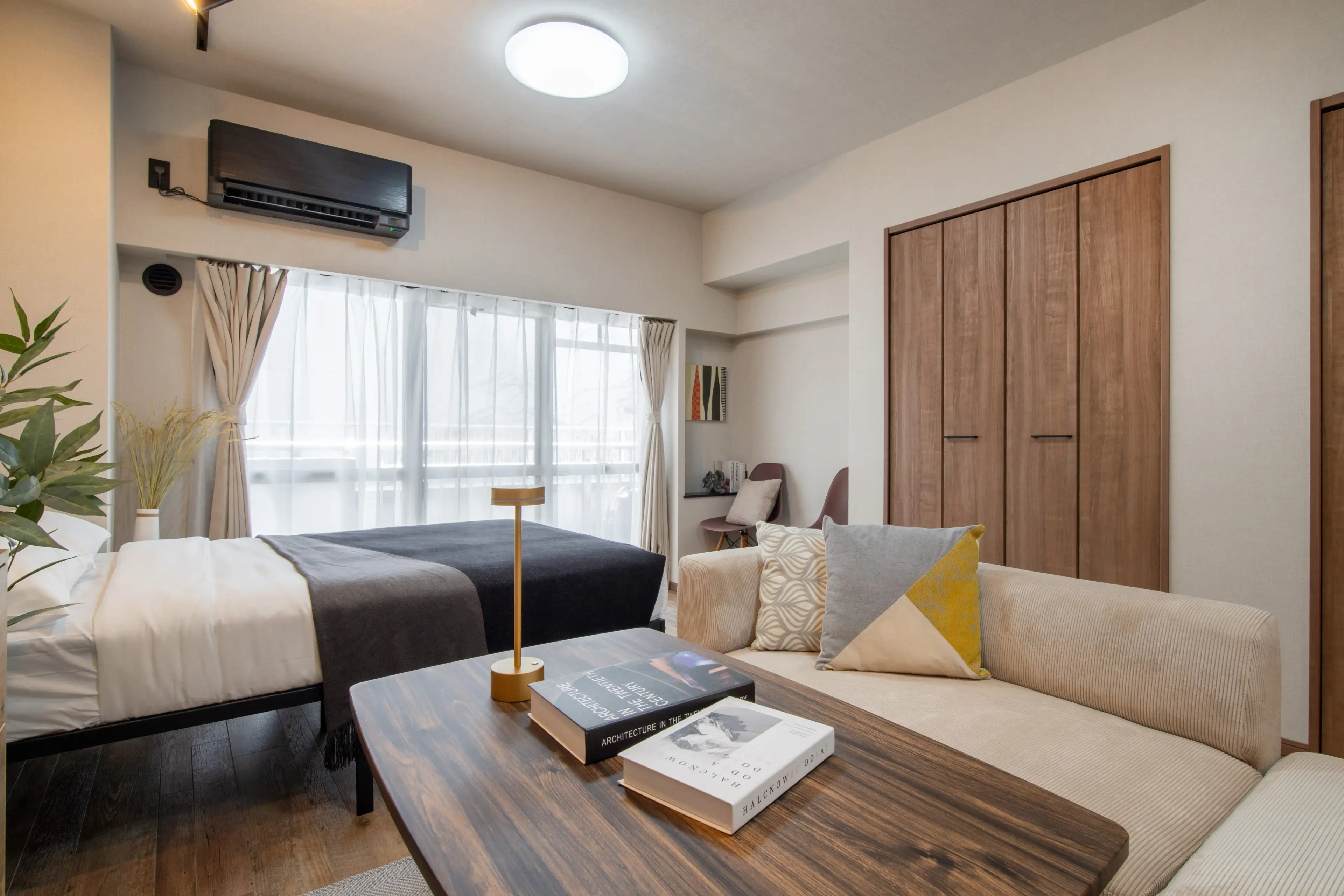
Fully Furnished Apartment 20 Min to Takadanobaba
Iidabashi High Town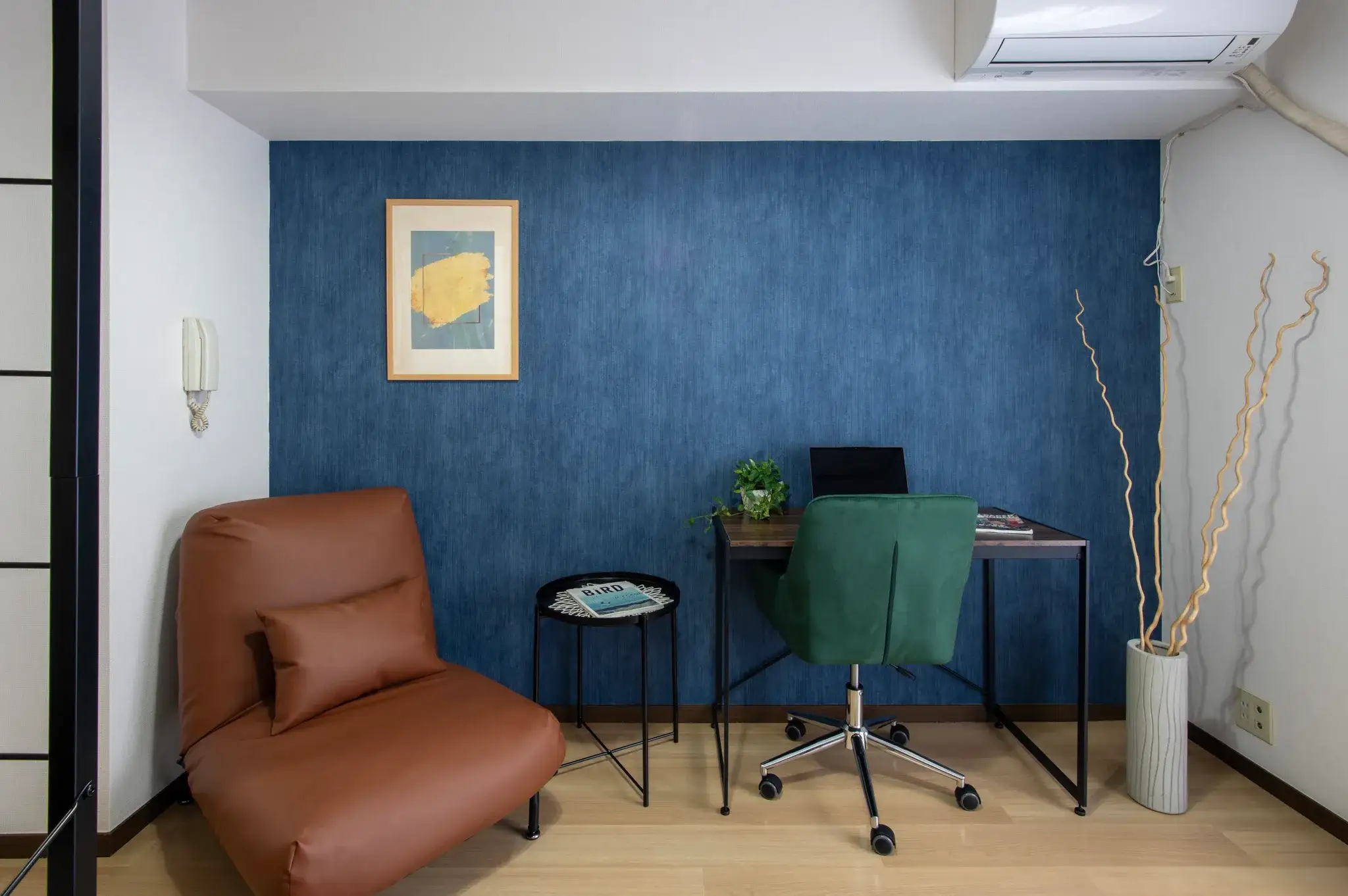 Disponível a partir de Dec 7, 2026
Apartamento mobiliado em Meguro
ML Meguro — 208
 Possivelmente a partir de Feb 22, 2027
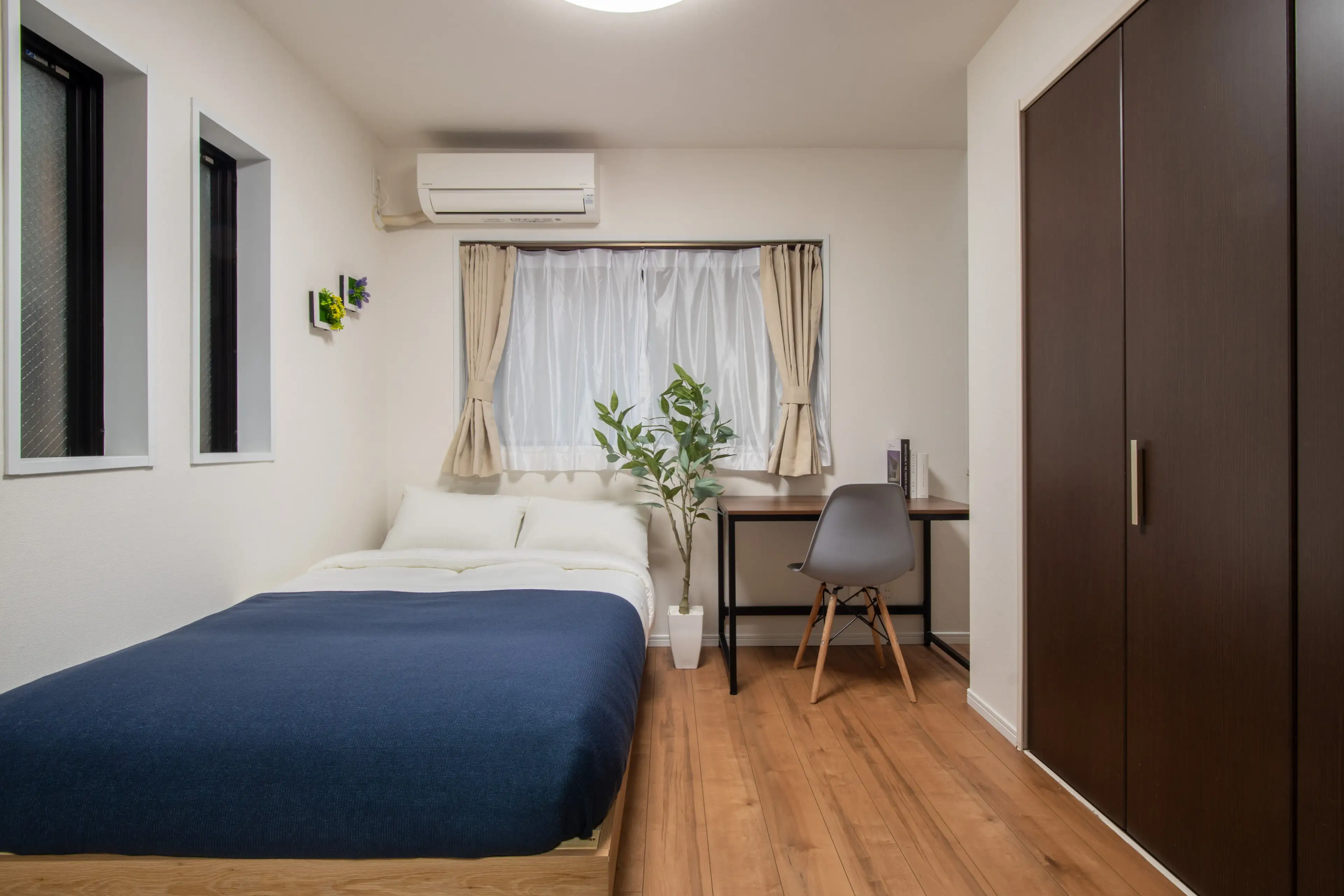
Apartamento mobiliado em Shinagawa
Beverly Homes Nishikoyama — Apartamento 103