
อพาร์ตเมนต์สำหรับครอบครัวในโตเกียว: คำแนะนำการเลือกที่อยู่อาศัยสำหรับครอบครัวต่างชาติ

การหาอพาร์ตเมนต์ที่เหมาะสำหรับครอบครัวในโตเกียว: สิ่งที่คุณต้องรู้ก่อนเริ่มต้น
การย้ายไปญี่ปุ่นกับบุตรหลายคนนั้นน่าตื่นเต้น แต่การหาอพาร์ตเมนต์สำหรับครอบครัวในโตเกียวต้องใช้การวางแผนอย่างจริงจังมากกว่าการย้ายสำหรับบุคคลเดียว เขตโรงเรียน เวลาเดินทาง สวนสนุก และสัดส่วนของห้องพักล้วนมีความสำคัญมากกว่าที่เคยเป็นมา คู่มือนี้จะแบ่งแยกทุกสิ่งที่ครอบครัวชาวต่างชาติต้องการทราบก่อนลงนามในสัญญาเช่าห้องที่โตเกียว
ข่าวดีคือ โตเกียวเป็นจริงเมืองหนึ่งในสำหรับการอยู่อาศัยของครอบครัวที่ดีที่สุดในโลก ปลอดภัย สะอาด และมีโครงสร้างพื้นฐานสาธารณะที่ยอดเยี่ยม ความท้าทายอยู่ที่การรู้ว่าย่านไหนและประเภทอพาร์ตเมนต์ไหนที่เหมาะกับวิถีชีวิตและงบประมาณของครอบครัวของคุณ

อะไรที่ทำให้อพาร์ตเมนต์เป็น "ที่เหมาะสำหรับครอบครัว" ในโตเกียว?
ในรายการสินค้าอสังหาริมทรัพย์ของโตเกียว คุณไม่มักจะเห็นคำว่า "เหมาะสำหรับครอบครัว" ระบุไว้อย่างชัดเจน คุณต้องรู้ว่าต้องมองหาอะไร นี่คือคุณสมบัติหลักที่จริงๆ มีความสำคัญเมื่อคุณมีเด็กอยู่
พื้นที่และการวางแผนห้องพัก
อพาร์ตเมนต์ในโตเกียวมักจะมีขนาดเล็ก ห้องที่รู้สึกสะดวกสบายอย่างสมบูรณ์สำหรับคู่รักอาจรู้สึกอึดอัดกับเด็กสองคนและสัมภาระของพวกเขา มองหาอพาร์ตเมนต์ที่มีลักษณะ 2LDK หรือ 3LDK (อ่านเพิ่มเติมเกี่ยวกับการวางแผนห้องพักด้านล่าง) และจำเป็นต้องตรวจสอบพื้นที่จริง ไม่ใช่เพียงจำนวนห้องเท่านั้น
การเข้าถึงชั้นพื้นดินและลิฟต์
เข็นเด็ก จักรยาน และอุปกรณ์กีฬาเป็นความเป็นจริงประจำวันของการมีบุตร อาคารที่ไม่มีลิฟต์เหนือชั้นที่ 3 จะเหนื่อยอย่างรวดเร็ว ตึกที่มีพื้นที่จอดจักรยานที่ปลอดภัยนั้นเป็นข้อบวกที่สำคัญในโตเกียว
ความใกล้เคียงกับโรงเรียนและสวนสาธารณะ
ความท้าทายการจัดการประจำวันที่ใหญ่ที่สุดสองประการสำหรับครอบครัวคือการส่งเด็กไปโรงเรียนและกิจกรรมหลังเลิกเรียน อพาร์ตเมนต์ที่อยู่ห่างจากโรงเรียนของบุตรคุณน้อยกว่า 15 นาที — ไม่ว่าจะเดินหรือรถไฟโดยตรง — จะสร้างความแตกต่างอย่างมากต่อคุณภาพชีวิต
กฎของอาคาร
อาคารอพาร์ตเมนต์บางหลังในโตเกียวมีกฎเกี่ยวกับการควบคุมเสียงที่เข้มงวด ซึ่งทำให้มันไม่เหมาะสำหรับครอบครัวที่มีเด็กเล็ก ถามตัวแทนหรือเจ้าของบ้านของคุณโดยตรงเกี่ยวกับนโยบายการควบคุมเสียงก่อนที่จะตัดสินใจ อาคารใหม่ที่มีการก่อสร้างแบบคอนกรีตมักเสนอการสะบัดเสียงที่ดีขึ้นมาก
เคล็ดลับมืออาชีพ:เมื่อชมอพาร์ตเมนต์โดยมีเด็กในใจ ให้เยี่ยมชมในตอนบ่ายของวันธรรมดา ฟังเสียงจากห้องข้างเคียง ตรวจสอบความกว้างของทางเดินเพื่อการเข็นเด็ก และมองหาพื้นที่ใช้ร่วมกันกลางแจ้ง การเดินไปยังร้านสะดวกซื้อที่ใกล้ที่สุดจะเปิดเผยบรรยากาศของย่านมากเช่นกัน
เขตที่ดีที่สุดสำหรับครอบครัวชาวต่างชาติในโตเกียว
ไม่ใช่ทั้งหมดของ 23 เขตของโตเกียวที่เหมาะสำหรับชีวิตครอบครัว โดยเฉพาะอย่างยิ่งสำหรับครอบครัวที่มาจากต่างประเทศ ย่านเหล่านี้มีอันดับสูงสุดอย่างต่อเนื่องสำหรับครอบครัวชาวต่างชาติที่กำลังมองหาย่านโตเกียวที่เหมาะสำหรับครอบครัว
Minato-ku (เขต Minato)
เป็นบ้านของสถานทูตและสำนักงานใหญ่ของบริษัทข้ามชาติจำนวนมาก Minato คือที่ที่ส่วนใหญ่ของชุมชนชาวต่างชาติในโตเกียวอยู่อาศัย ย่านเช่น Hiroo, Azabu-Juban และ Motoazabu มีบรรยากาศนานาชาติที่เห็นได้ชัดเจน พร้อมเมนูภาษาอังกฤษ ร้านค้าต่างประเทศ (National Azabu, Hiroo Supermarket) และความเข้มข้นของโรงเรียนนานาชาติใกล้เคียง คาดว่าต้องจ่ายเงินเพิ่มเติม — ค่าเช่าที่นี่อยู่ในอันดับสูงสุดของเมือง
Setagaya-ku (เขต Setagaya)
Setagaya เป็นเขตที่ใหญ่ที่สุดของโตเกียวตามประชากรและเป็นที่ชื่นชอบของครอบครัวที่ต้องการพื้นที่มากขึ้นตามงบประมาณของพวกเขา มีไม้เขียวขจี สงบสุข และเต็มไปด้วยสวนสนุก สายรถไฟ Tokyu Den-en-toshi และสายรถไฟ Odakyu เชื่อม Setagaya กับศูนย์กลาง Tokyo ในเวลา 20-35 นาที ค่าเช่าต่ำกว่า Minato หรือ Shibuya อย่างมีนัยสำคัญในขณะที่ยังคงมีคุณภาพชีวิตที่สูง
Meguro-ku (เขต Meguro)
Meguro มีความสมดุล — ศูนย์กลางพอสำหรับการเดินทางที่ง่าย แต่มีบรรยากาศที่พักอาศัยและสงบสุข Nakameguro และ Jiyugaoka เป็นที่นิยมในครอบครัวที่อายุน้อย การเชื่อมต่อการขนส่งที่ดี ร้านอาหารท้องถิ่นที่ยอดเยี่ยม และการเข้าถึงทั้งโรงเรียนนานาชาติและท้องถิ่นทำให้ Meguro เป็นตัวเลือกที่แข็งแกร่งโดยสม่ำเสมอ
Nerima-ku (เขต Nerima)
หากงบประมาณเป็นข้อกังวลหลัก Nerima มอบอพาร์ตเมนต์ที่ใหญ่ขึ้นอย่างน่าประหลาดใจในราคาที่ต่ำกว่า มันไม่ใช่ "ศูนย์กลาง expat" แต่เป็นสถานที่ที่น่ารัก โดยมีสวนใหญ่และบรรยากาศชนบท สายรถไฟ Seibu Ikebukuro เชื่อม Nerima กับศูนย์กลาง Tokyo ในประมาณ 20 นาที
Koto-ku (เขต Koto)
ด้วยการขยายตัวของพื้นที่ Ariake และ Toyosu, Koto ได้กลายมาเป็นที่นิยมมากขึ้นกับครอบครัวชาวต่างชาติ โดยเฉพาะอย่างยิ่งผู้ที่มีความสัมพันธ์กับอุตสาหกรรมเทคโนโลยีหรือการค้า อพาร์ตเมนต์ระฟ้าจัดสรรด้วยขนาดใหญ่นั้นพบได้ทั่วไปที่นี่ และมีโรงเรียนนานาชาติหลายแห่งในพื้นที่

โรงเรียนนานาชาติและคณิตศาสตร์เวลาเดินทาง
สำหรับครอบครัวชาวต่างชาติหลายแห่งในโตเกียวการเลือกอพาร์ตเมนต์เริ่มต้นจากโรงเรียน ไม่ใช่วิธีอื่นรอบ การวางตำแหน่งโรงเรียนนานาชาติมีการแข่งขัน รายชื่อรอคอยนั้นเป็นเรื่องจริง และเมื่อคุณได้สัญญาแล้ว คุณจึงจัดการชีวิตของคุณให้พอดีกับมัน
โรงเรียนนานาชาติหลักและสถานที่ตั้งของพวกเขา
- Tokyo International School — Minato-ku (พื้นที่ Mita)
- British School in Tokyo — Shibuya-ku (Shoto) และแคมปัสที่สองใน Kita-ku (Higashijujo)
- The American School in Japan (ASIJ) — เมือง Chofu (นอกเขตที่ 23 เล็กน้อย)
- Nishimachi International School — Minato-ku (Motoazabu)
- Tokyo Metropolitan International School — Edogawa-ku
- Christian Academy in Japan (CAJ) — Higashikurume, โตเกียวด้านตะวันตก
ก่อนที่คุณจะลงนามในสัญญาเช่า ให้ทำการทดสอบเวลาเดินทาง: เดินทางตามเส้นทางจริงในเวลาจริงในวันของโรงเรียน การเดินทาง 30 นาทีใน Google Maps สามารถกลายเป็น 50 นาทีกับเด็ก 7 ขวบที่เหนื่อยท้อในฝูงชนชั่วโมงเร่งด่วน พยายามเดินทางน้อยกว่า 30 นาทีจากประตูถึงประตูหากเป็นไปได้
"ในโตเกียว อพาร์ตเมนต์มาเป็นอันดับสอง ค้นหาโรงเรียนของคุณก่อน — จากนั้นวาดวงกลมบนแผนที่และมองหาที่อยู่อาศัยภายในวงกลม"
คณิตศาสตร์เค้าโครง: 2LDK vs 3LDK vs 2DK
การตั้งชื่ออพาร์ตเมนต์ญี่ปุ่นตามรหัสที่เฉพาะเจาะจง การทำความเข้าใจมันช่วยคุณหลีกเลี่ยงการไปชมอพาร์ตเมนต์ "3 ห้อง" ที่เล็กกว่าสตูดิโอสุดท้ายของคุณในต่างประเทศ
- D = ห้องทานอาหาร
- L = ห้องนั่งเล่น
- K = ครัว
- ตัวเลข = จำนวนห้องนอนแยกต่างหาก
2DK (40-55 ตร.ม.)
ห้องนอนสองห้องบวกกับพื้นที่รวมห้องทานอาหารและครัว ไม่มีห้องนั่งเล่นแยกต่างหาก สามารถใช้ได้สำหรับคู่รักที่มีลูกวัยน้อยคนหนึ่ง แต่เหนียวสำหรับครอบครัว 4 คน โดยทั่วไปตัวเลือกที่ราคาประหยัดที่สุด
2LDK (55-75 ตร.ม.)
เค้าโครงครอบครัว "ทั่วไป" ที่พบได้บ่อยที่สุดในตลาด ห้องนอนสองห้องบวกกับพื้นที่ห้องนั่งเล่น/ทานอาหาร/ครัวแยกต่างหาก ดีสำหรับครอบครัวที่มีลูกหนึ่งหรือสองคนที่ไม่อยากแบ่งห้องได้ งบประมาณ ¥180,000–¥280,000/เดือน ในเขตศูนย์กลาง Tokyo
3LDK (70-100 ตร.ม.)
ช่วงที่ดีที่สุดสำหรับครอบครัว 4 คนที่มีลูกอายุมากขึ้นที่ต้องการห้องของตัวเอง หายากกว่าในเขตศูนย์กลาง แต่พร้อมใช้งานมากขึ้นใน Setagaya, Nerima และ Koto คาดว่า ¥250,000–¥400,000/เดือน ในพื้นที่ที่ต้องการ
ควรรู้:อพาร์ตเมนต์ญี่ปุ่นวัดพื้นที่โดยใช้tsubo(1 tsubo = 3.3 ตร.ม.) หรือตารางเมตร จำเป็นต้องขอตัวเลข m² เสมอ นอกจากนี้ ขนาดห้องที่ระบุเป็นหน่วย tatami (jo) มักจะเล็กกว่าที่ปรากฏ — 6 jo มีขนาดประมาณ 10 ตร.ม. ไม่ใช่ "ห้องนอนขนาดใหญ่" อย่างแท้จริง
การเข้าถึงสวนสาธารณะและสนามเด็กเล่นในโตเกียว
โตเกียวมีสวนสาธารณะมากกว่า 1,600 แห่ง และในเขตที่เหมาะสำหรับครอบครัวนั้นยอดเยี่ยมอย่างแท้จริง — ดูแลอย่างดี ปลอดภัย และเต็มไปด้วยครอบครัวท้องถิ่นในวันสุดสัปดาห์ การรู้ว่าสวนไหนให้บริการเขตใดช่วยคุณประเมินอพาร์ตเมนต์ได้แม่นยำมากขึ้น
สวนที่ดีที่สุดตามพื้นที่
- Yoyogi Park (พรมแดน Shibuya/Shinjuku) — พื้นที่เปิดกว้างขนาดมหาศาล ดีสำหรับการปั่นจักรยานและปิกนิกในวันสุดสัปดาห์
- Inokashira Park (Kichijoji, เมือง Musashino) — สถานที่โปรดปรานของครอบครัวอย่างแท้จริง พร้อมสวนสัตว์เล็ก ๆ และเรือพายในทะเลสาบ
- Komazawa Olympic Park (Setagaya) — สิ่งอำนวยความสะดวกกีฬาที่ยอดเยี่ยม พื้นที่เปิดกว้าง พื้นที่สเก็ต
- Shinjuku Gyoen (Shinjuku) — สวนอย่างเป็นทางการเหมาะสำหรับการพักผ่อนกลางแจ้งที่สงบกว่า
- Hikarigaoka Park (Nerima) — หนึ่งในสวนท้องถิ่นที่ใหญ่ที่สุดในเขตที่ 23 พร้อมอุปกรณ์สนามเด็กเล่นที่ยอดเยี่ยม
- Wakasu Seaside Park (Koto) — ขาดการกล่าวถึง ดีสำหรับการปั่นจักรยานและการเดินชายทะเล
นอกเหนือจากสวนใหญ่ เกือบทุกย่านของโตเกียวมีสวนท้องถิ่นขนาดเล็ก (街区公園, gaiku kōen) ห่างจากไป 5 นาที สนามเด็กเล่นท้องถิ่นเล็ก ๆ นี้คือที่ที่เด็กสูญเสียเวลากลางแจ้งในส่วนใหญ่ของพวกเขาทุกวัน

ต้นทุนรายเดือนที่สมจริงสำหรับครอบครัว 4 คนในโตเกียว
การจัดงบประมาณสำหรับครอบครัวในโตเกียวจากเงินเดือนต่างประเทศต้องใช้ตัวเลขที่สมจริง นี่คือรายการที่เสนอแนะสำหรับครอบครัว 4 คนอยู่อาศัยในย่านกลาง (คิดว่า Setagaya หรือ Meguro ไม่ใช่ Minato)
ต้นทุนที่อยู่อาศัยรายเดือน
- อพาร์ตเมนต์ 3LDK (Setagaya/Meguro): ¥250,000–¥320,000/เดือน
- อพาร์ตเมนต์ 2LDK (พื้นที่เดียวกัน): ¥180,000–¥240,000/เดือน
- อพาร์ตเมนต์ 3LDK (Minato/Shibuya): ¥350,000–¥500,000+/เดือน
ค่าเรียน (รายปี หารด้วยรายเดือน)
- โรงเรียนนานาชาติหลัก: ¥2,000,000–¥3,500,000/ปี (¥167,000–¥292,000/เดือน)
- โรงเรียนนานาชาติขนาดเล็ก: ¥1,200,000–¥2,000,000/ปี
- โรงเรียนประชาชนญี่ปุ่น: ฟรี (เปิดให้ผู้พำนักต่างชาติ)
ค่าใช้จ่ายประจำเดือนอื่น ๆ
- อาหารทั่วไป (ครอบครัว 4 คน): ¥80,000–¥120,000
- สาธารณูปโภค (ไฟฟ้า ก๊าซ น้ำ): ¥25,000–¥40,000
- การขนส่ง (การเติมบัตร IC บাง แท็กซี่บ้าง): ¥30,000–¥50,000
- ทานอาหารและความบันเทิง: ¥50,000–¥100,000
- กิจกรรมหลังเลิกเรียนต่อเด็ก: ¥10,000–¥30,000
ตัวแปรเดี่ยวที่ใหญ่ที่สุดคือค่าเรียนเสมอ ครอบครัวที่นายจ้างของพวกเขาครอบคลุมค่าเรียนเป็นส่วนหนึ่งของแพ็คเกจย้ายถิ่นฐานอยู่ในสถานการณ์งบประมาณที่แตกต่างกันโดยพื้นฐานมากกว่าผู้ที่จ่ายจากกระเป๋าของตัวเอง ชี้แจงสิ่งนี้ก่อนที่คุณเริ่มต้นการค้นหาอพาร์ตเมนต์ — มันจะเปลี่ยนแปลงเขตที่สำหรับงบประมาณอย่างสิ้นเชิง
คำสุดท้ายสำหรับครอบครัวชาวต่างชาติที่ย้ายถิ่นฐานไปยังโตเกียว
การหาอพาร์ตเมนต์โตเกียวกับเด็กต้องใช้ความอดทน การวิจัย และตามอุดมคติ ผู้ติดต่อท้องถิ่นที่เชื่อถือได้ซึ่งสามารถช่วยนำทางเอกสารได้ การสมัครสัญญาเช่ามาตรฐานส่วนใหญ่ต้องใช้ผู้รับประกัน หลักฐานรายได้ และบางครั้งการนำทางเจ้าของบ้านที่ลังเลที่จะเช่าให้กับผู้เช่าชาวต่างชาติ การทำงานกับสำนักงานที่มีประสบการณ์ในการย้ายถิ่นฐาน expat นั้นสร้างความแตกต่างอย่างมีนัยสำคัญ
หากคุณมาถึงโตเกียวก่อนที่อพาร์ตเมนต์ระยะยาวของคุณพร้อมใช้ — หรือหากคุณต้องการสำรวจย่านก่อนที่จะอุทิศตัวให้กับสัญญาเช่า — อพาร์ตเมนต์ที่ให้เช่าแบบบูรณาการจัดเต็มเป็นวิธีแก้ปัญหาระยะเวลาสั้นถึงกลาง ที่ยอดเยี่ยม ที่ Modern Living Tokyo เรามีอพาร์ตเมนต์ที่ให้เช่าแบบบูรณาการจัดสำหรับผู้พำนักที่ต้องการบ้านสะดวกสบายและพร้อมใช้ตั้งแต่วันแรก มันเป็นวิธีที่ปฏิบัติได้จริงในการมาถึงโตเกียว รับความรู้สึก หาโรงเรียนที่เหมาะสม และเลือกย่านถาวรของคุณจากสถานที่ของความรู้มากกว่าการตื่นเต้นใจ
โตเกียวกับเด็กนั้นยอดเยี่ยมจริง เมืองปลอดภัย อาหารน่าเสพติด และคุณภาพชีวิต — เมื่อคุณอยู่ได้ — นั้นหาได้ยากที่จะหักล้างที่ใดก็ได้ในโลก ใช้การวางแผนอย่างจริงจังในช่วงแรก และชีวิตประจำวันจะให้ผลตอบแทนสำหรับมัน
Modern Living Tokyo
บทความที่เกี่ยวข้อง
 Moving Guide
อพาร์ตเมนต์พร้อมเฟอร์นิเจอร์ในโตเกียว: ที่พักระยะยาว 6+ เดือน โดยไม่ต้องผ่านบริษัทอสังหาริมทรัพย์
วางแผนจะอยู่ในโตเกียวนานกว่า 6 เดือนหรือไม่? ดูวิธีการเช่าอพาร์ตเมนต์พร้อมเฟอร์นิเจอร์ ราคาค่าเช่า และเคล็ดลับการต่อรองราคาให้ดีขึ้น โดยไม่ต้องจ่ายค่าธรรมเนียมให้บริษัท
 Modern Living Tokyoอ่านเพิ่มเติม →
 Moving Guide
ทำงานวholiday ในโตเกียว: ที่พักราคาย่อมเยา และบ้านแบ่งปันสำหรับ 6 เดือนแรกของคุณ
ทุกสิ่งที่ผู้ถือ WHV ต้องรู้เกี่ยวกับที่อยู่อาศัยในโตเกียว ตั้งแต่งบประมาณที่เหมาะสม บ้านแบ่งปันที่ดีที่สุด ไปจนถึงอพาร์ตเมนต์พร้อมเฟอร์นิเจอร์ และการเปลี่ยนวีซ่า
Modern Living Tokyoอ่านเพิ่มเติม → Moving Guide
อพาร์ตเมนต์ในโตเกียวสำหรับชาวต่างชาติ: วิธีการเช่าโดยไม่ต้องพูดภาษาญี่ปุ่น
การเช่าที่อยู่อาศัยในโตเกียวในฐานะชาวต่างชาติไม่ต้องเป็นเรื่องที่ท้อแท้เลย เรียนรู้เส้นทางการติดต่อที่ใช้ภาษาอังกฤษ เอกสารที่จำเป็น และขั้นตอนการย้ายที่ใช้ได้จริง
Modern Living Tokyoอ่านเพิ่มเติม →ที่พักแนะนำ
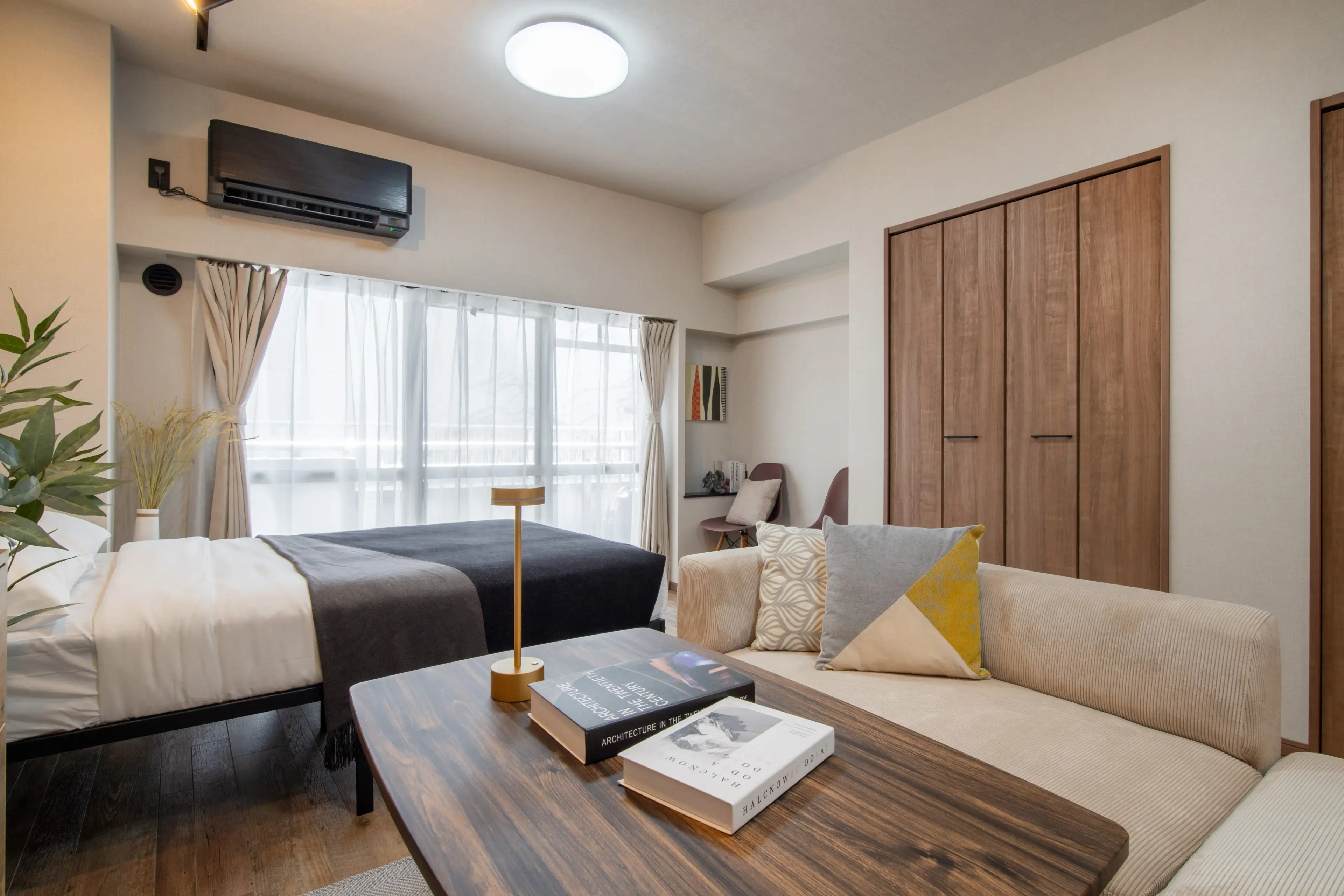 มีผู้เช่าอยู่
Fully Furnished Apartment 20 Min to Takadanobaba
Iidabashi High Town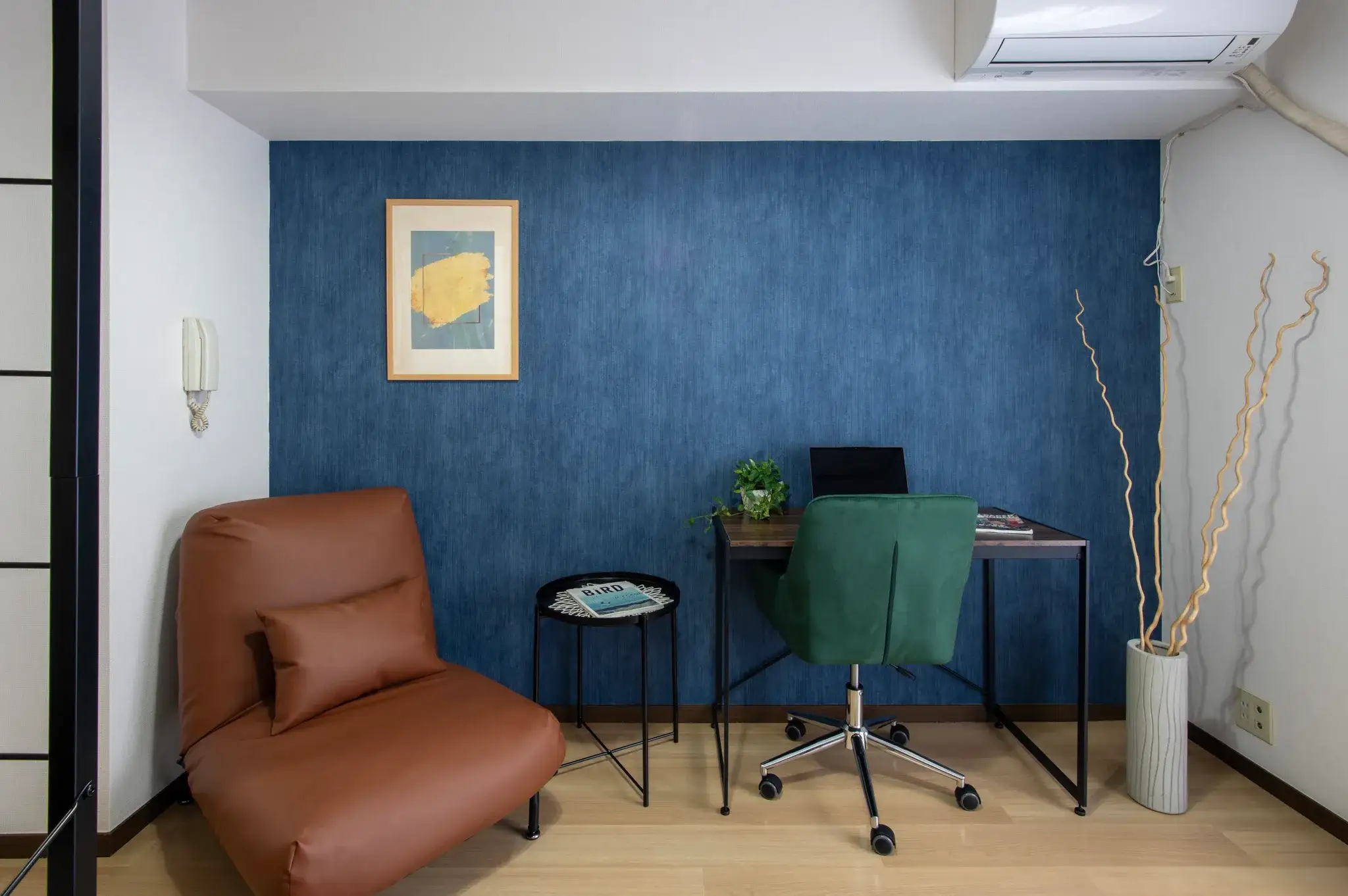 อาจพร้อมตั้งแต่ Dec 3, 2026
อพาร์ทเมนท์พร้อมเฟอร์นิเจอร์ในเมงุโระ
ML Meguro — ห้อง 208
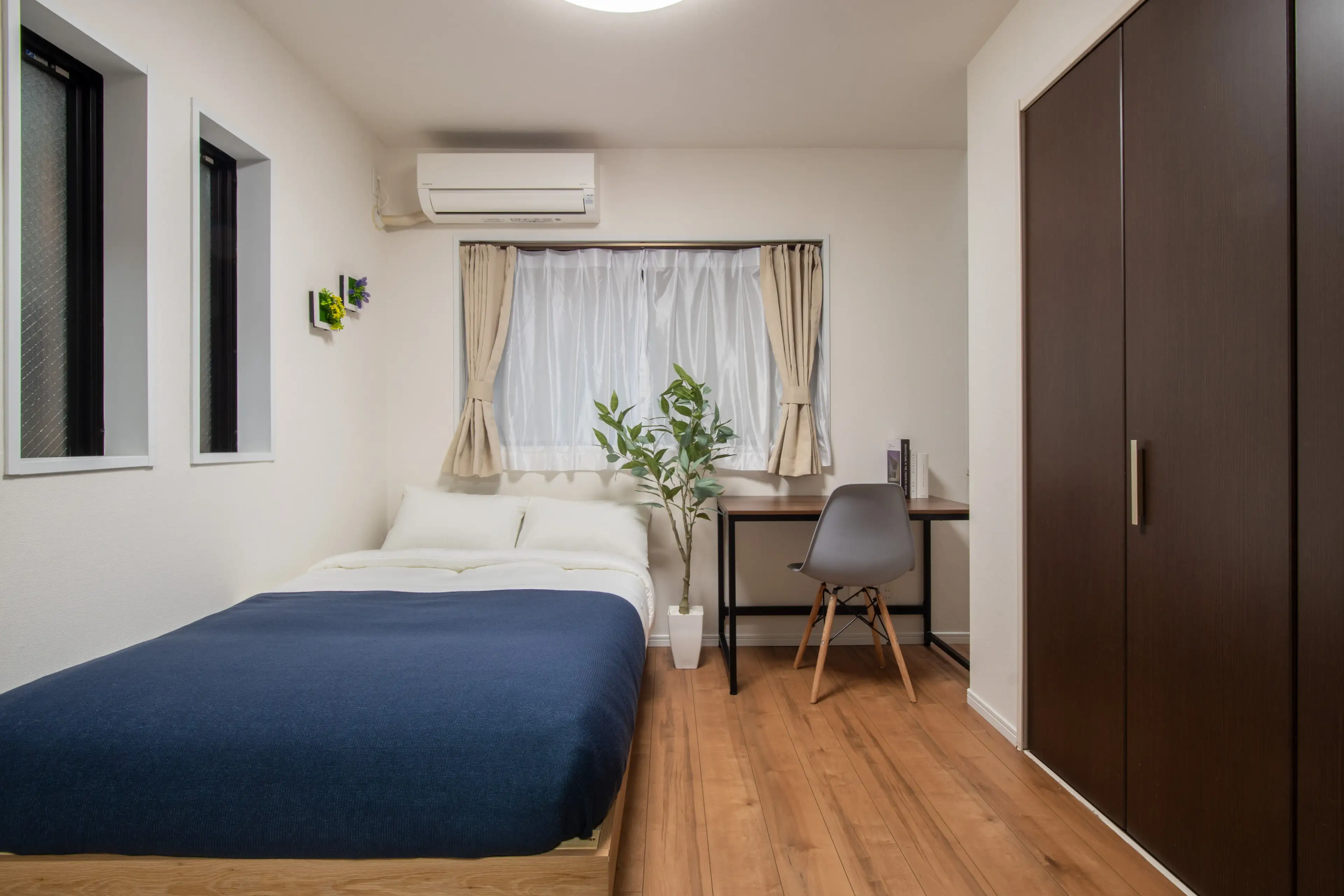 พร้อมเข้าอยู่ทันที
อพาร์ตเมนต์พร้อมเฟอร์นิเจอร์ในชินากาวะ
Beverly Homes Nishikoyama — ห้อง 103