
วิธีการขอเบอร์โทรศัพท์และซิมการ์ดในญี่ปุ่น: ตัวเลือกที่ดีที่สุดสำหรับชาวต่างชาติ

ตัวเลือกการได้รับซิมการ์ดของประเทศญี่ปุ่นสำหรับชาวต่างชาติ
การจัดเรียงแผนโทรศัพท์ของคุณคือสิ่งแรกที่ควรทำหลังจากมาถึงประเทศญี่ปุ่น และมีเหตุผลที่ดีสำหรับสิ่งนี้ หากไม่มีซิมการ์ดญี่ปุ่นที่เหมาะสำหรับชาวต่างชาติ การใช้ระบบรถไฟ การหาอพาร์ตเมนต์ของคุณ และการติดต่อกับคนที่บ้านจะกลายเป็นเรื่องที่ยากลำบาก
ข่าวดีคือมีตัวเลือกมากมายกว่าที่เคยมีมา และคุณไม่จำเป็นต้องพูดภาษาญี่ปุ่นเพื่อเชื่อมต่ออินเทอร์เน็ต นี่คือคำอธิบายอย่างชัดเจนของทุกสิ่งที่คุณต้องรู้
บริษัทผู้ให้บริการหลัก (Docomo, SoftBank, au)
บริษัทผู้ให้บริการหลักสามแห่งของญี่ปุ่น — NTT Docomo, SoftBank และ au (KDDI) — มีการครอบคลุมของเครือข่ายที่ดีที่สุดและแผนข้อมูลไม่จำกัด อย่างไรก็ตาม พวกเขามีราคาที่สูงกว่า มักเริ่มต้นที่ประมาณ¥3,000–¥7,000/เดือน และกระบวนการลงทะเบียนอาจซับซ้อนมากขึ้นสำหรับชาวต่างชาติ
บริษัทผู้ให้บริการหลักทั้งสามแห่งมีแบรนด์บัตเจตย่อย: ahamo (Docomo), LINEMO (SoftBank) และ povo (au) ซึ่งเป็นแอปพลิเคชันที่ใช้งานได้ มักอยู่ในภาษาอังกฤษ และราคาถูกมากขึ้น ทำให้เป็นทางเลือกที่ดีในช่วงกลาง
MVNO (格安SIM / Kakuyasu SIM)
MVNO (ผู้ประกอบการเครือข่ายเสมือน) คือบริษัทที่เช่าแบนด์วิดท์จากบริษัทผู้ให้บริการหลักและขายต่อในราคาที่ต่ำกว่า ตัวเลือกยอดนิยมรวมถึงIIJmio, OCN Mobile ONE, mineo และNUROmobile
ซิมเหล่านี้มักเรียกว่า "kakuyasu SIM" (ซิมราคาถูก) ในประเทศญี่ปุ่น ความเร็วอาจลดลงในช่วงเวลาที่มีผู้ใช้มากที่สุด แต่สำหรับการใช้งานประจำวัน — แผนที่ ข้อความ โซเชียลมีเดีย — พวกเขามีความเพียงพอมากกว่า
eSIM
eSIM เปลี่ยนเกมสำหรับผู้อพยพและนักท่องเที่ยวระยะสั้น บริการเช่นAiralo, Ubigi และIIJmioตอนนี้มีแผน eSIM ที่คุณสามารถเปิดใช้งานได้ก่อนที่คุณจะลงจอดในประเทศญี่ปุ่น ไม่มีซิมการ์ดทางกายภาพ ไม่มีการสำนักงานไปรษณีย์ — เพียงสแกนรหัส QR และคุณก็อยู่ออนไลน์

แผนซิมประหยัดสำหรับผู้อพยพในญี่ปุ่นที่ต่ำกว่า ¥2,000/เดือน
คุณไม่จำเป็นต้องใช้เงินจำนวนมากเพื่อให้เชื่อมต่ออยู่ใน Tokyo นี่คือแผนที่มีมูลค่าดีที่สุดบางส่วนที่มีอยู่ตอนนี้:
- IIJmio (แผน 2GB): เริ่มตั้งแต่¥850/เดือน — หนึ่งในตัวเลือกที่ถูกที่สุด ทำงานบนเครือข่าย Docomo และ au การสนับสนุนภาษาอังกฤษมีให้ออนไลน์
- mineo (แผน 1GB): เริ่มตั้งแต่¥990/เดือน เป็นที่รู้จักสำหรับบริการลูกค้าที่ยอดเยี่ยมและคุณลักษณะการแชร์ข้อมูลที่มีความยืดหยุ่นเรียกว่า "フリータンク" (Free Tank)
- povo 2.0 (au): แผนฐานคือ¥0/เดือน และคุณเติมเงินข้อมูลตามต้องการ (เช่น 1GB สำหรับ ¥390) เหมาะสำหรับการใช้ข้อมูลที่แตกต่างกันในแต่ละเดือน
- LINEMO (แผน 3GB): ¥990/เดือนพร้อมการใช้ LINE ไม่จำกัด — เหมาะสำหรับหากคุณใช้ LINE เพื่อติดต่อกับเพื่อนและครอบครัว
- OCN Mobile ONE (แผน 3GB): ประมาณ¥990/เดือน ทำงานบนเครือข่าย Docomo ความเร็วแข็งแกร่ง
เคล็ดลับมืออาชีพ: หากคุณใช้ LINE (แอปข้อความที่เป็นที่นิยมมากที่สุดในญี่ปุ่น) เพื่อติดต่อกับคนท้องถิ่น LINEMO นั้นหาได้ยากยิ่งขึ้น — สายและข้อความ LINE ไม่นับเข้ากับการใช้งานข้อมูลของคุณ
คุณต้องเลขหมายโทรศัพท์ญี่ปุ่นหรือไม่?
คำตอบสั้น ๆ คือใช่ หากคุณอยู่นานกว่าสองสามสัปดาห์ หมายเลขโทรศัพท์ญี่ปุ่นเป็นสิ่งจำเป็นสำหรับบริการในชีวิตประจำวันจำนวนมาก — การเปิดบัญชีธนาคาร การใช้แอปการจัดส่งบางตัว การลงทะเบียนที่โรงพยาบาล และแม้กระทั่งการตั้งค่าบัญชี Suica
หากคุณมีเพียง SIM ข้อมูล (ไม่มีสายเรียก) บริการบางอย่างจะยอมรับหมายเลขประเทศของคุณสำหรับการตรวจสอบ SMS แต่เมื่อเวลาผ่านไป คุณจะพบว่าเป็นเรื่องที่ไม่สะดวกมากขึ้น ผู้อพยพส่วนใหญ่แนะนำให้ได้รับแผน voice+data จากวันแรก
หมายเลขโทรศัพท์ญี่ปุ่นไม่ใช่เพียงสำหรับสาย — เป็นกุญแจที่ปลดล็อคการธนาคาร การจัดส่ง บริการสุขภาพ และชีวิตประจำวันใน Tokyo
สำหรับผู้อาศัยที่อยู่ใน Tokyo ในระยะยาว แผนที่มีหมายเลขญี่ปุ่นจาก IIJmio, mineo หรือหนึ่งในแบรนด์ย่อย (ahamo, LINEMO, povo) เป็นจุดที่พบได้ระหว่างต้นทุนและฟังก์ชันการทำงาน
วิธีการสมัครสมาชิก: เอกสารที่คุณจะต้องใช้
กระบวนการลงทะเบียนในประเทศญี่ปุ่นนั้นตรงไปตรงมามากกว่าที่คนคิด — โดยเฉพาะอย่างยิ่งหากคุณไปกับผู้ให้บริการ MVNO หรือแบรนด์ย่อย นี่คือสิ่งที่คุณมักจะต้องใช้:
- บัตรการพำนัก (在留カード / Zairyū Kādo): นี่คือเอกสารที่จำเป็น มันออกที่ท่าเข้า (สนามบิน) สำหรับสถานะวีซ่าส่วนใหญ่ และคุณต้องลงทะเบียนที่สำนักงานเขตท้องถิ่นของคุณ (区役所) หากไม่มีมัน การลงทะเบียนแผนรายเดือนส่วนใหญ่จะไม่สามารถทำได้
- หนังสือเดินทาง: ต้องสำหรับการตรวจสอบตัวตนพร้อมกับบัตรการพำนักของคุณ
- บัญชีธนาคารญี่ปุ่นหรือบัตรเครดิต: แผนส่วนใหญ่ต้องมีวิธีชำระเงินญี่ปุ่น ผู้ให้บริการบางรายเช่น IIJmio ยอมรับบัตรเครดิตต่างประเทศ — เป็นคุณสมบัติที่ควรตรวจสอบก่อนที่คุณจะสมัครสมาชิก
- ที่อยู่อีเมล: สำหรับการลงทะเบียนบัญชีและเอกสารของคุณ
หากคุณยังไม่ได้รับบัตรการพำนักของคุณ — ซึ่งอาจเกิดขึ้นในไม่กี่วันแรกหลังจากมาถึง — ซิมท่องเที่ยวหรือ eSIM ระยะสั้นคือทางเลือกการหยุดชั่วคราวที่ดีที่สุดของคุณ
ข้อเตือน: วีซ่าผู้มาเยี่ยมชมระยะสั้น (วีซ่าท่องเที่ยว) โดยทั่วไปไม่ยอมรับสำหรับสัญญาซิมรายเดือน คุณจะต้องมีวีซ่าพำนักที่ถูกต้องและที่อยู่ที่ลงทะเบียนในประเทศญี่ปุ่นเพื่อสมัครสำหรับแผนระยะยาวส่วนใหญ่

Pocket WiFi กับซิมการ์ด: ตัวเลือกระยะสั้น
หากคุณเพิ่งมาถึงประเทศญี่ปุ่นและยังไม่ได้จัดเรียงบัตรการพำนักของคุณ หรือหากคุณมาที่นี่ในระยะสั้น คุณมีตัวเลือกหลักสองตัว: เราเตอร์ Pocket WiFiหรือซิมท่องเที่ยวระยะสั้น
Pocket WiFi (Mobile WiFi Router)
อุปกรณ์ Pocket WiFi เป็นเราเตอร์พกพาขนาดเล็กที่เชื่อมต่ออุปกรณ์หลายเครื่องกับข้อมูล 4G/5G คุณสามารถเช่าได้ที่สนามบิน Narita และ Haneda จากบริษัทเช่นGlobal Advanced Communications (GAC), Ninja WiFiหรือJapan Wireless ราคาอยู่ที่ประมาณ¥250–¥600/วันขึ้นอยู่กับการอนุญาตข้อมูล
ข้อเสีย: คุณกำลังพกพาอุปกรณ์เพิ่มเติมที่ต้องมีการชาร์จ และคุณจะต้องจำไว้ว่าจะคืนเวลาให้ทันถึงกำหนด เหมาะสำหรับการเยี่ยมชมระยะสั้น 1–3 สัปดาห์
บัตร SIM ท่องเที่ยว
บัตร SIM ท่องเที่ยวมีให้บริการที่สนามบินและร้านค้าอิเล็กทรอนิกส์หลักเช่น Yodobashi Camera และ Bic Camera บัตรเหล่านี้มักมีให้เฉพาะข้อมูล(ไม่มีสายเรียก) สำหรับช่วงเวลาที่กำหนด — 7 วัน 15 วัน หรือ 30 วัน ตัวเลือกยอดนิยม ได้แก่:
- IIJmio Tourist SIM: 15GB สำหรับ 15 วัน (¥3,300)
- SIM ข้อมูล Docomo: มีให้บริการที่สนามบิน แผนต่างๆ ตั้งแต่ ¥3,000
- Airalo eSIM: แพคเกจญี่ปุ่นตั้งแต่ประมาณ¥700 สำหรับ 1GB — เปิดใช้งานก่อนลงจอด
คุณควรเลือกตัวไหน?
สำหรับการพำนักไม่เกินสองสัปดาห์ ซิมท่องเที่ยวหรือ eSIM มักจะเป็นตัวเลือกที่ดีกว่า — ไม่มีอุปกรณ์เพิ่มเติม ไม่มีปัญหาการคืน สำหรับการพำนักที่นาน ให้เปลี่ยนไปใช้แผน MVNO รายเดือนทันทีที่คุณมีบัตรการพำนักของคุณ
 figcaption>บัตร SIM และการเช่า Pocket WiFi มีให้บริการที่สนามบิน Narita และ Haneda ทันทีที่คุณลงจอด
แผนที่แนะนำตามกรณีการใช้งาน
สถานการณ์ของแต่ละคนแตกต่างกัน นี่คือคำแนะนำด่วนสำหรับแผนมือถือที่ดีที่สุดตามการใช้งานจริง:
เพิ่งมาถึง ยังไม่มีบัตรการพำนัก
→ Airalo eSIM หรือ IIJmio Tourist SIM เชื่อมต่อที่สนามบิน จัดการด้านบริหารของคุณ จากนั้นอัปเกรดเมื่อคุณลงทะเบียนแล้ว
ผู้อพยพที่รักษาประหยัด ผู้ใช้ข้อมูลน้อย
→ แผน IIJmio 2GB (¥850/เดือน) หรือ povo 2.0 (จ่ายตามการใช้งาน) ลดต้นทุนให้น้อยที่สุดในขณะที่คุณตั้งตัวลง เหมาะสมหากคุณส่วนใหญ่ใช้ WiFi ที่บ้าน — เช่นในหอพักร่วมกับอินเทอร์เน็ตรวม
คนงานระยะไกลที่ต้องการข้อมูลที่เชื่อถือได้
→ ahamo (Docomo) แผน 20GB ที่ ¥2,970/เดือน คุณภาพเครือข่าย Docomo เต็มตัว ข้อมูล 20GB และแอปพลิเคชันนี้มีให้ใช้เป็นภาษาอังกฤษ ตัวเลือกที่แข็งแกร่งหากคุณทำงานจากคาเฟ่และต้องการความเร็วที่เชื่อถือได้
ผู้ใช้สื่อสังคมหนัก หรือ Streamer
→ LINEMO Smart Plan (20GB) ที่ ¥2,728/เดือนหรือแผนไม่จำกัดของ SoftBankเริ่มต้นที่ประมาณ ¥4,000/เดือน ข้อมูลมากขึ้น ความเร็วที่เชื่อถือได้ และการรับส่งข้อมูล LINE ไม่นับเข้ากับแล็บของคุณ
การพำนักระยะสั้น (1–3 เดือน)
→ mineo 3GB (¥1,518/เดือน ไม่มีล็อกสัญญา)หรือ Docomo Tourist SIM มองหาแผนไม่มีสัญญาเพื่อให้คุณไม่ติดอยู่
เชื่อมต่อใน Tokyo: ความคิดสุดท้าย
การจัดทำโทรศัพท์ของคุณอย่างรวดเร็วทำให้ทุกอย่างอื่นง่ายขึ้น — การหาทางรอบตัว การสื่อสารกับเจ้าของบ้าน การตั้งค่าบัญชีธนาคาร และเพียงแค่รู้สึกว่ามีบ้าน ตัวเลือกมือถือญี่ปุ่นที่ใช้ภาษาอังกฤษที่ดีที่สุดตอนนี้คือ IIJmio LINEMO ahamo และ povo ขึ้นอยู่กับงบประมาณและความต้องการข้อมูลของคุณ
อย่าคิดมากเกินไป เริ่มต้นด้วยซิมท่องเที่ยวหรือ eSIM เมื่อคุณลงจอด จากนั้นสลับไปใช้แผน MVNO รายเดือนทันทีที่คุณมีบัตรการพำนักและบัญชีธนาคารญี่ปุ่นตั้งค่า
ที่Modern Living Tokyo อพาร์ตเมนต์พร้อมเฟอร์นิเจอร์และหอพักของเรามาพร้อมกับ WiFi ความเร็วสูงแล้ว ดังนั้นคุณจึงไม่ต้องใช้ข้อมูลในวันแรก นั่นช่วยให้คุณมีเวลาเล็กน้อยในการเปรียบเทียบแผน เยี่ยมชมร้านค้า และเลือกซิมที่เหมาะสมกับวิถีชีวิตของคุณ — โดยไม่ต้องเครียด
มีคำถามเกี่ยวกับการตั้งค่าใน Tokyo หรือไม่? อย่าลังเลที่จะติดต่อทีมของเรา — เรายินดีที่จะช่วยเหลือผู้อาศัยใหม่นำทางด้านปฏิบัติของชีวิตในประเทศญี่ปุ่น

Modern Living Tokyo
บทความที่เกี่ยวข้อง
 Tips & Tricks
คู่มือการชำระเงินแบบไร้เงินสดในญี่ปุ่น 2026 สำหรับชาวต่างชาติ
คู่มือฉบับสมบูรณ์ในปี 2026 เกี่ยวกับการชำระเงินแบบไร้เงินสดในญี่ปุ่น ตั้งแต่การตั้งค่า Suica และ PayPay ไปจนถึงการรู้ว่าเมื่อไหร่ควรพกเงินสด สำหรับผู้ที่ย้ายมาใช้ชีวิตใหม่ในโตเกียว
 Modern Living Tokyoอ่านเพิ่มเติม →
 เคล็ดลับและเทคนิค
ธนาคาร 5 อันดับแรกสำหรับชาวต่างชาติในประเทศญี่ปุ่น: เปรียบเทียบปี 2026
เปรียบเทียบแบบเคียงข้างกันระหว่างธนาคารยอดนิยม 5 แห่งสำหรับชาวต่างชาติในประเทศญี่ปุ่นในปี 2026 พร้อมข้อมูลค่าธรรมเนียม บริการภาษาอังกฤษ เวลาในการเปิดบัญชี และข้อมูลว่าธนาคารแต่ละแห่งเหมาะสำหรับใครได้บ้าง
Modern Living Tokyoอ่านเพิ่มเติม → Tips & Tricks
10 สถานีรถไฟยอดนิยมในโตเกียว ที่มีราคาเช่าและเวลาเดินทางสมดุลที่สุด
สำรวจ 10 สถานีรถไฟในโตเกียวที่เหมาะสำหรับผู้ที่มองหาความสมดุลระหว่างราคาเช่าที่สมเหตุสมผลและความสะดวกในการเดินทาง พร้อมข้อมูลราคาปัจจุบัน เวลาเดินทาง และเคล็ดลับการค้นหาอพาร์ตเมนต์ที่เป็นประโยชน์...
Modern Living Tokyoอ่านเพิ่มเติม →ที่พักแนะนำ
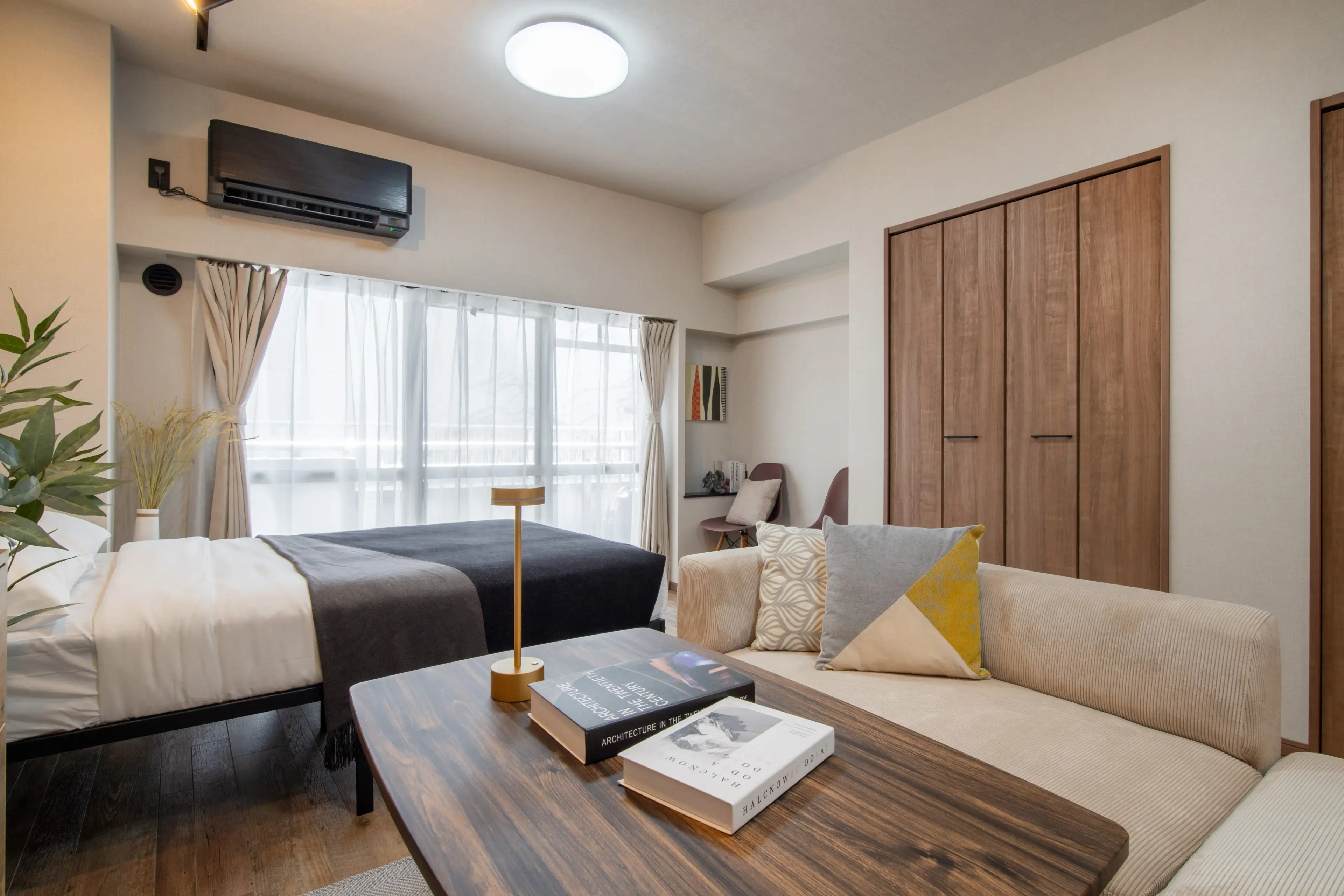 มีผู้เช่าอยู่
Fully Furnished Apartment 20 Min to Takadanobaba
Iidabashi High Town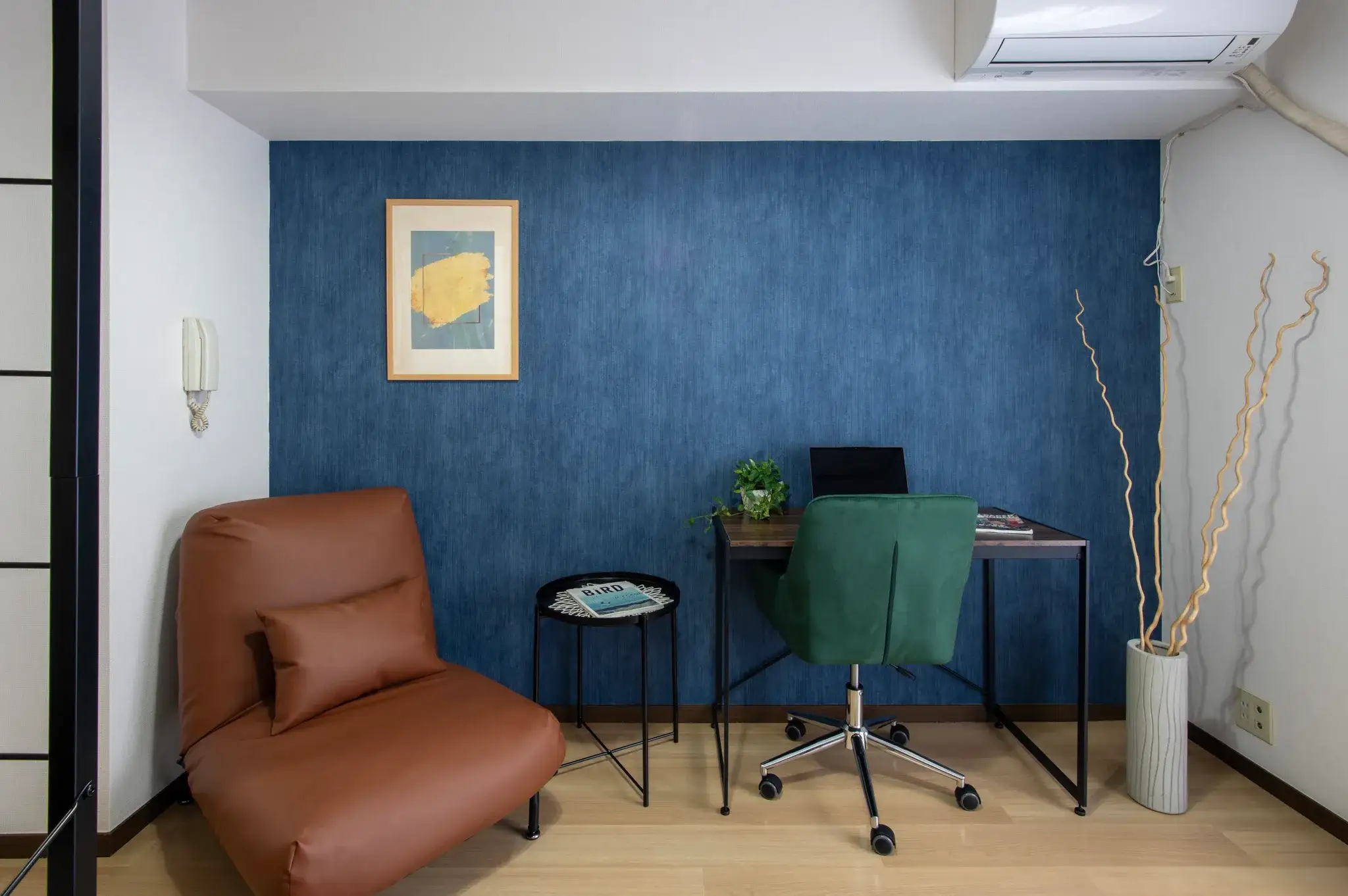 อาจพร้อมตั้งแต่ Dec 3, 2026
อพาร์ทเมนท์พร้อมเฟอร์นิเจอร์ในเมงุโระ
ML Meguro — ห้อง 208
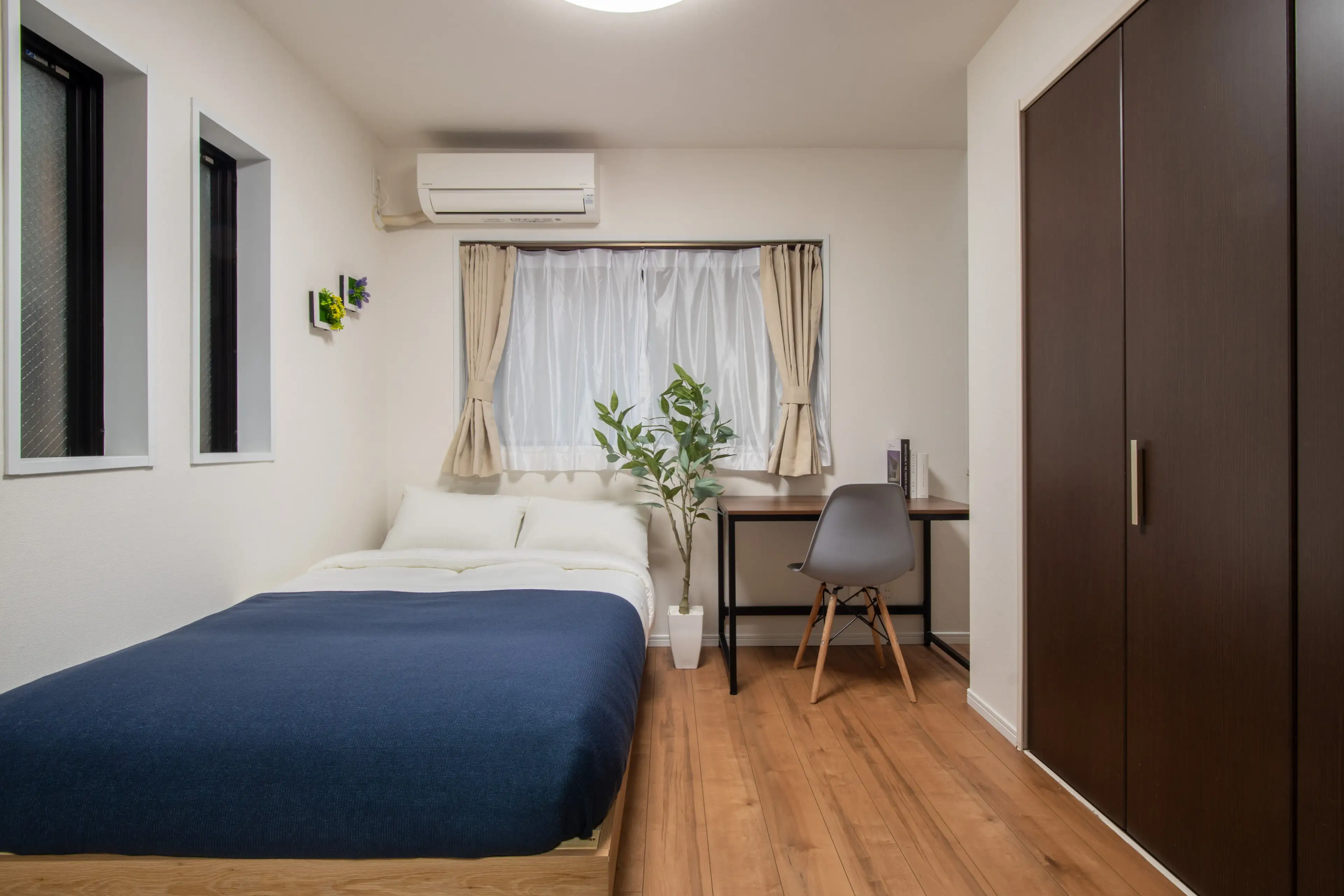 พร้อมเข้าอยู่ทันที
อพาร์ตเมนต์พร้อมเฟอร์นิเจอร์ในชินากาวะ
Beverly Homes Nishikoyama — ห้อง 103