
Pag-bisikleta sa Tokyo: Ang Kompletong Gabay para sa Pinakamahusay na Paraan ng Paglibot

Bakit Ang Iyong Gabay sa Pag-Bike sa Tokyo Ay Nagsisimula sa Pagtakas sa Tren
Ang network ng tren sa Tokyo ay legendario — maaasahan, malinis, at umaabot sa lahat ng sulok. Pero tanungin ang sinumang matagal nang nakatira dito, at iisasabi nila sa iyo ang parehong bagay: ang isang bisiklet ay nagbabago ng lahat. Ang gabay sa pag-bike sa Tokyo na ito ay sumasaklaw sa lahat ng kailangan mong malaman, mula sa pagbili ng iyong unang bisiklet hanggang sa pag-navigate ng mga hindi nakasulat na patakaran ng kalsada sa lungsod.
Ang pag-bike sa Tokyo ay hindi lamang isang weekend hobby. Para sa maraming residente, ito ang pinakamatalinong paraan upang masaklaw ang "last mile" sa pagitan ng istasyon at tahanan — o upang lubos na iwanan ang tren para sa mas maikling biyahe. Pagkatapos mong maranasan ang kalayaan ng pagglide sa tahimik na residential backstreets, magtatanong ka kung bakit ka man nag-squeeze sa rush-hour Yamanote Line carriage.
Bakit Mas Mahusay ang Pag-Bike kaysa sa Tren (Minsan)
Ang sistema ng tren sa Tokyo ay walang kapantay para sa mahabang distansya, ngunit may tunay na problema ito. Ang mga tren sa oras ng rush sa pagitan ng mga pangunahing hub tulad ng Shinjuku, Shibuya, at Ikebukuro ay tunay na hindi komportable. Ang mga bayad ay mabilis na nagtitipong-tipon — ang karaniwang daily commute ay maaaring magkahalaga ng ¥300–¥600 sa bawat daan, madali na umabot sa ¥15,000+ bawat buwan.
Sa kaibahan nito, ang pag-bike ay halos walang gastos pagkatapos mong magkaroon ng bisiklet. Ang mga short-to-medium trips — sabihin, Nakameguro hanggang Shimokitazawa, o Koenji hanggang Shinjuku — ay kadalasang mas mabilis sa bisiklet kaysa sa public transport kapag isinaalang-alang mo na ang paglalakad papunta at papalayo sa mga istasyon.
- Walang hassle sa pagbabago ng linya — diretsong door-to-door sa iyong sariling iskedyul
- Walang bayad pagkatapos ng unang pagbili ng bisiklet
- Mas maganda para sa mga errand — grocery runs, post office, local shops
- Perpekto para sa paggalugad — tuklasin ang mga nakatagong cafe at shotengai (shopping streets) na hindi mo makikita sa window ng tren
- Kalusugan — low-impact na araw-araw na ehersisyo na built-in sa iyong routine
Pero seryoso, ang Tokyo sa Agosto ay napakainit. Ang ulan ay tunay. At ang pag-bike sa buong lungsod sa mainit na 35°C na hapon ay hindi para sa lahat. Isipin ang pag-bike bilang isang makapangyarihang dagdag sa iyong transportasyon toolkit, hindi isang kumpletong kapalit.

Bumili o Mag-Rent ng Bisiklet sa Tokyo
Bumili ng Bisiklet
Para sa sinumang plano na manatili sa Tokyo ng higit sa isang buwan, ang pagbili ng bisiklet ay halos laging sulit. Ang mga bagong bisiklet ay nagsisimula sa paligid ng ¥10,000–¥15,000 sa mga chain store tulad ng Cainz, Donki (Don Quijote), o Joyful Honda. Ang isang solid na mamachari (ang klasikong tapat na Japanese city bike) sa ganitong presyo ay maghahatid sa iyo ng mahusay sa loob ng maraming taon.
Kung gusto mo ng isang mas magaan o mas estilo, ang mid-range na opsyon mula sa mga brand tulad ng Bridgestone o Panasonic ay nasa ¥30,000–¥60,000 range. Ang mga secondhand shop — hanapin ang 中古自転車 (chuuko jitensha) signs — ay madalas na may napakagandang bisiklet mula ¥3,000 pataas. Ang Mercari at Junk Jouhou ay mga magandang online sources din.
Mag-Rent ng Bisiklet
Hindi ka pa handa na mag-commit? Ang Tokyo ay may mahusay na dockless bike-share system na tinatawag na Docomo Bike Share, available sa karamihan ng central wards kabilang ang Minato, Shibuya, Shinjuku, Bunkyo, at Chuo. Maaari kang mag-register sa pamamagitan ng app, magbayad ng ¥165 bawat 30-minute ride, o mag-subscribe ng ¥2,178/buwan para sa unlimited 30-minute trips.
Ito ay perpekto para sa occasional use o para sa mga bagong dating pa man na nag-figure out ng kanilang neighborhood. Ang mga port ay nasa lahat ng dako — malapit sa convenience stores, parks, at station exits. Suriin lang ang app para sa pinakamalapit na port bago ka magsimulang magbike.
Pro Tip: Kung nakatira ka sa isang sharehouse o furnished apartment malapit sa isang Docomo Bike Share port, ang monthly subscription ay madalas na sulit na sa loob ng isang linggo. Suriin ang Docomo Bike Share app para sa port coverage sa iyong area bago mag-sign up.
Pag-Register ng Bisiklet at Legal Requirements sa Japan
Ito ang kung saan maraming dayuhan ang mahuhulog. Ang bike registration (防犯登録, bouhan touroku) ay legal na kailangan sa Japan — at ito ay nag-protekta sa iyo din. Kung ang iyong bisiklet ay nakanakaw at nahanap, ang polisya ay makakabalik ito sa iyo.
Paano Mag-Register ng Iyong Bisiklet
- Bilhin ang iyong bisiklet mula sa tindahan — karamihan ng mga tindahan ay awtomatikong nag-handle ng pag-register para sa bayad na humigit-kumulang ¥500–¥600.
- Kung bumili ka ng secondhand, dalhin ang bisiklet sa kahit anong bicycle shop o koban (police box) kasama ang proof of purchase at ang iyong ID (residence card/zairyu card).
- Makakatanggap ka ng maliit na sticker na may iyong registration number, na idikit sa frame.
- Ingatan ang registration card (防犯登録カード) sa ligtas na lugar — kailangan mo ito kung ang iyong bisiklet ay makanakaw.
Kung nag-transfer ka ng isang registered na bisiklet mula sa isang nakaraang may-ari (common sa secondhand purchases), ang nakaraang may-ari ay dapat formal na mag-de-register muna, o kasama kang pumunta upang maging re-register. Nang wala ito, ang bisiklet ay nananatiling nauugnay sa kanila sa police database.
Iba Pang Legal Requirements
- Harap na ilaw — legal na kailangan pagkatapos ng madilim; puti o dilaw na ilaw lamang
- Likod na reflector o ilaw — kinakailangan ng batas; ang pula na likod na ilaw ay lubhang inirerekomenda
- Bell — dapat na i-fit (at gamitin nang angkop, hindi lamang para sa mga pedestrian na nakainis ka)
- Helmet — ngayon ay lubhang inirerekomenda para sa mga adulto sa ilalim ng updated 2023 guidelines; mandatory para sa mga bata na mas bata sa 13
Ang bike registration sa Japan ay tumatagal ng limang minuto at nagkakahalaga ng ¥500 — i-skip ito, at ikaw ay nagmamaneho nang walang proteksyon na may zero recourse kung ang iyong bisiklet ay naglaho.
Ang Mga Patakaran ng Kalsada — Oo, May Mga Patakaran
Ang mga cyclist sa Tokyo ay sa pangkalahatan ay well-behaved sa international standards, ngunit may mga specific na patakaran na kailangan mong malaman — at ilan sa mga ito ay magugulat sa iyo.
Mga Pangunahing Patakaran sa Pag-Bike sa Tokyo
- Magbike sa kaliwang bahagi ng kalsada — Japan ay nagmamaneho sa kaliwa; pareho para sa mga bisiklet.
- Ang mga footpath ay minsan legal, minsan hindi — Hanapin ang mga asul na palatandaan na may bisiklet symbol; ang mga ito ay nagpapahiwatig ng shared pedestrian/cycling paths. Nang walang tanda na iyon, dapat ka ay nasa kalsada.
- Walang pag-bike na may payong — Mukhang halata pero sulit pang sabihin. May multa.
- Walang pag-bike habang gumagamit ng iyong telepono — Hands-free lamang. Sa 2024, ang mga penalty para sa paggamit ng telepono habang nagbibike ay significantly na tumaas.
- Walang pag-bike habang lasing — Treated katulad ng drunk driving sa ilalim ng Japanese law.
- Ang pula na ilaw ay nararapat din sa iyo — Ang pagtatakbo ng pula na ilaw ay maaaring magresulta sa multa na umaabot sa ¥30,000.
- Dalawang tao sa isang bisiklet ay ilegál — Maliban kung ang bisiklet ay partikular na rated para dito (tulad ng cargo bikes na may child seats).
Sa pagsasanay, ang enforcement ay medyo light sa busy cycling paths, ngunit ang polisya ay nagsasagawa ng periodic crackdowns — lalo na sa mga lugar tulad ng Yoyogi Park at ang Arakawa riverbank. Huwag ipagpalagay na walang sumusubaybay.

Ang Pinakamahusay na Cycling Routes sa Tokyo
Ang Tokyo ay may tunay na kahanga-hangang cycling infrastructure kapag alam mo kung saan maghanap. Narito ang mga routes na pinapangalandakan ng mga lokal.
Arakawa Cycling Road
Isa sa pinakamahusay na long-distance routes sa Greater Tokyo. Ang Arakawa River cycling path ay umaabot sa humigit-kumulang 60km at nag-aalok ng walang patid na pag-bike na may mahusay na views ng city skyline at, sa malinaw na araw, Mount Fuji. I-access ito mula sa Kita Senju o Higashi Jujo.
Tamagawa Cycling Path
Sumusunod sa Tama River mula sa Futako-Tamagawa hanggang sa Kawasaki at higit pa, ito ay paboritong weekend route. Ito ay well-paved, flat, at dumadaan sa ilang mga park. Distansya mula sa Futako-Tamagawa hanggang sa dagat ay tungkol sa 25km.
Imperial Palace Loop
Ang 5km loop sa bukas ng Imperial Palace sa gitnang Tokyo ay isang iconic cycling landmark. Ito ay partikular na popular sa mga weekday morning at weekend afternoon. Walang sasakyan sa inner route — lamang isang smooth, flat na loop sa puso ng lungsod.
Nakameguro hanggang Daikanyama
Para sa isang mas maikling, scenic na urban ride, ang canal path sa Nakameguro ay walang kapantay — lalo na sa panahon ng cherry blossom. Ikonekta ito sa Daikanyama at Ebisu para sa isang leisurely na hapon na nag-explore ng ilan sa pinakaestilo ng mga neighborhood ng Tokyo.
Koenji hanggang Shimokitazawa
Isang klasikong Tokyo hipster route sa pamamagitan ng mga backstreet na linya ng vintage shops, cafe, at izakayas. Medyo flat, tungkol sa 4km, at kumpletong charming. Perpekto para sa isang Saturday morning.
Magandang Malaman: Ang Tokyo Metropolitan Government ay naglalabas ng isang libreng cycling map (available sa English sa city ward offices at major tourist information centers) na nagpapakita ng dedicated cycling lanes at inirerekumendang routes sa lahat ng 23 wards.
Bike Parking at Theft Prevention sa Tokyo
Saan Mag-Park
Ito ay isa sa mas mahirap na aspeto ng pag-bike sa Tokyo. Hindi mo maaaring i-lock ang iyong bisiklet kahit saan — ang illegally parked bikes ay may tag at natatanggal, minsan sa loob lamang ng ilang oras. Ito ay seryosong i-enforce sa mga busy areas tulad ng Shibuya, Shinjuku, at Harajuku.
- 駐輪場 (Chuurinjou) — Designated bicycle parking lots, makikita malapit sa karamihan ng train stations. Nagkakahalaga ng ¥100–¥200 para sa maikling panatili, o ¥1,500–¥3,000/buwan para sa isang registered monthly spot.
- Coin-operated parking racks — Pangkaraniwan sa mga shopping areas; magbayad sa pamamagitan ng coin slot o IC card.
- Supermarket at convenience store parking — Karamihan ay may libreng short-term bicycle parking habang namimili ka.
- Sa tahanan — Karamihan ng sharehouses at apartment buildings ay may isang designated bicycle parking area; kumpirmahin ito kapag lumipat ka.
Pag-Iwas sa Bike Theft
Ang bike theft ay hindi kasing-rampante sa Tokyo kumpara sa maraming mga lungsod, ngunit ito ay nangyayari — partikular sa mga hindi na-lock o lightly locked na mga bisiklet sa busy areas.
- Gumamit ng U-lock o chain lock bilang dagdag sa built-in wheel lock (ring lock) na nauuna sa karamihan ng Japanese bikes.
- I-lock sa isang fixed object — isang railing, post, o dedicated rack — hindi lamang sa sarili nito.
- Mag-register ng iyong bisiklet (tingnan ang itaas) — ito ang iyong pinakamahusay na depensa kung ito ay nakanakaw at nahanap.
- Iwasan ang pag-iiwan ng isang quality bike na walang lock sa buong gabi sa high-traffic areas.

Handa na Bang Mag-Bike sa Tokyo?
Ang pag-bike sa Tokyo ay nagbubukas ng isang kumpletong magkakaibang aspeto ng lungsod — mas tahimik na mga kalye, mga nakatagong neighborhood, at isang pace ng buhay na hindi lang makikita ng windows ng tren. Sa tamang bisiklet, isang ¥500 registration sticker, at isang pangunahing pag-unawa sa mga patakaran, handa ka na.
Kung ikaw ay bago sa Tokyo at pa man nag-figure out kung aling neighborhood ang angkop sa iyo, ang pamumuhay sa isang Modern Living Tokyo sharehouse o furnished apartment ay aktwal na isang magandang paraan upang makuha ang iyong mga bearings sa dalawang gulong. Ang aming mga property ay matatagpuan sa well-connected, bikeable areas sa buong lungsod — marami sa loob ng madaling abot sa riverside cycling paths at ang pinakamahusay na urban routes. Tuklasin ang lungsod, hanapin ang iyong paboritong lokal na shotengai, at gawing sa iyo ang Tokyo — isang pedal stroke sa isang pagkakataon.

Modern Living Tokyo
Mga Kaugnay na Artikulo
 Lifestyle
Pagsasanay ng Martial Arts sa Tokyo: Gabay para sa mga Dayuhang Kasapi
Praktikal na guía para sa mga gustong magsanay ng martial arts sa Tokyo bilang dayuhan — sumasaklaw sa mga pangunahing dojo, gastos, pagpapahalaga sa tradisyon, pagpipilian ng visa, at ang pinakamahusay na ward para manatili.
 Modern Living TokyoMagbasa pa →
 Lifestyle
Paglalaro sa Tokyo: Mga Arcade, Retro Shop, at Gabay para sa mga Dayuhan
Ang Tokyo ay isang paraiso para sa mga mahilig maglaro — mula sa mga arcade sa Akihabara hanggang sa mga retro shop sa Nakano. Narito ang iyong kompletong gabay sa paglalaro sa Tokyo.
Modern Living TokyoMagbasa pa → Lifestyle
Gabay sa Tsuyu: Pagsusrvival sa Ulan ng Tokyo
Makasurvive sa ulan ng Tokyo gamit ang praktikal na mga tip tungkol sa pag-iwas sa amag, biglang ulan, kung ano ang bilihin, at paano talaga mag-enjoy sa tsuyu. Kailangang basahin ng...
Modern Living TokyoMagbasa pa →Pangunahing mga ari-arian
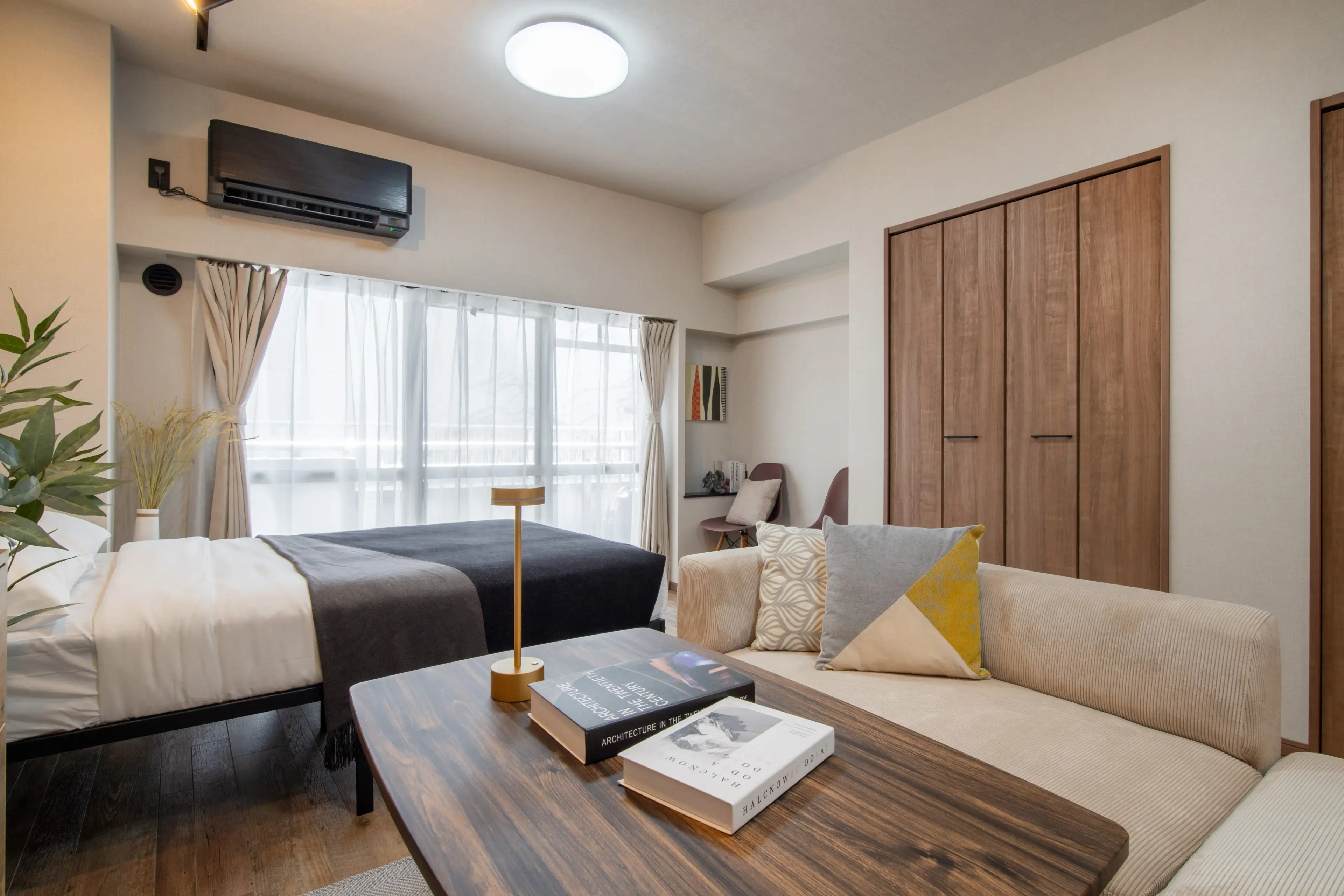 May Nakatira
Fully Furnished Apartment 20 Min to Takadanobaba
Iidabashi High Town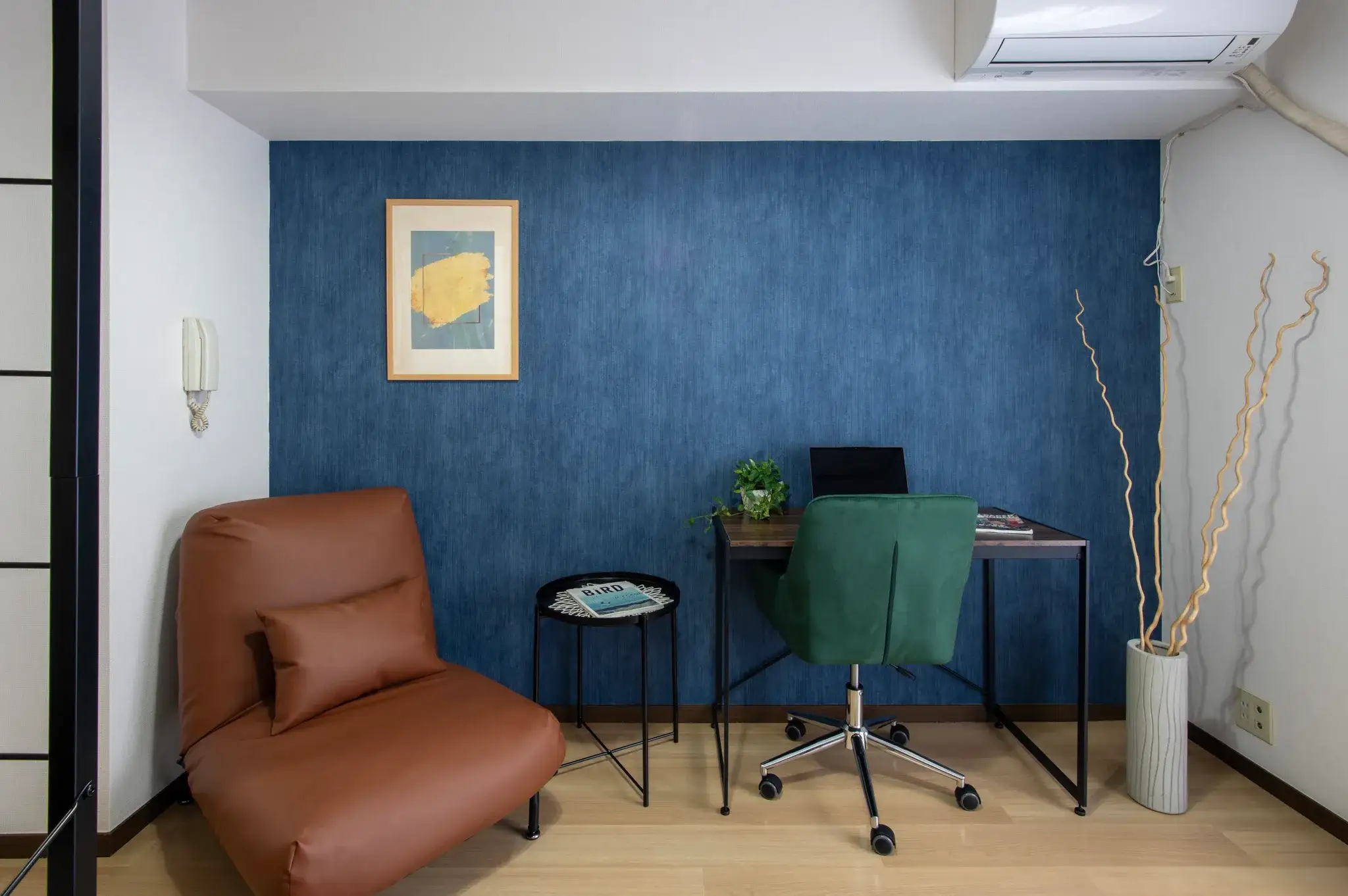 Available mula Dec 7, 2026
Binigyan ng kagamitan na apartment sa Meguro
ML Meguro — 208
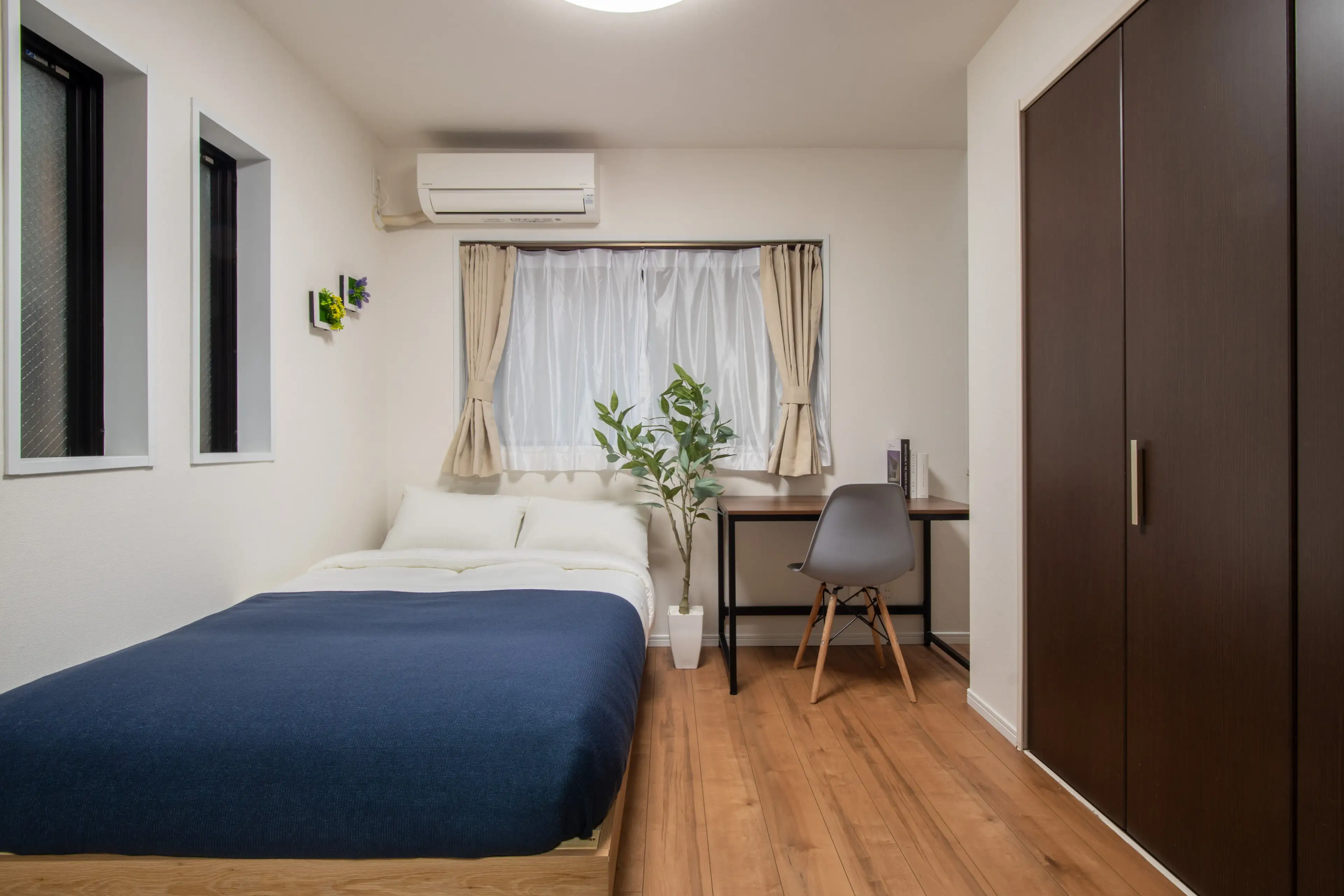 Maaaring mula Feb 22, 2027
Muwebleng apartment sa Shinagawa
Beverly Homes Nishikoyama — 103