
Paano Makahanap ng Trabaho sa Japan bilang Dayuhan (Hindi Kailangan ng Japanese)

Ang Realidad ng Job Market: Ano ang Available para sa Mga Dayuhan?
Kung naghahanap ka ng trabaho sa Japan bilang isang dayuhan, ang magandang balita ay ang market ay hindi kailanman naging ganitong bukas sa international talent. Ang lumiliit na workforce ng Japan at ang lumalaking push tungo sa globalization ay lumikha ng tunay na demand para sa mga propesyonal na nagsasalita ng English sa iba't ibang industriya.
Ngunit, mahalaga na pumasok ka nang may malinaw na pananaw. Ang karamihan ng mga trabaho sa Japan ay nangangailangan pa rin ng kakayahan sa wikang Hapones — ngunit may makabuluhan at lumalaking bahagi ng market na hindi ito kailangan. Ang pag-alam kung saan maghanap ay ang makabuluhang pagkakaiba.
Tokyo, partikular, ay ang sentro ng employment na English-friendly. Ang mga multinational corporation, tech startup, international school, at ang hospitality sector ay aktibong nag-recruit ng mga dayuhan na hindi kailangan ang Japanese. Sa labas ng Tokyo, ang mga opsyon ay mas nagiging limitado, kaya't tama ang karamihan ng mga baguhan na i-focus ang kanilang search sa capital.

Ang Pinakamahusay na Job Boards & Recruiting Agencies para Makahanap ng Trabaho sa Japan bilang Dayuhan
Ang pag-alam sa tamang platform ay kalahati ng laban. May ilang job board ang Japan na dinisenyo partikular para sa mga naghahanap ng trabahong nagsasalita ng English, at ang strategic na paggamit ay makakatipid sa iyo ng malaking oras.
Ang Mga Pangunahing Job Board
- GaijinPot Jobs (jobs.gaijinpot.com) — Ang pinakasikat na English-language job board sa Japan. Sumasaklaw mula sa English teaching hanggang IT at marketing roles.
- Jobs in Japan (jobsinjapan.com) — Malakas para sa propesyonal na mga role sa finance, tech, at sales.
- LinkedIn Japan — Mahalaga para sa professional networking. Maraming Tokyo-based multinational ay nag-post eksklusibo dito.
- Indeed Japan (jp.indeed.com) — Maghanap sa English; maraming listing ay bilingual o English-only.
- Daijob (daijob.com) — Nakatuon sa bilingual at international professional. Mabuti para sa mid-to-senior level role.
- Wantedly — Popular sa mga Tokyo startup. Culture-focused at madalas na English-friendly.
Ang Mga Recruiting Agency na Sulit Malaman
Ang mga recruiter (tinawag na "agent" sa Japan) ay maaaring maging makapangyarihang ally, lalo na para sa iyong unang job search. Alam nila ang market, nagsasanay sa iyo para sa mga interview, at madalas may access sa mga unlisted position.
- Robert Walters Japan — Nag-specialize sa propesyonal at executive role para sa international.
- Michael Page Japan — Malakas sa finance, tech, at marketing.
- JAC Recruitment — Well-established para sa bilingual at international candidate.
- Hays Japan — Mabuti para sa IT, finance, at engineering role.
- Interac / Altia Central — Ang go-to agency kung sumusunod ka ng Assistant Language Teacher (ALT) position.
Pro Tip: Mag-register sa 2-3 recruiting agency nang sabay-sabay. Bawat agency ay may iba't ibang client relationship, at ang ilan sa pinakamahusay na role ay hindi kailanman publicly advertised. Ang isang magandang recruiter ay mag-coach sa iyo rin tungkol sa Japan-specific interview etiquette — nang libre.
Ang Mga Industriyang Nagsasalita ng English sa Tokyo
Ang ilang industriya sa Tokyo ay may well-established track record ng pag-hire ng mga dayuhan na ang English ang kanilang pangunahing working language. Kung plano mong magtrabaho sa Japan nang walang Japanese, ang pag-target sa mga sector na ito ay dramatikong nagpapabuti ng iyong chances.
Technology & IT
Ito ay arguably ang pinakamainit na sektor para sa English-speaking foreigner ngayon. Kinakaharap ng Japan ang matinding kakulangan ng software engineer, at maraming tech company — partikular ang startup sa mga lugar tulad ng Shibuya at Roppongi — ay gumagana buong-buo sa English. Ang mga kasanayan sa software development, UX design, data science, at cybersecurity ay mataas na demand.
English Language Teaching
Isa pa rin sa mga pinaka-accessible entry point sa Japan. Ang JET Programme ay government-sponsored at highly reputable. Ang mga private English conversation school (eikaiwa) tulad ng ECC, NOVA, at Berlitz ay nag-hire taun-taon. Ang mga international school sa buong Tokyo ay kailangan rin ng qualified teacher.
Finance & Banking
Tokyo ay ang ikalawang pinakamalaking financial center sa Asia. Ang mga firm tulad ng Goldman Sachs, Deutsche Bank, at Nomura ay aktibong nag-recruit ng English-speaking professional. Ang mga role sa asset management, investment banking, compliance, at fintech ay partikular na aktibo.
Hospitality & Tourism
Sa international tourism na bumubuo muli, ang mga hotel, airline, at tourism company ay kailangan ng English-speaking staff. Ang luxury hotel brand tulad ng Park Hyatt, Aman Tokyo, at The Peninsula ay nag-hire internationally para sa guest relation at management role.
Creative & Media
Ang content creation, copywriting, graphic design, at video production para sa global brand ay increasingly based sa Tokyo. Ang mga company tulad ng Dentsu at international agency na gumagana sa Japan ay madalas may English-speaking team.
"Ang mga dayuhang umuunlad sa job market ng Tokyo ay hindi na lamang English teacher — sila ay engineer, analyst, designer, at entrepreneur na bumubuo ng career sa isa sa pinaka-dynamic na lungsod sa mundo."
Mga Uri ng Visa & Work Permission
Hindi ka maaaring legal na magtrabaho sa Japan bilang dayuhan nang walang tamang visa. Ito ay non-negotiable, at sulit na maunawaan ang iyong mga opsyon bago ka magsimulang mag-apply.
Ang Mga Pangunahing Work Visa Category
- Engineer / Specialist in Humanities / International Services Visa — Ang pinakakaraniwang visa para sa white-collar foreign worker. Sumasaklaw sa IT, marketing, teaching, translation, at marami pang iba.
- Highly Skilled Professional Visa (HSP) — Isang points-based system na nag-aalok ng fast-track residency. Ideal para sa senior professional na may malakas na academic at career credential.
- Specified Skilled Worker Visa (SSW) — Ipinasok noong 2019 para sa skilled worker sa 14 designated industry kabilang ang hospitality, food service, at construction.
- Working Holiday Visa — Available sa mga citizen ng 30+ na bansa (kabilang ang Australia, UK, Canada, Ireland). Pinapayagan ka na magtrabaho habang naglalakbay ng hanggang 1 taon.
- Startup Visa — Para sa mga entrepreneur na nais maglunsad ng negosyo sa Japan. Maraming municipality kabilang ang Tokyo at Fukuoka ang nag-aalok ng program na ito.
Heads Up: Karamihan ng employer ay mag-sponsor ng work visa lamang kung mayroon kang confirmed job offer — na nangangahulugan na kadalasan kailangang secure mo ang employment bago ka dumating, o pumunta sa tourist/working holiday visa muna at job search mula sa loob ng Japan. Ang pagkakaroon ng physical presence sa Tokyo ay malaking advantage.

Resume & Interview Tips para sa Japan
Ang Japan ay may sariling workplace culture, at ang hiring process ay sumasalamin dito. Ang ilang key adjustment sa iyong application at interview approach ay magdudulot ng makabuluhang pagkakaiba.
Resume (Rirekisho) Basics
Para sa international company at English-speaking role, ang standard Western-style resume o CV ay karaniwang ok na. Panatilihin itong malinaw, results-oriented, at sa isa o dalawang pahina. Quantify ang iyong achievement kahit saan posible — ang mga numero ay nagsasalita ng universal.
Kung nag-apply ka sa Japanese company, maaari kang hingin ng rirekisho (履歴書), ang tradisyonal na Japanese resume format. Ang template ay available sa anumang convenience store o para sa free download online. Punan itong maayos at totoo.
Cover Letter
Ang cover letter ay may mas mataas na timbang sa Japan kaysa sa maraming Western country. Kumuha ng oras upang ipahayag ang tunay na interes sa company nang partikular — ang generic letter ay makikita kaagad at bihira na lumampas sa screening.
Interview Etiquette
- Dumating ng 5-10 minuto nang maaga. Ang punctuality ay taken seriously.
- Magsuot ng matuwid — dark suit, minimal accessory — kahit para sa creative industry sa una.
- Ibigay at tanggapin ang business card (meishi) na may dalawang kamay at isang light na bow.
- Maghanda ng thoughtful question tungkol sa company. Ang walang tanong ay nagpapakita ng lack ng interes.
- Ang group interview ay common sa Japan — maging collaborative, hindi combative.
- Mag-follow up na may thank-you email sa loob ng 24 oras ng iyong interview.
Ano ang Pinahahalagahan ng Japanese Employer
Ang reliability, teamwork, at long-term commitment sa company ay napakahalagang matala. I-emphasize ang iyong stability, ang iyong team-oriented work style, at ang iyong tunay na interes sa pagbuo ng career sa Japan — hindi lamang dumaan dito.
Freelancing & Remote Work Option
Hindi lahat ng dayuhan sa Tokyo ay gustong may tradisyonal na employment contract — at ito ay increasingly viable. Ang remote work at freelancing ay nag-bukas ng mga bagong pathway para sa English-speaking job sa Tokyo at higit pa.
Freelancing sa Japan
Ang Japan ay walang dedicated freelance visa, ngunit ang mga holder ng ilang visa (kabilang ang HSP visa at spouse visa) ay maaaring mag-freelance ng legal. Ang ilang dayuhan ay nag-freelance sa business manager visa sa pamamagitan ng pag-register ng sole proprietorship.
Ang in-demand freelance skill ay kinabibilangan ng English copywriting, web development, UI/UX design, translation, at digital marketing. Ang platform tulad ng Upwork, Toptal, at direct client relationship ay lahat ay viable route.
Remote Work para sa Foreign Company
Maraming dayuhan sa Tokyo ang nagpapanatili ng employment sa company sa kanilang home country habang naninirahan dito. Kung mayroon kang remote job na secured bago dumating, ito ay maaaring maging excellent strategy — ngunit dapat kang magseeking ng advice tungkol sa tax obligation sa parehong bansa. Ang Japan ay wala pang dedicated digital nomad visa, bagaman inaasahang ito ay magbabago sa mga darating na taon.
Pagbuo ng Local Network
Huwag maliit ang kapangyarihan ng Tokyo's foreign professional community. Ang event sa pamamagitan ng InterNations Tokyo, industry meetup sa Shibuya at Roppongi, at co-working space tulad ng WeWork Marunouchi at The COMPANY sa Shinjuku ay excellent na lugar upang bumuo ng connection na nagreresulta sa trabaho.

Pagsisimula: Ang Iyong Unang 30 Araw sa Tokyo
Ang pinakamalaking advantage na maaari mong ibigay sa iyong sarili ay ang maging physically present sa Tokyo sa panahon ng iyong job search. Ang employer ay gumagalaw nang mas mabilis sa mga candidate na maaari nilang makilala nang personal, at ang networking ay nangyayari sa coffee shop at co-working space — hindi sa Zoom.
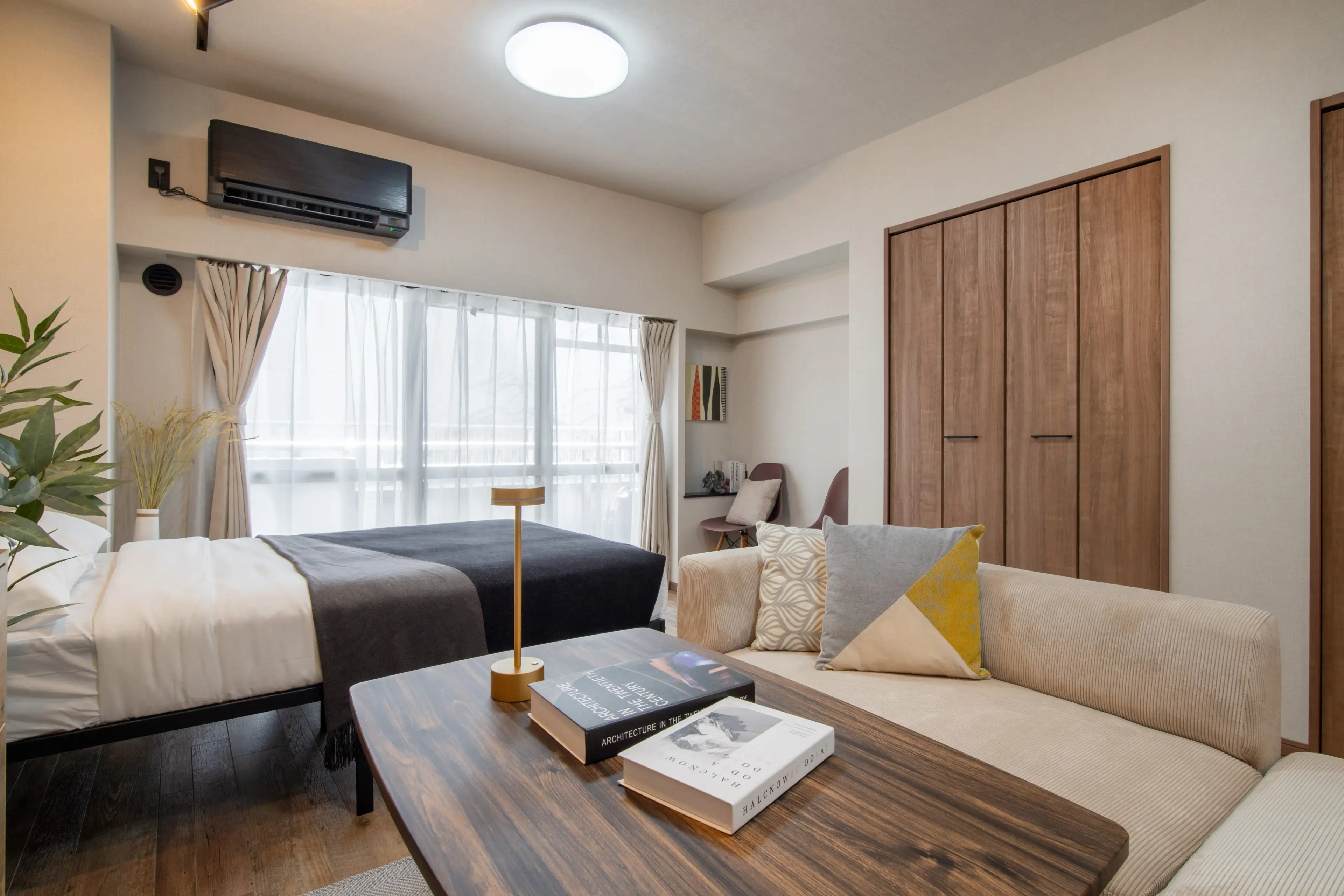
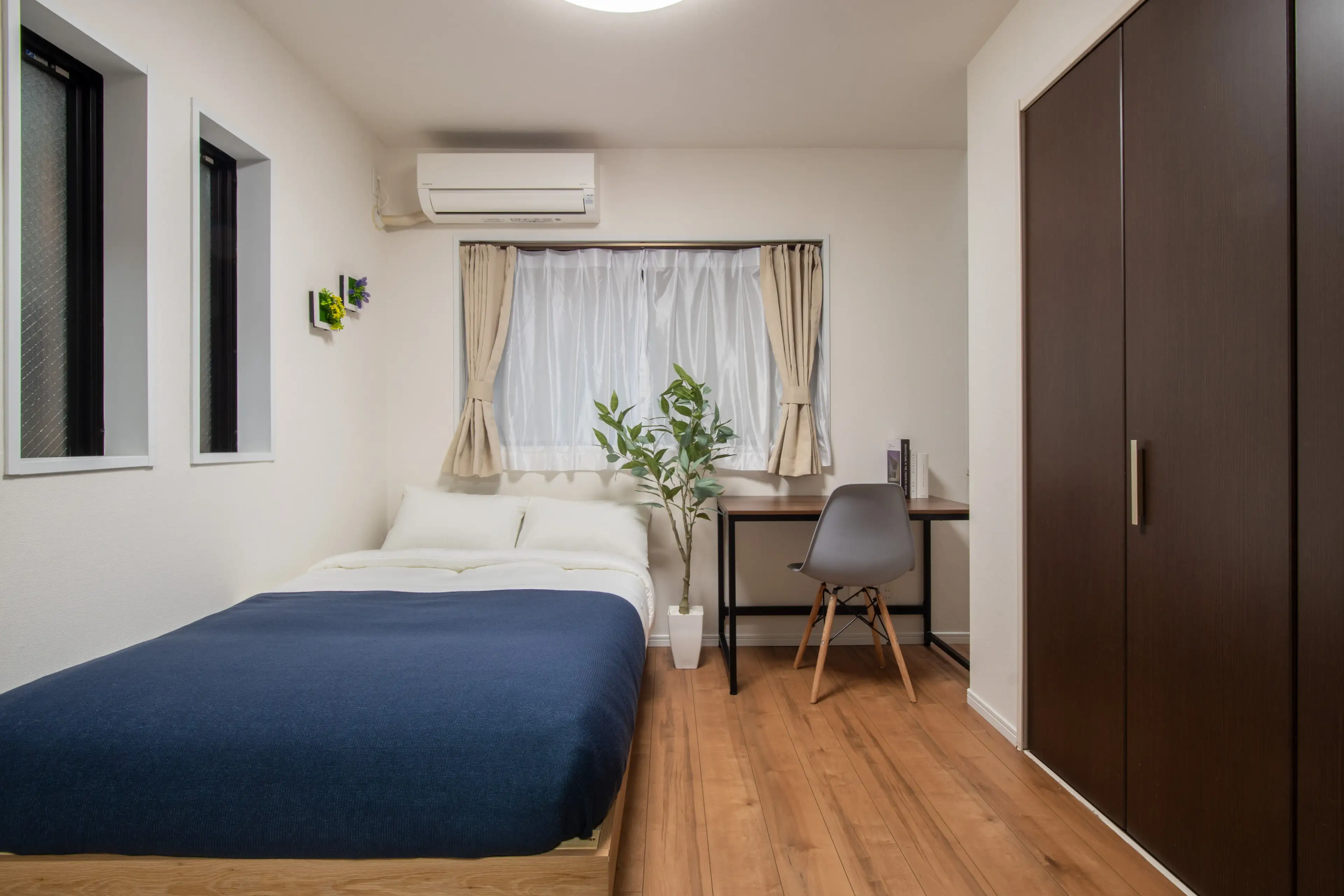
Ito ay kung saan ang pagkakaroon ng tamang housing mula sa unang araw ay tunay na mahalaga. Maraming dayuhan na dumarating upang mag-job hunt sa Tokyo ay pumipili ng furnished apartment o sharehouse dahil tama ang kanilang flexible lease term — walang multi-year commitment habang sinisiguro mo ang iyong mga paso. Ang sharehouse ay partikular na naglalagay sa iyo kasama ang iba pang international resident na maaaring mayroon nang job lead, agency contact, o insider knowledge ng local market.
Sa Modern Living Tokyo, ang aming furnished apartment at sharehouse ay dinisenyo para sa eksaktong transition period na ito — komportable, move-in ready, at nakaposisyon malapit sa major transit hub upang maaari kang makakuha sa interview sa buong lungsod nang walang stress.
Ang job market ng Japan ay gumagantimpala sa mga nagpapakita na dumating nang may preparation, pasensya, at tunay na investment. Sa tamang estratehiya, ang tamang platform, at ang tamang base ng operasyon, ang pagbuo ng career sa Tokyo bilang dayuhan ay lubos na nasa iyong abot.

Modern Living Tokyo
Mga Kaugnay na Artikulo
 Tips & Tricks
20 Kailangang-Kalangang Japanese Apps para sa mga Dayuhan sa Tokyo (2026)
Ang kompletong gabay sa 20 pinakamahalagang apps na kailangan mo sa Tokyo — mula sa Yahoo Transit at PayPay hanggang e-Tax at Mercari, updated na para sa 2026.
 Modern Living TokyoMagbasa pa →
 Tips & Tricks
Paano Magbukas ng Bank Account sa Japan Bilang Foreigner (2026)
Lahat ng kailangan mong malaman tungkol sa pagbubukas ng bank account sa Japan bilang foreigner noong 2026 - mula sa pagpili ng bank hanggang sa mga kinakailangang dokumento.
Modern Living TokyoMagbasa pa → Tips & Tricks
Walang Cash na Pagbabayad sa Japan: Ang Kompleto Gabay ng Dayuhan para 2026
Ang iyong kumpletong gabay para sa 2026 tungkol sa cashless payments sa Japan — mula sa pag-set up ng Suica at PayPay hanggang sa pag-alam kung kailan dapat magdala ng pera. Ginawa para sa mga dayuhang dumarating sa Tokyo.
Modern Living TokyoMagbasa pa →Pangunahing mga ari-arian
 May Nakatira
Fully Furnished Apartment 20 Min to Takadanobaba
Iidabashi High Town Maaaring mula Dec 3, 2026
Binigyan ng kagamitan na apartment sa Meguro
ML Meguro — 208
 Available Ngayon
Muwebleng apartment sa Shinagawa
Beverly Homes Nishikoyama — 103