
Gabay sa Pamumuhay sa Mitaka: Kapayapaan ng Suburb Malapit sa Inokashira Park

Mitaka sa Isang Sulyap: Bakit Nararapat Mong Panoorin ang Maliwanag na Sulok ng Tokyo
Kung naghahanap ka ng mga apartment sa Mitaka o sinusuri ang pamumuhay sa kanlurang suburb ng Tokyo, malamang ay napansin mo na ang pagkakaiba ng lugar na ito. Naroroon ang Mitaka sa kanluran ng sikat na Kichijoji sa linya ng Chuo, nag-aalok ng mga kalye na puno ng mga puno, relaxing na pamumuhay, at tunay na pakiramdam ng komunidad — lahat ay madaling maaabot mula sa gitna ng Tokyo.
Hindi tulad ng maingay na kalakalan sa Shinjuku o Shibuya, parang lugar kung saan tunay na namumuhunan ang mga tao ang damdam mo sa Mitaka. Ang mga pamilya ay gumagamit ng bisikle patungo sa supermarket, ang mga lokal ay tumatagal sa mga tahimik na café, at ang mga kalye sa paligid ng Inokashira Park ay puno ng tunog ng mga ibon kaysa sa ingay ng trapiko. Para sa mga dayuhang nais umangkop sa buhay sa Tokyo nang walang labis na urban stress, ang Mitaka ay dahan-dahang nagiging isa sa pinakaangkop na pagpipilian sa lungsod.

Alok kumpara sa Gitna ng Tokyo: Gaano Kalayo ang Iyong Budget sa Mitaka?
Isa sa mga pangunahing dahilan para sa sinumang nag-iisip ng pamumuhay sa Mitaka Tokyo ay ang renta. Kumpara sa mga gitnang lugar tulad ng Shibuya, Minato, o kahit Shinjuku, nag-aalok ang Mitaka ng mas malaking espasyo para sa iyong pera.
Narito ang isang magaspang na buod ng mga inaasahang buwan-buwan na renta:
- Studio (1K/1R), 20–30㎡: ¥65,000–¥85,000/buwan
- Isang-silid (1LDK), 35–45㎡: ¥90,000–¥120,000/buwan
- Dalawang-silid (2LDK), 55–70㎡: ¥130,000–¥170,000/buwan
- Kuwartong sharehouse (pribado): ¥50,000–¥70,000/buwan (karaniwang kasama ang utilities)
Ihambing ito sa katulad na studio sa Shibuya o Minato-ku, kung saan ang parehong ¥85,000 na budget ay maaaring magbigay ng napakaliit na 18㎡ na kahon. Sa Mitaka, ang parehong budget ay maaaring magbigay sa iyo ng angkop na apartment na may hiwalay na kusina at maayos na natural na liwanag.
Tandaan na ang tradisyonal na mga apartment sa Hapón ay karaniwang nangangailangan ng key money (礼金), deposito (敷金 — karaniwang 1–2 buwan ng renta), at bayad sa ahensya. Ang mga may furnished na apartment at sharehouses ay madalas na hindi may mga ganitong paunang gastos, na ginagawa itong mas accessible para sa mga bagong dumating.
Pro Tip: Kung bago ka sa Hapón at nais iwasan ang paperwork at paunang gastos ng tradisyonal na kontrata, ang isang furnished na apartment o sharehouse sa Mitaka ay maaaring makatipid sa iyo ng ¥200,000–¥400,000 sa mga paunang bayad lamang. Ang Modern Living Tokyo ay may mga opsyon sa kanlurang Tokyo na nagpapahintulot sa iyo na lumipat sa loob ng ilang araw, hindi ng linggo.
Inokashira Park, ang Studio Ghibli Museum & Pang-araw-araw na Buhay sa Mitaka
Ang pamumuhay sa Mitaka ay nangangahulugan na ang Inokashira Park ay praktikal na nasa iyong pintuan. Nasa hangganan ng Mitaka at Musashino City, ang mahal na ito sa puso ng maraming tao ay tunay na berdeng puso — malaking ilog, mga daan na puno ng mga puno, mga bangkang puwedeng hiramin, at regular na palipasan at mga musikero ay ginagawa itong destinasyon sa sarili nito.
Sa tagsibol, ang mga sakura dito ay legendario. Ang mga lokal ay dumadating nang maaga na may mga picnic mat, at ang park ay umiiyak ng uri ng relaxing na enerhiya na nagpapabango sa iyo na mamahalin muli ang Tokyo. Sa pagdating ng taglagas, ang mga maple ay nagiging napakaganda at kulay-ginto. Tunay na, walang panahon na nakakadisappoint.

Sa maikling paglalakad mula sa park ay matatagpuan mo ang Studio Ghibli Museum — isa sa mga pinaka-hinahanap na karanasan sa kultura sa Tokyo. Dapat na nauna ang mga tiket sa pamamagitan ng mga tindahan ng Lawson o ang opisyal na website (mabilis na nauubos), ngunit para sa mga nagtagumpay na makakuha ng tiket, ito ay tunay na mahiwagang bisita. Ang pamumuhay malapit ay nangangahulugan na maaari mong i-time ang iyong pagbisita nang perpekto, nang walang pangangailangan na magmadali mula sa ibang bahagi ng lungsod.
Pang-araw-araw na Kaginhawahan sa Mitaka
Ang pang-araw-araw na buhay sa Mitaka ay napaka-maayos. Ang lugar sa paligid ng Mitaka Station ay may lahat ng kailangan mo:
- Supermarket: Seiyu (bukas ng huli), Peacock, at malapit na Maruetsu
- Convenience store: Maraming 7-Eleven, FamilyMart, at Lawson branch
- Pharmacy chain: Matsumoto Kiyoshi at Sugi Pharmacy para sa pang-araw-araw na pangangailangan
- Pagkain: Lumalaking halok ng ramen shop, Italian café, izakaya, at international restaurant
- Post office at city hall: Ang Mitaka City Hall ay gumaganap ng resident registration, insurance, at iba pang admin
Ang south side ng station (南口) ay mas tahimik at mas paresidensyal, habang ang north side (北口) ay may karamihan ng mga tindahan at ang bus terminal. Ang pag-alam nito ay nakakatipid ng oras kapag unang dumating ka.
"Ang Mitaka ay nagbibigay sa iyo ng berdeng espasyo at katahimikang ng suburb, ngunit hindi ka kailanman higit pa sa 20 minuto mula sa puso ng Tokyo. Ito ang balanse na hinahanap ng karamihan ng tao sa loob ng mga taon."
Pagbiyahe mula sa Mitaka: Ang Kalamangan ng Chuo Line
Ang Chuo Line ay isa sa mga pinakamahalagang arteri ng riles sa Tokyo, at ang Mitaka ay nasa dito. Ito ay pangunahing dahilan kung bakit ang pamumuhay sa kanlurang suburb ng Tokyo sa Mitaka ay praktikal — nakakakuha ka ng suburban na kalayaan nang hindi sinasacrifice ang connectivity.
Narito ang mga pangunahing oras ng paglalakbay mula sa Mitaka Station sa pamamagitan ng tren:
- Kichijoji: 3 minuto (¥140)
- Shinjuku: 16–20 minuto (¥220)
- Tokyo Station: 30–35 minuto (¥410)
- Akihabara: 35–40 minuto
- Ochanomizu (unibersidad/opisina): 28–32 minuto
Ang Chuo Line ay may express at rapid service sa buong araw, na pinababawasan ang oras ng paglalakbay sa malalim na oras ng rush. Mula sa Mitaka, ang lokal na serbisyo ng Chuo-Sobu Line ay nagbibigay din sa iyo ng direktang access sa Nakano, Koenji, at Asagaya — lahat ay vibrant na paresidensyal na lugar na sikat sa mga creative at kabataan na propesyonal.
Ang Mitaka ay isa ring western terminus ng Tokyo Metro Tozai Line, na direktang kumokonekta sa Nihonbashi, Monzen-Nakacho, at maging umabot sa Chiba nang walang paglipat. Ito ay malaking plus para sa sinumang nagtatrabaho sa east Tokyo o sa bayside area.
Magandang Malaman: Ang isang buwang commuter pass (定期券) sa pagitan ng Mitaka at Shinjuku ay nagkakahalaga ng humigit-kumulang ¥8,000–¥9,000. Maraming kumpanya sa Hapón ang sumasaklaw sa gastos ng commuter pass, kaya tingnan ang iyong kontrata sa pagtatrabaho — ang gastos na ito ay maaaring ganap na ibalik.
Mga Lugar at Serbisyong Dayuhan-Bihasa sa Mitaka
Para sa mga naghahanap ng mga apartment sa Mitaka bilang isang dayuhan, ang praktikal na tanong ay hindi lamang tungkol sa renta — tungkol ito sa kung ang karatig-bayan mismo ay mabuhay at mahabang pangako. Ang magandang balita: ang Mitaka ay nakakakuha ng mahusay dito.
Suporta sa Wikang Ingles sa Mitaka City Hall
Ang Mitaka City Office (三鷹市役所) ay may multilingual support na available para sa mga pangunahing administrative na gawain — resident registration, enrollment sa national health insurance, at pangunahing katanungan. Habang hindi lahat ng staff ay nagsasalita ng English nang lubos, ang lungsod ay gumawa ng makikitang pagsisikap upang suportahan ang mga international na residente, at ang mga pamphlet sa wikang Ingles ay available para sa mga pangunahing pamamaraan.
International Community at Café
Ang lugar sa paligid ng Inokashira Park at ang Ghibli Museum ay naaakit ang cosmopolitan na grupo ng mga artist, akademiko, at maglalakbay. Ang mga café tulad ng Maruju malapit sa south exit at mga independiyenteng coffee spot na nakakalat sa mga backstreet ay may international, creative na kapaligiran. Hindi kakaiba na marinig ang maraming wika sa isang Sunday morning walk.
Medikal at Health Access
Ang Mitaka ay may maraming clinic at ospital, kasama ang access sa Kyorin University Hospital (sa kalapit na Mitaka) — isang mahusay na pasilidad na minsan ay nag-aalok ng English-language consultation support. Para sa pangkalahatang kalusugan, ang mga lokal na pharmacy ay may mga kilalang international brand kasama ang mga opsyon sa Hapón.
Mga Mapagkukunang sa Wikang Ingles
- Mitaka City International Exchange website — naglilista ng mga kaganapang komunidad at suporta para sa mga foreign resident
- Musashino Place library (maikli na bus ride) — may maliit na international book collection at language exchange event
- Facebook at Meetup groups — maraming active na expat at language exchange community na nakabase sa west Tokyo ay regular na nagtitipun sa Mitaka/Kichijoji area

Mitaka vs. Kichijoji: Alin ang Dapat Mong Piliin?
Ito ay malamang ang pinaka-karaniwang tanong para sa sinumang naghahanap ng apartment sa west Tokyo. Pareho ang mga station sa Chuo Line, lamang ng tatlong minuto, at nagbabahagi ng Inokashira Park. Ngunit mayroon silang kapansin-pansing iba't ibang personalidad.
Kichijoji
- Mas vibrant, na may malakas na shopping at dining scene (Harmonica Yokocho alley, Sun Road arcade)
- Patuloy na nangunguna sa isa sa mga "most desirable places to live" ng Tokyo sa taunang survey
- Mas mataas na renta — inaasahan na magbayad ng ¥10,000–¥20,000/buwan pa para sa katulad na apartment
- Mas busy at mas puno sa mga weekend, lalo na sa paligid ng park at shopping street
- Kabilang sa Musashino City, hindi sa Mitaka City
Mitaka
- Mas tahimik at mas tunay na paresidensyal ang pakiramdam
- Mas mababang renta na may mas maraming espasyo para sa iyong pera
- Malakas na lokal na komunidad, mas hindi transient kaysa Kichijoji
- Tahanan ng Ghibli Museum at Jindai Botanical Garden (isang maikling bus ride sa timog)
- Western terminus ng Tozai Line — mahusay para sa mga commuter sa east Tokyo
- Mas kaunting nightlife, na panalo o depende sa iyong lifestyle
Ang honest na sagot: kung nais mong maging kung saan ang aksyon at flexible ang budget, nananalo ang Kichijoji sa lakas. Ngunit kung nais mo ng mas maraming apartment para sa iyong pera, isang mas tahimik na pang-araw-araw na kapaligiran, at hindi ka kelanman isip ang tatlong minuto na train ride upang maabot ang mga café at restaurant ng Kichijoji — Mitaka ang mas matalinong pagpipilian.
Maraming long-term na residente ng Tokyo ang nagtatapos sa eksaktong posisyon na ito: pinapangarap nila ang Kichijoji, pagkatapos ay natuklasan ang Mitaka, at hindi na bumalik.
Angkop ba ang Mitaka para sa Iyo?
Ang Mitaka ay gumagana nang maayos lalo na para sa:
- Propesyonal na nagbabiyahe sa Shinjuku, ang Marunouchi area, o east Tokyo sa pamamagitan ng Tozai Line
- Mga estudyante na naka-enroll sa mga malapit na unibersidad (ICU — International Christian University — ay nasa ilang stoppa lang sa kanluran sa Mitaka City)
- Mga creative, manunulat, at remote worker na nagpipigil sa kalayaan at berdeng espasyo
- Mga pamilya na naghahanap ng ligtas, mahusay na serbisyong karatig-bayan sa labas ng gitna ng Tokyo
- Sinumang nais tamasahin ang mga amenities ng Kichijoji nang walang pagbabayad ng Kichijoji prices
Karapat-dapat na tandaan na ang International Christian University (ICU) ay tunay na matatagpuan sa loob ng Mitaka City, at ang presensya nito ay nagbibigay sa lokal na lugar ng notableng international na timpla — ang mga nagsasalita ng Ingles ay tunay na bahagi ng komunidad dito, hindi lamang lumilipas.
Kung ikaw man ay naglilipat para sa trabaho, nagsisimula mula sa simula sa Hapón, o simpleng naghahanap ng mas mabuhay na sulok ng kahanga-hangang lungsod na ito, ang Mitaka ay nararapat ng seryosong pagsisikap. At kung hindi ka pa handa na magmit-commit sa long-term lease — o kung pakiramdam mo ay nakakamangha ang pag-navigate sa Japanese rental market — isang furnished apartment o sharehouse ay perpektong paraan upang maglanding sa Mitaka at makakuha ng iyong bearings bago mag-sign ng kahit ano na permanente.
Sa Modern Living Tokyo, tinutulungan namin ang mga dayuhan na makahanap ng furnished apartment at sharehouses sa mga karatig-bayan ng west Tokyo tulad ng Mitaka at higit pa — na may flexible na termino, English support, at walang bundok ng paperwork. Tuklasin ang aming mga available room at makita kung ang Mitaka ay maaaring maging iyong susunod na base sa Tokyo.
Modern Living Tokyo
Mga Kaugnay na Artikulo
 Neighborhood
Ikebukuro Area Guide: Abot-kayang Pamumuhay Malapit sa Puso ng Tokyo
Ang Ikebukuro ay nag-aalok ng access sa central Tokyo sa mga presyong nakakamangha. Ang kompletong gabay sa lugar na ito ay sumasaklaw sa gastos, commute, pagkain, at kung paano ang buhay sa Toshima Ward...
 Modern Living TokyoMagbasa pa →
 Neighborhood
Gabay sa Pamumuhay sa Shinagawa: Ang Pinakamahusay na Hub para sa Mga Expat sa Tokyo
Ang Shinagawa ay isa sa pinakakonektadong lugar sa Tokyo para sa mga dayuhan — malapit sa Shinkansen, accessible ang Haneda, abot-kayang presyo ng renta, at maraming international na amenities. Narito ang iyong kompletong gabay para sa 2026...
Modern Living TokyoMagbasa pa → Neighborhood
Gabay sa Pamumuhay sa Shimokitazawa: Ang Pinakasikat na Lugar sa Tokyo para sa mga Dayuhan
Kompletong gabay sa pagbubuhay sa Shimokitazawa, Tokyo — mula sa presyo ng bahay, transportasyon, lifestyle, hanggang sa pagtukoy kung angkop ba talaga sa iyo ang kilalang creative neighborhood na ito.
Modern Living TokyoMagbasa pa →Pangunahing mga ari-arian
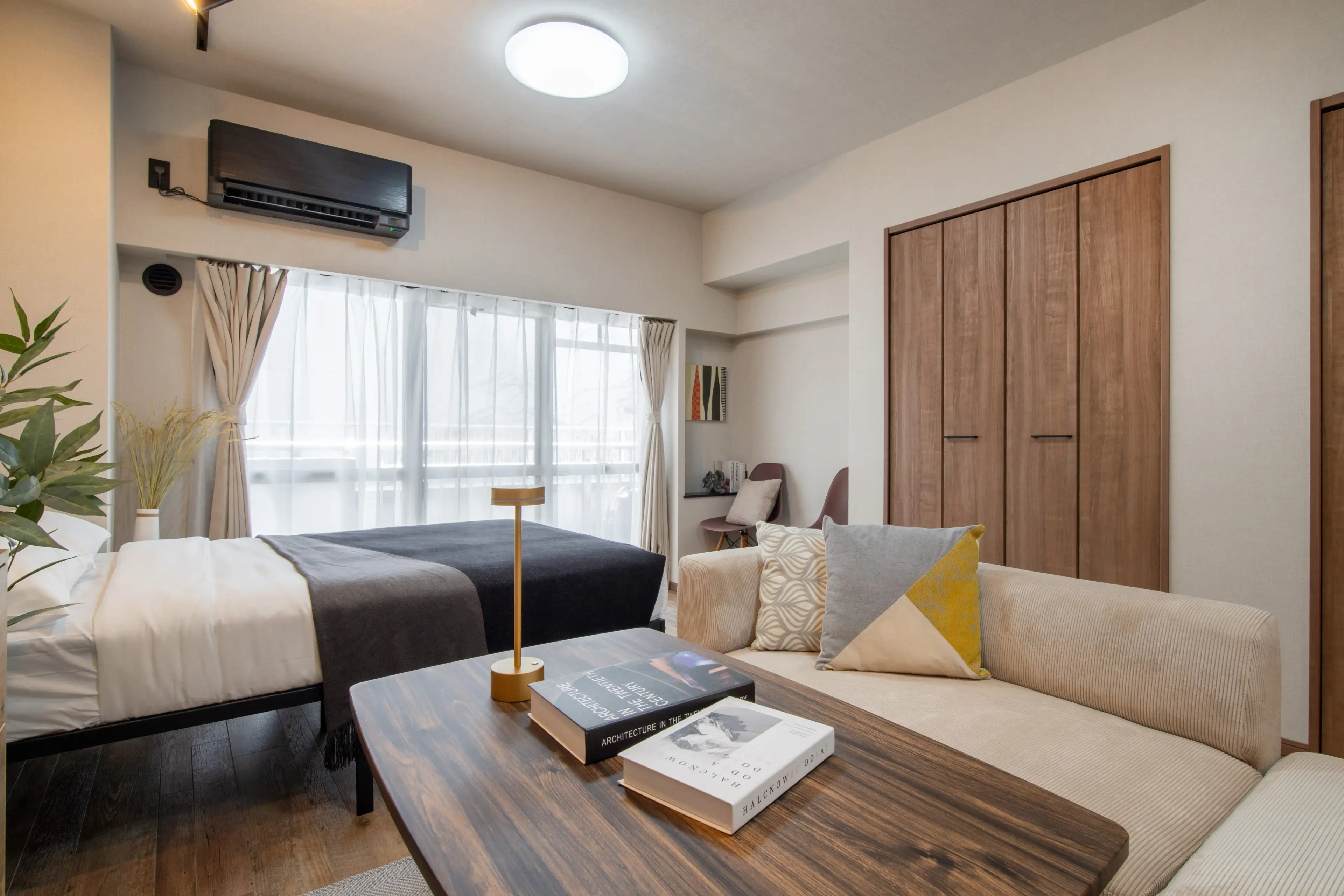 May Nakatira
Fully Furnished Apartment 20 Min to Takadanobaba
Iidabashi High Town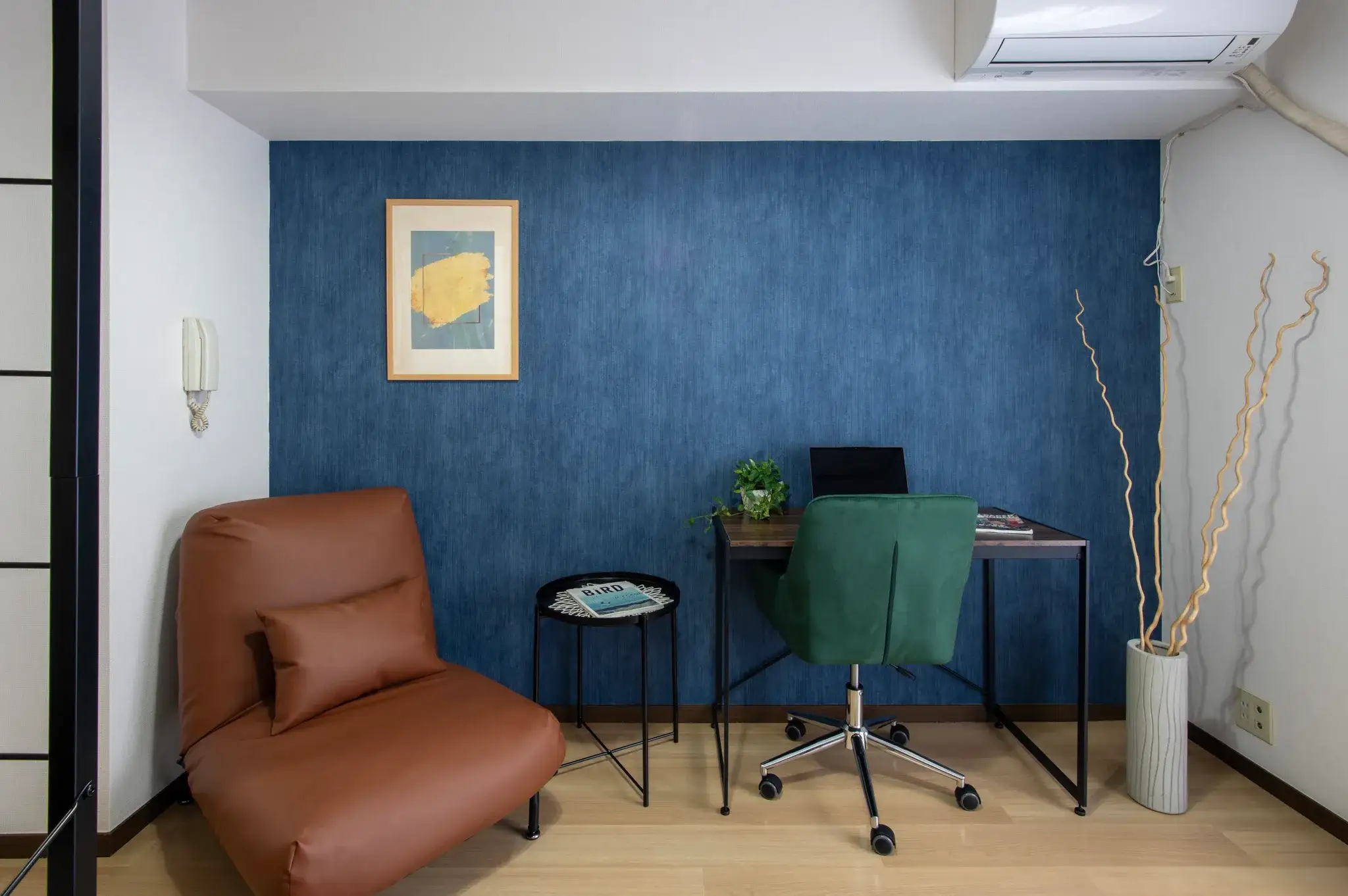 Maaaring mula Dec 3, 2026
Binigyan ng kagamitan na apartment sa Meguro
ML Meguro — 208
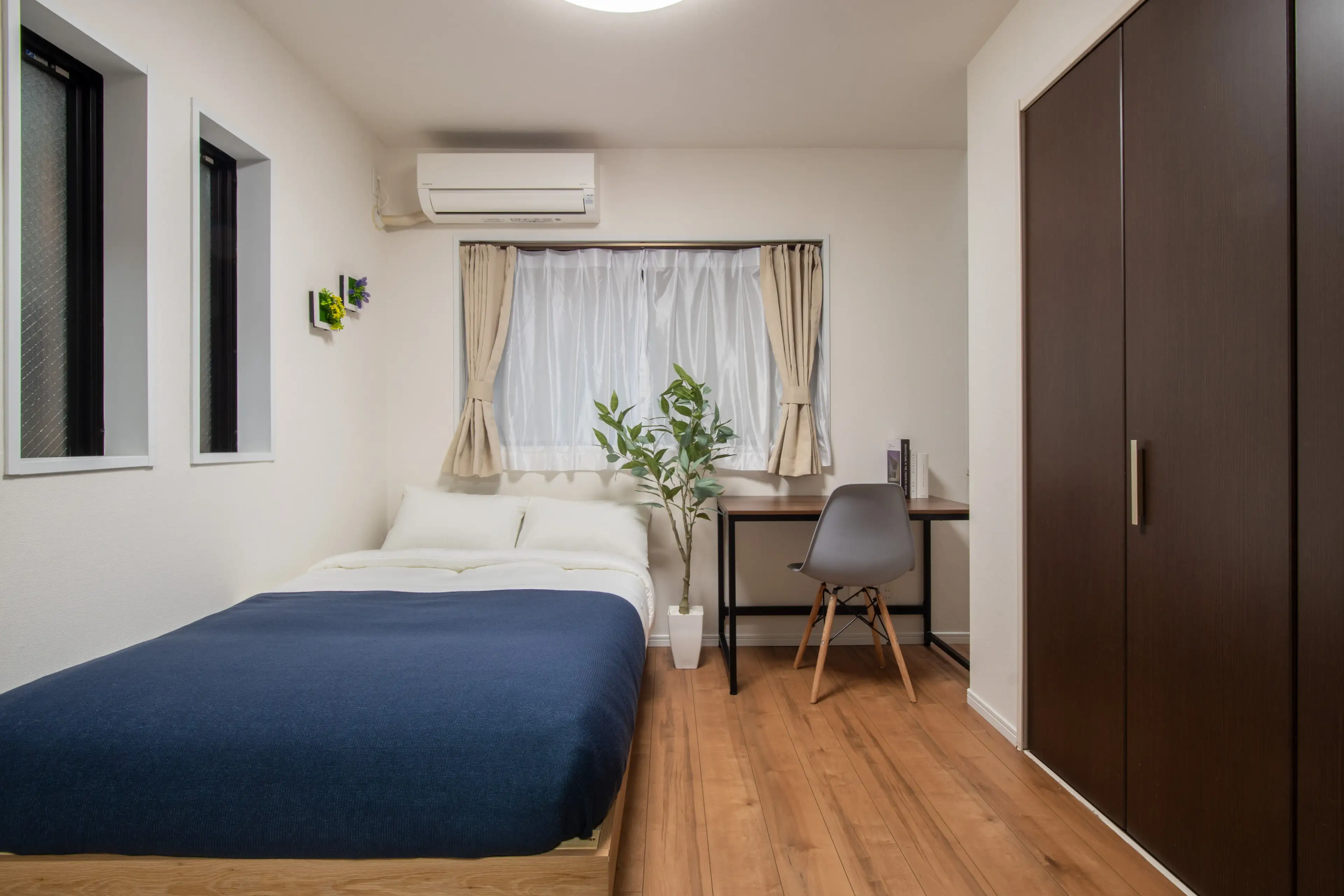 Available Ngayon
Muwebleng apartment sa Shinagawa
Beverly Homes Nishikoyama — 103