
Pag-unawa sa Kultura ng Trabaho sa Japan: Tapat na Gabay para sa mga Expat

Ang Dapat Malaman ng Bawat Expat Tungkol sa Japanese Work Culture
Ang pag-navigate sa Japanese work culture bilang isang expat ay parang matuto ng pangalawang wika sa tuktok ng aktwal na pangalawang wika. Ang mga walang nakasulat na patakaran, ang mga social rituals, ang mga katahimikan na may mas malalim na kahulugan — maraming bagay na dapat maintindihan habang nagsusumikap na gumawa ng magandang trabaho. Ang gabay na ito ay isang totoo at praktikal na pagtingin sa kung paano talagang ang buhay bilang isang foreign worker sa Japan, kung ano ang nakakagulat sa karamihan, at kung paano hindi lamang makabuhay kundi tunay na umusbong.

Ang Mga Batayan: Hierarchy, Keigo, at Business Cards
Ang mga Japanese workplace ay napatibay sa malinaw na hierarchy, at ang pag-unawa kung saan ka natatayo dito — at kung paano kinikilala ang posisyon ng iba — ay foundational. Ang seniority ay natutukoy ng edad, taong nagtrabaho sa kumpanya, at title. Ang iyong senpai (mga senior colleague) ay umaasahan ng isang tiyak na antas ng paggalang, at ang iyong kohai (mga junior) ay magtitingin sa iyo para sa gabay.
Ang wika ay sumasalamin sa struktuyang ito. Ang Keigo — pormal at polite na Japanese — ay ginagamit sa professional settings, at kahit ang native Japanese speakers ay gumagugol ng mga taon sa pag-master ng mga nuances nito. Bilang isang foreigner, hindi ka inaasahang magsalita ng perpektong keigo, ngunit ang pagsisikap sa basic polite phrases ay napakalaki ng halaga. Ang simpleng "Yoroshiku onegaishimasu" sa dulo ng introduction ay nagpapahayag ng respeto at tunay na pagsisikap.
Ang Business Card (Meishi) Exchange
Kung gumagana ka sa client-facing o corporate role, ang meishi exchange ay isa sa mga unang rituals na iyong makakahanap. Narito ang protocol:
- Ipresenta ang iyong card gamit ang dalawang kamay, text ay nakatuon sa recipient
- Tanggapin ang kanilang card gamit ang dalawang kamay at magbigay ng sandali upang basahin ito
- Ilagay ito nang may paggalang sa table sa harap mo sa panahon ng meeting, hindi ito dapat bilisan sa bulsa
- Mamuhunan sa quality bilingual cards — Japanese sa isang side, English sa kabilang side
- Huwag kailanman magsulat sa card ng isang tao o gamitin ito bilang notepad
Madali at abot-kaya ang paggawa ng cards sa Tokyo. Ang mga shops tulad ng Vistaprint Japan o ang print counters sa Kinko's ay maaaring lumikha ng bilingual meishi nang mabilis, kadalasan para sa ¥3,000–¥5,000 para sa 100 cards.
Oras ng Trabaho at ang Overtime Reality
Tayo ay maging tapat: ang Japan ay may malinaw na dokumentadong kultura ng mahabang oras ng trabaho. Ang termong karoshi — kamatayan mula sa overwork — ay umiiral dahil may dahilan. Maraming Japanese employees ang nakakaramdam ng social pressure na manatili sa opisina hanggang ang kanilang manager ay umalis, anuman man ang uri ng trabaho na mayroon.
Bilang isang foreigner, maaari mong ramdam ang mas kaunting social pressure — o maaaring ito ay mas malakas dahil sinisikap mong sumabay. Ang pinakasabik na diskarte, lalo na sa unang ilang buwan mo, ay obserbahan kung ano ang ginagawa ng iyong team at mag-adjust nang naaayon.
Praktikal na Tip tungkol sa Oras
- Paid overtime (zangyō) ay kinakailangang legal — kung nagtatrabaho ka ng extra hours, ang iyong kumpanya ay dapat magbigay ng compensation sa iyo (o mag-alok ng time off sa halip)
- Ang 2019 Work Style Reform Law ay nag-cap ng overtime sa 45 oras bawat buwan para sa karamihan ng workers — alamin ang iyong karapatan
- Ang startups at foreign-affiliated companies (gaishikei) ay karaniwang may mas flexible na kultura
- Ang paggamit ng iyong paid leave (nenkyu) ay iyong legal right — huwag matakot na gamitin ito, ngunit umayos ang iyong pace sa unang ilang buwan
Pro Tip: Kung naghahanap ka ng trabaho sa Tokyo, tahasang maghanap ng gaishikei (foreign-affiliated) companies o startups kung ang work-life balance ay priyoridad mo. Ang mga kumpanyang tulad ng Rakuten, LINE, at maraming tech startups ay gumagana sa English at may mas Western-style na oras.

Nomikai (Drinking Culture) at Team Building
Nomikai — literal na "drinking meetings" — ay isang tunay at mahalagang bahagi ng Japanese office culture. Ang mga after-work gatherings na ito ay nangyayari sa izakayas (Japanese pubs) at kung saan ang tunay na bonding ay nangyayari, ang mga hierarchies ay medyo nagiging mas soft, at ang mga colleagues ay nakakakilala ang isa't isa bilang mga tao kaysa colleagues.
Ang pagdalo ay kadalasang semi-mandatory, lalo na ang unang o pangalawang pagsisimula na iyong ini-invite. Ang pag-skip ng paulit-ulit ay maaaring magpahayag na ikaw ay hindi team player, kahit na ito ay hindi sinasabi ng direkta.
Nomikai Etiquette para sa Mga Baguhan
- Maghintay para sa grupo kanpai (toast) bago uminom — huwag magsimula sa iyong sarili
- Mag-para ng inumin para sa iba bago mag-pour para sa iyong sarili; bantayan ang mga walang laman na glass
- Hindi mo kailangang uminom ng alkohol — ang pag-order ng oolong cha (oolong tea) o soft drink ay lubos na ayos, lalo na pagkatapos ng unang round
- Ang pinaka-senior person ay kadalasang nag-order ng unang round ng drinks para sa table
- Ang mga gastos ay kadalasang hinati nang pantay-pantay (warikan) o saklaw ng isang senior colleague o department budget
- Budget ng mga ¥3,000–¥5,000 bawat tao para sa isang typical evening
"Sa Japan, ang trust ay binuo sa labas ng meeting room. Ang izakaya ay kung saan ang mga colleagues ay nagiging allies — at kung saan ang expats na nagpapakita ay nakakakuha ng tunay na competitive advantage."
Higit pa sa nomikai, ang team building ay maaaring kasama din ang hanami (cherry blossom viewing parties), summer barbecues, o company sports days. Yakapin ang mga ito — ang mga ito ay tunay na kasiya-siya kapag sumali ka.
Communication Style: Pagbasa ng Kapaligiran (Kuuki wo Yomu)
Ang isa sa pinaka-challenging adjustments para sa expats na nagtatrabaho sa Japan ay ang indirect communication style. Ang phrase kuuki wo yomu — "reading the air" — ay naglalarawan ng Japanese expectation na kunin mo ang unspoken cues, emotional atmosphere, at implied meaning sa halip na umasa sa explicit statements.
Ang direktang "no" ay bihira. Sa halip, maaari mong marinig ang "Chotto muzukashii desu ne" ("Yan ay medyo mahirap") — na halos palaging nangangahulugang no. Ang katahimikan ay maaaring magpahayag ng disagreement. Ang enthusiastic nodding ay hindi kailanmang nangangahulugang agreement; ito ay kadalasang nangangahulugang "Nakikinig ako."
Mga Pangunahing Communication Adjustments
- Huwag magpigil para sa direktang sagot sa group settings — bigyan ng lugar ang mga tao na tumugon sa kanilang sariling oras o sa email pagkatapos ng meeting
- Nemawashi (informal consensus-building bago ang isang formal decision) ay crucial — makipag-usap sa stakeholders nang isa-isa bago i-push ang isang bagong idea sa full meeting
- Ang ringi system (approval sa pamamagitan ng isang circulated document) ay nangangahulugang ang mga desisyon ay maaaring maramdamang mabagal ngunit ay masusing pinag-isipan — maging mapatient
- Papuri sa private — ang pag-highlight sa isang tao publicaly para sa papuri ay maaaring magdulot ng embarrassment kaysa motivation
- Magpasalamat nang generous — isang mabilis na "Moushiwake gozaimasen" (Lubos akong nagsisisi) kapag nagsimula ang isang bagay na napakasama ay mas pinahahalagahan kaysa sa defensiveness
Good to Know: Maraming international companies na gumagana sa Japan ay nagsasagawa ng internal meetings sa English ngunit sinusundan pa rin ang Japanese communication norms sa ilalim. Huwag ipagpalagay na ang English-speaking environment ay nangangahulugang Western directness — laging basahin ang mood.

Ang Nagbabago sa Japanese Work Culture noong 2026
Ang work culture ng Japan ay umuusad — marahil ay mas mabilis kaysa sa anumang punto sa nakaraang ilang dekada. Ang isang shrinking workforce, government pressure, at ang lasting influence ng pandemic ay lahat ay nag-push sa mga kumpanya na mag-modernize.
Mga Real Changes Na Nagsisimula Na
- Remote at hybrid work ay standard na sa maraming malalaking kumpanya, kasama ang Toyota, Hitachi, at Fujitsu
- 4-day work weeks ay sinusubukan — ang Panasonic, Hitachi, at Shiseido ay lahat ay nag-introduce ng optional 4-day schedules
- Job-type employment (job-gata) ay papalitan ang tradisyonal na lifetime employment model sa maraming sectors — nangangahulugang mas malinaw na job descriptions, mas maraming lateral hiring, at mas maraming lugar para sa specialists (magandang balita para sa foreign workers na may specific expertise)
- English bilang isang official language — ang mga kumpanyang tulad ng Rakuten at Fast Retailing (parent ng Uniqlo) ay gumawa ng English bilang kanilang internal language ilang taon na ang nakakaraan; higit pa ang sumusunod
- Dagdag foreign worker hiring — ang gobierno ay nag-expand ng visa categories at ang mga kumpanya ay aktibong nag-recruit internasyonal, lalo na sa tech, finance, at healthcare
Walang ito nangangahulugang ang lumang kultura ay nawala sa isang gabi. Ang tradisyonal na mga kumpanya (nihonjin kaisha) ay patuloy na gumagana sa malalim na hierarchies at mahabang oras. Ngunit para sa expats na dumarating sa 2025 at 2026, ang landscape ay napakaganda na mas accessible kaysa isang dekada na ang nakakaraan.
Mga Tip upang Umunlad — Hindi Lamang Magkabuhay — bilang isang Japanese Work Culture Expat
Ang pag-alam ng mga patakaran ay isang bagay. Ang aktwal na pagbuo ng isang fulfilling career at buhay sa Tokyo ay iba. Narito ang kung ano ang konsistent na nagsasaad ng expats na umuunlad mula sa mga nag-burnout at umuwi ng maaga.
- Matuto ng ilang Japanese, kahit ang basics. Kahit 30 minuto araw-araw sa isang app tulad ng Anki o isang weekly class sa isang local language school ay bumubuo ng goodwill nang mabilis. Subukan ang Shinjuku Japanese Language Institute o Coto Academy sa Hiroo.
- Maghanap ng iyong komunidad nang maaga. Ang isolation ay totoo. Maghanap ng expat networks (InterNations Tokyo ay may regular events), industry meetups sa Meetup.com, o kahit ang social scene na natural na lumalaki sa isang magandang sharehouse environment.
- Maintindihan ang iyong contract nang lubusan. Siguraduhin na alam mo ang iyong trial period length (karaniwang 3–6 buwan), holiday entitlement, at overtime rules bago mo i-sign.
- Bumuo ng mga relasyon sa labas ng iyong immediate team. Ang pagkakaroon ng mga allies sa iba pang departments ay invaluable sa isang consensus-driven culture.
- Yakapin ang food culture. Ang almuerso ay isang social act sa Japan. Ang pagpunta sa malapit na teishoku restaurant kasama ang colleagues ay isa sa pinakasimpleng at pinakaepektibong paraan upang makabuo ng bono.
- Bigyan ang iyong sarili ng oras upang mag-adjust. Karamihan ng experienced expats ay nagsasabi na ang unang 3–6 buwan ay tunay na mahirap. Ang buwan 12 ay nararamdaman ng ibang paraan. Huwag hatulan ang iyong buong karanasan base sa iyong unang linggo.
Final Thoughts
Ang paggawa ng trabaho sa Japan bilang isang foreigner ay tunay na isa sa pinaka-rewarding professional experiences na maaari mong makaranas — kung papalapitin mo ito gamit ang curiosity at patience kaysa frustration. Ang kultura ay nag-reward ng effort, consistency, at respeto. Ang mga qualities na ito ay nagsasalin sa anumang wika.
Mas madali na makakuha ng foothold kapag ang iyong home life ay organized na. Maraming newcomers sa Tokyo ang nakahanap na ang pagsimula sa isang furnished sharehouse — sa halip na mag-navigate ng isang full apartment lease mula simula — ay nagbibigay ng breathing room upang mag-focus sa malaking adjustment ng isang bagong trabaho at bagong bansa. Sa Modern Living Tokyo, ang aming mga sharehouses at furnished apartments ay dinisenyo gamit ang eksaktong transition na ito sa isip: flexible, komportable, at puno ng mga taong nasa parehong sitwasyon.
Tokyo ay handa na na tanggapin ka. Papasok sa may iyong meishi, iyong curiosity, at willingness na basahin ang kapaligiran — ang natitirang bahagi ay darating na.

Modern Living Tokyo
Mga Kaugnay na Artikulo
 Culture
Matuto ng Pagluluto ng Hapag-Kainan Hapon sa Tokyo: Mga Klase at Culinary Schools
Mula sa one-day na workshops para sa sushi hanggang sa propesyonal na culinary schools, tuklasin ang pinakamahusay na Japanese cooking classes sa Tokyo para sa mga dayuhan — kasama ang presyo, lokasyon, at iba pa...
 Modern Living TokyoMagbasa pa →
 Culture
Pag-aaral ng Tradisyonal na Sining ng Hapon sa Tokyo: Tsiya, Kaligrapia at Marami Pang Iba
Tuklasin kung paano matuto ng tea ceremony, kaligrapia, at ikebana sa Tokyo bilang isang dayuhan — kasama ang mga paaralan na may English support, tunay na gastos, at mga tip sa etiquette.
Modern Living TokyoMagbasa pa → Culture
Tokyo Summer Festivals 2026: Kompletong Gabay para sa mga Dayuhan
Ang iyong kompletong gabay sa summer festivals ng Tokyo 2026 — mula sa mga petsa at lokasyon ng fireworks, hanggang sa tips para sa yukata at masasarap na matsuri food para sa mga bagong residente at expats sa Tokyo.
Modern Living TokyoMagbasa pa →Pangunahing mga ari-arian
 May Nakatira
Fully Furnished Apartment 20 Min to Takadanobaba
Iidabashi High Town Maaaring mula Dec 3, 2026
Binigyan ng kagamitan na apartment sa Meguro
ML Meguro — 208
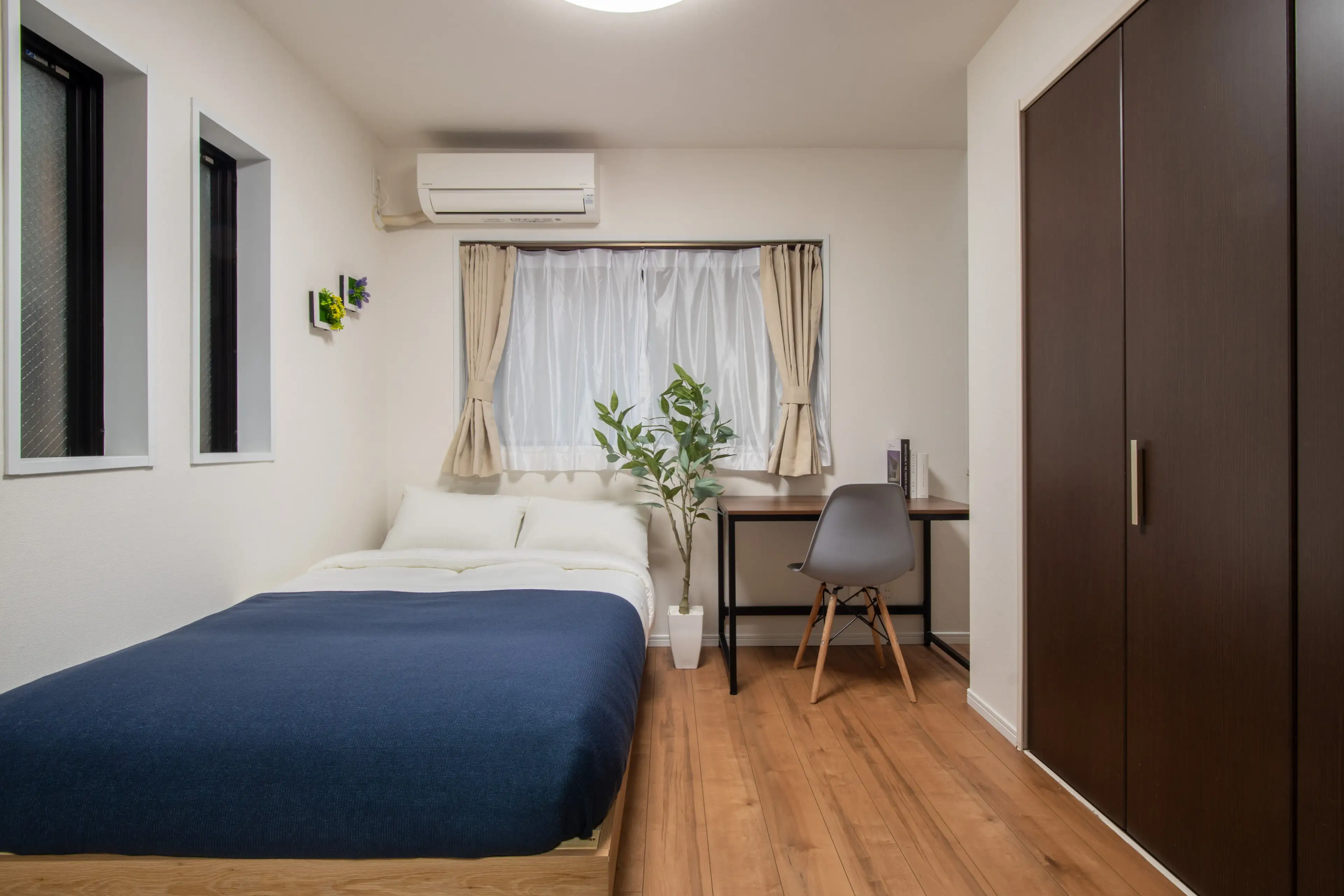 Available Ngayon
Muwebleng apartment sa Shinagawa
Beverly Homes Nishikoyama — 103