
Panduan Lengkap Menyewa Mansion Bulanan di Tokyo: Langkah demi Langkah untuk 2026

Mansyon Bulanan vs Hotel vs Apartemen: Mana yang Tepat untuk Anda?
Jika Anda sedang mencari cara menyewa mansyon bulanan di Tokyo, kemungkinan Anda sudah menyadari bahwa pasar perumahan Tokyo tidak sesuai dengan kategori Barat yang biasa. Sebuah mansyon bulanan (マンスリーマンション, mansuri manshon) berada di posisi sempurna antara hotel menginap singkat dan sewa jangka panjang penuh — dan bagi banyak orang asing, ini adalah langkah pertama yang paling cerdas.
Berikut perbandingan ketiga opsi tersebut secara sekilas:
- Hotel: Tanpa dokumen rumit, tetapi biaya ¥8.000–¥20.000+ per malam. Bagus untuk seminggu, menyakitkan untuk sebulan.
- Sewa apartemen standar: Lebih murah per bulan, tetapi memerlukan penjamin Jepang, uang kunci (礼金), biaya agensi, dan waktu tunggu berbulan-bulan. Hampir mustahil bagi pendatang baru tanpa kartu tempat tinggal.
- Mansyon bulanan: Fully furnished, tagihan sering kali sudah termasuk, minimum stay biasanya 30 hari, tidak perlu penjamin. Hitung-hitungan ¥60.000–¥150.000/bulan tergantung ukuran dan lokasi.
Mansyon bulanan sangat populer di kalangan karyawan yang ditugaskan dari luar, orang yang menunggu apartemen reguler mereka siap, dan siapa pun yang bekerja dengan visa berbasis proyek yang membutuhkan alamat resmi dengan cepat. Ini adalah jembatan praktis — bukan kompromi.

Dokumen yang Benar-Benar Anda Butuhkan (Edisi Orang Asing)
Di sinilah banyak pemula застревают. Dokumen sewa Jepang terkenal detail, tetapi mansyon bulanan dirancang khusus untuk ramah terhadap orang asing. Berikut adalah apa yang sebenarnya akan Anda butuhkan:
Dokumen Penting
- Paspor — selalu diperlukan, tanpa pengecualian
- Kartu tempat tinggal (在留カード) — jika Anda sudah memilikinya di Jepang
- Visa atau cap izin masuk — untuk mereka yang baru tiba
- Kartu kredit atau kemampuan transfer bank luar negeri — kebanyakan operator menerima kartu internasional
- Informasi kontak darurat — kontak lokal sangat membantu tetapi biasanya tidak wajib
Apa yang Biasanya TIDAK Anda Butuhkan
- Penjamin Jepang (保証人)
- Bukti pekerjaan (beberapa properti premium mungkin meminta)
- Hanko (cap pribadi)
- Rekening bank Jepang
Hal yang Perlu Diketahui: Jika Anda tinggal lebih dari 90 hari di Jepang, secara hukum Anda harus mendaftarkan alamat Anda di kantor ward lokal (区役所) dalam 14 hari. Alamat mansyon bulanan Anda berlaku — manajer properti dapat memberikan salinan perjanjian sewa Anda untuk dibawa.
Beberapa penyedia juga akan meminta salinan surat penugasan perusahaan Anda atau kontrak kerja, khususnya untuk stay lebih lama dari tiga bulan. Simpan PDF ini di ponsel Anda — ini akan mempercepat semuanya secara signifikan.
Cara Menyewa Mansyon Bulanan Tokyo: Booking Online vs Melalui Agen
Anda memiliki dua jalur utama untuk booking: lakukan sendiri secara online, atau bekerja melalui agen relokasi. Keduanya berfungsi dengan baik — itu hanya tergantung pada situasi Anda.
Booking Online (DIY)
Platform Jepang utama untuk daftar mansyon bulanan mencakup Leo Palace 21 (leopalace21.com), Sakura House, Monthly Mansion Tokyo, dan agregator seperti Suumo atau At Home. Banyak yang sekarang memiliki antarmuka bahasa Inggris.
Filter pencarian yang ingin Anda gunakan:
- Area (エリア): Shinjuku, Shibuya, Minato, Chuo, dan Sumida adalah ward populer yang ramah orang asing dengan infrastruktur bahasa Inggris yang baik.
- Minimum stay: Konfirmasi apakah properti memungkinkan stay di bawah 60 hari — beberapa tidak.
- Utilitas termasuk: Cari 光熱費込み (utilitas termasuk). Ini umum di mansyon bulanan tetapi tidak universal.
- Tanggal pindah: Ketersediaan bisa ketat. Pesan setidaknya 1–2 minggu sebelumnya, lebih lama untuk lokasi pusat.
Booking Melalui Agen Relokasi
Jika Anda adalah karyawan korporat, perusahaan Anda mungkin sudah memiliki hubungan dengan layanan relokasi. Agen seperti Ken Corporation, Fontana Japan, atau vendor pilihan tim HR Anda dapat menangani semuanya — viewing, dokumen, bahkan setup internet.
Trade-off-nya: agen menambahkan biaya (biasanya ¥30.000–¥60.000 satu kali), tetapi mereka menghemat waktu signifikan dan dapat mengakses inventaris off-market. Untuk orang yang tiba dengan waktu singkat tanpa kemampuan bahasa Jepang, sering kali nilainya.
Mansyon bulanan bukan hanya tempat tidur — ini adalah alamat hukum Anda, hub Wi-Fi Anda, dan bukti pertama kehidupan Anda di Tokyo. Memilih dengan cermat lebih penting dari yang diperkirakan kebanyakan orang.
Aplikasi Mansyon Bulanan: Proses Langkah demi Langkah
Setelah Anda menemukan properti, proses aplikasi mansyon bulanan yang sebenarnya sangat sederhana dibandingkan dengan sewa Jepang standar. Berikut apa yang diharapkan:
- Kirim pertanyaan — melalui situs web properti atau telepon. Banyak yang menerima pertanyaan bahasa Inggris melalui email.
- Terima konfirmasi ketersediaan — biasanya dalam 24 jam.
- Kirim dokumen Anda — scan paspor, salinan visa, dan dokumen pekerjaan yang diperlukan melalui email atau portal upload.
- Tanda tangani kontrak — sering dilakukan secara elektronik (DocuSign atau setara Jepang seperti CloudSign). Beberapa operator masih memerlukan tanda tangan asli melalui faks atau pos.
- Bayar pembayaran pertama — ini biasanya mencakup sewa bulan pertama ditambah deposit keamanan yang dapat dikembalikan (biasanya ¥30.000–¥50.000). Kartu kredit atau transfer bank.
- Terima informasi kunci — baik pengambilan kunci fisik di kantor atau kode kotak kunci yang dikirim ke email Anda.
Total waktu dari pertanyaan hingga booking yang dikonfirmasi: 1–5 hari kerja untuk sebagian besar operator terkemuka.

Hari Pindah: Apa yang Diharapkan
Pindah untuk mansyon bulanan menyegarkan sederhana dibandingkan dengan apartemen Jepang standar. Berikut gambaran realistis hari pertama Anda:
- Serah terima kunci: Baik ambil dari kantor manajemen (bawa paspor Anda) atau ambil dari kotak kunci berkode di pintu masuk properti.
- Pemeriksaan kondisi: Lakukan jalan-jalan cepat dan ambil foto kerusakan yang ada — goresan, noda, masalah peralatan. Kirim foto-foto ini ke manajer dalam 24 jam. Ini melindungi deposit Anda.
- Utilitas: Di sebagian besar mansyon bulanan, listrik, gas, dan air sudah terhubung sebelumnya. Internet mungkin Wi-Fi bersama bangunan atau router pocket yang ditinggalkan di unit.
- Perlengkapan furnitur: Diharapkan tempat tidur, lemari es, mesin cuci, microwave, dan TV. Handuk dan sprei biasanya disediakan; kit dapur kecil (panci, peralatan makan) bervariasi menurut properti.
- Lembar aturan: Baca ini dengan seksama. Jam senyap, jadwal pembuangan sampah (penting di Jepang — hari sampah yang terlewat adalah masalah nyata), dan kebijakan tidak merokok biasanya disertakan.
Kiat Pro: Sistem sampah Tokyo memerlukan Anda mengurutkan limbah menjadi yang mudah terbakar, tidak mudah terbakar, plastik, dan daur ulang. Setiap ward memiliki hari pengumpulannya sendiri dan aturannya. Minta kalender sampah lokal (ゴミカレンダー) dari manajer bangunan di hari pertama — tetangga Anda akan berterima kasih.
Memperpanjang Tinggal atau Pindah Properti
Kehidupan di Tokyo jarang sesuai rencana. Berikut cara menangani dua situasi paling umum setelah booking awal Anda:
Memperpanjang Tinggal Mansyon Bulanan
Sebagian besar operator memungkinkan perpanjangan dalam kenaikan satu bulan. Hubungi kantor manajemen setidaknya 2 minggu sebelum kontrak Anda berakhir — beberapa memerlukan pemberitahuan 30 hari. Harga perpanjangan biasanya sama dengan tarif asli Anda, meskipun unit populer kadang-kadang melihat kenaikan kecil.
Jika Anda memperpanjang lebih dari 6 bulan total, beberapa operator akan meminta Anda menandatangani kontrak baru atau beralih ke perjanjian jangka panjang. Pada saat itu, mungkin sebanding dengan membandingkan biaya terhadap apartemen furnitur atau sharehouse, di mana tarif bulanan sering kali turun secara signifikan untuk komitmen yang lebih lama.
Pindah Properti
Jika Anda memutuskan pindah — lokasi yang lebih baik, unit yang lebih besar, harga lebih rendah — rencanakan periode tumpang tindih. Pesan properti baru untuk mulai 2–3 hari sebelum kontrak Anda berakhir. Ini memberi Anda waktu untuk mentransfer barang-barang tanpa stres dan memastikan Anda tidak pernah memiliki malam tanpa alamat terdaftar (penting untuk kartu tempat tinggal Anda).
Perusahaan seperti Modern Living Tokyo yang menawarkan baik apartemen furnitur bulanan maupun sharehouses membuat transisi ini mudah — Anda dapat berpindah antar tipe properti dalam sistem manajemen yang sama tanpa mengulangi proses aplikasi penuh.
Jebakan Umum yang Merugikan Pemula
Bahkan mansyon bulanan yang ramah dan berorientasi orang asing dapat memiliki biaya tersembunyi. Waspada terhadap hal-hal berikut:
- Batas utilitas: Beberapa kontrak "utilitas termasuk" memiliki batas bulanan (mis., ¥5.000 untuk listrik). Melampaui di musim panas atau musim dingin dan Anda akan dikenakan biaya perbedaannya. Tanyakan tentang ini sebelum menandatangani.
- Biaya pemutusan awal: Memutuskan kontrak mansyon bulanan lebih awal — katakan, pergi pada hari ke-45 dari minimum 60 hari — sering kali berarti kehilangan satu bulan sewa. Baca klausa pembatalan dengan hati-hati.
- Biaya pembersihan: Sebagian besar mansyon bulanan mengenakan biaya pembersihan pindah-keluar wajib (¥15.000–¥30.000). Ini terpisah dari deposit keamanan Anda dan tidak dapat dinegosiasikan dalam kebanyakan kasus.
- Internet tidak termasuk: "Furnitur" tidak selalu berarti "Wi-Fi termasuk." Beberapa properti menawarkan router pocket Wi-Fi dengan biaya harian atau bulanan. Konfirmasi sebelum booking jika pekerjaan jarak jauh sangat penting.
- Booking melalui platform pihak ketiga: Situs seperti Airbnb atau booking.com kadang-kadang mencantumkan mansyon bulanan dengan markup. Pergi langsung ke operator hampir selalu mendapat Anda harga yang lebih baik untuk stay 30+ hari.
- Melewatkan jadwal sampah: Ini terdengar kecil, tetapi di Tokyo sangat serius. Sampah yang ditinggalkan pada hari yang salah dapat menghasilkan keluhan formal dari manajer bangunan Anda. Dapatkan kalender itu pada hari pertama.

Panduan Mansyon Bulanan Tokyo Anda: Pemikiran Akhir
Menyewa mansyon bulanan di Tokyo benar-benar salah satu opsi perumahan paling lancar yang tersedia bagi orang asing — ketika Anda tahu apa yang Anda lakukan. Langkah-langkah kunci sangat sederhana: bandingkan pilihan Anda dengan jujur, siapkan dokumen Anda sebelumnya, pesan langsung dengan operator, dan baca kontrak dengan hati-hati sebelum Anda menandatangani.
Saat kehidupan Tokyo Anda menetap, juga bermanfaat mengetahui bahwa apartemen furnitur dan sharehouse — seperti yang ditawarkan oleh Modern Living Tokyo — dapat menjadi langkah alami selanjutnya. Mereka sering kali menawarkan lebih banyak komunitas, lebih banyak ruang, dan nilai bulanan yang lebih baik setelah Anda tahu bagian mana dari kota yang terasa seperti rumah.
Baik Anda tinggal sebulan atau setahun, Tokyo memiliki opsi perumahan yang cocok untuk setiap tahap perjalanan Anda. Langkah pertama hanyalah mengetahui cara memulai — dan sekarang Anda sudah tahu.

Modern Living Tokyo
Artikel Terkait
 Moving Guide
Panduan Lengkap Menyewa Apartemen Berperabotan di Tokyo: Langkah demi Langkah (2026)
Panduan praktis untuk menyewa apartemen berperabotan di Tokyo sebagai warga asing di tahun 2026 — mencakup dokumen yang diperlukan, biaya-biaya, opsi tanpa penjamin, dan informasi penting lainnya...
 Modern Living TokyoBaca lebih lanjut →
 Moving Guide
Apa Itu Monthly Mansion di Tokyo? Panduan Lengkap untuk Pemula
Panduan komprehensif tentang monthly mansion di Tokyo — penjelasan lengkap tentang apa itu, berapa biayanya, dan apakah pilihan ini tepat untuk tinggal di Jepang.
Modern Living TokyoBaca lebih lanjut → Moving Guide
Panduan Mencari Apartemen di Tokyo: Strategi Praktis untuk Pendatang Baru (2026)
Panduan langkah demi langkah yang praktis untuk mencari apartemen di Tokyo bagi para penyewa asing — mencakup anggaran, jalur kereta, biaya awal, dan cara tercepat menemukan rumah impian Anda.
Modern Living TokyoBaca lebih lanjut →Properti unggulan
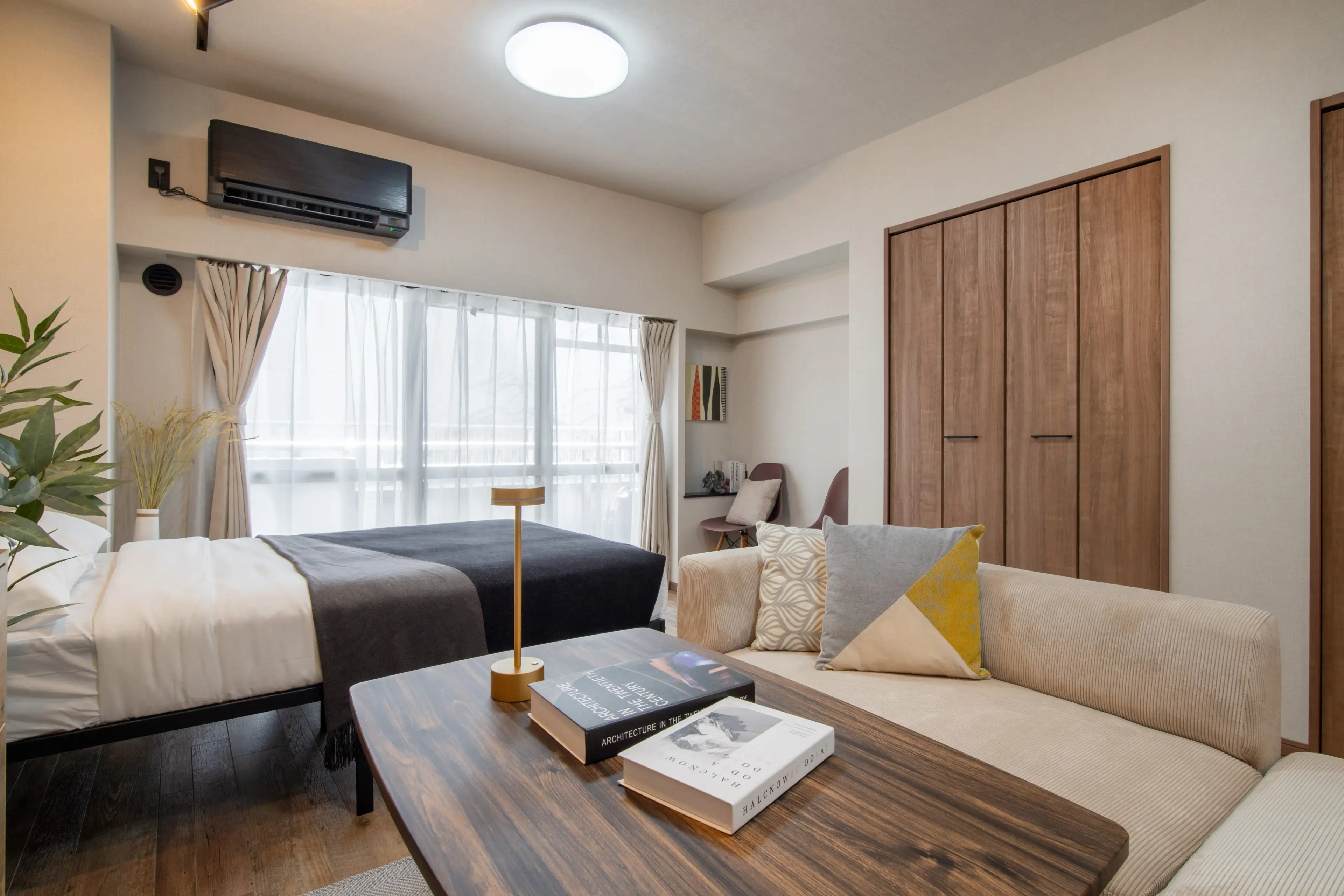 Terisi
Fully Furnished Apartment 20 Min to Takadanobaba
Iidabashi High Town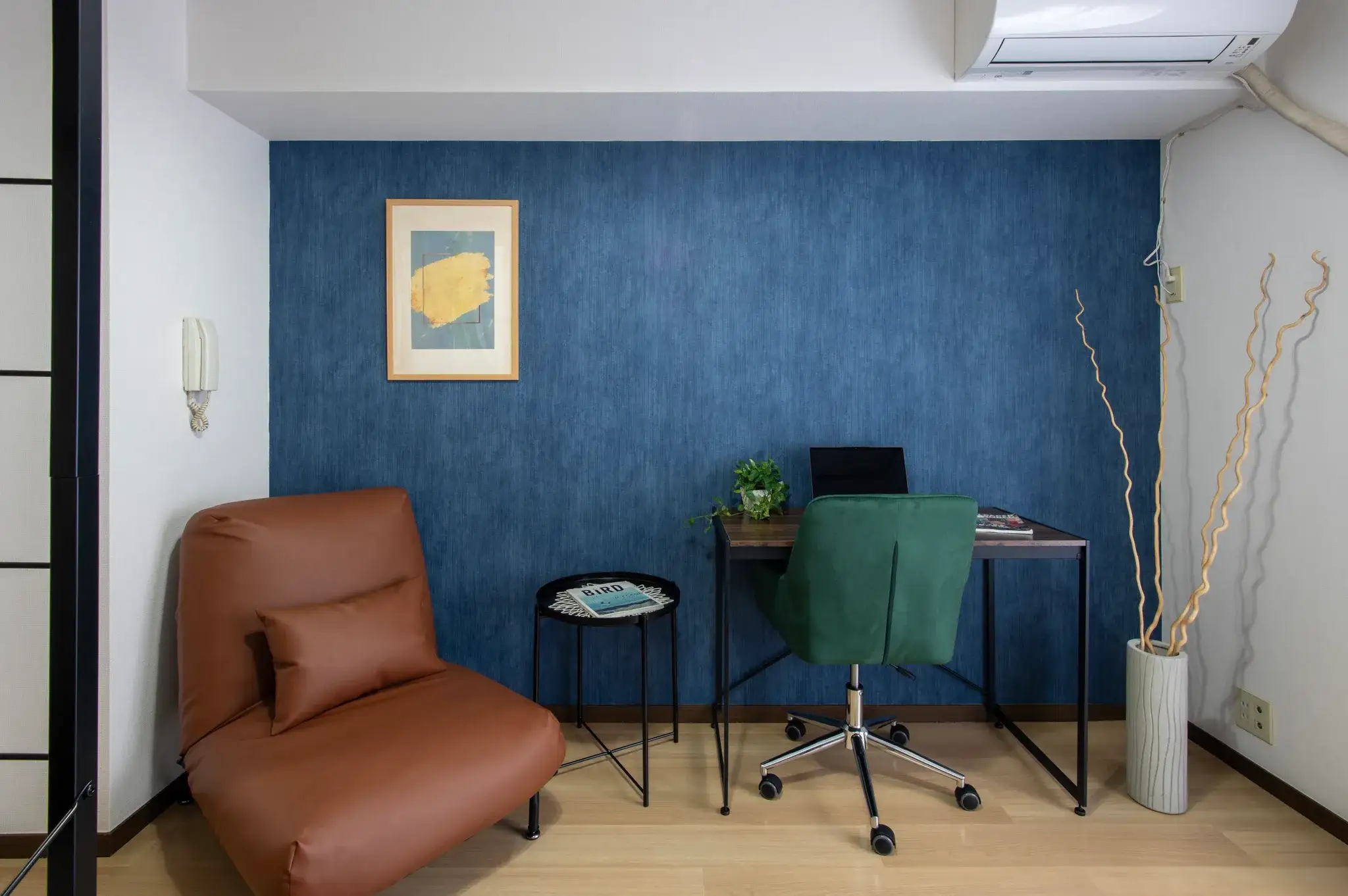 Mungkin dari Dec 3, 2026
Apartemen Berperabotan di Meguro
ML Meguro — Unit 208
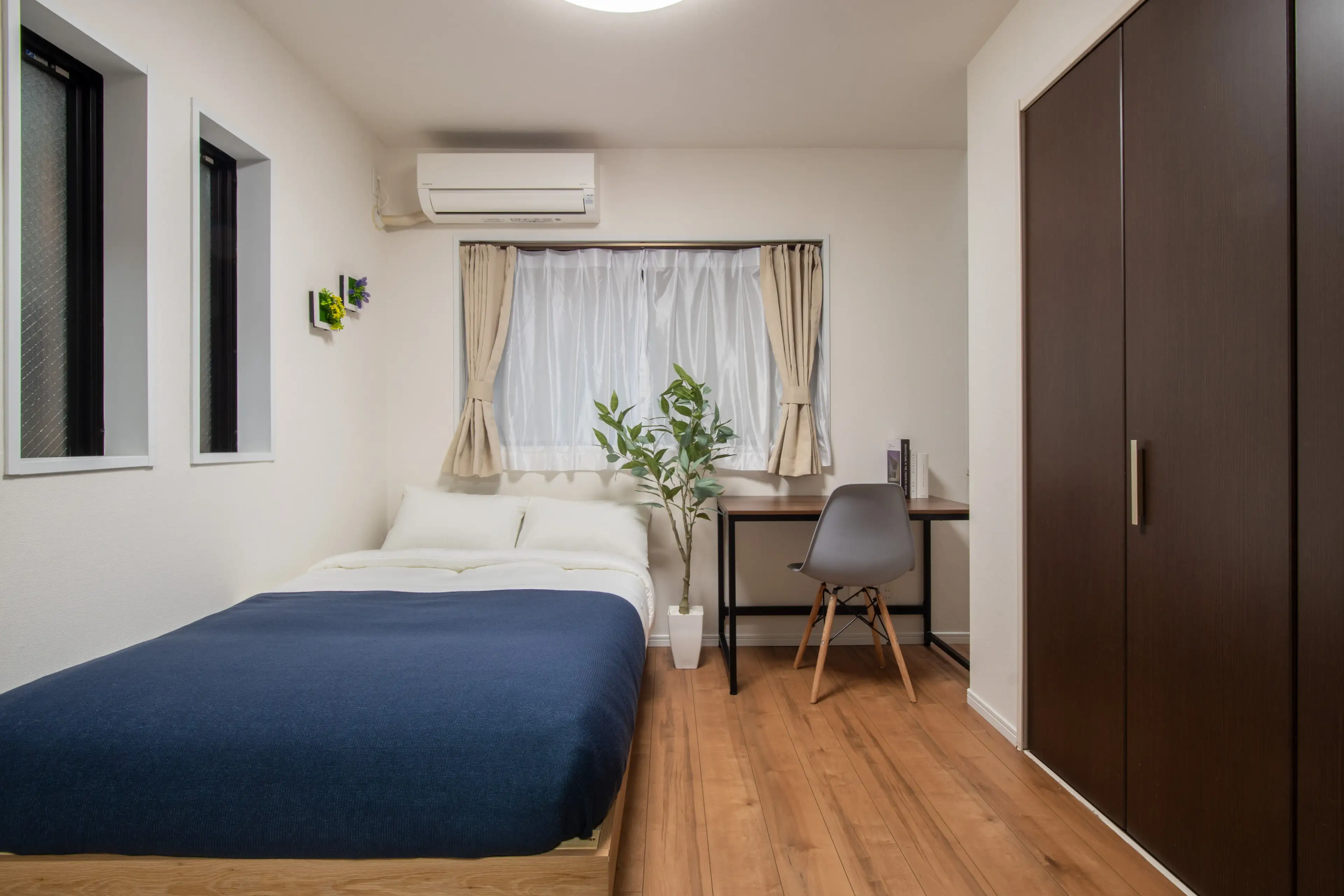 Tersedia Sekarang
Apartemen Berperabotan di Shinagawa
Beverly Homes Nishikoyama — 103