
Memelihara Hewan Peliharaan di Tokyo: Apartemen, Aturan & Panduan Lengkap

Can Foreigners Keep Pets in Tokyo? The Short Answer and the Reality
Yes, foreigners can absolutely keep pets in Tokyo — but finding pet-friendly apartments Tokyo foreigners actually qualify for is a real challenge. Japan has no law preventing non-citizens from owning animals, and the country is genuinely pet-loving. The hard part is the rental market.
Tokyo's housing landscape is notoriously restrictive. Most standard apartments are listed as ペット不可 (pets not allowed), and landlords can and do refuse tenants — Japanese or foreign — on that basis alone. But with the right knowledge and the right housing type, keeping a dog or cat in Tokyo is entirely possible.

Why Over 70% of Tokyo Rentals Ban Pets (And How to Work Around It)
The statistics are sobering. Estimates suggest that more than 70% of rental properties in Tokyo prohibit pets entirely. This isn't arbitrary — it comes down to property damage concerns, neighbor noise complaints, and the allergy sensitivities of future tenants.
Japanese landlords tend to be very protective of their properties. Scratched floors, pet odors embedded in walls, and flea infestations are all legitimate concerns that drive blanket bans. Convincing a traditional landlord to make an exception is rarely easy, especially if you're a foreign tenant without a Japanese guarantor.
Finding a pet-friendly rental in Tokyo isn't about luck — it's about knowing exactly which housing types to target and which neighborhoods give you the most options.
The workarounds that actually work:
- Target purpose-built pet-friendly buildings. Some newer apartment complexes are designed specifically for pet owners, complete with washing stations near entrances and soundproofed walls. Look for the label ペット相談可 (pets negotiable) in listings.
- Go furnished or serviced. Furnished apartment operators and some sharehouse companies have more flexibility than individual landlords. They set their own house rules and can accommodate pets on a case-by-case basis.
- Consider monthly mansions. Short-stay monthly mansions sometimes allow small pets, particularly cats, since they attract long-term international residents.
- Negotiate directly with landlords. If you find a place you love that's listed as 相談可, a pet deposit (ペットデポジット) of one to two months' rent can often seal the deal.
Heads Up: Never bring a pet into a no-pets apartment without permission, even temporarily. Landlords conduct inspections and can terminate your lease — plus charge you full restoration costs, which can run to ¥200,000 or more.
Pet Rules by Housing Type: Apartments vs Share Houses vs Monthly Mansions
Not all Tokyo housing is created equal when it comes to pets. Here's a clear breakdown of what to expect across the main options available to foreigners.
Standard Apartments (普通のアパート・マンション)
These make up the bulk of the Tokyo rental market. The majority ban pets outright. Even buildings listed as ペット可 often restrict breeds and weight — dogs over 10kg are frequently excluded. Expect to pay a refundable pet deposit plus an additional monthly fee of ¥3,000–¥10,000.
Share Houses (シェアハウス)
Pet-friendly share houses in Tokyo do exist, but they are a minority. The key advantage is that sharehouse operators set their own rules — so unlike a traditional landlord, they can designate specific rooms or floors as pet-friendly. If you're open to shared living, this is often the most affordable route to keeping a pet in the city. Look specifically for operators who advertise pet-friendly rooms, as policies vary room by room in some properties.
Serviced and Furnished Apartments
Furnished apartments aimed at expats and international residents tend to be the most negotiation-friendly. The operators understand that foreigners often relocate with pets and are more accustomed to accommodating them. Month-to-month leasing also means less long-term risk for the landlord, which can make approval easier.
Monthly Mansions (マンスリーマンション)
Most standard monthly mansion operators ban pets, but exceptions exist. Small cats are more commonly permitted than dogs, due to noise and exercise concerns. Always confirm in writing before booking.
Best Tokyo Wards for Pet Owners: Green Space, Dog Runs and Lower Restrictions
Location matters a great deal when you have a pet. Some Tokyo wards offer far more green space, dog runs, and a more relaxed pace of life — all of which matter if you're keeping a dog.

Setagaya (世田谷区)
Setagaya is consistently popular among pet-owning expats. It has a high density of parks, relatively low-rise housing, and a quieter residential feel. Komazawa Olympic Park has a designated dog run, and the ward's tree-lined streets are perfect for daily walks.
Meguro (目黒区)
Meguro offers a mix of urban convenience and riverside green space. The Meguro River walkway is dog-friendly and doubles as one of Tokyo's most scenic cherry blossom spots in spring.
Nerima (練馬区)
One of Tokyo's greenest wards by area. Housing tends to be more affordable here than in central wards, and there are multiple dog parks. Pet-friendly apartments are proportionally more common.
Koto (江東区)
Home to large parks like Yumenoshima and Tatsumi, Koto ward is well-suited for active pet owners. Several newer apartment developments in this ward explicitly welcome pets.
Suginami (杉並区)
A well-established residential ward with strong community ties. Zenpukuji Park has a dog run area, and the ward has a relatively high density of pet-friendly rentals compared to central Tokyo.
Registering Your Pet, Vaccination Rules and Japanese Pet Ownership Law
Once you have your housing sorted, there are legal responsibilities every pet owner in Japan must fulfill. These apply equally to Japanese residents and foreign nationals.
Dogs: Registration and Rabies Vaccination
Under Japan's Rabies Prevention Law, all dogs must be:
- Registered with your local ward office within 30 days of acquiring the dog or moving to Japan with one. The one-time registration fee is around ¥3,000. You'll receive a registration tag to attach to the collar.
- Vaccinated against rabies every year. Annual vaccination costs approximately ¥2,500–¥3,500 at a local vet clinic. Vaccination campaigns are held each April across Tokyo wards at reduced cost.
Failure to register or vaccinate can result in fines. It also causes practical problems — many dog runs and boarding facilities require proof of vaccination.
Cats: No National Registration, But Microchipping Is Now Mandatory
As of June 2022, Japan introduced mandatory microchipping for dogs and cats sold by breeders and pet shops. If you purchase or adopt a pet in Japan, microchipping is now a legal requirement. Existing pets owned before the law passed are strongly encouraged (but not legally required) to get chipped.
Register your microchip details with AIPO (Animal ID Promotion Organization) or a similar national database. This is essential if your pet ever gets lost.
Bringing Pets to Japan from Abroad
This is a separate (and often stressful) topic. Japan has strict rabies-free status and enforces rigorous import procedures. Dogs and cats from most countries require rabies titer testing, microchipping, and may need to complete up to 180 days of waiting period before entry. Start the process at least six months in advance and consult the Animal Quarantine Service (AQS) website for country-specific requirements.
Pro Tip: When registering your dog with the ward office, bring your residence card (在留カード), the dog's vaccination certificate, and a recent photo of the dog. Many ward offices have English-speaking staff or bilingual forms available — call ahead to confirm.
How to Find Pet-Friendly Apartments Tokyo Foreigners Can Actually Rent
The practical reality is that mainstream Japanese property portals like SUUMO and HOME'S are useful but can be frustrating to navigate as a foreigner — especially when you're filtering for both foreign-friendly and pet-allowed listings simultaneously.

Where to Search
- SUUMO / HOME'S: Japan's largest portals. Filter by ペット可 and 外国人可 (foreigners accepted). Results vary widely by area.
- GaijinPot Housing: Designed for foreigners. Many listings explicitly state pet policies in English.
- Sakura House, HiAccom, and similar sharehouse networks: Some properties allow small pets. Check individual room listings carefully.
- Facebook groups like "Tokyo Expats Housing" often surface listings not on the main portals, including direct-from-owner rentals that are more flexible on pets.
Questions to Ask Before Signing Any Lease
- What size and breed of pet is permitted?
- Is there a pet deposit, and is it refundable?
- Are there any monthly pet fees?
- Are pets allowed in all common areas?
- What are the rules around noise complaints from neighbors?
Getting these answers in writing — in your lease or as a signed addendum — protects you if disputes arise later.
Finding Your Pet-Friendly Home in Tokyo
Keeping a pet in Tokyo is absolutely manageable — it just requires more planning than in many other cities. Know the rules, target the right housing types, pick a ward with good green space, and get your registration paperwork sorted early.
At Modern Living Tokyo, we know that your pet is part of your family — and that shouldn't change when you move abroad. Some of our furnished apartments and sharehouse rooms are available for tenants with small pets. We handle everything in English, with no guarantor required, flexible lease terms, and full furnishing from day one. If you're relocating to Tokyo with a furry companion, reach out to us directly and let's find a home that works for both of you.

Modern Living Tokyo
Artikel Terkait
 Lifestyle
10 Apartemen Berperabotan Terbaik di Tokyo di Bawah ¥120.000/Bulan (Pilihan 2026)
Temukan 10 apartemen berperabotan pilihan di Tokyo dengan harga di bawah ¥120.000/bulan untuk tahun 2026 — mulai dari studio modern di Shinjuku hingga unit 1LDK yang luas di kawasan timur Tokyo.
 Modern Living TokyoBaca lebih lanjut →
 Lifestyle
Share House Tokyo di Reddit: Apa Kata Penghuni Sebenarnya
Apa pendapat penghuni asli tentang share house di Tokyo di Reddit? Kami mengulas keluhan umum, operator terpercaya, dan cara melakukan riset yang tepat sebelum menandatangani kontrak...
Modern Living TokyoBaca lebih lanjut → Lifestyle
Panduan Bela Diri di Tokyo: Tips Latihan untuk Pendatang Asing
Panduan lengkap untuk belajar bela diri di Tokyo sebagai pendatang asing — membahas dojo terbaik, biaya, etika, opsi visa, dan area hunian terbaik.
Modern Living TokyoBaca lebih lanjut →Properti unggulan
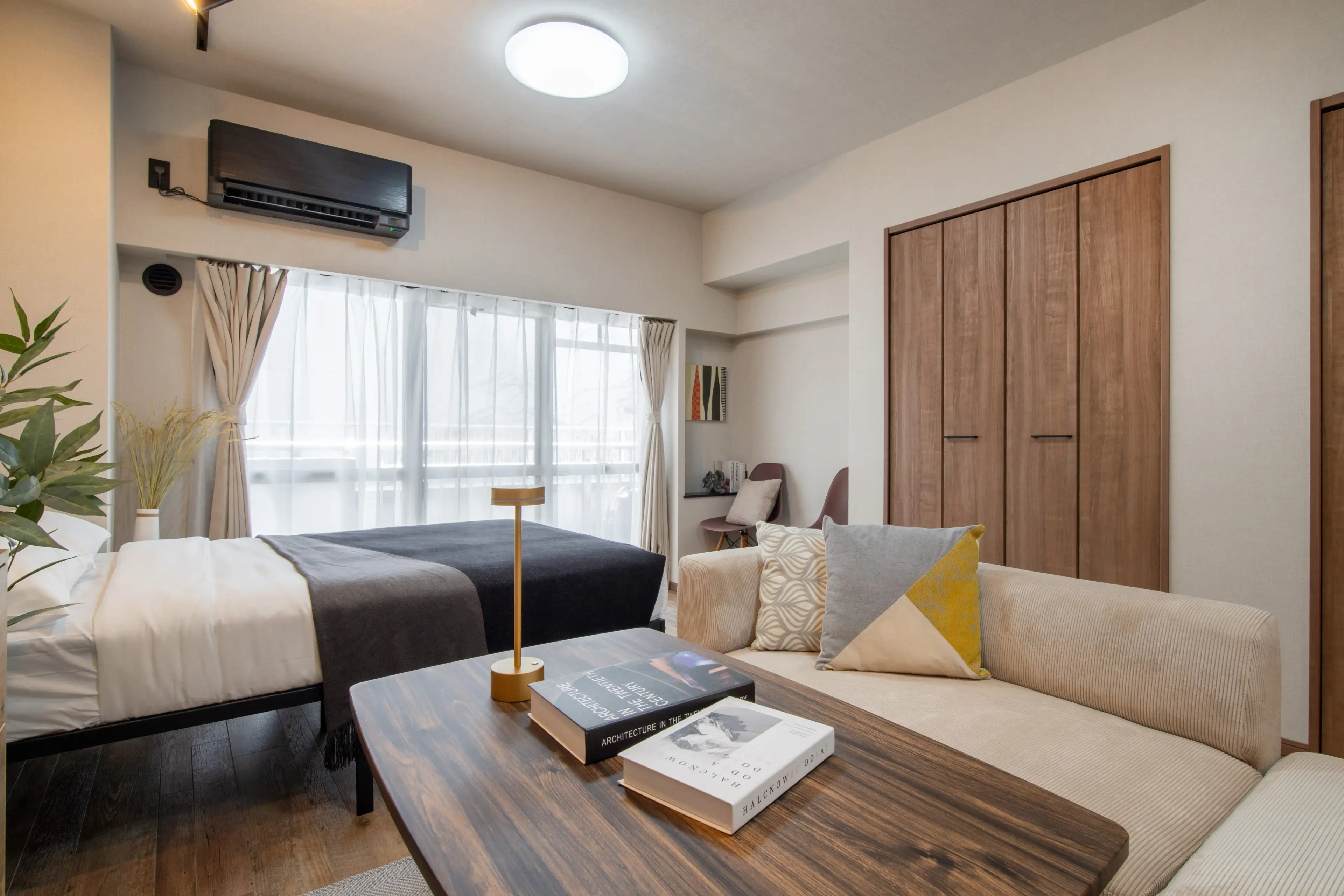 Terisi
Fully Furnished Apartment 20 Min to Takadanobaba
Iidabashi High Town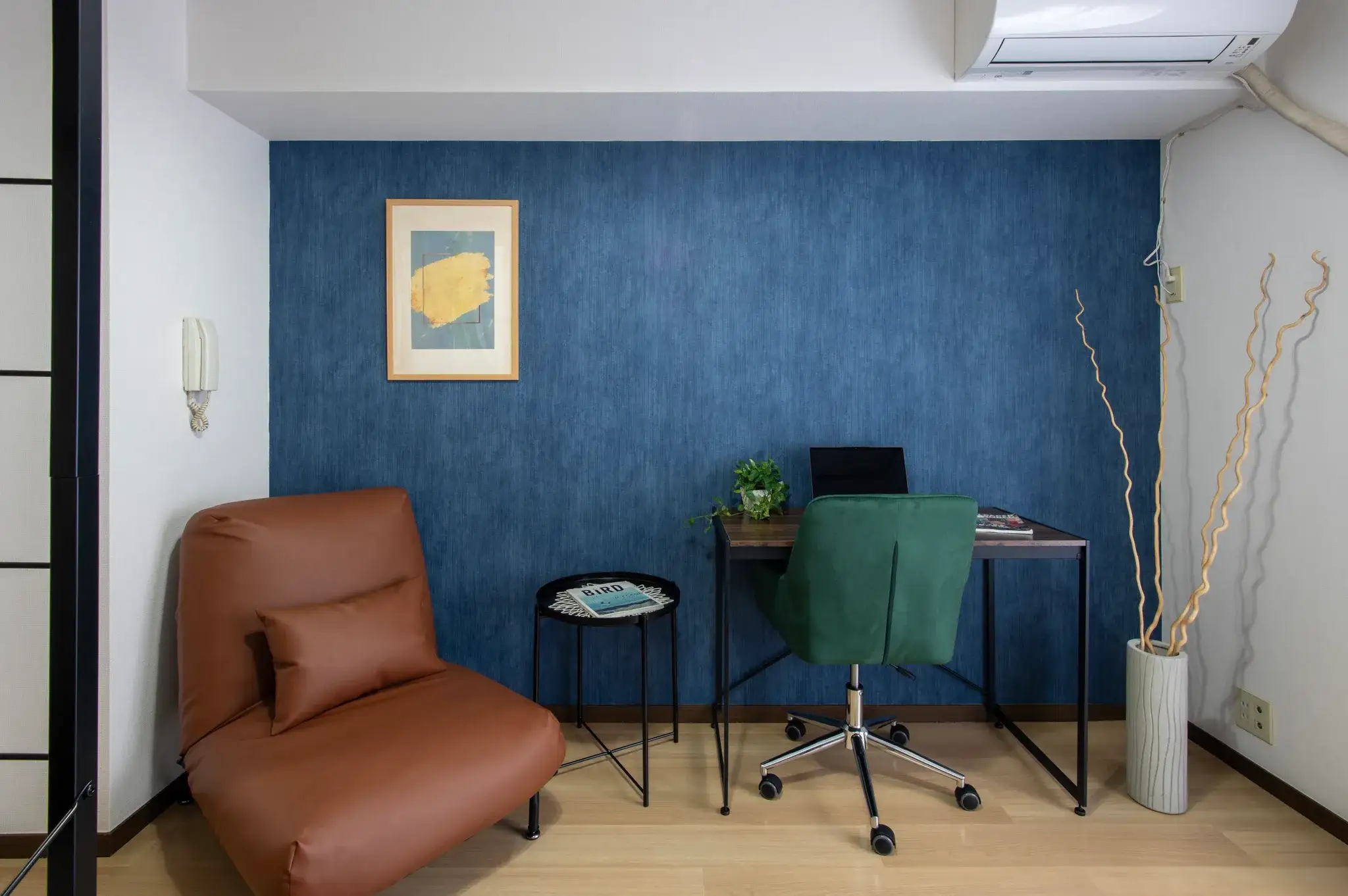 Mungkin dari Dec 3, 2026
Apartemen Berperabotan di Meguro
ML Meguro — Unit 208
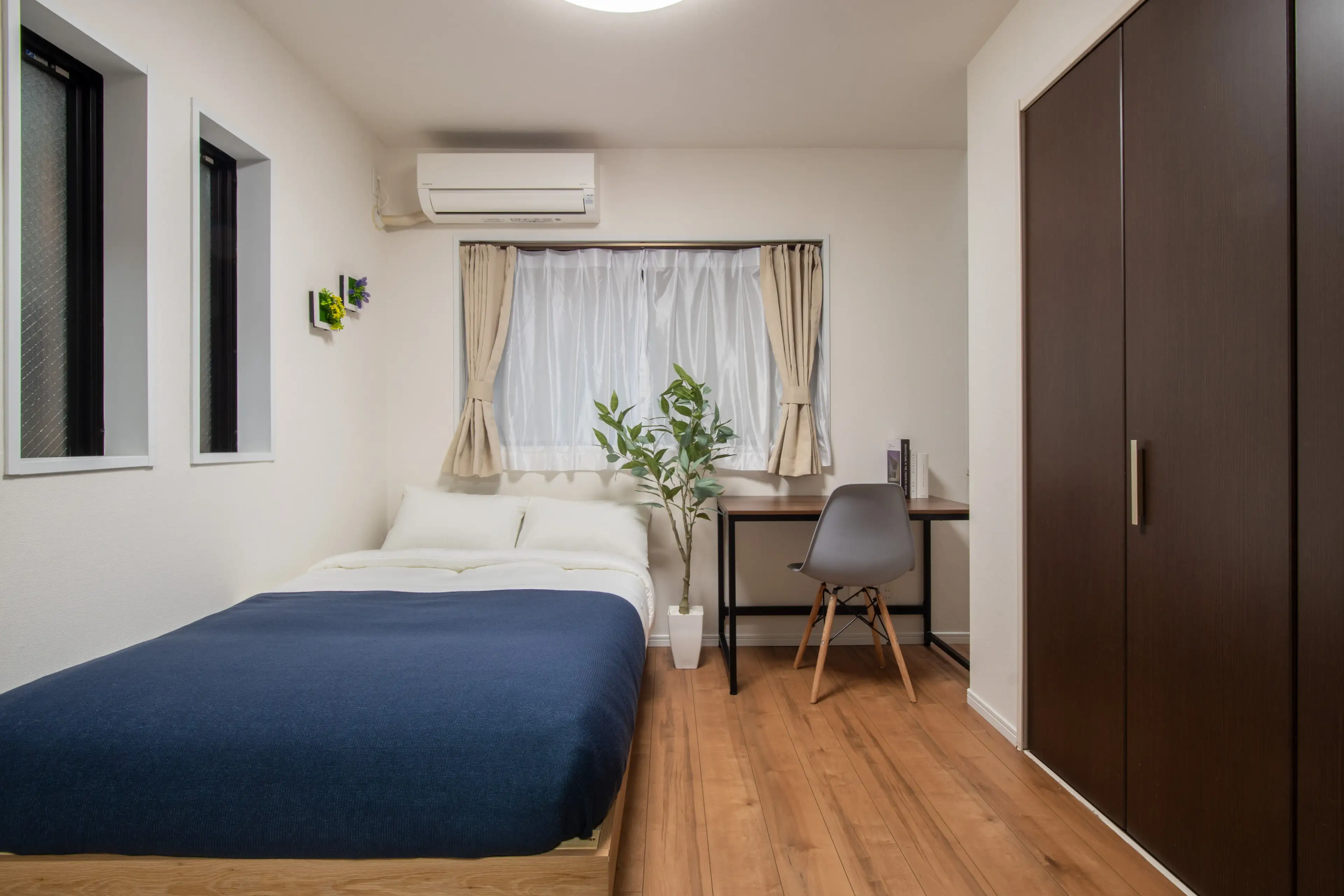 Mungkin dari Feb 22, 2027¥20,000 OFF90h
Apartemen Berperabotan di Shinagawa
Beverly Homes Nishikoyama — 103