
Nakano & Koenji: Rahasia Terbaik Tokyo untuk Hidup dengan Budget Terjangkau

Why Locals Love Nakano and Koenji
If you've been researching nakano tokyo living, you've already stumbled onto one of the city's best-kept secrets. Nakano and its neighbor Koenji sit side by side along the JR Chuo Line in western Tokyo — close enough to Shinjuku to be genuinely convenient, yet far enough away to feel like a real neighborhood with its own identity.
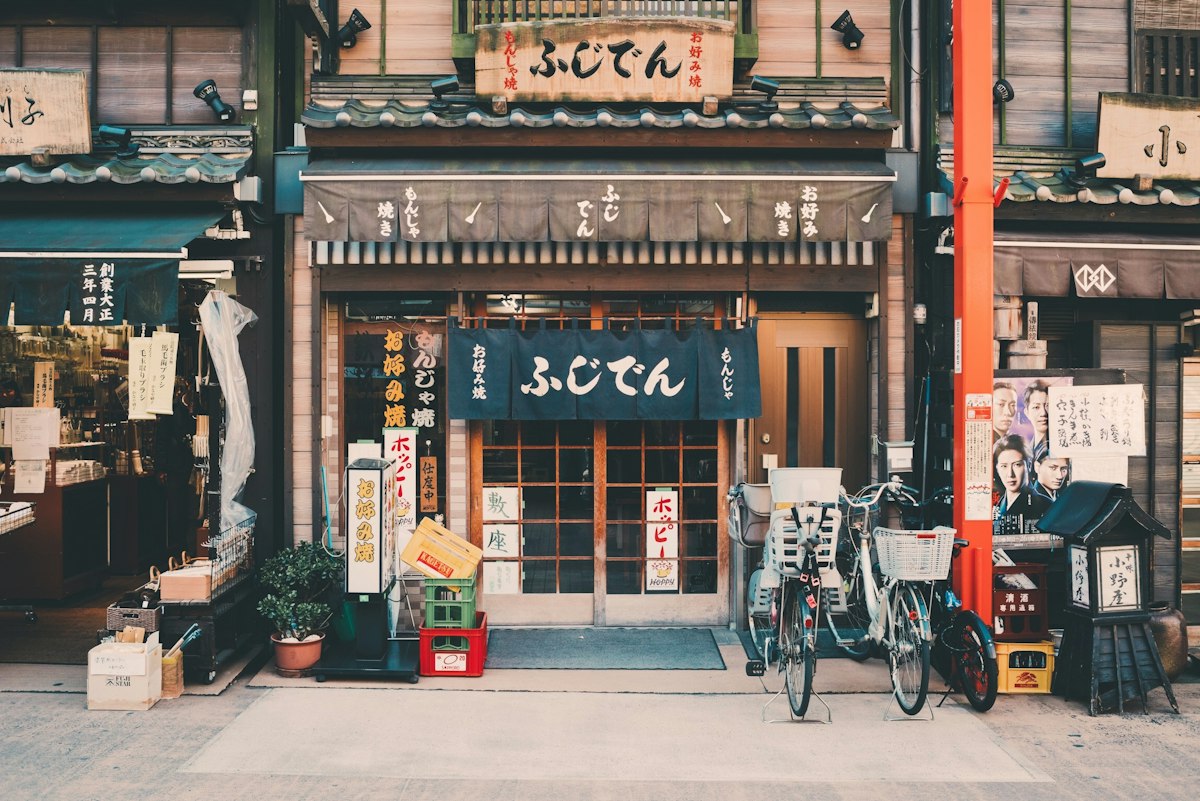
These two areas have long been favorites among artists, musicians, students, and young professionals who want authenticity over polish. You won't find a gleaming shopping mall on every corner here. Instead, you'll find vintage record stores, indie coffee shops, izakayas packed with regulars, and streets that feel lived-in and real.
Koenji in particular has earned a reputation as Tokyo's bohemian heartland. It's where the city's counter-culture lives — think psychedelic posters in café windows, secondhand clothing shops selling 1970s denim, and live music venues tucked into basement floors. Nakano leans slightly more mainstream but still carries that same easygoing, unpretentious energy.

Rent & Cost of Living: Nakano Tokyo Living on a Budget
This is where things get really interesting. Both Nakano and Koenji offer some of the most affordable rents you'll find this close to central Tokyo. For a single person, the numbers are genuinely encouraging.
Typical Monthly Rent Ranges
- 1K apartment (25–30 sqm) in Nakano: ¥70,000–¥90,000/month
- 1K apartment in Koenji: ¥65,000–¥85,000/month
- 1LDK in Nakano: ¥110,000–¥140,000/month
- Sharehouse room in either area: ¥45,000–¥70,000/month (utilities often included)
Compare those figures to Shibuya or Shinjuku, where a basic 1K can easily hit ¥120,000 or more, and the value becomes obvious. For foreigners who want to keep monthly expenses in check without sacrificing location, this corridor is hard to beat.
Day-to-day costs are equally friendly. A hot lunch set at a local teishoku restaurant runs about ¥800–¥1,000. Supermarkets like OK Store in Nakano and Life near Koenji Station offer great prices on groceries. A draft beer at a neighborhood izakaya? Around ¥400–¥500. Living comfortably here on ¥150,000–¥180,000 per month (rent included) is very realistic.
Pro Tip: Nakano Broadway's basement floor has a small supermarket with discounted bento and sushi after 7pm — a brilliant way to eat well for under ¥500 on busy weeknights.
Food Scene: From Street Food to Hidden Gems
Both neighborhoods punch well above their weight when it comes to food. The dining scenes here are diverse, affordable, and almost entirely free of tourist-trap pricing.
Nakano's Food Highlights
Nakano Sun Mall — the covered shopping street just north of the station — is lined with ramen shops, gyoza joints, Korean restaurants, and curry houses. It's a great place to wander and pick whatever looks good. Nakano Fuji Restaurant serves a legendary tonkotsu ramen that locals queue for on weekends.
For something more casual, the streets around Nakano Broadway have dozens of standing sushi bars and takoyaki stalls where you can eat for ¥500–¥700. The area also has a growing number of international restaurants — Vietnamese, Thai, Nepali, and Ethiopian spots have all appeared in recent years, reflecting the neighborhood's increasingly diverse community.
Koenji's Food Highlights
Koenji's dining scene is more eclectic and creative. The streets around the station's north and south exits are packed with tiny independent restaurants. Look Street (룩 거리) on the south side is especially good for late-night eating, with izakayas staying open until 2am or later.
Don't miss the Indian and Sri Lankan restaurants clustered near the south exit — this area has one of the best concentrations of South Asian food in western Tokyo, with full curries and naan going for ¥900–¥1,200. For coffee lovers, independent cafés like Café de Rive and various no-name spots with handwritten menus offer a welcome alternative to chain coffee culture.

Getting Around: Train Access from Nakano and Koenji
One of the strongest arguments for living in either neighborhood is the train access. Both stations sit on the JR Chuo Line, one of Tokyo's most important east-west arteries.
Key Journey Times
- Nakano to Shinjuku: 8 minutes (JR Chuo Line)
- Koenji to Shinjuku: 12 minutes (JR Chuo Line)
- Nakano to Tokyo Station: 25 minutes (JR Chuo Line rapid)
- Nakano to Shibuya: 20 minutes (via Shinjuku transfer)
- Nakano to Ikebukuro: 18 minutes (via Shinjuku transfer)
Nakano also has the advantage of the Tokyo Metro Tozai Line, which runs directly east toward Otemachi, Nihonbashi, and Nishi-Funabashi without changing trains. This makes it particularly useful for anyone commuting to the city's business districts.
Both stations are large enough to have everything you need within walking distance — convenience stores, pharmacies, ATMs, and post offices — but small enough that they never feel overwhelming. The kind of station you actually enjoy coming home to.
Eight minutes to Shinjuku, affordable rent, and a neighborhood that actually has a soul — Nakano might be the smartest address in Tokyo.
Community & Foreigner-Friendliness
One concern many newcomers have when choosing a neighborhood is how welcoming it will be. Both Nakano and Koenji score well here, though in slightly different ways.
Nakano has seen a significant increase in its international community over the past decade. You'll find English-language menus at many restaurants, and the ward office (Nakano City Hall on Nakano 4-chome) has multilingual support staff for registration procedures. Several language schools and international companies have offices in the area, so encountering English-speaking neighbors is not unusual.
Koenji's foreigner-friendliness is more cultural than institutional. The neighborhood's long history as a hub for artists and free spirits means that difference is celebrated rather than tolerated. Locals are generally curious and welcoming toward international residents, and the bar and live music scene creates natural opportunities to meet people.
Practical Support for New Arrivals
- Nakano International Exchange Association (NICA): Offers free Japanese classes, legal consultations, and community events for foreign residents.
- Koenji PAL Shopping District Association: Regularly hosts seasonal festivals that are great for meeting neighbors.
- Multiple English-friendly clinics in both areas, including Nakano Central Park Clinic which lists English-speaking doctors.
For those arriving in Tokyo for the first time, living in a sharehouse in either neighborhood can be a fantastic way to build community quickly. Many sharehouses in this area attract a genuine mix of Japanese and international residents, which accelerates language learning and cultural exchange in a very natural way.
Good to Know: Nakano Ward Office is open on the second Saturday of each month (9am–5pm) for residency registration and My Number card procedures — helpful if your weekdays are busy with work or Japanese classes.
Best Spots to Explore in the Koenji Neighborhood Guide
Whether you're considering moving here or just visiting for the day, both neighborhoods reward slow exploration. Here are the spots worth putting on your list.
In Nakano
- Nakano Broadway: Four floors of anime, manga, retro video games, and cult collectibles. A pilgrimage site for fans of Japanese pop culture and a fascinating window into a very specific Tokyo subculture.
- Nakano Central Park: A pleasant green space surrounded by modern office buildings — good for a morning run or weekend picnic. The contrast with the older parts of the neighborhood is striking.
- Sun Mall Shopping Street: One of the few surviving covered shopping arcades in this part of Tokyo. Great for everyday errands and cheap eats.
In Koenji
- Koenji Awa Odori Festival: Held every August, this is one of Tokyo's largest summer dance festivals, drawing over 10,000 performers and a million spectators. If you're living here in summer, you'll experience it whether you plan to or not — and you'll love it.
- Koenji Junjo Shotengai (Pure Heart Shopping Street): A quieter, older shopping street on the south side with vintage clothing stores, used bookshops, and small galleries. Perfect for a Sunday afternoon wander.
- Koenji Live Houses: Venues like High, Jirokichi, and 20000 Volts host local bands almost every night of the week for ¥1,500–¥2,500 entry. Some of the best live music in Tokyo happens here, away from the big venue circuit.
Is Nakano or Koenji Right for You?
Both neighborhoods offer an exceptional quality of life at a price point that's increasingly rare in Tokyo. If you value convenience and a slightly more polished daily environment, Nakano edges ahead. If you want character, creativity, and a strong sense of community, Koenji is hard to beat.
The good news? They're two stops apart on the same train line, so you get the best of both worlds regardless of where you land.
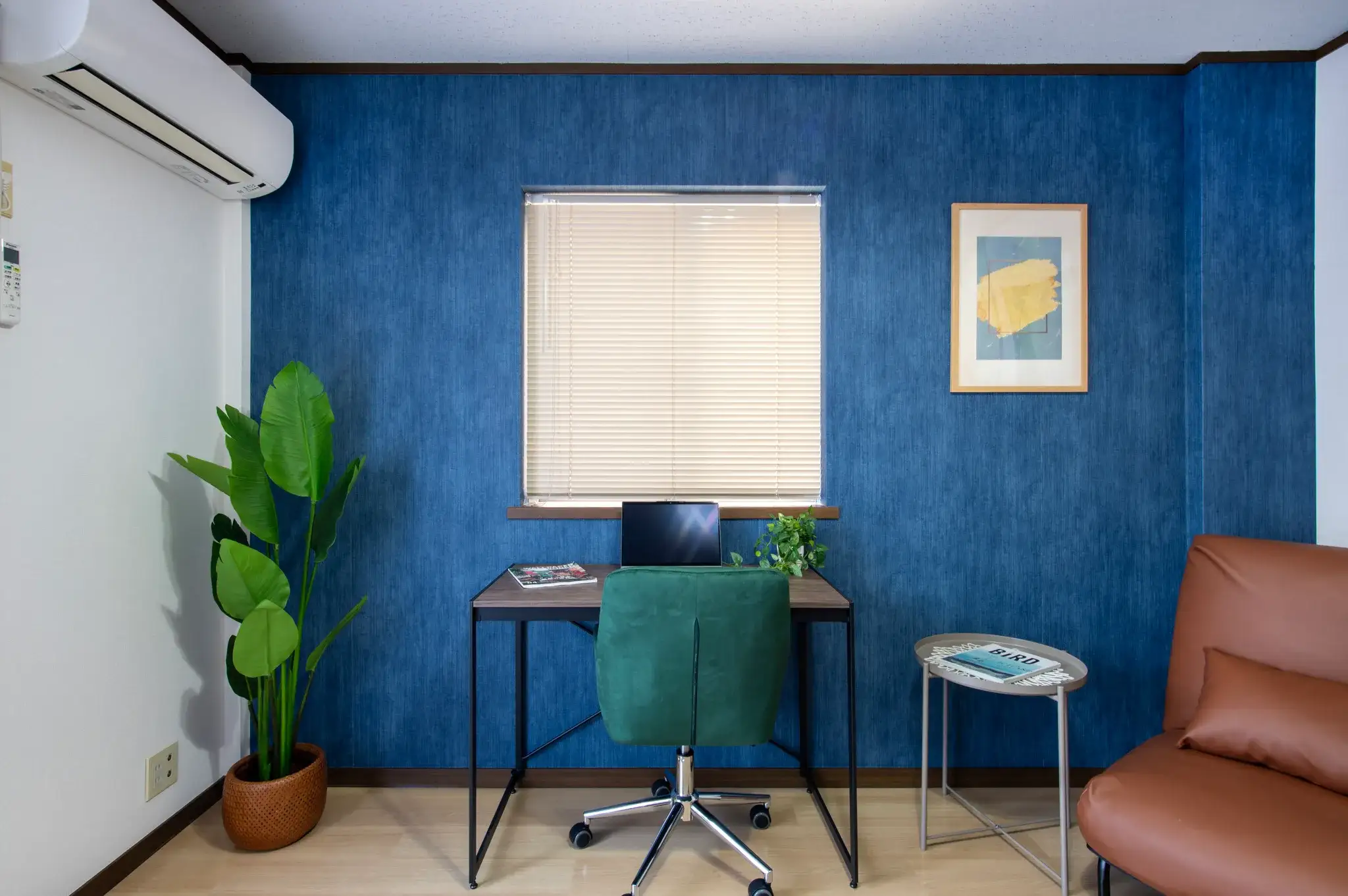
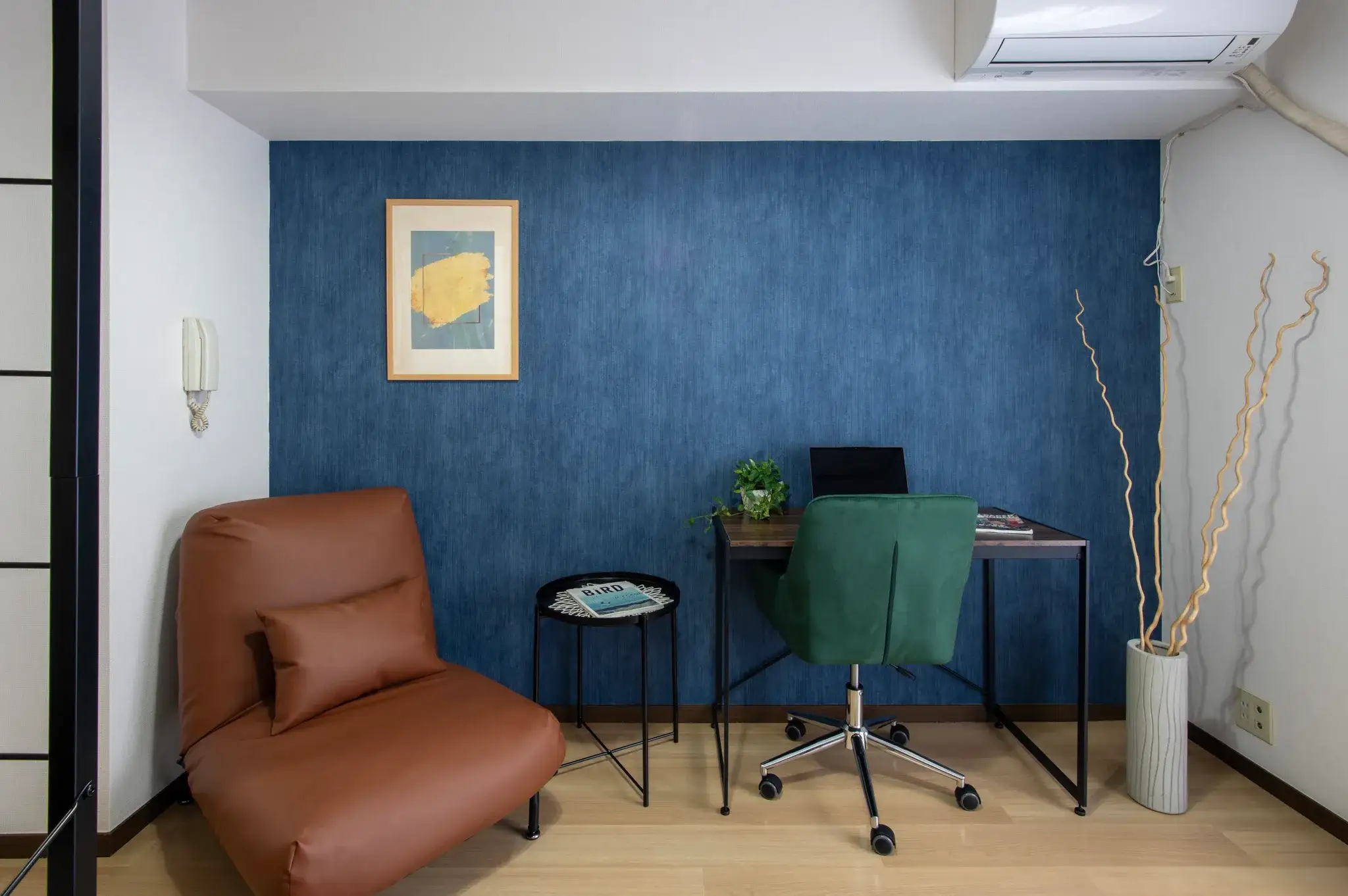
At Modern Living Tokyo, we have furnished apartments and sharehouses in and around the Nakano and Koenji area — ideal for those who want to experience this part of the city without the stress of furnishing a place from scratch or navigating a guarantor-heavy rental process. If either neighborhood has caught your eye, reach out to us and we'll help you find the right fit.

Modern Living Tokyo
Artikel Terkait
 Neighborhood
Panduan Lengkap Ward Adachi & Katsushika: Pilihan Termurah di Tokyo
Ward Adachi dan Katsushika menawarkan harga sewa terendah di Tokyo, akses transportasi yang cepat ke pusat kota, serta budaya shitamachi yang autentik — rahasia tersembunyi di Tokyo Timur Laut yang patut Anda ketahui...
 Modern Living TokyoBaca lebih lanjut →
 Neighborhood
Panduan Hidup di Shinagawa: Hub Ekspat Terhubung Terbaik Tokyo
Shinagawa adalah pusat ekspat paling tersambung di Tokyo — akses Shinkansen, kedekatan Haneda, sewa bersaing, dan fasilitas internasional. Berikut panduan lengkap Anda untuk hidup...
Modern Living TokyoBaca lebih lanjut → Neighborhood
Panduan Hidup di Shimokitazawa: Lingkungan Paling Trendi di Tokyo untuk Ekspatriat
Panduan lengkap untuk menjalani hidup di Shimokitazawa, Tokyo — mencakup informasi sewa, transportasi, gaya hidup, dan apakah lingkungan kreatif ikonik ini cocok untuk Anda.
Modern Living TokyoBaca lebih lanjut →Properti unggulan
 Tersedia Sekarang¥30,000 OFF30h
Apartemen Berperabotan di Meguro
ML Meguro — 207
 Tersedia Sekarang¥30,000 OFF30h
Apartemen Berperabotan di Meguro
ML Meguro — Unit 208 Tersedia Sekarang¥30,000 OFF30h
Apartemen Berperabotan di Meguro
ML Meguro — Unit 307