
Obon di Tokyo: Panduan Lengkap untuk Penduduk Asing

What Is Obon? The Buddhist Tradition Behind Japan's Biggest Summer Holiday
If you're living in Tokyo as a foreigner, Obon Tokyo foreigners experience can be one of the most surprising and memorable parts of the year — but only if you know what to expect. Obon is a centuries-old Buddhist tradition rooted in the belief that the spirits of deceased ancestors return to visit their living relatives once a year.
Families across Japan light lanterns, visit graves, clean ancestral altars, and perform rituals to welcome and then send off these spirits. It's deeply personal, deeply communal, and completely unlike anything in most Western cultures.
Think of it less like a public holiday and more like a national family reunion — one that happens to empty out the entire city of Tokyo for about a week.

Obon 2026 Dates: August 13–16 and What It Means for Daily Life in Tokyo
Obon is not a single national public holiday in Japan — it's a cultural observance with regional variation. However, the most widely observed dates are August 13–16, and this is the window that effectively shuts down normal life across the country.
August 13 is called Mukaebon (welcoming the spirits), and August 16 is Okuribon (sending them off). The days in between are for family gatherings, grave visits, and local festivals.
For practical purposes, treat the period from roughly August 10–17 as the true Obon window in Tokyo. Many companies and individuals take the full stretch as summer vacation, especially combined with surrounding weekends.
Good to Know: Unlike Golden Week or New Year, Obon is not an official public holiday in Japan. Legally, employers don't have to give time off — but the cultural expectation is so strong that most companies and small businesses close anyway. Don't be surprised if your Japanese colleagues are suddenly all unreachable at the same time.
What Closes During Obon: Offices, Clinics, Government Services & Shops
This is the section you want to bookmark. Understanding what closes during Obon in Japan will save you a lot of frustration.
Businesses and Offices
- Corporate offices: Most large Japanese companies officially close for 3–5 days. Many staff take additional paid leave, so expect full weeks of silence from Japanese business contacts.
- Small family-run businesses: Izakayas, local laundries, small repair shops, and neighbourhood restaurants often post a handwritten sign and disappear for the week. Always check before making a special trip.
- Real estate agencies: Many local agencies close, which matters a lot if you're trying to apartment hunt in August. Online portals still work, but viewings may be impossible to schedule during this window.
Medical and Government Services
- Clinics and dental offices: Most neighbourhood clinics (the small, privately run type that most residents use) close for at least a few days. If you need non-emergency care, go before August 10 or wait until after August 17.
- Hospitals: Major hospitals (University hospitals, large general hospitals) maintain reduced emergency services. Walk-in clinics are mostly closed.
- Ward offices (区役所): Tokyo's ward offices generally stay open during Obon since it's not an official holiday — but staffing is reduced and processing times slow. Don't expect fast turnaround on residence card updates or paperwork.
- Banks: ATMs operate normally. Branch counters may have reduced hours or longer queues.
What Stays Open
- Convenience stores (7-Eleven, FamilyMart, Lawson) — always open, 24/7
- Major supermarkets and department stores — often open, sometimes with special Obon sales
- Train and subway services — running normally, though trains can be extremely crowded near major departure hubs
- Tourist attractions and theme parks — open and often busy with domestic tourists
Obon doesn't shut Tokyo down the way Golden Week does — it empties it. The city becomes quieter, calmer, and strangely beautiful for those who stay behind.
Bon Odori in Tokyo: Best Neighbourhood Festivals to Join as a Foreigner
The most visible and foreigner-friendly part of Obon is bon odori — traditional circular folk dances held in neighbourhood parks, temple grounds, and open spaces across Tokyo. These are genuinely open to everyone, including complete strangers and first-time visitors.
You don't need to know anyone, you don't need to be invited, and you certainly don't need to be Buddhist. Just show up, watch a few rounds, and join in. Most dances use simple, repetitive movements that anyone can pick up within minutes.
Top Bon Odori Events in Tokyo to Look For
- Yasukuni Shrine Mitama Festival (靖国神社みたままつり): One of Tokyo's largest Obon events, held in Chiyoda. Around 30,000 lanterns illuminate the shrine grounds. Typically runs mid-July — check exact 2026 dates closer to the time.
- Nishi-Ogikubo and Koenji area festivals: These western Tokyo neighbourhoods host lively, community-focused bon odori events with a relaxed atmosphere that's welcoming to expats and first-timers.
- Ikebukuro Bon Odori (池袋駅西口公園): A large urban festival right near Ikebukuro Station, easy to reach and very beginner-friendly.
- Local shrine and temple festivals: Almost every neighbourhood has its own small event. Check your local ward office's community board or search "[your ward name] 盆踊り 2026" in Japanese for hyper-local options.

Wearing a yukata (casual summer kimono) is completely optional but adds to the fun. You can rent or buy one at major department stores like Takashimaya or AEON for around ¥3,000–¥8,000 for a basic set.
Pro Tip: Arrive at bon odori events 30–45 minutes before the posted start time to get a good spot and watch the opening ceremonies. Food stalls (yatai) selling yakitori, kakigori (shaved ice), and cold beer usually open even earlier — don't miss them.
Tokyo During Obon: The City Empties — Here's What to Do With the Quiet
Here's the thing that surprises most long-term foreign residents: Tokyo during Obon is actually wonderful if you stay behind. The city loses roughly 20–30% of its population as millions of people travel back to their hometowns across Japan.
Trains are emptier. Your favourite ramen shop has no queue. Popular parks like Shinjuku Gyoen or Yoyogi Park are peaceful. Even Shibuya Crossing feels almost manageable.
Things Worth Doing in Tokyo During Obon
- Visit popular shrines and temples — Meiji Jingu, Senso-ji, and Zojo-ji all hold special Obon-related events and look stunning during this season.
- Explore day-trip destinations — Kamakura, Nikko, and Hakone are reachable by train and far less crowded on weekdays during Obon compared to weekends.
- Enjoy the neighbourhood calm — If you live in a sharehouse or furnished apartment in a residential area, this is an ideal time to explore your local streets, find hidden parks, and discover the quieter side of Tokyo life.
- Try rooftop bars and outdoor terraces — August evenings in Tokyo are warm and humid, but Obon week is one of the few times you can get a table at popular rooftop venues without waiting for hours.

Practical Tips: Travel, Deliveries, Moving & Apartment Hunting Around Obon
For foreigners navigating daily life in Tokyo, Obon creates a few practical challenges worth planning around in advance.
Travel (In and Out of Tokyo)
If you're planning to travel during Obon, book early — and we mean really early. Shinkansen tickets for August 13–16 sell out weeks in advance. The same applies to domestic flights. Heading out of Tokyo on August 11–12 and returning on August 15–16 are the worst congestion windows.
If you're flexible, travel mid-week (August 13–14 outbound is actually smoother than the surrounding days) or consider counter-flow travel — entering Tokyo while everyone else leaves.
Deliveries and Online Shopping
- Yamato Transport, Sagawa, and Japan Post all maintain services during Obon but may experience delays of 1–3 days
- If you're expecting important packages (medications, documents), aim to receive them before August 10
- Same-day delivery services from Amazon Japan and similar platforms may be suspended or delayed
Moving Into a New Apartment
Obon is a notoriously difficult time to move apartments in Tokyo. Moving companies are fully booked, and those that are available charge significantly higher rates — sometimes 50–100% more than standard pricing. If you're planning a move, aim for early August (before the 10th) or wait until late August.
Apartment Hunting
If you're searching for a furnished apartment or sharehouse in Tokyo around this period, be prepared for slower responses from agents and landlords. Many smaller agencies close entirely. Working with a service that specialises in housing for foreigners — and maintains support through the Obon period — makes a real difference. Furnished apartments and sharehouses that handle everything digitally are particularly valuable during this window, as you can complete much of the process online without needing in-person office visits.
Make the Most of Obon as a Foreign Resident in Tokyo
Obon is one of those uniquely Japanese experiences that, once you understand it, transforms from a logistical inconvenience into a genuine cultural highlight. The combination of quiet streets, beautiful lantern festivals, open-air dancing, and a slightly surreal emptiness makes mid-August in Tokyo unlike any other time of year.
Plan your practical life around the closures, get to at least one bon odori event in your neighbourhood, and enjoy the rare gift of a less-crowded Tokyo. If you're still figuring out where to settle in the city, Modern Living Tokyo's furnished apartments and sharehouses are available year-round — and our team can help you navigate the paperwork and logistics even during Obon season, when most traditional agencies go quiet.
Whether it's your first Obon in Japan or your fifth, there's always something new to discover when the ancestors come to visit.

Modern Living Tokyo
Artikel Terkait
 Culture
Belajar Memasak Masakan Jepang di Tokyo: Kelas & Sekolah Kuliner
Mulai dari workshop sushi sehari hingga sekolah kuliner profesional, temukan kelas memasak Jepang terbaik di Tokyo untuk orang asing — dengan informasi biaya, lokasi, dan...
 Modern Living TokyoBaca lebih lanjut →
 Budaya
Belajar Seni Tradisional Jepang di Tokyo: Upacara Teh, Kaligrafi & Lebih Banyak Lagi
Temukan cara belajar upacara teh, kaligrafi, dan ikebana di Tokyo sebagai pendatang asing — termasuk sekolah yang ramah bahasa Inggris, biaya sebenarnya, dan tips etiket.
Modern Living TokyoBaca lebih lanjut → Culture
Festival Musim Panas Tokyo 2026: Panduan Lengkap untuk Wisatawan Asing
Panduan komprehensif festival musim panas Tokyo 2026 — jadwal acara, lokasi terbaik untuk melihat kembang api, tips berpakaian yukata, dan kuliner matsuri yang wajib dicoba bagi para penjelajah dan ekspatriat yang tinggal di Tokyo.
Modern Living TokyoBaca lebih lanjut →Properti unggulan
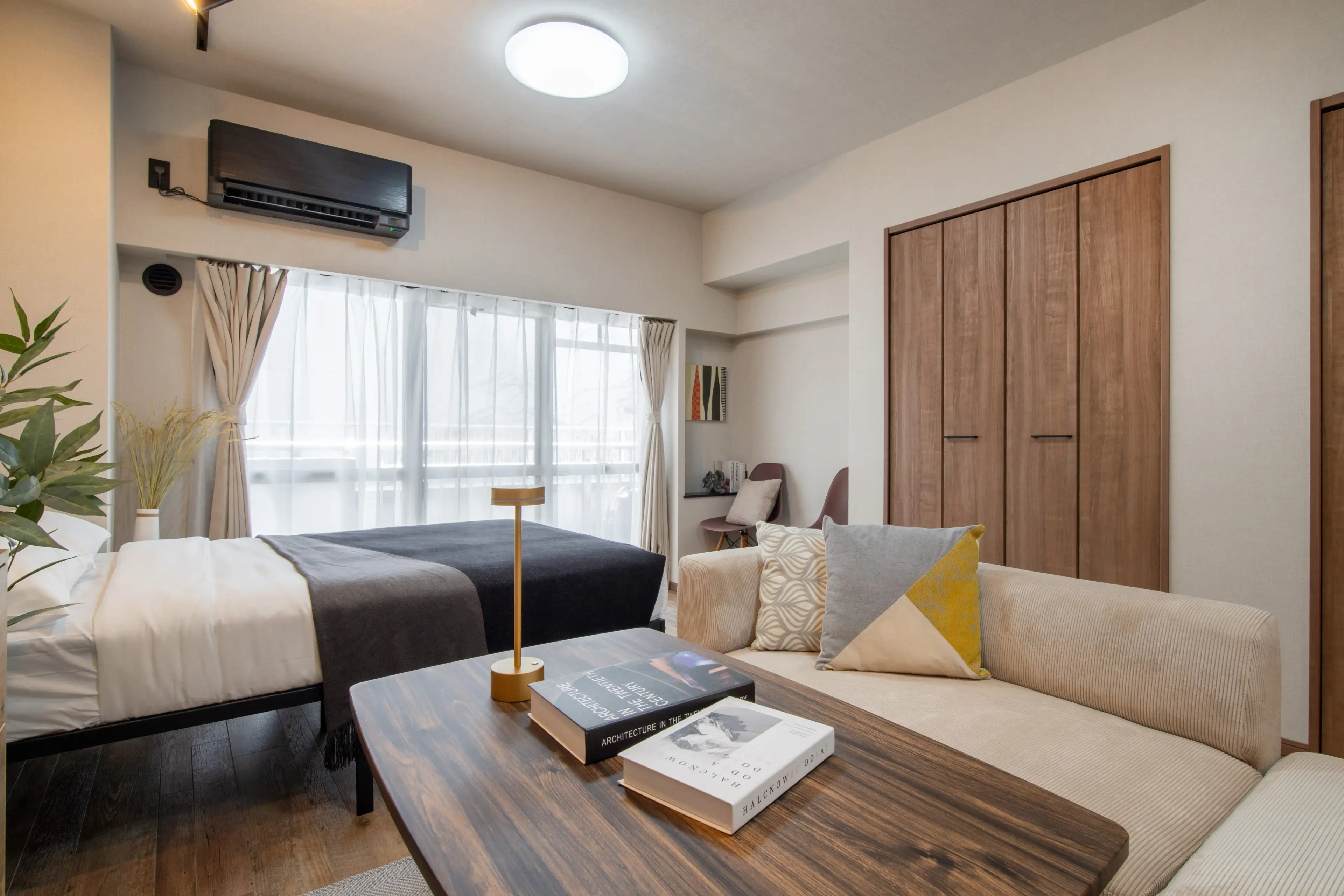 Terisi
Fully Furnished Apartment 20 Min to Takadanobaba
Iidabashi High Town Mungkin dari Dec 3, 2026
Apartemen Berperabotan di Meguro
ML Meguro — Unit 208
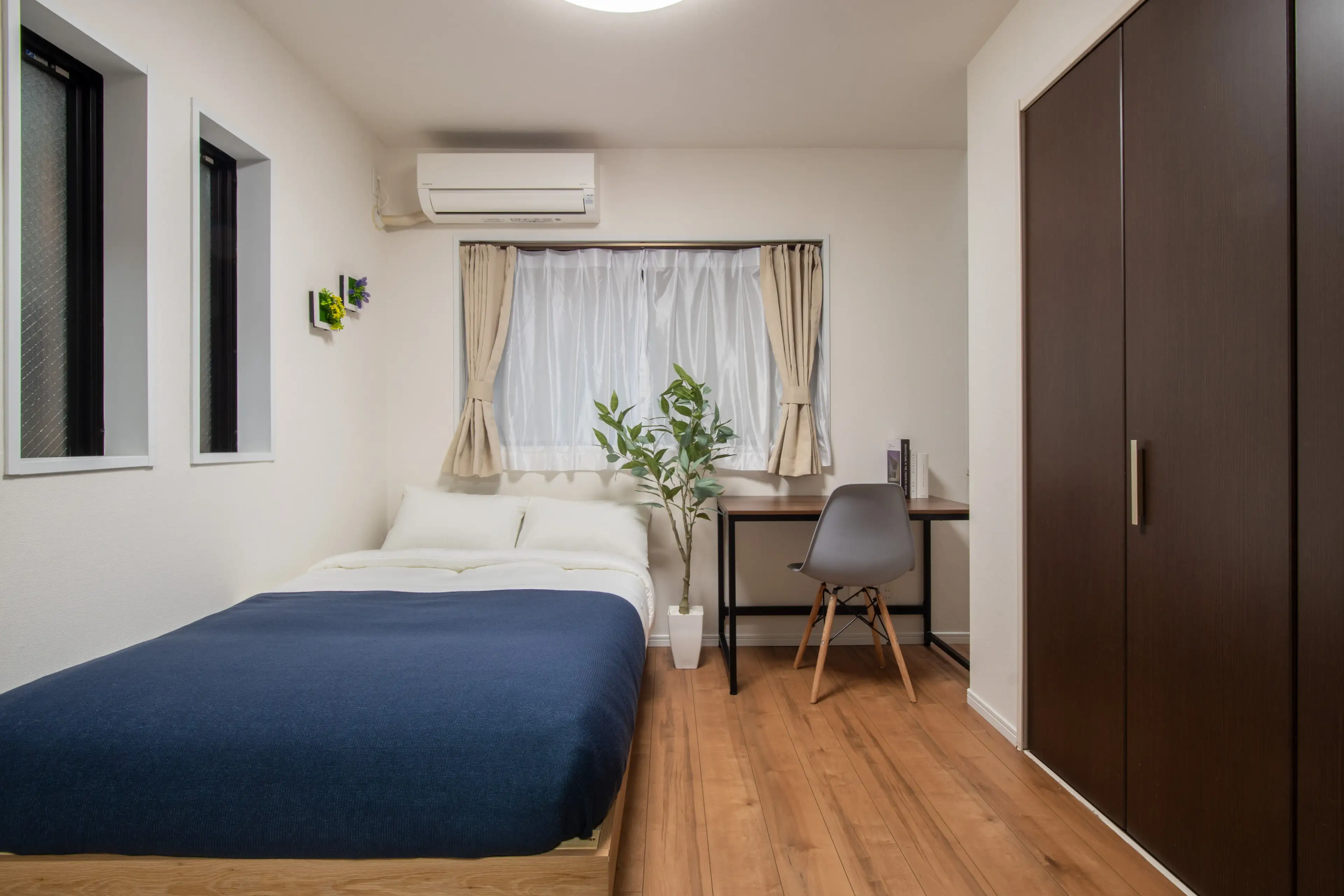 Tersedia Sekarang¥20,000 OFF90h
Apartemen Berperabotan di Shinagawa
Beverly Homes Nishikoyama — 103