
10 Stasiun Terbaik di Tokyo dengan Rasio Sewa Terhadap Waktu Tempuh Terbaik

Mengapa Stasiun Terbaik Tokyo untuk Penutur Asing Seringkali Bukan yang Paling Pusat
Menemukan stasiun terbaik Tokyo untuk penutur asing jarang sekadar tentang memilih nama paling terkenal di peta. Ini soal keseimbangan — berapa banyak yang Anda keluarkan untuk sewa versus berapa lama Anda duduk di kereta setiap pagi. Jika keseimbangan ini tepat, Tokyo menjadi kota yang benar-benar terjangkau untuk ditinggali.
Panduan ini mengurutkan 10 stasiun Tokyo menggunakan skor sewa-ke-perjalanan yang sederhana: rata-rata sewa bulanan untuk apartemen 1K (sekitar 25–30 sqm) dibagi dengan waktu perjalanan ke Stasiun Shinjuku dalam menit. Semakin rendah biaya per menit, semakin bagus penawaran yang didapat. Kami juga mempertimbangkan daya hidup — toko serba ada, supermarket, infrastruktur ramah penutur asing, dan penanda arah berbahasa Inggris.
Baik Anda baru pertama kali tiba atau mempertimbangkan kembali lingkungan tempat tinggal Anda saat ini, data ini akan membantu Anda membuat keputusan perumahan yang lebih cerdas.
Metodologi: Bagaimana Kami Menilai Setiap Stasiun
Kami menggunakan Shinjuku sebagai pusat acuan karena menghubungkan ke sebagian besar distrik kantor utama — Shibuya, Marunouchi, Ikebukuro, dan Shinjuku sendiri — dan merupakan stasiun tersibuk di dunia berdasarkan jumlah penumpang harian.
Rumus penilaian:
- Rata-rata sewa: Berdasarkan daftar yang tersedia untuk umum dari Suumo dan LIFULL HOME'S untuk unit 1K/1DK (tanpa key money, kontrak standar)
- Waktu perjalanan: Waktu transit dari pintu ke platform menuju Shinjuku, termasuk waktu tunggu umum, menggunakan mode transit Google Maps pada pukul 8:30 pagi pada hari kerja
- Skor: Sewa bulanan (¥) ÷ waktu perjalanan (menit) — semakin rendah = nilai lebih baik
- Bonus daya hidup: Penyesuaian kualitatif untuk walkability, komunitas internasional, dan kenyamanan sehari-hari
Hal Penting untuk Diketahui: Angka sewa mencerminkan rata-rata pasar 2024 dan akan bervariasi berdasarkan usia bangunan, lantai, dan daftar yang tepat. Selalu periksa daftar terkini sebelum berkomitmen.

Top 3 Stasiun Sewa-ke-Perjalanan Terbaik Secara Keseluruhan di Tokyo
#1 — Shimo-Kitazawa (Odakyu / Keio Inokashira Line)
Rata-rata sewa: ¥78.000/bulan | Perjalanan ke Shinjuku: 10 menit | Skor: 7.800/menit
Shimokita, seperti yang disebut penduduk setempat, adalah titik manis yang setiap penduduk Tokyo jangka panjang diam-diam tahu. Terletak hanya dua stasiun dari Shinjuku di Odakyu Line, namun sewa jauh lebih rendah dibandingkan dengan Sangenjaya atau Nakameguro yang berdekatan.
Lingkungan ini memiliki budaya indie yang kuat — toko vintage, venue konser langsung, dan konsentrasi penghuni internasional yang luar biasa tinggi. Ini adalah salah satu stasiun paling walkable di luar loop Yamanote Line.
#2 — Togoshi-Koen (Tokyu Oimachi Line)
Rata-rata sewa: ¥72.000/bulan | Perjalanan ke Shinjuku: 22 menit | Skor: 3.272/menit
Togoshi-Koen berada di Tokyu Oimachi Line di Ward Shinagawa — bukan nama yang muncul di sebagian besar daftar "lingkungan keren", namun justru itulah maksudnya. Sewa di sini termasuk yang terendah di 23 ward untuk waktu perjalanan yang Anda dapatkan.
Area ini padat dengan shotengai lokal (jalan pertokoan), restoran milik keluarga, dan nuansa Tokyo yang autentik tanpa wisatawan. Penutur asing yang tinggal di sini sering menyebutkan betapa cepatnya mereka terasa seperti penghuni sungguhan, bukan pengunjung.
#3 — Sangenjaya (Tokyu Den-en-toshi Line)
Rata-rata sewa: ¥85.000/bulan | Perjalanan ke Shinjuku: 14 menit | Skor: 6.071/menit
Sangenjaya sedikit lebih mahal dari Shimokita namun menggantinya dengan akses yang luar biasa. Den-en-toshi Line terhubung langsung ke Shibuya dalam 5 menit dan Shinjuku sekitar 14 menit. Untuk kemudahan perjalanan, sewa sungguh-sungguh wajar.
Lingkungan ini memiliki adegan kehidupan malam yang ramai, komunitas ekspatriat besar, dan beberapa tempat makan kasual terbaik di Tokyo bagian barat daya.
Lingkungan yang menawarkan rasio sewa-ke-perjalanan terbaik di Tokyo jarang sekali adalah yang Anda dengar pertama kali — mereka adalah yang Anda temukan setelah sudah membayar terlalu banyak untuk tinggal di tempat yang "pusat".
Top 4–6: Skor Terbaik Per Jalur Kereta
#4 — Koenji (JR Chuo-Sobu Line)
Rata-rata sewa: ¥75.000/bulan | Perjalanan ke Shinjuku: 12 menit | Skor: 6.250/menit
Koenji adalah satu stasiun ke barat dari Nakano dan lima stasiun dari Shinjuku di layanan rapid Chuo Line. Sudah lama menjadi pusat bagi musisi, seniman, dan backpacker, dengan kluster rapat rumah bersama dan penginapan tamu di sekitar pintu keluar utara dan selatan.
Bagi penutur asing yang menginginkan karakter Tokyo asli tanpa harga Shimokitazawa yang terus naik, Koenji adalah pilihan terbaik di jaringan JR sebelah barat Shinjuku.
#5 — Nishi-Nippori (JR Yamanote / Chiyoda Metro Line)
Rata-rata sewa: ¥74.000/bulan | Perjalanan ke Shinjuku: 18 menit | Skor: 4.111/menit
Nishi-Nippori kurang dihargai karena terletak di antara dua stasiun yang lebih terkenal — Nippori dan Tabata — namun selisih sewa cukup nyata. Chiyoda Line memberikan Anda perjalanan cepat ke Otemachi, Omotesando, dan Yoyogi-Uehara tanpa satu pun perpindahan.
Area ini tenang, bersih, dan menjadi rumah bagi jumlah pelajar internasional yang terus bertambah dari universitas terdekat.
#6 — Shin-Koiwa (JR Sobu Line)
Rata-rata sewa: ¥68.000/bulan | Perjalanan ke Shinjuku: 28 menit | Skor: 2.428/menit
Di sisi timur kota, Shin-Koiwa di Sobu Line memberikan beberapa nilai mentah terbaik di mana pun di 23 ward. Sewa secara konsisten di bawah ¥70.000 untuk unit 1K yang baik, dan layanan rapid Sobu membawa Anda ke Akihabara dalam 10 menit.
Bukan lingkungan paling glamor, namun memiliki infrastruktur sehari-hari yang sangat baik — supermarket Ito-Yokado besar, beberapa apotek 24 jam, dan akses mudah ke koneksi Keisei Line menuju Bandara Narita.

Top 7–8: Pilihan Tersembunyi Di Bawah ¥80.000
#7 — Itabashi-Honcho (Toei Mita Line)
Rata-rata sewa: ¥69.000/bulan | Perjalanan ke Shinjuku: 30 menit | Skor: 2.300/menit
Ward Itabashi secara keseluruhan sangat kurang dihargai di pasar rental. Itabashi-Honcho di Mita Line memberikan Anda perjalanan langsung ke Otemachi dan Hibiya — dua kluster kantor terbesar Tokyo — tanpa perpindahan. Sewa di kantong ini tetap tidak menguntungkan karena nama stasiun tidak memiliki bobot aspirasional yang sama seperti Roppongi atau Ebisu.
Itu adalah keuntungan sejati. Anda mendapatkan lingkungan yang tenang dan aman dengan supermarket besar, onsen lokal, dan lebih banyak ruang per yen daripada hampir di mana pun di 23 ward.
#8 — Minami-Senju (JR / Tsukuba Express / Tokyo Metro Hibiya Line)
Rata-rata sewa: ¥72.000/bulan | Perjalanan ke Shinjuku: 25 menit | Skor: 2.880/menit
Minami-Senju adalah stasiun terkoneksi paling baik yang tidak terkenal di Tokyo bagian timur laut. Tiga jalur kereta melewati di sini, termasuk Tsukuba Express yang sangat cepat yang mencapai Akihabara hanya dalam 5 menit.
Lingkungan ini telah berkembang pesat selama dekade terakhir. Ada taman tepi sungai besar, cakupan supermarket yang baik, dan populasi internasional kecil namun terus berkembang — terutama di kalangan profesional IT dan pekerja jarak jauh yang menghargai sewa rendah dan infrastruktur internet cepat di bangunan baru.
Pro Tip: Stasiun di sepanjang jalur Tsukuba Express (TX) — seperti Minami-Senju dan Kita-Senju — menawarkan kecepatan perjalanan yang luar biasa dengan biaya rendah karena jalur lebih baru dan kurang tertanam dalam "geografi prestise" kota. Jangan lewatkan.
Top 9–10: Stasiun Terbaik untuk Perjalanan 30 Menit atau Kurang ke Stasiun Tokyo untuk Penutur Asing
#9 — Nogata (Seibu Shinjuku Line)
Rata-rata sewa: ¥76.000/bulan | Perjalanan ke Shinjuku: 18 menit | Skor: 4.222/menit
Seibu Shinjuku Line adalah salah satu aset rel Tokyo yang paling kurang dimanfaatkan oleh penduduk internasional. Nogata berada 18 menit dari Shinjuku (via Takadanobaba di Yamanote), dengan jalan residensial yang tenang dan berbaris pohon, dengan sangat sedikit lalu lintas wisatawan.
Sewa di sini berarti lebih rendah daripada stasiun setara di jalur Chuo atau Sobu untuk waktu perjalanan yang sama — terutama karena "Seibu Shinjuku" memiliki terminus yang sedikit berbeda daripada JR Shinjuku, yang mempengaruhi kenyamanan yang dirasakan lebih dari waktu perjalanan sebenarnya.
#10 — Shin-Okachimachi (Oedo Line / Tsukuba Express)
Rata-rata sewa: ¥77.000/bulan | Perjalanan ke Shinjuku: 20 menit | Skor: 3.850/menit
Shin-Okachimachi adalah stasiun jalur ganda di Ward Taito yang menghubungkan Toei Oedo Line dan Tsukuba Express. Oedo Line melakukan loop langsung melalui Shinjuku, Shibuya, dan Roppongi, menjadikan ini salah satu posisi komuting paling fleksibel di kota.
Area ini bagian dari koridor Ueno-Akihabara yang lebih luas — multikultural, hidup, dan mengejutkan terjangkau. Beberapa supermarket internasional besar (termasuk Ameyoko Market hanya 10 menit berjalan kaki) membuatnya sangat populer di kalangan pendatang baru ke Tokyo.

Cara Menggunakan Data Ini Saat Berburu Apartemen
Data hanya berguna jika Anda menerapkannya secara praktis. Berikut cara membuat daftar ini bekerja untuk pencarian apartemen aktual Anda:
- Petakan tempat kerja aktual Anda, bukan Shinjuku. Shinjuku adalah patokan kami, namun kantor nyata Anda mungkin di Shibuya, Marunouchi, atau Shin-Kiba. Masukkan perjalanan Anda ke Transit Google Maps sebelum mengunjungi apartemen apa pun.
- Uji perjalanan secara langsung, dua kali. Jalan rute dari apartemen ke platform stasiun. Apa yang terlihat seperti 5 menit di peta bisa terasa sangat berbeda dengan tas pada pukul 8 pagi.
- Pertimbangkan stres perpindahan, bukan hanya waktu. Perjalanan 30 menit tanpa perpindahan lebih layak daripada perjalanan 22 menit dengan dua perubahan di platform yang ramai.
- Periksa biaya tersembunyi dekat stasiun murah. Beberapa area sewa lebih rendah memiliki lebih sedikit supermarket, yang berarti mengeluarkan lebih banyak untuk makanan toko serba ada. Jalankan biaya bulanan penuh, bukan hanya sewa.
- Kunjungi Minggu sore DAN pagi hari kerja. Lingkungan terasa sangat berbeda pada pukul 9 pagi hari Selasa daripada pukul 3 sore hari Minggu.
- Lihat stasiun berikutnya di sepanjang garis. Jika stasiun bagus sepertinya sedikit di luar anggaran Anda, pemberhentian berikutnya sering kali 10–15% lebih murah dengan perjalanan hampir identik.
Satu hal lagi yang patut disebutkan: jika Anda baru di Tokyo dan ingin menguji lingkungan sebelum menandatangani sewa 2 tahun, apartemen berkursi dan rumah bersama dekat stasiun-stasiun ini adalah cara luar biasa untuk melakukannya. Anda dapat pindah dengan cepat, mengalami perjalanan harian secara nyata, dan meningkatkan atau pindah setelah Anda tahu apa yang berhasil untuk Anda.
Di Modern Living Tokyo, kami memiliki apartemen berkursi dan rumah bersama dekat beberapa stasiun dalam daftar ini — termasuk pilihan di sepanjang jalur Chuo, Sobu, dan Tokyu — dirancang khusus untuk penduduk internasional yang menginginkan basis nyaman tanpa komitmen jangka panjang. Jika Anda ingin bantuan mencocokkan anggaran dan kebutuhan perjalanan Anda ke lingkungan yang tepat, hubungi tim kami. Kami dengan senang hati membantu Anda menemukan titik awal paling cerdas di Tokyo.

Modern Living Tokyo
Artikel Terkait
 Tips & Tricks
Apartemen Tokyo Dekat Stasiun Utama: Pilihan Berperabot Terbaik Berdasarkan Jalur Kereta
Tidak semua stasiun di Tokyo menawarkan nilai yang sama. Ketahui jalur kereta dan wilayah mana yang memberikan harga terbaik untuk apartemen berperabot — dan cara membaca jarak ke stasiun dengan tepat...
 Modern Living TokyoBaca lebih lanjut →
 Tips & Tricks
Bekerja Freelance di Tokyo: Visa, Pajak & Mencari Klien (2026)
Panduan lengkap untuk para profesional asing yang ingin memulai karir freelance di Jepang tahun 2026 — mulai dari persyaratan visa, pendaftaran usaha perorangan, pajak, hingga strategi mencari klien dan menemukan hunian terbaik...
Modern Living TokyoBaca lebih lanjut → Tips & Tricks
Biaya Apartemen Berperabot di Tokyo: Panduan Lengkap 2026
Panduan lengkap biaya apartemen berperabot di Tokyo tahun 2026 — sewa bulanan berdasarkan ward, biaya awal, utilitas, dan cara menemukan penawaran terbaik.
Modern Living TokyoBaca lebih lanjut →Properti unggulan
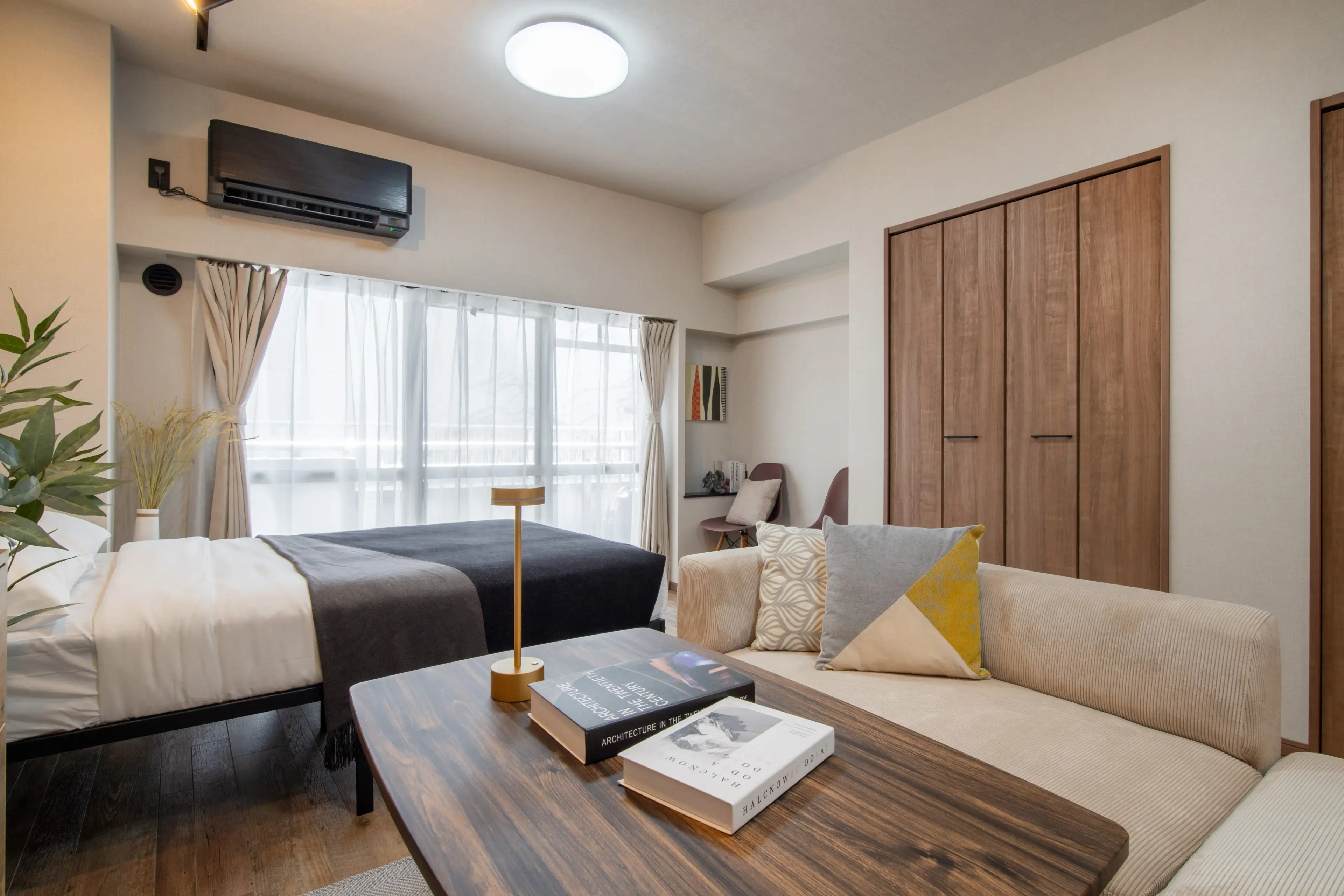 Terisi
Fully Furnished Apartment 20 Min to Takadanobaba
Iidabashi High Town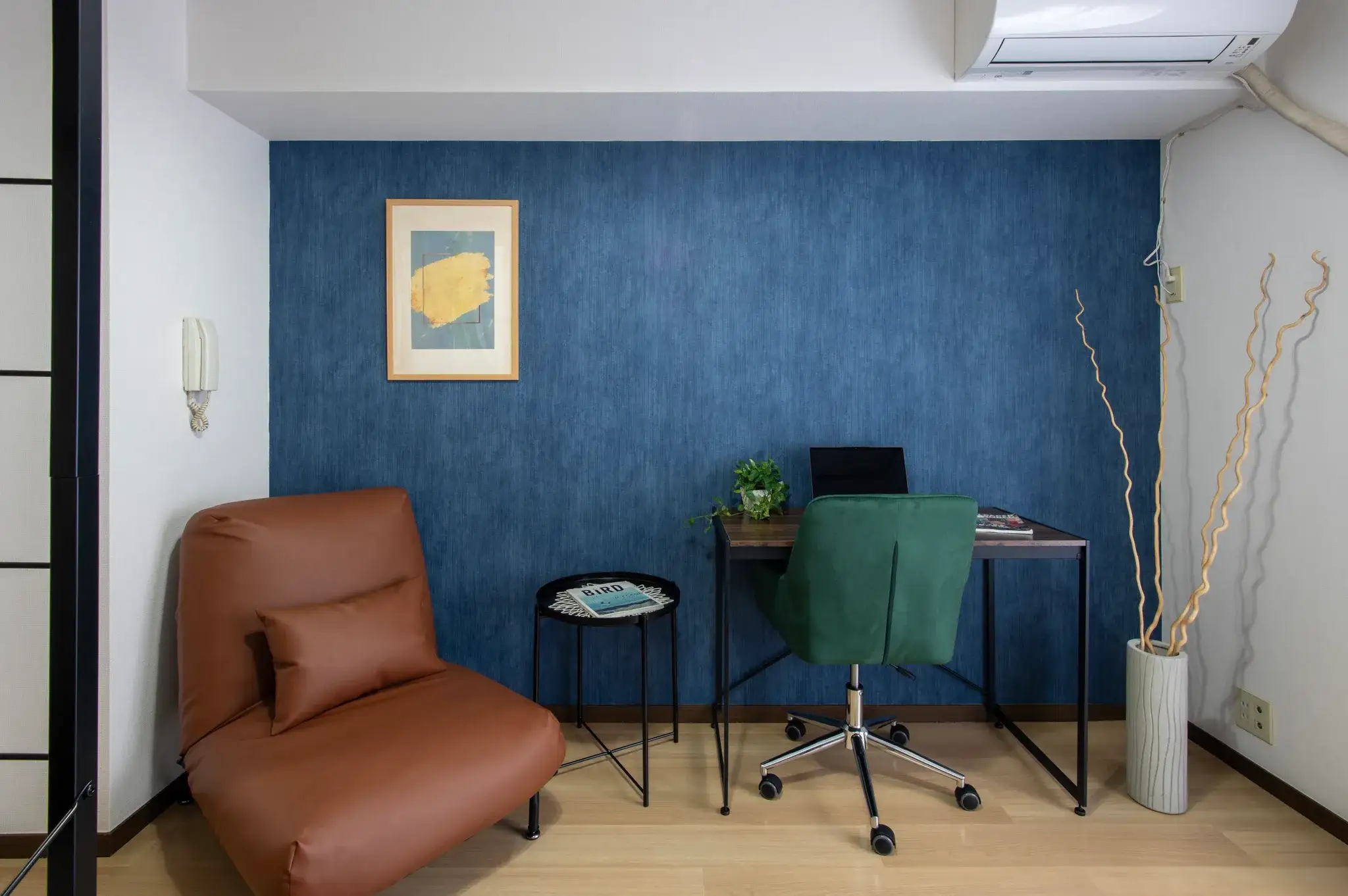 Mungkin dari Dec 3, 2026
Apartemen Berperabotan di Meguro
ML Meguro — Unit 208
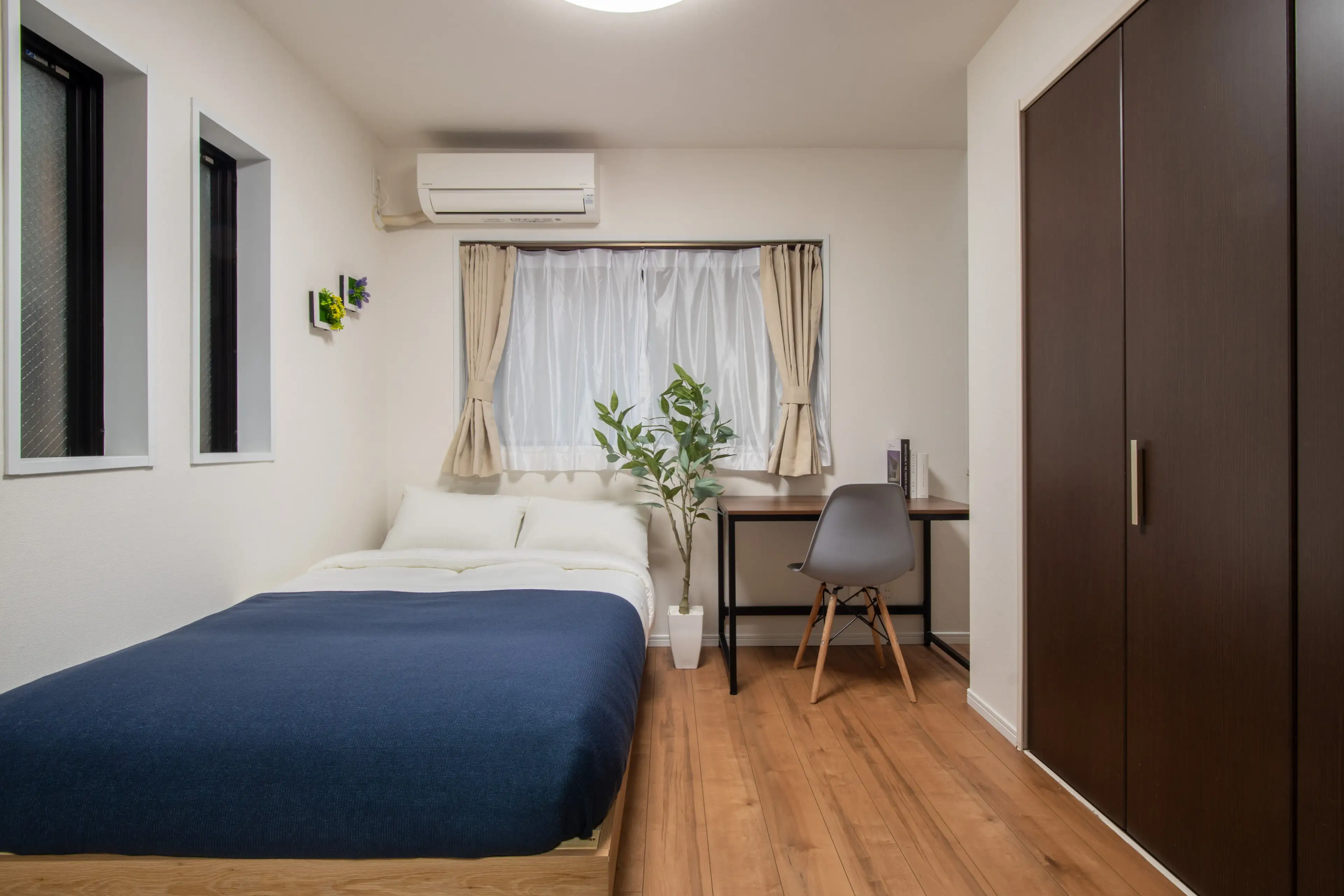 Tersedia Sekarang
Apartemen Berperabotan di Shinagawa
Beverly Homes Nishikoyama — 103