
Panduan Lengkap Minggu Pertama di Tokyo: Checklist Harian untuk Pendatang Baru

Checklist Minggu Pertama di Tokyo: Tugas Harian agar Cepat Adaptif
Pindah ke negara baru memang mengasyikkan — tetapi beberapa hari pertama bisa terasa sangat berat tanpa rencana yang jelas. Checklist minggu pertama di Tokyo ini memecah semuanya menjadi tugas-tugas harian yang mudah dikelola, sehingga Anda tahu persis apa yang harus dilakukan saat tiba di Jepang. Baik Anda pindah ke apartemen berperabotan atau asrama bersama, mengikuti panduan ini akan membantu Anda menyelesaikan dokumen, mengatur kebutuhan pokok, dan memulai hidup di Tokyo dengan lancar.
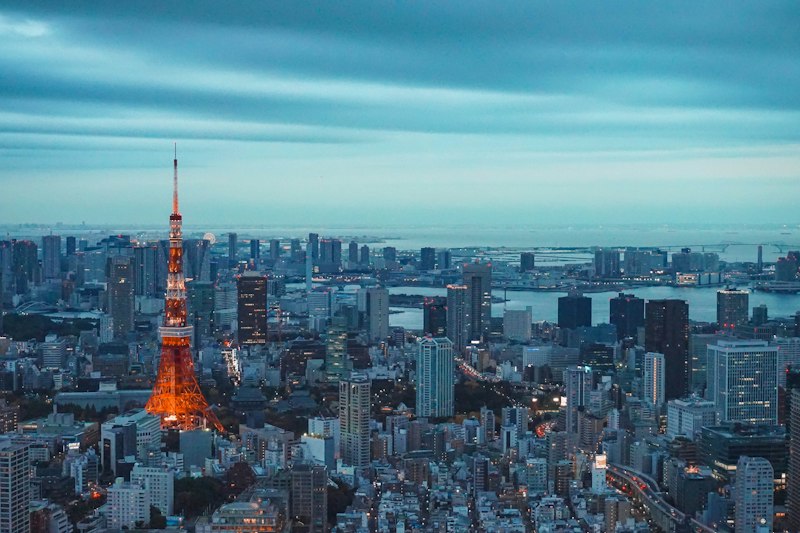
Hari 1–2: Daftar di Kantor Kota dan Atur Ponsel
Prioritas administrasi pertama Anda di Jepang adalah mendaftarkan alamat di Kantor Kota (市役所, shiyakusho) setempat. Menurut hukum, semua penduduk asing harus terdaftar dalam 14 hari setelah pindah ke alamat baru. Melakukan ini sejak dini akan membuka hampir semua hal di daftar ini — rekening bank, asuransi, dan lainnya.
Cara Mendaftarkan Alamat Anda
- Kunjungi Kantor Ward (区役所, kuyakusho) untuk area Anda — misalnya, Kantor Kota Shinjuku jika Anda tinggal di Shinjuku
- Bawa Kartu Residensi (在留カード, zairyu card) dan paspor Anda
- Isi formulir pendek dan serahkan ke konter "Pendaftaran Orang Asing" atau "住民登録"
- Alamat Anda akan langsung dicetak di Kartu Residensi Anda
- Sebagian besar kantor ward buka Senin–Jumat, 08:30–17:00; beberapa memiliki jam Sabtu
Jika Anda tinggal di asrama bersama atau apartemen berperabotan, penyedia perumahan Anda biasanya akan memberikan surat yang mengkonfirmasi alamat Anda. Simpan dokumen ini — Anda akan membutuhkannya berkali-kali.
Mengatur Nomor Ponsel Jepang
Nomor lokal hampir penting untuk setiap langkah selanjutnya. Bank, layanan pemerintah, dan perusahaan pengiriman semuanya menanyakannya.
- Paket SIM saja dari IIJmio, Rakuten Mobile, atau NUROmobile dimulai dari sekitar ¥1.000–¥2.000/bulan dan bekerja dengan baik untuk sebagian besar orang
- Operator utama (SoftBank, au, docomo) menawarkan dukungan bahasa Inggris tetapi lebih mahal — kira-kira ¥3.000–¥7.000/bulan
- Bawa paspor, Kartu Residensi, dan kartu kredit ke toko
- Atau ambil SIM data prabayar di bandara saat tiba untuk bertahan sementara
Tip Pro: Daftarkan alamat Anda sebelum mengajukan permohonan kartu SIM. Banyak operator memerlukan bukti alamat Jepang selama proses aplikasi. Menyelesaikan pendaftaran ward pada Hari 1 membuat segalanya lebih cepat.
Hari 3: Buka Rekening Bank dan Dapatkan Kartu IC Anda
Hari 3 adalah untuk fondasi keuangan. Anda akan menangani dua hal: membuka rekening bank dan mengisi saldo kartu IC untuk jaringan kereta.
Membuka Rekening Bank Jepang
Pilihan paling mudah diakses untuk pendatang baru adalah Japan Post Bank (ゆうちょ銀行, Yucho Ginko), tersedia di kantor pos mana pun. Mereka menerima penduduk yang telah berada di Jepang setidaknya enam bulan dalam beberapa kasus, meskipun persyaratan bervariasi.
- Japan Post Bank — ramah untuk pemula, ATM di mana-mana, antarmuka bahasa Inggris tersedia
- Seven Bank — terhubung ke ATM 7-Eleven; setup mudah, berguna untuk penarikan
- Sony Bank / Wise — luar biasa untuk transfer internasional dan pertukaran mata uang asing
- Bawa: Kartu Residensi, paspor, nomor ponsel Jepang, dan alamat terdaftar Anda
Beberapa bank tradisional (MUFG, SMBC, Mizuho) mungkin meminta Anda tinggal di Jepang selama 6 bulan sebelum mengajukan. Jangan berkecil hati — Japan Post Bank atau opsi online akan membuat Anda mulai segera.
Dapatkan Kartu IC Anda (Suica atau Pasmo)
Kartu IC adalah kunci ke sistem kereta dan subway Tokyo. Ini juga bekerja di toko kenyamanan, mesin penjual otomatis, dan banyak restoran.
- Ambil kartu Suica di stasiun JR mana pun atau gunakan aplikasi Suica di iPhone
- Ambil kartu Pasmo di stasiun Tokyo Metro atau Toei
- Isi ¥2.000–¥3.000 untuk memulai — Anda akan menggunakannya terus-menerus
- Kartu dapat ditukar dengan mudah di hampir semua transit Tokyo
Hari 4: Belanja Bahan Makanan dan Kebutuhan Sehari-hari

Sekarang yang administratif sudah selesai, saatnya mengisi dapur Anda dan mengumpulkan kebutuhan sehari-hari. Tokyo memiliki pilihan di setiap harga.
Di Mana Berbelanja Bahan Makanan
- Gyomu Super (業務スーパー) — curah dan ramah anggaran; bagus untuk bahan pokok
- OK Store (オーケー) — sederhana, harga rendah, kualitas luar biasa
- Life, Maruetsu, atau Tokyustore — supermarket tetangga sehari-hari
- Donki (Don Quijote) — buka larut malam, kacau, tetapi brilian untuk barang rumah tangga dan camilan
- Toko kenyamanan (7-Eleven, FamilyMart, Lawson) lebih mahal tetapi bagus untuk makanan cepat
Daftar Periksa Kebutuhan Rumah Tangga
Jika Anda tinggal di apartemen berperabotan atau asrama bersama, banyak hal ini mungkin sudah disediakan. Tetapi inilah yang harus Anda ambil pada belanja pertama Anda:
- Sampo, kondisioner, sabun mandi, pasta gigi
- Deterjen cucian (cari botol berlabel bahasa Inggris di toko obat Matsumoto Kiyoshi)
- Payung — cuaca Tokyo tidak terprediksi
- Kantong sampah (catatan: Tokyo memiliki aturan daur ulang yang ketat — tanyakan ke penyedia perumahan Anda atau periksa panduan ward Anda)
- Tempat pemegang kartu IC atau dompet komuter dasar
Baik untuk Diketahui: Tokyo memiliki aturan sampah yang sangat spesifik. Limbah yang dapat dibakar (燃えるゴミ), limbah tidak dapat dibakar, dan daur ulang dikumpulkan pada hari yang berbeda dan harus dipisahkan. Kantor ward Anda akan memberikan kalender sampah — atau tanyakan ke pengelola asrama Anda untuk jadwal lokal.
Hari 5: Jelajahi Lingkungan Sekitar Anda
Pada Hari 5, Anda sudah berhak mendapatkan waktu untuk bernafas. Luangkan hari ini untuk eksplorasi santai di area lokal Anda — tanpa agenda, hanya berjalan dan mengamati.
Apa yang Harus Dicari Saat Berjalan Anda
- Stasiun kereta terdekat dan jalur yang dilayaninya
- Toko kenyamanan terdekat (Anda akan mengunjunginya hampir setiap hari)
- Apotek lokal (薬局, yakkyoku) — Matsumoto Kiyoshi dan Tsuruha Drug adalah jaringan umum
- Toko 100 yen (Daiso atau Seria) untuk perlengkapan rumah yang terjangkau
- Taman terdekat untuk jalan pagi atau istirahat sore
- Izakaya atau kafe lokal di mana Anda mungkin menjadi pelanggan setia
Lingkungan yang Anda tinggali membentuk semua pengalaman Tokyo Anda — temukan iramanya sejak awal dan kota akan mulai terasa seperti rumah dengan cepat.
Setiap lingkungan Tokyo memiliki kepribadian sendiri. Shimokitazawa terasa seperti desa kreatif. Koenji memiliki nuansa indie dan vintage. Nakameguro tenang dan bergaya. Luangkan hari ini untuk mengetahui apa yang membuat sudut kota Anda berfungsi.
Hari 6–7: Langkah Awal Sosial dan Budaya
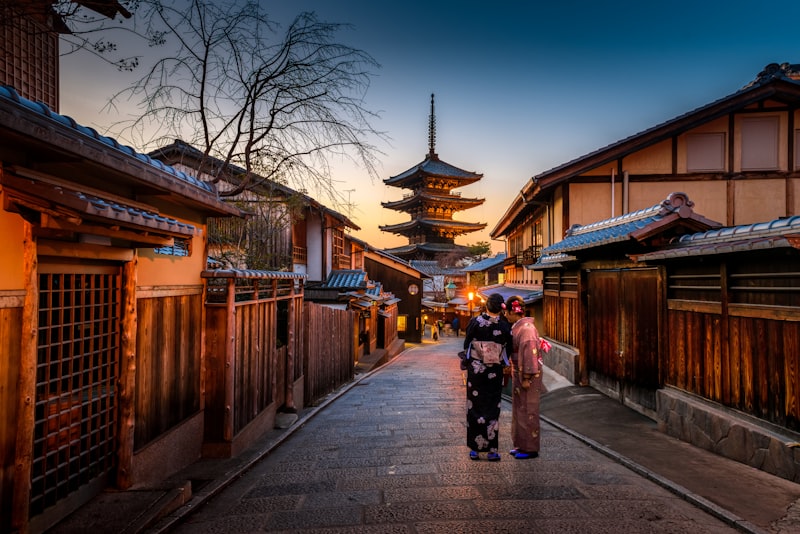
Tugas praktis sebagian besar sudah selesai. Sekarang saatnya mulai membangun kehidupan sosial dan pemahaman budaya — keduanya membuat hidup di Tokyo benar-benar menyenangkan daripada hanya fungsional.
Cara Bertemu Orang-orang di Tokyo
- Meetup.com — Tokyo memiliki puluhan grup aktif: pertukaran bahasa, hiking, permainan papan, pertemuan ekspatriat
- Internations — jaringan ekspatriat global dengan acara Tokyo biasa
- InterNations atau grup Facebook seperti "Tokyo Expats" atau "Tokyo Notice Board"
- Aplikasi pertukaran bahasa seperti HelloTalk atau Tandem — bagus untuk membuat teman Jepang sambil berlatih
- Jika Anda tinggal di asrama bersama, area umum dan acara rumah adalah titik awal yang alami
Dasar-dasar Budaya yang Layak Dipelajari Sejak Awal
Beberapa kebiasaan sederhana sangat membantu membuat kehidupan sehari-hari lebih lancar dan menghormati:
- Jangan makan atau minum sambil berjalan — menjauh atau cari bangku
- Bicara pelan di kereta; panggilan telepon umumnya tidak disarankan di gerbong kereta
- Bawa hadiah kecil (omiyage) saat mengunjungi rumah seseorang untuk pertama kalinya
- Pelajari cara mengatakan: Sumimasen (maaf), Arigatou gozaimasu (terima kasih), Eigo wa hanasemasu ka? (apakah Anda berbicara bahasa Inggris?)
- Uang tunai masih penting di Jepang — selalu bawa
Berkelanjutan: Membangun Rutinitas Anda di Tokyo
Setelah minggu pertama Anda, Anda beralih dari mode survival ke membangun kehidupan nyata. Beberapa tugas berkelanjutan untuk tetap diingat:
- Asuransi Kesehatan Nasional (国民健康保険) — daftar di kantor ward sesegera mungkin; premi berbasis pendapatan dan kunjungan ke dokter menjadi sangat terjangkau
- Kartu MyNumber (マイナンバーカード) — Anda akan menerima surat pemberitahuan; ajukan kartu fisik secara online di portal MyNumber; berguna untuk pengajuan pajak dan berbagai layanan
- Belajar JLPT — bahkan bahasa Jepang dasar membuat kehidupan sehari-hari jauh lebih mudah; aplikasi seperti Anki, WaniKani, atau Duolingo adalah titik awal yang baik
- Temukan tempat favorit Anda — kafe pagi, rute lari, tempat ramen lokal. Rutinitas adalah apa yang mengubah tempat "di mana Anda tinggal" menjadi rumah
Anda Bisa Melakukannya — Tokyo Siap untuk Anda
Pindah ke Tokyo tidak harus terasa kacau. Dengan checklist minggu pertama di Tokyo ini di tangan, Anda dapat menangani setiap hari dengan tujuan — menyelesaikan pendaftaran, mengatur keuangan, dan menjelajahi lingkungan sebelum akhir Hari 7.
Bagian tersulit adalah mengetahui di mana memulai. Setelah Anda mencentang hal-hal penting, Anda akan terkejut betapa cepat Tokyo mulai terasa normal — dan kemudian luar biasa.
Di Modern Living Tokyo, apartemen berperabotan dan asrama bersama kami dirancang untuk membuat transisi ini jauh lebih mudah. Pindah dengan tempat tidur, dapur, dan Wi-Fi yang sudah siap, sehingga Anda dapat fokus pada minggu pertama Anda untuk hal-hal penting — bukan rakitan furnitur. Lihat kamar yang tersedia kami dan mulai hidup Tokyo Anda dengan benar.
Modern Living Tokyo
Artikel Terkait
 Moving Guide
Working Holiday di Tokyo: Apartemen Terjangkau & Rumah Bersama untuk 6 Bulan Pertama Anda
Panduan lengkap bagi pemegang visa Working Holiday tentang hunian di Tokyo — mulai dari anggaran realistis, rumah bersama terbaik, hingga apartemen furnish dan prosedur perpanjangan visa.
 Modern Living TokyoBaca lebih lanjut →
 Moving Guide
Panduan Lengkap Memilih Furnitur untuk Apartemen Tokyo Anda
Bingung memilih furnitur untuk apartemen Tokyo? Kami bagikan tips praktis tentang apa yang harus dibeli, di mana berbelanja, dan apa yang bisa dilewatkan — dilengkapi estimasi biaya dan rekomendasi toko.
Modern Living TokyoBaca lebih lanjut → Moving Guide
Apa Itu Monthly Mansion di Tokyo? Panduan Lengkap untuk Pemula
Panduan komprehensif tentang monthly mansion di Tokyo — penjelasan lengkap tentang apa itu, berapa biayanya, dan apakah pilihan ini tepat untuk tinggal di Jepang.
Modern Living TokyoBaca lebih lanjut →Properti unggulan
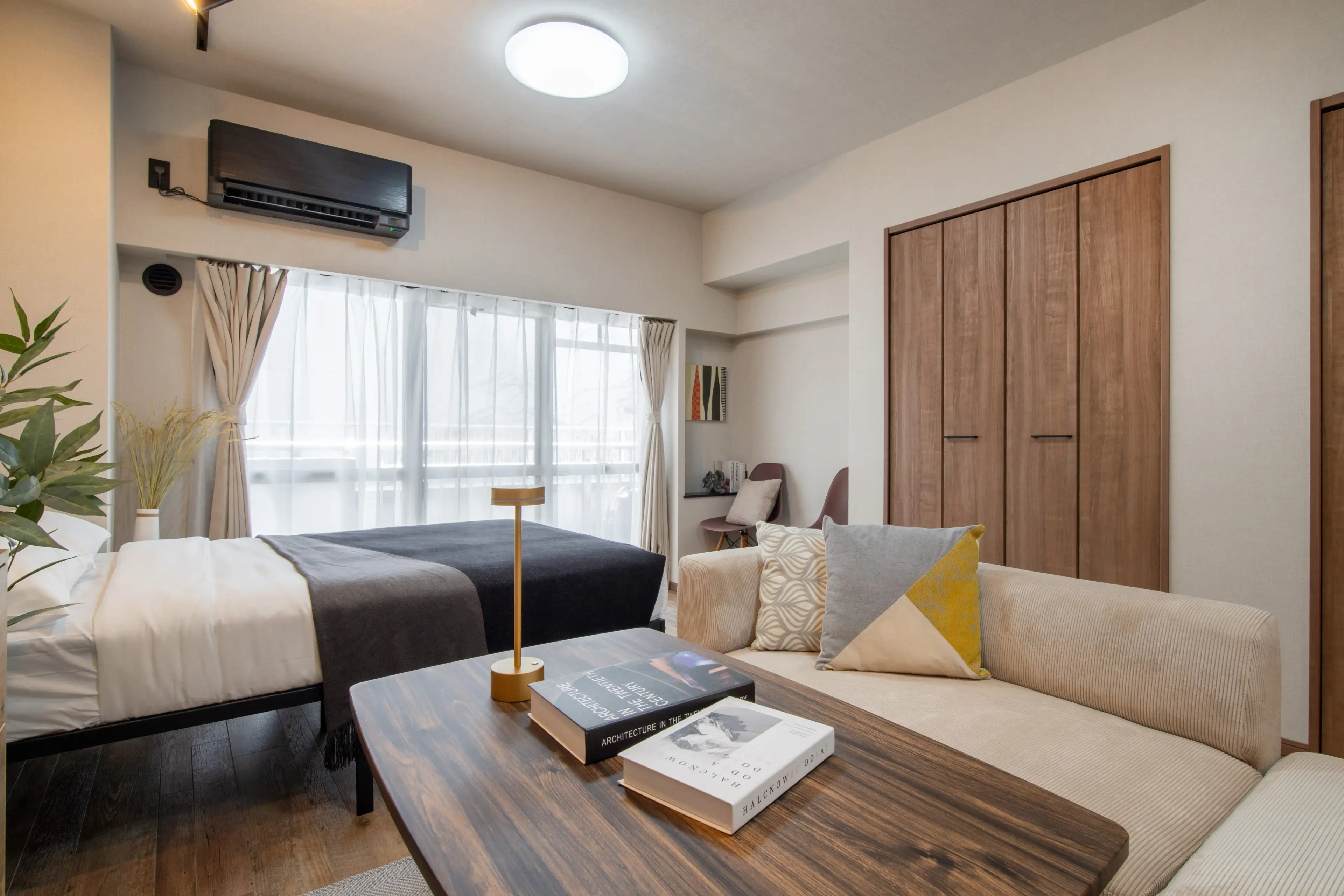 Terisi
Fully Furnished Apartment 20 Min to Takadanobaba
Iidabashi High Town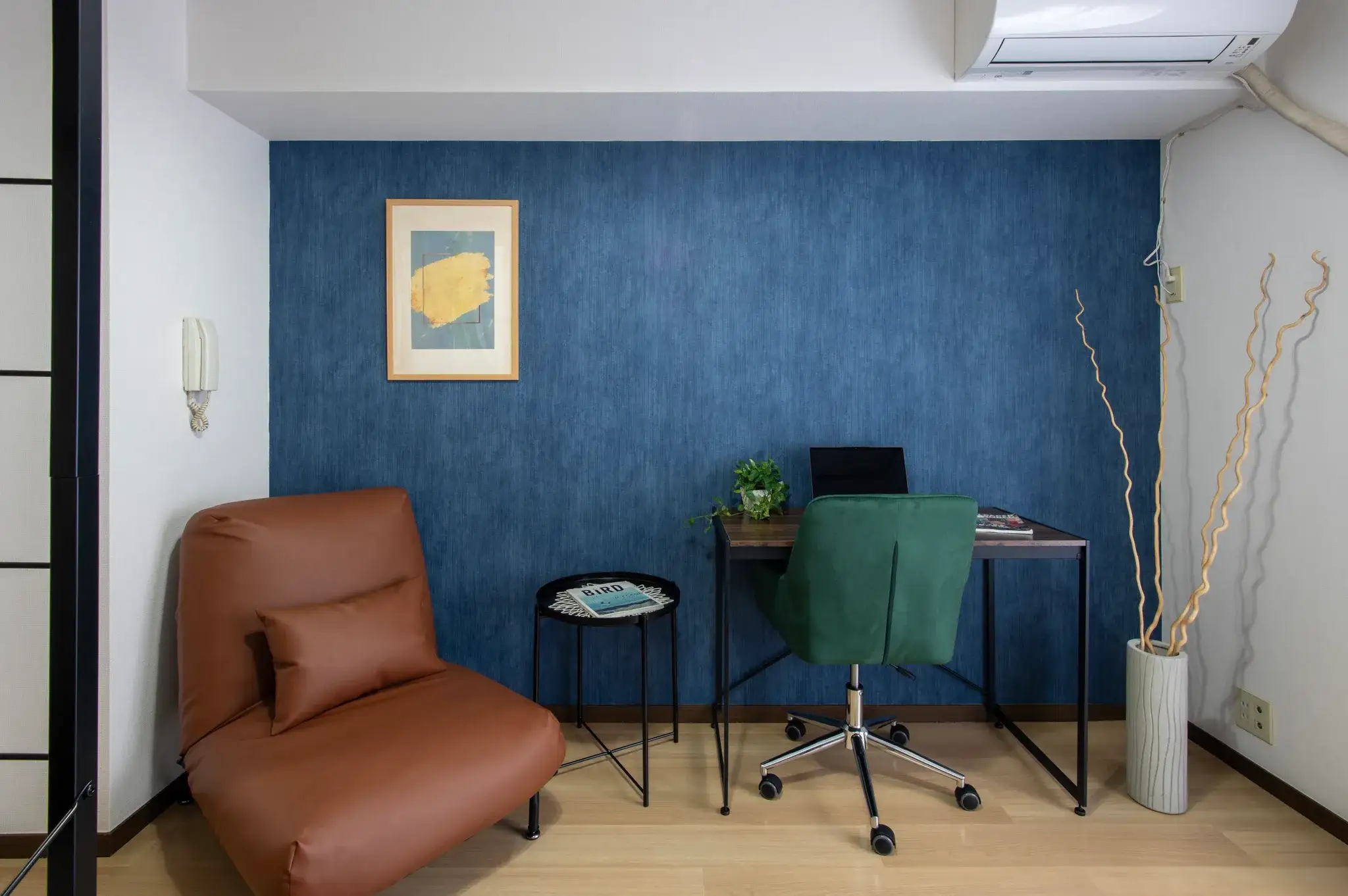 Mungkin dari Dec 3, 2026
Apartemen Berperabotan di Meguro
ML Meguro — Unit 208
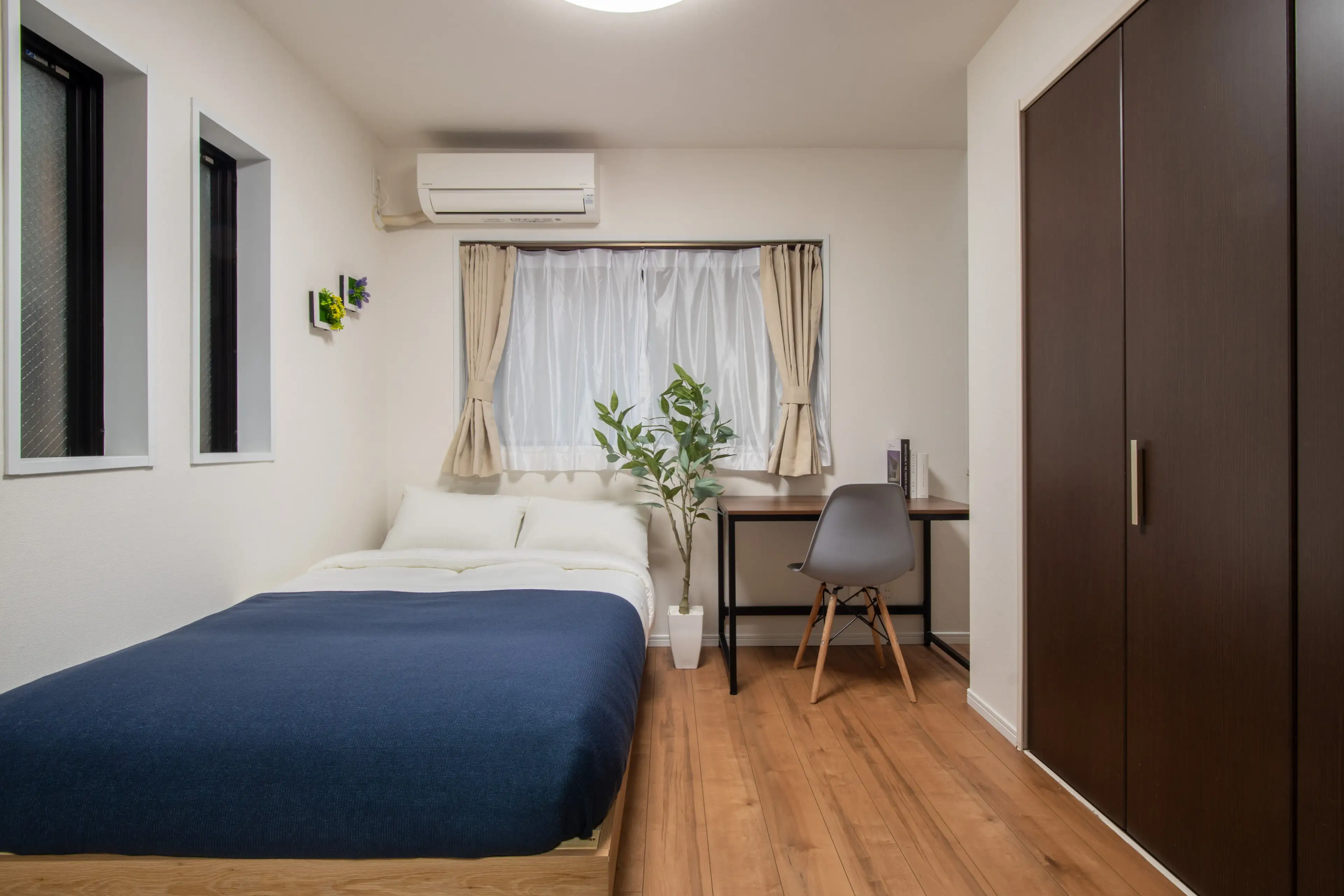 Tersedia Sekarang
Apartemen Berperabotan di Shinagawa
Beverly Homes Nishikoyama — 103