
Living in Tokyo Modern Living Tokyo Team6 de jun. de 20267 min de leitura
Convivência em Share Houses em Tóquio: Regras e Costumes que Estrangeiros Devem Conhecer
# Share House Tokyo Etiquette: Rules and Norms Foreigners Should Know
Tokyo share houses are international by design — but they sit inside Japanese culture, with both formal building rules and **unwritten norms** that can catch newcomers off guard. This guide covers everything from kitchen etiquette to garbage sorting to guest policies, so you can settle in smoothly from day one.
For the full anchor reference, see our [Tokyo share houses guide](/share-houses).
## What are the most important Tokyo share house etiquette rules?
The three rules that matter most:
1. **Clean up after yourself in shared spaces — immediately.** Wash dishes after each meal, wipe counters, return cookware to its spot. Japanese cleanliness norms are stricter than most Western cultures expect.
2. **Keep noise low after 10pm.** Tokyo apartments have thin walls. Conversation in your private room is fine; phone calls or music after 10pm is not.
3. **Sort garbage correctly.** Tokyo's garbage separation rules are strict and building-specific. Get this wrong repeatedly and other residents will resent you.
Master those three and you'll fit in. The rest is detail.
## Kitchen etiquette specifics
Shared kitchen norms in Tokyo share houses:
- **Wash dishes immediately after eating, not "later"** — leaving dirty dishes in the sink for hours is the #1 source of friction in international share houses. Japanese norm: zero dishes in the sink, ever.
- **Don't store personal food in shared fridge spaces without labels** — every share house has labeling tape or marker. Use it.
- **Don't leave food unattended on the stove** — fire safety matters and other residents may want to cook
- **Replace consumables you use up** (paper towels, sponges, dish soap if shared) — buy a replacement on your next grocery run
- **Don't cook fish or strong-smelling food at midnight** — the smell carries through ventilation and bothers sleeping residents
- **Clean visible counters and stovetop after cooking** — wipe down even if you didn't make a mess; it's expected
If you grew up in a Western culture where "I'll wash these in the morning" is normal, this will be an adjustment. The rule of thumb: leave the kitchen better than you found it.
## Bathroom and shower etiquette
- **Showers should be quick** (10-15 min max) — water bills are shared, and other residents are waiting in the morning
- **Clean hair from the drain after EACH shower** — not at the end of the week
- **Wipe down the wet surfaces** with the squeegee if provided (most Japanese bathrooms have one)
- **Don't leave personal toiletries in the shared bathroom** — most houses have personal storage shelves or your own bathroom basket
- **Knock before entering, even if the door looks unlocked** — many older buildings have unreliable locks
Some Tokyo share houses have shared bathtubs (not just showers). Bathtub etiquette: **you wash and rinse OUTSIDE the tub first, then soak**. Never soap inside the tub. This is a hard rule in Japanese bathing culture.
## Noise rules — what's acceptable and what's not?
In a Tokyo share house, sound carries more than you'd expect:
- **Daytime conversation in your room:** fine
- **Music with bass / speakers:** use headphones after 9pm; avoid bass-heavy speakers anytime
- **Phone calls / video calls in your room:** keep voice low; use a headset; ideally take long calls in a closed common space
- **Cooking late at night:** fine if quiet; avoid loud chopping or banging
- **Friends over:** keep group conversations in the common area, not in bedrooms
- **TV / streaming late at night:** use headphones after 10pm
The cultural undercurrent: **Japan is a "low-noise" society**. Public-facing noise (loud conversations on trains, music without headphones) is more frowned upon than in many Western cultures. Adjust your default volume down 30% and you'll fit in.
## Garbage and recycling — strict and ward-specific
Tokyo garbage sorting varies BY WARD, but typically requires separating:
- **Combustibles (燃えるごみ)** — food waste, dirty paper, hygiene products
- **Non-combustibles (燃えないごみ)** — small metal, glass shards, ceramics
- **Recyclables (資源ごみ)** — paper, cardboard, plastic bottles (rinsed!), cans, glass bottles
- **Plastic packaging (プラスチック)** — separate from PET bottles in many wards
- **Oversized garbage (粗大ごみ)** — requires a special sticker and pickup appointment
Each category has a designated **pickup day** (e.g., combustibles Mon/Thu, recyclables Wed, non-combustibles 2nd/4th Friday). Putting the wrong garbage out on the wrong day means it sits and rots — and other residents will know who did it.
Modern Living Tokyo houses post the local schedule on a kitchen/lounge bulletin. Read it within your first 24 hours and follow it.
## Guest policies — can you have friends or partners over?
Each Modern Living Tokyo share house has explicit guest rules in the rental agreement. The general norm:
- **Day visits (entering common areas):** fine, usually no notification required
- **Evening visits in your private room:** fine, but be mindful of noise
- **Overnight guests (1-2 nights):** must notify management in advance; some buildings allow, others don't
- **Multi-night stays / partners moving in:** generally NOT allowed without converting to a couples room
If you're starting a relationship and your partner wants to move in, the right move is to message us and either (a) move to a couples-friendly room or (b) have them book their own room in the same building. Trying to have someone "secretly" live with you violates the rental agreement.
## Shoes off — always, no exceptions
In Japan, you remove your shoes at the entrance (genkan 玄関) and switch to indoor slippers. Every Tokyo share house has:
- A clear "shoes here" entrance area
- Slippers provided (or you bring your own)
- No outdoor shoes beyond the genkan, EVER
This applies to delivery people, repair workers, and guests too. If you have visitors, instruct them. Walking around in outdoor shoes is considered genuinely disrespectful, not just unusual.
## Smoking and alcohol
Modern Living Tokyo houses are **non-smoking inside**. Smoking on balconies or outside the building is typically fine if there are no specific complaints; ask building management.
Alcohol in common areas is fine in moderation. Group drinking in the lounge is part of share-house community life. Drunk loud behavior at 2am is not.
## Cultural friction points specific to non-Japanese residents
In our experience managing 300+ international residents, the most common friction comes from:
1. **Different cleanliness baselines** — "I'll clean tomorrow" vs Japanese "now"
2. **Different noise tolerance** — what's normal volume in some cultures is loud in Japan
3. **Different communal vs personal space norms** — leaving things on shared tables vs storing immediately
4. **Different time perception** — being 15 min late is rude in Japan, normal elsewhere
The fix is awareness, not personality change. Once you know the local norms, adjust slightly and you're fine. Most residents adapt within 2-3 weeks.
## What if there's a conflict with a housemate?
Process for resolving conflicts:
1. **Talk to them directly first** — most issues are misunderstandings; a polite conversation solves 80%
2. **Use the house's communication channel** (group chat, kitchen whiteboard) for shared concerns
3. **Message Modern Living Tokyo support** if direct conversation doesn't resolve it — we mediate in 13 languages
4. **In extreme cases**, request a room change to another Modern Living building — usually possible within 1-2 weeks
## Related guides
- **Anchor:** [Share houses in Tokyo — full guide](/share-houses)
- [What's it actually like to live in a Tokyo share house?](/blog/what-its-like-tokyo-share-house-resident-stories)
- [Tokyo share house cost breakdown 2026](/blog/tokyo-share-house-cost-breakdown-2026)
- [Best share houses in Tokyo for foreigners](/blog/best-share-houses-tokyo-foreigners-2026)
## Ready to move in?
[Browse Modern Living Tokyo's 300+ share-house rooms](/share-houses) — 13-language support, clear house rules in your language, instant community.
Modern Living Tokyo Team
Artigos Relacionados
 Living in Tokyo
Como é realmente morar em uma casa compartilhada em Tóquio? (Histórias de moradores reais)
Histórias verdadeiras de pessoas que vivem em casas compartilhadas em Tóquio há 6 meses até 5 anos — rotina diária, amizades, momentos constrangedores, por que ficaram (ou saíram).
 Modern Living Tokyo TeamLeia mais →
 Lifestyle
Praticando Artes Marciais em Tóquio: Guia Completo para Estrangeiros
Tudo o que você precisa saber para treinar artes marciais em Tóquio como estrangeiro — desde os melhores dojos até custos, etiqueta, questões de visto e os bairros ideais para morar.
Modern Living TokyoLeia mais → Culture
Aprenda a Cozinhar Comida Japonesa em Tóquio: Cursos e Escolas Culinárias
Desde workshops de um dia de sushi até escolas culinárias profissionais, descubra os melhores cursos de culinária japonesa em Tóquio para estrangeiros — com preços, localizações e muito mais.
Modern Living TokyoLeia mais →Imóveis em destaque
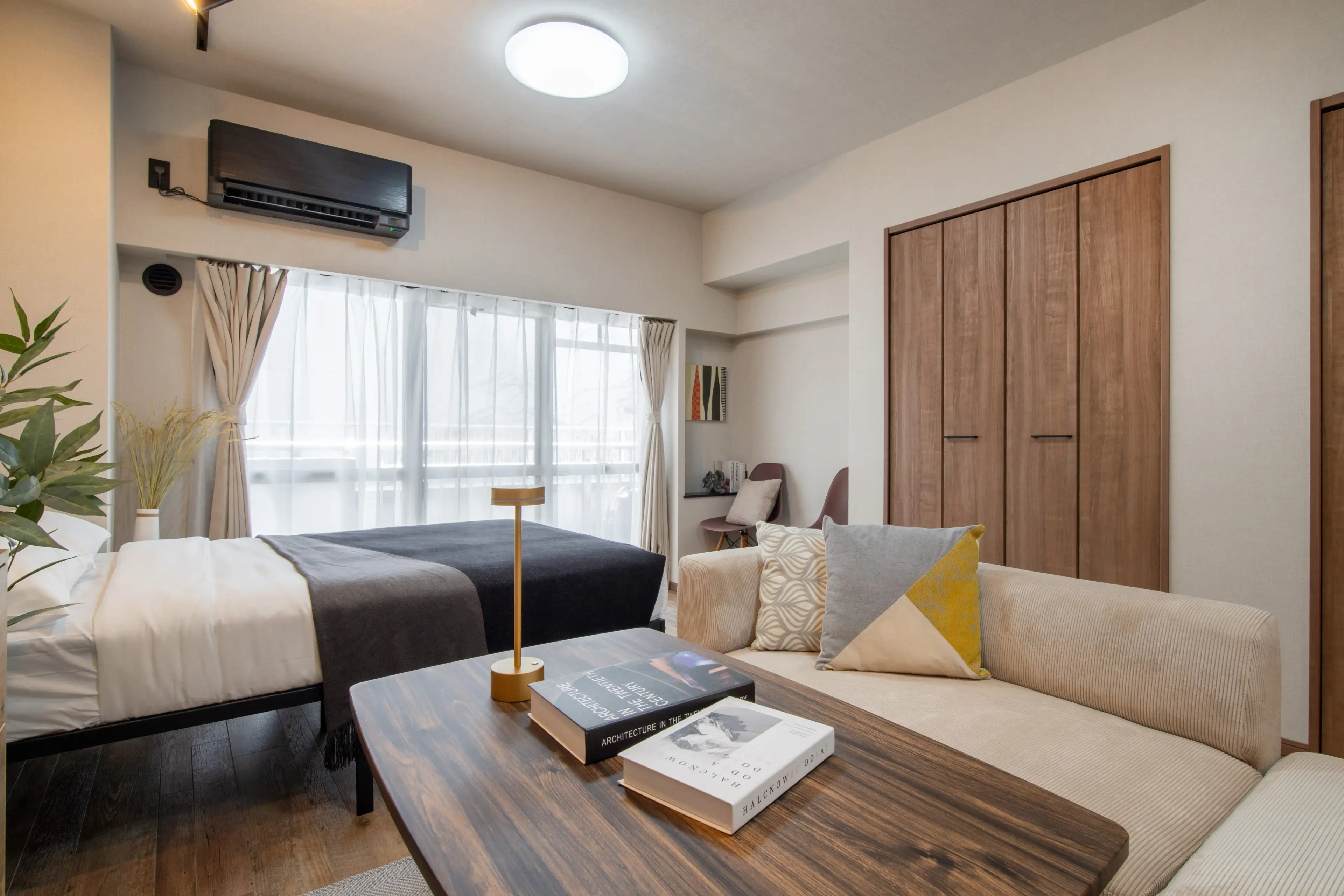 Ocupado
1/6
Fully Furnished Apartment 20 Min to Takadanobaba
Iidabashi High Town¥180,000 /mês
Wi-FiSecador de CabeloMáquina de Lavar
1K 32m²
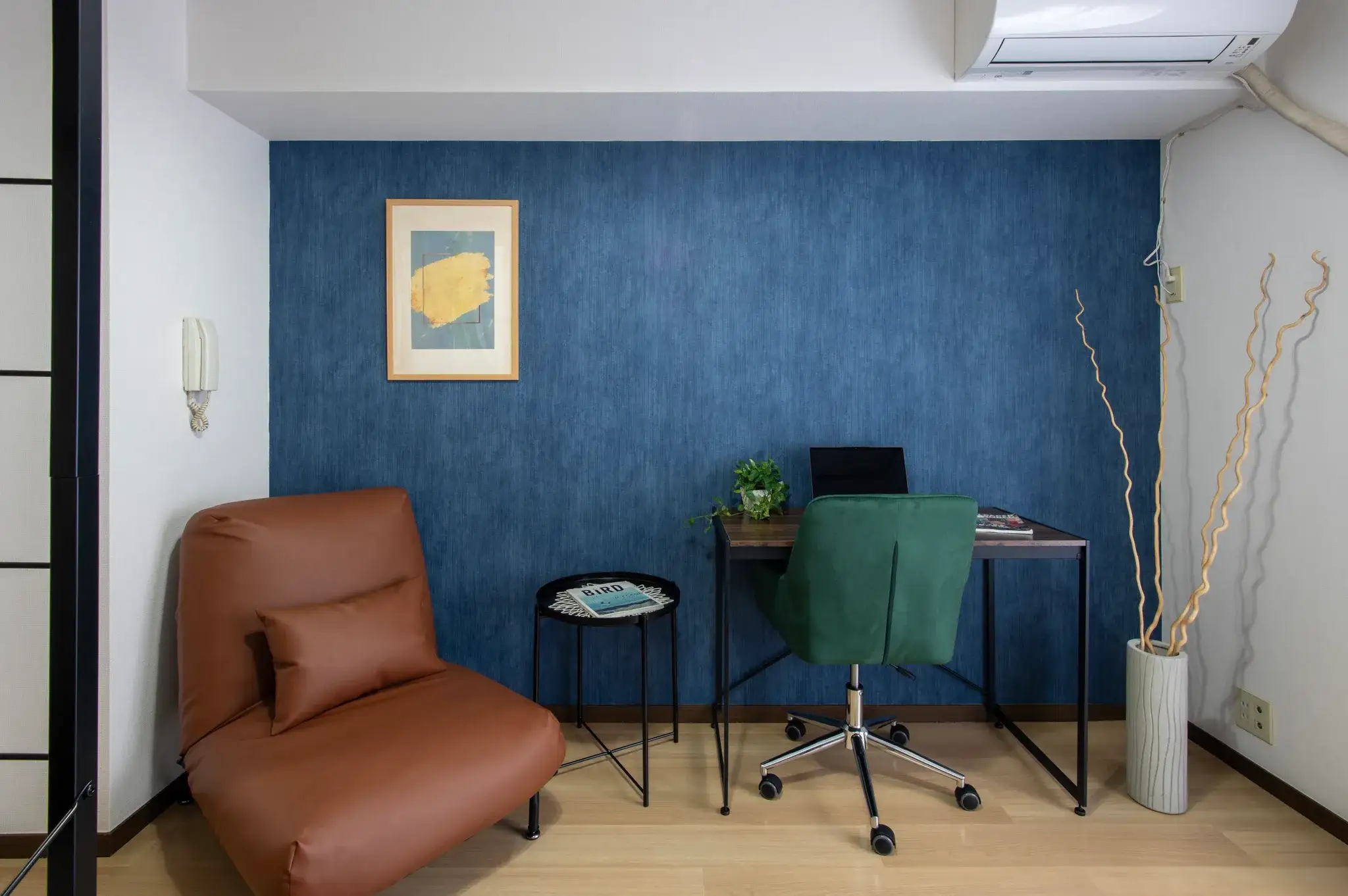 Disponível a partir de Dec 7, 2026
1/10
Apartamento mobiliado em Meguro
ML Meguro — 208¥131,000 /mês

Nishi Koyama2 min
Wi-FiSecador de CabeloMáquina de Lavar
1K 20.46m²
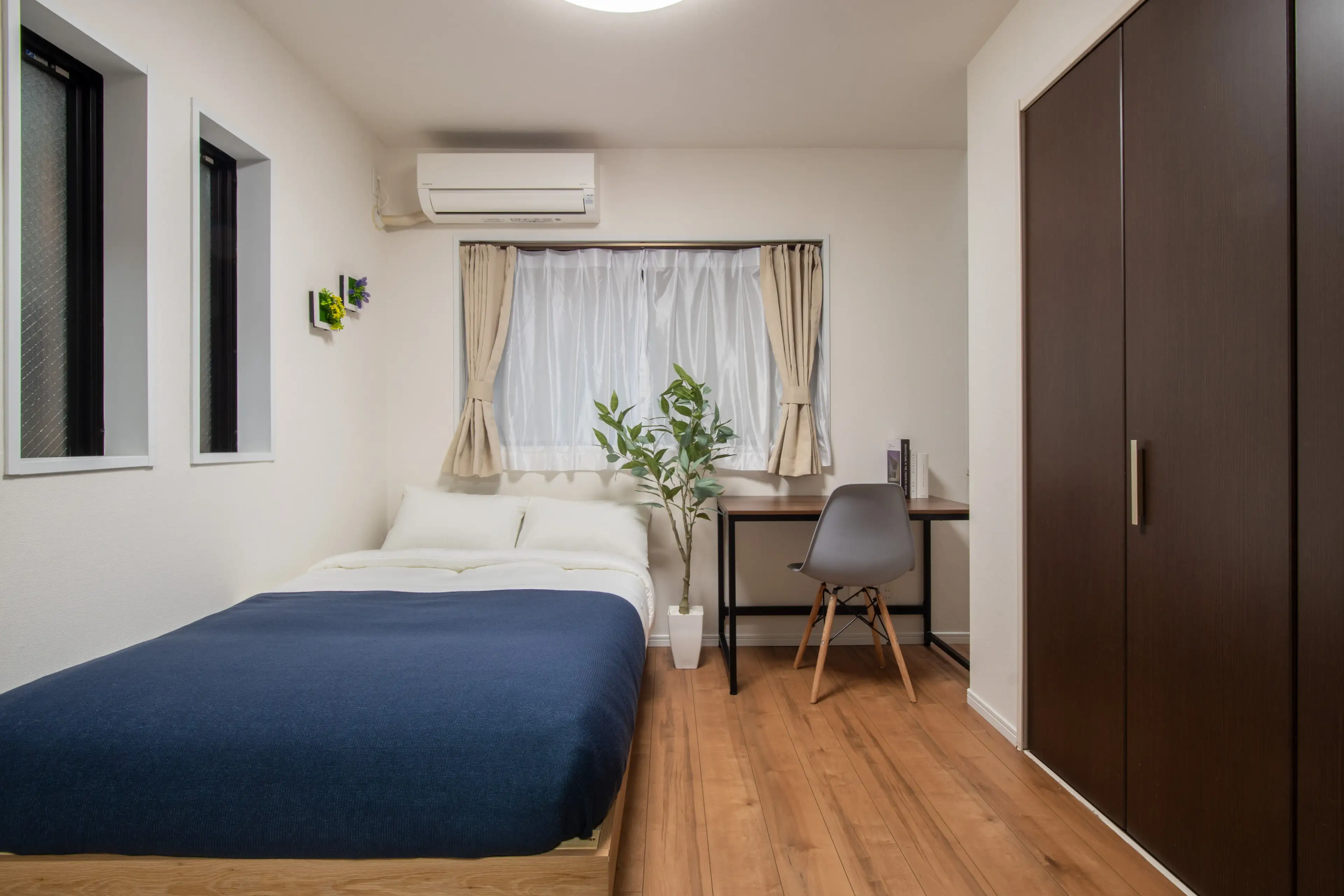 Possivelmente a partir de Feb 22, 2027
1/7
Apartamento mobiliado em Shinagawa
Beverly Homes Nishikoyama — Apartamento 103¥230,000 /mês
Nishi Koyama4 min
Wi-FiSecador de CabeloMáquina de Lavar
2LDK 48.3m²