
Os 5 Maiores Erros que Estrangeiros Cometem ao Alugar em Tóquio (E Como Evitá-los)

Os Erros Mais Comuns na Locação de Imóvel em Tóquio — E Como Evitar Cada Um Deles
Alugar um apartamento em Tóquio é genuinamente empolgante. Mas para a maioria dos recém-chegados, o processo também é repleto de surpresas — e nem sempre as boas. Os erros que estrangeiros cometem ao alugar em Tóquio geralmente se resumem a uma coisa: assumir que o Japão funciona da mesma forma que em seu país de origem. Não funciona. As regras são diferentes, a documentação é diferente, e os custos podem surpreendê-lo como um trem descontrolado se você não estiver preparado.
Este guia descreve as cinco armadilhas mais comuns, com detalhes específicos para que você saiba exatamente o que observar — antes de assinar qualquer coisa.

Erro #1: Subestimar as Taxas Iniciais
Este erro pega quase todo locatário de primeira viagem desprevenido. Em muitos países, alugar significa pagar uma caução e o primeiro mês de aluguel — pronto. No Japão, os custos iniciais de um apartamento tradicional podem ser astronômicos.
Aqui está o que um pagamento inicial típico pode incluir:
- Shikikin (敷金) — Caução de segurança: Geralmente 1–2 meses de aluguel
- Reikin (礼金) — "Dinheiro da chave": Uma presente não reembolsável ao proprietário, frequentemente 1–2 meses de aluguel
- Taxa da imobiliária: Normalmente 1 mês de aluguel (mais imposto sobre consumo)
- Primeiro mês de aluguel (às vezes proporcional)
- Taxa de empresa garantidora: Aproximadamente 0,5–1 mês de aluguel adiantado
- Seguro contra incêndio: Aproximadamente ¥15.000–¥20.000 para uma apólice de 2 anos
- Taxa de troca de fechadura: Aproximadamente ¥10.000–¥30.000
Em um apartamento de ¥100.000/mês, você poderia realistically pagar ¥400.000–¥600.000 antes de mudar uma única caixa. Muitos estrangeiros fazem orçamento para um ou dois meses e ficam surpresos com o resto.
Como evitar: Sempre peça à imobiliária um detalhamento completo de todos os custos — chamado de mitumori (見積もり) — antes de concordar em visitar um imóvel seriamente. Algumas áreas do mercado, incluindo muitos apartamentos mobiliados e casarões compartilhados, eliminaram completamente o reikin, o que pode lhe economizar uma quantia considerável.
Erro #2: Ignorar a Questão do Garantidor
O sistema de aluguel tradicional do Japão exigia um hoshounin (保証人) — um garantidor pessoal, geralmente um cidadão japonês que assinaria seu contrato e assumiria responsabilidade financeira se você não honrasse o pagamento. Para estrangeiros sem família japonesa ou colegas de longo prazo, essa era frequentemente uma barreira impossível.
Hoje, a maioria dos proprietários aceita uma empresa garantidora (hoshougaisha) em vez disso. Mas muitos estrangeiros não pesquisam isso com antecedência e se veem surpreendidos na fase de assinatura do contrato.
Aqui está o que você precisa saber:
- A maioria das empresas garantidoras requer renda estável (elas pedirão contracheques ou contrato de trabalho)
- Algumas empresas relutam em trabalhar com pessoas com vistos de curto prazo ou autônomos
- O processo de aprovação pode levar 2–5 dias úteis, atrasando sua mudança
- As taxas de renovação anual (normalmente ¥10.000–¥20.000/ano) são contínuas
Como evitar: Antes de se apaixonar por um anúncio, pergunte à imobiliária: "Esta propriedade aceita uma empresa garantidora e qual delas?" Confirme isso cedo. Se sua situação de visto for complicada, procure por propriedades especificamente anunciadas para estrangeiros ou considere um apartamento mobiliado ou um casarão compartilhado — muitos dos quais têm sistemas de garantia simplificados ou internos projetados para residentes internacionais.
Dica de Profissional: Mantenha cópias digitais de seu visto, cartão de residência, contrato de trabalho e os últimos 3 meses de contracheques sempre à mão durante sua busca por apartamento. As imobiliárias japonesas se movem rapidamente, e atrasos na submissão de documentação podem custar o apartamento.
Erro #3: Acreditar nos Metros Quadrados Listados
Um apartamento de 25㎡ em Tóquio não é o mesmo que um apartamento de 25㎡ em Berlim, Sydney ou Nova York. Os números no anúncio estão corretos — mas o que representam pode ser muito diferente.
No Japão, a área de piso listada às vezes inclui a espessura das paredes e pode não refletir como o espaço realmente se sente. Mais importante, os layouts de apartamentos japoneses mais antigos frequentemente dedicam uma quantidade desproporcional de espaço a entradas (genkan), corredores estreitos e áreas de armazenamento com formato estranho.
Um apartamento "1K" — um cômodo mais cozinha — com 25㎡ pode ter uma cozinha-corredor que consome 6㎡, deixando você com uma área de estar/dormir mal cabida para uma cama de casal e uma mesa.

Como evitar: Sempre solicite o plano de piso madori (間取り) e estude-o cuidadosamente. Procure pelas dimensões reais dos cômodos, não apenas pelos metros quadrados totais. Verifique onde fica o banheiro da unidade — muitos apartamentos mais antigos têm um banheiro combinado de chuveiro/vaso/pia (unit bath) que estrangeiros frequentemente acham desconfortável. E se possível, visite pessoalmente.
Um plano de piso mostra o tamanho do apartamento. Visitar pessoalmente mostra se você realmente consegue viver nele.
Erro #4: Pular a Visita Presencial
Na era de tours virtuais e fotos de listagens elegantes, é tentador assinar um contrato remotamente — especialmente se você ainda está no exterior. Este é um dos erros mais comuns e custosos que estrangeiros cometem ao alugar em Tóquio.
As fotos de imóveis no Japão frequentemente usam lentes grande-angulares que fazem os cômodos parecerem significativamente maiores. A luz natural é maximizada nas fotos mas pode não refletir as condições do dia a dia. E há coisas que uma foto simplesmente não consegue contar:
- Quão barulhento é o bairro à noite? (Existe um salão de pachinko ou izakaya por perto?)
- Como é a pressão da água no chuveiro?
- O ventilador de ventilação da cozinha realmente funciona?
- Há luz solar direta ou um prédio vizinho a bloqueia?
- Qual é a condição dos corredores compartilhados e da área de lixo?
- Quanto tempo leva de verdade a caminhada até a estação realmente com bagagem?
Os anúncios japoneses frequentemente anunciam tempo de caminhada até a estação mais próxima — mas isso é calculado em um ritmo acelerado de 80 metros por minuto sem sinais de trânsito, morros ou multidões. Uma "caminhada de 7 minutos" pode facilmente ser 12 na prática.
Como evitar: Se está procurando apartamento antes de chegar ao Japão, tente primeiro arranjar uma estadia de curto prazo em um apartamento mobiliado ou casarão compartilhado. Isso lhe dá uma base real na cidade, permite explorar diferentes bairros a pé e permite visitar apartamentos pessoalmente antes de se comprometer com um contrato de 2 anos.
Atenção: Algumas imobiliárias mostrarão uma "sala modelo" no mesmo prédio em vez da unidade real. Sempre insista em visitar o apartamento exato que pretende alugar — incluindo verificar dentro de todos os armários, abrir as torneiras e testar o ar condicionado.
Erro #5: Não Ler a Cláusula de Cancelamento
Os contratos de aluguel do Japão são tipicamente de 2 anos. Isso é bom se você souber que ficará. Mas para estrangeiros — cujos planos podem mudar com uma renovação de visto, uma mudança de emprego ou uma transferência de empresa — a cláusula de cancelamento pode ser uma armadilha financeira séria.
A maioria dos contratos padrão inclui:
- Um período de notificação de 1–2 meses antes de poder sair
- Uma multa por rescisão antecipada — às vezes 1–2 meses de aluguel — se você sair antes do período contratual terminar
- Uma cláusula de restauração ao estado original (genso kaifuku), exigindo que você pague por reparos além do desgaste normal
A cláusula de restauração é onde muitos estrangeiros recebem cobranças na mudança. No Japão, existe uma diretriz nacional do Ministério da Terra, Infraestrutura, Transporte e Turismo (MLIT) que limita a responsabilidade do inquilino aos danos além do desgaste normal. Mas alguns proprietários — e alguns contratos — vão além dessas diretrizes. Se você não ler a cláusula, pode não perceber que concordou em repintar cômodos inteiros ou substituir o piso por sua conta.

Como evitar: Peça à imobiliária que explique verbalmente as cláusulas de cancelamento e restauração em termos simples. Se seu japonês não for forte o suficiente, peça um resumo traduzido ou traga um amigo bilíngue. Fotografe cada arranhão e marca no dia da mudança e envie-as por email à imobiliária no mesmo dia — isso cria um registro datado que o protege quando você se muda.
Sua Lista de Verificação Pré-Assinatura Para Evitar Os Cinco Erros de Aluguel em Tóquio
Antes de entregar qualquer dinheiro ou assinar qualquer documento, execute esta lista de verificação:
- Solicite um detalhamento completo de todos os custos — taxas iniciais, taxas mensais e quaisquer taxas anuais
- Confirme o processo de garantidor cedo — pergunte quais empresas garantidoras são aceitas e se seu tipo de visto se qualifica
- Estude o plano de piso em detalhe — verifique as dimensões reais dos cômodos, não apenas metros quadrados totais
- Visite o apartamento pessoalmente — teste o chuveiro, verifique a luz natural, caminhe até a estação por conta própria
- Leia as cláusulas de cancelamento e restauração — entenda seus custos de saída antes de entrar
- Fotografe cada marca ou dano existente no dia da mudança — envie fotos para a imobiliária imediatamente por email
- Confirme o período de notificação — saiba exatamente quantos meses de aviso você precisa dar
- Verifique a configuração de internet do prédio — muitos prédios antigos têm fibra compartilhada que limita velocidades em certos limites
Alugar em Tóquio não precisa ser estressante. Milhares de estrangeiros navegam com sucesso a cada ano — os que conseguem geralmente dizem a mesma coisa: fizeram mais perguntas do que achavam que precisavam fazer.
Comece Bem: Considere um Apartamento Mobiliado ou Casarão Compartilhado Primeiro
Se é novo em Tóquio ou incerto sobre os bairros, pular direto para um contrato de aluguel tradicional de 2 anos é um compromisso significativo. Muitos internacionais descobrem que faz muito mais sentido começar em um apartamento mobiliado ou casarão compartilhado, se confortar na cidade, explorar áreas que você realmente gosta e depois tomar uma decisão de longo prazo de uma posição de conhecimento — não de pressão.
Na Modern Living Tokyo, nossos apartamentos mobiliados e casarões compartilhados são projetados especificamente para residentes internacionais. Não há reikin, sem dor de cabeça de garantidor, sem taxas misteriosas, e contratos estão disponíveis em inglês. Quer você precise de alguns meses para se acomodar ou um lar de longo prazo, adoraríamos ajudá-lo a evitar cada erro nesta lista — desde o primeiro dia.
Navegue pelos nossos quartos disponíveis ou entre em contato com nossa equipe para encontrar o ajuste certo para sua vida em Tóquio.

Modern Living Tokyo
Artigos Relacionados
 Moving Guide
Aluguel no Japão: Taxas Ocultas e Como Evitá-las
Desde a reikin até as taxas de garantidor, os custos de aluguel no Japão vão muito além da mensalidade. Descubra todas as taxas ocultas explicadas — e como evitá-las.
 Modern Living TokyoLeia mais →
 Moving Guide
Aluguel em Tóquio Sem Intermediários: Formas Diretas que Economizam Dinheiro
Dispense o intermediário e economize ¥100.000–¥350.000 na sua mudança para Tóquio. Descubra como apartamentos mobiliados e casarões compartilhados permitem alugar direto — sem taxas de corretagem...
Modern Living TokyoLeia mais → Moving Guide
Apartamentos em Tóquio para Estrangeiros: Como Alugar Sem Falar Japonês
Alugar um imóvel em Tóquio sendo estrangeiro não precisa ser complicado. Descubra as melhores opções com atendimento em inglês, quais documentos você vai precisar e como funciona todo o processo de mudança.
Modern Living TokyoLeia mais →Imóveis em destaque
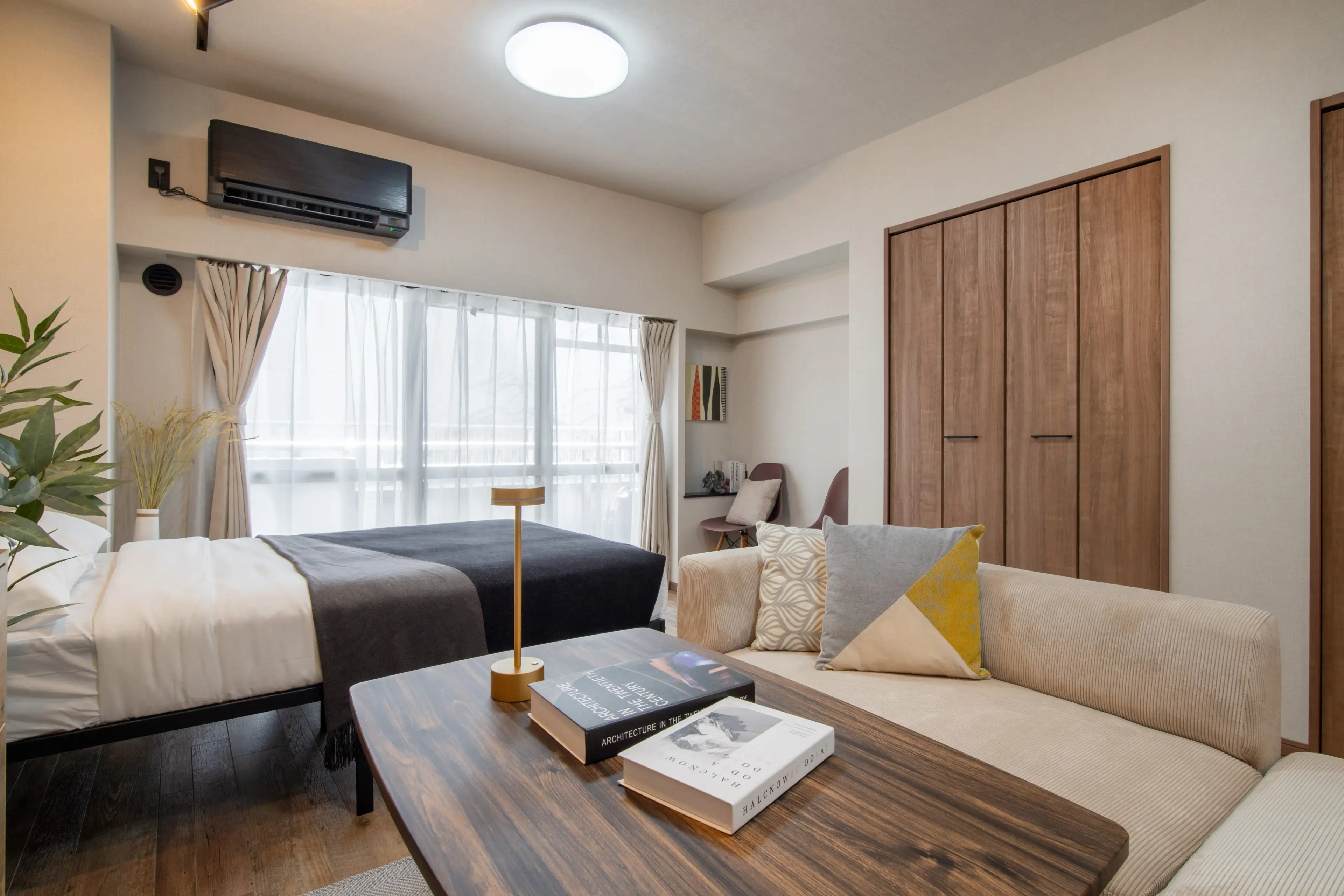 Ocupado
Fully Furnished Apartment 20 Min to Takadanobaba
Iidabashi High Town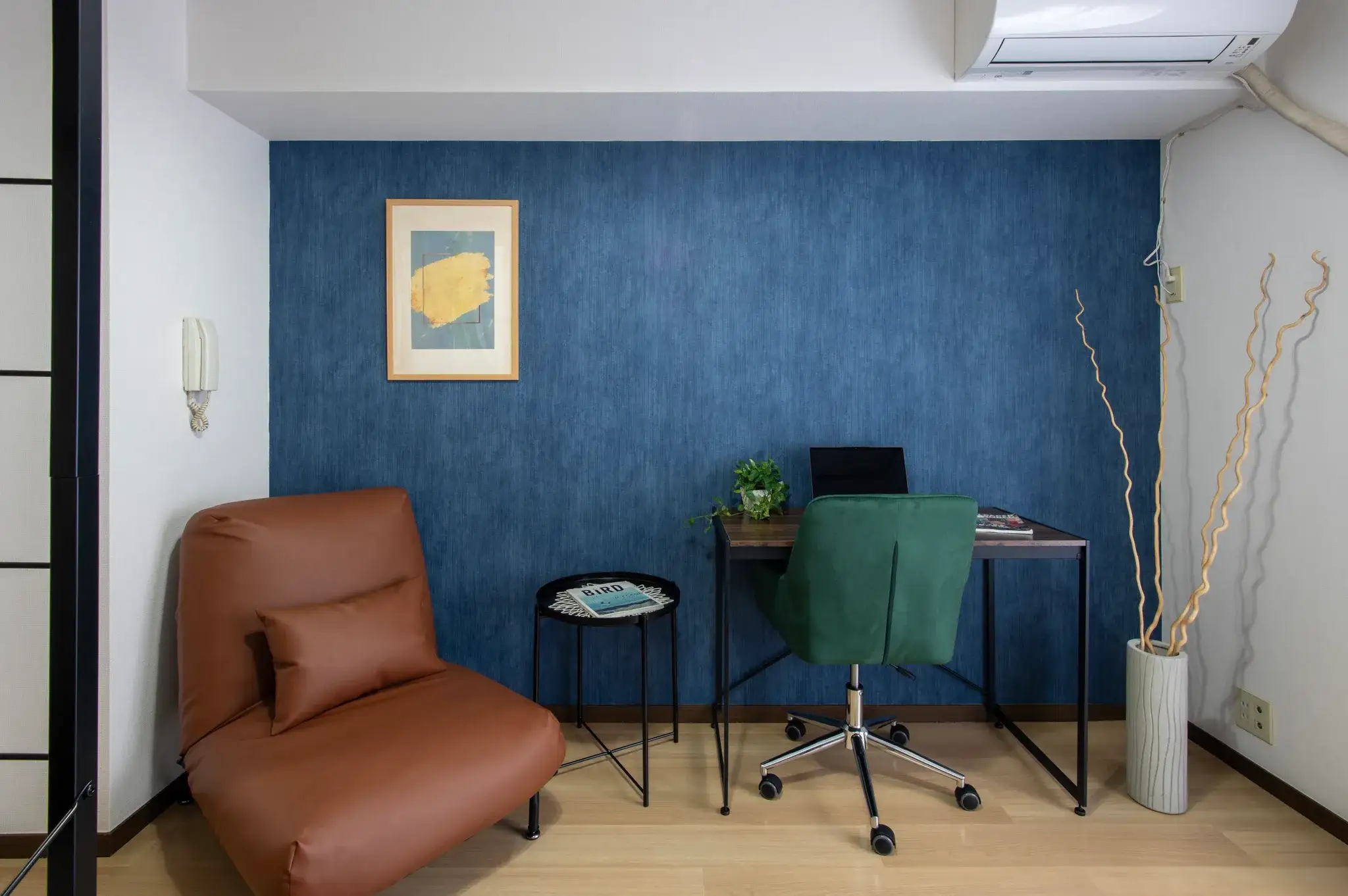 Possivelmente a partir de Dec 3, 2026
Apartamento mobiliado em Meguro
ML Meguro — 208
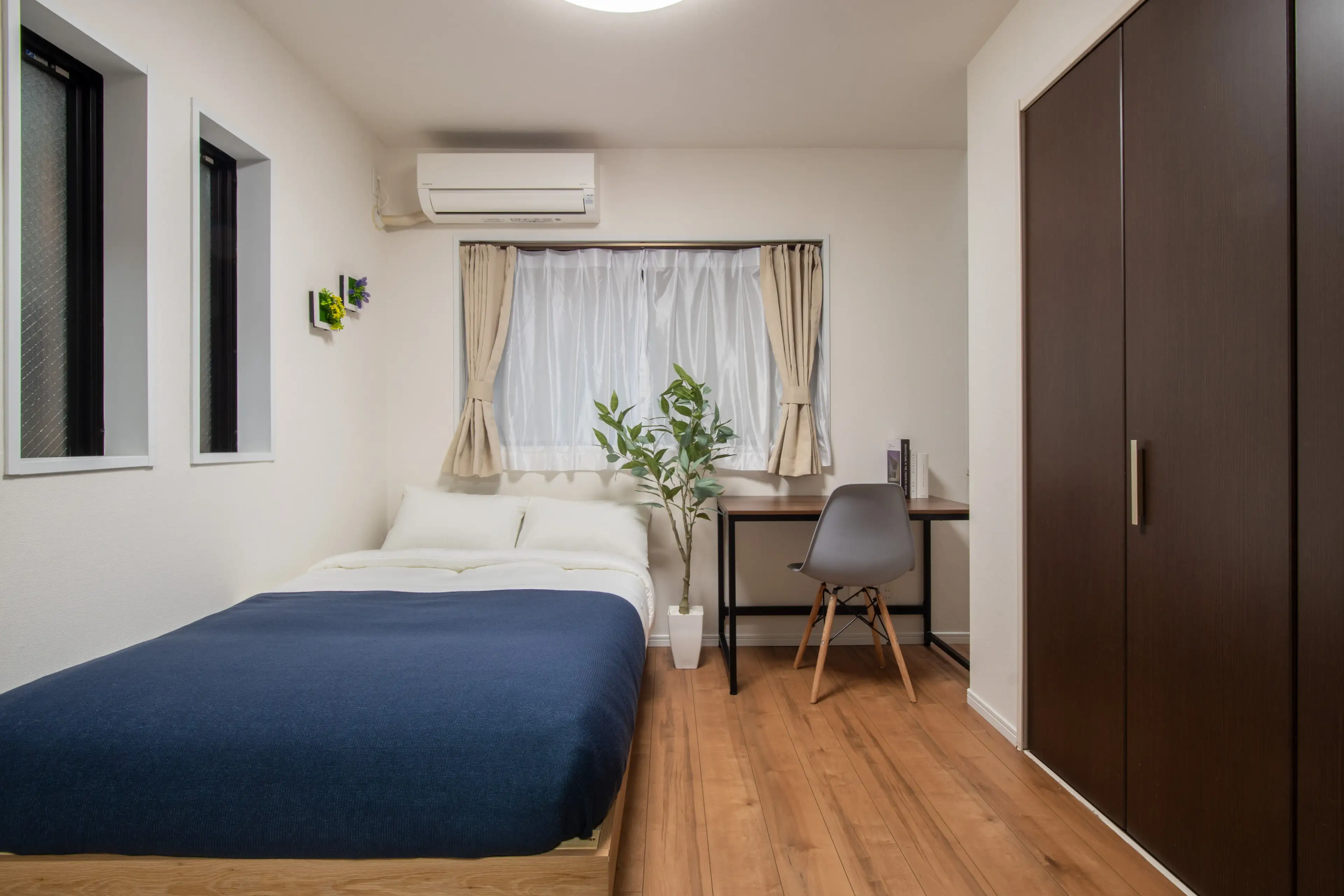 Disponível Agora
Apartamento mobiliado em Shinagawa
Beverly Homes Nishikoyama — Apartamento 103