
ระบบรถไฟญี่ปุ่นอธิบายแบบชัดเจน: คู่มือเอาชีวิตรอดสำหรับผู้เริ่มต้น

คู่มือระบบรถไฟของญี่ปุ่นฉบับสมบูรณ์: จากครั้งแรกจนกลายเป็นผู้โดยสารประจำวัน
การนำทางโตเกียวเป็นครั้งแรกอาจดูหนักใจ แต่เมื่อคุณเข้าใจวิธีการทำงานของรถไฟแล้ว เมืองทั้งหมดจะเปิดออก คู่มือระบบรถไฟญี่ปุ่นฉบับนี้จะนำคุณผ่านทุกอย่าง: บริษัทสัปหาห์ต่างๆ วิธีการได้รับบัตร IC การอ่านป้ายสัญญาณ และวิธีการรอดชีวิตในช่วงเวลาที่คนเยอะโดยไม่สูญเสียสติ ไม่ว่าคุณจะมาเยือนเพียงหนึ่งสัปดาห์หรือตั้งใจจะอยู่ยาวนาน การเชี่ยวชาญระบบรถไฟถือเป็นทักษะชีวิตที่สำคัญที่สุดในโตเกียว
โตเกียวมีเครือข่ายรถไฟที่หนาแน่นและแม่นยำที่สุดในโลก ในแต่ละวัน โตเกียว เมตโรเพียงลำพังก็ขนส่งผู้โดยสารกว่า 6 ล้านคน เมื่อคุณคุ้นเคยกับระบบแล้ว คุณจะสงสัยว่าคุณเคยอยู่ได้ยังไงเลยโดยไม่มีมัน

JR, เมตโร และสายเอกชน: อะไรคือความแตกต่าง?
ระบบรถไฟของโตเกียวไม่ได้ดำเนินการโดยหน่วยงานกลางแห่งเดียว แต่โดยตัวแทนจำหน่ายหลายราย นี่คือสิ่งที่ทำให้ผู้มาใหม่สับสนก่อนที่สุด เมื่อคุณรู้ว่าใครดำเนินการอะไร ทุกอย่างจะสมเหตุสมผลมากขึ้น
JR East (Japan Railways)
JR East ดำเนินการสายวนสีเขียวที่โด่งดัง คือ Yamanote Line ซึ่งเชื่อมต่อศูนย์กลางหลักต่างๆ เช่น Shinjuku, Shibuya, Harajuku, Akihabara และ Tokyo Station นอกจากนี้ยังดำเนินการสาย Chuo, Sobu และ Shinkansen ระหว่างเมือง สำหรับการเดินทางในเขต Yamanote Line เป็นเพื่อนที่ดีที่สุดของคุณในการเดินทางรอบศูนย์กลางโตเกียว
Tokyo Metro & Toei Subway
บริษัทสองแห่งนี้ดำเนินการเครือข่ายรถไฟใต้ดินของเมือง โตเกียว เมตโรดำเนินการ 9 สาย (รวมถึงสาย Ginza, Hibiya และ Marunouchi) ในขณะที่ Toei ดำเนินการ 4 สาย (รวมถึงสาย Oedo และ Asakusa) เมื่อรวมกันแล้ว พวกเขาครอบคลุมเกือบทุกมุมของเมืองใต้ดิน
ข้อสำคัญประการหนึ่ง: Tokyo Metro และ Toei เป็นบริษัทแยกต่างหาก หากการเดินทางของคุณข้ามไปยังบริษัทหนึ่งไปยังอีกบริษัทหนึ่ง คุณอาจต้องจ่ายค่าแลกเปลี่ยนเล็กน้อย แอปต่างๆ เช่น Google Maps จะแจ้งเตือนให้คุณทราบโดยอัตโนมัติ
สายเอกชน
บริษัทต่างๆ เช่น Tokyu, Keio, Odakyu และ Seibu ดำเนินการสายที่เชื่อมต่อศูนย์กลางโตเกียวกับเขตชานเมืองและจังหวัดโดยรอบ หากคุณอาศัยอยู่ในพื้นที่เช่น Shimokitazawa, Jiyugaoka หรือเดินทางไปยัง Yokohama คุณอาจใช้สายเอกชนทุกวัน เครื่องมือเหล่านี้รองรับบัตร IC อย่างเต็มที่ ดังนั้นประสบการณ์การใช้งานจึงราบรื่น
ดีที่ควรรู้: บัตร IC แบบ Suica หรือ Pasmo ของคุณใช้ได้กับ JR, Metro, Toei และเกือบทุกสายเอกชน ดังนั้นคุณจึงแทบจะไม่ต้องคิดว่าจะใช้บริษัทใด เพียงแค่ทัพสัญญาณแล้วจ่ายเงิน
การขอบัตร IC: ความแตกต่างระหว่าง Suica และ Pasmo
บัตร IC เป็นเครื่องมือที่สำคัญที่สุดในการอยู่โตเกียว ลองคิดดูว่ามันเป็นบัตรขนส่งแบบชาร์จได้ซ้ำที่ใช้ได้ที่ร้านสะดวกซื้อ ตู้เหล้าเย็น และร้านอาหารหลายแห่ง
Suica หรือ Pasmo — คุณควรเลือกแบบไหน?
Suica ออกโดย JR East Pasmo ออกโดย Tokyo Metro และตัวแทนจำหน่ายรางรถไฟเอกชน คำตอบที่ซื่อสัตย์คืออะไร? ไม่สำคัญว่าคุณจะเลือกแบบไหน ทั้งคู่ใช้ได้บนรถไฟ รถบัส และร้านค้าส่วนใหญ่ เลือกแบบที่มีอยู่เมื่อคุณมาถึง
วิธีการได้รับ
- ที่สนามบิน: คุณสามารถได้รับ Suica ที่สนามบิน Narita หรือ Haneda จากตู้จำหน่ายตั๋ว มองหาโลโก้เพนกουอิน Suica สีเขียว
- ที่สถานี JR ใดๆ: ตู้จำหน่ายตั๋วสีเขียวที่มีตัวเลือกภาษาอังกฤษให้คุณซื้อและเติมเงินบัตร Suica ได้อย่างง่ายดาย
- บน iPhone หรือ Android ของคุณ: Mobile Suica ใช้ได้ผ่าน Apple Wallet หรือ Google Wallet ไม่จำเป็นต้องใช้บัตรทางกายภาพ ตัวเลือกนี้ได้รับความนิยมมากขึ้นในหมู่ผู้อาศัยระยะยาว
- เงินมัดจำ: บัตรทางกายภาพต้องมีเงินมัดจำ ¥500 ซึ่งสามารถคืนได้เมื่อคุณส่งคืนบัตร
วิธีการเติมเงิน
เติมเงินลงในบัตร IC ของคุณที่ตู้จำหน่ายตั๋วใดๆ (มองหาปุ่ม "Charge" ในโหมดภาษาอังกฤษ) หรือที่ร้านสะดวกซื้อเช่น 7-Eleven, Lawson และ FamilyMart คนส่วนใหญ่เติมเงิน ¥2,000–¥5,000 ในแต่ละครั้ง การเดินทางเพียงครั้งเดียวภายในศูนย์กลางโตเกียวโดยทั่วไปราคา ¥170 ถึง ¥320
การอ่านป้ายสถานีและแผนที่
สถานีรถไฟโตเกียวมีป้ายสัญญาณภาษาอังกฤษอย่างมากมาย แต่ยังมีขนาดใหญ่โต Shinjuku Station ซึ่งเป็นสถานีที่คนเยอะที่สุดในโลก มีประตูออกมากกว่า 200 ประตู การทราบวิธีอ่านป้ายสัญญาณจะประหยัดเวลาของคุณได้มากมาย

รหัสสีและหมายเลขสาย
สายรถไฟแต่ละสายมีสีและรหัสตัวอักษรตัวเลขที่กำหนด ตัวอย่างเช่น สาย Ginza Line เป็นสีส้ม (G), Yamanote Line เป็นสีเขียว (JY) และ Marunouchi Line เป็นสีแดง (M) เมื่อคุณบนชานชาลา ให้มองหาสีเหล่านี้บนป้ายสัญญาณและตามลูกศรนำทาง
ระบบหมายเลขสถานี
สถานีแต่ละแห่งบนแต่ละสายมีรหัสเฉพาะตัว เช่น G-09 สำหรับ Ginza บนสาย Ginza Line หรือ JY-17 สำหรับ Shinjuku บนสาย Yamanote Line ซึ่งมีประโยชน์มากเมื่อคุณไม่มั่นใจในการอ่านภาษาญี่ปุ่น เพียงแค่จับคู่หมายเลขบนแผนที่ของคุณกับหมายเลขบนป้ายสัญญาณ
การหาประตูออกที่ถูกต้อง
สถานีขนาดใหญ่มีประตูออกหลายสิบประตูที่มีหมายเลขหรือตัวอักษร ก่อนที่คุณจะออกจากสถานี ให้ตรวจสอบ Google Maps สำหรับจุดหมายปลายทางของคุณและจดบันทึกว่าประตูออกไหนที่แนะนำ เช่น "Shinjuku Station, West Exit" ป้ายสัญญาณภายในสถานีจะนำคุณไปยังประตูที่ถูกต้อง
เมื่อคุณเรียนรู้รหัสสีและหมายเลขสถานี การนำทางโตเกียวโดยรถไฟจะเกือบกลายเป็นสัญชาตญาณ แม้ว่าจะไม่ได้อ่านภาษาญี่ปุ่นเลยก็ตาม
เคล็ดลับการรอดชีวิตในช่วงเวลาเยอะคน
ช่วงเวลาเยอะของโตเกียวนั้นเป็นตำนาน ระหว่าง 7:30–9:30 น. และ 17:30–20:00 น. ในวันธรรมชาติ รถไฟอาจอัดแน่นเกินกว่าระดับความสะดวกสบายตะวันตก เจ้าหน้าที่ชานชาลาที่เรียกว่า oshiya (คนดัน) ช่วยบีบผู้โดยสารให้เข้าไปในขบวนรถไฟที่สถานีหลักในช่วงชั่วโมงเยอะของเช้า
เคล็ดลับในทางปฏิบัติสำหรับช่วงเวลาเยอะคน
- หลีกเลี่ยงช่วงเวลาเยอะถ้าสามารถ หากตารางเวลาของคุณมีความยืดหยุ่น ซึ่งเป็นข้อดีของการทำงานจากระยะไกลหรืออาศัยอยู่ในบ้านแบ่งปันที่มีตารางเวลาที่ยืดหยุ่น ให้เปลี่ยนการเดินทางของคุณเป็นก่อน 7:30 น. หรือหลัง 9:30 น.
- ยืนห่างจากประตู ให้ผู้โดยสารออกจากสถานีก่อนที่คุณจะขึ้นไป สิ่งนี้เป็นมารยาทพื้นฐานบนรถไฟและผู้คนเอาจริง
- ไปยังใจกลางขบวนรถไฟ อย่าวิ่งไปหาประตู ให้เคลื่อนตัวเข้าไปให้พื้นที่
- เก็บกระเป๋าของคุณไว้ข้างหน้า การสวมใส่กระเป๋าเป้บนหลังของคุณใช้พื้นที่มากเกินไป เก็บไว้ข้างหน้าหรือใส่บนชั้นวางด้านบน
- ขบวนรถไฟสำหรับผู้หญิงเท่านั้น: สายส่วนใหญ่มีขบวนรถไฟที่กำหนดเฉพาะสำหรับผู้หญิง โดยเฉพาะในช่วงเวลาเยอะคน มองหาป้ายสัญญาณสีชมพูบนชานชาลา
- หลีกเลี่ยงการโทรศัพท์ การโทรศัพท์บนรถไฟถือว่าไม่สุภาพ ส่งข้อความหรือใช้หูฟังแทน
เอาใจใส่: ที่นั่งลำดับความสำคัญ (มีเครื่องหมายด้วยสีต่างกัน) ใกล้ประตูสงวนไว้สำหรับผู้สูงอายุ ผู้หญิงตั้งครรภ์ และผู้พิการ มักมีการเสนอที่นั่งของคุณเสมอ หรือดีกว่านั้น หลีกเลี่ยงการนั่งบนที่นั่งเหล่านี้ในช่วงเวลาที่คนเยอะ
แอปที่ดีที่สุดสำหรับการนำทางรถไฟของโตเกียว
คุณไม่ต้องจำเครือข่ายทั้งหมด แอปที่ดีไม่กี่แอปจะจัดการงานหนักให้คุณ

Google Maps
Google Maps มีความแม่นยำ เวลาจริง และสนับสนุนระบบขนส่งของโตเกียวอย่างเต็มที่ แสดงเส้นรถไฟ ต้นทุนประมาณการ หมายเลขชานชาลา และประตูใดที่จะใช้ สำหรับคนส่วนใหญ่ นี่คือสิ่งที่คุณต้องการทั้งหมด
Japan Transit Planner (Jorudan หรือ Hyperdia)
Jorudan (พร้อมใช้ได้ในภาษาอังกฤษ) ยอดเยี่ยมสำหรับการวางแผนการเดินทางที่มีเวลาออกเดินทางเฉพาะและค้นหาเส้นทางราคาถูกที่สุด Hyperdia เป็นตัวเลือกแบบดั้งเดิมที่ใช้โดยชาวท้องถิ่นและผู้อพยพระยะยาว โดยเฉพาะอย่างยิ่งเมื่อมีการเดินทาง Shinkansen เข้ามา
แอป Tokyo Metro
แอป Tokyo Metro อย่างเป็นทางการมีฟีเจอร์แผนที่ออฟไลน์ซึ่งล้ำค่าหากแผนข้อมูลของคุณ spotty ใต้ดิน นอกจากนี้ยังแสดงข้อมูลการหน่วงเวลาแบบเรียลไทม์ ซึ่งมีประโยชน์ในการจัดการการเดินทางประจำวันของคุณ
Yahoo! Transit (Yahoo! 乗換案内)
แอป Japan นี้ได้รับความนิยมอย่างมากในหมู่ชาวท้องถิ่น และให้การคาดการณ์ความหนาแน่นของประชากรที่มีความแม่นยำสูง โดยแสดงให้คุณเห็นว่าขบวนรถไฟไหนที่มีคนน้อยที่สุด เมื่อเร็วๆ นี้ได้เพิ่มการสนับสนุนภาษาอังกฤษ
ผ่อนพ่นค่าใช้จ่ายและเคล็ดลับการประหยัด
หากคุณมาเยือนโตเกียวในช่วงเวลาสั้นๆ หรือเดินทางไปยังพื้นที่เฉพาะอย่างสม่ำเสมอ ตั๋วขนส่งสามารถช่วยคุณประหยัดเงินได้มากมาย
ตั๋ว Tokyo Metro 24/48/72 ชั่วโมง
เหมาะสำหรับนักท่องเที่ยว ตั๋วเหล่านี้อนุญาตให้เดินทางโดยไม่จำกัดจำนวนครั้งบนสาย Tokyo Metro ทั้ง 9 สายตลอดระยะเวลาที่เลือก ราคา: ¥600 (24 ชั่วโมง), ¥850 (48 ชั่วโมง), ¥1,200 (72 ชั่วโมง) หากคุณท่องเที่ยวมากมายในแต่ละวัน ตั๋วนี้จะคุ้มค่าหลังจากการเดินทาง 3–4 เที่ยว
Suica/Pasmo สำหรับชีวิตประจำวัน
สำหรับผู้อาศัยระยะยาว บัตร IC มาตรฐานที่มีการชาร์จอัตโนมัติที่เชื่อมโยงกับบัญชีธนาคารญี่ปุ่นเป็นตัวเลือกที่สะดวกสบายที่สุด ไม่มีผ่อนพ่นที่ครอบคลุมตัวแทนจำหน่ายทั้งหมด ดังนั้นชาวท้องถิ่นส่วนใหญ่จึงเติมเงินและจ่ายเมื่อไป
ตั๋วโดยสารประจำ (定期券 — Teikiken)
หากคุณเดินทางในเส้นทางเดียวกันทุกวัน เช่น จากหอพักในชั้น Nakameguro ไปยังสำนักงานใน Marunouchi บัตรโดยสารประจำ (teikiken) มีการเดินทางโดยไม่จำกัดจำนวนครั้งบนเส้นทางเฉพาะนั้นเป็นเวลา 1, 3 หรือ 6 เดือน ยิ่งนานเท่าไร ส่วนลดก็ยิ่งมากขึ้น สิ่งเหล่านี้ถูกโหลดลงบนบัตร IC ของคุณโดยตรงที่ตู้จำหน่ายตั๋วสถานีใดก็ได้
ตั๋วสุดสัปดาห์
Tokyo Free Kippu ของ JR East (มีให้นักท่องเที่ยวที่มีวีซ่าระยะสั้น) อนุญาตให้เดินทางโดยไม่จำกัดจำนวนครั้งบนสาย JR ในเขตโตเกียวในหนึ่งวันในราคา ¥750 ตรวจสอบเว็บไซต์ JR East เพื่อดูความพร้อมปัจจุบัน เนื่องจากตั๋วเหล่านี้มีการปรับปรุงเป็นระยะๆ
- เปรียบเทียบต้นทุนต่อการเดินทางกับราคาตั๋วเสมอก่อนซื้อ
- สำหรับการเดินทางไปสวนสนุกในเมืองอื่น เช่น Nikko, Hakone หรือ Kamakura ให้มองหาตั๋วเฉพาะปลายทาง ซึ่งมักมีส่วนลดสถานที่ท่องเที่ยวด้วย
- บัตร IC ให้ส่วนลดเล็กน้อยกว่าตั๋วกระดาษบนเส้นทาง JR บางเส้น ใช้บัตรของคุณแทนการซื้อตั๋วแต่ละใบเสมอ
คุณทำได้ — รถไฟของโตเกียวง่ายกว่าที่เห็น
เป็นความจริงที่เครือข่ายรถไฟของโตเกียวดูซับซ้อนอย่างไม่น่าเชื่อเมื่อมองครั้งแรก แต่ในเวลาสักสัปดาห์ ผู้มาใหม่ส่วนใหญ่พบว่าตัวเองนำทางได้อย่างมั่นใจ ระบบนี้มีเหตุผล ตรงเวลา และยอดเยี่ยมในการบำรุงรักษา สิ่งที่คุณต้องการคือบัตร IC, แอปที่ดี และความอดทนเล็กน้อยในช่วงเวลาเยอะคน
หากคุณวางแผนจะย้ายไปโตเกียวและต้องการเชื่อมต่ออย่างดีตั้งแต่วันแรก ตำแหน่งจึงมีความสำคัญอย่างยิ่ง ที่ Modern Living Tokyo อพาร์ตเมนต์มีอุปกรณ์จัดเต็มและบ้านแบ่งปันของเราเลือกสรรด้วยการเข้าถึงการขนส่งที่ดี โดยส่วนใหญ่อยู่ห่างจากสถานีรถไฟหลักหรือรถไฟใต้ดินเพียงเพื่อให้คุณสามารถเริ่มสำรวจเมืองได้ทันที การเดินทางเป็นครึ่งหนึ่งของการผจญภัย

Modern Living Tokyo
บทความที่เกี่ยวข้อง
 Tips & Tricks
คู่มือการชำระเงินแบบไร้เงินสดในญี่ปุ่น 2026 สำหรับชาวต่างชาติ
คู่มือฉบับสมบูรณ์ในปี 2026 เกี่ยวกับการชำระเงินแบบไร้เงินสดในญี่ปุ่น ตั้งแต่การตั้งค่า Suica และ PayPay ไปจนถึงการรู้ว่าเมื่อไหร่ควรพกเงินสด สำหรับผู้ที่ย้ายมาใช้ชีวิตใหม่ในโตเกียว
 Modern Living Tokyoอ่านเพิ่มเติม →
 เคล็ดลับและกลเม็ด
การทำงานอิสระในโตเกียว: วีซ่า ภาษี และการหาลูกค้า (2026)
คู่มือครบถ้วนสำหรับชาวต่างชาติที่ต้องการทำงานอิสระในญี่ปุ่น — เรียนรู้เกี่ยวกับวีซ่า การจดทะเบียนอาชีพอิสระ ระบบภาษี วิธีหาลูกค้า และที่อยู่อาศัยที่เหมาะสมที่สุด...
Modern Living Tokyoอ่านเพิ่มเติม → Tips & Tricks
อพาร์ตเมนต์ในโตเกียว ใกล้สถานีรถไฟหลัก: ที่พักเฟอร์นิเจอร์ครบครันในตำแหน่งที่ดีที่สุด
สถานีรถไฟในโตเกียวไม่ได้เท่าเทียมกันหมด ค้นพบว่าสายรถไฟและย่านไหนที่มีราคาสุด划ให้อพาร์ตเมนต์พร้อมเฟอร์นิเจอร์ และวิธีอ่านระยะห่างจากสถานีอย่างไร...
Modern Living Tokyoอ่านเพิ่มเติม →ที่พักแนะนำ
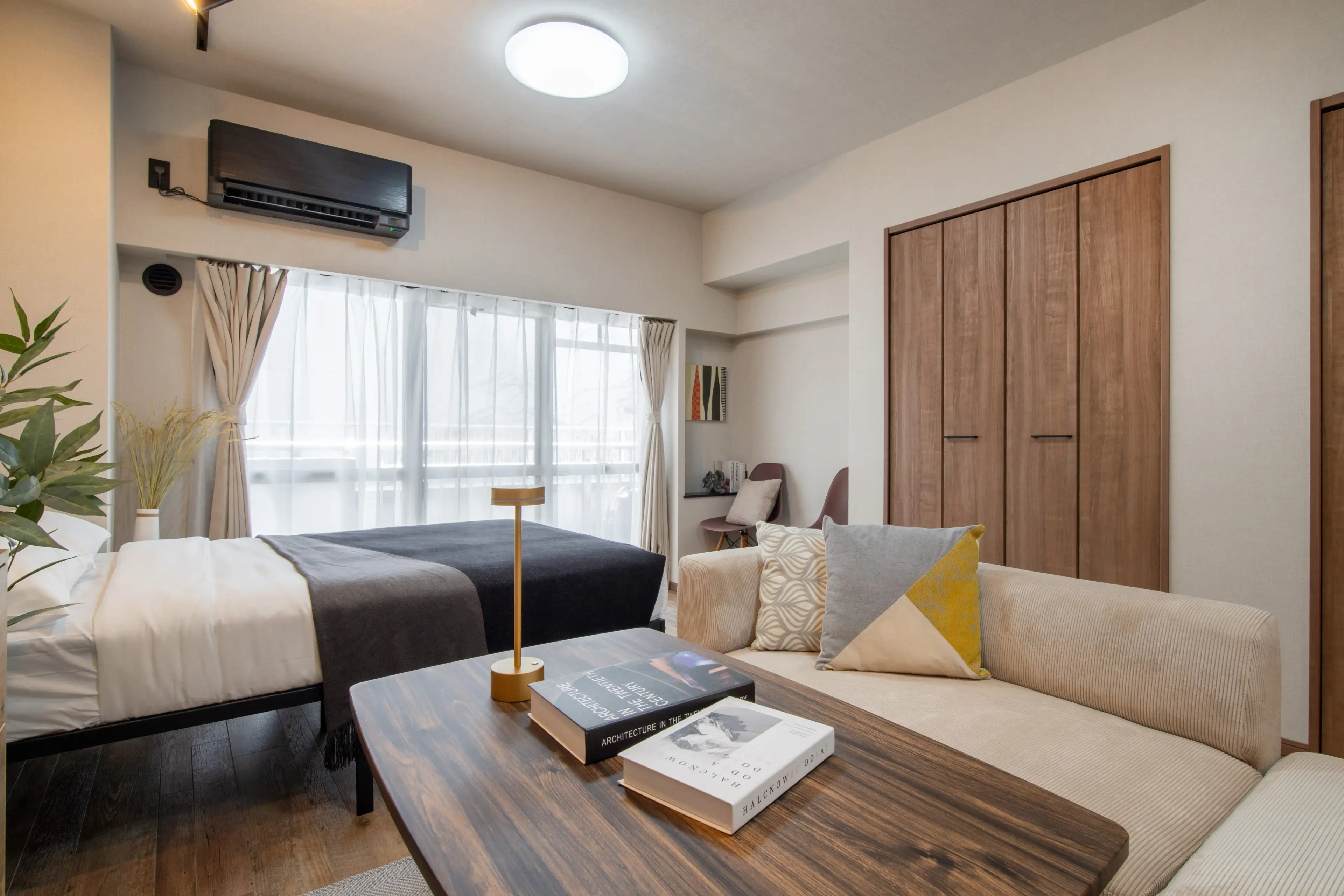 มีผู้เช่าอยู่
Fully Furnished Apartment 20 Min to Takadanobaba
Iidabashi High Town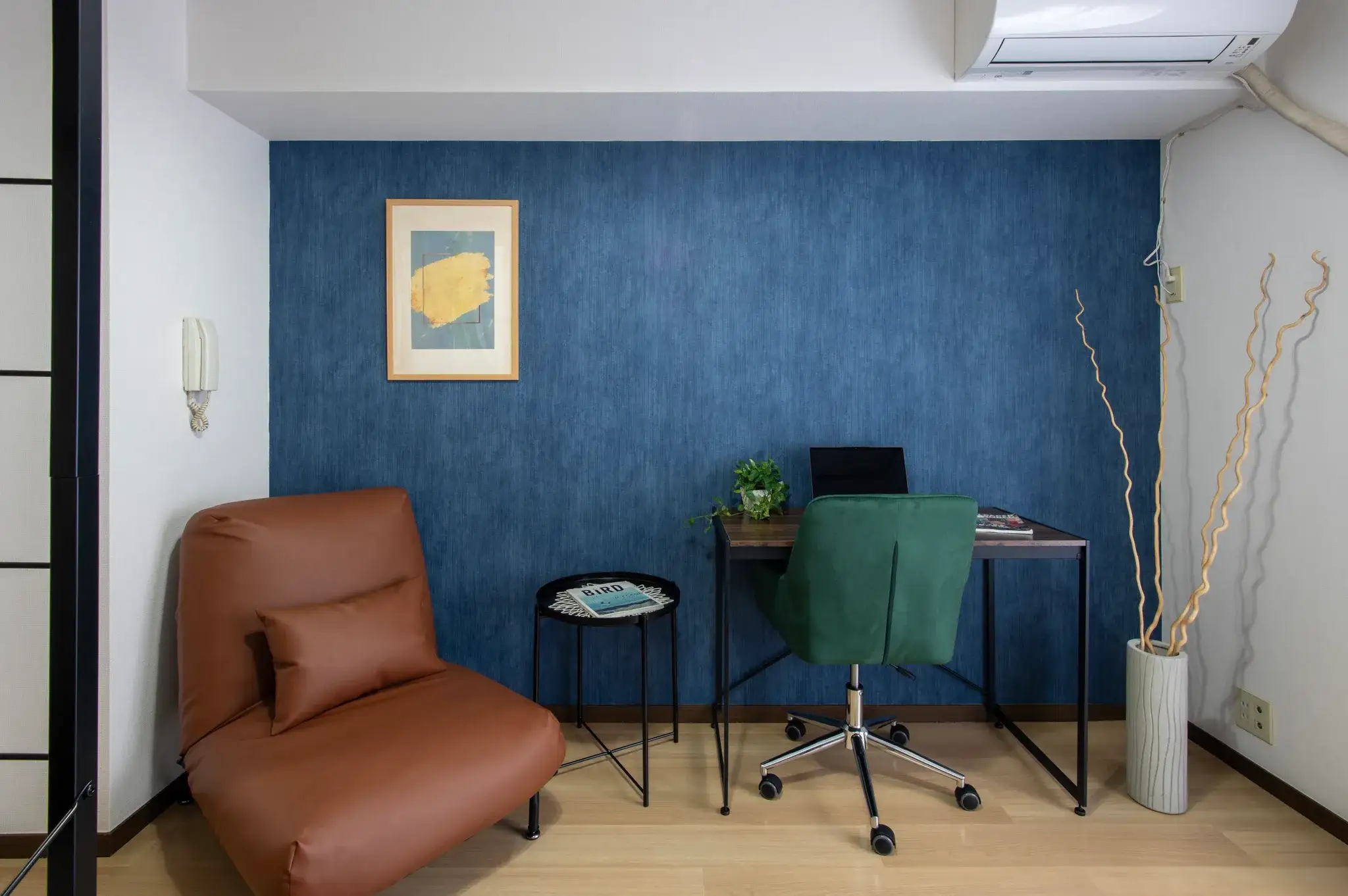 อาจพร้อมตั้งแต่ Dec 3, 2026
อพาร์ทเมนท์พร้อมเฟอร์นิเจอร์ในเมงุโระ
ML Meguro — ห้อง 208
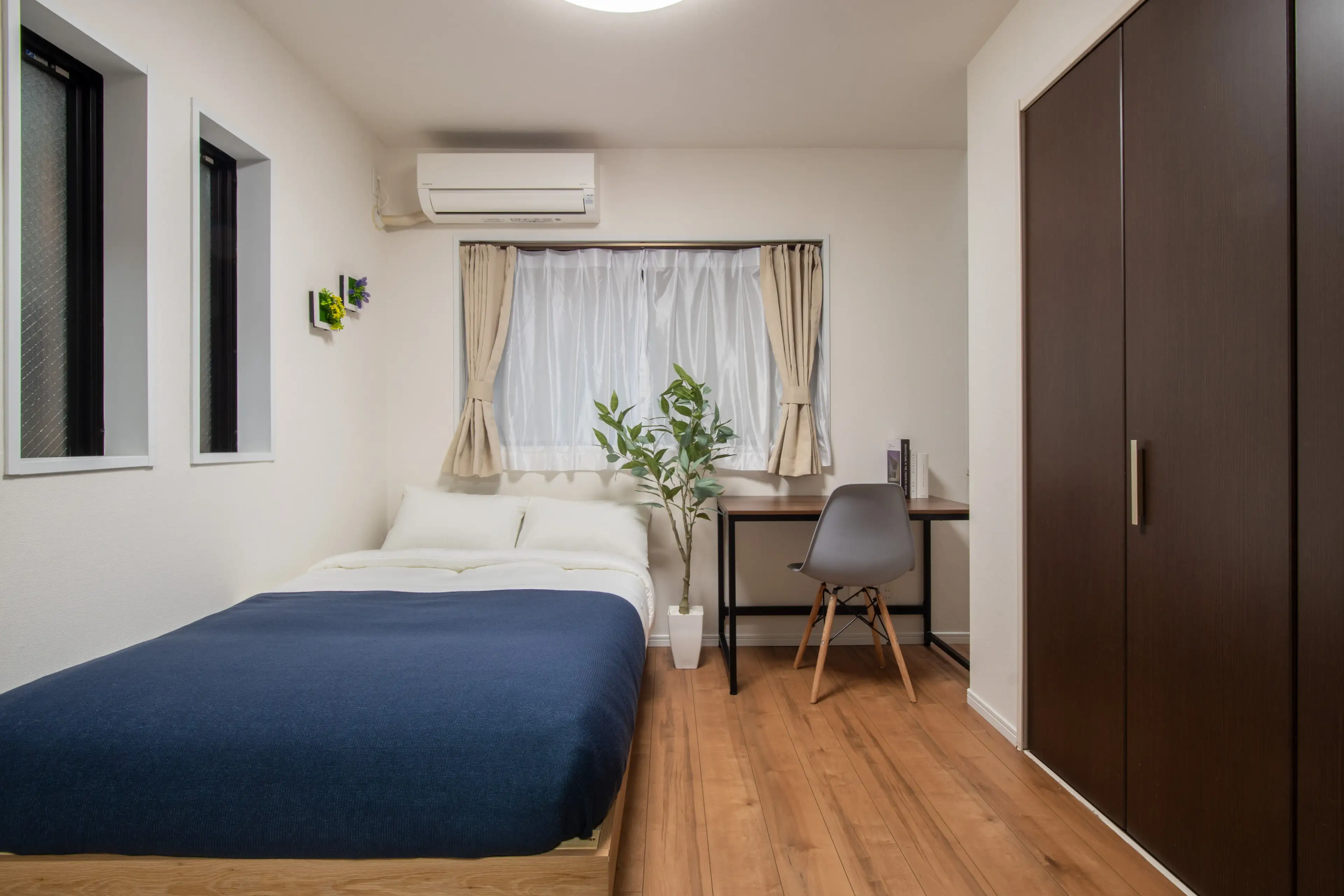 พร้อมเข้าอยู่ทันที
อพาร์ตเมนต์พร้อมเฟอร์นิเจอร์ในชินากาวะ
Beverly Homes Nishikoyama — ห้อง 103