
Araw-araw na Rental sa Tokyo: Furnished Apartments para sa Maikling Panahon

Daily Rent Apartment sa Tokyo: Ang Kompletong Gabay sa Furnished Short-Stay Living
Kung ikaw ay bumibisita sa Tokyo para sa work project, mahabang bakasyon, o sinusubukan mo lang ang lungsod bago mag-commit sa mas mahabang lease, ang paghahanap ng daily rent apartment sa Tokyo ay maaaring makatipid sa iyo ng pera at magbigay ng mas malaking espasyo at kaginhawahan kaysa sa standard na hotel room. Ngunit ang merkado ay nakalatag, ang presyo ay nakakabingung-bingung, at ang mga panuntunan tungkol sa short-term rentals sa Japan ay mas mahigpit kaysa sa inaasahan ng karamihan. Titiyakin naming malinaw ang lahat para sa iyo.

Daily Rentals vs Hotels vs Weekly Mansions
Ang Tokyo ay nag-aalok ng tatlong pangunahing pagpipilian para sa mga stay na mas maigit sa isang buwan: hotels, weekly mansions (short-term furnished apartments), at daily-rate serviced apartments. Ang pag-unawa sa mga pagkakaiba ay tutulong sa iyo na pumili ng tamang opsyon.
Hotels
Ang business hotels tulad ng Toyoko Inn o APA Hotel ay karaniwang tumatagal ng ¥7,000–¥15,000 bawat gabi para sa isang single room. Makakakuha ka ng housekeeping at front desk, ngunit ang mga kwarto ay napakaliit — madalas na mas mababa sa 20 m². Imposible ang pagluluto, at walang sapat na espasyo kung manatili ka ng higit sa ilang araw.
Weekly Mansions
Ang Japanese concept ng weekly mansion (ウィークリーマンション) ay isang furnished apartment na ire-rent sa maikli na babala para sa isang linggo o higit pa. Ang mga ito ay lehitimong, registered operators na nag-exist bago pa ang modernong sharing economy. Ang mga presyo ay quoted bawat gabi ngunit nabubiling weekly. Makakakuha ka ng kusina, washing machine, at tunay na muwebles — isip mo ang isang compact na 1K o 1LDK apartment.
Daily-Rate Serviced Apartments
Ang serviced apartments at short-stay platforms ay nagbibigay-daan sa tunay na per-night booking nang walang weekly minimum. Ang mga provider tulad ng Sakura House, SAKURA HOTEL, Oak Hostel, at listings sa Airbnb o booking.com ay nahuhulog sa kategoryang ito. Ang kalidad at presyo ay napakalaki ang pagkakaiba — laging tingnan ang minimum stay requirement bago mag-book.
Magandang Malaman: Ang Japan's Minpaku Law (住宅宿泊事業法), na ipinatupad mula noong 2018, ay nagpapahintulot lamang sa unregistered short-term rentals ng 180 nights bawat taon. Laging tingnan na ang iyong host o operator ay may valid registration number — dapat ito ay lumitaw sa listing. Ang mga unlicensed properties ay maaaring ma-shut down sa gitna ng iyong stay.
Pricing Patterns: Bakit Mas Mahal Ang Per-Day Costs
Ang Tokyo daily rental apartment ay halos laging mas mahal bawat gabi kaysa sa katulad na monthly rent na hinati ng 30. Hindi ito pangako — ito ay sumasalamin sa tunay na gastos: pagpapalinis sa pagitan ng mga guest, mas mataas na vacancy risk, at ang convenience premium na iyong binabayaran.
Narito ang isang mahabang breakdown ng kung ano ang inaasahan mo sa 2024–2025:
- Shared room sa isang guesthouse: ¥2,500–¥4,500/night
- Private room sa isang sharehouse o guesthouse: ¥4,500–¥8,000/night
- Studio weekly mansion (20–25 m²): ¥6,000–¥12,000/night
- 1LDK serviced apartment (40–50 m²): ¥12,000–¥25,000/night
- Premium serviced apartment (central Minato, Shibuya): ¥25,000–¥60,000/night
Ang sweet spot para sa karamihan ng mga bisita ay ang ¥8,000–¥14,000/night range: isang malinis na private studio na may kusina, decent wifi, at washing machine. Mas mababa nito, inaasahan ang napakaliit na espasyo o shared facilities.
Best Wards para sa Short-Stay Visitors sa Tokyo

Ang lokasyon sa Tokyo ay mahalaga nang higit sa halos kahit saan. Ang lungsod ay malaki, at ang pagiging sa maling ward ay maaaring magpahiwalay ng 45-minute commutes sa mga lugar na aktwal mong gustong bisitahin.
Shinjuku
Ang transport hub ng Tokyo. Makakaabot ka sa halos kahit saan sa lungsod sa loob ng 30 minuto. Ang Kabukicho at mga nakapaligid na kalye ay mayroong mataas na supply ng weekly mansions, guesthouses, at short-stay apartments. Maraming budget options.
Shibuya & Harajuku
Popular sa mas kabataan na mga bisita at sa mga nandito para sa fashion, kultura, o tech. Ang daily-rate apartments dito ay medyo mas mahal, ngunit ang walkability sa Omotesando, Daikanyama, at Nakameguro ay isang tunay na quality-of-life bonus.
Asakusa (Taito-ku)
Ang pinakasikat na ward para sa mga turista na on a budget. Mataas na density ng guesthouses, machiya-style stays, at minpaku properties. Mahusay para sa sightseeing, mas hindi ideal kung ang iyong trabaho ay nasa Minato o Marunouchi — ang commute ay nag-add up.
Akihabara & Kanda (Chiyoda-ku)
Lumalaking well-stocked na may short-stay options. Central, affordable sa inner-city standards, at napakahusay na konektado. Isang magandang pagpipilian para sa business travelers na nangangailangan ng access sa Marunouchi o Tokyo Station.
Ikebukuro
Madalas na napapabayaan, ngunit ang Ikebukuro ay nag-aalok ng excellent value. Ang weekly mansion market dito ay mature, mataas ang supply, at ang mga presyo ay 10–20% mas mababa kaysa sa Shinjuku para sa comparable apartments.
"Isang short-stay apartment ay nagbibigay sa iyo ng kusina, washing machine, at isang pintuan na maaari mong tunay na isara — mga bagay na nagbabago ng kalidad ng dalawang linggo na stay ng buo."
Booking Platforms at Kung Ano ang Dapat Bantayan
Ang Tokyo short-stay market ay kumakalat sa multiple platforms, at ang pinakamahusay na deal ay nakadepende sa iyong dates, haba ng stay, at flexibility.
Platforms Na Karapat-dapat Malaman
- Airbnb Japan — Malaking supply, ngunit i-verify ang minpaku registration number. Filter para sa "entire apartment" at tiyaking basahin ang reviews nang mabuti.
- booking.com — Malakas para sa registered weekly mansion operators at serviced apartment chains. Ang mga cancellation policies ay madalas na mas flexible kaysa Airbnb.
- SAKURA House (sakura-house.com) — Isa sa pinakaestablished operators sa Tokyo para sa foreigners. Monthly rooms, ngunit may ilang short-term availability, lalo na sa sharehouses.
- Oakhouse (oakhouse.jp) — Katulad ng Sakura House. Pangunahing monthly ngunit sulit na tingnan para sa flexible-start rooms.
- Expedia / Hotels.com — Maganda para sa serviced apartment chains (hal., Fraser Residence, Citadines) na nag-aalok ng apartment-style living sa hotel-level service.
- Weekly mansion direct sites — Ang mga kumpanya tulad ng Monthly Mansion Tokyo, Leopalace21, at Fontana ay may sariling booking portals na may minsan na mas mababang presyo kaysa sa aggregators.
Red Flags na dapat Bantayan
- Walang minpaku o ryokan registration number na makikita sa listing
- Mga kahilingan na magbayad sa labas ng platform
- Check-in na nangangailangan ng physical key handoff sa specific time nang walang flexibility
- Listings sa residential buildings kung saan ang listing photos ay nagpapakita ng isang pintuan direktang nasa kaharap ng pintuan ng kapitbahay (non-compliant minpaku)
- Cleaning fees na higit sa ¥10,000 para sa studio stay na mas mababa sa isang linggo — ang mga ito ay maaaring gawing napakagastos ang "mura" na nightly rates
Atensiyon: Ang ilang wards sa Tokyo — partikular na Setagaya, Sumida, at mga bahagi ng Nerima — ay naglabas ng local ordinances na nag-restrict sa minpaku rentals sa weekends lang, o binigyan ng kompletong ban sa purely residential zones. Laging kumpirmahin ang legality ng iyong property bago mag-book, lalo na kung ang iyong stay ay nahuhulog sa weekday.
Check-In, Cleaning, at Linen Realities

Ang Japan's short-stay apartment sector ay agresibong nag-embrace ng self-check-in. Ang karamihan ng listings ay gumagamit na ngayon ng smart locks na may code na ipinapadala via email o SMS bago ang pagdating. Ito ay tunay na convenient, ngunit nangangahulugan na ikaw ay nag-iisa kung may mangyari na hindi maganda sa hatinggabi.
Kung Ano Ang Karaniwang Kasama
- Towels at bed linen (para sa stays sa serviced apartments at weekly mansions — hindi laging para sa minpaku)
- Basic kitchen supplies (rice cooker, kettle, microwave, basic pots)
- WiFi (halos universal sa Tokyo; ang speeds ay generally excellent)
- Air conditioning at heating
- Isang maliit na supply ng toiletries para sa unang gabi
Kung Ano Ang Nagkakacharge ng Extra
- Mid-stay cleaning: Madalas na hindi kasama para sa stays na mas mababa sa 7 nights. Para sa mas mahabang stays, isa kombplimentaryong linis bawat linggo ay typical sa serviced apartments.
- Linen exchange: Ang ilang budget weekly mansions ay nag-charge ng ¥500–¥1,500 para sa isang linen change.
- Late check-in fee: Ang ilang operators ay nag-charge ng extra para sa arrivals pagkatapos ng 10 pm.
- Early check-out o extension: Ang mga pagbabago sa loob ng 48 oras ay madalas na may penalty — basahin nang mabuti ang cancellation policy.
Kailan Ang Daily Rent Apartment sa Tokyo Ay Mas Mura Kaysa sa Hotel
May isang malinaw na crossover point kung saan ang pag-rent ng tokyo daily rental apartment ay nanalo sa hotel sa purong gastos — at mas mabilis pa ito kaysa sa iniisip ng karamihan.
Isipan ang isang 10-night stay para sa dalawang tao sa Shinjuku:
- Dalawang beds sa business hotel: ¥12,000–¥18,000/night × 10 = ¥120,000–¥180,000. Walang kusina, walang laundry, kumakain ng bawat pagkain sa labas.
- 1LDK furnished apartment: ¥14,000/night × 10 = ¥140,000. Na may kusina, maaari mong ihanda ang almusal at tanghalian araw-araw, nakakatipid ng ¥2,000–¥4,000 bawat araw bawat tao nang madali.
Sa sampung gabi, ang apartment ay nagbabayad sa sarili nito sa food savings lang. Magdagdag ng convenience ng laundry, mas maraming living space, at ang kakayahang mag-host ng kaibigan para sa hapag-kainan — ang value case ay malakas.
Ang math ay umabot pa sa iyong kalamangan kung ikaw ay nag-travel nang mag-isa sa mas mahabang stay. Isang short stay Tokyo ng 3–4 na linggo sa weekly mansion ay halos laging manalo sa equivalent hotel costs kapag isinasaalang-alang mo ang meals, laundry costs, at ang sanity premium ng pagkakaroon ng sariling espasyo.
Ang tokyo apartment per day model ay lumalaki rin nang competitive sa peak seasons — Golden Week, Cherry Blossom season, at late October — kung kailan ang hotel prices sa central Tokyo ay tumaas ng 50–100% habang ang apartment rates ay mas modest na umakyat.
Paggawa ng Tamang Pagpipilian Para sa Iyong Stay
Ang daily at short-term apartment rentals sa Tokyo ay gumagana nang pinakamahusay para sa stays ng limang gabi o mas mahabang panahon, lalo na kung ikaw ay nagtatrabaho remotely, naglalakbay kasama ang kasosyo, o simpleng gustong maranasan ang lungsod tulad ng isang residente kaysa turista.
Kung ang iyong stay ay umaabot sa isang buwan o higit pa, ang economics ay dramatically nag-shift pabor sa mas mahabang furnished apartment o isang sharehouse. Ang monthly furnished apartments sa Tokyo ay karaniwang nagsisimula sa paligid ng ¥70,000–¥90,000/month all-in — isang fraction lamang ng kung ano ang iyong babayaran sa per-night basis, at kasama na ang utilities, wifi, at muwebles.
Sa Modern Living Tokyo, kami ay nag-specialize sa furnished apartments at sharehouses na dinisenyo specifically para sa foreigners — na may flexible lease terms, English-speaking support, at mga lokasyon sa buong central Tokyo wards. Kung ang iyong short stay ay nagiging mas mahabang adventure (ito ay madalas), ginagawa naming madali ang pag-transition mula sa isang week-by-week arrangement tungo sa isang proper na home base.
I-explore ang aming available na furnished apartments at sharehouses upang makahanap ng espasyo na akma sa iyong timeline, budget, at lifestyle — kung ikaw ay nandito para sa dalawang linggo o dalawang taon.

Modern Living Tokyo
Mga Kaugnay na Artikulo
 Tips & Tricks
Mga Apartment sa Tokyo Malapit sa Pangunahing Istasyon: Pinakamahusay na Furnished Options ayon sa Linya
Hindi lahat ng istasyon sa Tokyo ay pareho. Alamin kung aling mga linya ng tren at lugar ang nag-aalok ng pinakamahusay na halaga para sa furnished apartments — at kung paano basahin ang distansya mula sa istasyon...
 Modern Living TokyoMagbasa pa →
 Tips & Tricks
Murang Furnished Apartments sa Tokyo: Mga Budget-Friendly Options Na Mas Mababa sa ¥100,000 Bawat Buwan
Totoo na may murang furnished apartments sa Tokyo — kailangan lang malaman kung saan hanapin. Nandito ang aming komprehensibong gabay ayon sa bawat ward at mga nakatagong bayad na palaging lumalaki sa budget.
Modern Living TokyoMagbasa pa → Tips & Tricks
Top 5 Pinakasulit na Tokyo Wards para sa Furnished Apartments (2026)
Ang 5 pinakaaffordable na wards sa Tokyo para sa furnished apartments sa 2026 — kasama ang tunay na presyo ng upa, oras ng byahe, at mga tips para makatipid pa lalo.
Modern Living TokyoMagbasa pa →Pangunahing mga ari-arian
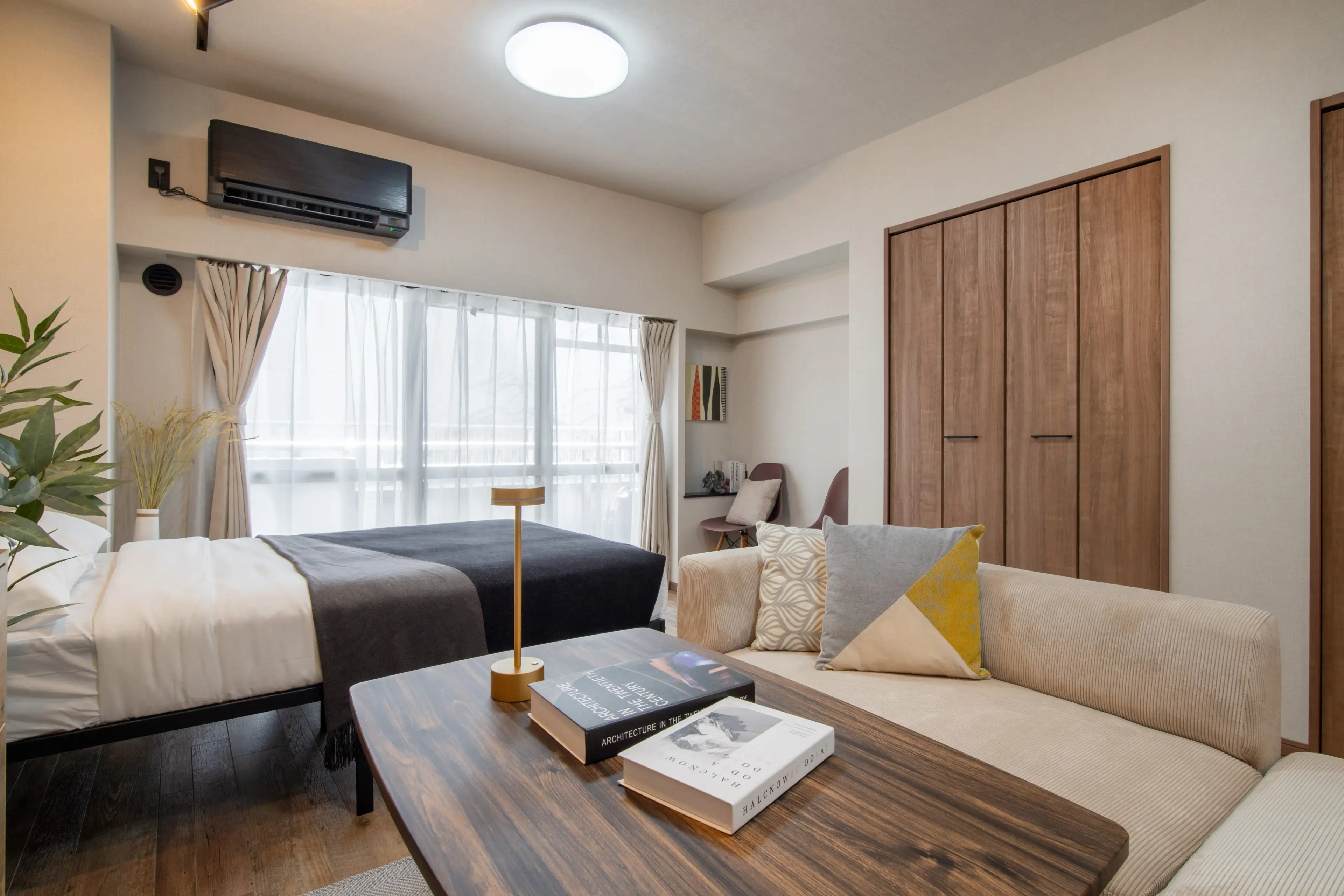 May Nakatira
Fully Furnished Apartment 20 Min to Takadanobaba
Iidabashi High Town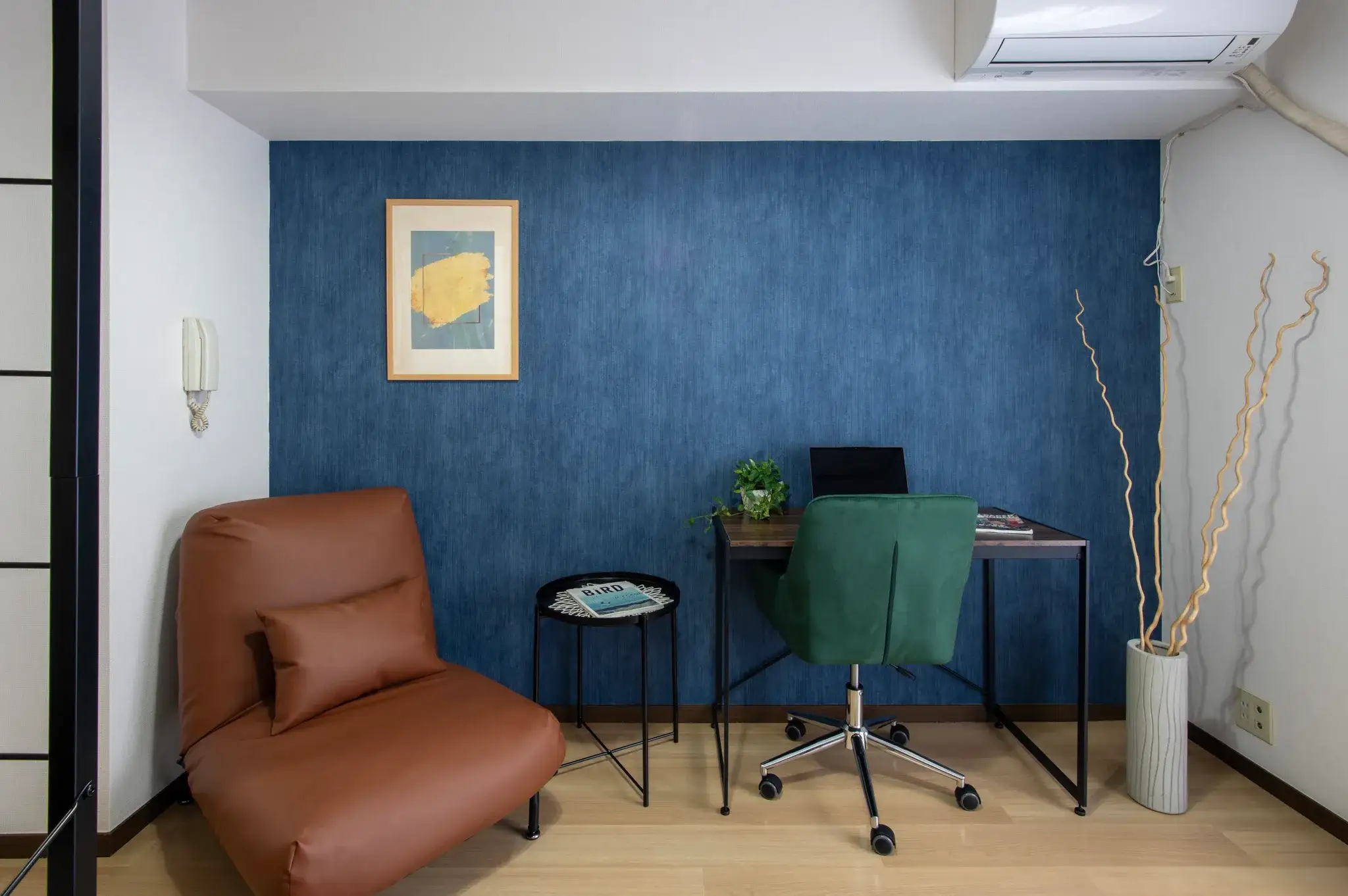 Maaaring mula Dec 3, 2026
Binigyan ng kagamitan na apartment sa Meguro
ML Meguro — 208
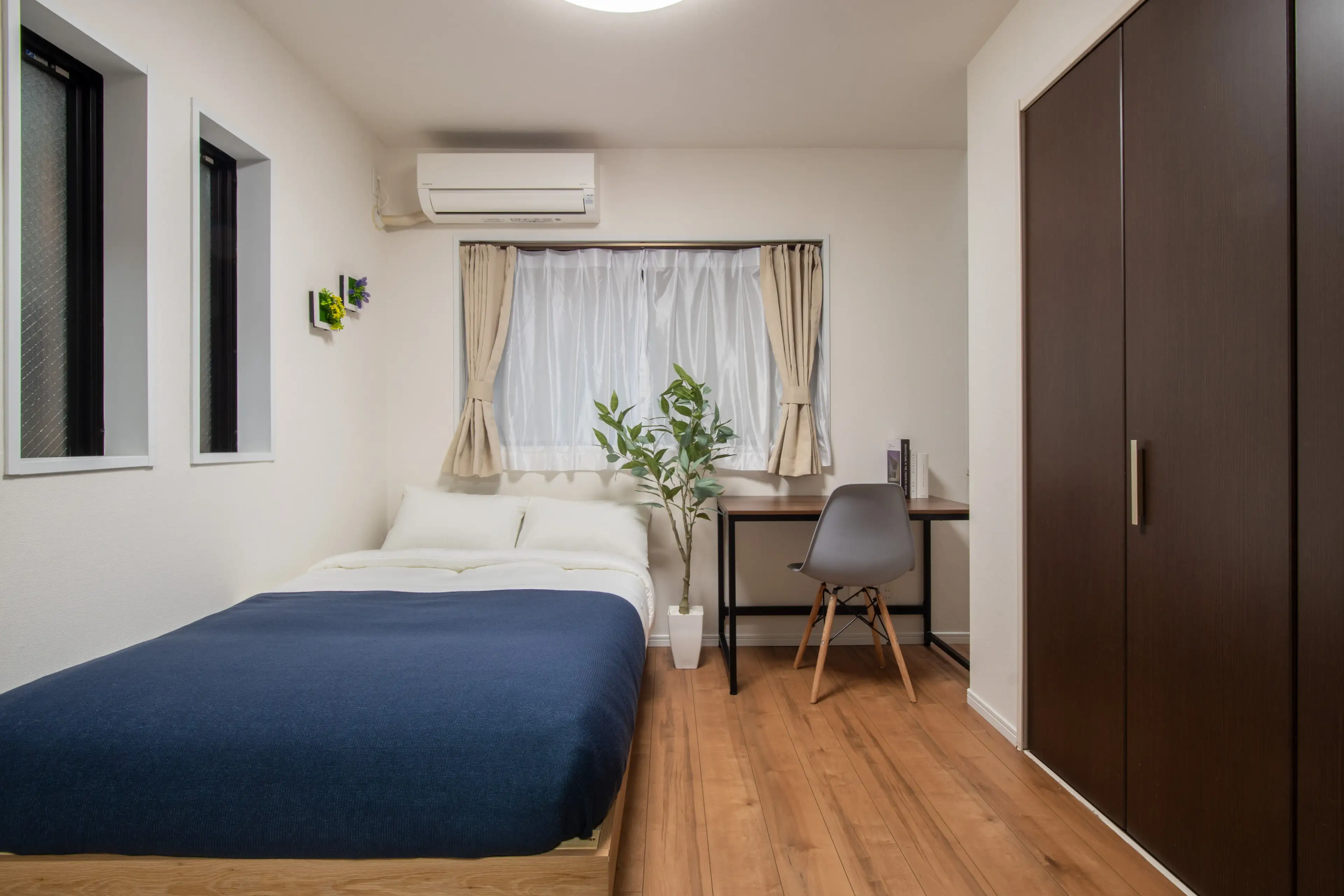 Available Ngayon
Muwebleng apartment sa Shinagawa
Beverly Homes Nishikoyama — 103