
Pag-renta sa Japan: Mga Nakatagong Bayad at Paano Iwasan

Tunay na Gastos ng Pag-upa sa Japan: Mga Nakatagong Bayad na Dapat Mong Malaman
Ang paglipat sa Tokyo ay nakaka-excite — ngunit ang proseso ng pagpirma ng lease ay mabilis na nagiging napakahirap, lalo na kapag nakatagpo mo ang mga nakatagong bayad sa pag-upa sa Japan na walang nagtala sa iyo. Bago ka mag-bigay ng kahit isang yen, sulit na intindihin mo kung ano talaga ang iyong binabayaran, bakit ito umiiral, at paano mo ito mababawasan.
Ang mga paunang gastos ng pag-upa ng karaniwang apartment sa Japan ay madaling umaabot sa limang hanggang anim na beses ang buwanang renta. Sa isang apartment na ¥100,000/buwan, iyan ay ¥500,000–¥600,000 bago pa man matulog ka nang isang gabi doon. Tuklasin natin ang bawat bayad na malamang mong makikita — at kung paano mo ito makakasabayan.

Ang Kilalang Key Money (Reikin) Napaliwanag
Reikin (礼金) — literal na "gratitude money" — ay isang non-refundable na handog na direktang ibinibigay sa landlord. Ito ay may ugat sa post-war Japan, kung kailan ay kapos ang housing at ang mga tenants ay nagbabayad sa mga landlord dahil puro pasasalamat sa pagtanggap. Dekada mamaya, maraming landlords pa rin ang inaasahan ito.
Kadalasan, ang reikin ay isa hanggang dalawang buwan ng renta. Babayaran mo ito minsan sa pagpirma, at hindi mo na ito makikita ulit — hindi man kahit ilang bahagi nito. Walang serbisyong ipinagpapalit sa bayad na ito.
Nananatili Pa Ba ang Reikin Ngayon?
Ang magandang balita: bumababa ang reikin, partikular sa Tokyo. Isang lumalaking bilang ng mga listing — lalo na sa mas bagong gusali, sa mga karatig-probinsya, at sa mga property na tumutukoy sa mga dayuhan — ay nag-aadvertisa ng reikin zero (礼金ゼロ). Kapag naghahanap sa mga site tulad ng Suumo o Homes.co.jp, palaging i-filter muna ang mga listing na walang key money.
Ang masayang balita: ang mga prime locations sa central Tokyo (tulad ng Minato-ku, Shibuya, Shinjuku) at ang mga lubhang hinahangad na gusali ay madalas pa rin na may charging. Kung ang isang landlord ay nag-insist ng reikin, ang halaga na iyon ay iyong simula para sa negotiation — marami pang tungkol dito sa madaling araw.
Magandang Malaman: Ang reikin ay ganap na hiwalay sa security deposit. Kahit na kunin mo ang iyong deposit pabalik nang buong halaga, ang reikin ay kailanman. Laging suriin ang detalye ng listing — ang parehong bayad ay nakalista nang hiwalay sa Japanese rental contracts.
Security Deposit (Shikikin) & Makakuha Ito Pabalik
Shikikin (敷金) ay ang refundable security deposit, kadalasan isa hanggang dalawang buwan ng renta. Sa teorya, makukuha mo ito pabalik kapag lumipat ka — minus ang anumang diskwento para sa damage na nagawa mo lampas sa normal wear and tear.
Sa praktikal na paraan, maraming tenants ang makakakuha ng kapansin-pansing mas kaunti kaysa sa inaasahan. Ang mga landlords ay matagal nang gumagamit ng vague damage clauses para diskwento para sa mga bagay tulad ng wall scuffs, minor carpet marks, o kahit lamang ang pag-re-paper ng fusuma (sliding doors) bilang rutina.
Paano Protektahan ang Iyong Deposit
- Dokumentuhin ang lahat sa unang araw ng paglipat. Kumuha ng larawan ng bawat scratchmark, mantsa, at marks bago mo buksan ang kahit isang kahon. Ipadala ang mga larawan sa iyong agent sa pamamagitan ng email upang may time-stamped record.
- Alamin ang iyong mga karapatan. Ang Japan's Ministry of Land, Infrastructure, Transport and Tourism (MLIT) ay naglalathala ng malinaw na mga gabay na nagsasaad na ang mga landlords ay hindi maaaring magbayad sa tenants para sa normal aging ng property — ang mga bagay tulad ng sun-faded walls o minor scuffs ay responsibilidad ng landlord.
- Hilingin ang itemized deduction list. Kung ang mga diskwento ay ginawa, ikaw ay legal na may karapatan sa kumpletong breakdown. Harapin ang anumang bagay na hindi parang tunay na damage na nagawa mo.
- Isaalang-alang ang propesyonal na paglilinis. Maraming landlords ang kinakailangan nito, ngunit ang paggawa nito sa iyong sarili (o pag-hire ng reputable na kumpanya) bago ang pag-alis ay nag-iiwan ng mas kaunting kwarto para sa dispute.
"Sa Japan, maaari kang magbayad ng anim na buwan ng renta bago pa man matulog sa apartment — ang pag-alam sa bawat bayad sa pangalan ay ang iyong unang linya ng depensa."
Agency Fees, Guarantor Fees & Insurance — Mga Nakatagong Bayad sa Pag-upa sa Japan na Nakakagulat sa Mga Tao
Bukod sa reikin at shikikin, maraming iba pang bayad ang lilitaw sa halos bawat Japanese lease contract. Ito ang mga bayad na may tendensya na nakakagulat sa mga dayuhan.
Agency Fee (Chūkai Tesūryō)
Ang mga real estate agencies sa Japan ay legal na pinapayagan na magbayad ng maximum na isang buwan ng renta (plus 10% consumption tax) bilang brokerage fee. Halos lahat sa kanila ay nagbabayad ng legal maximum. Hindi tulad sa ilang bansa kung saan ito ay hinihati sa pagitan ng landlord at tenant, sa Japan ang tenant ay kadalasan ang nagbabayad ng buong halaga.
Ang ilang agencies — partikular na ang naglalayong sa mga dayuhan, tulad ng Able, Mini Mini, o foreigner-friendly specialists — minsan ay nag-aalok ng half-month agency fees bilang promosyon. Sulit na itanong nang maaga.
Rent Guarantor Company Fee (Hoshō Gaisha Ryō)
Karamihan ng mga landlords ngayon ay nangangailangan sa mga tenants na gumamit ng rent guarantee company sa halip na (o bilang dagdag sa) isang personal guarantor. Ang kumpanyang ito ay nangangako na magbayad ng iyong renta kung hindi ka magbayad. Babayaran mo ang pribilehiyo na ito: kadalasan 0.5–1 buwan ng renta nang mauna, plus annual renewal fee na humigit-kumulang ¥10,000–¥20,000 bawat taon.
Bilang isang dayuhan na walang Japanese family connections, ito ay halos laging hindi mapagkakatiwalaan. Budget para dito.
Fire Insurance (Kaji Hoken)
Mandatory sa halos bawat lease, ang fire and liability insurance ay nagkakahalaga ng humigit-kumulang ¥15,000–¥20,000 para sa dalawang taon. Mahalaga, ikaw ay hindi kinakailangang gumamit ng insurance company na inirerekomenda ng iyong agent — maaari kang mamili. Ang mga insurer tulad ng Sompo Japan o Mitsui Sumitomo ay nag-aalok ng mga katulad na policy, at ang pagpili ng sarili mo ay maaaring makatipid ka ng ¥5,000–¥10,000.
Lock Replacement Fee
Isang medyo bagong karagdagan sa maraming kontrata, ang ilang landlords ay nagbabayad ng ¥10,000–¥30,000 upang palitan ang mga lock kapag lumipat ang isang bagong tenant. Habang maaasahang prinsipyo, ito ay bitterly na kinukuha bilang isang standard fee sa halip na isang tunay na gastos — na ginagawang negotiable.

Buwanang Gastos Higit Pa sa Renta
Kapag nasa loob ka na, ang mga sorpresa ay hindi titigil. Isang bilang ng mga paulit-ulit na bayad ay lumalitaw sa iyong buwanang bill na hindi kasama sa naka-advertise na renta figure.
- Management Fee (Kanri Hi / Kyōeki Hi): Isang buwanang building maintenance charge, kadalasan ¥3,000–¥15,000. Karaniwang hindi mapagkakatiwalaan. Palaging isaalang-alang ito sa iyong tunay na buwanang gastos kapag inihahambing ang mga listing.
- Parking: Ang Tokyo parking spaces ay umaabot mula ¥20,000 hanggang ¥50,000+ bawat buwan sa central areas. Kung wala kang sasakyan, malinaw na laktawan ito — ngunit maging aware na ang ilang mas lumang gusali ay kasama ito ng automatically.
- Bicycle Parking: Maraming Tokyo apartment buildings ay nagbabayad ng ¥500–¥2,000/buwan para sa isang bicycle spot. Maliit, ngunit sulit na malaman.
- Renewal Fee (Kōshin Ryō): Ang Japanese leases ay kadalasan tumatagal ng dalawang taon, at ang pag-renew ay madalas na nag-trigger ng isang bayad na isang buwan ng renta — plus ang iyong guarantor company's annual renewal fee. Maraming tenants ay nakakamangha dito.
- Utilities: Ang gas, electricity, at tubig ay hindi kasama sa standard apartments. Budget ¥10,000–¥20,000/buwan depende sa season at paggamit.
Pro Tip: Kapag inihahambing ang dalawang apartment, palaging kalkulahin ang tunay na buwanang gastos = renta + management fee + guarantor renewal fee (prorated monthly) + average utilities. Ang isang mas murang-murang renta ay minsan ay nagtago ng mas mataas na management fees na alisin ang savings nang buo.
Paano Mag-Negotiate (Oo, Maaari Mo Ito Gawin)
Ang isang pangkaraniwang mito ay na ang Japanese rental fees ay nakaayos at hindi mapagkakatiwalaan. Hindi ito — partikular sa isang merkado kung saan ang mga vacancy ay tumataas at ang mga landlords ay bitterly na mas motivated.
Ano ang Mapagsasalitaan Mo Ng Realistiko
- Reikin reduction o pagtanggal: Kung ang isang property ay naging bakante ng higit sa isa hanggang dalawang buwan, ang landlord ay madalas na willing na tanggapin o bawasan ang key money. Tanungin ang iyong agent na magsaliksik nang direkta.
- Free rent period (フリーレント / Free Rent): Partikular na karaniwang sa mas bagong gusali, ang ilang landlords ay nag-aalok ng isa hanggang tatlong buwan ng libreng renta upang makuha ang mga tenants. Hindi kailanman nakakasama na magtanong.
- Lock replacement fee: Madalas na tinatanggal kung itulak mo at ipaliwanag na ikaw ay aware na ito ay discretionary.
- Agency fee: Ang ilang agencies ay mag-reduce nito, lalo na kung nag-apply ka para sa mas mataas na renta property o nag-commit sa mas mahabang lease.
Paano Mag-Negotiate Nang Epektibo
Palaging mag-negotiate sa pamamagitan ng iyong agent — ang pagpunta direkta sa isang landlord ay hindi pangkaraniwan at maaaring makita bilang rude. Balangkasin ang iyong mga hiling nang polite at praktikal: "Lubos akong interesado sa property na ito. May flexibility ba sa reikin dahil sa kasalukuyang vacancy?" ay mas mabisa kaysa sa pagdemanda ng diskwento.
Ang timing ay mahalaga rin. Ang summer (Hulyo–Agosto) at late autumn (Oktubre–Nobyembre) ay mas tahimik na rental seasons sa Tokyo. Ang mga landlords na may mga bakanteng property sa panahong ito ay napakaganda na mas flexible kaysa sa busy spring moving season (Pebrero–Abril).

Ang Furnished Apartment & Sharehouse Alternative
Kung ang pagbasa ng lahat ng nasa itaas ay nakagawa sa iyo ng piyansa — hindi ka nag-iisa. Maraming pagdating sa Tokyo, lalo na ang mga nanatili sa loob ng isa hanggang tatlong taon, ay nakahanap na ang tradisyonal na rental route ay simpleng hindi may kahulugan sa pananalapi kapag itinulak mo ang lahat ng paunang gastos.
Ito ay kung saan ang furnished apartments at sharehouses ay nag-aalok ng tunay na compelling alternative. Sa Modern Living Tokyo, ang aming furnished apartments at sharehouses ay may kasamang:
- No reikin (key money) — zero non-refundable payments sa isang landlord
- No agency fees — direkta mo kaming pakikipag-ugnayan
- No guarantor company fees — kami ang bahala sa application process para sa mga dayuhan
- Furniture, appliances, at Wi-Fi kasama — walang setup costs
- Flexible contract lengths — mula sa isang buwan, kaya hindi ka na-lock sa dalawang taong siklus na may renewal fees
- Utilities madalas na kasama sa sharehouse plans
Ang buwanang gastos ay maaaring magmukhang medyo mas mataas sa unang pagtingin kaysa sa isang maihahambing na unfurnished apartment — ngunit kapag itinulak mo ang zero paunang bayad, walang shopping sa furniture, at walang pag-renew na sorpresa, ang kabuuang gastos sa loob ng isang hanggang dalawang taong panatili ay madalas na kapansin-pansing mas mababa.
Panghuling Isinasaalang-alang
Ang rental system ng Japan ay malalim na nakabase sa tradisyon, at marami sa mga bayad nito ay umiiral dahil palaging ganyan. Ngunit na-equip ng tamang kaalaman, maaari mong iwasan ang pagbabayad para sa mga bagay na hindi mo kailangan, mag-negotiate kung may espasyo, at gumawa ng tunay na informed decision tungkol sa kung paano mo gustong mabuhay sa Tokyo.
Kung magsisimula ka sa tradisyonal na rental route o pumili ng simplisidad ng isang furnished apartment o sharehouse, ang susi ay magsimula na may bukas ang iyong mga mata. Walang sorpresa, walang pag-iwan — lamang ang pinakamahusay na simula sa iyong buhay sa Japan.
Nag-isip ng paggawa ng hakbang sa Tokyo? I-explore ang Modern Living Tokyo's range ng furnished apartments at sharehouses — transparent pricing, foreigner-friendly contracts, at isang team na tunay na nagsasalita ng iyong wika.

Modern Living Tokyo
Mga Kaugnay na Artikulo
 Moving Guide
Top 5 Mga Pagkakamali ng mga Dayuhan sa Pag-renta sa Tokyo (At Paano Ito Iwasan)
Iwasan ang mga pinakakaraniwang at mahal na pagkakamali ng mga dayuhan sa pag-renta sa Tokyo — mula sa nakatagong bayad hanggang sa mga bitag sa kontrata. Makilala ang mga ito bago ka mag-sign.
 Modern Living TokyoMagbasa pa →
 Moving Guide
5 Mahalagang Dokumento na Kailangan Mo Bago Mag-Rent ng Apartment sa Japan
Kompletong gabay sa 5 pangunahing dokumento na kailangan mo upang makapagrenta ng apartment sa Japan — mula sa iyong Residence Card hanggang sa pagapprove ng guarantor, kasama ang handang gamitin na...
Modern Living TokyoMagbasa pa → Moving Guide
Ikalawang Taon sa Japan: Mga Bagay na Hindi Sinasabi sa Inyo Tungkol sa Taxes, Visa Renewal at Nakatagong Gastos
Sa inyong pangalawang taon sa Japan, darating na ang resident tax bills, visa renewal, at mga nakatagong gastos na nakakagulat sa karamihan ng mga dayuhan. Narito ang dapat ninyong asahan at kung paano...
Modern Living TokyoMagbasa pa →Pangunahing mga ari-arian
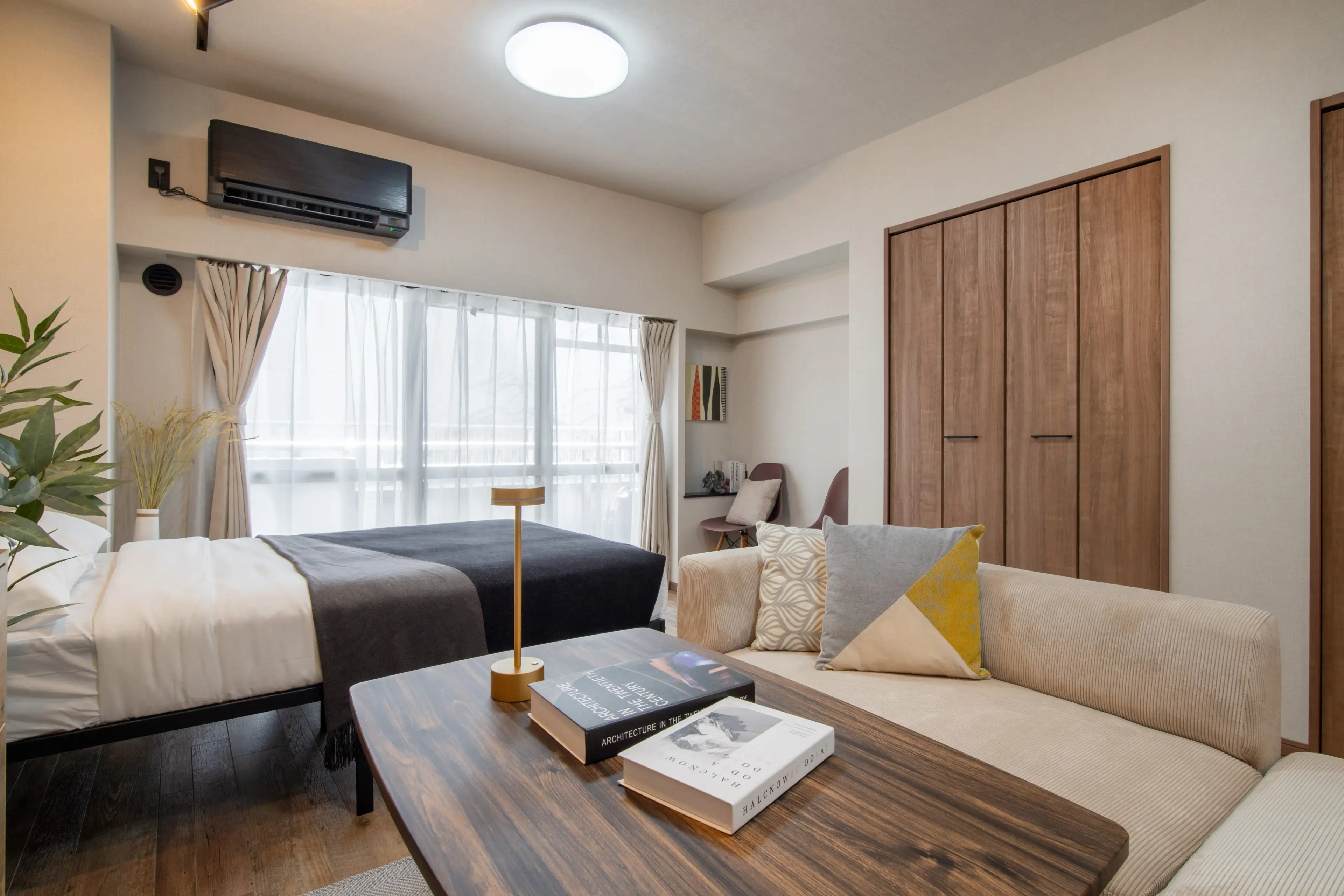 May Nakatira
Fully Furnished Apartment 20 Min to Takadanobaba
Iidabashi High Town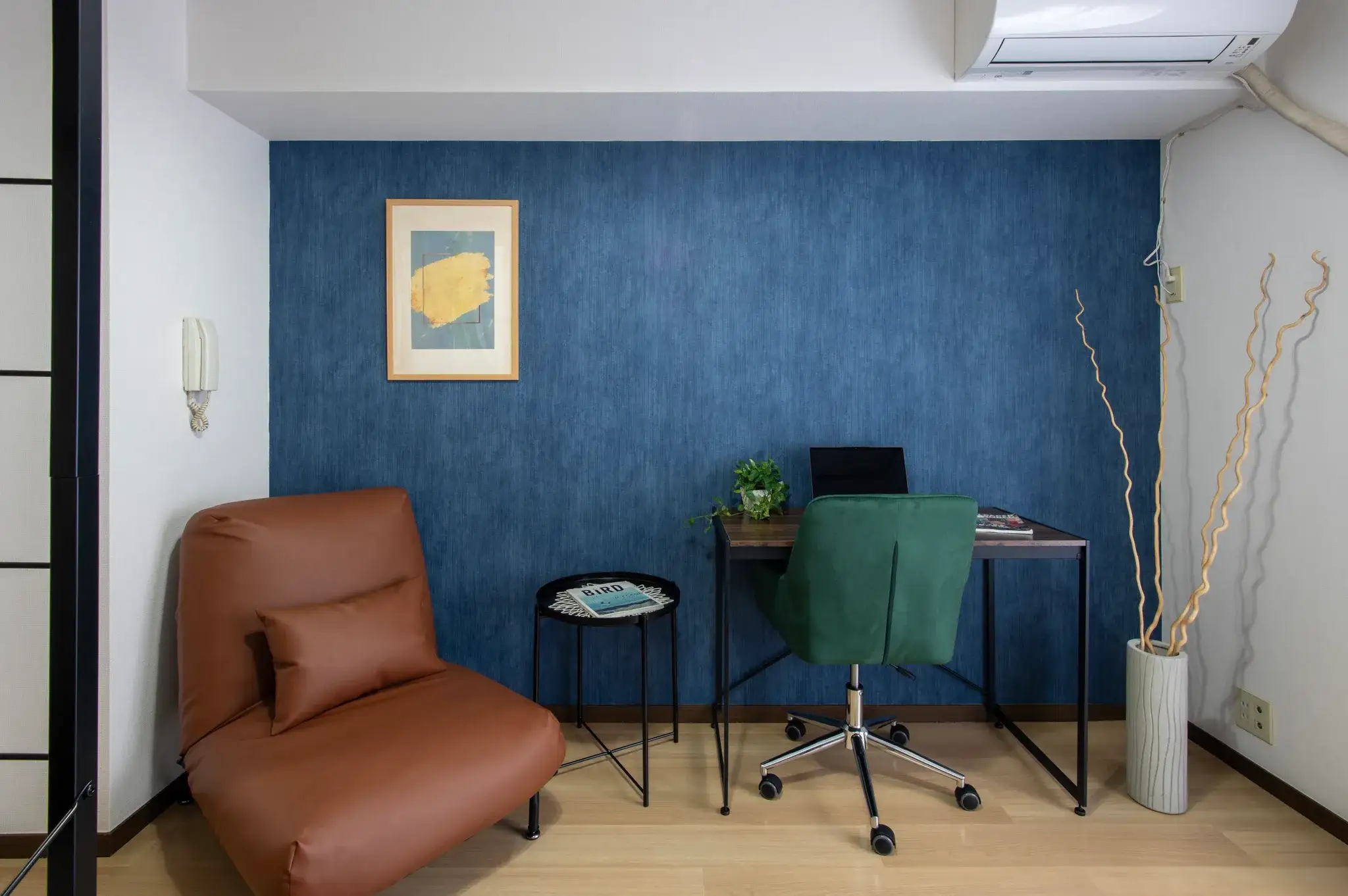 Maaaring mula Dec 3, 2026
Binigyan ng kagamitan na apartment sa Meguro
ML Meguro — 208
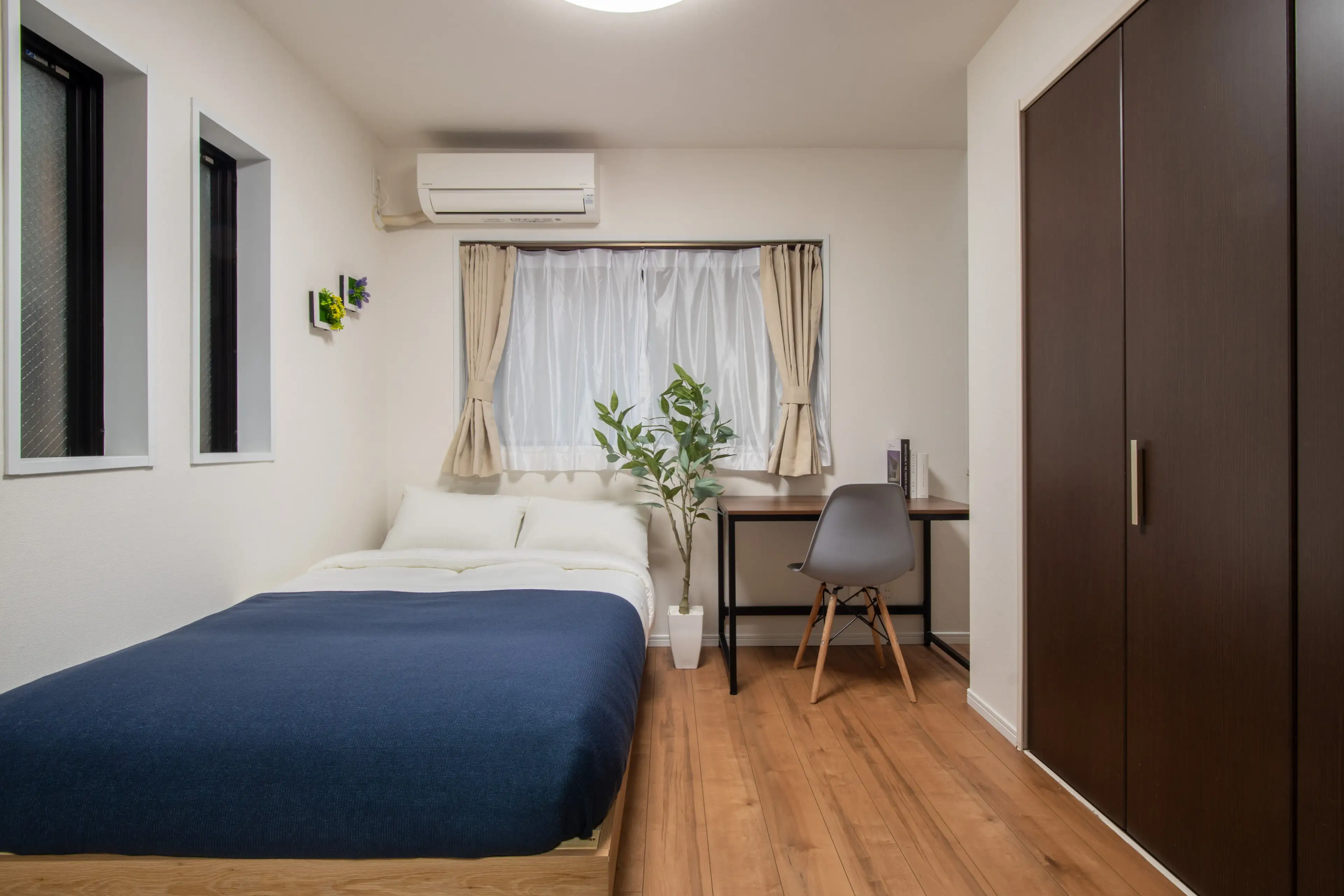 Available Ngayon
Muwebleng apartment sa Shinagawa
Beverly Homes Nishikoyama — 103