
Working Holiday Visa sa Japan: Lahat ng Kailangan Mong Malaman (2026)

Working Holiday Visa Japan: Ang Iyong Kompletong Gabay para sa 2026
Ang working holiday visa Japan ay isa sa pinakasikat na paraan para sa mga kabataan na gustong manatili, magtrabaho, at maglakbay sa Japan sa mahabang panahon. Binibigyan ka nito ng pagkakataon na maranasan ang pang-araw-araw na buhay ng mga Hapon — hindi lamang bilang turista, kundi bilang isang taong kumikita, bumubuo ng mga kaibigan, at tunay na nagsasettling in. Ang gabay na ito ay sumasaklaw sa lahat ng kailangan mong malaman para sa 2026, mula sa eligibilidad at aplikasyon hanggang sa paghahanap ng tahanan at pagpaplano ng iyong susunod na hakbang.

Mga Bansang Karapat-dapat & Edad na Kinakailangan para sa Working Holiday Visa Japan
Ang Japan ay kasalukuyang nag-aalok ng working holiday agreements sa 30 bansa at rehiyon. Kung ang iyong pasaporte ay mula sa isa sa mga sumusunod, malamang na karapat-dapat ka:
- Australia, New Zealand, Canada, United Kingdom, Ireland
- Germany, France, Denmark, Norway, Sweden, Finland, Iceland, Austria, Czech Republic, Slovakia, Poland, Hungary, Spain, Portugal, Lithuania, Estonia, Latvia
- South Korea, Taiwan, Hong Kong
- Argentina, Chile, Uruguay, Türkiye
Ang pangunahing edad na kinakailangan para sa karamihan ng mga bansa ay 18–30 taong gulang. Ngunit may ilang mga pagbubukod — ang Australia, Canada, Ireland, Denmark, at iba pang bansa ay nagpapahintulot sa mga aplikante hanggang sa edad na 35. Palaging tiyakin sa iyong lokal na Japanese embassy o konsulado ang pinakabagong patakaran, dahil maaaring mag-iba ang age limits depende sa bilateral agreement.
Ang iba pang karaniwang kinakailangan sa karamihan ng mga pagkakakilanlan ay kinabibilangan ng:
- Valid na pasaporte na may kahit hindi bababa sa 6 buwan na validity
- Sapat na pondo (karaniwang ¥250,000–¥300,000 equivalent, o return air ticket)
- Walang mga dependente na kasama mo
- Hindi kailanman naghawak ng Japanese working holiday visa dati
- Malinis na criminal record
Mabuting Malaman: Bawat bansa ay may itinakdang taunang quota para sa working holiday visas. Ang ilang bansa, partikular ang UK at Ireland, ay napupuno ang kanilang quota nang mabilis. Mag-apply nang mas maaga — madalas simula ng Enero 1 ng bawat taon.
Proseso ng Aplikasyon Hakbang sa Hakbang
Ang proseso ay mas simple kaysa sa iyong iniisip, ngunit ang paghahanda ay susi. Narito kung paano ito gumagana para sa karamihan ng mga aplikante:
- Tingnan ang website ng Japanese Embassy para sa iyong bansa — bahagyang naiiba ang mga kinakailangan depende sa pagkakakilanlan, at country-specific ang mga form.
- Kolektahin ang iyong mga dokumento. Karaniwang kailangan mo ng: completed application form, valid passport, passport-sized photos, proof of funds (bank statement), cover letter na nagpapaliwanag ng iyong layunin, at minsan ay return ticket o proof of accommodation booking.
- Ipadala ang iyong aplikasyon sa pinakamalapit na Japanese embassy o konsulado. Ang ilang bansa (Australia, New Zealand, halimbawa) ay nagpapahintulot ng online applications sa pamamagitan ng Japanese Visa Application Center.
- Maghintay para sa proseso. Karamihan ng mga visa ay inilalabas sa loob ng 5–10 business days, bagaman ang busy periods ay maaaring tumagal ng mas matagal.
- Pumasok sa Japan. Ang iyong working holiday visa ay karaniwang single-entry visa na valid para sa 3 buwan, na nagiging 1-year resident status pagkatapos mong dumarating at pumasa sa immigration.
- Magparehistro ng iyong address sa iyong local city hall (区役所, kuyakusho) sa loob ng 14 araw. Ito ay magbibigay sa iyo ng residence card (zairyu card) at legal na kailangan.
Ang mga bayad sa aplikasyon ay nag-iiba depende sa pagkakakilanlan — marami ay libre, ngunit ang ilang bansa ay may maliit na consular fee. Tingnan ang iyong specific na embassy para sa eksaktong gastos.
Anong Mga Trabaho ang Maaari Mong Gawin sa isang Working Holiday sa Japan?

Ang working holiday visa ay nagbibigay sa iyo ng malawak na karapatan sa pagtatrabaho sa Japan. Hindi tulad ng ilang restricted na visa, maaari kang magtrabaho sa karamihan ng industriya, bagaman may ilang limitasyon na dapat mong malaman.
Mga karaniwang trabaho na kinukuha ng WHV holders:
- Pagtuturo o tutoring ng Ingles — pribadong leksyon, eikaiwa (English conversation schools), o online teaching
- Hospitality — restaurants, cafes, bars, at hotels (lalo na sa mga tourist areas tulad ng Shinjuku, Shibuya, Asakusa)
- Seasonal farm work — partikular sa Hokkaido at rural prefectures sa panahon ng ani
- Ski resort staff — Niseko, Hakuba, at Nozawa Onsen ay regular na nag-hire ng English speakers sa taglamig
- Remote o freelance work — kung nagtatrabaho ka para sa isang foreign employer, ito ay karaniwang pinapayagan
- Retail — lalo na sa mga lugar na may mataas na tourist footfall
Isang mahalagang paghihigpit: ang pagtatrabaho sa adult entertainment industry ay ipinagbabawal sa isang working holiday visa, at ang paglabag sa patakaran na ito ay maaaring magresulta sa deportation at future visa bans.
May isang unofficial na gabay din na ang mga working holiday visa holders ay hindi dapat magtrabaho sa isang single employer nang higit sa isang taon, na sumasalamin sa espiritu ng visa na "pagtatrabaho upang makalikha ng pera para sa paglalakbay" sa halip na career employment. Sa practice, maraming tao ang gumagawa ng multiple part-time jobs nang sabay-sabay — ito ay napaka-karaniwang sa Japan's arubaito (part-time work) culture.
Ang working holiday visa ay hindi lamang isang visa — ito ay isang buong taon upang mabuhay tulad ng isang lokal, tuklasin ang Japan sa iyong sariling mga tuntunin, at bumuo ng isang buhay na hindi kailanman maabot ng isang tourist trip.
Gaano Katagal ang Maaari Mong Manatili?
Para sa karamihan ng mga pagkakakilanlan, ang working holiday visa Japan ay nagbibigay ng panatili na 12 buwan (1 taon) mula sa petsa ng pagpasok. Ito ay non-renewable — pagkatapos ng iyong taon, dapat kang umalis sa Japan maliban kung matagumpay mong binago ang iyong visa status.
May ilang mga pagbubukod: ang mga holder ng Australia at New Zealand ay maaaring mag-apply para sa second-year extension (katulad ng Australia's Working Holiday visa model), sa kondisyon na makumpleto ang itinakdang bilang ng mga araw ng specified work, tulad ng farm o regional work. Tingnan ang pinakabagong patakaran sa Japanese embassy dahil ang mga agreement na ito ay occasional na ina-update.
Pro Tip: Planuhin ang iyong petsa ng pagdating nang strategiko. Kung dumating ka sa Abril, ang iyong visa ay tumatagal hanggang sa susunod na Abril — nangangahulugang maaari mong maranasan ang Japan sa lahat ng apat na season, kasama ang cherry blossom season, summer festivals, autumn leaves, at winter snow.
Paghahanap ng Tahanan sa isang WHV Budget

Ang tahanan ay madalas na ang pinakamalaking hamon para sa mga WHV holders sa Japan. Ang tradisyonal na Japanese apartments ay nangangailangan ng guarantor (hoshounin), malaking key money deposit (reikin), at agency fees na maaaring umabot sa 3–6 buwan ng renta na napalabas. Para sa isang taong nag-working holiday, yan ay malaking hadlang.
Ang magandang balita: may mga magagandang alternatibo.
Sharehouses
Ang mga sharehouses ay ang pinakasikat na pagpipilian para sa mga WHV holders sa Tokyo. Nag-rent ka ng isang pribadong kuwarto at nagbabahagi ng common areas — kusina, banyo, lounge — sa ibang mga residente. Ang mga gastos ay karaniwang umaabot mula sa ¥40,000 hanggang ¥80,000 bawat buwan sa Tokyo, madalas kasama ang utilities at WiFi. Higit sa lahat, ang mga kontrata ay flexible — monthly terms ay standard, na walang guarantor na kinakailangan.
Ang mga sharehouses ay nalulutas din ang problema ng pagiging nag-iisa. Ang paglipat sa Japan mag-isa ay maaaring makaramdam na nakakaintimida. Ang pamumuhay kasama ang ibang mga international at Japanese residents ay nagbibigay sa iyo ng instant social circle, language exchange partners, at mga taong nag-figure out na kung saan makakakuha ng iyong resident card, magbukas ng bank account, at makahanap ng trabaho.
Furnished Apartments
Kung mas gugustuhin mo ang mas maraming privacy, ang mga furnished monthly apartments (tinatawag ding monthly mansions o weekly mansions) ay isa pang malakas na pagpipilian. Ang mga ito ay buong equipped — bed, appliances, kitchen utensils — kaya hindi mo na kailangang bumili ng kahit ano. Ang mga presyo ay nagsisimula sa ¥70,000–¥120,000 bawat buwan sa Tokyo para sa isang studio, depende sa lokasyon at pasilidad.
Mga Pinakamahusay na Kapitolyo na Dapat Isaalang-alang
Para sa mga WHV holders, ang mga Tokyo neighborhoods na ito ay nag-aalok ng magandang halaga at mahusay na access:
- Shin-Okubo / Shinjuku — multicultural, vibrant, central
- Ikebukuro — abot-kayang presyo, well-connected by train
- Shimokitazawa — sikat sa mga creatives at expats
- Koenji / Nakano — mas tahimik, magandang halaga, malapit sa central Tokyo
- Saitama / Kawasaki — bahagyang labas sa Tokyo, mas murang presyo
Pag-convert sa Ibang Visa Pagkatapos ng Iyong Working Holiday
Nahulog sa pag-ibig sa Japan at hindi gustong umalis? Hindi ka nag-iisa. Ang magandang balita ay ang isang working holiday year ay maaaring maging malakas na pundasyon para sa paglipat sa isang mas mahabang-term na visa — kung plano mo nang maaga.
Mga Karaniwang Visa Pathways Pagkatapos ng isang WHV
- Specified Skilled Worker Visa (SSW) — para sa mga taong pumasa sa kinakailangang skills test at Japanese language assessment. Ang mga industriya ay kinabibilangan ng hospitality, food service, at care work.
- Engineer / Humanities / International Services Visa — kung makakuha ka ng full-time job offer sa isang Japanese company na mag-sponsor ng iyong visa. Ang iyong English teaching o tech experience sa WHV ay makakatulong dito.
- Student Visa — kung gustong mag-enroll sa isang Japanese language school o university. Maraming WHV holders ang gumagamit ng kanilang taon upang mag-aral ng Japanese at mag-apply para sa student visa bago mag-expire ang kanilang WHV.
- Spouse Visa — kung makipag-meet at magpakasal sa isang Japanese national (oo, ito ay nangyayari nang mas madalas kaysa sa iyong iniisip).
Ang kritikal na dapat tandaan: hindi mo maaaring i-renew ang working holiday visa. Kung gusto mong manatili, dapat mong baguhin ang iyong status bago matapos ang iyong kasalukuyang visa — hindi pagkatapos. Simulan ang application process kahit 2–3 buwan bago matapos ang iyong WHV.
Upang baguhin ang status, bisitahin ang Tokyo Regional Immigration Services Bureau sa Minato-ku, o ipadala ang iyong aplikasyon online sa pamamagitan ng Immigration Services Agency's portal. Ang proseso ay tumatagal ng 2–8 linggo depende sa uri ng visa.
Panghuling Pag-iisip: Paggawa ng Pinakamahusay sa Iyong Taon sa Japan
Ang working holiday visa Japan ay isa sa pinakamahusay na oportunidad na maaari ng kumuha ng isang kabataan — isang buong taon upang immerse yourself sa isa sa pinaka-nakakaakit na bansa sa mundo, kumita ng pera habang papunta, at bumuo ng mga kasanayan at koneksyon na tumatagal ng habambuhay.
Ang susi ay magsimula nang tama. I-sort ang iyong tahanan muna, magparehistro ng iyong address nang maaga, magbukas ng bank account (Japan Post Bank o Yucho Bank ay pinakaforeigner-friendly), at kumuha ng iyong residence card — lahat ay nagsasangkot kapag natapos ang mga pangunahing ito.
Sa Modern Living Tokyo, kami ay may specialty sa pagtulong sa mga WHV holders at international residents na makahanap ng perpektong lugar na tawagan bilang tahanan. Ang aming mga furnished apartments at sharehouses ay may flexible contracts, English-speaking support, at walang guarantor na kailangan — upang maaari kang magsimula nang mabilis at mag-focus sa pag-experience ng Japan mula sa unang araw. Makipag-ugnayan sa aming team at tutulong kami sa iyo na makahanap ng angkop para sa iyong budget at lifestyle.

Modern Living Tokyo
Mga Kaugnay na Artikulo
 Gabay sa Paglipat
Mga Pagbabago sa Visa sa Japan 2026: Dapat Malaman ng mga Dayuhang Residente
Ang mga pagbabago sa visa sa Japan sa 2026 ay magdadala ng mas mahigpit na requirements para sa business visa, permanent residency compliance, at student-to-work transitions—narito ang dapat ninyong...
 Modern Living TokyoMagbasa pa →
 Moving Guide
Japan Digital Nomad Visa: Gabay sa Pamumuhay sa Tokyo 2026
Lahat ng kailangan mong malaman tungkol sa digital nomad visa ng Japan sa 2026 — ang mga kinakailangan, banking, ang pinakamahusay na mga barangay sa Tokyo, at paano makahanap ng tirahan...
Modern Living TokyoMagbasa pa → Moving Guide
Business Manager at Startup Visa sa Japan: Magsimula ng Iyong Kumpanya sa Tokyo
Praktikal na gabay para sa Business Manager visa at Startup visa sa Japan — kasama ang mga pangangailangan, gastos, at kung paano matagumpay na malulunsad ang iyong negosyo sa Tokyo.
Modern Living TokyoMagbasa pa →Pangunahing mga ari-arian
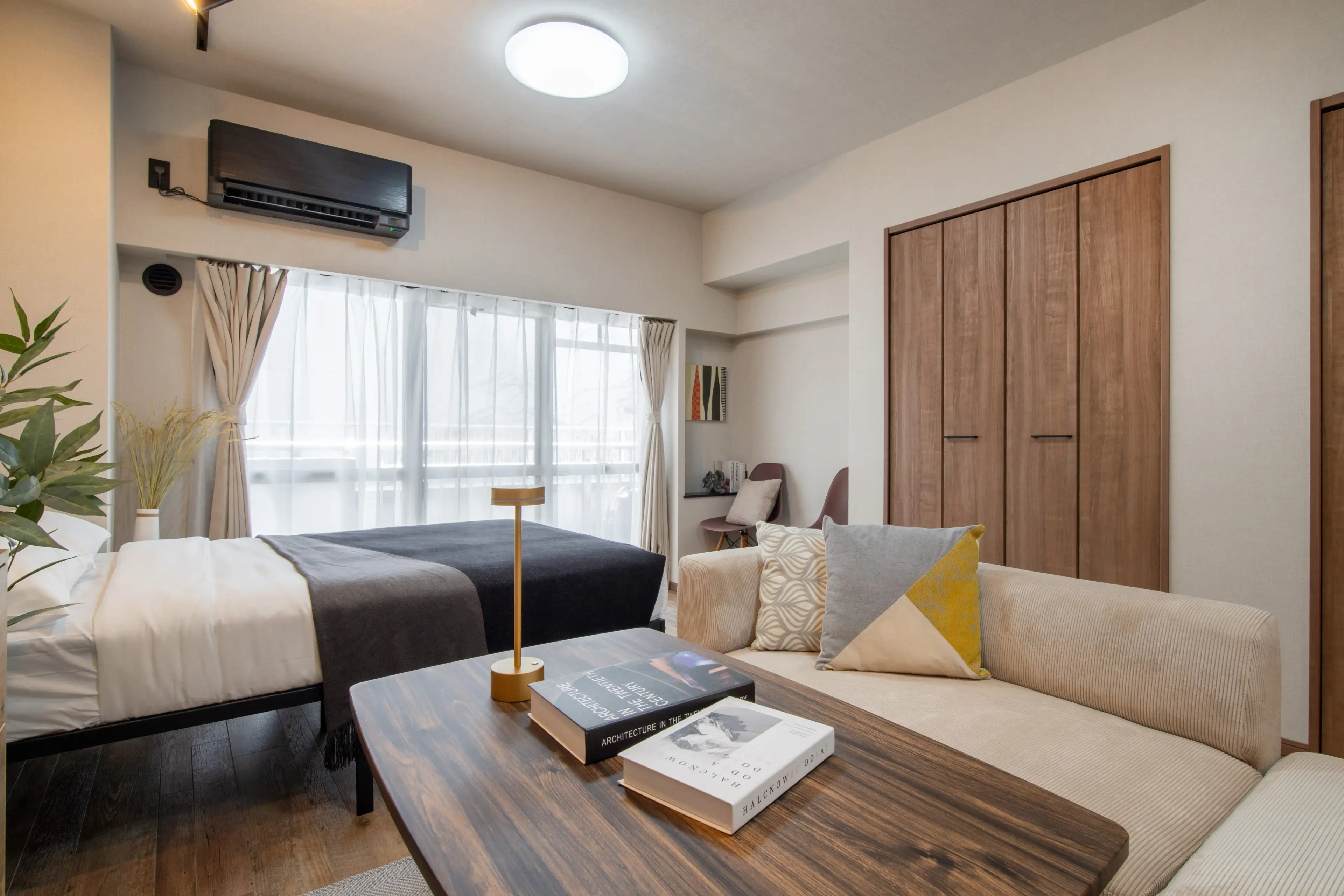 May Nakatira
Fully Furnished Apartment 20 Min to Takadanobaba
Iidabashi High Town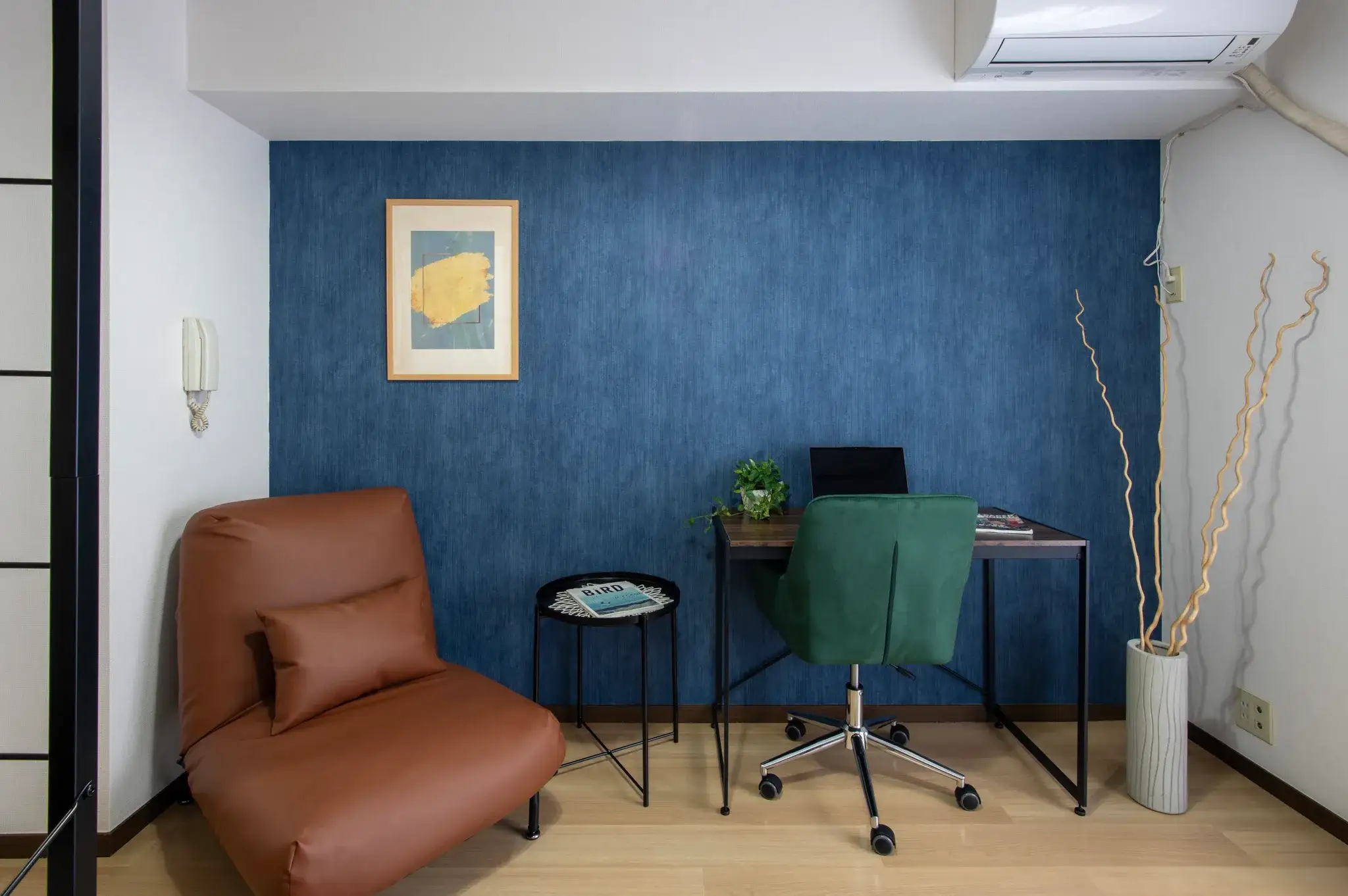 Maaaring mula Dec 3, 2026
Binigyan ng kagamitan na apartment sa Meguro
ML Meguro — 208
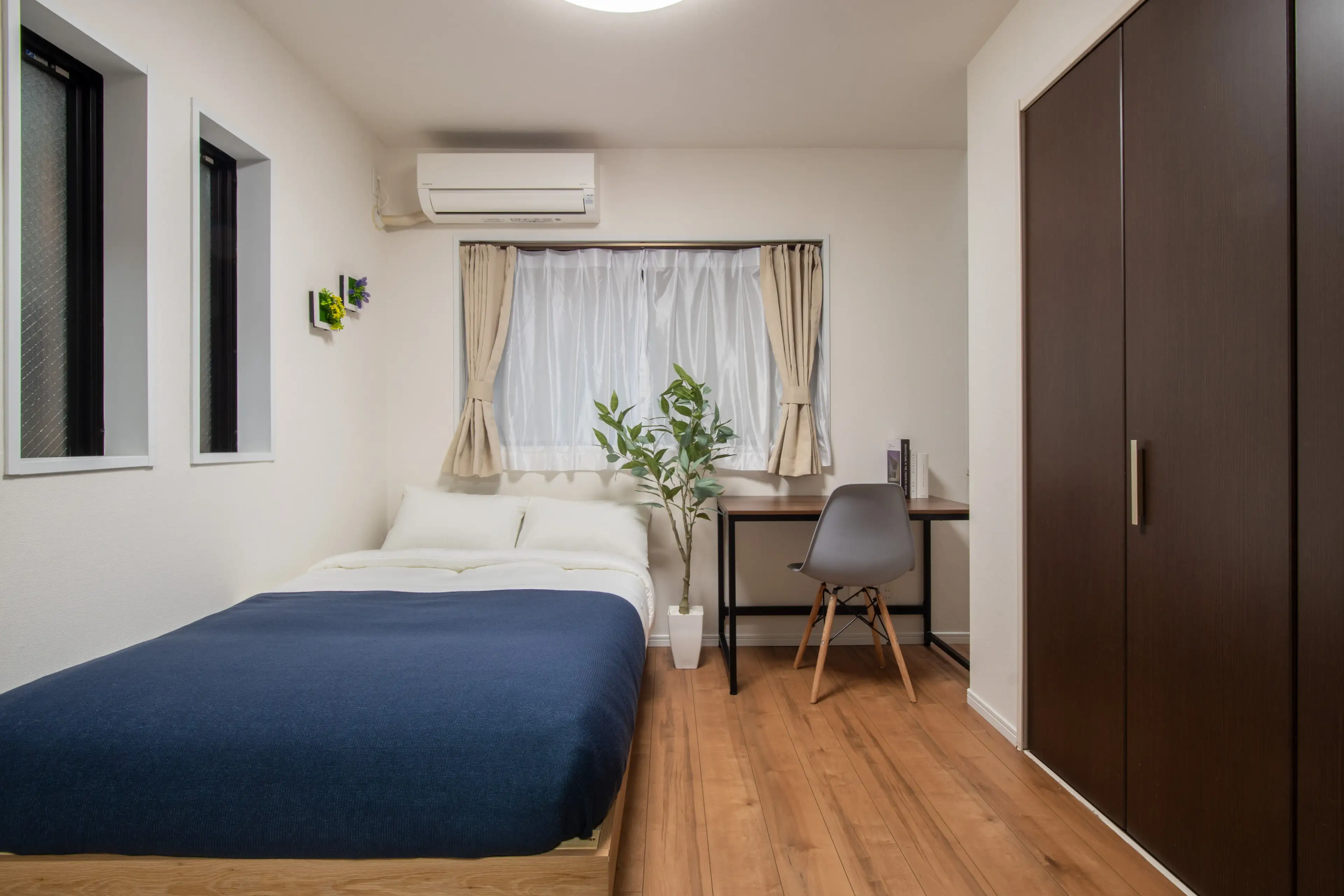 Available Ngayon
Muwebleng apartment sa Shinagawa
Beverly Homes Nishikoyama — 103