
Sharehouse o Apartment sa Tokyo: Alin ang Tamang Piliin para sa Iyo?

Ang pagpili sa pagitan ng sharehouse o apartment sa Tokyo ay maaaring maging overwhelming kapag naglalayong lumipat ka sa mataos na lungsod ng Japan. Parehong may mga mahilig na susuportahan ang bawat opsyon, ngunit alin ang angkop sa iyong lifestyle, badyet, at mga layunin? Kung paparito ka para sa trabaho, pag-aaral, o adventure, ang pag-unawa sa tunay na pagkakaiba ng sharehouses at tradisyonal na apartments ay makakatulong sa iyo na gumawa ng tamang desisyon para sa iyong karanasan sa Tokyo.
Tuklasin natin ang lahat ng kailangan mong malaman tungkol sa dalawang uri ng pabahay, mula sa aktwal na gastos hanggang sa pang-araw-araw na katotohanan ng pamumuhay.
Ano ang Sharehouse? Pag-unawa sa Iba't ibang Pagpipilian ng Shared Living sa Tokyo
Kung bago ka sa Japan, ang konsepto ng sharehouse ay maaaring hindi pamilyar sa iyo. Hindi tulad ng ordinaryong sitwasyon ng roommate sa iyong bansa, ang mga sharehouse sa Tokyo ay mga properteng dinisenyo o renobadong partikular para sa shared living.
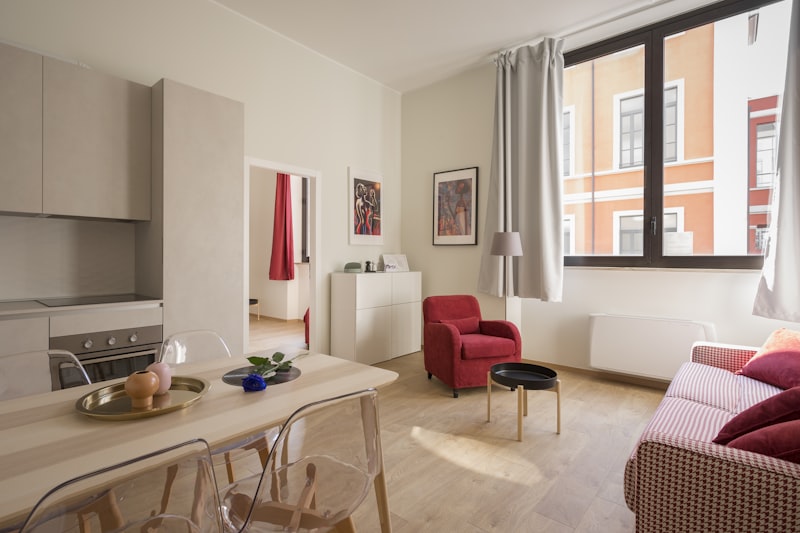
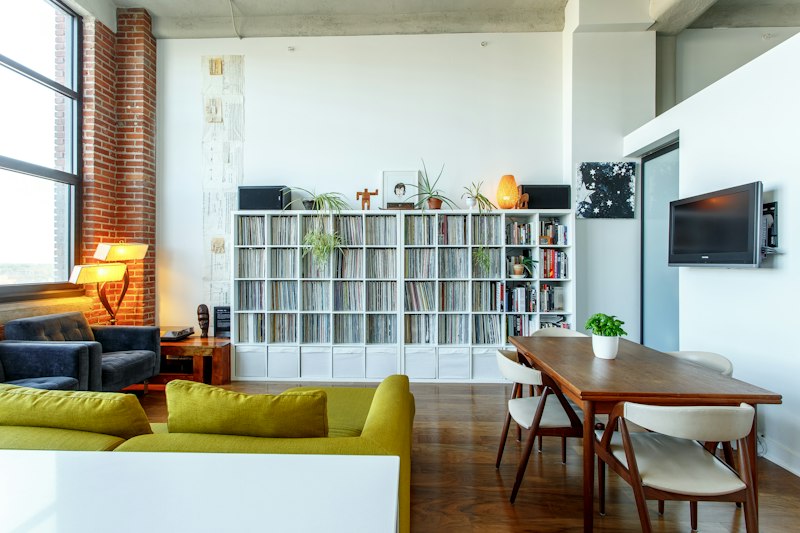
Sa isang tipikong sharehouse, mayroon kang sariling private na bedroom habang nagbabahagi ng mga common space tulad ng kusina, sala, banyo, at minsan ay pasilidad ng paghuhugas ng damit kasama ng ibang mga residente. Isipin itong parang nakakakuha ng pinakamagandang bahagi ng dalawang mundo—sarili mong espasyo para magretreat, kasama ang built-in na komunidad.
Mga Uri ng Sharehouses sa Tokyo
Ang sharehouse scene sa Tokyo ay nakakagulat na iba-iba. Makikita mo ang lahat mula sa compact na 6-taong tahanan sa residential neighborhoods hanggang sa malaking 100+ na residente na kompleks sa central areas tulad ng Shinjuku o Shibuya.
Ang ilan ay nag-espesyalisa sa ilang demographics—babae lamang, 30s at pataas, o mga tiyak na nacionalidad. Iba ang nag-aalok para sa particular na interes tulad ng fitness, entrepreneurship, o creative pursuits. May mga luxury sharehouses pa na may rooftop terraces, co-working spaces, at regular social events.
Ang pangunahing pagkakaiba mula sa regular na apartment? Ang mga sharehouse ay dumating na buong-furnishing at kumpleto na. Talagang dumating ka lang na may iyong maleta at magsimulang mamuhay.
Cost Breakdown: Sharehouse versus Apartment sa Tokyo
Pag-usapan natin ang mga numero, dahil ito ang madalas na nagiging nagsasagawa ng desisyon para sa maraming taong lumilipat sa Tokyo.
Upfront Costs: Ang Nakakatakot na Pagkakaiba
Ang tradisyonal na apartment sa Tokyo ay nangangailangan ng nakakamatay na upfront payments. Karaniwang nakikita mo:
- Deposit (shikikin): 1-2 buwan ng rent (minsan refundable)
- Key money (reikin): 1-2 buwan ng rent (non-refundable na regalo sa landlord)
- Agency fee: 1 buwan ng rent
- First month's rent: Bayad nang maaga
- Guarantor company fee: 0.5-1 buwan ng rent
Iyon ay potensyal na 4-7 buwan ng rent lamang upang makuha ang mga susi. Para sa ¥80,000/buwan na apartment, nagbabayad ka ng ¥320,000-¥560,000 nang maaga.
Abiso: Karamihan ng mga apartment sa Tokyo ay nangangailangan din sa iyo na bumili ng iyong sariling muwebles, appliances, at kahit light fixtures. I-budget ang iba pang ¥100,000-300,000 para sa basic furnishings kung nagsisimula ka mula sa wala.
Sharehouses? Ganap na ibang kuwento. Karamihan ay nangangailangan lamang ng unang buwan ng rent kasama ang maliit na deposit (madalas na isang buwan o mas kaunti). Iyon na. Nakikita mo ang ¥100,000-150,000 kabuuan upang lumipat, at tapos na.
Monthly Costs: Ang Tunay na Paghahambing
Ang monthly rent para sa sharehouses sa Tokyo ay karaniwang umaabot mula ¥40,000-80,000 depende sa lokasyon at laki ng kuwarto. Ang central areas ay mas mahal, ngunit nakakatipid ka pa rin kumpara sa solo apartments.
Ang tradisyonal na one-room apartments (1K o 1R) sa katulad na mga lugar ay tumatakbo sa ¥70,000-120,000, hindi kasama ang utilities, internet, o furnishings.
Ngunit narito kung ano ang gumagawang mas maganda pa ang sharehouse deal: ang utilities at internet ay karaniwang kasama na sa rent. Sa regular na apartment, magdagdag pa ng ¥10,000-15,000 para sa kuryente, gas, tubig, at internet.
Social Life & Community: Ang Pinakamalaking Lifestyle Difference
Dito talaga kung saan ang sharehouse versus apartment sa Tokyo ay nagiging personal na desisyon sa halip na pang-finansyal.
Ang pamumuhay sa isang sharehouse ay nangangahulugang built-in social opportunities. Magbabahagi ka ng pagkain, manood ng pelikula, tuklasin ang lungsod nang magkasama, at natural na makakagawa ng mga kaibigan. Para sa mga baguhan sa Tokyo, ito ay maaaring maging walang kapantay.
Maraming residente ang nagsasabi na ang mga kaibigan na nabuo nila sa sharehouses ay naging kanilang support network sa Japan—mga taong tumulong sa kanila na mag-navigate ng city hall paperwork, nag-recommend ng mga doctor, o simpleng kumain ng ramen pagkatapos ng mahirap na araw sa trabaho.
Ang sharehouse ay naging aking crash course sa Japanese culture—hindi mula sa mga textbook, kundi mula sa pamumuhay kasama ang mga taong lumaki dito at nagbahagi ng pang-araw-araw na buhay nang magkasama.
Ang Solo Apartment Experience
Ang mga apartment ay nag-aalok ng kabaligtaran na karanasan: ganap na kalayaan. Bumalik ka sa iyong sariling espasyo, magluto ng gusto mo kung kailan mo gusto, at walang harap sa sinuman.
Para sa ilang mga tao, lalo na ang mga nakatira na sa ibang bansa o ang mga nagtatrabaho ng demanding jobs, ang privacy na ito ay hindi mapagkakatiwalaan. Pagkatapos ng pag-navigate sa siksik na trains at mataong mga opisina, ang pagkakaroon ng tunay na personal na sanctuary ay mahalaga.
Ang trade-off? Kailangan mong maging mas intentional sa pagtatayo ng iyong social circle. Sumali sa mga club, dumalo sa language exchanges, o kumonekta sa mga kasamahan sa trabaho sa mga oras na hindi sa trabaho.
Cultural Exchange Reality Check
Narito ang isang bagay na hindi karamihan ng mga artikulo ang nabanggit: ang lalim ng cultural exchange sa sharehouses ay lubhang nag-iiba. Ang ilang mga tahanan ay may active, diverse communities kung saan ang Japanese at international residents ay tunay na kumokonekta. Ang iba ay nagiging mahalagang hostels kung saan ang mga tao ay biglang nakikipag-ugnayan.
Bago mag-commit sa isang sharehouse, bisitahin kung posible. Makipag-usap sa mga kasalukuyang residente. Tingnan ang mga pagsusuri sa mga platform tulad ng GaijinPot o Tokyo Sharehouse. Ang community vibe ay gumagawa o sinasakripisyo ang karanasan.
Privacy & Personal Space: Paghahanap ng Iyong Comfort Zone
Maging totoo tungkol sa realidad ng sharehouse. Nagbabahagi ka ng mga banyo, kusina, at common areas sa saanman mula 5 hanggang 50+ iba pang mga tao. Nangangahulugang:
- Minsan naghihintay sa shower sa panahon ng morning rush hour
- Paminsan-minsan na kitchen crowding sa oras ng hapag-kainan
- Naririnig ang mga kapit-bahay sa pamamagitan ng mga dingding (ang Japanese construction ay maaaring maging manipis)
- Pag-navigate sa iba't ibang mga pamantayan at kagawi ng pagiging linis
Ang iyong private na kuwarto ay nagiging iyong tunay na personal na espasyo. Ang laki ay mahalaga dito. Ang ilang sharehouse rooms ay malawak na 10+ square meters na may tamang storage. Ang iba ay compact 6 square meter boxes na kulang na sa pagkakalagay ng isang kama at mesa.
Pro Tip: Kapag tumitingin ng mga sharehouse rooms, bisitahin sa gabi (6-9pm) upang makita ang property sa panahon ng peak usage. Ipinapakita nito ang tunay na pang-araw-araw na karanasan, hindi ang tahimik na midday atmosphere.
Apartment Privacy: Ano Talaga ang Nakukuha Mo
Ang mga apartment sa Tokyo, lalo na ang studio layouts (1K/1R), ay karaniwang umaabot mula 15-25 square meters kabuuan. Iyon ay halos 160-270 square feet para sa mga Amerikano—maliit ayon sa Western standards ngunit standard para sa Tokyo.
Makakakuha ka ng kumpletong kontrol sa iyong espasyo, ngunit narito ang catch: ang manipis na mga dingding ay nangangahulugang naririnig mo pa rin ang mga kapit-bahay. Ang soundproofing sa mas lumang mga gusali ay maaaring minimal. Ang pagkakaiba ay hindi ka nagbabahagi ng mga pasilidad, lamang na nakikipag-ugnayan sa ambient noise.
Contract Flexibility: Kapag Kailangan Mong Maging Libre na Lumipat
Ang mga Tokyo apartment lease ay kilala na maging mahigpit. Ang standard contracts ay nangangailangan:
- Two-year commitment
- 1-2 buwan ng notice upang umalis
- Potensyal na penalty fees para sa early termination
- Renewal fees (karaniwang isang buwan ng rent) sa two-year mark
Kung ang iyong trabaho ay nagbabago, gusto mong tuklasin ang iba't ibang mga kalye sa Tokyo, o simpleng napagsisihan mo na ang Tokyo ay hindi para sa iyo, ikaw ay naka-lock in o nangharap sa malaking financial penalties.
Sharehouse Flexibility Advantage
Karamihan ng mga sharehouse ay nag-aalok ng month-to-month contracts pagkatapos ng isang minimum stay (karaniwang 1-6 na buwan). Ang ilang ay nagbibigay-daan ng weekly o monthly bookings nang walang long-term commitment.
Ang flexibility na ito ay perpekto para sa:
- Mga estudyante sa semester o taong mga programa
- Working holiday visa holders na nag-eeksplor ng mga opsyon
- Mga propesyonal sa temporary assignments
- Sinuman na gustong subukan ang iba't ibang Tokyo neighborhoods bago mag-commit
Kailangan mong umalis? Bigyan ng iyong notice (karaniwang isang buwan) at tapos na. Walang penalty fees, walang komplikadong contract breaking procedures.
Mabuting Malaman: Ang ilang furnished apartment companies ay nag-aalok na ngayon ng flexible contracts katulad ng sharehouses, pinagsasama ang privacy ng solo living na may short-term flexibility. Ang middle-ground option na ito ay lumalaking popular sa mga propesyonal.
Sino ang Dapat Pumili Kung Ano? Pagsasama ng Housing sa Iyong Sitwasyon
Pumili ng Sharehouse Kung Ikaw:
- Bago sa Tokyo at gusto ng built-in social opportunities
- Kailangan na bawasan ang upfront costs (sa ilalim ng ¥150,000 kabuuan)
- Gusto ng maximum flexibility na may short-term contracts
- Komportable na may shared living at compromise
- Halaga ang komunidad at cultural exchange
- Walang maraming mga bagay na dadalhin/itago
- Nanatili ang 3-12 buwan sa halip na maraming taon
Pumili ng Apartment Kung Ikaw:
- Priyoritado ang privacy at kalayaan sa lahat
- Maabot ang 4-6 buwan ng rent nang maaga kasama ang furnishing costs
- Plano na manatili sa Tokyo para sa 2+ taon
- Kailangan ng tahimik na espasyo para sa work-from-home arrangements
- Gusto na magtatag ng iyong sariling household routine
- May kasamang kasosyo o alaga (karamihan ng sharehouses ay ipinagbabawal ang pareho)
- Komportable na mag-navigate ng Japanese rental procedures at paperwork
Ang Middle Ground Option
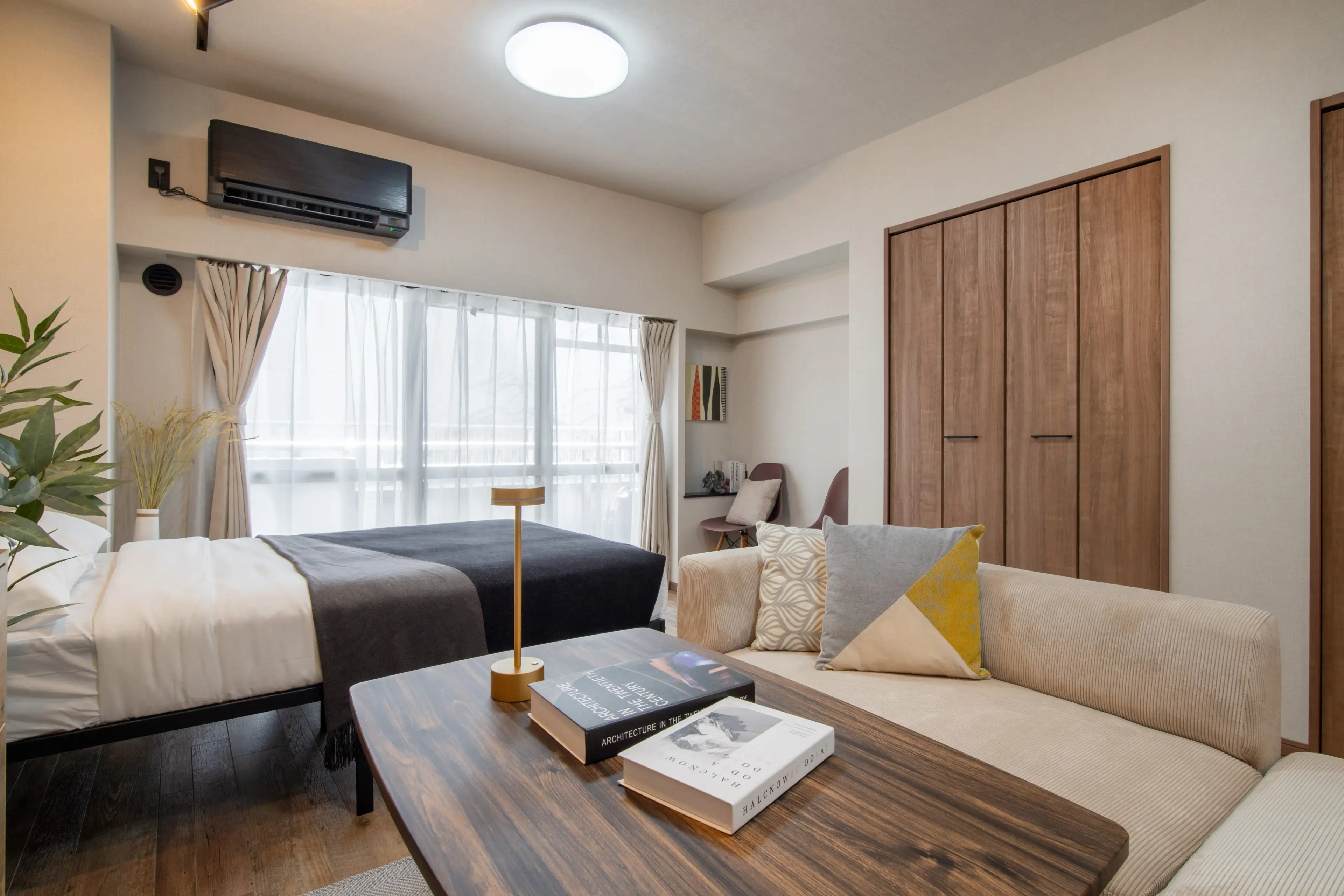
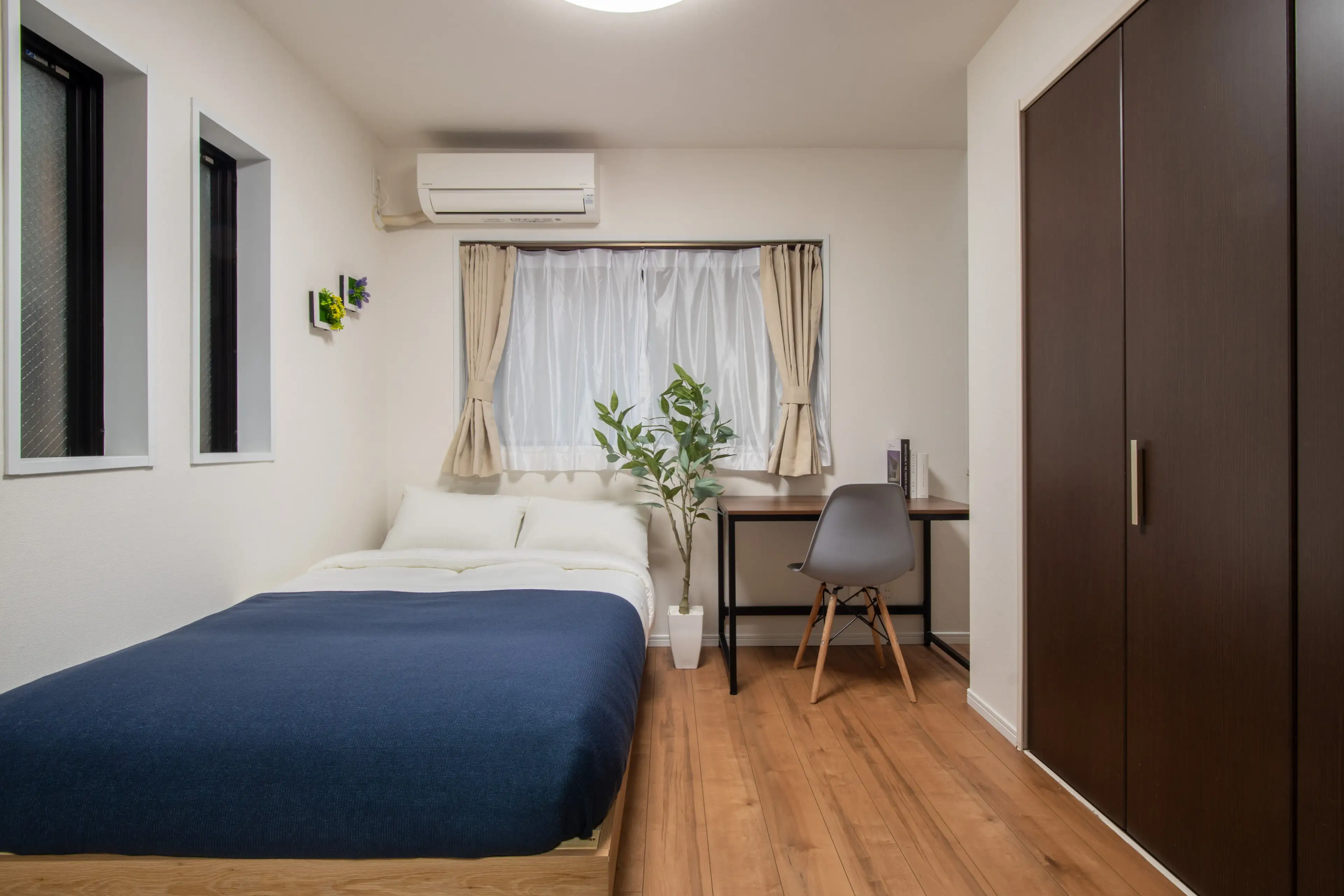
Huwag kalimutan ang mga furnished apartments bilang isang third option. Pinagsasama nila ang privacy at kalayaan ng tradisyonal na apartments na may flexibility at mas mababang upfront costs ng sharehouses. Nakakakuha ka ng sarili mong kumpletong apartment, buong-furnishing, madalas na may simplified contracts at kasamang utilities.
Ang option na ito ay gumagana ng partikular na mabuti para sa mga propesyonal na naghahalaga ng privacy ngunit kailangan ng flexibility, o mga magkasama na maaaring magbahagi ng mga gastos ngunit gusto ng kanilang sariling espasyo.
Paggawa ng Iyong Desisyon: Mga Susunod na Hakbang
Ang sharehouse versus apartment Tokyo debate sa wakas ay bumagsak sa iyong personal na mga priyoridad, financial situation, at lifestyle preferences. Walang universyal na "mas magandang" opsyon—lamang ang tamang fit para sa iyong mga kalagayan.
Magsimula sa pamamagitan ng matalino na pagtatasa ng iyong badyet, lalo na ang upfront costs. Pagkatapos isaalang-alang ang iyong social needs at privacy preferences. Nang wakas, mag-isip tungkol sa iyong timeline at kung gaano katagal mo tunay na manatili sa Tokyo.
Ano man ang pipiliin mo, gumawa ng iyong pananaliksik. Basahin ang mga pagsusuri, bisitahin ang mga property nang personal kung maaari, at magtanong sa mga kasalukuyang residente tungkol sa kanilang mga karanasan. Ang tamang housing situation ay maaaring gawing kahanga-hanga ang iyong Tokyo experience, habang ang maling isa ay maaaring lumikha ng hindi kinakailangang stress.
Sa Modern Living Tokyo, nauunawaan namin na ang paghahanap ng perpektong living situation sa Tokyo ay nagsasangkot ng pagbabalanse ng maraming mga salik. Iyon ang dahilan kung bakit nag-aalok kami ng parehong sharehouses at furnished apartments sa buong lungsod, na nagbibigay sa iyo ng mga opsyon na tumutugma sa iyong mga pangangailangan—kung ito ay sharehouse living na nakatuon sa komunidad o ang privacy ng iyong sariling ganap na nilagyan na apartment. Ang lahat ng aming mga property ay may flexible contracts, transparent pricing, at English-speaking support upang gawing kasing-smooth ng posible ang iyong Tokyo transition.
Modern Living Tokyo
Mga Kaugnay na Artikulo
 Lifestyle
Pamumuhay sa 1K Apartment sa Tokyo: Ang Tunay na Karanasan (Mga Kalamangan, Kahinaan & Tips)
Ang totoo tungkol sa pamumuhay sa 1K apartment sa Tokyo — kung ano ang swak, ano ang hindi, mga paraang makatipid ng espasyo, at kung paano manatiling masaya sa loob ng 20 square meters.
 Modern Living TokyoMagbasa pa →
 Lifestyle
Pagsasanay ng Martial Arts sa Tokyo: Gabay para sa mga Dayuhang Kasapi
Praktikal na guía para sa mga gustong magsanay ng martial arts sa Tokyo bilang dayuhan — sumasaklaw sa mga pangunahing dojo, gastos, pagpapahalaga sa tradisyon, pagpipilian ng visa, at ang pinakamahusay na ward para manatili.
Modern Living TokyoMagbasa pa → Lifestyle
Paglipat sa Tokyo bilang Musikero: Mga Gig, Kagamitan, at Pagbuo ng Komunidad
Ang music scene ng Tokyo ay malalim, puno ng passion, at bukas para sa mga foreign musicians na handang magsumikap. Dito ang gabay kung paano makahanap ng mga gig, kagamitan, at komunidad sa Japan...
Modern Living TokyoMagbasa pa →Pangunahing mga ari-arian
 May Nakatira
Fully Furnished Apartment 20 Min to Takadanobaba
Iidabashi High Town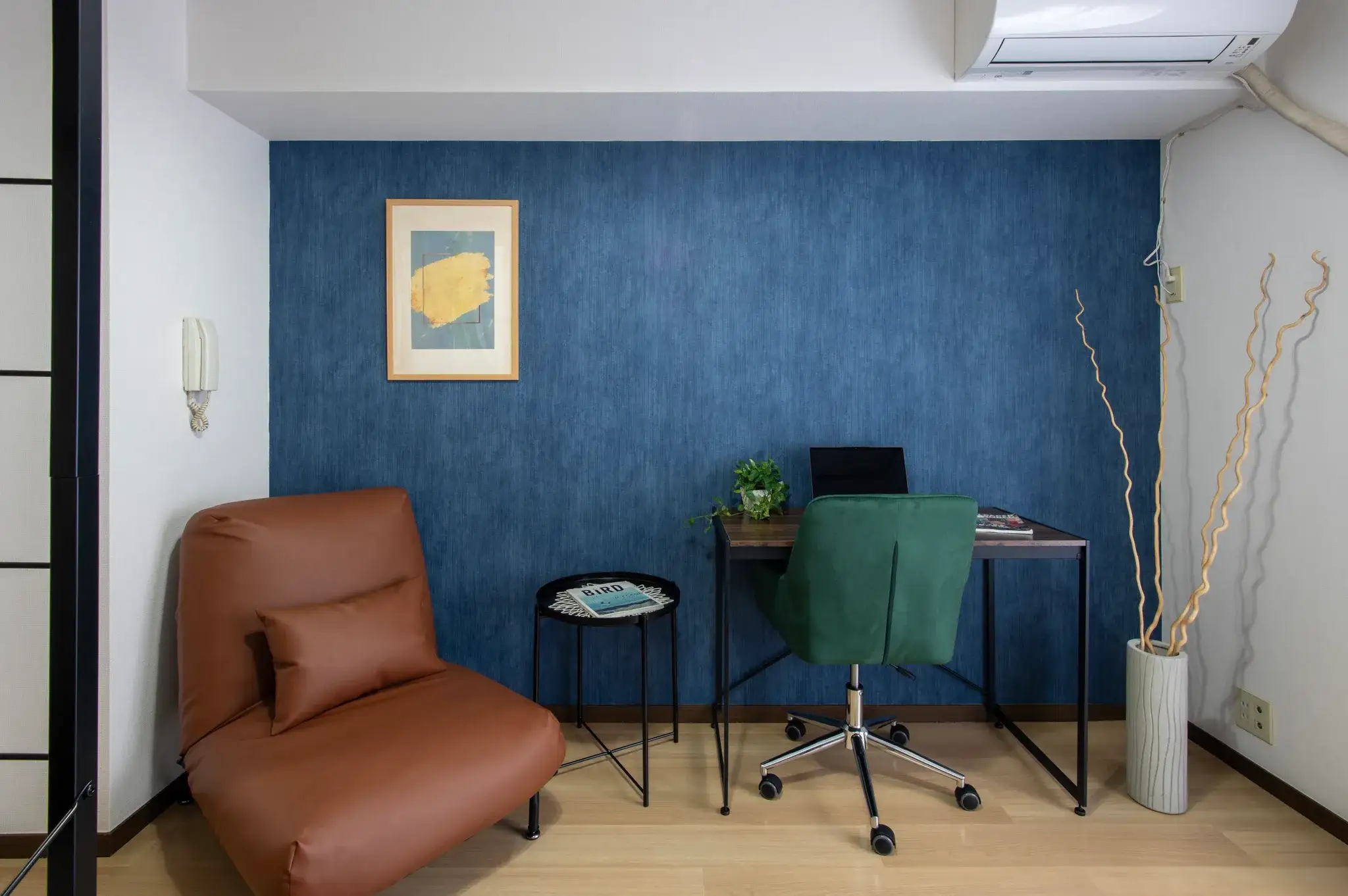 Maaaring mula Dec 3, 2026
Binigyan ng kagamitan na apartment sa Meguro
ML Meguro — 208
 Available Ngayon
Muwebleng apartment sa Shinagawa
Beverly Homes Nishikoyama — 103