
Hướng dẫn toàn diện cho Digital Nomad tại Tokyo: Coworking, Quán cafe & Thủ tục visa

Tokyo đã trở thành một trong những điểm đến hàng đầu của châu Á dành cho những người làm việc địa phương, kết hợp tốc độ internet siêu nhanh, nền văn hóa cafe sôi động, và cơ sở hạ tầng hạng thế giới với cách tiếp cận độc đáo của Nhật Bản đối với cân bằng công việc và cuộc sống. Cho dù bạn đang tìm kiếm trải nghiệm làm việc địa phương ở Tokyo trong vài tháng hay lên kế hoạch cho một khoảng thời gian dài hơn, việc hiểu rõ các chi tiết thực tế về không gian làm việc chung, yêu cầu visa, và chi phí hàng ngày sẽ giúp bạn tận dụng tối đa thành phố tuyệt vời này.
Thủ đô Nhật Bản cung cấp thứ gì đó mà ít thành phố lớn khác có thể sánh được: sự kết hợp hoàn hảo giữa công nghệ siêu hiện đại và văn hóa truyền thống, đồng thời duy trì các tiêu chuẩn an toàn và sạch sẽ ngoài lệ. Đối với những người làm việc từ xa, điều này có nghĩa là có kết nối đáng tin cậy ở mọi nơi, nhiều lựa chọn không gian làm việc, và chất lượng cuộc sống khó có thể vượt qua.
Tại Sao Tokyo Là Thiên Đường Cho Những Người Làm Việc Địa Phương
Tokyo liên tục được xếp hạng trong số những thành phố sống tốt nhất trên thế giới, và có lý do cho điều này. Cơ sở hạ tầng của thành phố được thiết kế cho hiệu quả, với những chuyến tàu chạy đúng giờ theo từng giây và tốc độ internet thường xuyên vượt quá 100 Mbps ngay cả trên các mạng di động.
Thành phố hoạt động theo nhịp điệu 24 giờ phù hợp với các lịch làm việc khác nhau. Cho dù bạn đang điều phối với các cuộc họp buổi sáng châu Âu hay các cuộc gọi buổi chiều bờ Tây, bạn sẽ tìm thấy các quán cà phê và không gian làm việc chung mở cửa khi bạn cần. Nhiều địa điểm ở những khu vực như Shibuya và Roppongi mở cửa đến nửa đêm hoặc muộn hơn.
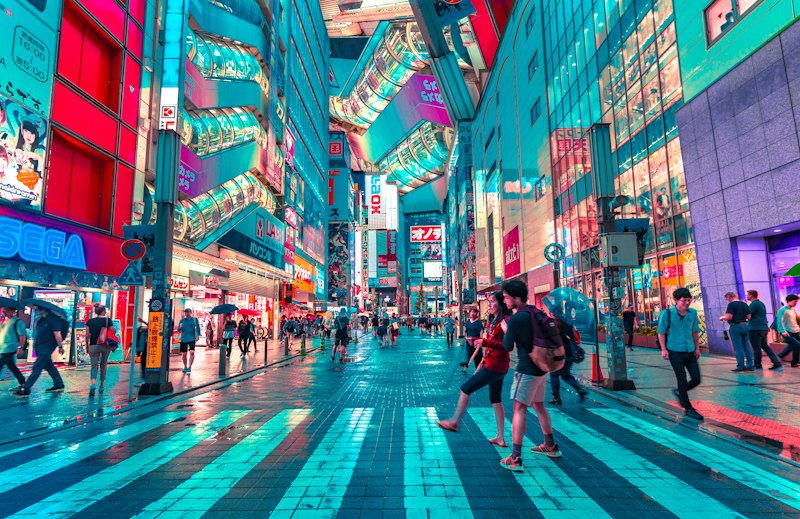
An toàn là một yếu tố quan trọng khác. Tokyo là một trong những thành phố lớn an toàn nhất thế giới, cho phép bạn làm việc muộn tại các quán cà phê hoặc đi bộ về nhà sau những sự kiện kết nối mạng vào buổi tối mà không lo lắng. Bạn có thể để laptop của mình trên bàn của một quán cà phê trong khi bạn sử dụng nhà vệ sinh—điều không tưởng tượng được ở nhiều thành phố khác.
Tokyo cung cấp cho những người làm việc địa phương một điều hiếm có: khả năng làm việc năng suất ở bất cứ nơi đâu trong thành phố với sự tự tin về cả kết nối và an toàn.
Những Không Gian Làm Việc Chung Tốt Nhất ở Tokyo Theo Ngân Sách
Cảnh quan không gian làm việc chung ở Tokyo đã bùng nổ trong những năm gần đây, với các lựa chọn từ bàn nóng giá rẻ đến các văn phòng riêng cao cấp. Đây là những gì bạn cần biết về những lựa chọn phổ biến nhất.
Các Lựa Chọn Tiết Kiệm (¥1,000-3,000/ngày)
TimeShairing hoạt động tại nhiều địa điểm trên khắp Tokyo, bao gồm Shibuya và Ikebukuro. Giá vé hàng ngày bắt đầu từ ¥1,100, và các thành viên hàng tháng chạy khoảng ¥20,000. Các không gian nhỏ gọn nhưng được trang bị đầy đủ với WiFi tốc độ cao, cà phê miễn phí, và các phòng họp có sẵn để đặt.
BIZcomfort cung cấp một trong những đề xuất giá trị tốt nhất với quyền truy cập 24 giờ tại hầu hết các địa điểm. Các kế hoạch hàng tháng bắt đầu từ ¥16,500, và bạn được truy cập tất cả các địa điểm Tokyo của họ. Các chi nhánh Shinjuku và Shibuya đặc biệt phổ biến trong số những freelancer và người làm việc từ xa.
Các Không Gian Tầm Trung (¥20,000-40,000/tháng)
WeWork đã mở rộng đáng kể ở Tokyo với các địa điểm ở Roppongi, Shibuya, Shinjuku, và các khu kinh doanh chính khác. Các thành viên bàn nóng hàng tháng bắt đầu từ khoảng ¥35,000 và bao gồm quyền truy cập tất cả các địa điểm, tín dụng in ấn, và các sự kiện kết nối mạng thường xuyên. Các không gian hiện đại với những tiện nghi xuất sắc, mặc dù chúng có thể trở nên đông đúc trong những giờ cao điểm.
The Hive Jinnan ở Shibuya cung cấp một trải nghiệm boutique hơn với các thành viên hàng tháng bắt đầu từ ¥25,000. Không gian này có một ban công trên mái nhà, phòng thu podcast, và trọng tâm cộng đồng mạnh mẽ với các sự kiện thường xuyên dành riêng cho các chuyên gia quốc tế.
Các Lựa Chọn Cao Cấp (¥40,000+/tháng)
Spaces Shinagawa kết hợp không gian làm việc chung với các tiện nghi cao cấp bao gồm một trung tâm thể dục và các phòng họp hạng cao. Các thành viên hàng tháng bắt đầu từ ¥55,000 nhưng bao gồm không gian bàn riêng và quyền truy cập các địa điểm Spaces toàn cầu.
Regus các địa điểm trên khắp Tokyo cung cấp trải nghiệm trung tâm kinh doanh truyền thống hơn với các văn phòng riêng có sẵn. Lựa chọn này hoạt động tốt nếu bạn cần một thiết lập chuyên nghiệp hơn cho các cuộc gọi của khách hàng hoặc thích quyền riêng tư hoàn toàn.
Mẹo Chuyên Nghiệp: Hầu hết các không gian làm việc chung cung cấp ngày hôm nay miễn phí hoặc giá giảm trong tháng đầu tiên. Hãy thử nhiều trước khi cam kết với thành viên dài hạn để tìm cộng đồng và bầu không khí phù hợp với phong cách làm việc của bạn.
Nền Văn Hóa Cafe: Nơi Làm Việc Miễn Phí
Nền văn hóa cafe ở Tokyo đặc biệt chào đón những người làm việc trên laptop, mặc dù có một số quy tắc không lời nào. Chìa khóa là tìm thấy sự cân bằng phù hợp giữa khả năng chi trả, bầu không khí, và tiếp tục được chào đón.
Các Chuỗi Lớn Chào Đón Laptop
Starbucks vẫn là lựa chọn đáng tin cậy nhất, với WiFi miễn phí và rất nhiều ổ cắm điện tại hầu hết các địa điểm. Một cốc cà phê cao giá khoảng ¥400, và bạn có thể thường ở lại trong vài giờ mà không có áp lực. The Reserve Roastery ở Nakameguro cung cấp trải nghiệm cao cấp với nhiều không gian hơn.
Tully's Coffee cung cấp các tiện nghi tương tự với giá thấp hơn một chút. Hệ thống WiFi của họ tự động đăng nhập bạn sau lần đầu tiên, làm cho nó thuận tiện cho việc sử dụng thường xuyên.
Doutor là một chuỗi Nhật Bản cung cấp lựa chọn giá rẻ nhất—cà phê bắt đầu từ ¥220. Tuy nhiên, những địa điểm này có xu hướng nhỏ hơn và bận rộn hơn, làm cho chúng tốt hơn cho các phiên làm việc ngắn hơn là ở cả ngày.
Các Quán Cafe Độc Lập Đáng Tìm
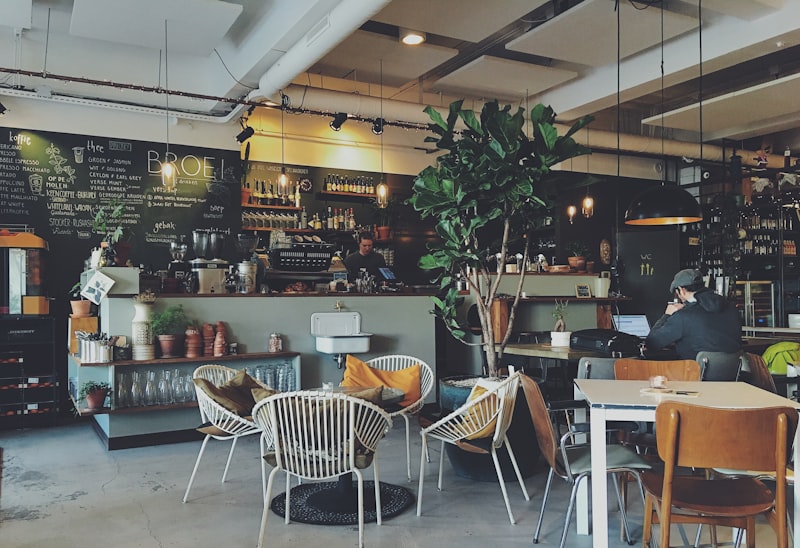
Fuglen Tokyo ở Tomigaya cung cấp cà phê xuất sắc và bầu không khí lấy cảm hứng từ Scandinavia. Không gian này thân thiện với laptop, đặc biệt vào chiều thứ từ. Cà phê chạy ¥500-700.
Caffice ở Shibuya được thiết kế đặc biệt cho những người làm việc từ xa, với định giá dựa trên thời gian (¥500 cho giờ đầu tiên, sau đó ¥200 mỗi giờ). Họ cung cấp WiFi xuất sắc, đồ uống không giới hạn, và một môi trường làm việc thích hợp.
Book and Bed Tokyo các địa điểm ở Ikebukuro và Shinjuku kết hợp một quán cà phê với bầu không khí cửa hàng sách. Sử dụng ban ngày chi phí khoảng ¥1,500 và bao gồm đồ uống, làm cho nó có giá trị tốt cho một ngày làm việc đầy đủ.
Quy Tắc Ứng Xử Cafe Cho Những Người Làm Việc Địa Phương
Để duy trì mối quan hệ tốt với chủ sở hữu quán cà phê, hãy tuân theo các hướng dẫn này:
- Gọi thứ gì đó cứ 2-3 giờ nếu ở lâu dài
- Tránh các quán cà phê trong giờ cao điểm trưa (12:00-13:30) nếu bạn định ở lại trong vài giờ
- Không chiếm những bàn lớn trong những thời gian bận rộn—hãy dính vào những ghế quầy bar hoặc những bàn nhỏ
- Giữ những cuộc gọi điện thoại ngắn hoặc bước ra ngoài
- Dọn dẹp nhanh chóng nếu quán cà phê trở nên đông đúc
Tốc Độ Internet & Độ Tin Cậy ở Tokyo
Cơ sở hạ tầng internet ở Tokyo có chất lượng thế giới, với tốc độ trung bình vượt quá hầu hết các thành phố lớn khác. Hiểu rõ các lựa chọn kết nối của bạn giúp đảm bảo bạn không bao giờ ngoại tuyến khi bạn cần.
Dữ liệu di động nhanh chóng và đáng tin cậy một cách đáng kể. Các nhà cung cấp lớn như NTT Docomo, Softbank, và KDDI thường xuyên cung cấp 50-100 Mbps trên các mạng 4G, với phạm vi 5G mở rộng nhanh chóng ở trung tâm Tokyo. Một kế hoạch dữ liệu không giới hạn hàng tháng chi phí ¥6,000-7,000.
Đối với những khách thăm quan ngắn hạn, các thiết bị pocket WiFi có sẵn từ ¥3,000-5,000 mỗi tháng với dữ liệu không giới hạn. Các dịch vụ như Sakura Mobile và Mobal phục vụ cụ thể cho du khách nước ngoài với hỗ trợ tiếng Anh và đặt hàng trực tuyến dễ dàng.
Tốt Để Biết: Hầu hết các căn hộ được trang bị đầy đủ và các nhà chia sẻ ở Tokyo bao gồm internet sợi quang tốc độ cao (100-1000 Mbps) như tiêu chuẩn. Điều này loại bỏ phiền toái thiết lập kết nối của riêng bạn và đảm bảo bạn có kết nối đáng tin cậy từ ngày đầu tiên.
WiFi công cộng có sẵn tại hầu hết các quán cà phê, nhà ga tàu, và các cửa hàng tiện lợi, mặc dù nó thường yêu cầu đăng ký. Chất lượng khác nhau—nó ổn định cho email và duyệt web nhưng không phải lúc nào cũng phù hợp cho các cuộc gọi video hoặc truyền tệp lớn.
Tìm Hiểu Visa Du Lịch Kỹ Thuật Số Nhật Bản 2026 và Các Lựa Chọn Khác
Cách tiếp cận của Nhật Bản đối với visa du lịch kỹ thuật số đã phát triển, với các chính sách mới dự kiến sẽ được triển khai trong năm 2026. Dưới đây là những gì bạn cần biết về các lựa chọn pháp lý của bạn để ở Tokyo trong khi làm việc từ xa.
Visa Du Lịch (Lưu Trú Ngắn Hạn)
Công dân của 68 quốc gia có thể nhập cảnh Nhật Bản mà không cần visa trong tối đa 90 ngày. Đây là lựa chọn đơn giản nhất để kiểm tra lối sống du lịch kỹ thuật số ở Tokyo. Về mặt kỹ thuật, bạn không được phép làm việc trong khi có visa du lịch, nhưng làm việc từ xa cho các công ty nước ngoài tồn tại trong một khu vực xám—mối quan tâm chính của chính phủ là ngăn chặn công việc làm mất việc làm của những người Nhật Bản.
Bạn không thể gia hạn visa này từ bên trong Nhật Bản, nhưng nhiều du lịch kỹ thuật số thực hiện "visa chạy" đến các quốc gia gần đó như Hàn Quốc hoặc Đài Loan để một chuyến đi nhanh chóng trước khi quay trở lại thêm 90 ngày.
Visa Du Lịch Kỹ Thuật Số (Dự Kiến 2026)
Nhật Bản công bố kế hoạch cho một chương trình visa du lịch kỹ thuật số tương tự như những chương trình được cung cấp bởi Bồ Đào Nha và Tây Ban Nha. Mặc dù các chi tiết vẫn đang được hoàn thiện, visa du lịch kỹ thuật số Nhật Bản 2026 dự kiến sẽ cho phép lưu trú 6-12 tháng cho những người làm việc từ xa đáp ứng các yêu cầu thu nhập (có khả năng khoảng ¥3-5 triệu hàng năm).
Visa sẽ cho phép bạn làm việc từ xa cho các công ty nước ngoài trong khi cư trú ở Nhật Bản, mặc dù bạn vẫn không thể chấp nhận việc làm từ các công ty Nhật Bản. Điều này sẽ lý tưởng cho những freelancer và nhân viên từ xa của các công ty quốc tế.
Visa Sinh Viên
Các trường ngôn ngữ cung cấp visa sinh viên cho phép làm việc bán thời gian (tối đa 28 giờ mỗi tuần). Mặc dù đây không phải là dành riêng cho những người du lịch kỹ thuật số, nhưng nó là một lộ trình mà một số người thực hiện để ở lâu hơn trong khi cải thiện tiếng Nhật của họ. Các trường như Akamonkai và GenkiJACS cung cấp các chương trình linh hoạt bắt đầu từ ¥150,000 cho 3 tháng.
Visa Quản Lý Kinh Doanh
Đối với những người điều hành các doanh nghiệp của riêng mình, visa Quản Lý Kinh Doanh cho phép bạn sống ở Nhật Bản trong khi điều hành công ty của bạn. Bạn sẽ cần ¥5 triệu vốn và một kế hoạch kinh doanh thích hợp. Đây là một giải pháp vĩnh viễn hơn yêu cầu đầu tư đáng kể và lập kế hoạch.
Chú Ý: Các quy định visa thay đổi thường xuyên. Luôn tham khảo trang web chính thức của Bộ Ngoại giao hoặc một luật sư nhập cư được cấp phép trước khi lập kế hoạch dài hạn. Làm việc bất hợp pháp ở Nhật Bản mang theo những hậu quả nghiêm trọng bao gồm trục xuất và lệnh cấm nhập cảnh trong tương lai.
Phân Tích Chi Phí Hàng Tháng Cho Những Người Làm Việc Địa Phương ở Tokyo
Danh tiếng của Tokyo như một thành phố tốn kém phần nào đã lỗi thời—mặc dù nó không rẻ, nhưng nó có thể so sánh với các thành phố lớn khác và cung cấp giá trị xuất sắc cho những gì bạn nhận được. Dưới đây là phân tích ngân sách hàng tháng thực tế.
Nhà Ở
Nhà Chia Sẻ: ¥50,000-80,000 mỗi tháng bao gồm các tiện ích. Đây là lựa chọn kinh tế nhất và cung cấp cộng đồng tích hợp sẵn. Các tiện nghi thường bao gồm những phòng được trang bị đầy đủ, nhà bếp chung, WiFi, và những khu vực chung.
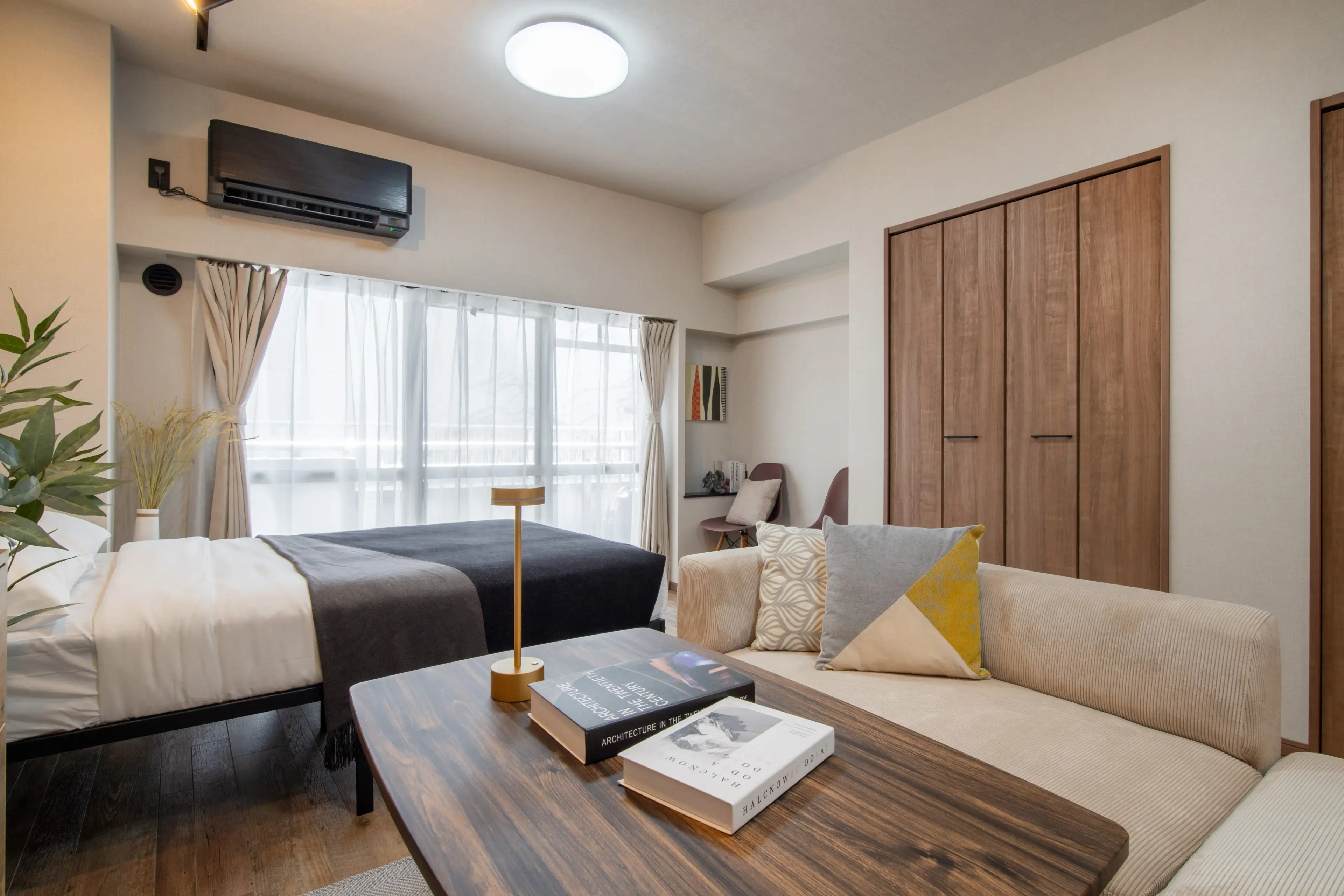
Căn Hộ Được Trang Bị Đầy Đủ: ¥80,000-150,000 mỗi tháng cho một studio hoặc 1K ở những vị trí trung tâm. Điều này cung cấp cho bạn quyền riêng tư hoàn toàn và độc lập. Những căn hộ được trang bị đầy đủ của Modern Living Tokyo bao gồm mọi thứ từ dụng cụ nhà bếp đến internet, loại bỏ những phiền toái thiết lập.
Căn Hộ Truyền Thống: ¥70,000+ mỗi tháng, nhưng yêu cầu tiền chìa khóa (1-2 tháng tiền thuê), ký quỹ (1-2 tháng), phí đại lý (1 tháng), và mua sắm đồ nội thất. Chỉ có giá trị cho những kỳ lưu trú dài hơn 6 tháng.
Thực Phẩm
Nấu ăn ở nhà: ¥30,000-40,000 mỗi tháng cho hàng tạp hóa. Các siêu thị như Seiyu và OK Store cung cấp giá hợp lý, đặc biệt cho rau và gạo.
Ăn ngoài thường xuyên: ¥60,000-80,000 mỗi tháng. Một bữa trưa đàng hoàng chi phí ¥800-1,200, và bữa tối chạy ¥1,000-2,000 tại các nhà hàng bình dân. Bữa ăn cửa hàng tiện lợi cung cấp các lựa chọn nhanh, giá rẻ tại ¥500-800.
Giao Thông
Hầu hết những người làm việc địa phương chi tiêu ¥10,000-15,000 hàng tháng cho tàu và xe bus. Ở ở trung tâm Tokyo giảm điều này đáng kể vì bạn có thể bộ hoặc đi xe đạp đến nhiều điểm đến. Những thẻ tàu hàng tháng có sẵn nếu bạn thường xuyên đi lại đến cùng một không gian làm việc chung.
Không Gian Làm Việc
Thành viên không gian làm việc chung: ¥20,000-40,000 mỗi tháng, hoặc làm việc từ các quán cà phê cho ¥15,000-20,000 hàng tháng nếu bạn mua đồ uống thích hợp.
Tổng Chi Phí Hàng Tháng
- Ngân Sách: ¥130,000-180,000 (nhà chia sẻ, nấu ăn ở nhà, làm việc cafe)
- Thoải Mái: ¥200,000-280,000 (căn hộ được trang bị đầy đủ, ăn uống cân bằng, thành viên không gian làm việc chung)
- Cao Cấp: ¥350,000+ (căn hộ trung tâm, ăn ngoài thường xuyên, không gian làm việc chung cao cấp)
Làm Cho Tokyo Hoạt Động Cho Hành Trình Du Lịch Kỹ Thuật Số Của Bạn
Tokyo cung cấp cho những người làm việc địa phương một sự kết hợp không tương xứng giữa cơ sở hạ tầng, an toàn, văn hóa, và chất lượng cuộc sống. Mặc dù các logistics ban đầu có thể dường như khó khăn—từ điều hướng các lựa chọn visa đến tìm không gian làm việc phù hợp—thành phố thưởng cho những người thực hiện nỗ lực với một trải nghiệm khó có thể tái hiện ở bất cứ nơi nào khác.
Chìa khóa thành công là bắt đầu với những nền tảng vững chắc. Có nhà ở đáng tin cậy được sắp xếp từ ngày đầu tiên loại bỏ một nguồn căng thẳng lớn và cho phép bạn tập trung vào việc thiết lập thường lệ làm việc của bạn và khám phá thành phố. Cho dù bạn chọn bầu không khí cộng đồng của một nhà chia sẻ hoặc độc lập của một căn hộ được trang bị đầy đủ, bắt đầu với nhà ở linh hoạt, được trang bị tốt cung cấp sự ổn định để bạn phát triển.
Modern Living Tokyo chuyên giúp những người làm việc từ xa quốc tế định cư vào cuộc sống Tokyo với những căn hộ được trang bị đầy đủ và những nhà chia sẻ được thiết kế đặc biệt cho các nhu cầu của bạn—hoàn chỉnh với internet tốc độ cao, những vị trí thuận tiện, và hỗ trợ tiếng Anh để xử lý bất kỳ vấn đề nào phát sinh. Điều này cho phép bạn bắt đầu và bắt đầu tận hưởng mọi thứ Tokyo phải cung cấp từ lúc bạn đến.

Modern Living Tokyo
Bài Viết Liên Quan
 Lifestyle
Hướng dẫn sống qua mùa mưa ở Tokyo: Bí quyết vượt qua Tsuyu
Sống qua mùa mưa ở Tokyo một cách khôn ngoan với những mẹo thực tế về phòng chống nấm mốc, những cơn mưa bất thình lình, những gì nên mua, và cách thực sự tận hưởng tsuyu. Hướng dẫn bắt buộc phải đọc cho...
 Modern Living TokyoĐọc thêm →
 Lifestyle
Hướng dẫn tập luyện Võ thuật tại Tokyo cho người nước ngoài: Các dojo và địa điểm tập hàng đầu
Cẩm nang chi tiết về cách bắt đầu tập võ thuật tại Tokyo khi bạn là người nước ngoài — từ những dojo nổi tiếng nhất, chi phí tập luyện, quy tắc lịch sự, các loại visa cho phép, cho đến những khu vực lý tưởng nhất để cư trú.
Modern Living TokyoĐọc thêm → Lifestyle
Chơi game ở Tokyo: Các arcade, cửa hàng retro và hướng dẫn cho người nước ngoài
Tokyo là thiên đường của những người chơi game — từ các arcade ở Akihabara đến những cửa hàng retro ở Nakano. Đây là hướng dẫn đầy đủ cho người nước ngoài về thế giới game ở Tokyo.
Modern Living TokyoĐọc thêm →Bất động sản nổi bật
 Đã có người ở
Fully Furnished Apartment 20 Min to Takadanobaba
Iidabashi High Town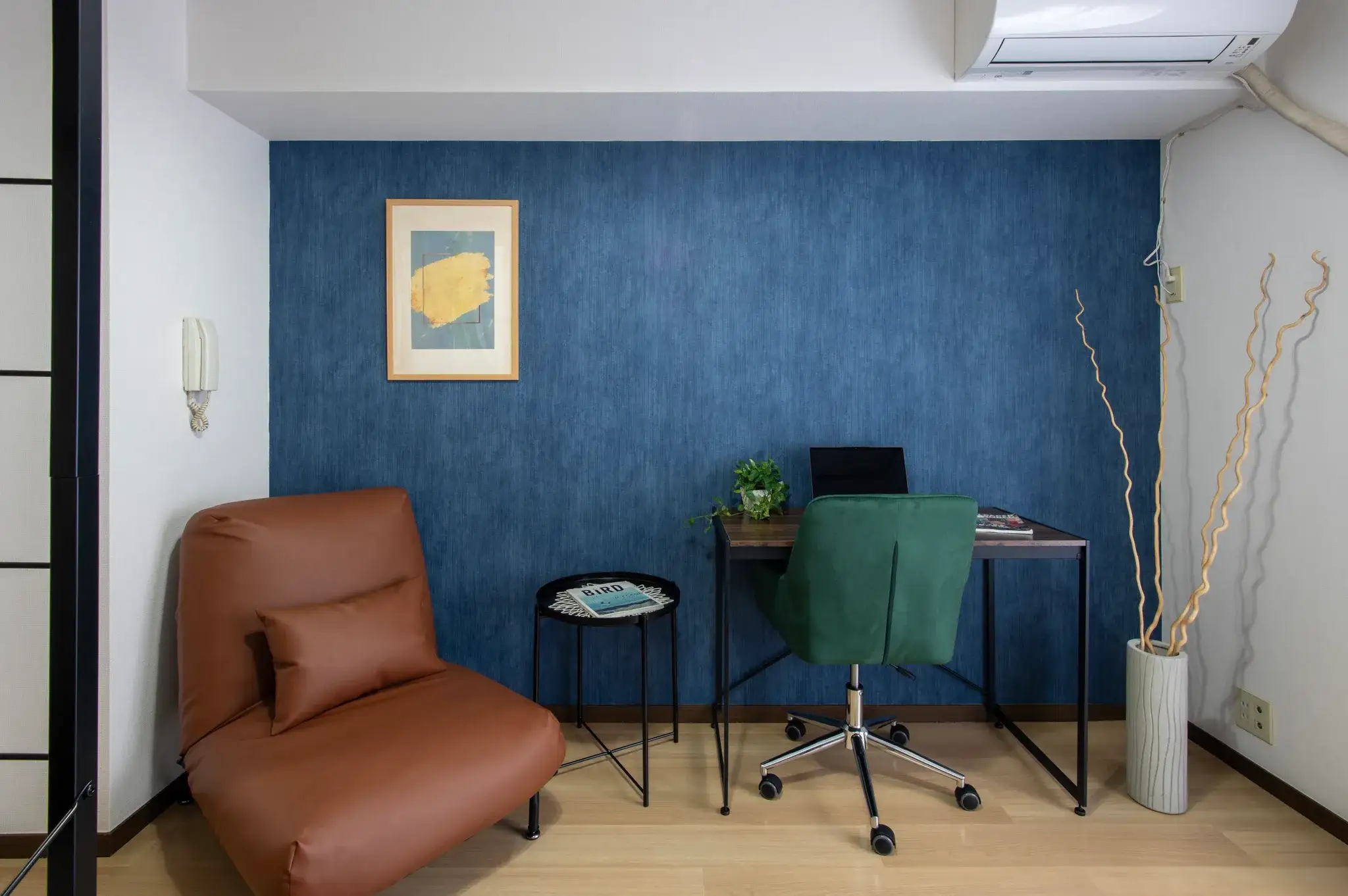 Có thể từ Dec 3, 2026
Căn hộ có đầy đủ nội thất tại Meguro
ML Meguro — 208
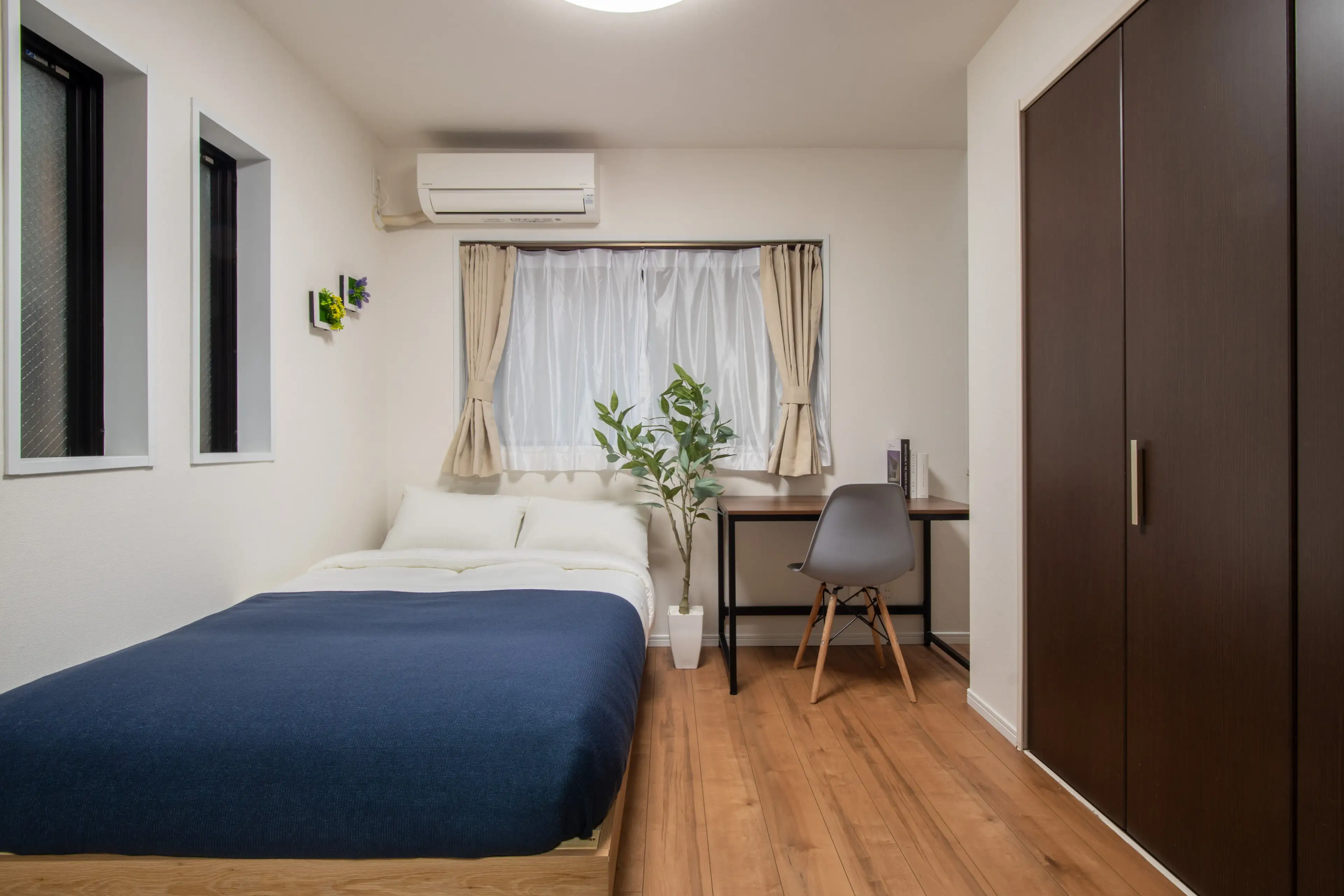 Có sẵn ngay
Căn hộ có đầy đủ nội thất tại Shinagawa
Beverly Homes Nishikoyama — 103