
Meguro và Naka-Meguro: Hướng dẫn toàn diện cho người nước ngoài về khu vực trendy nhất Tokyo

Tại Sao Meguro Luôn Nằm Trong Top Những Khu Phố Đáng Sống Nhất
Nếu bạn đang tìm kiếm một căn cứ hoàn hảo ở Tokyo, thì hướng dẫn Meguro Tokyo này chính là nơi bạn nên bắt đầu. Meguro và Naka-Meguro luôn xếp hạng cao trong danh sách những khu phố đáng sống nhất thành phố — và chỉ cần dành một cuối tuần ở đây, bạn sẽ hiểu được lý do tại sao.
Khu vực này đạt được một sự cân bằng hiếm có. Nó vô cùng sành điệu, với những cửa hàng độc lập, cà phê đạt chuẩn thế giới, và một cảnh sống xã hội hội tụ cả người địa phương lẫn những cư dân nước ngoài lâu dài. Nhưng nó không bao giờ sa vào sự hỗn loạn áp đảo của Shibuya hay Shinjuku, những nơi chỉ cách vài ga tàu.
Meguro có một bản sắc đa chiều. Khu vực Meguro rộng lớn (Meguro-ku) là một vùng dân cư trải dài, nổi tiếng với những con phố yên tĩnh, các trường học xuất sắc, và một cộng đồng quốc tế mạnh mẽ. Naka-Meguro — theo nghĩa đen là "Meguro Giữa" — là khu vực trendy nằm bên trong nó, tập trung quanh con kênh nổi tiếng và chứa đầy những địa điểm xuất hiện trong tất cả những danh sách "tốt nhất" của Tokyo.

Đối với những người nước ngoài, còn có một lý do chính khác: khu vực này thực sự dễ sống theo cách mà một số khu vực trendy khác không có. Siêu thị, phòng khám, hiệu thuốc, trường quốc tế, và giao thông đáng tin cậy đều nằm trong tầm tay. Bạn có được lối sống và tiện ích.
Giá Thuê Và Những Gì Bạn Nhận Được Ở Khu Phố Naka-Meguro
Thành thật mà nói — Meguro và Naka-Meguro không phải là những nơi rẻ nhất để sống ở Tokyo. Nhưng chúng rẻ hơn những gì bạn có thể kỳ vọng xét đến danh tiếng, và chất lượng cuộc sống mà bạn nhận được để đổi lại thực sự cao.
Đây là một bảng phân tích sơ bộ về giá thuê hàng tháng cho khu vực:
- Phòng đơn trong một căn hộ chia sẻ: ¥60,000–¥85,000/tháng (hóa đơn thường được bao gồm)
- Studio (1K, ~20–25㎡): ¥90,000–¥130,000/tháng
- 1LDK (một phòng ngủ + không gian sống, ~35–45㎡): ¥150,000–¥220,000/tháng
- 2LDK (hai phòng ngủ): ¥200,000–¥350,000/tháng trở lên
Chính Naka-Meguro (gần sông nhất và dải thương mại chính) có giá cao hơn. Đi bộ năm đến mười phút về phía Yutenji, Nakameguro, hoặc hướng lên Meguro Station, bạn sẽ tìm thấy những giá cả hợp lý hơn một chút mà không phải hy sinh quá nhiều lối sống.
Đối với những người mới đến Tokyo, một căn hộ chia sẻ được trang trí sẵn ở khu vực Meguro là một trong những cách thông minh nhất để bắt đầu. Bạn không cần phải trả một khoản tiền khổng lồ trước khi ký hợp đồng căn hộ truyền thống (tiền chìa khóa, tiền ký quỹ, phí bảo lãnh — dễ dàng ¥300,000–¥500,000 trước khi bạn chuyển vào), và bạn sẽ ở trong một không gian sẵn sàng với một cộng đồng được xây dựng sẵn xung quanh bạn.
Cần Biết: Hợp đồng căn hộ truyền thống của Nhật Bản yêu cầu shikikin (tiền ký quỹ, 1–2 tháng tiền thuê) và reikin (tiền chìa khóa, 1–2 tháng tiền thuê, không hoàn lại). Một căn hộ được trang bị sẵn hoặc căn hộ chia sẻ sẽ loại bỏ hầu hết những chi phí này và dễ dàng hơn nhiều để đảm bảo mà không cần kỹ năng tiếng Nhật hoặc một bảo lãnh người Nhật.
Sông Meguro: Bước Đi Instagram-Worthy Nhất Của Tokyo
Có một điều định nghĩa Naka-Meguro hơn bất cứ điều gì khác: Sông Meguro. Con kênh hẹp này kéo dài khoảng 8 km qua khu vực, và con đường dạo bộ dọc theo bờ của nó là một trong những trải nghiệm thành thị thực sự tuyệt vời ở Tokyo.
Vào mùa xuân, hơn 800 cây anh đào nằm dọc theo sông, tạo thành một đường hầm những bông hoa màu hồng nhạt. Trong mùa hanami (ngắm hoa anh đào) — thường là cuối tháng Ba đến đầu tháng Tư — đám đông vô cùng đông đúc và không khí sôi động. Những quầy bán hàng thức ăn xuất hiện, những người dân địa phương tràn ra khỏi các quán bar và cà phê dọc theo bờ, và toàn bộ khu vực biến thành cái gì đó gần như điện ảnh.

Nhưng con đường dạo bộ dọc sông đáng thử bất cứ lúc nào trong năm. Vào mùa hè, những chiếc đèn lồng xuất hiện vào buổi tối. Vào mùa thu, những tán lá chuyển sang màu vàng và hổ phách. Thậm chí vào một buổi sáng mùa đông u ám, những quán cà phê dọc theo kênh và ánh sáng ấm áp khiến nó trở thành một nơi thực sự dễ chịu để dành một tiếng đồng hồ.
"Sông Meguro không chỉ là một phông nền đẹp — nó là phòng khách của khu phố, nơi toàn bộ cộng đồng tụ tập mùa này sang mùa khác."
Đoạn dạo bộ dễ dàng nhất kéo dài giữa Naka-Meguro Station và Ikejiri-Ohashi Station. Dọc theo đoạn này, bạn sẽ tìm thấy nhiều cửa hàng và cà phê được mô tả nhiều nhất của khu vực được xây dựng ngay vào những tòa nhà tầng thấp nằm dọc theo nước. Đó là một môi trường đô thị thực sự độc đáo mà rất ít thành phố trên thế giới có thể so sánh được.
Cà Phê, Nhà Hàng & Đời Sống Ban Đêm Ở Khu Phố Naka-Meguro
Naka-Meguro là một trong những khu phố ăn uống và giải trí tuyệt vời của Tokyo. Cho dù bạn là một người say mê cà phê, một người yêu thích rượu vang tự nhiên, hoặc chỉ đơn giản là một ai đó muốn có thức ăn tuyệt vời và đáng tin cậy gần nhà — khu vực này đều cung cấp.
Cà Phê & Quán Cà Phê
Cảnh cà phê ở đây thực sự xuất sắc. Onibus Coffee dọc theo sông là một trong những quán rang cà phê chuyên biệt yêu thích nhất của thành phố — xếp hàng để uống một flat white và ở lại vì quang cảnh. Starbucks Reserve Roastery Tokyo trên Sông Meguro (một bước đi ngắn về phía Daikanyama lân cận) thực sự đáng để ghé thăm, ngay cả khi bạn thường bỏ qua chuỗi cửa hàng. Để có trải nghiệm yên tĩnh hơn, Traveler's Factory vừa là một cửa hàng hàng du lịch vừa là cà phê — một sự kết hợp rất Naka-Meguro.
Nhà Hàng
Các lựa chọn nhà hàng bao trùm mọi mức giá và ẩm thực. Một số điểm nổi bật:
- Nakameguro Taproom — bia thủ công và đồ ăn bình dân trong một không gian thư giãn ngay bên sông
- Shirushi — ẩm thực Nhật Bản hiện đại xuất sắc trong một không gian được thiết kế tuyệt đẹp
- Higashi-Yama Tokyo — ẩm thực Nhật Bản tinh tế cho một dịp đặc biệt
- Pizzeria e Trattoria da Isa — được coi rộng rãi là một trong những bánh pizza Neapolitan tốt nhất ở Tokyo
- Komaba Agri Café — bữa trưa hữu cơ và theo mùa gần Komaba-Todaimae, được yêu thích bởi người dân địa phương
Quán Bar & Đời Sống Ban Đêm
Đời sống ban đêm ở Naka-Meguro là tinh tế hơn là ồn ào. Đây không phải là nơi dành cho những câu lạc bộ cả đêm (Shibuya ở mười phút nếu đó là những gì bạn muốn). Thay vào đó, hãy mong đợi những quán bar thân mật, những địa điểm rượu vang tự nhiên, những quán cà phê jazz, và những hang bán đồ uống cocktail thủ công được giấu trong những không gian tầng hầm dưới những tòa nhà dọc theo kênh.
Buri là một địa điểm yêu thích lâu đời của những người nước ngoài — thân thiện, hỗ trợ tiếng Anh, và một nơi đáng tin cậy để gặp những người mới đến khu vực. Để có gì đó sang trọng hơn, The Roastery by Nozy Coffee biến đổi thành không khí quán rượu vào buổi tối.
Giao Thông & Thời Gian Đi Làm Từ Meguro
Một trong những điểm mạnh thực tế của Meguro là kết nối giao thông của nó. Naka-Meguro Station được phục vụ bởi Tokyu Toyoko Line và Tokyo Metro Hibiya Line, cho phép cư dân có quyền truy cập trực tiếp không cần chuyển đổi đến một loạt các khu vực kinh tế trung tâm.
Từ Naka-Meguro, thời gian đi làm chính là khoảng:
- Shibuya: 3 phút (Tokyu Toyoko Line)
- Roppongi: 8 phút (Hibiya Line)
- Ginza: 15 phút (Hibiya Line)
- Shinjuku: 15–20 phút (qua Shibuya)
- Marunouchi/Tokyo Station: 25–30 phút
- Yokohama: 30 phút (Tokyu Toyoko Line trực tiếp)
Meguro Station (một bước đi 10 phút từ Naka-Meguro, hoặc một ga trên Yamanote Line) cung cấp thêm nhiều lựa chọn, bao gồm JR Yamanote Line, Tokyo Metro Namboku Line, và Toei Mita Line. Sự dự phòng này thực sự hữu ích — nếu một tuyến có chậm trễ, bạn gần như luôn có một giải pháp thay thế.
Mẹo Pro: Nếu bạn làm việc ở Roppongi, Toranomon, hoặc Ginza, Naka-Meguro là một trong những khu phố dân cư vị trí tốt nhất trong thành phố. Bạn có được lối sống của một khu phố tuyệt vời với một thời gian đi làm ngắn gọn một cách bất ngờ đến những trung tâm kinh tế chính của Tokyo.
Đi xe đạp cũng là một lựa chọn hợp lệ ở đây. Địa hình bằng phẳng dọc theo sông và hướng đến Daikanyama và Ebisu giúp việc đi xe đạp trở nên thực tế, và bạn sẽ thấy rất nhiều cư dân đi xe đạp để đi làm vào bất kỳ buổi sáng nào.
Sống Ở Meguro: Một Ngày Trong Cuộc Sống
Cuộc sống hàng ngày thực sự trông như thế nào khi bạn sống ở Naka-Meguro? Đây là một bức tranh trung thực.
Bạn thức dậy và đi bộ năm phút để lấy một cốc cà phê từ Onibus, có thể lấy cái gì đó từ một trong những tiệm bánh xuất sắc dọc theo đường — Viron gần Daikanyama hoặc tiệm bánh yêu thích Bread, Espresso & trên một con phố bên cạnh đều là những lựa chọn tốt. Bạn ra ngoài cửa mà không cần phải chiến đấu với những đám người buổi sáng nặng, bởi vì Naka-Meguro yên tĩnh theo cách mà Shibuya hoặc Harajuku không bao giờ hoàn toàn như vậy.
Mua sắm hàng tạp hóa là dễ dàng. Tokyu Store gần Naka-Meguro Station xử lý những nhu cầu hàng ngày. Đối với những nguyên liệu quốc tế, National Azabu ở Hiroo là một chuyến đi ngắn bằng xe đạp hoặc xe buýt. Cũng có những lựa chọn cửa hàng tạp hóa hữu cơ và nhập khẩu nhỏ hơn rải rác trong khu phố cho những người có nhu cầu ăn uống cụ thể.

Những buổi tối ở đây thực sự dễ chịu. Một bước đi dọc theo sông sau khi tan làm là một trong những nghi thức hàng ngày nhỏ giúp cuộc sống thành phố cảm thấy bền vững. Bạn có thể kết thúc ở một trong những quán bar gần kênh, hoặc nấu ăn ở nhà — điều này dễ dàng khi siêu thị địa phương của bạn thực sự có hàng tồn kho tốt.
Những cuối tuần mở ra toàn bộ khu vực. Daikanyama (Tsutaya Books một mình đáng để dành cả một chiều) là mười phút đi bộ. Ebisu, với Garden Place và những nhà hàng xuất sắc của nó, cùng hướng. Shimokitazawa — trung tâm âm nhạc độc lập và thời trang vintage của Tokyo — là hai mươi phút bằng tàu cho một cái gì đó hoàn toàn khác.
Cộng đồng ở đây là đáng chú ý là quốc tế. Bạn sẽ thường xuyên nghe tiếng Anh, tiếng Pháp, tiếng Hàn, và tiếng Quan thoại trên những con phố. Nhiều cư dân làm việc trong các ngành công nghiệp sáng tạo, công nghệ, tài chính, hoặc tại những tổ chức quốc tế dựa trên Roppongi và Hiroo gần đó. Đó là một khu phố nơi kết bạn với tư cách là một người mới là hoàn toàn có thể đạt được.
Có Phải Meguro Là Khu Phố Phù Hợp Cho Bạn?
Meguro và Naka-Meguro sẽ không phù hợp với mọi người. Nếu ngân sách của bạn rất hạn chế, bạn sẽ tìm thấy những lựa chọn giá cả phải chăng hơn trong các khu vực như Koenji, Shimokitazawa, hoặc Kita-Senju. Nếu bạn muốn sự sôi động về cuộc sống ban đêm tối đa, Shinjuku hoặc Roppongi sẽ cảm thấy phù hợp hơn.
Nhưng nếu bạn đang tìm kiếm một khu phố kết hợp phong cách thực sự, tiện ích thực tế, những liên kết giao thông xuất sắc, và một cộng đồng quốc tế chào đón — Naka-Meguro thực sự khó bị đánh bại. Nó thường xuyên nằm trong top danh sách "khu phố tốt nhất" vì lý do chính đáng: nó là loại nơi nơi mọi người đến dự định ở sáu tháng và kết thúc ở lại trong nhiều năm.
Tại Modern Living Tokyo, chúng tôi làm việc với những căn hộ được trang bị sẵn và những căn hộ chia sẻ trên khắp khu vực Meguro — lý tưởng cho những người muốn ở lại khu phố này mà không cần phải lo lắng về sự phức tạp trước của một hợp đồng lease truyền thống của Nhật Bản. Cho dù bạn đến cho một dự án ba tháng hay lên kế hoạch cho một thời gian lâu dài, bắt đầu ở một nơi như Naka-Meguro làm cho toàn bộ trải nghiệm Tokyo được cải thiện đáng kể từ ngày đầu tiên. Duyệt qua danh sách các bất động sản ở khu vực Meguro của chúng tôi để xem những gì hiện có sẵn.

Modern Living Tokyo
Bài Viết Liên Quan
 Neighborhood
Hướng dẫn sống ở Shimokitazawa: Khu phố trendy nhất Tokyo dành cho người nước ngoài
Cẩm nang toàn diện về cuộc sống ở Shimokitazawa, Tokyo — từ chi phí thuê nhà, giao thông, lối sống cho đến liệu khu phố sáng tạo biểu tượng này có phù hợp với bạn.
 Modern Living TokyoĐọc thêm →
 Neighborhood
Adachi và Katsushika: Hướng dẫn các quận rẻ nhất Tokyo
Adachi và Katsushika là những quận với mức giá thuê thấp nhất Tokyo, giao thông thuận tiện vào trung tâm thành phố và giữ gìn được nét văn hóa shitamachi chân thực — bí mật của phía Đông Bắc Tokyo mà mỗi...
Modern Living TokyoĐọc thêm → Neighborhood
Hướng dẫn sống tại Shinagawa: Trung tâm lý tưởng cho người nước ngoài ở Tokyo
Shinagawa là điểm đến hàng đầu cho cộng đồng quốc tế ở Tokyo với kết nối giao thông vượt trội, tiếp cận sân bay Haneda, giá thuê cạnh tranh và tiện ích quốc tế. Khám phá hướng dẫn sống toàn diện năm 2026...
Modern Living TokyoĐọc thêm →Bất động sản nổi bật
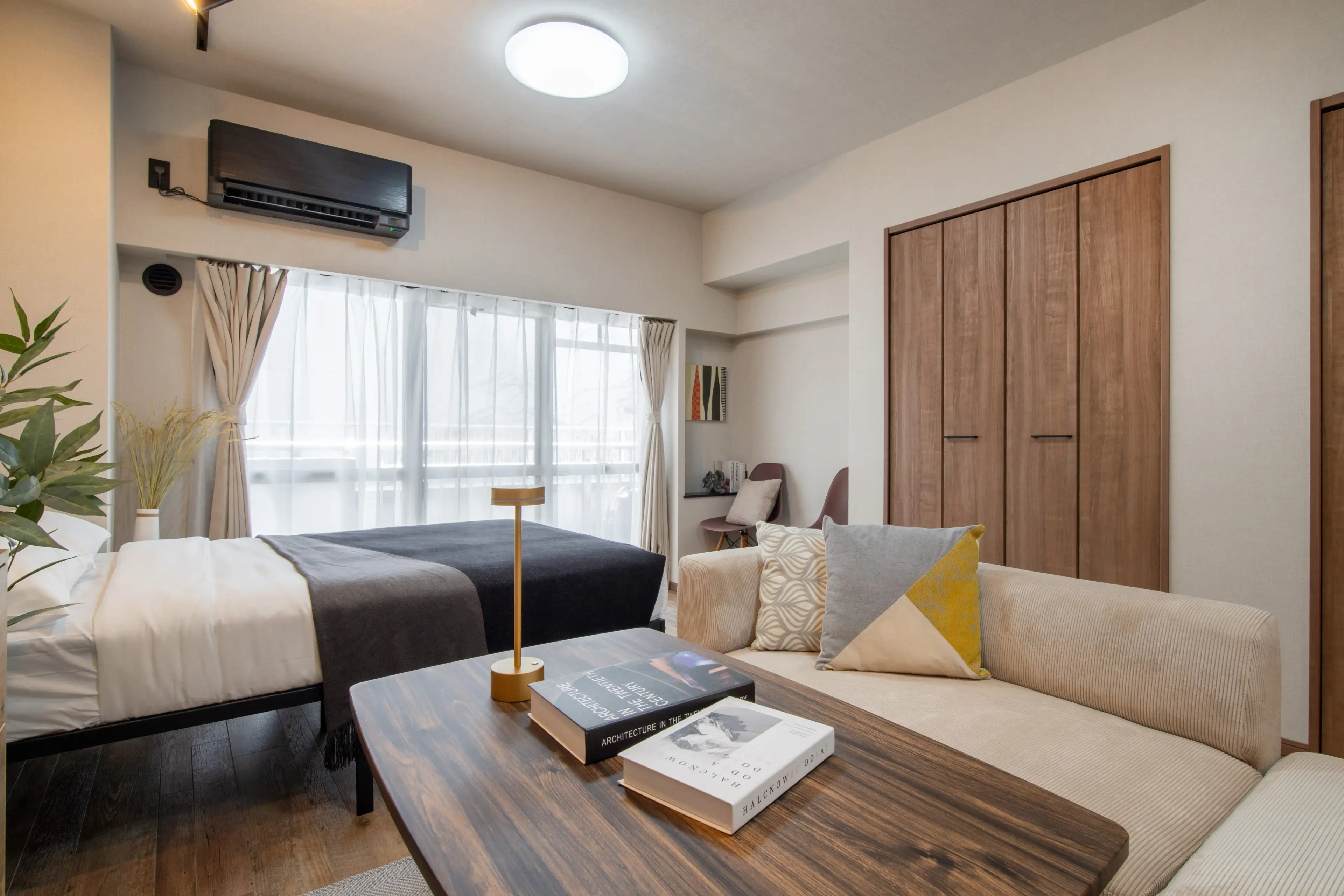 Đã có người ở
Fully Furnished Apartment 20 Min to Takadanobaba
Iidabashi High Town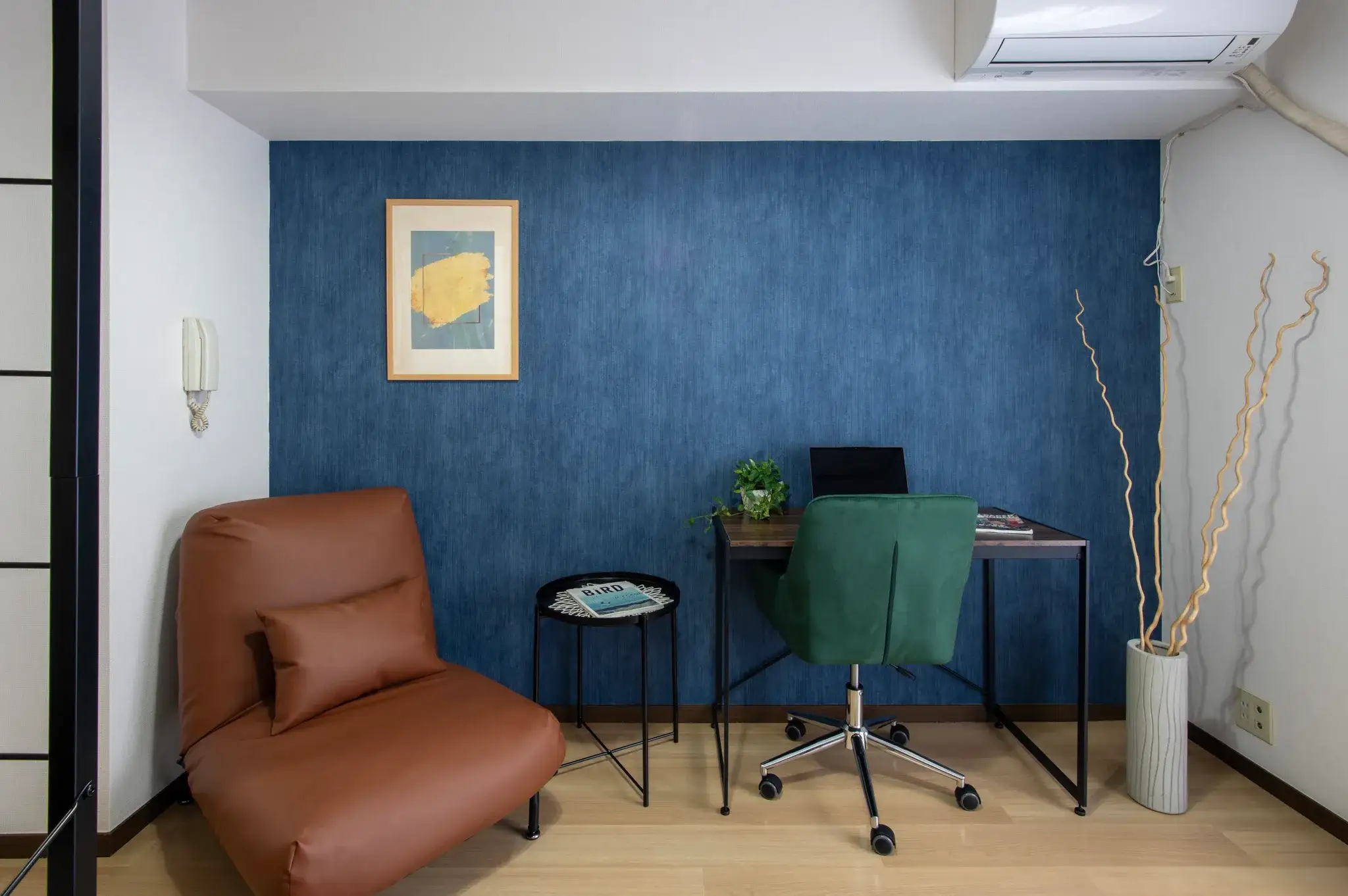 Có thể từ Dec 3, 2026
Căn hộ có đầy đủ nội thất tại Meguro
ML Meguro — 208
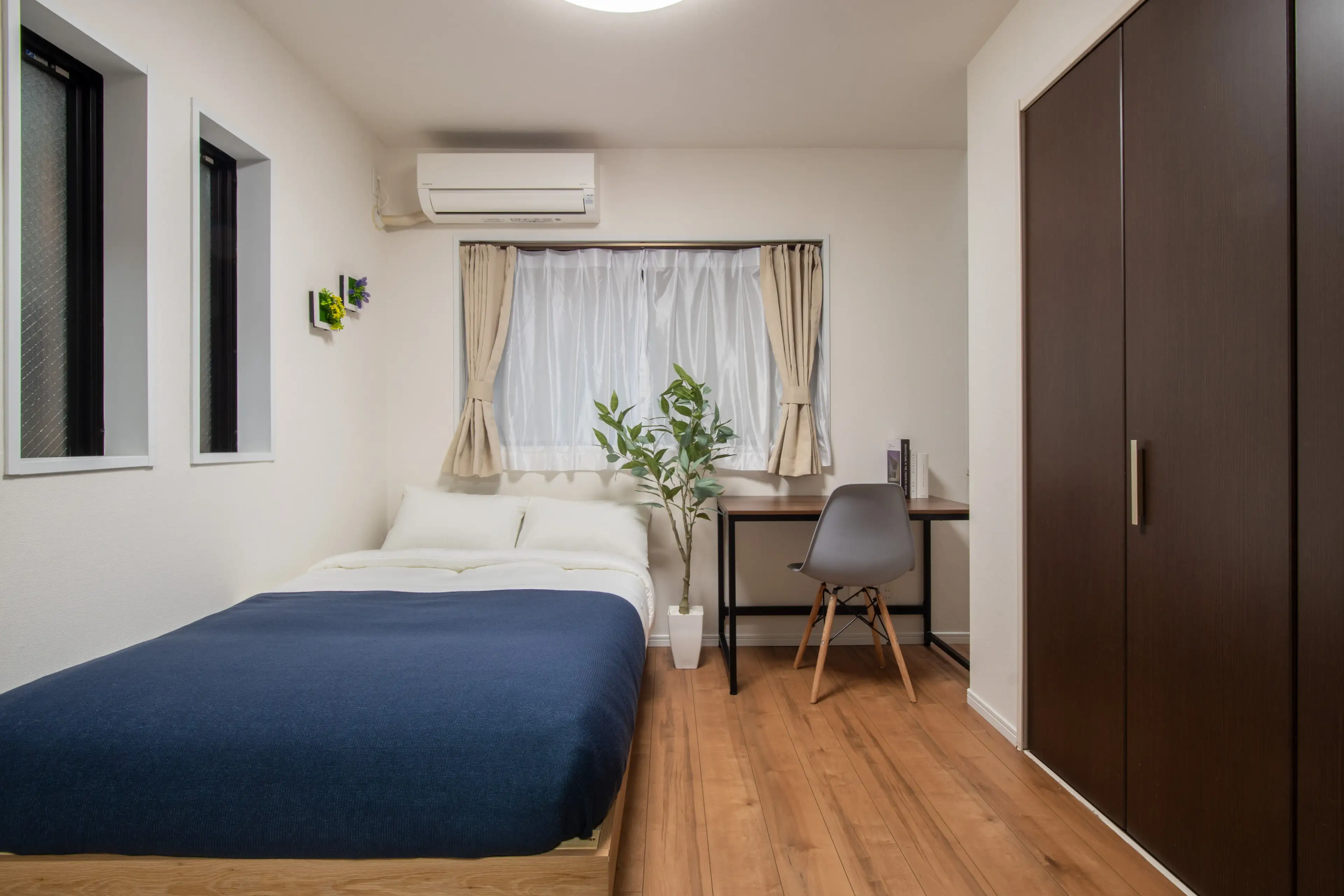 Có sẵn ngay
Căn hộ có đầy đủ nội thất tại Shinagawa
Beverly Homes Nishikoyama — 103