
Đón Tết ở Nhật Bản: Truyền thống, ẩm thực và những địa điểm mở cửa

Cách người Nhật ăn mừng Năm Mới — Và Tại Sao Nó Hoàn Toàn Không Giống Bạn Tưởng Tượng
Nếu bạn đang sống tại Tokyo và lần đầu tiên trải nghiệm những truyền thống Năm Mới của Nhật Bản, hãy sẵn sàng cho một điều bất ngờ. Năm Mới ở Nhật — được gọi là Oshogatsu (お正月) — hoàn toàn khác với những cuộc đếm ngược náo nhiệt, chứa đầy champagne mà bạn có thể quen thuộc ở quê hương. Nó yên tĩnh hơn, thiêng liêng hơn, và sâu sắc trong gia đình và sự suy ngẫm.
Lễ kỷ niệm kéo dài từ ngày 31 tháng 12 đến ngày 3 tháng 1, và đôi khi còn đến ngày 7 tháng 1. Hãy coi nó ít như một bữa tiệc hơn, mà nhiều hơn là một cuộc hành hương. Đường phố trở nên vắng vẻ, thành phố im lặng, và các gia đình tập hợp tại nhà. Đối với những người nước ngoài ở Tokyo, nó có thể cảm thấy khó hiểu — nhưng một khi bạn hiểu được điều gì đang xảy ra, nó sẽ trở thành một trong những trải nghiệm văn hóa tuyệt vời nhất mà Nhật Bản có thể mang lại.
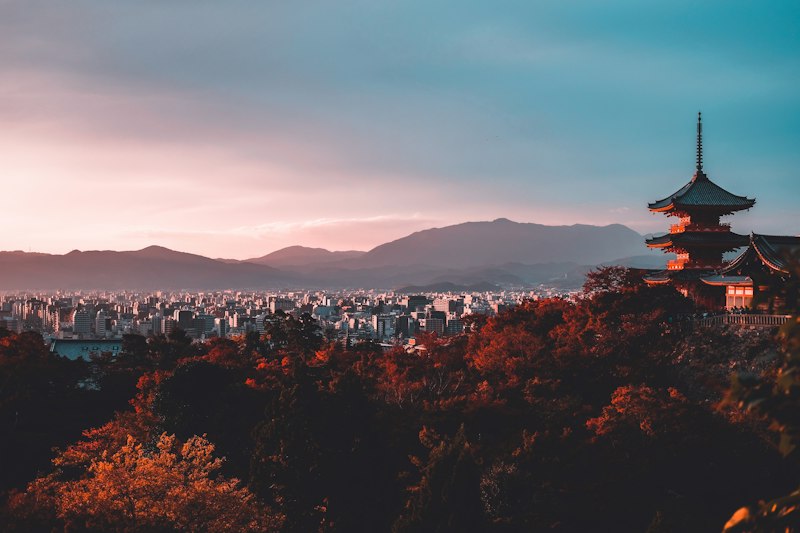
Sự chuyển tiếp từ năm cũ sang năm mới được đánh dấu lúc nửa đêm bằng tiếng chuông từ các ngôi đền — 108 lần, đại diện cho 108 những ham muốn con người trong giáo lý Phật giáo. Hãy theo dõi NHK vào ngày 31 tháng 12 hoặc đến gần một ngôi đền địa phương như Zojoji ở Shiba hoặc Sensoji ở Asakusa để nghe nó trực tiếp. Nó ám ảnh, tuyệt đẹp, và hoàn toàn không quên được.
Thực Phẩm: Osechi, Mochi & Toshikoshi Soba
Thực phẩm là trung tâm của Oshogatsu, và có ba món ăn mà mọi người nước ngoài ở Nhật Bản nên biết đến.
Toshikoshi Soba (年越しそば)
Vào tối ngày 31 tháng 12, người Nhật ăn toshikoshi soba — những sợi mì kiều mạch dài được coi là biểu tượng của một cuộc sống dài và sự tách biệt sạch sẽ khỏi năm cũ. Những sợi mì dài không nên cắt; việc hút chúng nguyên vẹn là truyền thống. Bạn sẽ tìm thấy toshikoshi soba tại hầu hết các cửa hàng tiện lợi, izakaya, và nhà hàng vào Tối Giao thừa. Một tô mì tại một tiệm soba địa phương thường có giá ¥500–¥1.000.
Osechi Ryori (おせち料理)
Osechi là bữa ăn truyền thống vào Năm Mới, được phục vụ trong những chiếc hộp sơn mài đẹp được gọi là jubako. Mỗi thứ đều có ý nghĩa tượng trưng — đậu đen (kuromame) cho sự chăm chỉ, trứng cá herring (kazunoko) cho tính sinh sản, và mứt hạt dẻ ngọt ngào (kuri kinton) cho sự thịnh vượng. Chuẩn bị osechi mất nhiều tuần, nhưng ngày nay hầu hết các gia đình mua các bộ làm sẵn từ các cửa hàng bán lẻ như Isetan hoặc Takashimaya — đôi khi đặt hàng trước nhiều tháng.
Nếu bạn muốn thử osechi mà không cần cam kết với một bộ hoàn chỉnh (có thể có giá ¥10.000–¥50.000), nhiều cửa hàng tiện lợi bán các mặt hàng riêng lẻ trong mùa lễ. 7-Eleven và Lawson thường cung cấp các mẫu osechi nhỏ với giá ¥500–¥1.500.
Mochi (餅)
Mochi — những cakes gạo dẻo được dùi — ở khắp nơi trong Năm Mới. Chúng xuất hiện trong súp ozoni (một món ăn theo vùng được ăn vào ngày 1 tháng 1) và như những món ăn nhẹ nướng đơn giản. Hãy cẩn thận khi ăn mochi: nó cực kỳ dẻo và có thể gây nguy hiểm ngạt, đặc biệt là đối với những người cao tuổi. Luôn cắt nó thành những mẩu nhỏ và nhai kỹ.
Mẹo: Hãy ghé thăm một depachika (sảnh thực phẩm tầng hầm của cửa hàng bán lẻ) vào khoảng ngày 28–30 tháng 12 để xem toàn bộ màn trình bày osechi. Isetan Shinjuku và Mitsukoshi Ginza có những bộ sưu tập tuyệt vời. Ngay cả khi bạn không mua, nó cũng là một bữa tiệc cho mắt — và bạn có thể nếm thử rất nhiều theo cách của mình.
Những Gì Mở Cửa và Những Gì Đóng Cửa Trong Năm Mới Ở Tokyo
Đây là phần thực tế mà mọi người nước ngoài cần biết. Câu trả lời ngắn gọn: lên kế hoạch trước. Kỳ nghỉ Năm Mới của Nhật Bản (khoảng 29 tháng 12 – 3 tháng 1) gây ra một cuộc tắt cửa lớn trên khắp thành phố.
Những Gì Thường Đóng Cửa
- Cơ quan chính phủ và ngân hàng (đóng cửa từ 31 tháng 12 – 3 tháng 1)
- Hầu hết các nhà hàng độc lập nhỏ và cửa hàng địa phương
- Nhiều phòng khám bác sĩ và phòng khám nha khoa
- Bưu điện (chỉ dịch vụ hạn chế)
- Một số phòng tập gym và trung tâm thể dục
Những Gì Vẫn Mở Cửa
- Cửa hàng tiện lợi (7-Eleven, Lawson, FamilyMart) — luôn mở, 24/7
- Các siêu thị lớn như Aeon và Summit (có thể có giờ mở cửa rút gọn)
- Các cửa hàng bán lẻ — hầu hết mở lại vào ngày 2 tháng 1 với các đợt giảm giá Năm Mới lớn (hatsu-uri)
- Các tuyến tàu và tàu điện ngầm — đang hoạt động, bao gồm dịch vụ qua đêm đặc biệt vào ngày 31 tháng 12
- Các đền và ngôi đền — không chỉ mở cửa, chúng còn chật cứng
- Các điểm tham quan du lịch lớn như teamLab, Tokyo Skytree, và các attractions ở Odaiba
- Các nhà hàng chuỗi — Yoshinoya, Sukiya, Matsuya, và hầu hết các chuỗi thức ăn nhanh vẫn mở cửa
Chú Ý: Dự trữ thực phẩm và các vật dụng thiết yếu trước ngày 28 tháng 12. Các cửa hàng tạp hóa địa phương và các cửa hàng nhỏ hơn có thể đóng cửa sớm hoặc hoàn toàn từ ngày 29 tháng 12. Nếu bạn ở trong một sharehouse hoặc căn hộ được cung cấp đầy đủ tiện nghi, hãy phối hợp với những người cùng sống về các vật dụng dùng chung — cửa hàng tiện lợi sẽ là bạn tốt nhất của bạn trong những ngày đầu tiên của tháng 1.
Hatsumode: Lần Thăm Đền Thờ Đầu Tiên Của Bạn Trong Năm Mới
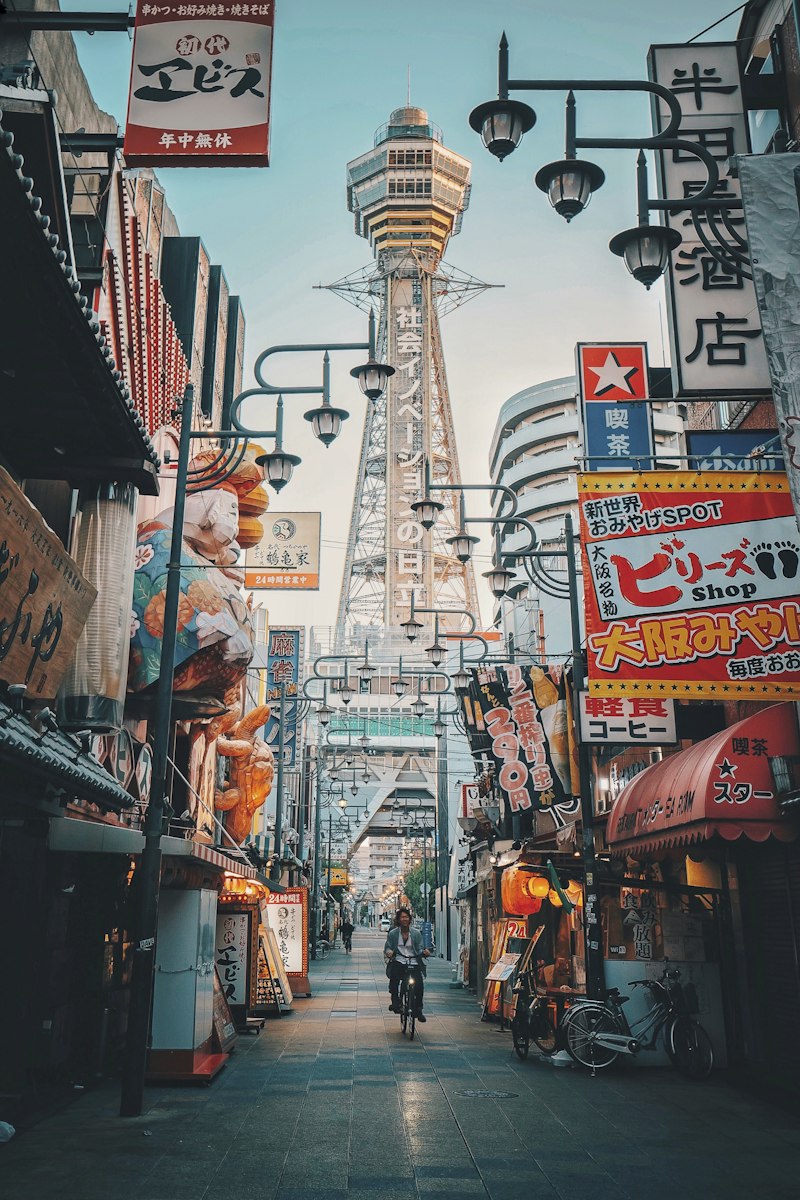
Hatsumode (初詣) — lần thăm đền hoặc ngôi đền đầu tiên của năm mới — là một trong những truyền thống Năm Mới của Nhật Bản quan trọng nhất, và một truyền thống mà những người nước ngoài được chào đón hoàn toàn tham gia. Mọi người thăm để cầu nguyện cho sức khỏe tốt, thành công, và hạnh phúc trong năm sắp tới. Khoảng 3 triệu người thăm các đền thờ hàng đầu của Tokyo trong ba ngày đầu tiên của tháng 1.
Hatsumode không chỉ là một hoạt động du lịch — nó là một khoảnh khắc yên tĩnh và cá nhân của hy vọng. Đứng trước một đền thờ vào rạng sáng ngày 1 tháng 1, được bao quanh bởi khói hương và tiếng chuông mềm, bạn sẽ cảm thấy có gì đó thay đổi bên trong bạn.
Những Địa Điểm Hatsumode Hàng Đầu Ở Tokyo
- Meiji Jingu (Harajuku) — Đền thờ được thăm nhiều nhất ở Nhật Bản, với hơn 3 triệu lượt khách trong ba ngày đầu tiên. Hãy chuẩn bị cho những hàng chờ dài nhưng không khí mạnh mẽ.
- Sensoji (Asakusa) — Ngôi đền nổi tiếng nhất của Tokyo, đặc biệt kỳ diệu với những chiếc lồng đèn Năm Mới và trang trí.
- Naritasan Shinshoji (Chiba) — Một chuyến đi ngắn từ Tokyo, ngôi đền này thu hút những đám đông khổng lồ và được biết đến với những phước lành về an toàn giao thông.
- Hie Jinja (Akasaka) — Một lựa chọn yên tĩnh nhưng đẹp hơn gần trung tâm Tokyo.
- Kanda Myojin (Akihabara) — Được yêu thích bởi những người làm việc trong lĩnh vực công nghệ và những người hâm mộ anime, với không khí sôi động và chào đón.
Những Gì Cần Làm Tại Đền Thờ
- Làm sạch tay của bạn tại temizuya (bồn nước) — rửa tay trái, sau đó tay phải, sau đó rửa miệng
- Đi bộ đến hội trường chính và ném một đồng tiền vào hộp cúng (bất kỳ số tiền nào cũng được)
- Cúi hai lần, vỗ tay hai lần, đưa ra lời cầu nguyện hoặc cầu khấn của bạn, sau đó cúi một lần nữa
- Cân nhắc mua một omamori (talisman phước lành) hoặc omikuji (lá số phúc)
Nếu số phúc của bạn xấu (kyo), hãy buộc nó vào giá đã định sẵn tại đền thờ — bạn để lại sự xui xẻo. Nếu nó tốt, bạn có thể giữ nó hoặc buộc nó lên cũng được.
Những Sự Kiện Năm Mới Ở Tokyo Đáng Xem
Mặc dù có cuộc tắt cửa trong kỳ nghỉ, Tokyo vẫn còn rất nhiều điều để trải nghiệm trong thời kỳ Năm Mới. Dưới đây là những điểm nổi bật.
Những Sự Kiện Đếm Ngược Giao Thừa Năm Mới
Tokyo không có pháo hoa vào nửa đêm theo quy mô lớn (không giống Sydney hoặc New York), nhưng vẫn có một vài địa điểm đáng ghé thăm. Shibuya Crossing thu hút những đám đông lớn và có không khí đếm ngược. Các câu lạc bộ Roppongi tổ chức các bữa tiệc đếm ngược có vé. Tokyo Disneyland và DisneySea cũng chạy các sự kiện Giao Thừa Năm Mới đặc biệt.
Hatsu-uri (Giảm Giá Năm Mới)
Các cửa hàng bán lẻ mở cửa vào ngày 2 tháng 1 với hatsu-uri — đợt bán hàng đầu tiên của năm. Fukubukuro (túi may mắn) nổi tiếng là điểm thu hút lớn: những chiếc túi được dán kín chứa đầy hàng hóa được bán với giá rẻ hơn rất nhiều so với giá bán lẻ. Bạn không biết chính xác bên trong là gì, nhưng giá trị thường rất xuất sắc. Các thương hiệu phổ biến như Uniqlo, Muji, và Apple bán hết fukubukuro của họ trong vòng vài giờ, vì vậy hãy đến sớm.
Dezomeshiki (ngày 6 tháng 1)
Vào ngày 6 tháng 1, Sở Cảnh sát Phòng chữa cháy Tokyo tổ chức Dezomeshiki — một cuộc diễu hành Năm Mới ngoạn mục và một buổi biểu diễn chữa cháy tại Tokyo Big Sight ở Odaiba. Các lính cứu hỏa mặc quần áo theo phong cách thời kỳ Edo thực hiện những động tác nhào lộn ngoạn mục trên đỉnh thang. Nó miễn phí để xem và thực sự ấn tượng.

Hướng Dẫn Oshogatsu Cho Người Nước Ngoài: Sống Sót Trong Kỳ Nghỉ Một Mình
Hãy thực sự: nếu bạn là một người nước ngoài ở Tokyo mà không có gia đình gần đó, Năm Mới có thể cảm thấy cô đơn. Thành phố trở nên yên tĩnh, những người bạn Nhật của bạn về nhà với gia đình, và đột nhiên Tokyo — thường sôi động — cảm thấy như một thành phố ma. Bạn không phải là người duy nhất cảm thấy theo cách này.
Những Mẹo Thực Tế Cho Một Năm Mới Đơn Độc Ở Tokyo
- Tham gia một nhóm hatsumode — Kiểm tra các nhóm Facebook như "Người Nước Ngoài Ở Tokyo" hoặc Meetup.com để tìm các chuyến thăm đền thờ được tổ chức vào Năm Mới. Nhiều cộng đồng quốc tế tổ chức các chuyến đi nhóm.
- Đi đến một hostel hoặc quán bar quốc tế — Những nơi như Nui. Hostel & Bar Lounge ở Asakusa hoặc các quán bar ở Roppongi và Shibuya phục vụ những đám đông quốc tế vào Giao Thừa Năm Mới.
- Xem Chương Trình NHK Kohaku — Đây là chương trình âm nhạc cuối năm huyền thoại của Nhật Bản, được phát sóng từ 7:15pm vào ngày 31 tháng 12. Nó ở trên mọi TV ở Nhật Bản. Ngay cả khi bạn không biết các nghệ sĩ, nó là một cửa sổ văn hóa hấp dẫn.
- Đi bộ qua thành phố yên tĩnh — Thành thật mà nói, một cuộc đi bộ qua các con đường Tokyo trống vắng vào sáng ngày 1 tháng 1 là điều gì đó kỳ diệu. Lấy một cốc cà phê cửa hàng tiện lợi và lang thang qua Ginza, Marunouchi, hoặc khu phố địa phương của bạn.
- Nấu cơm với những người cùng sống — Nếu bạn sống trong một sharehouse, Năm Mới là một cơ hội tuyệt vời để nấu cơm cùng nhau. Mua các nguyên liệu osechi hoặc thử nấu súp ozoni như một nhóm.
Sống trong một sharehouse trong Oshogatsu có một lợi thế thực sự: bạn không bao giờ hoàn toàn một mình. Bếp chung trở thành một nơi tập hợp, và bạn thường sẽ thấy rằng những người cùng sống từ nước ngoài tạo ra truyền thống Năm Mới của riêng họ — một sự pha trộn của nền tảng của mọi người, với thức ăn Nhật Bản và một cuộc đếm ngược bằng bốn thứ tiếng khác nhau.
Suy Nghĩ Cuối Cùng: Hãy Chấp Nhận Sự Kỳ Diệu Yên Tĩnh Của Năm Mới Nhật Bản
Oshogatsu sẽ không khớp với Năm Mới mà bạn quen thuộc — và đó chính xác là vấn đề. Nó sẽ chậm hơn, suy ngẫm hơn, và đáng kinh ngạc. Cho dù bạn ở tại một đền thờ được chiếu sáng bởi ánh trăng vào nửa đêm, hút toshikoshi soba một mình trong căn hộ của bạn, hoặc tham gia hàng chờ túi may mắn lúc 6 sáng ngoài Uniqlo, bạn đang tham gia vào một cái gì đó đã định hình Nhật Bản trong nhiều thế kỷ.
Nếu bạn là người mới đến Tokyo và muốn trải nghiệm những truyền thống Năm Mới của Nhật Bản từ một cơ sở thoải mái, các căn hộ được cung cấp đầy đủ tiện nghi và sharehouses của Modern Living Tokyo đặt bạn ngay giữa tất cả — thường trong khoảng cách đi bộ đến các đền thờ, tuyến tàu, và các tiệm soba địa phương đã phục vụ những sợi toshikoshi trong nhiều thế hệ. Không có nơi nào tốt hơn để chào đón Năm Mới của Nhật Bản từ một ngôi nhà có vẻ như một ngôi nhà.
Akemashite omedetou gozaimasu — Chúc Mừng Năm Mới!

Modern Living Tokyo
Bài Viết Liên Quan
 Culture
Học nấu ăn Nhật Bản ở Tokyo: Các lớp học & trường nấu ăn chuyên nghiệp
Từ các workshop sushi một ngày đến những trường nấu ăn chuyên nghiệp, khám phá những lớp học nấu ăn Nhật Bản tốt nhất ở Tokyo dành cho người nước ngoài — với thông tin về chi phí, địa điểm...
 Modern Living TokyoĐọc thêm →
 Culture
Chia tiền ăn uống tại Nhật Bản: Những quy tắc Warikan mà người nước ngoài thường hiểu sai
Warikan không chỉ đơn thuần là chia đều hoá đơn — tìm hiểu những quy tắc ngầm, động học giữa senpai và kōhai, cùng các ứng dụng mà người địa phương thực sự sử dụng.
Modern Living TokyoĐọc thêm → Culture
Những Quy Tắc Ph礼節 Nhật Bản 101: Điều Người Nước Ngoài Thường Phạm Phải
Những quy tắc xã hội ở Nhật Bản mà bạn có thể đang phạm phải mà không hề biết — từ việc cởi giày ở cửa cho đến cách hiểu đúng những khoảng lặng. Hướng dẫn thực tế dành cho những người nước ngoài sống tại Tokyo.
Modern Living TokyoĐọc thêm →Bất động sản nổi bật
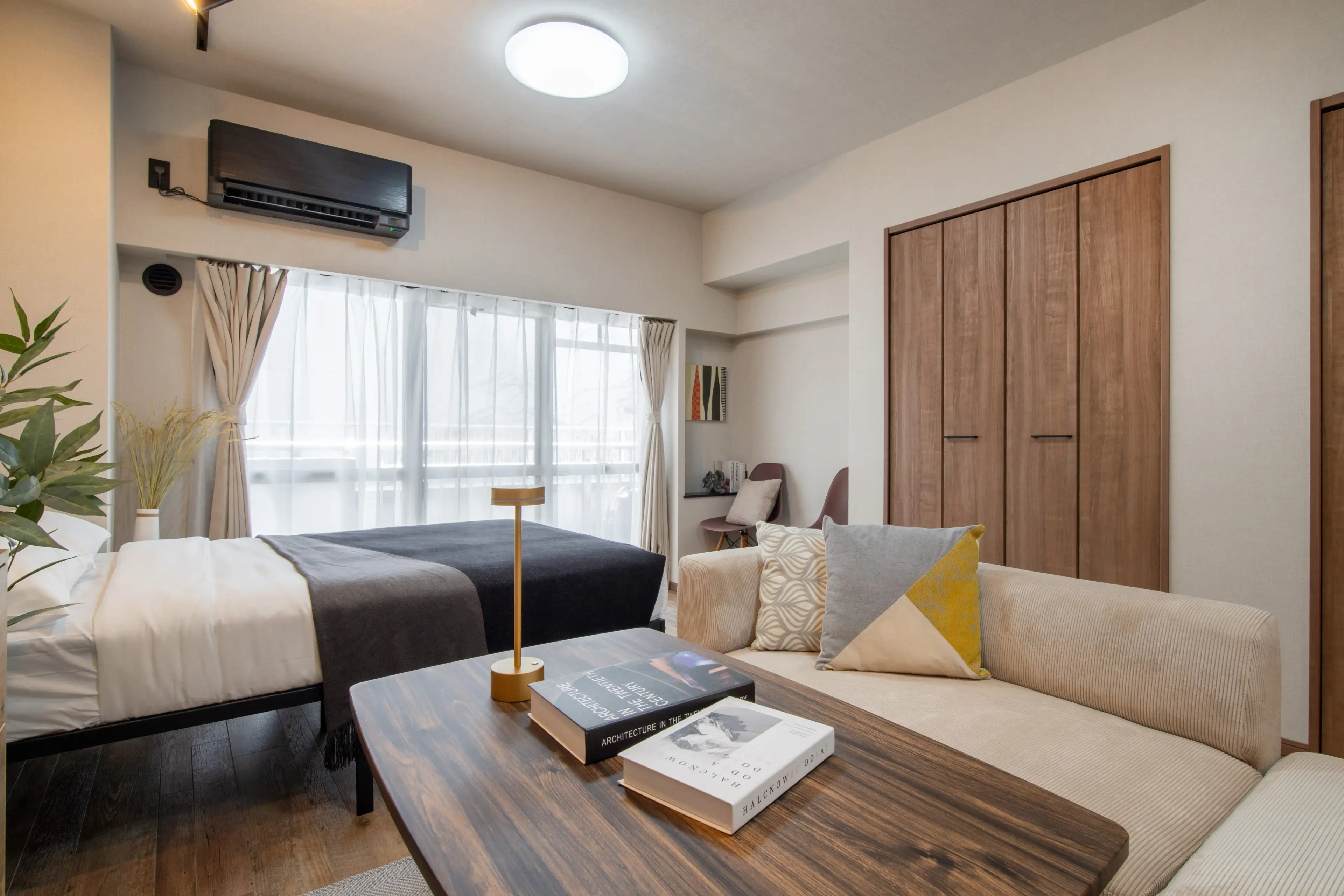 Đã có người ở
Fully Furnished Apartment 20 Min to Takadanobaba
Iidabashi High Town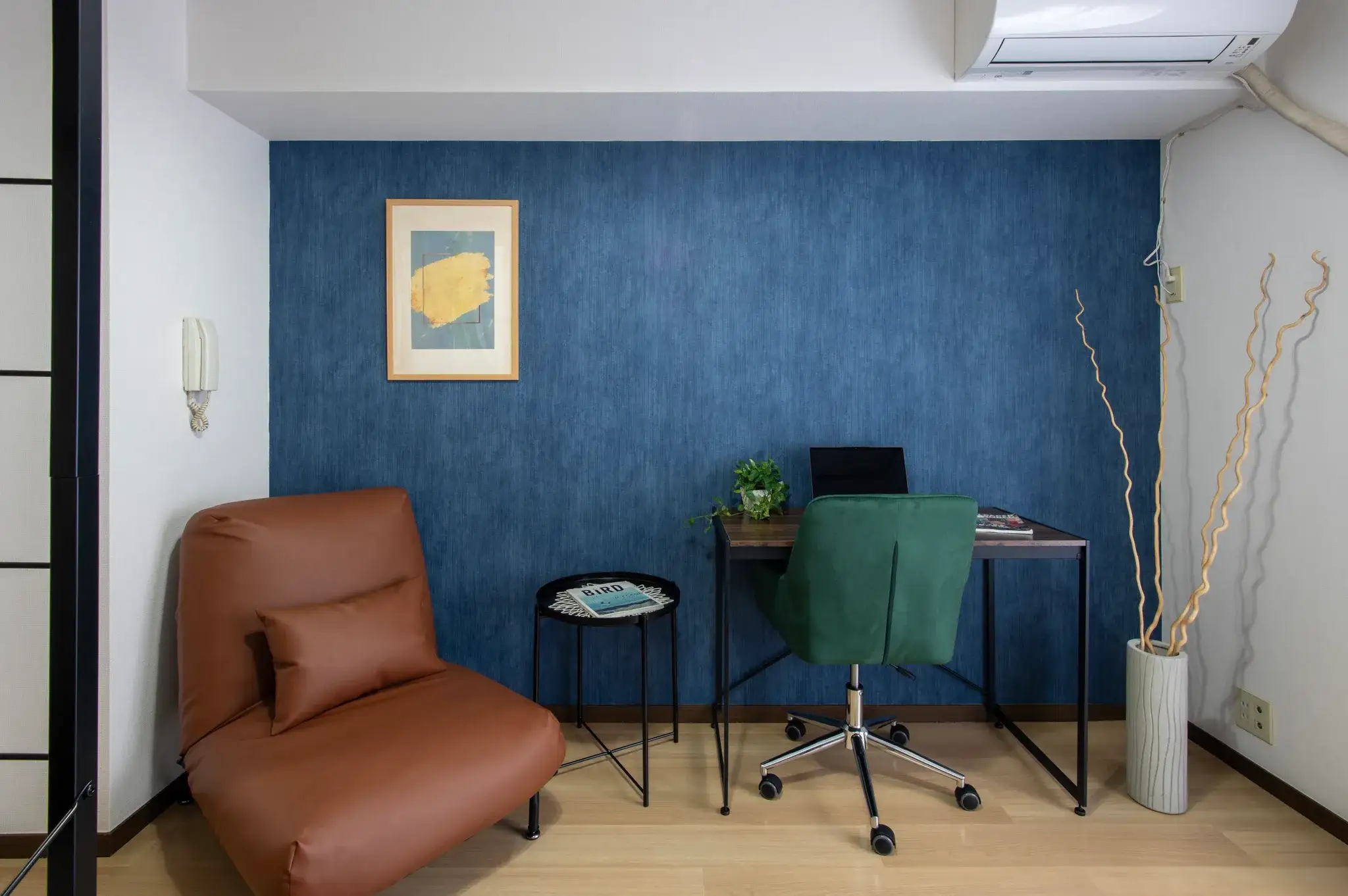 Có thể từ Dec 3, 2026
Căn hộ có đầy đủ nội thất tại Meguro
ML Meguro — 208
 Có sẵn ngay
Căn hộ có đầy đủ nội thất tại Shinagawa
Beverly Homes Nishikoyama — 103