2026年日本签证新政:外国居民必知要点
If you're planning to live and work in Japan, the Japan visa 2026 changes are about to reshape your immigration journey. Starting in early 2026, the Japanese government is implementing significant policy updates that affect business visa holders, permanent residents, students transitioning to work visas, and nearly every category of foreign resident. Whether you're already living in Tokyo or planning your move, understanding these changes now will save you time, money, and potential visa complications down the road.
Major Visa Policy Changes in 2026: What's Different Now
The Japanese immigration system is undergoing its most substantial revision in over a decade. These changes aren't minor tweaks—they represent a fundamental shift in how Japan approaches foreign residency, with stricter requirements balanced by some streamlined processes for qualified applicants.
The Ministry of Justice announced these updates in late 2025, with most taking effect between January and April 2026. The timing is critical because many changes include transition periods that expire quickly, leaving little room for delays or mistakes.
Here's what's changing across the board:
- Higher capital requirements for business visas
- Mandatory Japanese language testing for several visa categories
- Stricter compliance monitoring for permanent residents
- New deadlines for student visa transitions
- Increased application fees and longer processing times
- Enhanced documentation requirements for residence renewals
Business Manager Visa: New ¥30M Capital Requirement & Language Tests
The Business Manager visa has been one of the most popular paths for entrepreneurs and small business owners wanting to establish themselves in Japan. The 2026 changes make this significantly more challenging—but not impossible if you plan carefully.
Capital Investment Jump from ¥5M to ¥30M
The most dramatic change is the capital requirement increase. Previously, you needed ¥5 million (approximately $33,000) in registered capital to qualify for a Business Manager visa. Starting April 2026, this jumps to ¥30 million (around $200,000).
This sixfold increase aims to attract more substantial foreign investment and reduce cases of minimal-viability businesses that existed primarily for visa purposes. The government argues this aligns Japan with other developed nations' business immigration standards.
Heads Up: If you already hold a Business Manager visa issued before April 2026, you're grandfathered in at the old ¥5M requirement—but only for your current visa period. Renewals may face the new standard depending on your business performance.
Mandatory Japanese Language Proficiency
Starting January 2026, new Business Manager visa applicants must demonstrate N3-level Japanese proficiency or higher on the Japanese Language Proficiency Test (JLPT). This is intermediate-level fluency—you should be able to handle everyday business conversations and read basic contracts.
The reasoning is practical: running a business in Japan requires communication with government offices, banks, suppliers, and employees. The immigration bureau wants to ensure business owners can operate independently without constant translation support.
There are limited exceptions for applicants in certain tech sectors or those hiring full-time Japanese-speaking management staff, but these require additional documentation and approval.
Permanent Residency Updates: Stricter Compliance & Revocation Rules
Permanent residency in Japan has traditionally been viewed as the gold standard—once obtained, you could stay indefinitely with minimal restrictions. The 2026 updates add teeth to compliance monitoring that were previously more theoretical than practical.
Permanent residency is no longer a 'set it and forget it' status—active compliance monitoring means residents must maintain their qualifying conditions throughout their stay.
Enhanced Annual Reporting Requirements
Starting March 2026, permanent residents must submit annual status reports to immigration. This includes proof of residence, employment verification (or proof of sufficient savings), tax payment records, and pension contribution documentation.
This isn't just bureaucratic paperwork—failure to submit these reports on time can trigger a compliance review. The government estimates these reviews will take 2-3 months and may require in-person interviews.
New Revocation Criteria
The updated rules make permanent residency revocable under expanded circumstances:
- Extended unemployment (more than 6 months without documented job search efforts)
- Tax payment delinquency exceeding ¥500,000
- Residing outside Japan for more than 180 days without prior notification
- Criminal convictions, including traffic violations resulting in license suspension
- False information discovered in the original permanent residency application
These rules apply to permanent residency granted before 2026 as well—this isn't just for new applicants.
Pro Tip: Set up a dedicated folder (physical or digital) for all your permanent residency documentation now. Include tax receipts, pension payment records, employment contracts, and residence certificates. Having everything organized will make annual reporting stress-free.
Student-to-Work Visa Transitions: Critical January 2026 Deadline
For the thousands of international students graduating from Japanese universities each year, the student visa graduation transition process is undergoing significant changes that could affect your ability to work in Japan after graduation.
The January 2026 Application Window
Historically, students could apply for a work visa change after receiving a job offer, with applications processed on a rolling basis. Starting January 2026, there's a specific application window: students graduating in March 2026 must submit their status change applications between January 15 and February 15, 2026.
This compressed timeline creates a domino effect—you need your job offer, employment contract, and all supporting documentation ready nearly two months before graduation. Companies hiring foreign graduates must also adapt their recruitment timelines accordingly.
Enhanced Employment Verification
The work visa approval process now includes verification that your position matches your field of study. Immigration will scrutinize whether a computer science graduate is actually doing computer science work, not general administrative tasks that don't require university-level education.
Salary requirements have also been formalized: minimum ¥230,000 monthly for entry-level positions in Tokyo, ¥200,000 in other major cities. These aren't suggestions—applications below these thresholds face near-automatic rejection unless the company can demonstrate exceptional circumstances.
Designated Activities Visa Changes
The "Designated Activities" visa that allowed graduates up to one year for job hunting has been reduced to six months, with stricter requirements for extension. You must prove active job search efforts—interview records, application logs, and participation in career events—to qualify for the full six months or any extension.
Immigration Fee Increases & Longer Processing Times
Beyond policy changes, there are practical impacts on your wallet and schedule. Immigration processing fees are increasing across the board, effective February 2026:
- New visa applications: ¥6,000 → ¥9,000
- Status change applications: ¥4,000 → ¥7,000
- Visa renewals: ¥4,000 → ¥6,500
- Permanent residency applications: ¥8,000 → ¥15,000
- Re-entry permit (single): ¥3,000 → ¥4,500
- Re-entry permit (multiple): ¥6,000 → ¥9,000
Processing times are also extending due to the enhanced verification procedures. What previously took 2-4 weeks now averages 6-8 weeks for standard applications. Permanent residency applications, which already took 4-6 months, may now extend to 8-10 months.
Good to Know: The immigration bureau recommends submitting renewal applications at least three months before your current visa expires, up from the previous two-month guideline. This buffer helps ensure you're not left in visa limbo while awaiting approval.
How These Changes Affect Your Housing Search in Tokyo
These visa changes have direct implications for finding and maintaining housing in Tokyo. Traditional Japanese apartment rentals require visa documentation, and landlords are becoming increasingly cautious about visa expiration dates and application-in-process situations.
Timing Your Move with Visa Transitions
With longer processing times, the gap between applying for a visa change and receiving approval widens. Most landlords won't sign a lease agreement until you have an approved visa in hand, creating a chicken-and-egg problem: you need housing to support your visa application, but you need visa approval to secure housing.
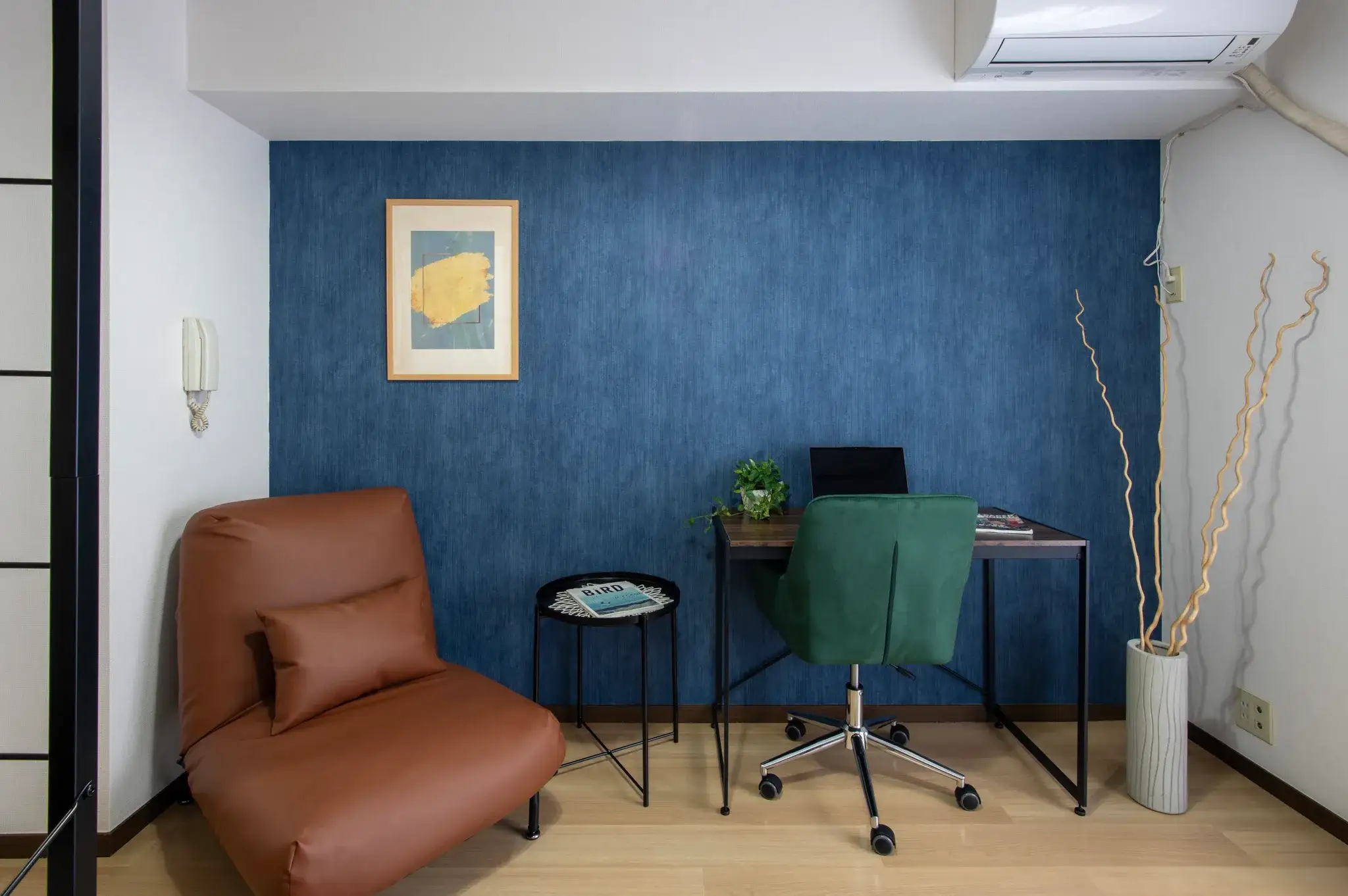
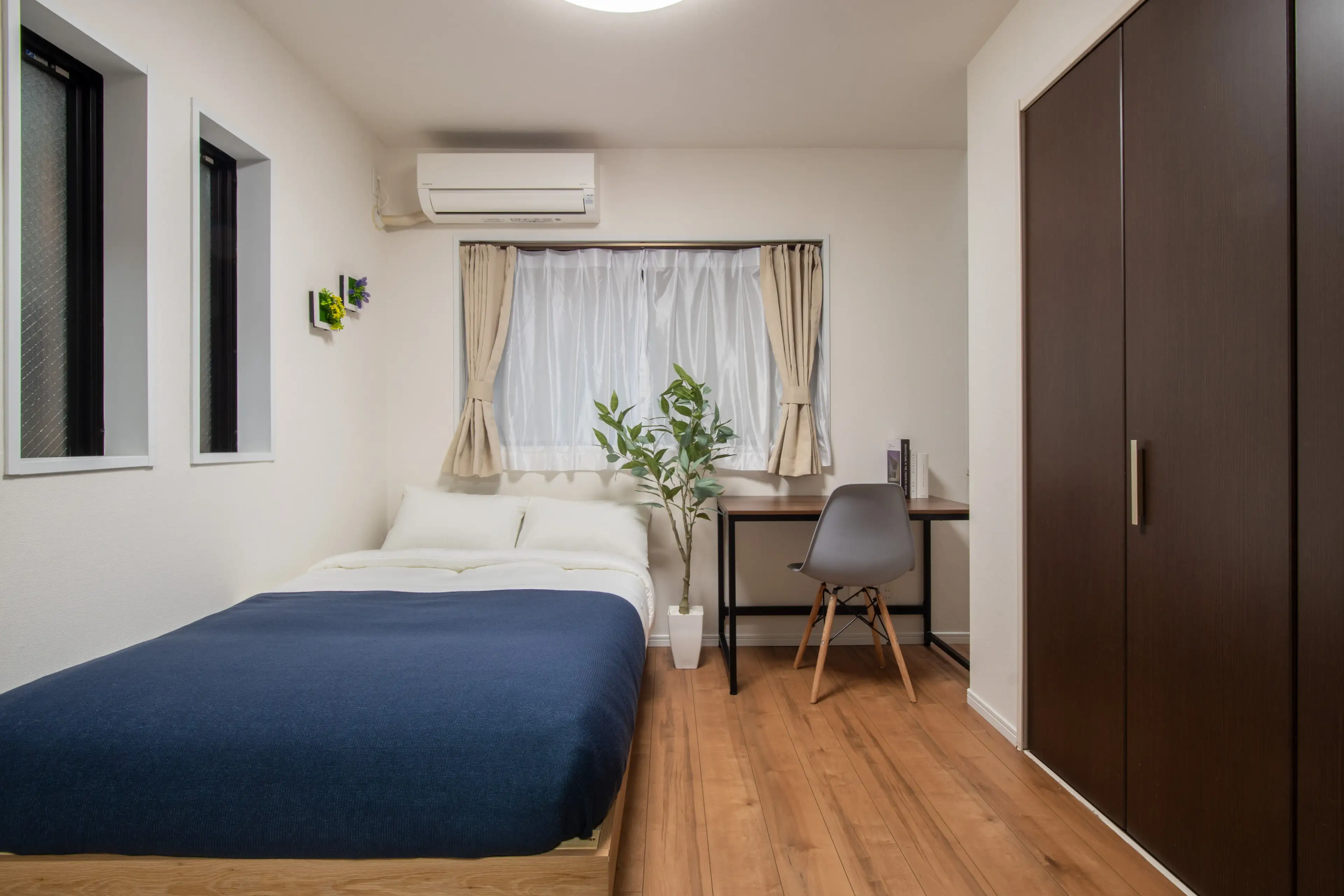
This is where furnished apartments and sharehouses designed for international residents become particularly valuable. These housing options typically offer:
- Flexible lease terms (month-to-month or 3-6 month minimum instead of 2-year contracts)
- Acceptance of residents during visa application periods
- Shorter move-in timelines (often within days instead of weeks)
- English-language support throughout the rental process
- No key money or renewal fees—just upfront costs that actually make sense
Budgeting for Visa-Related Housing Gaps
If you're a student transitioning to a work visa or changing employers, you may face housing continuity challenges. Traditional leases require renewal 2-3 months before expiration, but your new visa may still be processing at that point.
Having a housing solution that accommodates visa transitions—without forcing you into long-term commitments during uncertain periods—provides both practical security and peace of mind. Many foreign residents use furnished apartments as their landing pad when first arriving or during visa status changes, then transition to traditional apartments once their visa situation stabilizes.
Preparing for 2026: Action Steps to Take Now
Don't wait until these changes take effect to get your documentation in order. Here's what you should do before the 2026 deadlines hit:
- Review your current visa status and expiration date—mark renewal deadlines on your calendar with 3-month advance warnings
- Gather all required documentation now: tax records, pension payments, employment contracts, residence certificates
- If you're on a Business Manager visa, assess whether your business meets the new capital requirements or if you qualify for grandfather provisions
- Students graduating in 2026: confirm your employment contract meets the new salary minimums and application timeline requirements
- Permanent residents: set up a system for tracking annual reporting requirements and maintaining compliant documentation
- Consider housing flexibility—if your lease expires around the time of visa transitions, explore options that accommodate processing delays
The Japan visa 2026 changes represent a significant shift toward stricter compliance and higher barriers to entry, but they also bring more transparency to the immigration process. Understanding these changes early and planning accordingly will help you navigate the new system successfully.
Whether you're establishing a business, pursuing permanent residency, or transitioning from student to worker status, staying informed and organized will make the difference between a smooth visa process and unnecessary complications. And when it comes to housing during these transitions, having flexible options that understand the realities of immigration timelines can provide the stability you need while everything else is in flux.