
Resident Types Modern Living Tokyo Team2026年5月29日阅读约需 6 分钟
Furnished Apartments in Tokyo for Digital Nomads, Expats & Remote Workers
# Furnished Apartments in Tokyo for Digital Nomads, Expats & Remote Workers
If you work online from Tokyo — whether a 3-month nomad sprint, a 2-year corporate transfer, or a permanent remote role — your apartment needs are different from a vacation rental or a typical Japanese tenant's. This guide covers what actually matters for remote workers in Tokyo: **Wi-Fi reliability, workspace ergonomics, time-zone-friendly neighborhoods, and visa logistics**.
For the full anchor reference, see our [Tokyo furnished apartments guide](/furnished-apartments-tokyo).
## What's the single most important thing in a remote-work Tokyo apartment?
**Reliable, fast Wi-Fi.** Not "Wi-Fi included" — actually fast (100Mbps+ down, low latency to your video-call platform), private (not shared building Wi-Fi), and stable (no daily drops).
Tokyo has the infrastructure for this — Japan is among the world's top countries for residential broadband — but **furnished apartment operators vary wildly** in what they actually deliver. Common gotchas:
- "Free building Wi-Fi" shared across 50 units — fine for browsing, terrible for Zoom
- "Included Wi-Fi" capped at 30Mbps — not enough for video calls + cloud sync simultaneously
- "Wi-Fi setup pending" — you arrive and discover it takes 2 weeks to install
Modern Living Tokyo: **100Mbps+ private fiber Wi-Fi live from day one**, in every unit. Some premium units have 1Gbps. No setup time, no shared limits.
## What about the actual workspace?
Most Tokyo apartments are small (15-30m²) and designed for sleeping/dining, not working. As a remote worker, prioritize units with:
- **A real desk** (not a coffee table) — at least 60cm × 40cm of horizontal surface
- **A real chair** (not a low stool) — back support matters for 8-hour workdays
- **Natural light** — Tokyo apartments vary wildly; north-facing rooms are dim, south-facing are bright. Confirm orientation on the listing.
- **Sound-friendly placement** — desks against thin walls = video calls heard by neighbors. Desks in interior corners are better.
- **Outlets near the desk** — older buildings have only 1-2 outlets per wall
Modern Living Tokyo's units are tagged with workspace-friendly designations. For serious remote work, look for our 1LDK units — the LDK (Living-Dining-Kitchen) layout has space for a real desk separate from your bedroom.
## Which Tokyo neighborhoods are best for digital nomads?
Three factors matter for nomads:
1. **Coworking density** (for café-with-Wi-Fi days)
2. **Time-zone-friendly café opening hours** (early or late)
3. **International community + English-friendly services**
Top picks:
- **Meguro / Naka-Meguro** — laptop-friendly café culture, beautiful neighborhood, strong creative-class community. ¥110,000-¥180,000 for a 1K.
- **Shibuya** — densest coworking + cafés in Tokyo. Higher cost (¥130,000-¥220,000) but you can walk to 50+ work spots.
- **Setagaya (Sangenjaya, Shimokitazawa)** — quieter residential with strong café scene. Better value (¥90,000-¥150,000), 5-min train to Shibuya.
- **Asakusa / Sumida** — for nomads who want "old Tokyo" character. Lower cost (¥75,000-¥120,000), more independent cafés, fewer multinational chains.
See our full [best Tokyo neighborhoods for furnished apartments](/blog/best-tokyo-neighborhoods-furnished-apartments) guide for the broader ranking.
## What about visa considerations for digital nomads in Tokyo?
Japan launched its **Digital Nomad Visa in March 2024**, valid for 6 months for citizens of 50+ countries who earn ¥10M+ annually. This visa lets you legally live in Tokyo while working remotely for a non-Japanese employer.
For shorter stays:
- **Tourist visa (90 days, visa-free for 70+ countries)** — legal for personal stays; technically you shouldn't be doing paid work, but enforcement on remote workers is minimal in practice
- **Working holiday visa** — for citizens of 30+ countries aged 18-30, allows 1 year of residence + work in Japan
- **Specified visa types** — student, working, dependent, etc., each with their own rules
Modern Living Tokyo accepts residents on **all valid Japan visa types** including tourist visa, with no minimum visa duration required.
## What about time-zone considerations?
If you work for a US East Coast team, Japan is 13-14 hours ahead. That typically means:
- **Daily standups at 10pm-11pm JST** (9am-10am EST)
- **Async work during your Tokyo daytime**, when US colleagues are asleep
- **Sleep schedule pushed 1-2 hours later than normal** to accommodate evening meetings
If you'll be on calls at night, prioritize:
- **A quiet building** — avoid party districts (Roppongi, Shibuya proper) for sleeping during the day
- **Blackout curtains** — most Modern Living Tokyo units include these, but verify
- **Decent soundproofing** — older wooden buildings carry more sound; concrete/brick is better
For West Coast US or European teams, the time difference is less extreme. UK is 9 hours ahead of Tokyo (8 in summer), so morning Tokyo calls hit late-evening UK.
## How long do digital nomads typically stay in Tokyo?
Real data from Modern Living Tokyo bookings (2024-2026):
- **30%** stay 1-3 months (sprint nomads, "try Japan" stays)
- **40%** stay 3-6 months (Digital Nomad Visa holders, project-based contracts)
- **20%** stay 6-12 months (extended Japan immersion, language learning)
- **10%** stay 12+ months and often transition to long-term residency
The most common pattern: **book a 1-3 month stay initially**, then extend month-by-month if you love it (which most do). Our extension process is just a message — same rate, same unit, no re-paperwork.
## What about coworking memberships?
Tokyo has dozens of coworking spaces. Popular for international remote workers:
- **WeWork** (10+ locations in central Tokyo) — ¥35,000-¥80,000/month
- **Mistletoe / Shibuya** — startup-focused, ¥30,000-¥50,000/month
- **The Square** (Roppongi) — premium serviced offices
- **And so**, **EngineerCafe** — smaller indie options, ¥10,000-¥25,000/month
Many of our residents skip a coworking membership entirely — Tokyo's café density and reliable in-apartment Wi-Fi make working from home / cafés perfectly viable. Try it for the first 2-4 weeks before committing to a coworking subscription.
## Related guides
- **Anchor:** [Furnished apartments in Tokyo — full guide](/furnished-apartments-tokyo)
- [Best Tokyo neighborhoods for furnished apartments](/blog/best-tokyo-neighborhoods-furnished-apartments)
- [How fast can you move in?](/blog/how-fast-move-in-furnished-apartment-tokyo)
- [What's included in a Tokyo furnished apartment?](/blog/whats-included-tokyo-furnished-apartment)
## Ready to set up your Tokyo workspace?
[Browse Modern Living Tokyo's 300+ furnished apartments](/furnished-apartments-tokyo) — 100Mbps+ Wi-Fi in every unit, real desks, move in within 24 hours, no Japanese paperwork.
Modern Living Tokyo Team
相关文章
 Lifestyle
在东京练习武术:外国人道场与训练完全指南
专为外国人打造的东京武术训练实用指南——涵盖顶级道场、费用详解、礼仪规范、签证选择以及最适合习武者的居住地区推荐。
 Modern Living Tokyo阅读更多 →
 Culture
在东京学习日本料理:烹饪课程与美食学校指南
从单日寿司工坊到专业烹饪学校,探索东京为外国人提供的最佳日本料理课程——包括费用、地点等详细信息...
Modern Living Tokyo阅读更多 → Lifestyle
作为音乐人移居东京:演出、器材与音乐社群
东京拥有深厚而充满热情的音乐现场文化,对做好准备的外籍音乐人敞开大门。了解如何在日本的音乐之都寻找演出机会、获取专业器材,以及融入本地音乐社群……
Modern Living Tokyo阅读更多 →精选房源
 已入住
已入住1/6
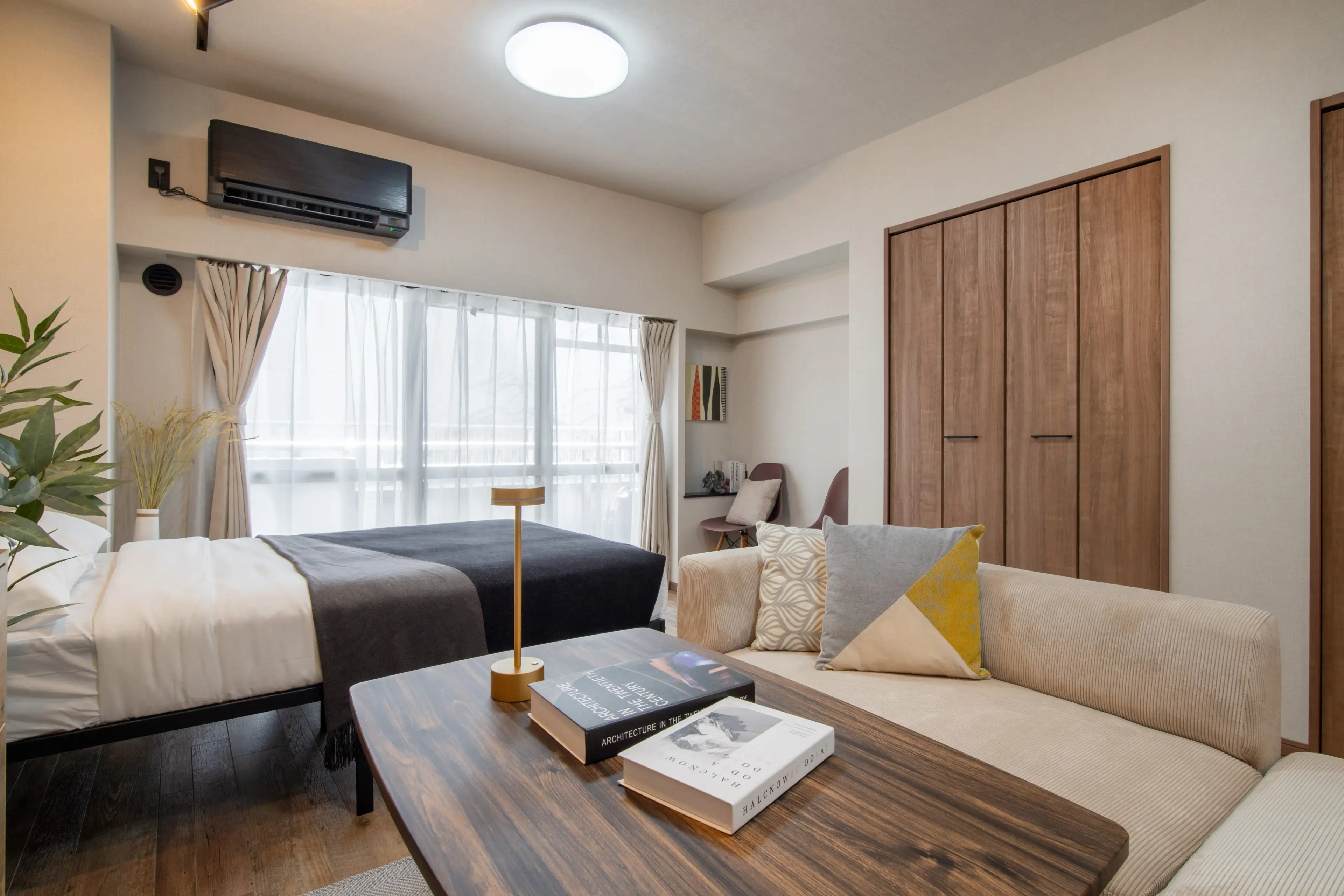
Fully Furnished Apartment 20 Min to Takadanobaba
Iidabashi High Town — 飯田橋高层住宅¥180,000 /月
无线网络吹风机洗衣机
1K 32m²
 Dec 7, 2026起可入住
1/10
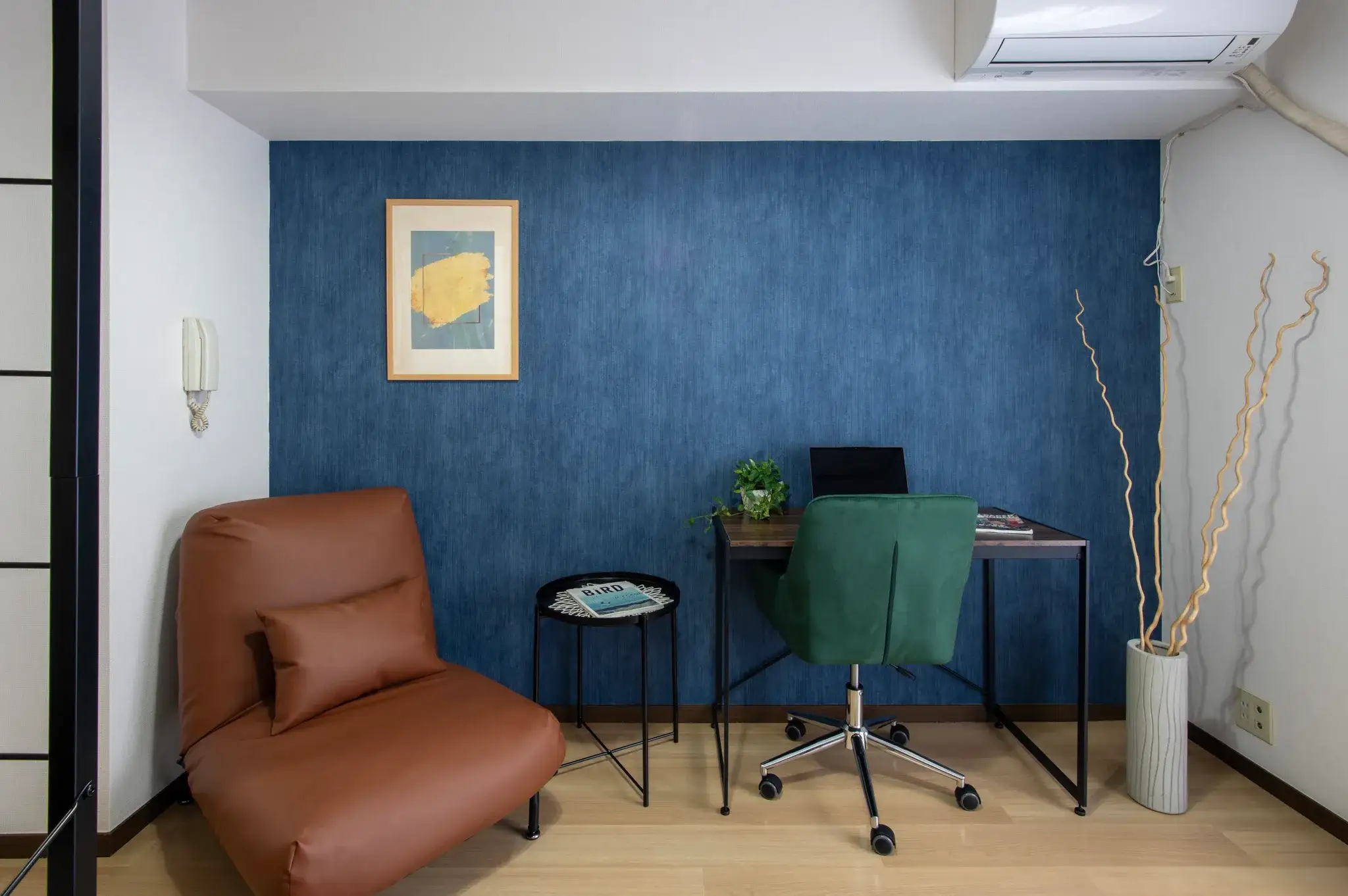
目黑区精装公寓
ML Meguro — 208号房¥131,000 /月

Nishi Koyama2 分钟
无线网络吹风机洗衣机
1K 20.46m²
 预计Feb 22, 2027起可入住
1/7
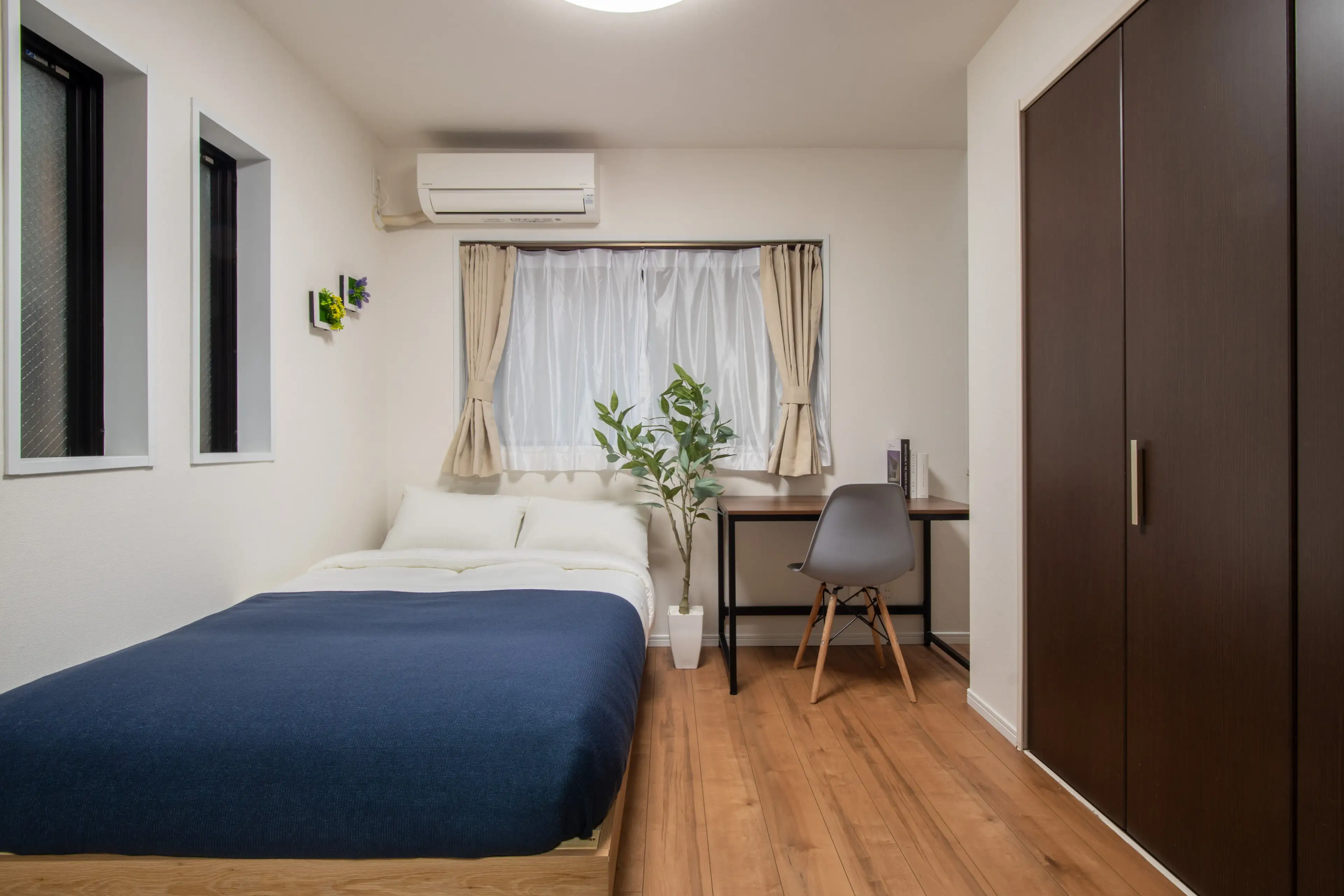
品川精装公寓
Beverly Homes Nishikoyama — 103号房¥230,000 /月
Nishi Koyama4 分钟
无线网络吹风机洗衣机
2LDK 48.3m²