东京家具齐全租赁:按月、短期还是长期?
Monthly, Short-Term, and Long-Term Furnished Rentals in Tokyo: Which One Is Right for You?
If you're searching for a monthly furnished apartment in Tokyo, you've probably already noticed there are several different rental categories — and the differences between them aren't always obvious. Short-term, monthly, and long-term furnished rentals each come with their own rules, pricing structures, and ideal use cases. Choosing the wrong one can cost you money, limit your flexibility, or leave you scrambling for housing at the worst possible moment.
This guide breaks down exactly what each option means, how much you can expect to pay, and which type makes the most sense depending on your situation — whether you're a digital nomad, a student, or a professional relocating to Japan.
What Each Option Actually Means
The Tokyo rental market uses these terms loosely, so it's worth defining them clearly before diving into comparisons.
Short-Term Furnished Rentals
Short-term furnished rentals typically cover stays from one night to about one month. Think serviced apartments, weekly mansions (ウィークリーマンション), and some guesthouses. Everything is included — furniture, bedding, kitchen basics, Wi-Fi — and you can walk in with just a suitcase. Prices are highest per night in this category.
Monthly Furnished Rentals
Monthly furnished rentals (often called monthly mansions or マンスリーマンション) are designed for stays of one to six months, billed on a calendar-month basis. Like short-term options, they come fully furnished and utilities are usually bundled in. The per-night cost drops significantly compared to short-term stays, making them the sweet spot for medium-length visits.
Long-Term Furnished Rentals
Long-term furnished rentals generally mean contracts of six months or longer — often one to two years. Some providers offer furnished units at this length; others are standard unfurnished apartments where the tenant sources their own furniture. Long-term contracts come with lower monthly costs but much less flexibility and more upfront commitment.
Typical Durations and Flexibility
Understanding the minimum stay requirements and cancellation terms will save you from expensive surprises.
- Short-term: Minimum 1–7 nights. Cancellations vary widely — some are fully flexible, others charge penalties within 48 hours of check-in.
- Monthly: Minimum typically 30 days. Most providers allow month-to-month extensions with 30 days' notice. Very little paperwork and no guarantor required in most cases.
- Long-term: Minimum usually 6–12 months. Breaking the contract early often means forfeiting your security deposit or paying a penalty fee equal to 1–2 months' rent.
Monthly rentals win on flexibility. You can extend or leave with relatively short notice, which is a major advantage in a city where plans change fast.
Good to Know: Most standard Japanese apartments (the unfurnished, long-term kind) require a Japanese guarantor, a large key money payment, and a real estate agent fee. Monthly and short-term furnished options bypass nearly all of these barriers — making them far easier to access as a foreigner.
Price Differences and Why They Exist
The price gap between rental types is real and significant. Here's a rough breakdown for a single-person studio or 1K unit in a central Tokyo neighborhood like Shinjuku, Shibuya, or Minato.
- Short-term furnished (per month equivalent): ¥150,000–¥300,000+
- Monthly furnished apartment in Tokyo: ¥80,000–¥150,000 all-inclusive
- Long-term furnished (per month): ¥60,000–¥100,000 (plus utilities separately)
- Long-term unfurnished (per month): ¥50,000–¥90,000 (plus utilities, plus initial furniture costs)
Why is short-term more expensive? Providers build in the cost of daily/weekly cleaning, higher turnover management, and the risk of empty nights. Monthly rentals spread that overhead over longer stays, so providers can charge less per day while still making a healthy margin.
Long-term contracts are cheapest per month because the landlord has guaranteed income for a year or more and faces minimal vacancy risk. The trade-off is your commitment — and the upfront costs (security deposit, key money, agency fees) that can easily add up to 3–6 months' rent before you even move in.
Best Option for Digital Nomads
If you're working remotely and treating Tokyo as your base for a few weeks to a few months, the monthly furnished apartment is almost always your best bet.
You get a real desk, a proper kitchen, fast Wi-Fi, and a residential neighborhood feel — things that matter enormously when you're working eight hours a day. Short-term serviced apartments can work, but you'll pay a premium and the hotel-like environment gets old quickly.
What to look for as a digital nomad:
- Fiber internet connection (フレッツ光 or equivalent) — not mobile hotspot
- A desk or dedicated workspace (not just a dining table)
- Proximity to a co-working space like WeWork Ginza, Wework Roppongi Hills, or Fabbit
- Month-to-month flexibility so you can extend if you're loving it
- A neighborhood with good coffee shops and convenience stores — Nakameguro, Shimokitazawa, and Koenji are all strong picks
Sharehouses are also worth considering for digital nomads — the built-in community takes the loneliness out of solo remote work, and they're often 20–30% cheaper than a private monthly apartment.
In Tokyo's rental market, flexibility isn't free — but with the right rental type, you can have both freedom and affordability without compromising on either.
Best Option for Students
Students arriving in Tokyo for a semester abroad or a language school program typically need housing for three to twelve months — a duration that sits right at the crossroads of monthly and long-term options.
For stays under 6 months:
A monthly furnished rental is the clear winner. No guarantor stress, no enormous upfront fees, and you can leave at the end of your program without penalty. Budget around ¥80,000–¥100,000 per month for a furnished studio in a mid-central location.
For stays of 6–12 months:
A sharehouse becomes significantly more attractive. Monthly costs at a sharehouse in Tokyo typically run ¥50,000–¥80,000 all-inclusive (private room, shared kitchen, Wi-Fi, utilities). That's a meaningful saving over a private furnished apartment, and the social environment helps you settle into Japan faster.
Many universities and language schools — including Waseda, Sophia, and Tokyo Language School — have partnerships with housing providers. Always check with your institution first before searching independently.
Pro Tip: If you're doing a one-year program, consider starting in a monthly furnished apartment for the first 1–2 months while you get oriented, then transitioning to a long-term share house or apartment once you know which neighborhood suits your lifestyle. This strategy avoids costly mistakes in a city you don't yet know well.
Best Option for Relocating Professionals
Corporate relocations to Tokyo usually fall into one of two phases: the initial landing period and the long-term settlement. Getting both phases right matters — especially if your company isn't handling housing logistics for you.
Phase 1 — The first 1–3 months:
A monthly furnished apartment in Tokyo is ideal. You can move in within days of arrival, your address is in a real residential building (important for registering at the ward office and opening a bank account), and you're not locked into a neighborhood you might later dislike. Areas like Minato, Shibuya, and Shinjuku are popular among international professionals for their convenience and English-friendly infrastructure.
Phase 2 — Once you're settled:
After two or three months, you'll have a better sense of where you want to live, your commute requirements, and your actual budget. At that point, transitioning to a long-term furnished or unfurnished rental makes financial sense — monthly savings of ¥20,000–¥40,000 add up quickly over a multi-year assignment.
If your company has a relocation package, ask specifically about temporary housing allowances — many packages cover up to 90 days of monthly furnished accommodation as part of the standard offering.
How to Switch Between Rental Types
Moving from one rental category to another is more common than you'd think — and with the right preparation, it's straightforward.
Monthly → Long-Term
Give your current provider 30 days' notice (check your contract). In parallel, start viewing long-term apartments. You'll need a zairyu card (residence card), proof of income or an enrollment letter, and ideally a Japanese guarantor or a guarantor service (保証会社) like ORICO or Casa. Budget for initial costs of 2–4 months' rent upfront.
Long-Term → Monthly (mid-contract)
This is trickier. Breaking a long-term lease early typically costs one to two months' rent as a penalty. If you need to exit early, negotiate with your landlord — some will waive the penalty if you help find a replacement tenant. Give yourself at least 60 days to manage the transition smoothly.
Short-Term → Monthly
Often the easiest switch. Many short-term providers also offer monthly rates — simply ask if you can convert your booking. If not, most monthly furnished apartment providers can have you set up within 48–72 hours of inquiry.
- Always read the cancellation and early-termination clause before signing anything
- Keep your ward office (区役所) address updated every time you move — it's legally required
- Overlap your two accommodations by a few days if budget allows — moving in Tokyo without a buffer day is stressful
Making the Right Choice for Your Stay in Tokyo
There's no single "best" rental type — the right choice depends entirely on how long you're staying, how much flexibility you need, and what your budget looks like. As a general rule: shorter stays favor monthly rentals, longer stays favor long-term contracts, and only very brief visits justify short-term pricing.
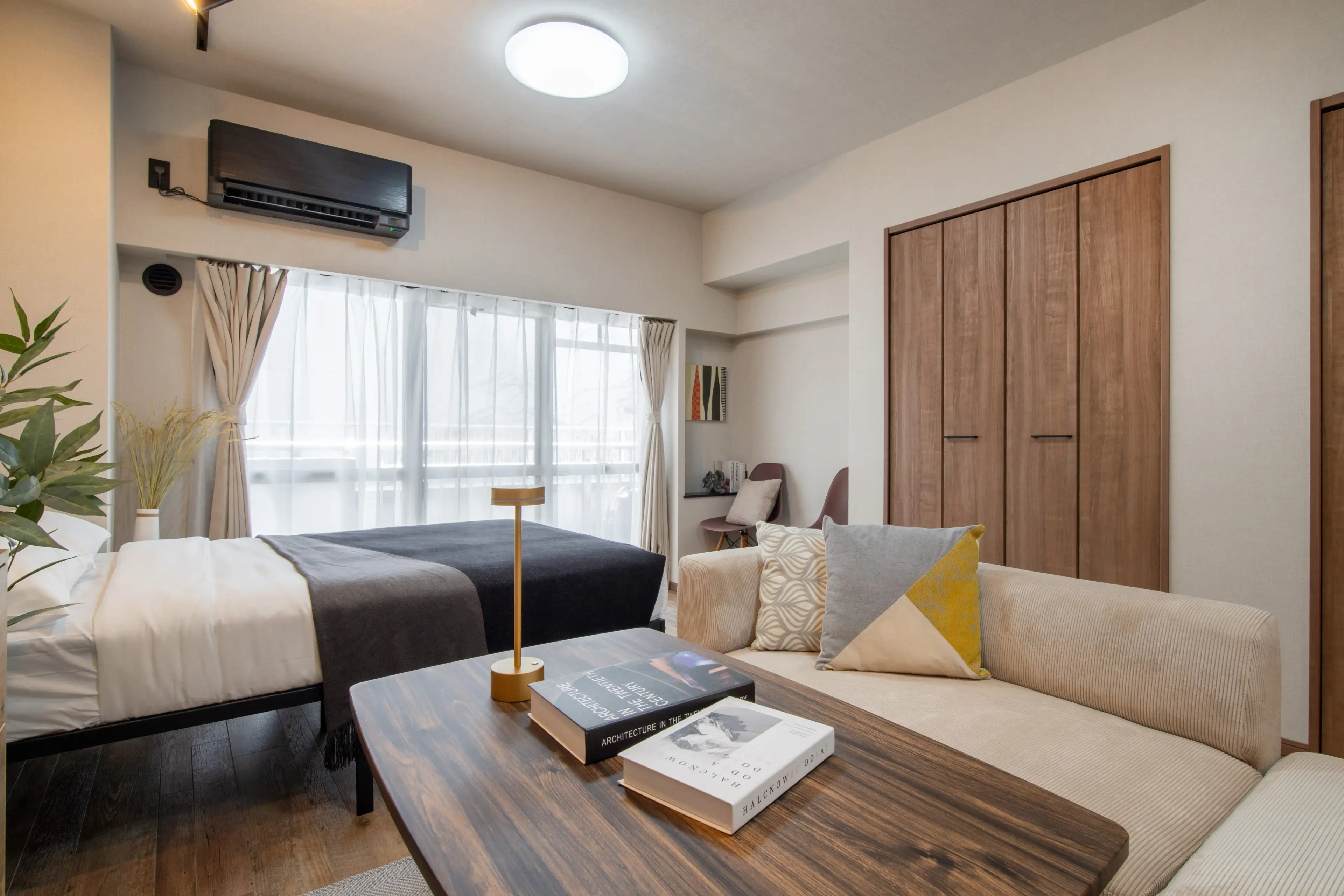
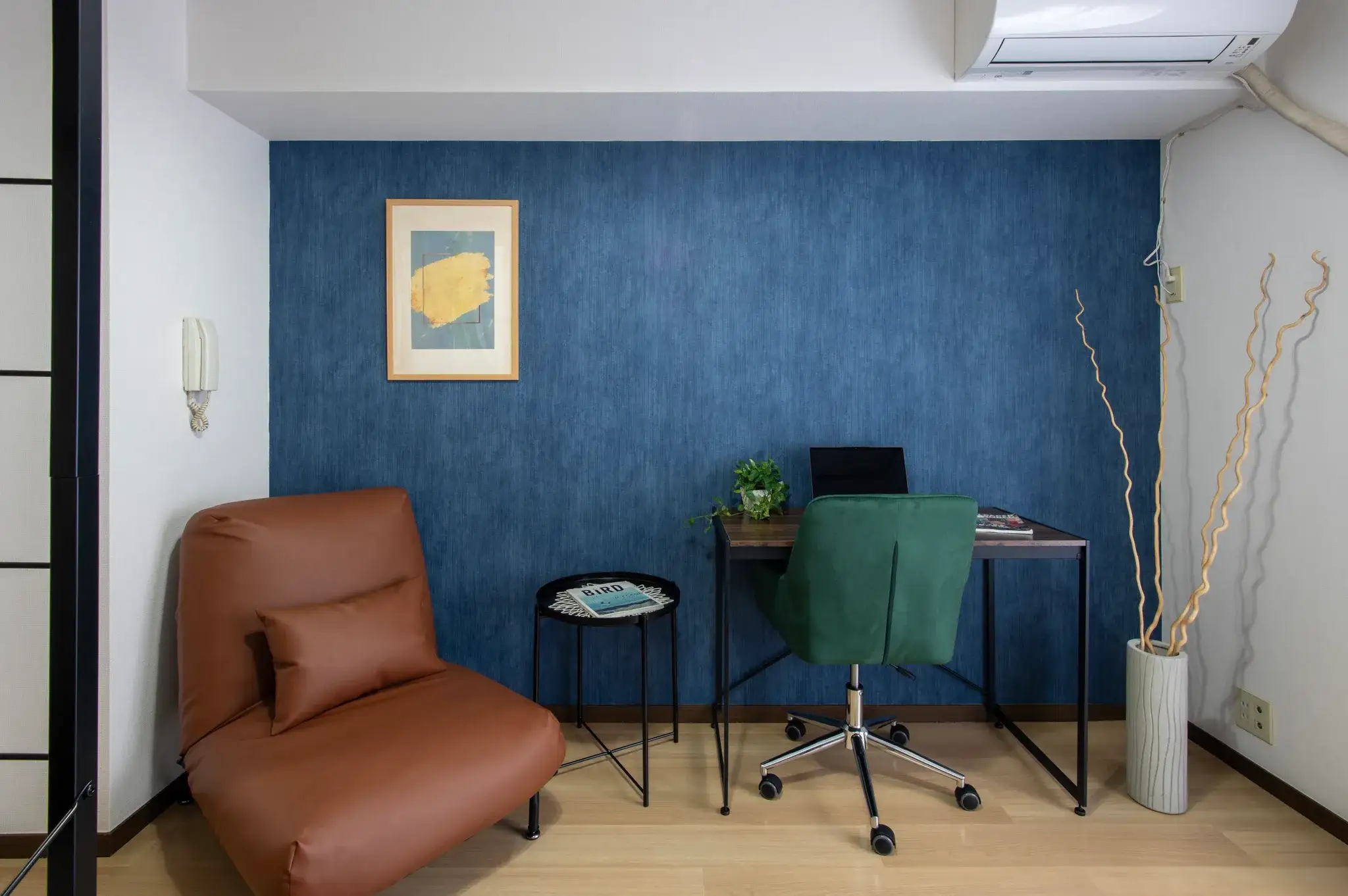
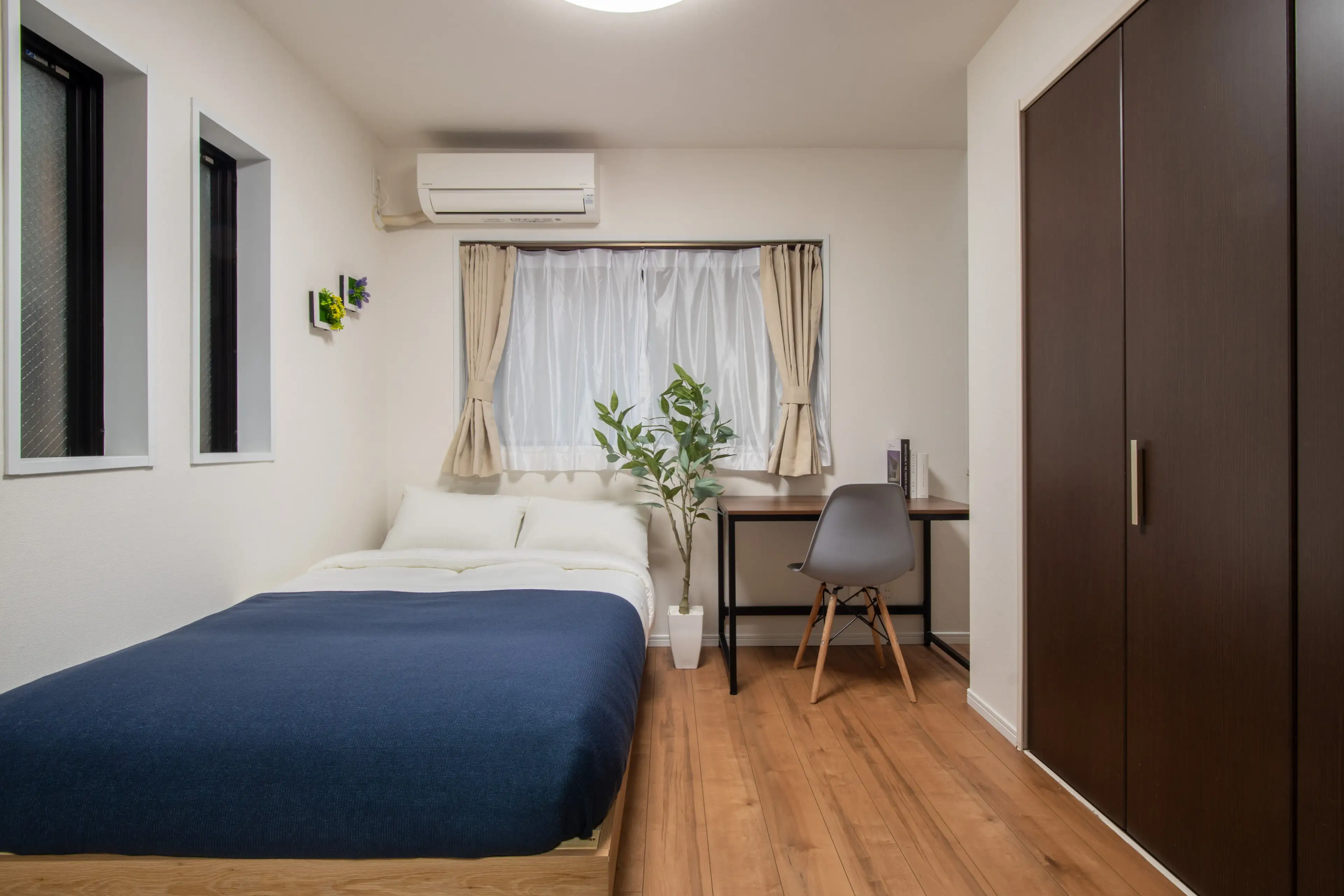
At Modern Living Tokyo, we offer both fully furnished private apartments and sharehouses across Tokyo, with flexible monthly contracts designed for exactly this kind of international lifestyle. Whether you're in town for six weeks or six months, we make it straightforward — no guarantor, no key money, and a team that actually speaks your language. Browse available rooms here and find the option that fits your plan.
精选房源
May 15, 2026起可入住Palace Studio Ginza — 1205
即可入住¥15,000 OFF90天Beverly Homes Nishikoyama — 103
即可入住