世田谷:东京最宜居的绿色家庭住宅区
Setagaya at a Glance: Tokyo's Best-Kept Secret
If you're searching for a setagaya tokyo guide that goes beyond the tourist highlights, you've come to the right place. Setagaya is Tokyo's largest ward by population, home to over 900,000 residents — and yet it feels remarkably calm, green, and unhurried compared to the city's more famous neighborhoods.
Stretching across the southwestern part of Tokyo, Setagaya is roughly the size of a small city in its own right. It has its own distinct character: wide, tree-lined streets, low-rise residential blocks, independent cafés, and a genuine sense of community that's rare in a metropolis this size.
For foreigners relocating to Tokyo — whether for work, study, or lifestyle — Setagaya offers something that central districts simply can't: space, greenery, and quality of life, without sacrificing access to the rest of the city.
Why Families Love Living in Setagaya
Setagaya has long been one of Tokyo's most sought-after family-friendly Tokyo neighborhoods, and the reasons are obvious once you spend a weekend here. The ward consistently ranks among the top choices for Japanese families with young children, and the expat community has taken notice too.
Schools and International Education
Several well-regarded schools are within reach of Setagaya. The Tokyo Metropolitan International School and various international kindergartens are located in or near the ward. Many families also send children to the local public schools, which are known for being welcoming and well-resourced.
Safety and Community Feel
Setagaya is consistently rated as one of Tokyo's safest wards. Streets are quiet, neighbors know each other, and the local shotengai (shopping streets) foster a real sense of belonging. Weekend mornings here feel genuinely relaxed — something you rarely find in Shibuya or Shinjuku.
Child-Friendly Infrastructure
- Numerous hoikuen (nursery schools) and yōchien (kindergartens) throughout the ward
- Wide pavements and dedicated cycling paths make getting around with a stroller or bike easy
- Multiple community centers with programs for children and families
- Low traffic density on residential streets compared to central Tokyo
Setagaya doesn't try to impress you — it just quietly offers a better quality of life, and that's exactly why so many people never want to leave.
Shimokitazawa, Sangenjaya & Other Hotspots
One of the most exciting things about Setagaya is the variety packed within its borders. The ward contains several distinct neighborhoods, each with its own personality.
Shimokitazawa — Tokyo's Bohemian Village
Shimokitazawa (often called "Shimokita" by locals) is internationally famous for its vintage clothing shops, live music venues, independent theatres, and artisan coffee scene. It has a youthful, creative energy that draws artists, musicians, and students from across the city.
The area around the station — particularly the Ichibangai and Niban-gai shopping lanes — is packed with curry restaurants, record stores, and bookshops that feel frozen in a very stylish decade. Weekend evenings here are lively without being overwhelming.
Sangenjaya — The Neighbourhood That Has Everything
Sangenjaya (or "Sangen-jaya") is Setagaya's commercial powerhouse — a dense, buzzing hub with excellent izakayas, international restaurants, supermarkets, and a thriving nightlife scene. It's also home to the Carrot Tower, where the free observation deck offers sweeping views of Tokyo and, on clear days, Mount Fuji.
Sangenjaya attracts a slightly older crowd than Shimokitazawa — young professionals, couples, and working expats who want convenience and good food in equal measure.
Other Areas Worth Exploring
- Setagaya town itself — centered on the historic Setagaya Daikan Yashiki (a feudal-era government office, now a public park)
- Yoga and Futako-Tamagawa — upscale riverside areas with premium shopping at Futako-Tamagawa Rise mall and direct access to the Tamagawa riverbank
- Kyodo and Chitose-Karasuyama — quieter, deeply residential pockets popular with Japanese families and expats who want genuine neighbourhood life
- Daita and Meidaimae — more affordable sub-areas still close to Shimokitazawa's buzz
Parks, Nature & Open Spaces
If you've spent time in Shinjuku or Shibuya, you know how rare genuine green space can feel in central Tokyo. Setagaya is a completely different story.
Kinuta Park
Kinuta Park is one of Tokyo's great underrated parks — a sprawling, 79-hectare green space with open lawns, a pond, tennis courts, and seasonal cherry blossoms that rival Ueno's famous displays. On weekends, families set up picnic mats, dogs run free, and the atmosphere is genuinely joyful.
Tamagawa Riverbank
The Tama River (Tamagawa) runs along Setagaya's western edge, and its wide, grassy embankments are a beloved weekend escape for Tokyo residents. You'll find cyclists, joggers, barbecue groups, and kite flyers all coexisting peacefully. The riverbank path stretches for miles in both directions — perfect for a long cycling day trip.
Other Green Highlights
- Setagaya Park — a well-maintained neighborhood park with a small railway museum, popular with young children
- Komazawa Olympic Park — a large sports complex with athletics tracks, cycling paths, and wide open lawns, built for the 1964 Tokyo Olympics
- Gotokuji Temple — the legendary birthplace of the maneki-neko (lucky cat), surrounded by traditional gardens and a serene atmosphere
Pro Tip: Rent a bicycle near Futako-Tamagawa Station and follow the Tamagawa riverbank path south toward Noborito or north toward Tama City. It's one of the best free outdoor experiences in greater Tokyo.
Rent & Value for Money: Spacious Apartments in Setagaya
Here's where Setagaya really starts to make sense for anyone looking for spacious apartments in Tokyo. Compared to Shibuya, Shinjuku, or Minato, rents in Setagaya offer noticeably more room for your money.
Here's a rough guide to what you can expect to pay per month in Setagaya (unfurnished, utilities excluded):
- Studio / 1K: ¥65,000 – ¥90,000/month
- 1DK / 1LDK: ¥85,000 – ¥120,000/month
- 2LDK (family-sized): ¥130,000 – ¥180,000/month
- Sharehouse room: ¥50,000 – ¥75,000/month (all-in, bills included)
These figures are significantly lower than equivalent properties in central wards — and crucially, the apartments themselves tend to be larger. A 1LDK in Setagaya will often have a proper separate living area, something that's hard to find at the same price point in Ebisu or Daikanyama.
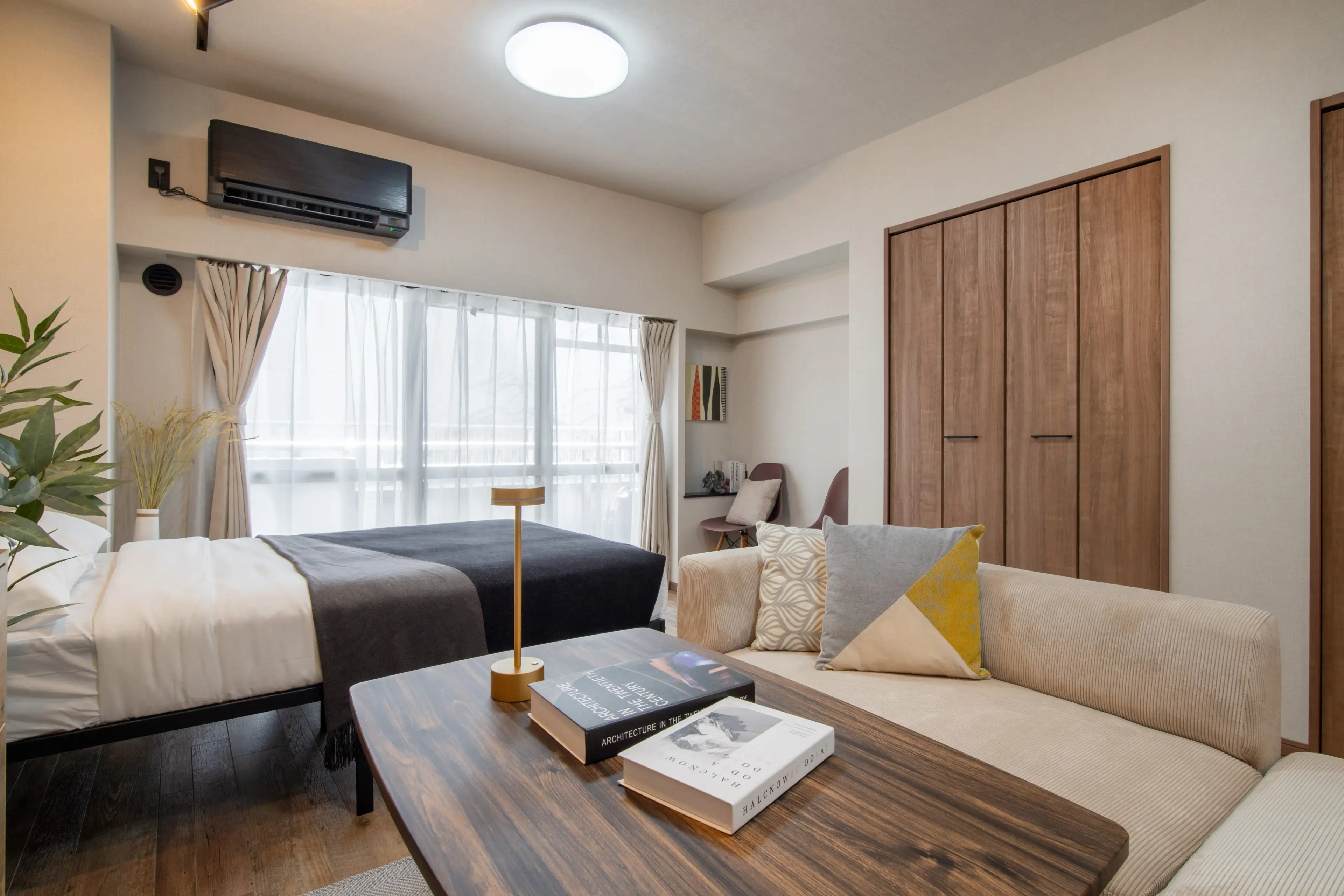
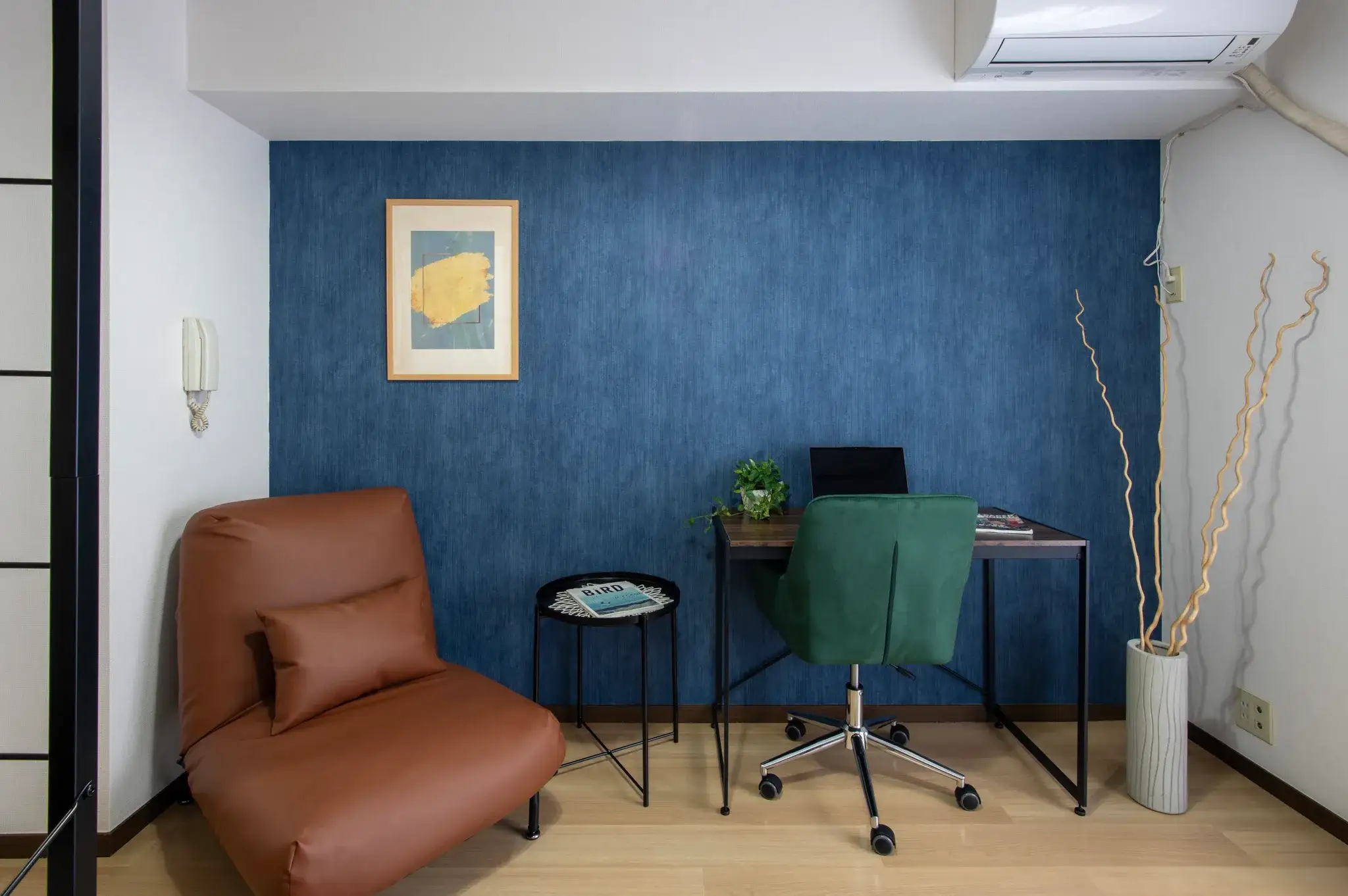
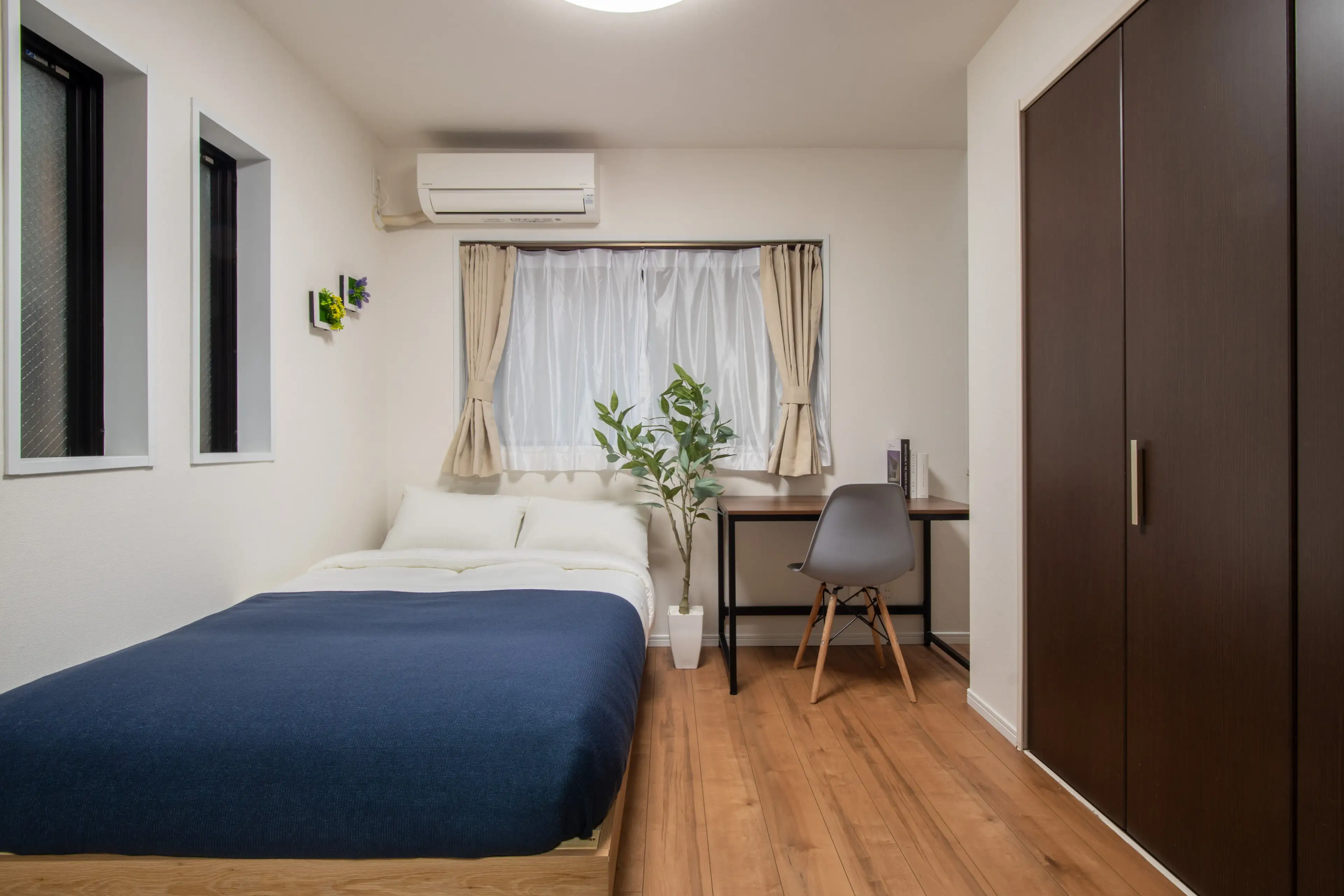
For newcomers to Tokyo, furnished sharehouses in Setagaya are an excellent entry point. Areas like Sangenjaya and Shimokitazawa have a healthy supply of sharehouse options that let you settle in without the stress of buying furniture or navigating Japanese lease contracts from scratch.
Good to Know: Most unfurnished apartments in Japan require a security deposit (shikikin) of 1–2 months' rent, a key money payment (reikin) of 1–2 months, and a guarantor fee. A furnished apartment or sharehouse can cut your upfront move-in costs dramatically — sometimes from ¥400,000+ down to under ¥100,000.
Getting to Central Tokyo from Setagaya
The one question everyone asks: "But isn't it too far from everything?" The honest answer is no — not if you choose your station wisely.
Key Train Lines Serving Setagaya
- Tokyu Den-en-toshi Line: Sangenjaya → Shibuya in 6 minutes. Also connects to Omotesando and the Hanzomon Subway Line beyond.
- Odakyu Odawara Line: Setagaya-Daita / Kyodo / Chitose-Funabashi → Shinjuku in 15–20 minutes
- Tokyu Setagaya Line: A charming single-car tram connecting Sangenjaya to Shimotakaido — slow, but scenic and beloved by locals
- Keio Inokashira Line: Serves Meidaimae (near Shimokitazawa), connecting to Shibuya in 10 minutes and Kichijoji in 10 minutes
Practical Commute Times
- Sangenjaya → Shibuya: 6 min (Tokyu Den-en-toshi)
- Shimokitazawa → Shinjuku: 10 min (Odakyu Odawara Line)
- Futako-Tamagawa → Shibuya: 16 min (Tokyu Den-en-toshi)
- Setagaya → Shinjuku: 18 min (Odakyu Line)
These are genuinely short commutes by Tokyo standards. Many people commuting from Setagaya actually spend less time on the train than residents of supposedly "central" neighborhoods who live far from the nearest station.
Cycling is also a realistic option for many Setagaya residents. The ward's relatively flat terrain and low-traffic streets make it one of Tokyo's more bike-friendly areas — and a folding bicycle combined with the train gives you near-total flexibility.
Is Setagaya Right for You?
Setagaya won't suit everyone. If you need to be within walking distance of Roppongi or want a Shibuya rooftop bar on your doorstep, another ward might be a better fit. But if you value space, greenery, community, and a genuine quality of life — with a fast train line to central Tokyo — Setagaya deserves to be at the top of your shortlist.
It's the kind of neighborhood where people arrive planning to stay for a year and end up staying for a decade. The parks, the café culture, the local rhythms — they have a way of getting under your skin.
At Modern Living Tokyo, we have furnished apartments and sharehouses in and around the Setagaya area — including popular spots near Shimokitazawa and Sangenjaya. If you're curious about what's available, reach out to our team. We'd love to help you find a home in one of Tokyo's most liveable neighborhoods.