
Visa Nomade Numérique au Japon : Guide de Vie à Tokyo 2026

Qu'est-ce que le visa digital nomade au Japon ? (Et qui y est vraiment éligible)
Le visa digital nomade au Japon 2026 — officiellement appelé Visa pour activités désignées (Digital Nomad) — a fait ses débuts en mars 2024, et il reste l'une des options de visa les plus discutées pour les travailleurs à distance envisageant une base à Tokyo. Pour 2026, le programme continue pratiquement inchangé, offrant un séjour de 6 mois aux ressortissants étrangers admissibles qui travaillent à distance pour des entreprises ou des clients basés en dehors du Japon.
Il ne s'agit pas d'un visa de travail au sens traditionnel. Vous n'êtes pas autorisé à travailler pour une entreprise japonaise ou à percevoir des revenus provenant de l'intérieur du Japon. Le Japon dit essentiellement : « Venez dépenser votre salaire étranger ici. » Le gouvernement bénéficie des dépenses touristiques ; vous obtenez la vie dans l'une des plus grandes villes du monde.
Le visa relève de la catégorie des Activités désignées — le même ensemble large utilisé pour d'autres séjours à des fins spéciales. Il s'agit d'un visa à entrée unique par défaut, valable jusqu'à 6 mois, et il ne s'accompagne pas d'une carte de résidence (Zairyu Card). Ce dernier point a des conséquences pratiques réelles que nous couvrirons ci-dessous.

Qui est éligible ?
- Ressortissants de pays ayant un traité fiscal avec le Japon (cela couvre la plupart des nations occidentales, y compris les États-Unis, le Royaume-Uni, le Canada, l'Australie, l'Allemagne, la France et de nombreux autres — consultez la liste du ministère des Affaires étrangères pour confirmation)
- Employé par une entreprise basée en dehors du Japon, ou travailleur indépendant/freelance avec tous les clients situés en dehors du Japon
- Capable de prouver un revenu annuel minimum de ¥10 millions (environ 65 000 à 70 000 USD au taux actuel)
- Titulaire d'une assurance maladie privée valide couvrant la totalité du séjour au Japon
Revenus, assurance et admissibilité : Les véritables conditions expliquées
Le seuil de revenu est le filtre le plus important. À environ ¥10 millions par an, le seuil du Japon est plus élevé que de nombreux programmes de visa digital nomade comparables en Asie du Sud-Est ou en Europe. C'est intentionnel — le Japon souhaite des visiteurs qui contribueront significativement à l'économie locale.
Pour les demandeurs salariés, vous devrez fournir des bulletins de paie récents, un contrat d'emploi et une lettre de votre employeur confirmant les modalités de travail à distance. Les freelances doivent montrer des contrats, des factures ou des relevés bancaires démontrant un revenu constant au-dessus du seuil.
Assurance maladie : Ne sautez pas cette étape
Le Japon n'inscrira pas les titulaires de visa digital nomade au régime d'assurance maladie national (Kokumin Kenko Hoken) car vous n'aurez pas de carte de résidence. Vous devez arriver avec une assurance maladie internationale privée déjà en place.
Les polices de fournisseurs comme SafetyWing, Cigna Global ou Allianz Care sont couramment utilisées. Assurez-vous que votre police couvre explicitement le Japon, inclut les hospitalisations et n'a pas de clauses d'exclusion géographique pour les maladies liées à une pandémie. Le consulat examinera attentivement ce document.
À noter : Certaines polices d'assurance voyage commercialisées auprès des nomades ne satisfont PAS aux exigences du Japon. Recherchez une police avec une couverture minimale de ¥10 millions par incident, couvrant à la fois les soins en hospitalisation et en ambulatoire. Apportez le certificat original et un résumé de police en japonais ou en anglais à votre rendez-vous de visa.
Processus de demande en bref
- Rassemblez les documents : passeport, photo, preuve de revenu, lettre d'emploi, certificat d'assurance et preuve de logement
- Présentez une demande à l'ambassade ou consulat du Japon de votre pays d'origine (ou du pays de résidence légale)
- Payez les frais de visa (généralement ¥3 000 ou équivalent en devise locale)
- Attendez 5 à 10 jours ouvrables pour le traitement
- Recevez un timbre de visa à entrée unique valide pendant 3 mois à utiliser, accordant un séjour de 6 mois à l'entrée
Le problème de l'absence de carte de résidence : Banque, SIM et réalités d'appartement
C'est là que de nombreux nomades sont pris au dépourvu. Comme le visa digital nomade ne donne pas de carte de résidence, plusieurs services quotidiens au Japon deviennent plus difficiles à accéder.
Le visa digital nomade du Japon ouvre la porte à la vie à Tokyo — mais sans carte de résidence, vous devrez planifier plus intelligemment pour accéder aux services bancaires, à la connectivité et à une véritable base de vie.
Banque
L'ouverture d'un compte bancaire japonais traditionnel (à Mitsubishi UFJ, Sumitomo Mitsui, etc.) nécessite une carte de résidence. Sans une, la plupart des grandes banques refuseront votre demande.
Vos meilleures options sont Wise (compte multi-devise, largement accepté pour les virements) ou Revolut, tous deux fonctionnant sans compte bancaire japonais. Pour l'argent comptant, les guichets automatiques de 7-Eleven et de Japan Post acceptent de manière fiable les cartes Visa/Mastercard/Maestro étrangères — budgétisez entre ¥110 et ¥220 par frais de transaction.
Cartes SIM
L'obtention d'une carte SIM est en fait simple. Les SIM touristiques et les SIM données à court terme sont disponibles aux aéroports de Narita et Haneda, dans les magasins d'électronique comme Yodobashi Camera ou BIC Camera à Akihabara, et en ligne avant votre arrivée. IIJmio, Mineo et Rakuten Mobile proposent tous des plans mensuels sans nécessiter de carte de résidence — juste un passeport et une carte de crédit étrangère.
Appartements : Le plus grand obstacle
Les baux d'appartements japonais standard nécessitent une carte de résidence, un garant japonais, de l'argent clé (reikin) et des frais d'agence pouvant totaliser 4 à 6 mois de loyer d'avance. Pour un séjour de 6 mois, ce modèle ne fonctionne tout simplement pas.
C'est exactement pourquoi les appartements meublés et les maisons partagées conçues pour les résidents étrangers sont le choix pratique avec ce visa. Les propriétés comme celles proposées par Modern Living Tokyo acceptent les titulaires de passeport, offrent des séjours minimums courts (souvent 1 à 3 mois), incluent les meubles et le WiFi, et gèrent les contrats en anglais — aucun garant nécessaire.

Meilleurs quartiers de Tokyo pour les digital nomades (Coworking et connectivité)
Tokyo est énorme, et le quartier que vous choisissez façonnera considérablement votre vie quotidienne. Voici les meilleures zones qui équilibrent l'accès au coworking, l'habitabilité et un loyer raisonnable.
Shibuya et Daikanyama
Shibuya est le centre créatif et des startups de Tokyo. WeWork Shibuya Scramble Square et Regus Shibuya proposent des passes à la journée à partir d'environ ¥2 500 à ¥3 500. La zone a d'excellentes panneaux en anglais, des supermarchés internationaux (National Azabu est à proximité) et une culture de café animée. Daikanyama à côté est plus tranquille et praticable, avec des cafés indépendants élégants idéaux pour le travail concentré.
Shinjuku
Shinjuku est central et hyperconnecté — vous pouvez atteindre pratiquement n'importe quelle partie de Tokyo en moins de 30 minutes. La zone de Shinjuku Park Tower et Yoyogi compte plusieurs espaces de coworking, et le quartier ne manque pas de cafés ouverts 24 heures (Jonathans, Denny's Japan) quand vous avez besoin d'une session de travail tardive.
Shimokitazawa et Nakameguro
Ce sont les quartiers pour les nomades qui veulent une ambiance « locale » plutôt qu'une expérience touristique. Les deux ont des cafés à café indépendants avec un bon WiFi (essayez Bear Pond Espresso à Shimokitazawa ou les cafés au bord du canal à Nakameguro), et le loyer est légèrement plus bas que le Shibuya proprement dit.
Akihabara et Ochanomizu
Si vous travaillez dans la technologie ou souhaitez l'internet le plus rapide possible dans les espaces de coworking, ce couloir oriental vaut la peine d'être considéré. DEJIMA Work et Fabbit Akihabara proposent des adhésions flexibles, et la zone a d'excellentes liaisons de transport vers la gare de Tokyo.
Conseil pratique : De nombreux espaces de coworking à Tokyo vendent des passes à la journée sans adhésion requise. Les applications comme Cobot et DropDesk vous permettent de rechercher et de réserver des bureaux indépendants dans toute la ville. Budgétisez environ ¥2 000 à ¥4 000 par jour, ou ¥30 000 à ¥50 000 pour une adhésion mensuelle à un bureau partagé.
Appartements meublés vs. baux standard : Pourquoi le court terme gagne avec ce visa
Soyons directs : un bail d'appartement japonais standard est incompatible avec un séjour de 6 mois avec un visa digital nomade pour la plupart des gens. Voici une comparaison côte à côte :
- Bail standard : Minimum de 2 ans, nécessite une carte de résidence, un garant japonais, jusqu'à 6 mois de loyer d'avance en frais/dépôts, pas de meubles inclus
- Appartement meublé/maison partagée : Minimum de 1 à 6 mois, passeport accepté, pas de garant, tarification tout compris (meubles, WiFi, services publics souvent inclus), contrats en anglais
Pour un séjour de 6 mois dans un appartement meublé à Shinjuku ou Shibuya, attendez-vous à payer ¥80 000 à ¥140 000 par mois selon la taille et l'emplacement. Une chambre en maison partagée dans les mêmes zones coûte généralement ¥50 000 à ¥80 000 par mois avec des espaces communs partagés.
Le coût semble plus élevé qu'un bail standard sur papier — mais considérez zéro frais de configuration, internet inclus et pas d'achats de meubles, et le coût mensuel tout compris s'avère souvent inférieur pour les séjours de moins de 12 mois.

Après 6 mois : Chemins vers des séjours plus longs au Japon
Le visa digital nomade ne peut pas actuellement être prolongé ou renouvelé depuis le Japon — quand vos 6 mois sont écoulés, vous devez partir. Cependant, cela ne signifie pas que votre histoire à Tokyo doit s'arrêter là.
Option 1 : Partir et réapposer
Certains nomades font un « visa run » vers un pays voisin (la Corée du Sud, Taïwan ou les Philippines sont populaires) et réappliquent au consulat japonais là-bas. Il n'y a pas de règle officielle l'interdisant, mais les agents d'immigration ont le pouvoir discrétionnaire, et les séjours consécutifs avec visa digital nomade peuvent soulever des questions au fil du temps.
Option 2 : Basculer vers un visa vacances-travail
Les citoyens de l'Australie, la Nouvelle-Zélande, le Canada, le Royaume-Uni, l'Irlande, la France, l'Allemagne et plusieurs autres pays peuvent demander un visa vacances-travail, qui permet jusqu'à 12 mois au Japon avec le droit de prendre un emploi local. C'est une demande distincte avec ses propres restrictions d'âge (généralement moins de 30 ans, certains pays permettant jusqu'à 35 ans).
Option 3 : Poursuivre un visa de travail standard
Si vous trouvez un employeur japonais pendant votre séjour (ou votre employeur étranger a une entité au Japon), vous pouvez demander un visa standard Ingénieur/Spécialiste en sciences humaines/Services internationaux depuis l'extérieur du Japon. Cela nécessite un certificat d'admissibilité obtenu par votre employeur parrain.
Option 4 : Lancer une entreprise au Japon
Les nomades entrepreneurs peuvent demander un visa de gérant d'affaires s'ils investissent au moins ¥5 millions dans l'établissement d'une entreprise japonaise et peuvent démontrer un plan commercial viable. Cette route nécessite du temps pour se préparer mais offre un chemin vers une résidence légale à plus long terme.
Prêt à faire de Tokyo votre base de travail à distance ?
Le visa digital nomade du Japon pour 2026 est vraiment une option passionnante pour les travailleurs à distance qui satisfont au seuil de revenu et veulent une ville de classe mondiale comme maison — même temporairement. La clé est d'y aller avec des attentes réalistes : préparez-vous aux limitations de l'absence de carte de résidence, sécurisez votre assurance maladie avant d'appliquer, et choisissez un logement qui fonctionne réellement pour les résidents étrangers à court terme.
Chez Modern Living Tokyo, nos appartements meublés et maisons partagées sont construits exactement pour cette situation. Contrats en anglais, durées de location flexibles à partir d'un mois, tous les services publics inclus et emplacements dans les quartiers où les digital nomades veulent vraiment vivre — Shinjuku, Shibuya, Nakameguro et plus. Que vous restiez 2 mois ou les 6 complets, nous serions heureux de vous aider à trouver votre base à Tokyo.
Parcourez nos appartements meublés et maisons partagées disponibles et contactez notre équipe pour vérifier la disponibilité pour vos dates.

Modern Living Tokyo
Articles connexes
 Moving Guide
Comment trouver un appartement à Tokyo : Guide stratégique pour les nouveaux arrivants (2026)
Un guide pratique et détaillé pour chercher un appartement à Tokyo en tant qu'étranger — couvrant les budgets, les lignes de train, les frais initiaux et la méthode la plus rapide pour trouver...
 Modern Living TokyoLire la suite →
 Moving Guide
Visa Business Manager et Startup au Japon : Créer votre entreprise à Tokyo
Un guide pratique des visas Business Manager et Startup au Japon — comprenant les conditions requises, les coûts et comment lancer avec succès votre entreprise à Tokyo.
Modern Living TokyoLire la suite → Moving Guide
La Carte My Number au Japon : Guide 2026 pour les résidents étrangers
Tout ce que vous devez savoir sur l'obtention et l'utilisation de la Carte My Number au Japon en 2026 — y compris le changement du système de carte d'assurance maladie.
Modern Living TokyoLire la suite →Biens à la une
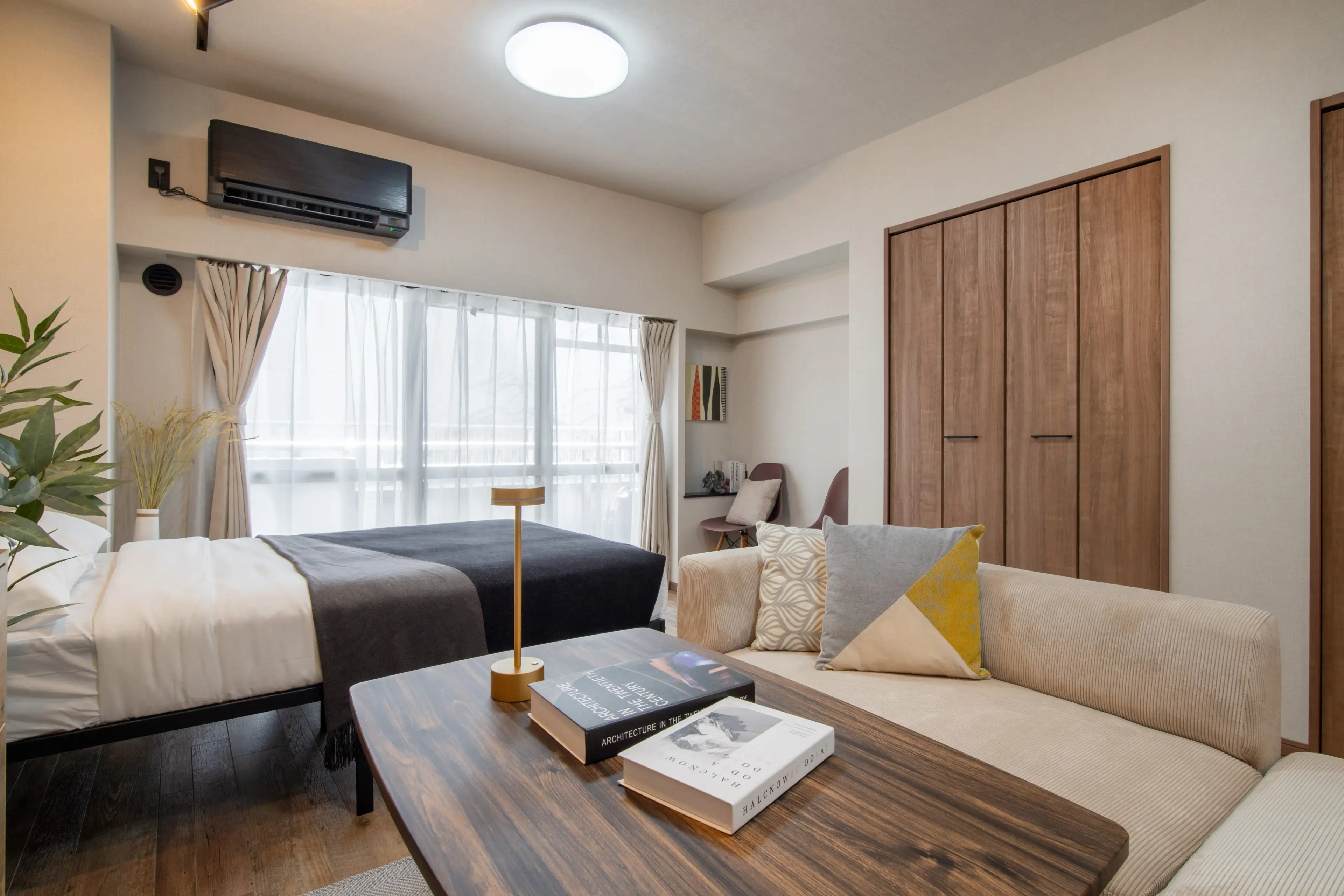 Occupé
Fully Furnished Apartment 20 Min to Takadanobaba
Iidabashi High Town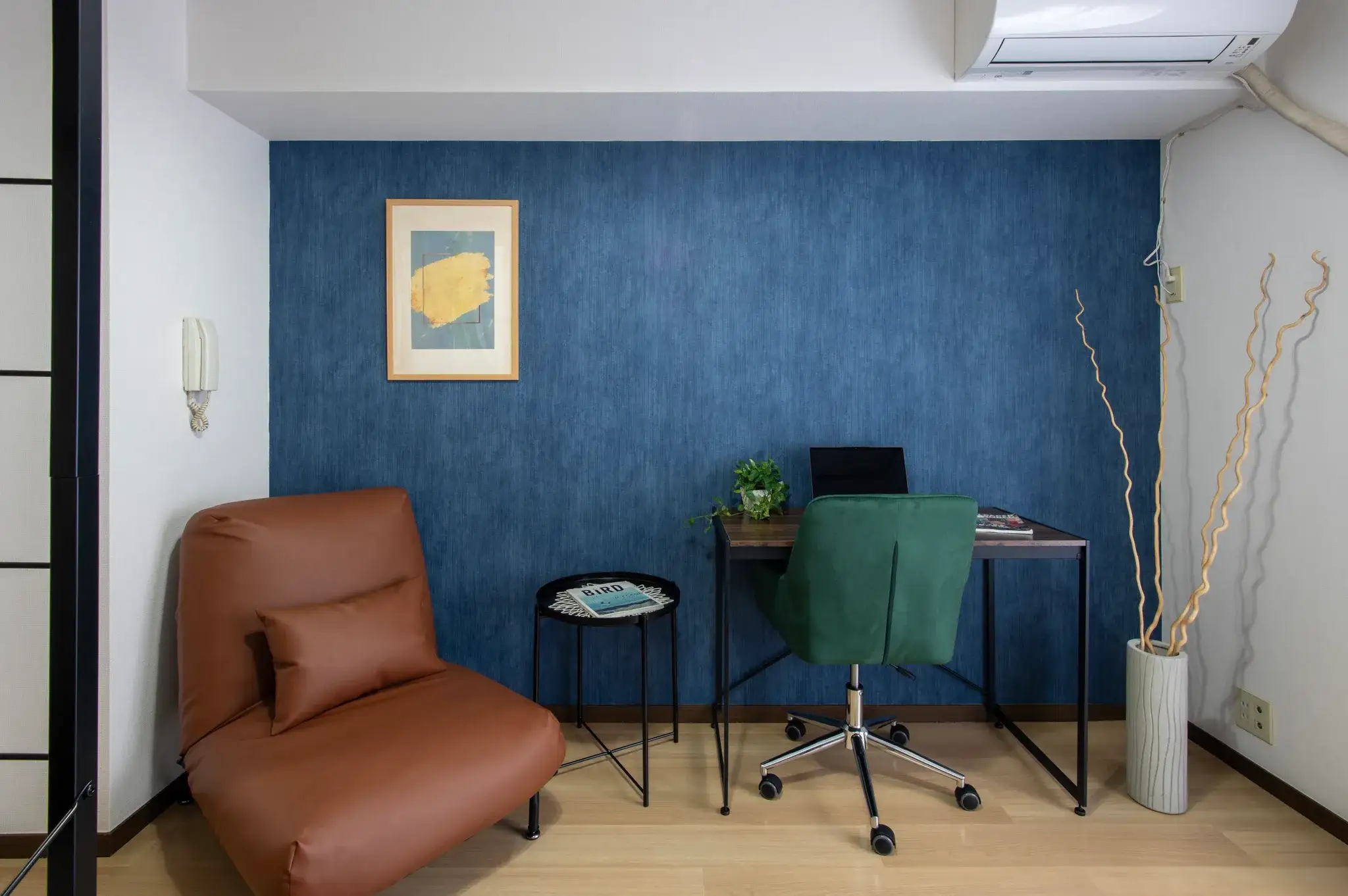 Possiblement à partir du Dec 3, 2026
Appartement meublé à Meguro
ML Meguro — 208
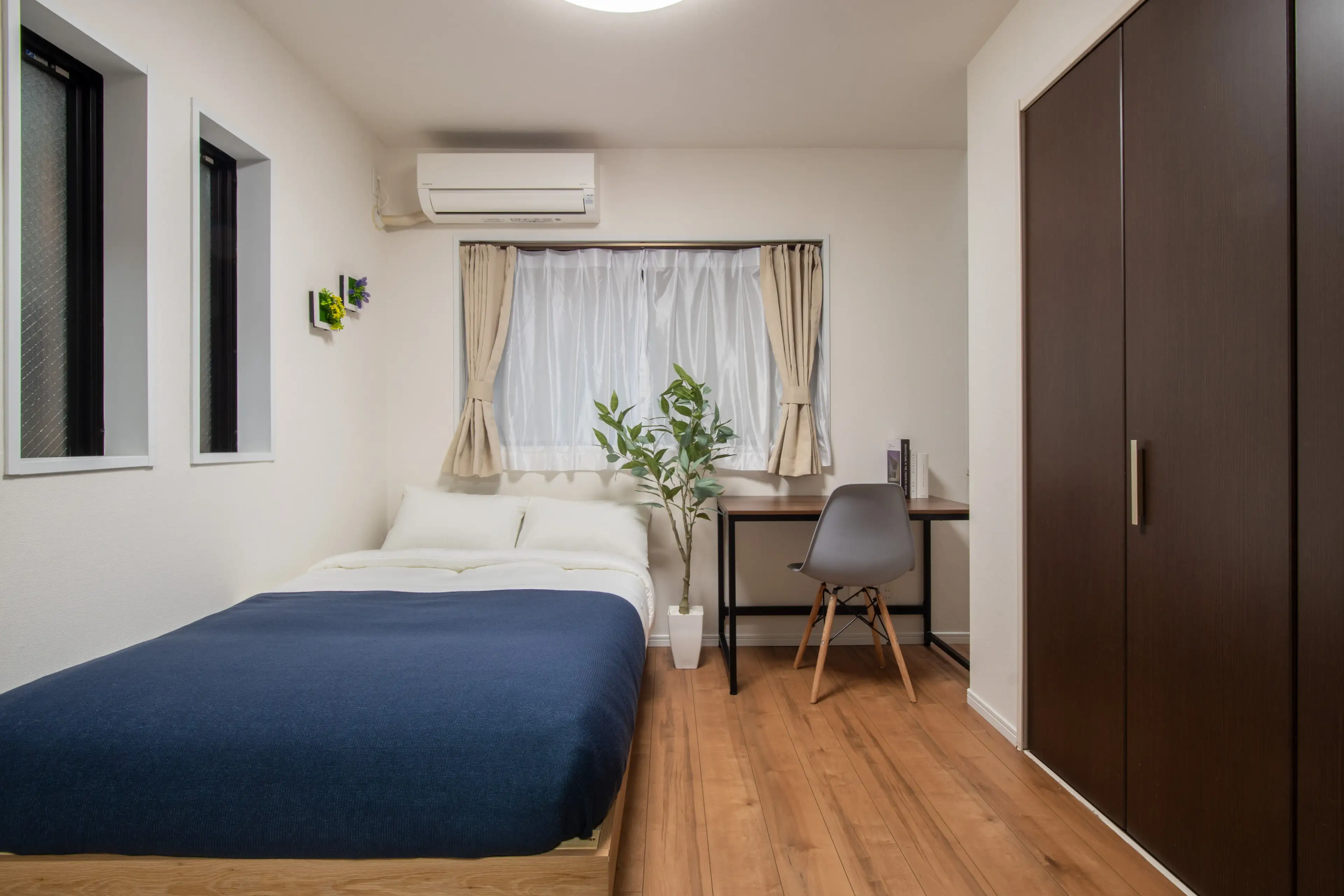 Disponible maintenant
Appartement meublé à Shinagawa
Beverly Homes Nishikoyama — 103