
Pratiquer les arts martiaux à Tokyo : le guide complet pour les étrangers

Why Foreigners Come to Japan to Train Martial Arts in Tokyo
For many people around the world, the chance to practice martial arts in Tokyo is a lifelong dream. Japan is the birthplace of disciplines like judo, aikido, karate, and kendo — and training here means learning directly from the culture that created them.
It's not just about technique. Training in Japan connects you to something deeper: a philosophy of discipline, respect, and continuous self-improvement that is woven into daily life. Many foreigners who come to Tokyo for work or study end up finding that joining a dojo becomes one of the most meaningful parts of their time here.
Whether you're a complete beginner curious about your first class, or an experienced practitioner looking to take your skills to the next level, Tokyo offers options that simply don't exist anywhere else in the world.

The Main Disciplines & Where to Find Them
Tokyo has a thriving martial arts scene with hundreds of active dojos across the city. Here's a breakdown of the major disciplines and where to start your search.
Karate
Karate is one of the most accessible martial arts for foreigners in Tokyo. There are dozens of styles — Shotokan, Kyokushin, Goju-ryu, and more — with dojos scattered across every ward. The Japan Karate Association (JKA), headquartered in Ebisu, Shibuya, is one of the most respected Shotokan organizations in the world and welcomes foreign members. Expect classes focused on kata (forms) and kumite (sparring).
Judo
Judo was born in Tokyo, and the Kodokan in Bunkyo Ward is its spiritual home. Founded by Jigoro Kano in 1882, the Kodokan is open to foreigners and offers classes at multiple levels. It's genuinely one of the most iconic places to train judo in the world, with separate practice halls for men and women and English-language guidance available for new members.
Aikido
For those drawn to a more fluid, defensive art, aikido is a beautiful choice. The Aikikai Hombu Dojo in Shinjuku is the world headquarters of aikido — you can literally train where the art was developed. Morning and evening classes are open to foreigners, and instruction is clear enough to follow even with minimal Japanese.
Kendo
Kendo — Japanese sword fighting with bamboo shinai — is deeply embedded in Japanese school and community culture. The Tokyo Metropolitan Budokan in Adachi Ward is a large public facility where multiple kendo clubs train regularly. Finding beginner-friendly kendo can take a little more effort, but clubs associated with universities (like Waseda or Keio) sometimes accept outside members.
Other Disciplines
- Brazilian Jiu-Jitsu (BJJ): Hugely popular in Tokyo — academies like Carpe Diem (Minato Ward) and T-REX BJJ are world-class and very foreigner-friendly.
- Muay Thai & MMA: Gyms like Fairtex Tokyo (Shinjuku) and Tribe Tokyo MMA cater to international practitioners with English-speaking coaches.
- Iaido & Naginata: More niche but available through community sports centers (sōgō taiiku-kan) across the city.
Finding an English-Friendly Tokyo Dojo
This is where many foreigners feel anxious — and understandably so. Walking into a Japanese dojo with no Japanese language ability can feel intimidating. The good news: many Tokyo dojos have experience with foreign students and are genuinely welcoming.
The language barrier is smaller than you think. In a dojo, your body learns faster than your tongue — and most instructors know that.
Here are the best ways to find English-friendly options:
- Search on Tokyo Gaijins or Meetup.com — both have active martial arts groups for foreigners, with regular beginner sessions.
- Check the dojo's website for an English page — if they have one, they're signaling that foreign students are welcome.
- Ask at your ward's sports center (kuyakusho). Many wards run subsidized martial arts programs. Staff often speak basic English and can point you to beginner-friendly classes.
- Use Facebook groups like "Martial Arts in Tokyo" or style-specific groups (e.g., "Judo in Japan"). Members share honest first-hand recommendations.
- Email before you visit. A simple message in English asking about trial classes gets a positive response far more often than you'd expect.
Pro Tip: Many dojos offer a taiken (trial class) for free or a small fee (around ¥1,000–¥2,000). Always ask for one before committing to membership — it's a completely normal and expected request.

Costs, Etiquette & Your First Class
What Does It Cost?
Monthly membership fees vary widely depending on the discipline, location, and prestige of the dojo. Here's a rough guide:
- Karate / Judo / Aikido (traditional dojo): ¥5,000–¥12,000 per month
- Kendo (community club): ¥3,000–¥8,000 per month
- BJJ / MMA gyms: ¥10,000–¥20,000 per month
- Equipment (gi, shinai, etc.): ¥5,000–¥30,000 depending on the art
You can buy beginner equipment at Mizuno Tokyo in Shinjuku, Tozando online (ships within Japan), or at sporting goods chains like Xebio and Alpen Sports.
Dojo Etiquette: The Non-Negotiables
Getting the etiquette right will earn you enormous goodwill — even if your technique still needs work. Follow these basics and you'll be respected from day one:
- Bow when you enter and exit the dojo. This is non-negotiable in every traditional Japanese martial art.
- Arrive early. Being even five minutes late to a class is considered disrespectful. Aim to arrive 10–15 minutes before the session starts.
- Remove shoes before entering the training area. Keep your feet and gi clean.
- Never lean against the wall or sit with your back to the shomen (the "front" of the dojo, usually where a portrait or altar is displayed).
- Keep your phone in your bag. No exceptions during training.
- Listen more, talk less. Watch, absorb, and ask questions after class.
Good to Know: In Japan, it's common to address your instructor as Sensei — never by their first name. Even if the atmosphere is relaxed, this small sign of respect goes a long way.
Best Tokyo Wards to Live In for Regular Training
If martial arts is going to be a regular part of your life in Tokyo, where you live really matters. Commuting 45 minutes each way to a dojo after work is the fastest way to stop going. Here are the wards with the strongest martial arts infrastructure:
Bunkyo Ward
Home to the Kodokan (judo) and close to several karate and kendo clubs. Well-connected by subway and a quieter residential area — popular with students and academics.
Shinjuku Ward
The Aikikai Hombu Dojo is here, along with numerous BJJ academies and Muay Thai gyms. Shinjuku is extremely well-connected and has no shortage of English-friendly facilities. Many of our furnished apartments near Shinjuku put residents within cycling distance of multiple dojos.
Minato Ward
Great for BJJ and MMA — Carpe Diem and several top-tier gyms are based here. Roppongi and Azabu-Juban are popular with the international community, making this ward especially foreigner-friendly overall.
Shibuya & Meguro
Home to the JKA Honbu Dojo and a cluster of quality martial arts facilities. Both wards have excellent train connections and a high concentration of international residents.
Adachi Ward
Further from the center but home to the Tokyo Metropolitan Budokan — a world-class public facility with vast kendo, judo, and karate training spaces. Rent is significantly lower here, which is worth considering if you're training full-time.

Visas & Long-Term Martial Arts Training Options
If you're planning to stay in Tokyo specifically for martial arts training, it's important to understand your visa options. Japan does not currently offer a dedicated "martial arts training visa" for most nationalities, but there are several legal pathways.
Tourist Visa / Visa-Waiver (Short Term)
Citizens of many countries (US, UK, EU nations, Australia, etc.) can enter Japan visa-free for 90 days. You can legally train at dojos during this time — just note that you cannot receive payment for any martial arts instruction.
Cultural Activities Visa
This is the most relevant option for serious long-term training. The Cultural Activities Visa allows foreigners to stay in Japan for up to one year (renewable) to study Japanese culture — which officially includes traditional martial arts. You will need a letter of acceptance from a recognized dojo or institution, proof of financial support, and supporting documents. Several organizations like the Kodokan and Aikikai Hombu Dojo have assisted foreign students with this process.
Student / Working Holiday Visa
A student visa tied to a Japanese language school gives you legal residency — and plenty of time outside class to train. Similarly, citizens of eligible countries (Australia, NZ, Canada, UK, Ireland, and others) can use a Working Holiday Visa for up to one year, which allows both work and leisure training with no restrictions.
Spouse / Work Visa
If you're already in Japan on a work or spousal visa, you're free to join any dojo as a regular member with no additional paperwork.
Heads Up: Visa rules change. Always verify current requirements on the Japan Ministry of Foreign Affairs website (mofa.go.jp) or consult your nearest Japanese embassy before making travel plans around a specific visa type.
Getting Started: Your First Steps Toward Training in Tokyo
The path to walking into your first Tokyo dojo is simpler than it might seem. Start by identifying one or two disciplines that interest you, research a few dojos in areas where you're living or planning to live, send a polite email asking about a trial class, and show up on time with a respectful attitude. The rest takes care of itself.
Tokyo rewards those who make the effort. The dojo community here is tight-knit, international, and incredibly welcoming to foreigners who approach training with sincerity.
If you're planning a move to Tokyo for work, study, or dedicated training, your choice of neighborhood matters. At Modern Living Tokyo, we offer furnished apartments and sharehouses in many of the best-connected wards — including Shinjuku, Bunkyo, Minato, and Shibuya — so you can be close to world-class dojos without a brutal daily commute. Living with other internationally-minded residents in one of our sharehouses is also a fantastic way to find training partners or get a recommendation for the best dojo in the area.
Your Tokyo martial arts journey starts with a single bow. Take it.

Modern Living Tokyo
Articles connexes
 Lifestyle
Les jeux vidéo à Tokyo : arcades, boutiques rétro et guide du voyageur étranger
Tokyo est un véritable paradis pour les passionnés de jeux vidéo — des arcades d'Akihabara aux boutiques rétro de Nakano. Voici votre guide complet pour explorer l'univers du gaming à Tokyo.
 Modern Living TokyoLire la suite →
 Lifestyle
Les meilleures salles de sport à Tokyo pour les étrangers : guide complet 2026
Découvrez notre guide complet des salles de sport à Tokyo destinées aux expatriés et visiteurs internationaux. Anytime Fitness Japan, Gold's Gym, centres municipaux, CrossFit, politique des tatouages et bien d'autres informations pratiques...
Modern Living TokyoLire la suite → Lifestyle
Guide de la saison des pluies à Tokyo : Conseils de survie pour le Tsuyu
Maîtrisez la saison des pluies de Tokyo avec nos conseils pratiques sur la prévention des moisissures, les orages soudains, ce qu'il faut acheter et comment profiter du tsuyu. Un incontournable pour...
Modern Living TokyoLire la suite →Biens à la une
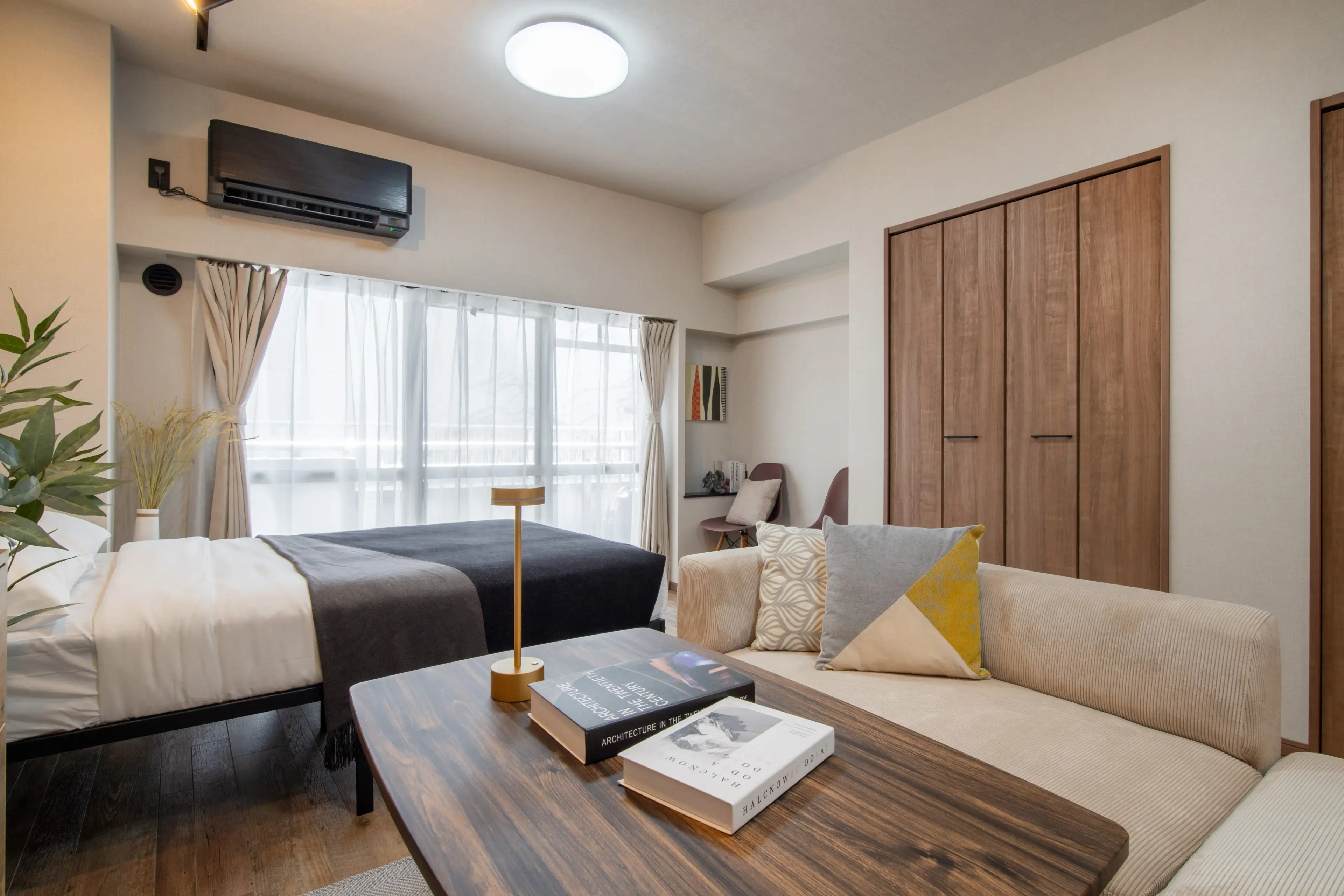 Occupé
Fully Furnished Apartment 20 Min to Takadanobaba
Iidabashi High Town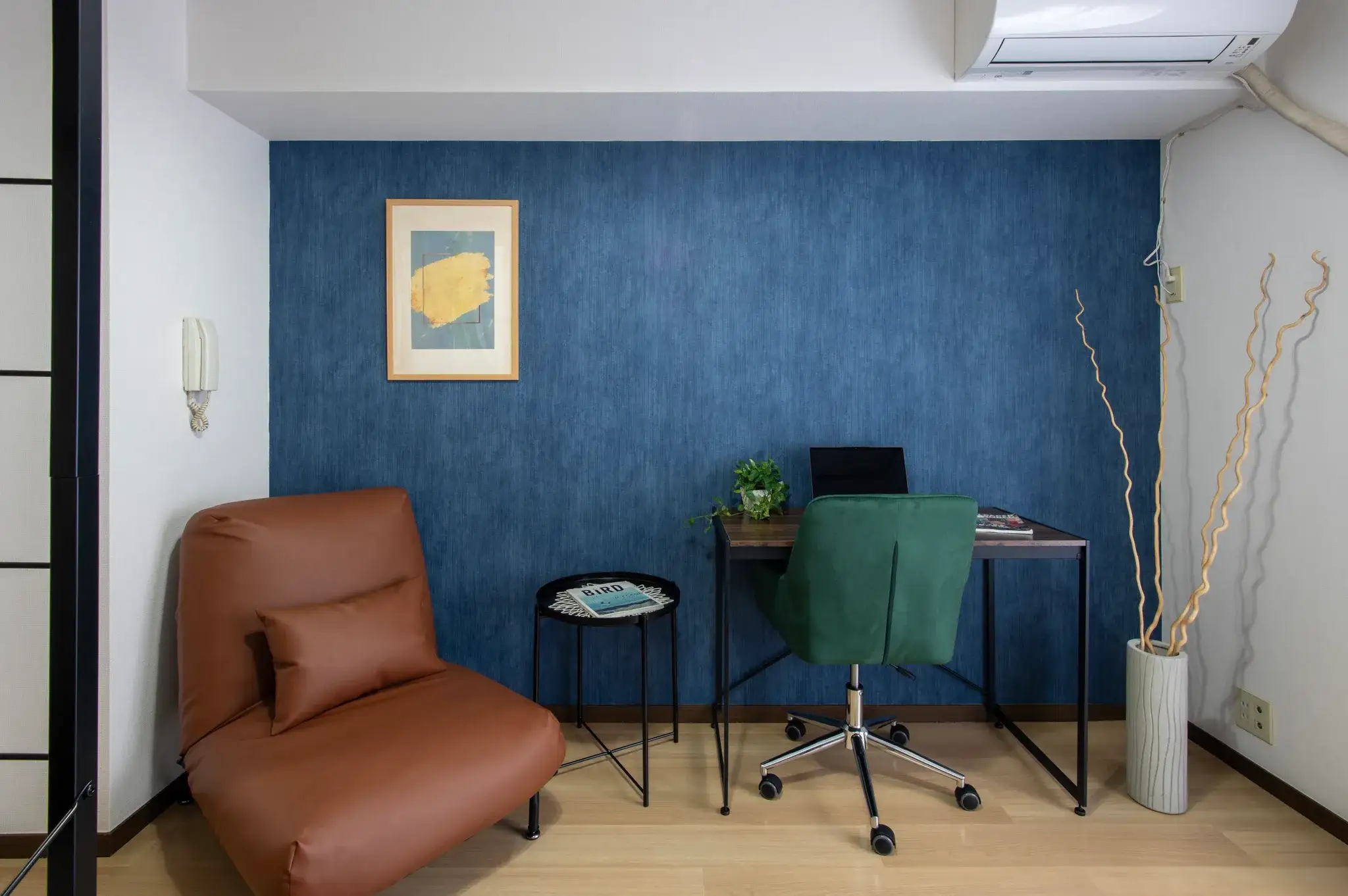 Possiblement à partir du Dec 3, 2026
Appartement meublé à Meguro
ML Meguro — 208
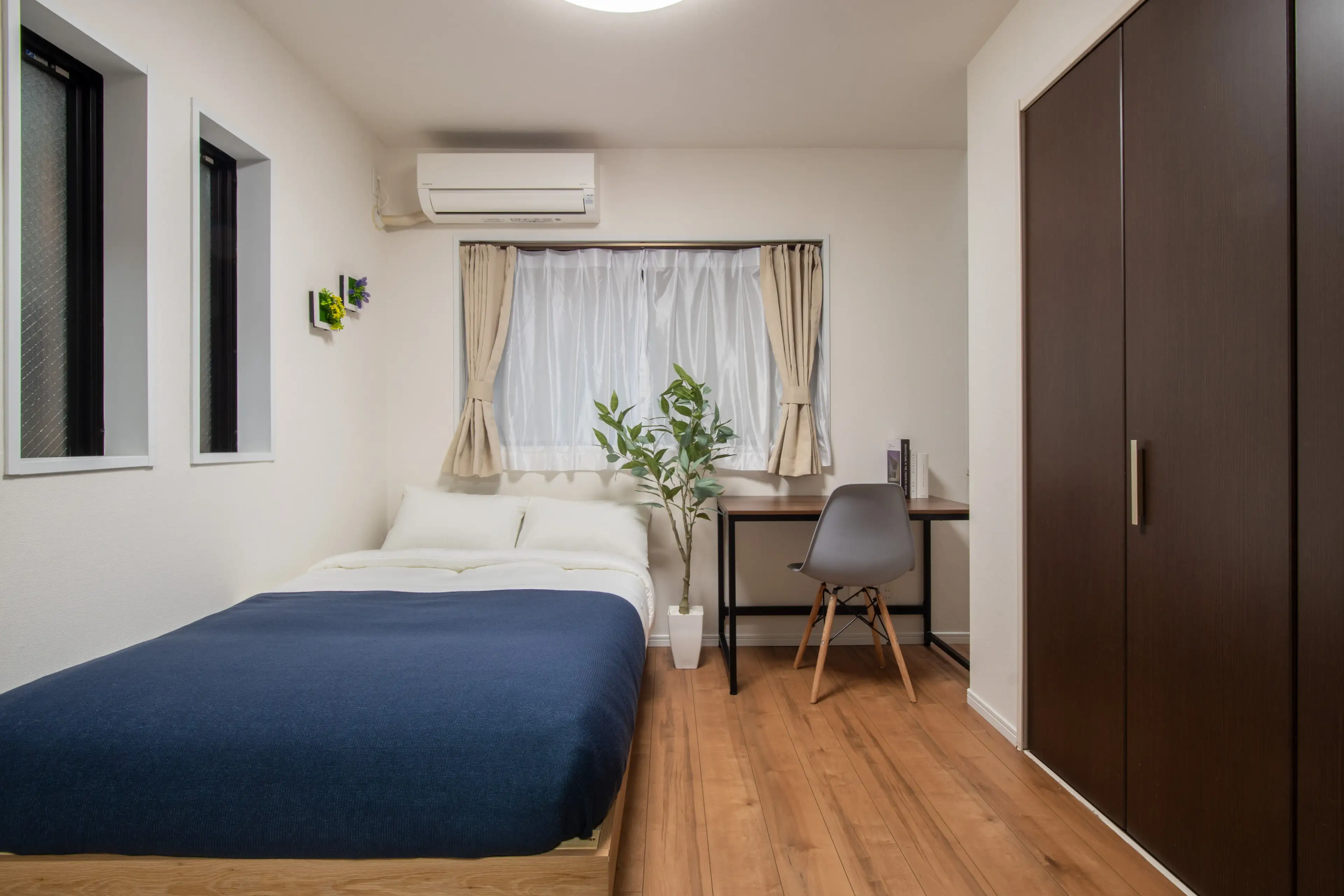 Disponible maintenant
Appartement meublé à Shinagawa
Beverly Homes Nishikoyama — 103