
Guide de Vie à Shinagawa : Le Carrefour Idéal des Expatriés à Tokyo

Why Shinagawa Is Tokyo's Most Underrated Expat Neighborhood
If you're putting together your Shinagawa expat living guide, you're already ahead of the crowd. While most newcomers rush toward Shinjuku or Shibuya, savvy expats are quietly settling into Shinagawa — one of Tokyo's most connected, livable, and genuinely international districts.
Shinagawa sits at the southern edge of central Tokyo, straddling Minato and Shinagawa wards. It has long been a corporate hub, home to major offices for Sony, Canon, and dozens of multinational firms. But over the past decade, it has evolved into a fully-fledged residential neighborhood with excellent amenities, growing international infrastructure, and surprisingly competitive rents.
The word "underrated" is key here. Shinagawa rarely tops expat listicles, yet residents who live there tend to stay. Once you experience the transport access, the cleanliness of the Konan waterfront, and the easy international vibe around the station, it's hard to imagine living anywhere else in Tokyo.

Transport Access: Shinkansen, Keikyu, JR & The Future Linear Chuo Shinkansen Hub
Transport is where Shinagawa simply wins. No other residential area in Tokyo comes close to matching the range of lines and destinations available from a single station.
Current Lines Serving Shinagawa Station
- JR Yamanote Line — loop around all of central Tokyo; Shibuya in 8 min, Shinjuku in 20 min
- JR Keihin-Tohoku Line — direct access to Yokohama (18 min) and Omiya
- JR Tokaido / Yokosuka Line — fast trains to Kamakura, Ofuna, and Yokohama
- Tokaido Shinkansen — Osaka in 2h 15min, Kyoto in 2h 8min, Nagoya in 1h 34min
- Keikyu Main Line — direct trains to Haneda Airport in just 11 minutes
That Haneda connection is a serious lifestyle upgrade. For expats who travel frequently for work or fly home regularly, 11 minutes to the airport — without changing trains — is genuinely life-changing.
The Linear Chuo Shinkansen: A Game Changer
Shinagawa will be the Tokyo terminus for Japan's maglev Linear Chuo Shinkansen, which will connect Tokyo to Nagoya in approximately 40 minutes. The project has faced delays, but as of 2026, construction continues and the station infrastructure around Shinagawa is already being planned and developed.
This future designation is already influencing real estate and urban development in the area. Getting in before the maglev opens could prove to be a smart long-term decision for expats planning an extended stay in Japan.
"Eleven minutes to Haneda Airport, Shinkansen access, and the future maglev terminal — Shinagawa may be Tokyo's single most connected place to live."
Shinagawa Rent Costs & Apartments for Foreigners (2026 Figures)
One of the biggest surprises for expats researching Shinagawa apartments for foreigners is how reasonable rents are given the transport access. You're not paying a Minato ward premium, yet you have access to the same — or better — connections.
Typical Rent Ranges by Property Type (2026)
- Share house room (Konan/Osaki area): ¥55,000–¥80,000/month all-inclusive
- 1K apartment (25–30 sqm): ¥95,000–¥130,000/month
- 1LDK apartment (40–55 sqm): ¥150,000–¥200,000/month
- 2LDK apartment (60–75 sqm): ¥200,000–¥280,000/month
- Furnished serviced apartments: ¥130,000–¥180,000/month (short-term available)
The Shinagawa rent cost picture is notably better than neighboring Minato ward (Azabu, Hiroo, Roppongi), where equivalent apartments run 20–40% higher. Expats working in the Marunouchi or Shiodome corridor often choose Shinagawa for exactly this reason.
Foreigners should also note that the Shinagawa area has a higher density of foreigner-friendly landlords and agencies than most Tokyo districts, reflecting the long-established international business community here. Properties with English-speaking management are genuinely common.
Pro Tip: If you're arriving on a corporate relocation package, ask your company's HR if they have preferred agents in the Konan area — many multinationals with Shinagawa offices maintain relationships with local agencies that can fast-track your apartment search.
Daily Life in Shinagawa: Supermarkets, Schools, Clinics & Dining

Supermarkets & Food Shopping
Daily grocery shopping is easy in Shinagawa. The Atre Shinagawa shopping complex inside the station has a well-stocked basement food hall. The Konan area (east side) has a large Queen's Isetan at InterCity that carries international products, imported cheeses, wines, and Western pantry staples.
For budget shopping, Maruetsu and Ito-Yokado branches serve the wider Shinagawa ward area. Osaki and Gotanda have multiple options for everyday needs. The Gotanda wholesale district near Togoshi-Ginza is worth exploring if you enjoy cooking — the street is one of Tokyo's longest shopping streets and surprisingly affordable.
International Schools & Education
Families considering living near Shinagawa station Tokyo will find several solid international education options within a practical commute:
- Tokyo International School (Mita) — IB curriculum, roughly 15 minutes by car or taxi
- Deutsche Schule Tokyo Yokohama — accessible via Keikyu line
- Yokohama International School — 25 minutes via JR Keihin-Tohoku
- Shinagawa Japanese Language School — popular with expat adults learning Japanese
Medical & Healthcare
Kitasato University Kitasato Institute Hospital (Shirokanedai, 10 min) has English-speaking staff and international patient services. Tokyo Bay Sinai Hospital (accessible via Keikyu) serves the waterfront communities. The Keikyu line also connects quickly to the large international hospitals in Yokohama for expats from that direction.
Several clinics around Shinagawa Station offer English consultations, including dental clinics inside the Atre and InterCity complexes — genuinely convenient for busy professionals.
Restaurants & International Dining
Shinagawa has a strong dining scene that goes well beyond salaryman ramen (though the ramen is excellent). The Osaki Bright Tower area has casual international options. Gotanda is a local gem — less polished than Shibuya but packed with Korean BBQ, Thai restaurants, Indian curry spots, and izakayas popular with both locals and long-term expats.
Sub-Areas Decoded: Konan, Higashi-Shinagawa, Osaki & Gotanda
Shinagawa isn't a single neighborhood — it's a cluster of distinct sub-areas, each with its own character. Knowing the difference will help you find your ideal base.
Konan (East of Station)
This is corporate Shinagawa — gleaming towers, waterfront parks, and quiet residential streets. It's orderly, clean, and extremely well-served by the station. Great for professionals who prioritize convenience and a calm environment.
Higashi-Shinagawa
Hugging the waterfront further south, this area has undergone significant redevelopment. It's quieter and more residential, popular with families and expats who want space without sacrificing access. The Tennozu Isle area has developed into a genuine lifestyle destination with cafés, galleries, and weekend markets, as well as a creative district feel, with converted warehouse spaces housing design studios and international businesses.
Osaki
One stop from Shinagawa on the Yamanote Line, Osaki has transformed dramatically over the past 20 years. The Osaki station area is clean, modern, and pleasant, with good retail and dining. Rents here are slightly lower than Konan for comparable apartments. It's a smart choice for expats who want Shinagawa proximity without paying the immediate station premium.
Gotanda
Two stops south on the Yamanote, Gotanda is arguably the most lived-in, authentic sub-area in this guide. It's less polished, more local — and many long-term expats prefer exactly that. A strong Korean community has established excellent restaurants and grocers. The Togoshi-Ginza shopping street (a short walk away) is genuinely charming for daily life. Rents are the most competitive of the four areas.

Good to Know: The Keikyu Shinagawa Station is technically separate from JR Shinagawa Station, though they're connected by a walkway. When searching for apartments, listings described as "Keikyu Shinagawa 5-min walk" are still extremely central — don't be confused by the distinction.
Is Shinagawa Right for You? Best Resident Profiles & Share House Options
Not every neighborhood suits every expat. Here's an honest breakdown of who thrives in Shinagawa — and who might prefer somewhere else.
Shinagawa Is Perfect For:
- Corporate professionals relocating to work in Shinagawa, Shiodome, or Marunouchi
- Frequent travelers who value fast, reliable Haneda access
- Expats visiting from Osaka or Nagoya regularly — the Shinkansen connection is unbeatable
- Families who need space and good schooling within a manageable commute
- First-time Tokyo expats who want a well-organized, English-friendly area to settle in
Shinagawa Share House Options
A Shinagawa share house is an excellent entry point for expats new to Tokyo. Share houses remove the usual barriers — no guarantor, no key money, no furniture shopping — and put you in a ready community from day one. The Konan and Osaki areas in particular have a growing number of premium share houses catering specifically to international residents.
Monthly all-in costs for a well-managed share house in this area typically run ¥55,000–¥80,000, including utilities, Wi-Fi, and weekly cleaning of common areas. For someone on a first assignment in Tokyo, that's an unbeatable combination of convenience, location, and cost.
Who Might Look Elsewhere:
- Expats who prioritize nightlife and a social scene (Shibuya or Shinjuku may suit better)
- Those on very tight budgets who can tolerate a longer commute (Kawasaki or Yokohama offer lower rents)
- Creatives seeking a bohemian neighborhood feel (Shimokitazawa or Nakameguro might be a better cultural fit)
But for most working expats arriving in Tokyo — especially those relocating for corporate roles — Shinagawa hits a rare sweet spot: international infrastructure, world-class transport, manageable rents, and a high quality of daily life.
Start Your Shinagawa Life the Right Way
Shinagawa may not have the name recognition of Roppongi or the trendiness of Ebisu, but expats who live here rarely want to leave. The combination of transport, convenience, and livability is simply hard to match anywhere else in Tokyo.
If you're planning a move to the Shinagawa area, Modern Living Tokyo offers furnished apartments and share houses designed specifically for international residents — with English support, flexible contract terms, and properties located within easy reach of Shinagawa, Osaki, and Gotanda stations. No guarantor needed. No furniture stress. Just a clean, well-managed home ready when you are.
Get in touch with our team to find out what's currently available — and start your Tokyo chapter in one of the city's smartest locations.

Modern Living Tokyo
Articles connexes
 Neighborhood
Guide de vie à Shimokitazawa : le quartier le plus branché de Tokyo pour les expatriés
Votre guide complet pour vivre à Shimokitazawa, Tokyo — découvrez les loyers, les transports, le style de vie et déterminez si ce quartier créatif emblématique vous convient.
 Modern Living TokyoLire la suite →
 Neighborhood
Vivre à Kichijoji : le quartier le plus agréable de Tokyo ?
Kichijoji arrive régulièrement en tête des sondages sur la qualité de vie à Tokyo — mais est-ce vraiment le quartier qu'il vous faut ? Loyers, trajets, meilleurs secteurs et vie quotidienne : on vous explique tout.
Modern Living TokyoLire la suite → Neighborhood
Guide de vie à Ebisu : appartements et maisons partagées dans ce quartier convivial de l'ouest tokyoïte
Vous envisagez de vous installer à Ebisu ? Découvrez les tarifs de location, les conseils pratiques du quartier et les informations sur les trajets pour l'un des secteurs les plus agréables à vivre — et cosmopolites — de Tokyo...
Modern Living TokyoLire la suite →Biens à la une
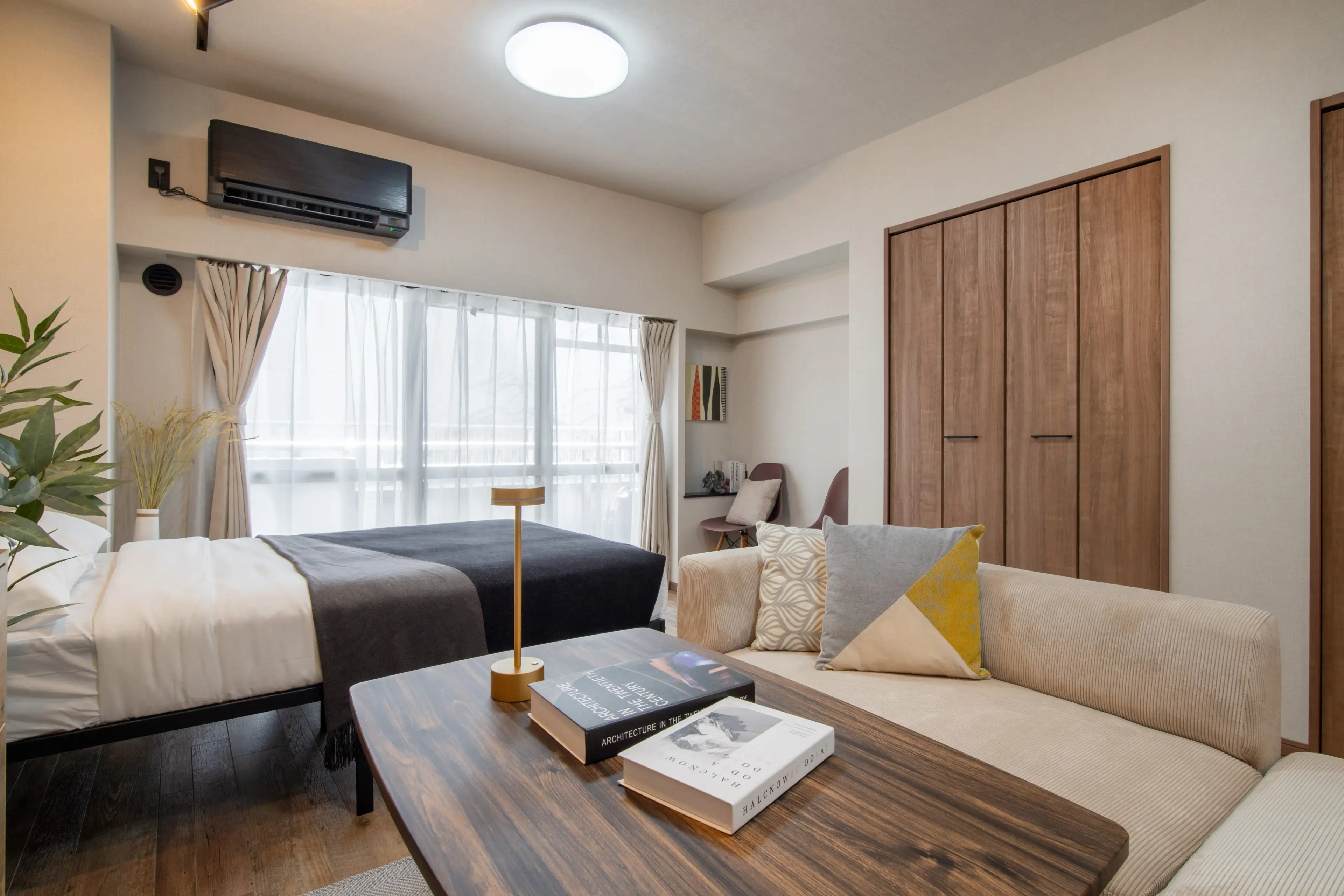 Occupé
Fully Furnished Apartment 20 Min to Takadanobaba
Iidabashi High Town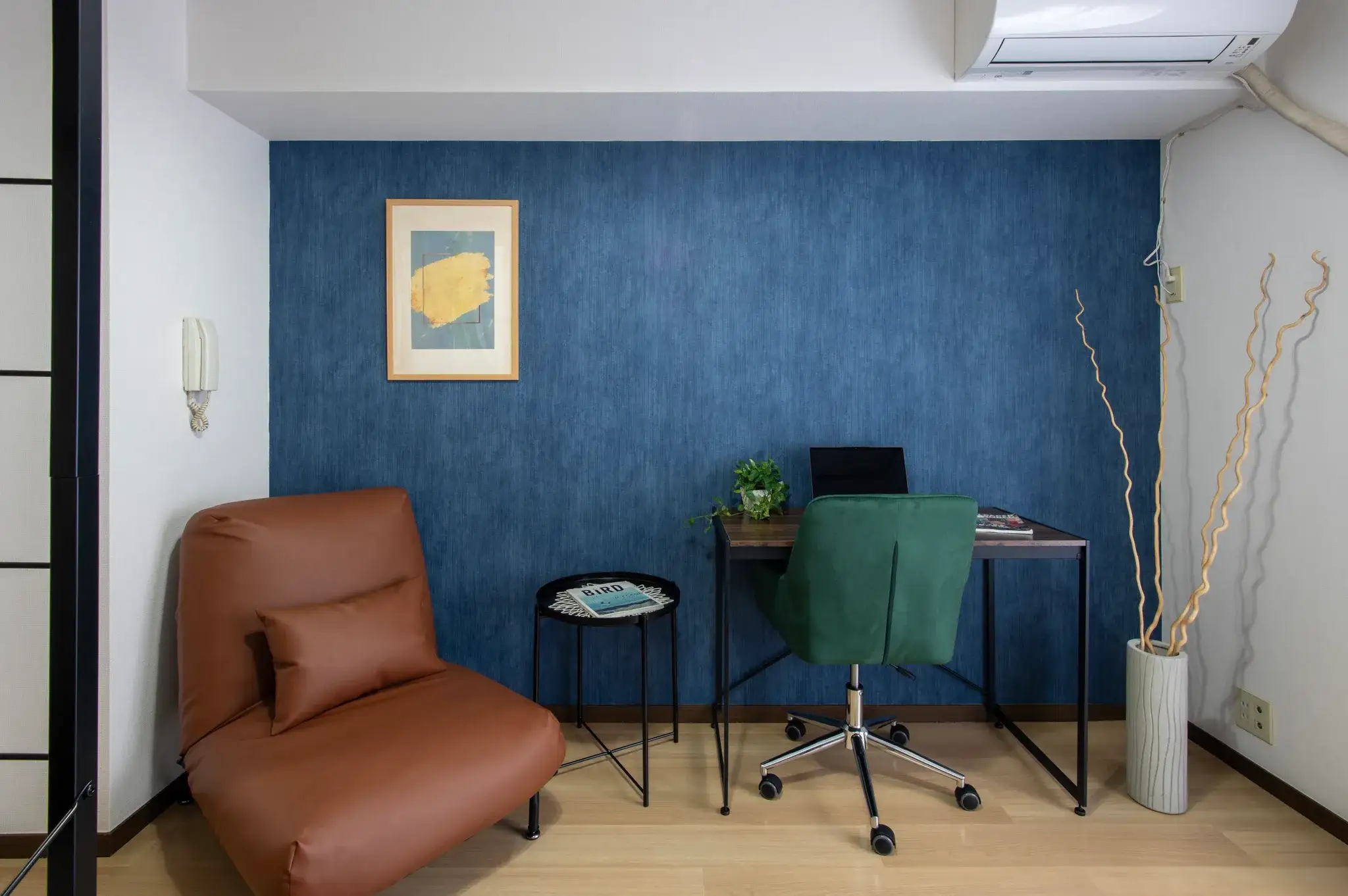 Possiblement à partir du Dec 3, 2026
Appartement meublé à Meguro
ML Meguro — 208
 Disponible maintenant¥20,000 OFF90j
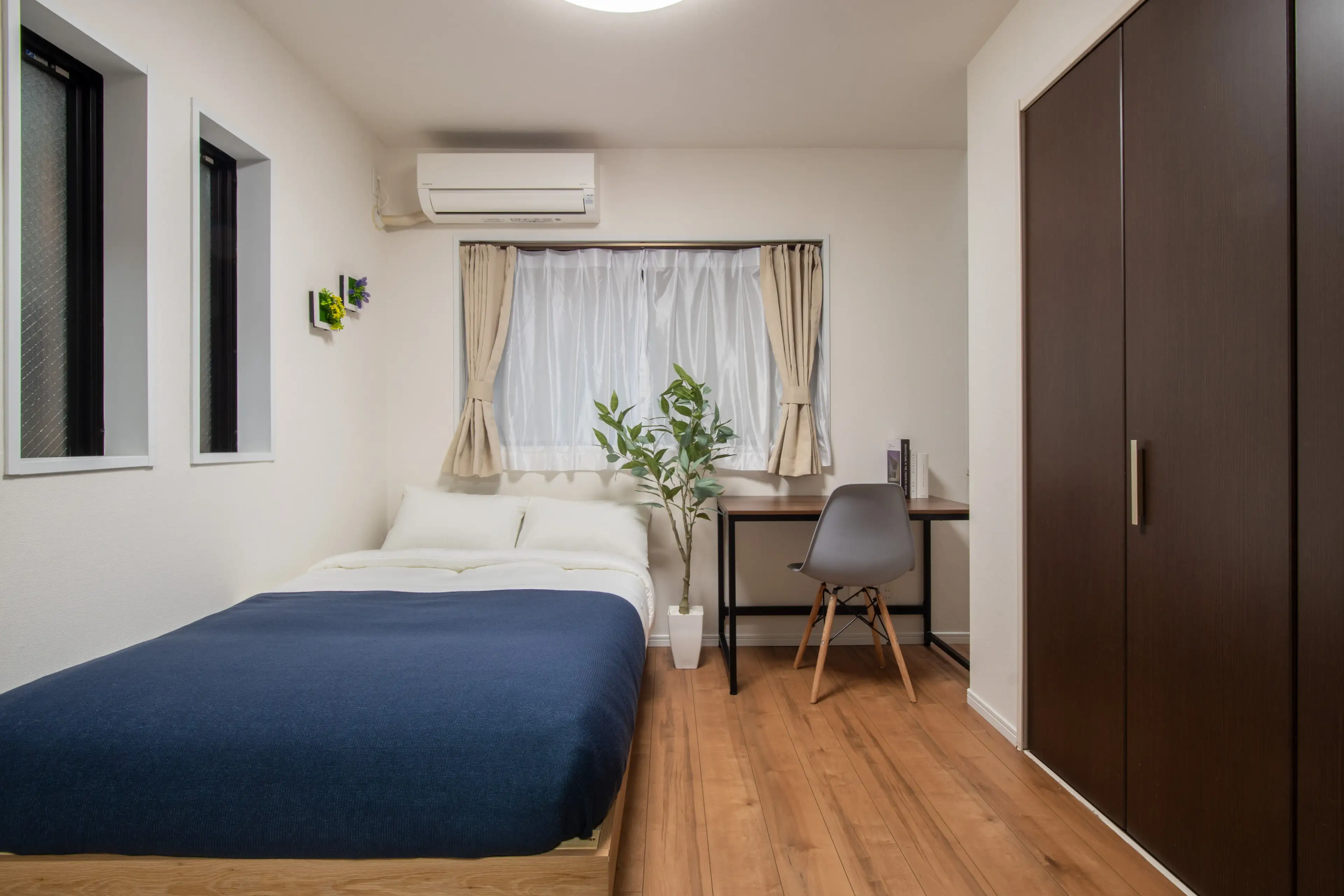
Appartement meublé à Shinagawa
Beverly Homes Nishikoyama — 103